
Musée du Jouet, Colmar: what to see and how long to allow

The Musée du Jouet is a small, dense toy museum in central Colmar, housed in a former neighbourhood cinema at 40 rue Vauban and holding more than a thousand toys. It suits families with children who want an indoor hour and a half between the old town's churches and canals, rather than a full afternoon.
Everything sits on three floors, with the play tables at street level and the collection stacked above, so you can decide on arrival whether to play first or work straight up to the trains. It is compact enough to slot into a Colmar weekend without rewriting the rest of your day.
What the Musée du Jouet is
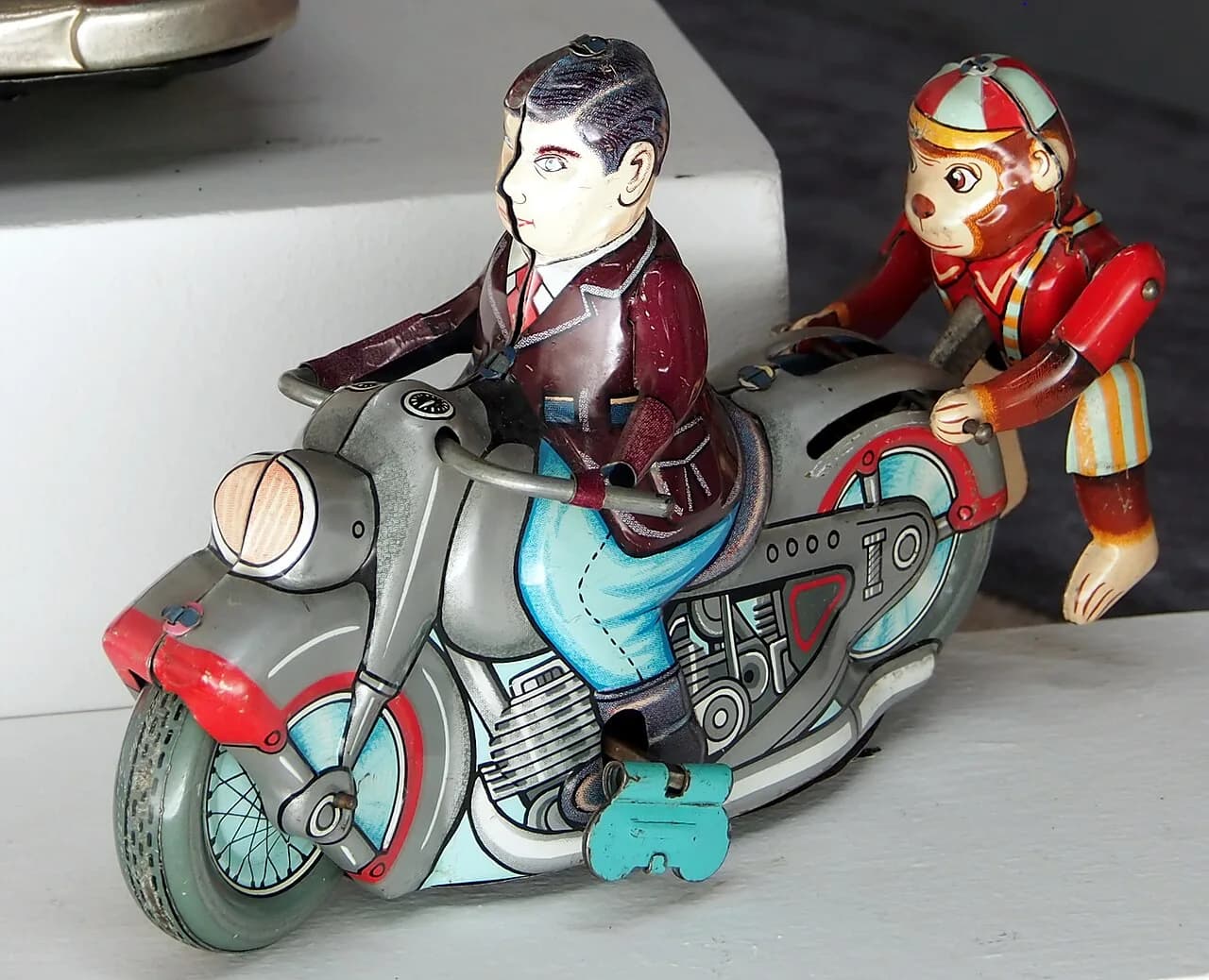
The museum occupies a building that once served as a local cinema, and its collection began with the painter Georges Trincot. The displays mix antique pieces with modern toys, so adults get the nostalgia and children get recognisable characters and bricks.
Cases are rotated regularly, which means the exact toys on show shift between visits and no single object is guaranteed. More than a thousand toys are held overall, with old and new deliberately shown side by side rather than in strict chronological order.
Where it is and how to get there
The address is 40 rue Vauban, in the town centre and a few minutes' walk from Petite Venise. TRACE buses A and B stop at Vauban, which makes it easy to reach from outside the old town without a car.
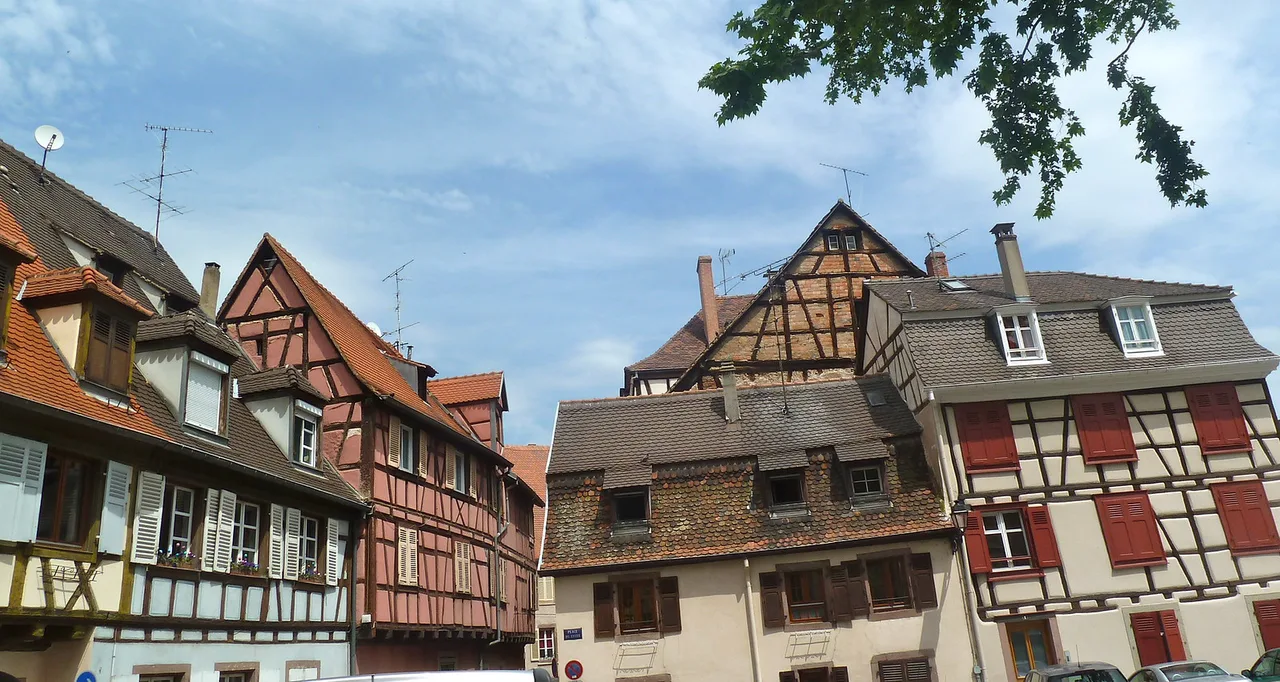
Because it sits inside the historic core, the museum works best as one stop in a walking day rather than a separate excursion. Pair it with the canals at little venice Colmar, where flat-bottomed boats run along the Lauch past half-timbered houses.
How to work round the three floors
Start at ground level, where the temporary exhibition sits just inside the door alongside large-format board games, video consoles and automata set out for every age. Children can play here before or after the cases upstairs, which is useful if you want to break up the looking with doing.
The first floor is given over to dolls, from delicate porcelain models to sturdy baby dolls and Barbie through the decades. Move up one floor at a time rather than rushing ahead, because the second floor is where most children want to end up.
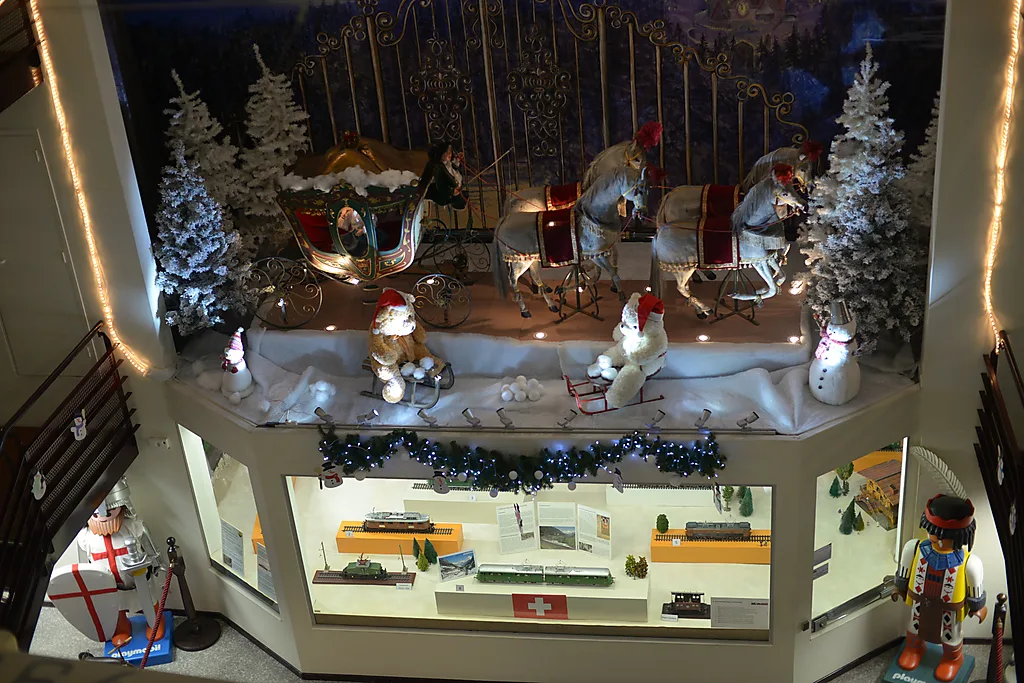
The whole second floor is a model railway, with electric and diesel locomotives from a century ago running beside current ones. The trains run while you watch, so this is the natural place to finish the route.
Highlights worth pausing at
Antique teddy bears are displayed next to cartoon characters, robots, Playmobil and scale models gathered from around the world, so the collection reads as a century of play rather than a single era. The LEGO town in the main hall is maintained and updated, which keeps it relevant for children who already know the sets.
The centrepiece is a puppet theatre where animated puppets play the fable of the fox and the stork, set in 17th-century Alsace. Older puppets in the collection go back to the 18th century, and it is worth asking at the desk whether the theatre is playing on the day you visit.
How much time to allow
Budget about an hour and a half for a steady walk through the three floors. If children settle into the game tables at the entrance, expect longer, because the ground floor invites play before you have seen anything upstairs.
The realistic pattern is that children lead the visit rather than follow it, so plan the museum as the flexible part of the day and keep the fixed slots around it. That makes it a better fit for a morning than for a tightly timed afternoon.
Practical points before you go
Prams are allowed inside and the building is accessible, which matters in a town centre where smaller museums often are not. Pets are not allowed, so leave the dog at your hotel.
Staff speak French, German, Alsatian and English, so questions at the desk can be asked in whichever suits you. Themed tours and children's workshops are announced on the museum's social media pages rather than fixed in advance.
Entry is ticketed, with a family rate for groups of five or more, and admission is bought through the museum's ticket page for the Musée du Jouet. Rates change, so confirm the current admission on the museum's own pages before you set out.
Opening hours and closures
The museum opens from 10am to 5pm and closes on Tuesdays outside French school holidays. That Tuesday closure is the classic trap when you are arranging a long weekend around Colmar's sights, so check the day before fixing your plan.
In July, August, December and every French school holiday it opens daily until 6pm instead. It also closes on 1 January, 1 May, 1 November and 25 December.
The museum is open daily during French school holidays, which affects families travelling in the school breaks more than anyone else. Outside those weeks it is shut on Tuesdays, and visitors have reported the same pattern.
What is nearby
The Collégiale Saint-Martin de Colmar sits about 400 metres away, a Gothic collegiate church of Vosges sandstone built between 1234 and 1365 with one finished tower. Saint Martin's Church, Colmar is the obvious next stop if you are following the old town on foot.
The Couvent des Dominicains de Colmar is nearer still at roughly 440 metres, a tall, plain Gothic church of the preaching friars lit by 14th-century stained glass, with Martin Schongauer's Virgin of the Roses in the choir. Petite Venise is about 765 metres away, where the boats run along the Lauch past pink, yellow and pale blue houses.
For a heavier dose of art, the Unterlinden Museum, Colmar holds the Isenheim Altarpiece and is a short walk across the centre. Maison des Têtes in Colmar, with its carved facade, is another short hop if you are stringing together the old town's landmarks.
Maison Pfister, Colmar's celebrated 16th-century corner house, is also within the old town and easy to fold into the same loop. If you are building a wider plan, the broader list of things to do in Colmar will help you decide what else deserves a slot, and if you are considering a longer trip, our Strasbourg city guide covers the same decision on a bigger canvas.
Plan Your Visit
The Musée du Jouet is a compact, reliable indoor stop for families in central Colmar, best given around an hour and a half and best avoided on a Tuesday outside school holidays. Check current admission on the museum's own pages before you go, since rates change through the year.
Explore more Colmar guides
Frequently Asked Questions
Where is the Musée du Jouet in Colmar?
It is at 40 rue Vauban in the town centre, a few minutes' walk from Petite Venise. TRACE buses A and B stop at Vauban.
How long does the Colmar toy museum take?
Allow about an hour and a half for the three floors. Children who settle into the play tables on the ground floor will stretch that, so treat it as the flexible stop of the day.
Is the Colmar toy museum open on Tuesdays?
It closes on Tuesdays outside French school holidays. In July, August, December and every French school holiday it opens daily until 6pm instead.
What can children do at the Musée du Jouet?
The ground floor has large-format board games, video consoles and automata to play with, the first floor shows dolls, and the second floor holds a full-floor model railway that runs while you watch.
What is near the Musée du Jouet in Colmar?
The Collégiale Saint-Martin is about 400 metres away, the Couvent des Dominicains about 440 metres and Petite Venise about 765 metres, all reachable on foot.