Things to Do in Colmar: Old Town, Museums and Markets
Plan things to do in Colmar with a walkable old town route, La Petite Venise, the Musée Unterlinden and markets, plus how many days the city needs.
On this page
Colmar is a half-day city on foot and a full day if you add a museum and a boat trip, with two to three days letting you tack on the Wine Route villages. The historic centre is small and easy to cover on foot, so the real decisions are where to start, which museum earns your time and whether you want the boat.
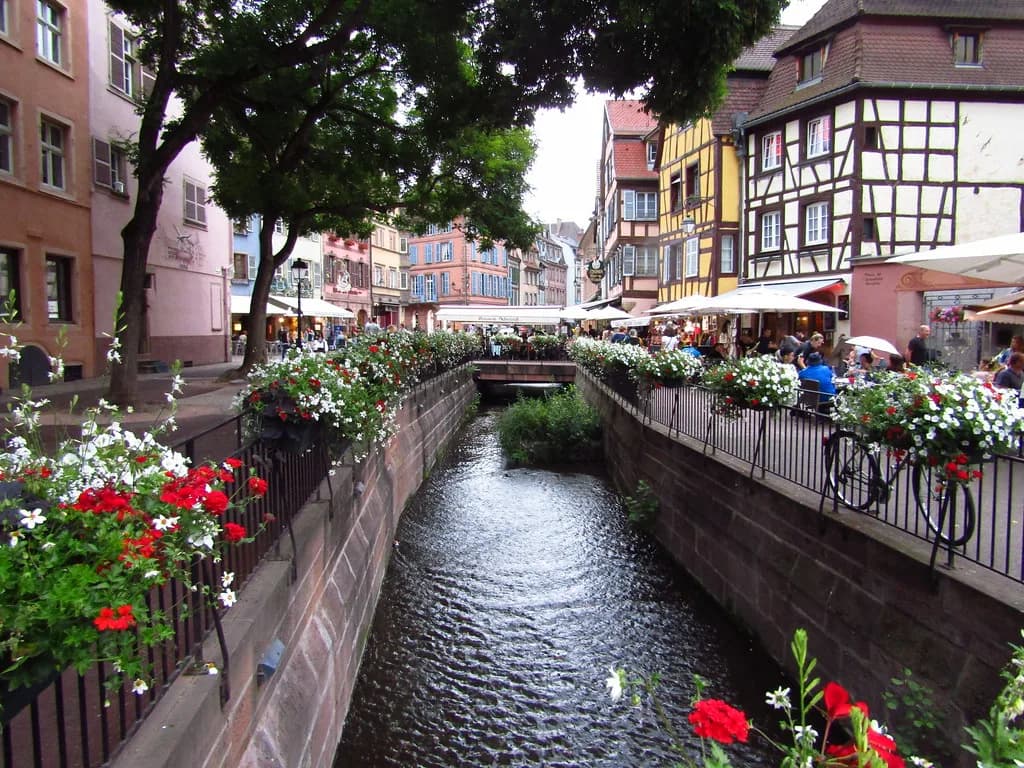
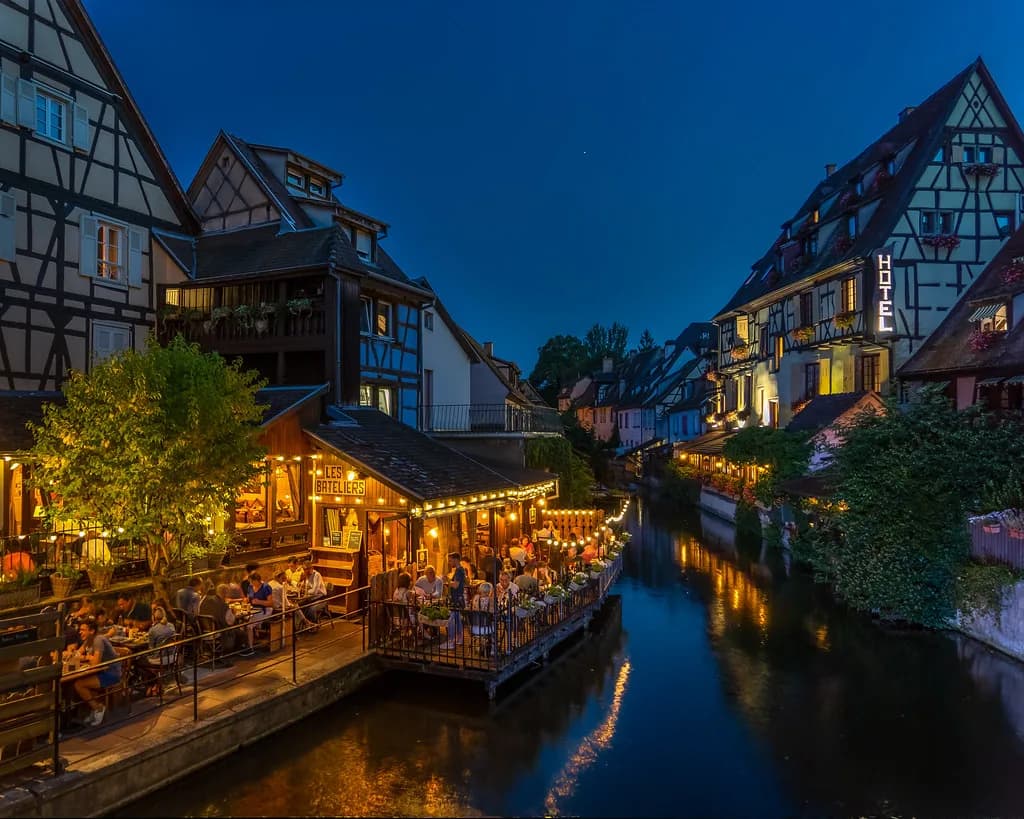
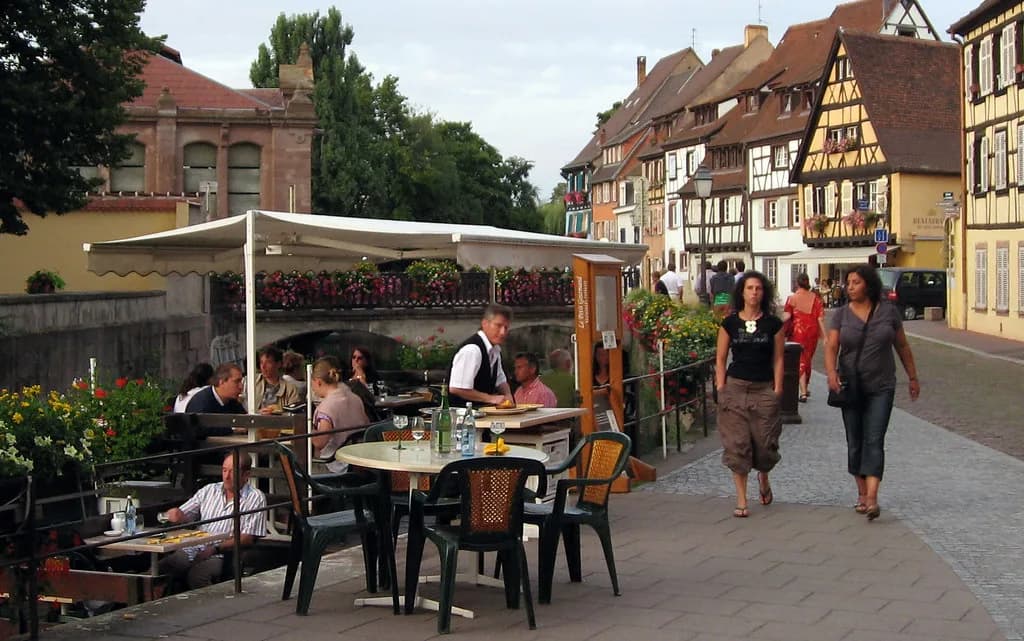
Expect Alsace rather than Venice: the canals are real, the colourful half-timbered houses along the Quai de la Poissonnerie are real, but the name La Petite Venise is a local flourish, not a promise of lagoons.
Why Colmar Suits a Short Break
The centre is compact enough that wandering is a legitimate strategy, with the Tanneurs district next door to La Petite Venise and most landmark houses within a few minutes of each other. Set aside roughly half a day to walk the historic centre at a relaxed pace, with a coffee or pastry stop built in rather than rushed.
This is a romantic-break and family city rather than a party one: evenings are quiet, so plan a proper dinner and an early night rather than looking for late bars.
How Colmar Is Laid Out and How to Orient Yourself
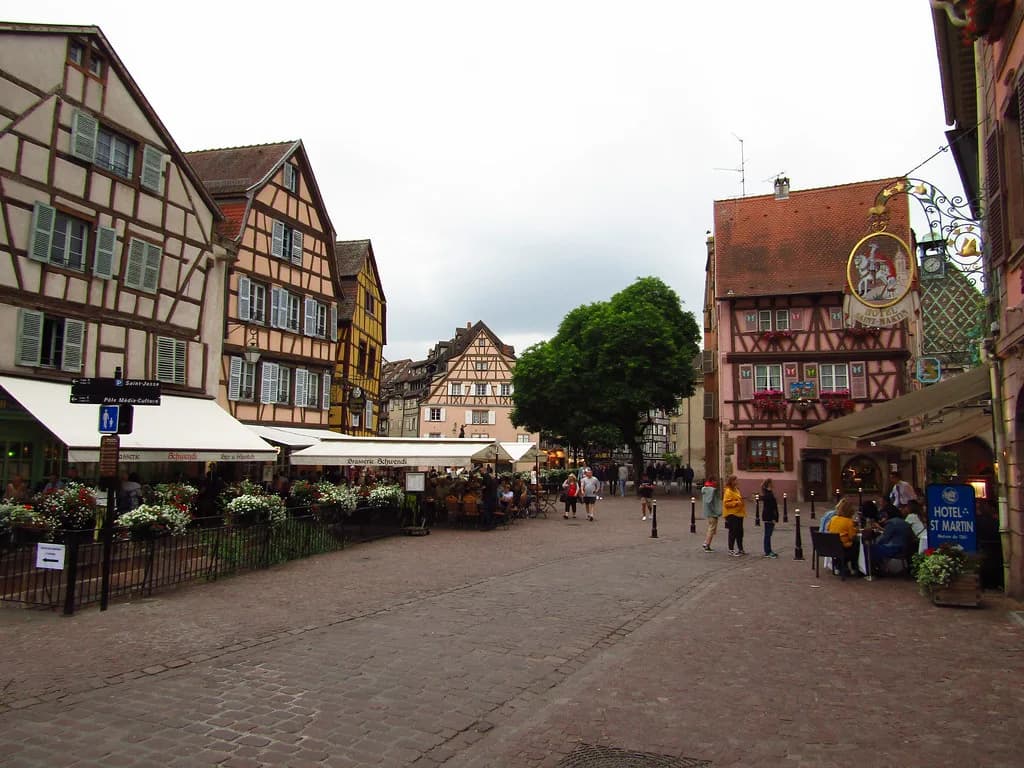
Think of the old town as a loop: the Quai de la Poissonnerie and La Petite Venise in the south-west, the Tanneurs district around Schwendi Square and the Koïfhus just north of it, and the landmark houses scattered along the lanes in between. Start low and east, then work north-west through the lanes so you finish near the covered market for lunch.
Colmar is reached easily by train, including TER trains from Strasbourg that take about 32 minutes, so a car is not needed for a weekend centred on the city.
Start With the Old Town: La Petite Venise and the Quai de la Poissonnerie
The Quai de la Poissonnerie, running along the Lauch, is the most photographed stretch in Colmar: a line of colourful half-timbered houses reflected in the water, best seen slowly and on foot. Walk the quay, cross a bridge for the reverse view, then drift into the Tanneurs district rather than turning back on yourself.
Look up as you go. The facades and hanging signs are half the pleasure of the old town, and a route that hugs the river misses much of it.
The Landmark Houses: Maison des Têtes, Pfister House and the Koïfhus
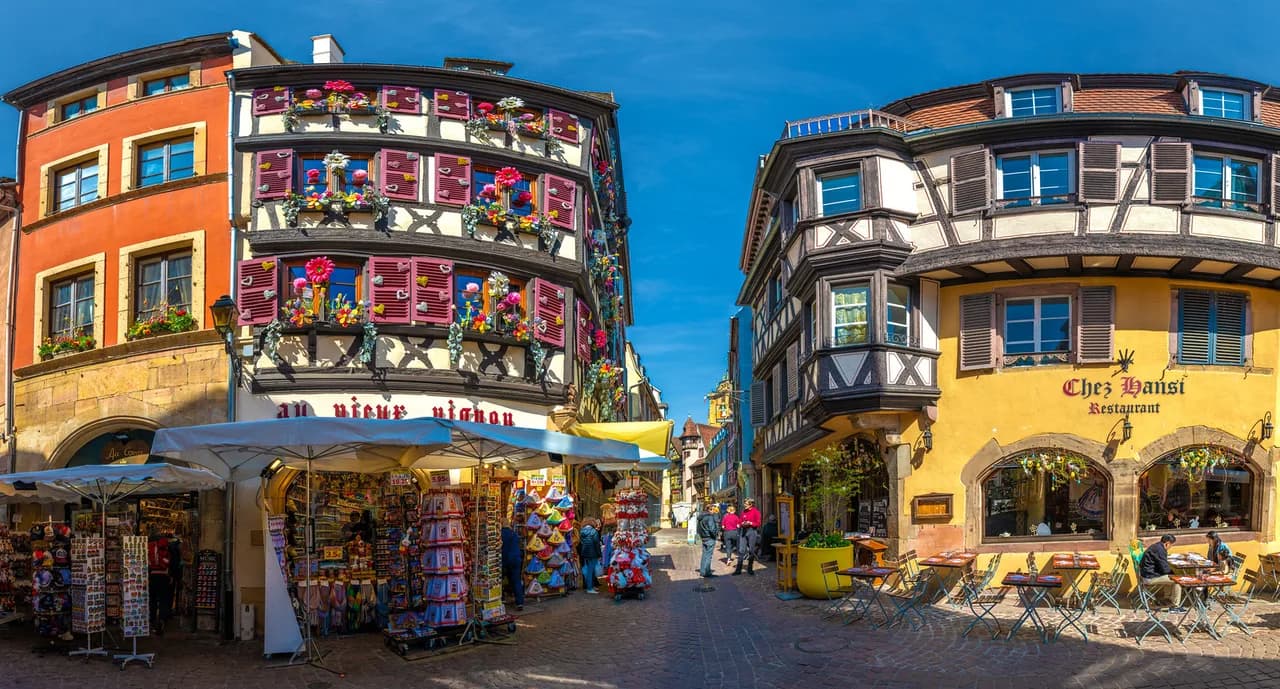
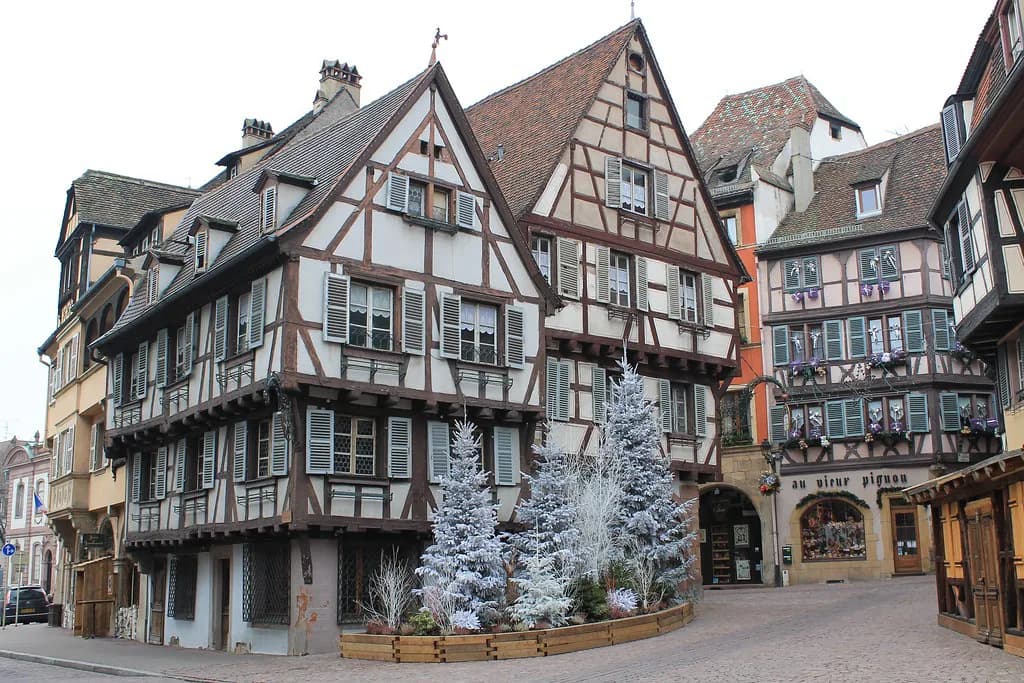
Four buildings do most of the visual work: the Maison des Têtes with its sculpted facade, the Pfister House with its painted corner bay, the Koïfhus as the old customs and meeting hall, and the so-called House of the Heads. They sit close enough together to see as one sequence on foot rather than four separate outings.
The Maison des Têtes also houses one of the city's noted pastry shops, which makes it a sensible place to time a break.
Religious and Civic Sights: Collégiale Saint-Martin and the Dominican Church
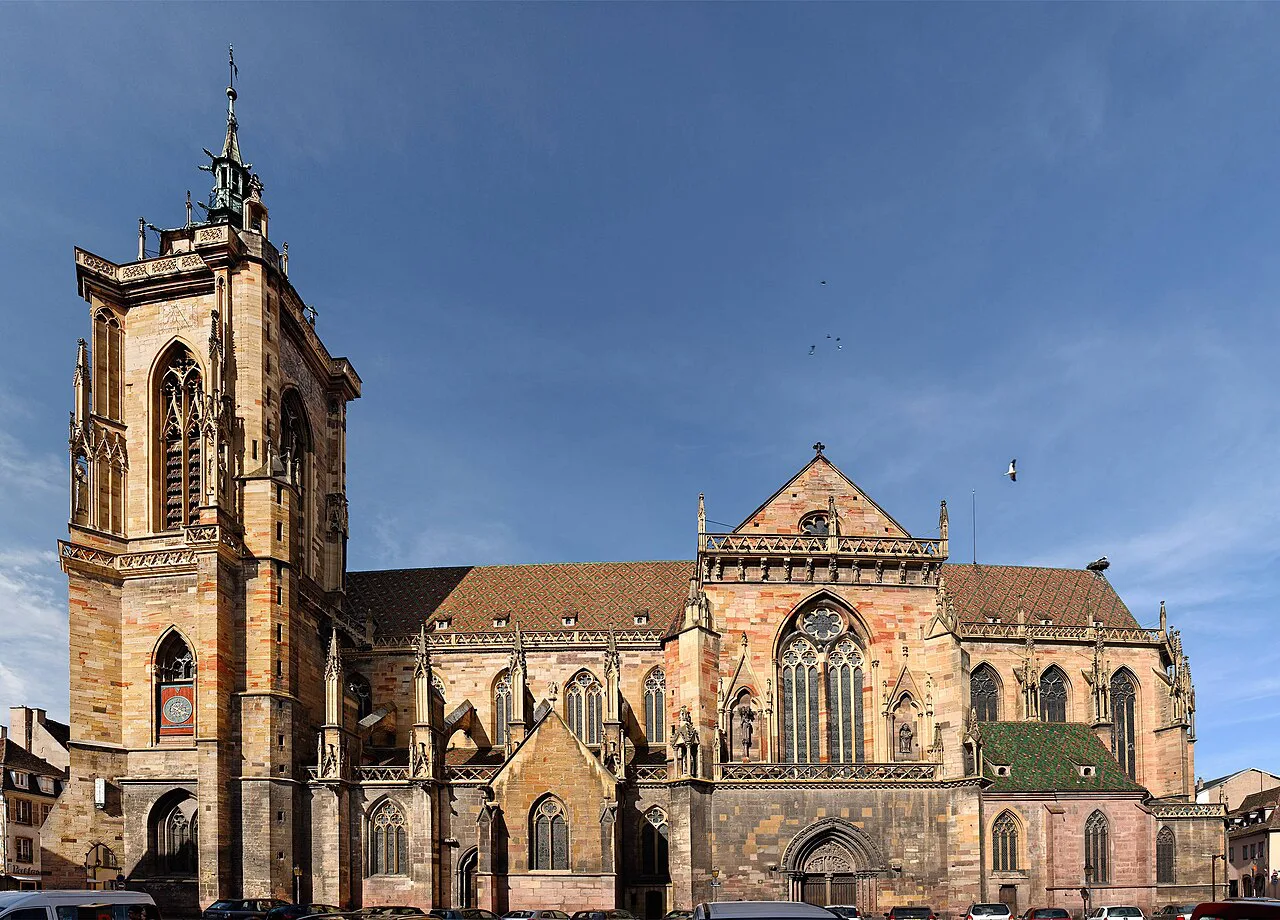
The Collégiale Saint-Martin is often called Colmar's cathedral, though it is a collegiate church; it anchors the middle of the old town and is a natural pause in a walking route. The Dominican Church is the quieter stop and holds Martin Schongauer's Madonna of the Rose Bush, which justifies the detour for anyone with an interest in art.
Museums Worth Your Time: Unterlinden, Bartholdi and Village Hansi
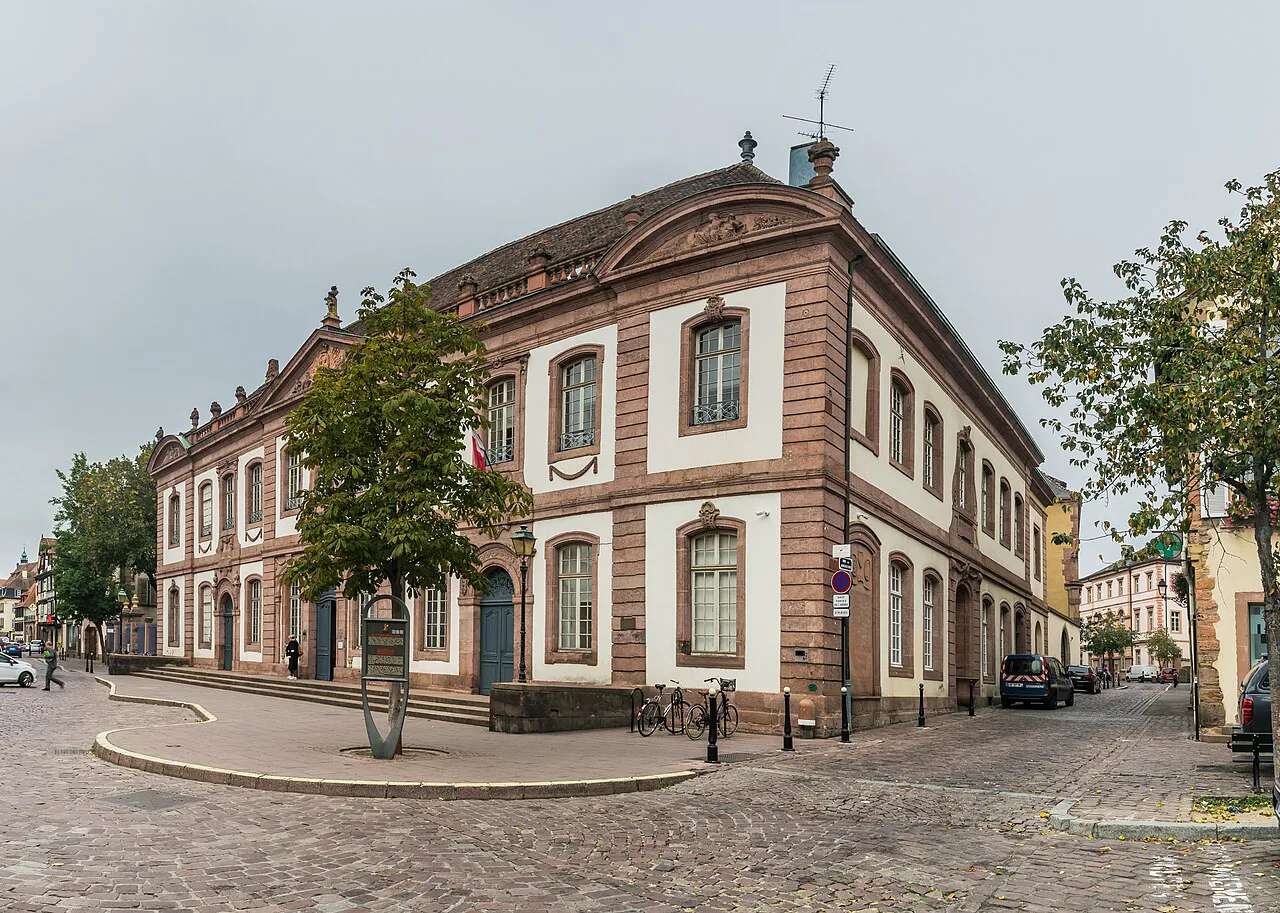
Pick by interest rather than trying to do all three. The Musée Unterlinden is the headline collection and the one to choose if you only visit one museum; the Musée Bartholdi suits anyone curious about the sculptor behind the Statue of Liberty; the Village Hansi covers local illustration and works well with children. If you enjoy weighing one city's museums against another's, our guide to things to do in Aix-en-Provence covers its Musée Granet in the same way.
Elsewhere in the city there is also the André Malraux contemporary art centre for exhibitions, a useful rainy-day alternative to the big museum.
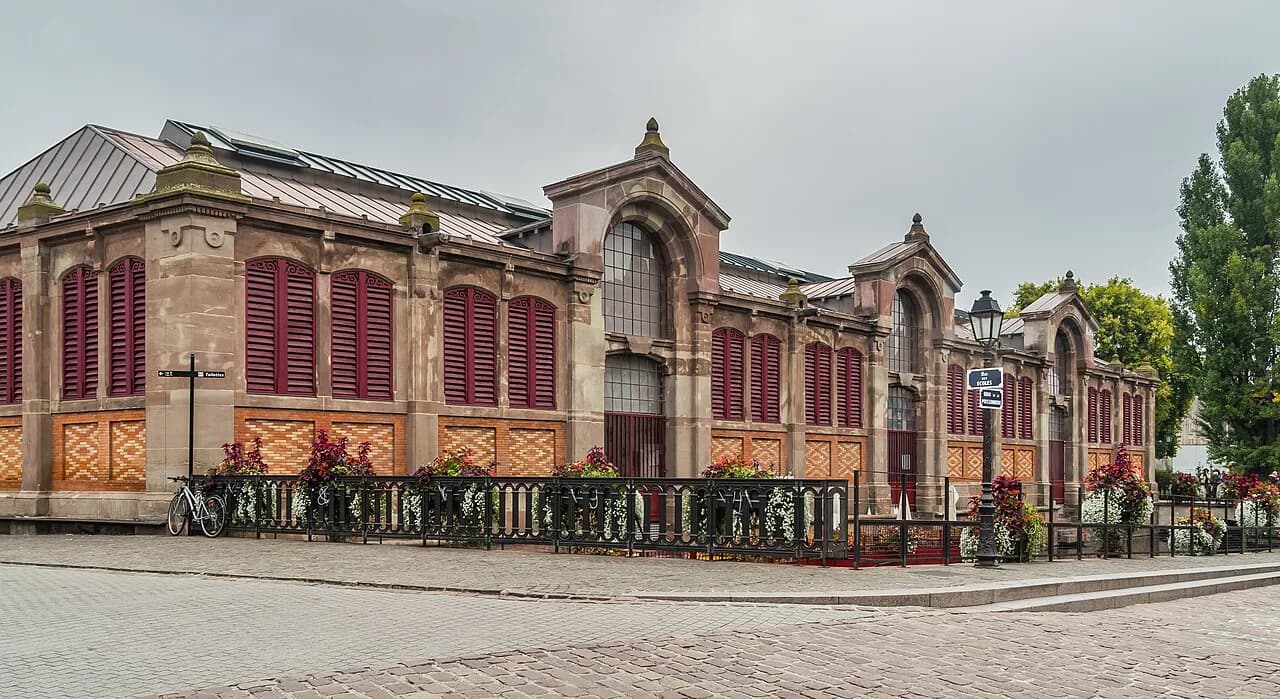
Markets and Food Shopping: Marché Couvert and Marché Saint-Joseph
The covered market in the old town is the everyday stop for local specialities and the easiest place to assemble a picnic or buy edible souvenirs. The Marché Saint-Joseph is a different proposition: a Saturday-morning market where Colmar residents do their weekly shop and stop for coffee with friends, so treat it as a local ritual rather than a tourist attraction.
For taking food home, the Saint-Nicolas cheese shop vacuum-seals Munster, and the Maison alsacienne de biscuiterie sells bredele year-round from three shops in the city.
Bartholdi and the Statue of Liberty Replica
Auguste Bartholdi was born in Colmar, and the city displays a replica of his most famous work, but it stands on a roundabout in a shopping district rather than in the historic centre. It is worth a few minutes if you are passing by car, and worth skipping if it would cost you time in the old town.
A Boat Trip on the Lauch
A short boat trip through the old town is touristy but genuinely worthwhile: it shows the canals, bridges and backs of the houses from an angle you cannot get on foot. It slots naturally into a full-day visit after a morning walk, and it is the kind of activity that keeps children engaged.
How Many Days in Colmar
Half a day covers the old town on foot with time to spare; a full day adds one museum and the boat trip; two to three days lets you combine the city with villages such as Eguisheim, Kaysersberg, Riquewihr and Ribeauvillé along the Alsace Wine Route. The honest answer is that Colmar itself is small, so extra days belong to the surrounding countryside, not to more of the centre.
Colmar in One Day: A Workable Walking Order
Begin at the Quai de la Poissonnerie and La Petite Venise while it is still quiet, loop through the Tanneurs district to the Koïfhus, then take in the Maison des Têtes, Pfister House and Collégiale Saint-Martin before lunch at the covered market. Spend the afternoon in the Musée Unterlinden, then finish with the boat trip or a slow wander back along the Lauch.
If the weather turns, drop the boat and the quay and put the museum and the Bartholdi or Hansi collections in their place.
Colmar in Two Days, With the Wine Route Villages
Give the first day entirely to the city, then spend the second in the villages of the Alsace Wine Route, which are the reason many people come to this part of Grand Est in the first place. Eguisheim is quick to reach by bike, and Riquewihr and Kaysersberg reward a slow morning each.
When to Go: Seasons, Crowds and Winter
Spring and early summer give you the flowering streets and canal views, while autumn is quieter and the vineyards turn. Winter brings the Christmas market season, when the city fills and park-and-ride sites are the sensible way in rather than hunting for a space in the centre.
For a middle-ground month with fewer crowds, October works well: the summer rush has gone and the city is still comfortably walkable.
What Colmar Costs and the Free Things to Do
The best value in Colmar is the city itself: walking the old town, the quays and the Tanneurs district costs nothing, and the churches are free to enter. The optional spends are the museum ticket and the boat trip; check the Musée Unterlinden's own ticket page and the boat operator's notice for current prices before you commit your day.
Colmar With Kids
Choco Story and the Toy Museum are the obvious picks for younger children, while the boat trip and the canals keep attention without requiring much walking. The Unterlinden collection is a harder sell for small children, so swap it for the Village Hansi if the interest is not there.
Honest Trade-Offs
Colmar's evenings are slow, which suits couples and families and frustrates anyone looking for nightlife. The central lanes around the quay get crowded at peak times, so walk them early and save the quieter streets for later; and if your only reason for the Statue of Liberty detour is a photo, you can skip it without regret.
Arriving and Getting Around Without a Car
Colmar's historic centre is very easy to get around on foot, which makes a car unnecessary for most of a city visit. If you are spending two days, the second day can be given over to the villages around Colmar, with Eguisheim, Kaysersberg, Riquewihr and Ribeauvillé among the most beautiful villages on the Alsace Wine Route. You can visit these villages by yourself, or you can book a day trip. For those who prefer to cycle, cycling around Colmar is one of the listed activities, offering another way to explore beyond the centre.
For orientation, the city is small and can be visited very well on foot, so the practical question is less about transport and more about how much time to allot. The recommended duration runs from half a day to stroll through downtown, a full day to see the must-see sights, up to two to three days if you include the surrounding villages. The historic centre is very easy to get around on foot, so even a short visit does not depend on having a vehicle.
One caveat about evenings: the evenings can be a bit slow, and Colmar is not the city to choose if you are looking to party. Plan accordingly if nightlife matters to your trip.
Plan Your Visit
Give Colmar one full day for the city itself: the quay early, one museum and the boat if the weather holds, and the covered market at lunch. Add a second day for the Wine Route villages rather than trying to stretch the centre, and check the museum's ticket page before you travel.
Explore more Colmar guides
Frequently Asked Questions
What should I not miss in Colmar?
The Quai de la Poissonnerie and La Petite Venise, the cluster of landmark houses around the Maison des Têtes and Pfister House, and one museum, with the Musée Unterlinden the strongest single choice. Add the covered market for lunch and you have the core of the city.
How many days in Colmar is enough?
Half a day covers the historic centre on foot, and a full day allows a museum and a boat trip as well. Two to three days makes sense only if you intend to add the villages of the Alsace Wine Route such as Eguisheim, Kaysersberg and Riquewihr.
Does La Petite Venise really look like Venice?
No. The name refers to the canals of the Lauch lined with colourful half-timbered houses, and the atmosphere stays unmistakably Alsatian. Treat the quay as a photogenic quarter rather than a Venetian stand-in.
Is the Colmar Statue of Liberty worth seeing?
Only as a quick stop. The replica of Bartholdi's statue stands on a roundabout in a shopping district outside the historic centre, so it does not fit neatly into a walking day.
Is Colmar easy to explore on foot?
Yes. The historic centre is small and flat, with La Petite Venise, the Tanneurs district and the main churches within a short walk of each other. Comfortable shoes matter more than any transport plan.
When is the Marché Saint-Joseph held?
It runs on Saturday mornings and is where Colmar residents shop and meet for coffee, so plan the rest of your day around a Saturday morning visit if you want to see it.
What is there to do in Colmar when it rains?
Head indoors to the Musée Unterlinden, the Musée Bartholdi or the Village Hansi, or look for a temporary exhibition at the André Malraux contemporary art centre. The covered market is another dry stop.
What should I skip in Colmar?
Skip the roundabout Statue of Liberty if time is tight, and do not expect a lively evening. The central lanes are busiest in the middle of the day, so walk them earlier if crowds bother you.
Sources
Notes for French city breaks
Optional updates to our guides.
You might also like
Continue reading
More guides you'll find useful