Things to Do in Dijon: Old Town, Museums and Markets
Plan a Dijon city break with the Owl Trail, the Palais des Ducs, Les Halles market mornings, the Cité de la Gastronomie and the Tour Philippe le Bon.
On this page
Dijon suits a short break because the sights sit close together: a self-guided Owl Trail links the old town's main monuments, and the Palais des Ducs, the Musée des Beaux-Arts and Les Halles all fall within an easy walk. Two days covers the highlights without rushing, and one day still works if you follow the Owl Trail without going inside buildings.
Why Dijon Works for a Weekend
The city is the capital of Burgundy and a straightforward train hop: allow about 1h35 from Paris on the high-speed line. Dijon is compact, so a weekend is enough to explore its historic centre and eat well without spending hours in transit.
The pull is food and wine as much as architecture. Burgundy wines, Dijon mustard, pain d'épices and cassis all have shops and tasting rooms in the centre, so a morning of monuments and an afternoon of eating is a realistic shape for a day.
How Dijon Is Laid Out
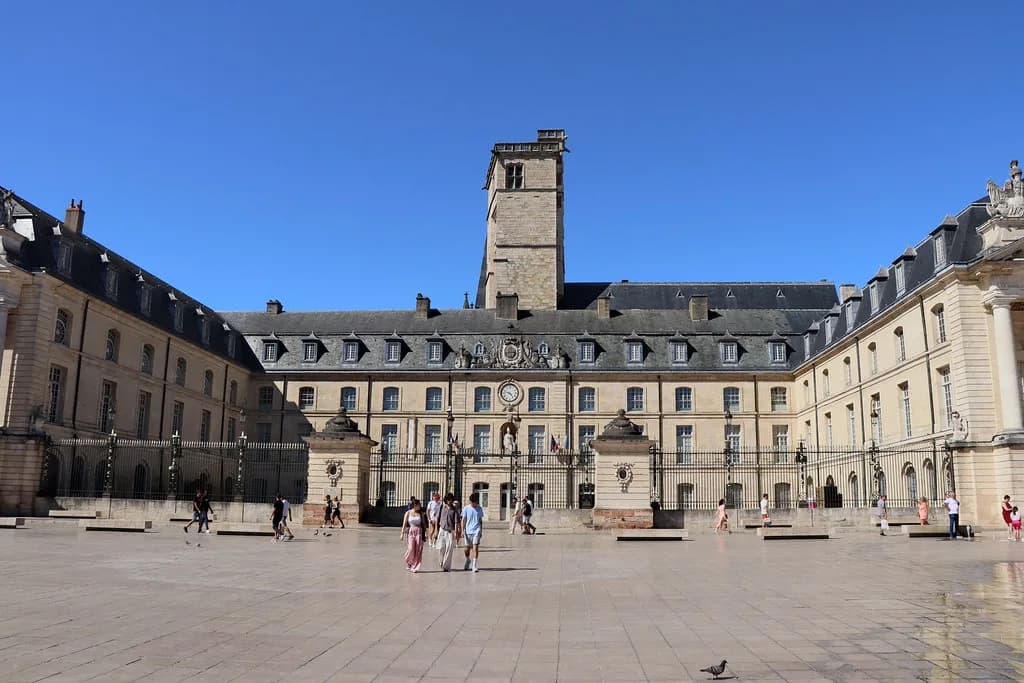
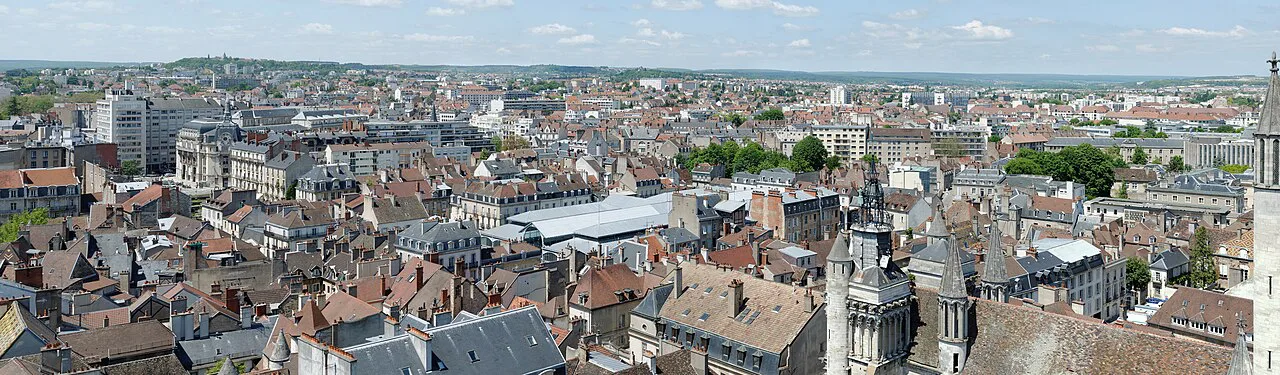
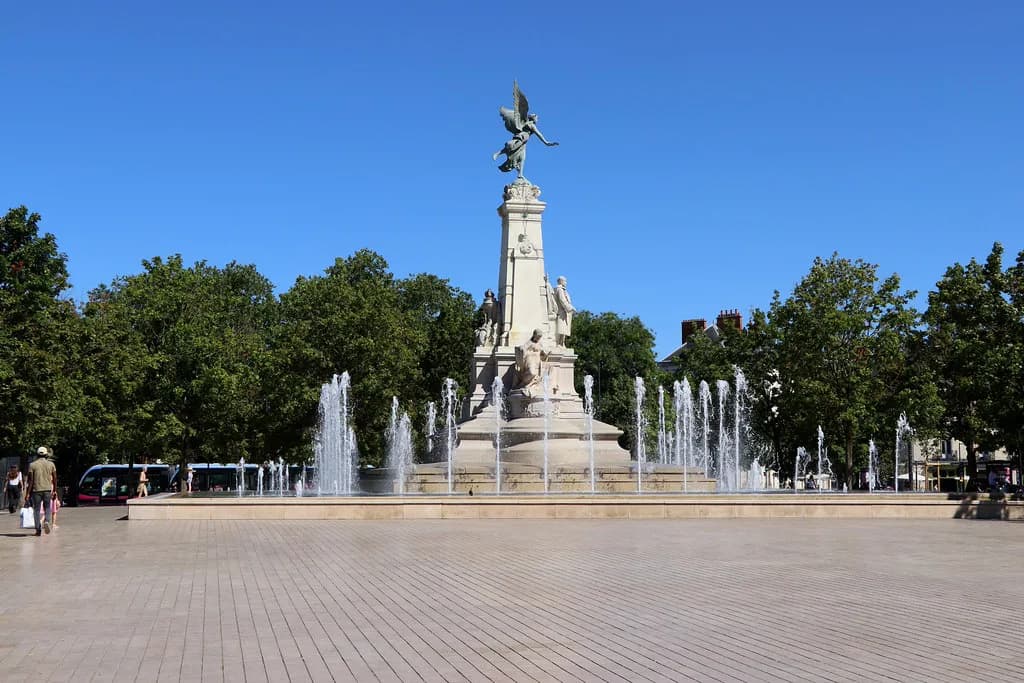
Place de la Libération, a semicircular square in front of the Palais des Ducs, is the natural centre of gravity. From there you can walk to Notre-Dame, the market hall and the half-timbered lanes without needing transport. A large part of the old town is kept car-free, which makes strolling and wandering the alleys far more pleasant.
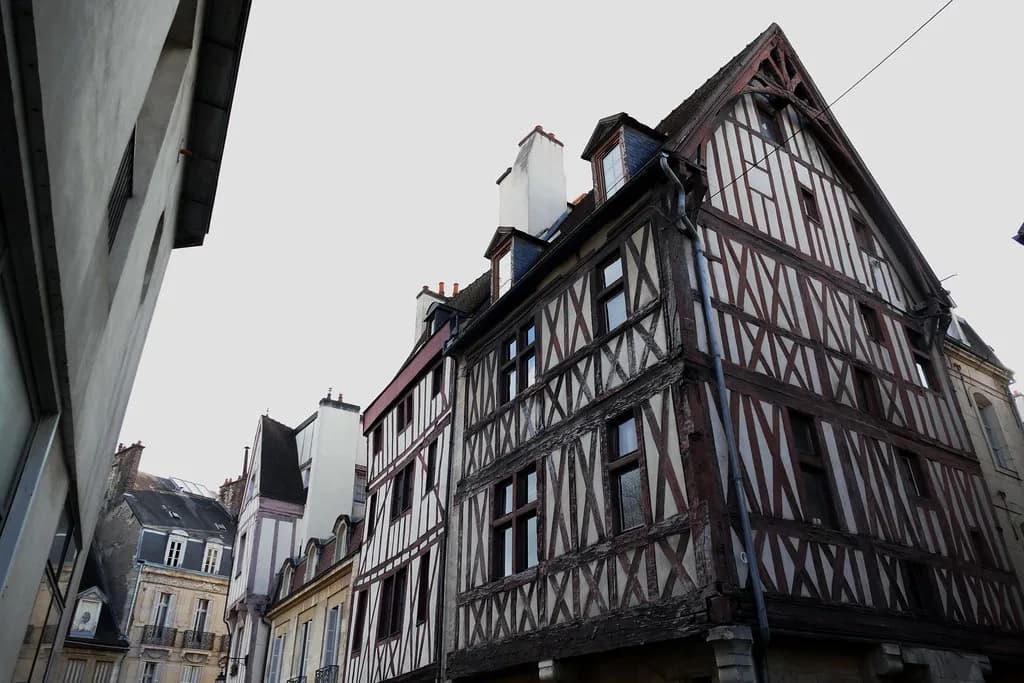
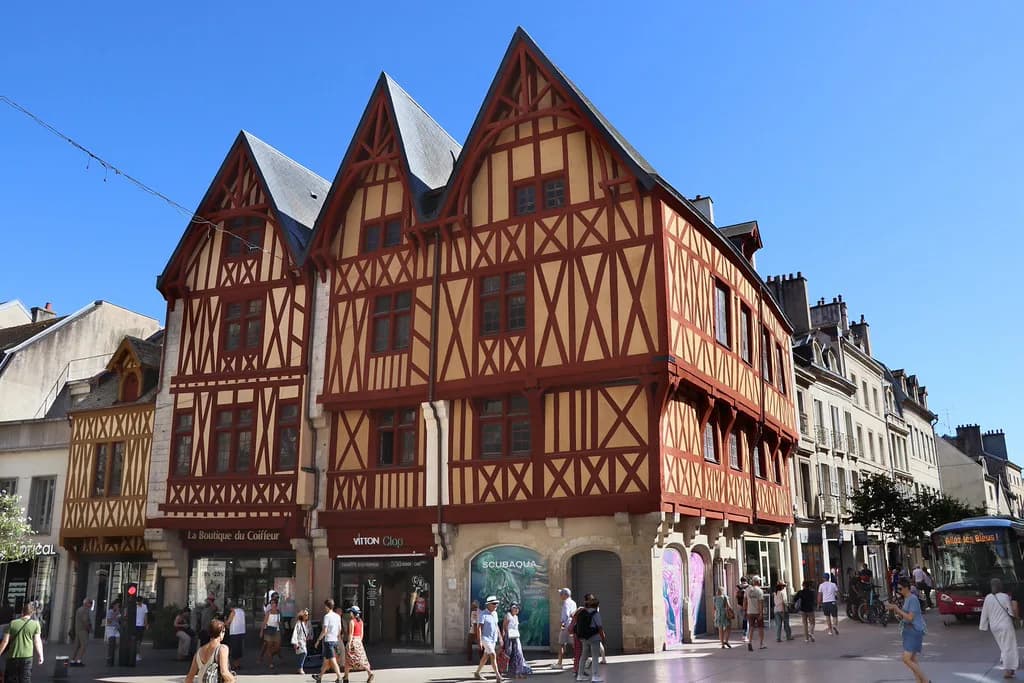
Two streets are worth building into your route. Rue de la Chouette takes its name from the stone owl on the side of Notre-Dame, while Rue Verrerie is lined with half-timbered façades and now houses concept stores, galleries and design shops.
Start with the Parcours de la Chouette
The Owl Trail is a self-guided walk of 22 stations through the old town, marked by small owl arrows set into the cobblestones. Even without the explanations it leads you past the main sights, and it is the quickest way to get your bearings on day one.
The printed guide with the numbering and explanations costs €3.50 and is available from the tourist office on Rue des Forges, or via an app. Budget two to three hours if you stop at the plaques, or about 1.5 hours if you just follow the arrows.
The stone owl itself sits on a buttress of Notre-Dame, and the local habit is to touch it with the left hand for luck. It is a two-minute detour from the main trail and easy to miss if you are not looking for it.
Place de la Libération and the Palais des Ducs
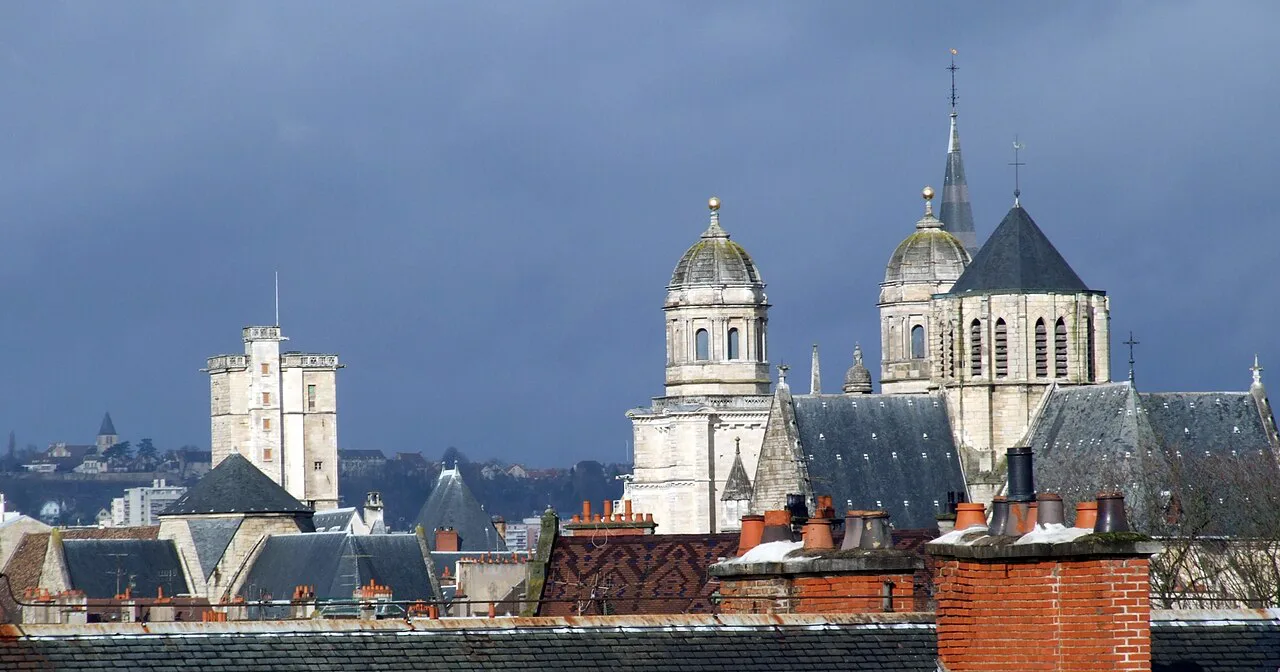
The Palais des Ducs et des États de Bourgogne is the city's most iconic monument, and its mix of architectural styles shows how long it held political weight; it has been listed as a historical monument since 1862. Come at dusk for the blue hour, when the semicircular square is at its best, and take an apéro at one of the restaurants around the edge.
To go inside the palace you visit the Musée des Beaux-Arts, which occupies the building. Allow an hour for the palace and square, more if the museum galleries hold you.
Musée des Beaux-Arts: Free, But Shut on Tuesdays
The Musée des Beaux-Arts is free and open daily except Tuesdays, which makes it one of the best-value stops in the city. It holds Burgundian art of the late Middle Ages, so it rewards even a short visit.
Renovation work can restrict which galleries are open, so treat the collection as a bonus rather than the fixed point of your day. If paintings are your priority, put the museum early in the trip and keep Tuesday for something else.
Tour Philippe le Bon: Book a Slot
The 46-metre tower dates from the 15th century and gives the best view over the city, but access is by guided tour only and English-language slots are limited. Book online before you travel and build the rest of the day around your time.
The tower tour takes about 45 minutes. The full-price ticket was €5 in 2023, so check the current rate when you book rather than budgeting from that figure.
Les Halles: Dijon's Market
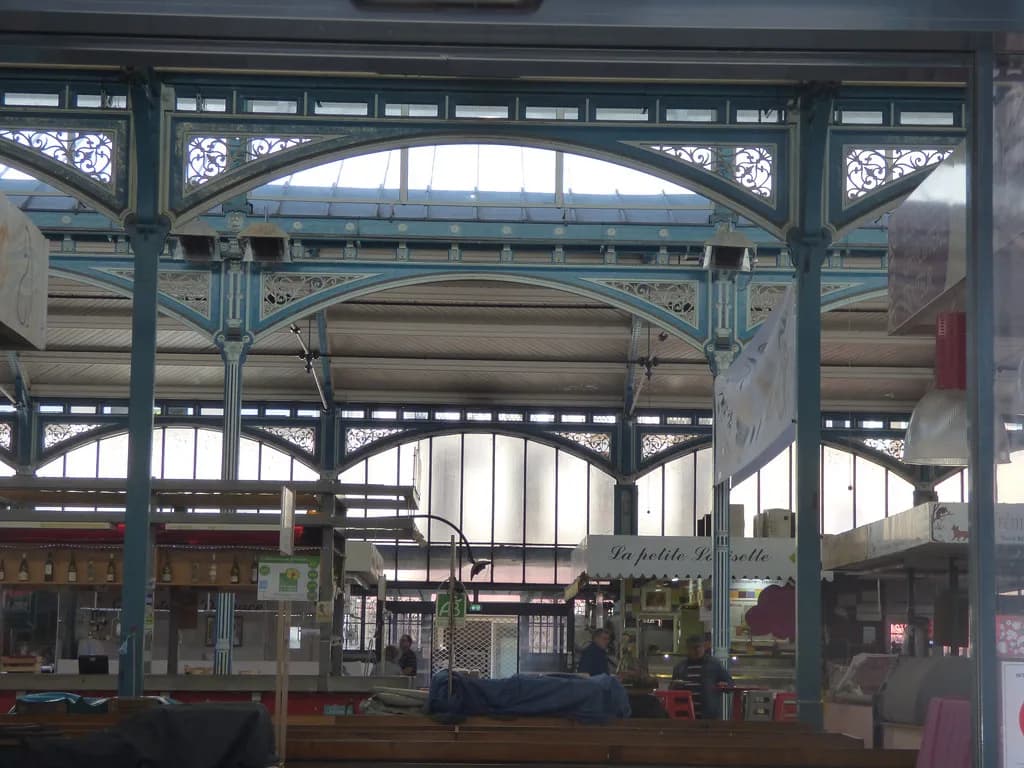
Les Halles is the city's historic covered market, built between 1873 and 1875 to plans linked to the Eiffel company, and it is the place to go for fresh produce, regional cheeses and meat. Arrive in the morning: by afternoon the stalls are quieter and less well stocked.
For the cheese stalls specifically, the cited market days are Tuesday, Thursday, Friday and Saturday mornings, so plan your visit around those if Comté and Epoisses are the goal. If you want more on which stalls run when, our guide to the market in Dijon covers the trading days in detail.
Mustard, Pain d'Épices and Cassis
Dijon mustard is the city's signature product, and the Edmond Fallot shop on Rue de la Chouette stocks dozens of varieties for tasting and buying. Ask to try the mustard with Burgundy truffle, and note that the Fallot production museum is in Beaune rather than Dijon.
For sweet souvenirs, Mulot & Petitjean has traded since 1796 and specialises in pain d'épices, including nonnettes, the small glazed spiced cakes filled with jam. Shops selling cassis and truffle products sit nearby, so a single loop covers most of the food shopping.
Cité Internationale de la Gastronomie et du Vin
The Cité Internationale de la Gastronomie et du Vin is listed as open every day and covers wine and food through exhibitions, tastings and masterclasses, with bottles from Burgundy and further afield. Allow two to three hours; with only one day in Dijon you will get an overview rather than the full experience.
Inside, the Chapel hosts a museum on Burgundy and the climats, the vineyard parcels recognised by UNESCO, and there is an interactive gallery on smell as well as shops including a mustard counter. Book tastings or masterclasses ahead if a particular session matters to you.
Other Museums and the Monastère des Bernardines
The Musée de la Vie Bourguignonne is also free and sits in the cloister of the Monastère des Bernardines, a beautiful setting for displays on Burgundian life. Its presentation is traditional rather than interactive, so treat it as a calm hour rather than a headline sight.
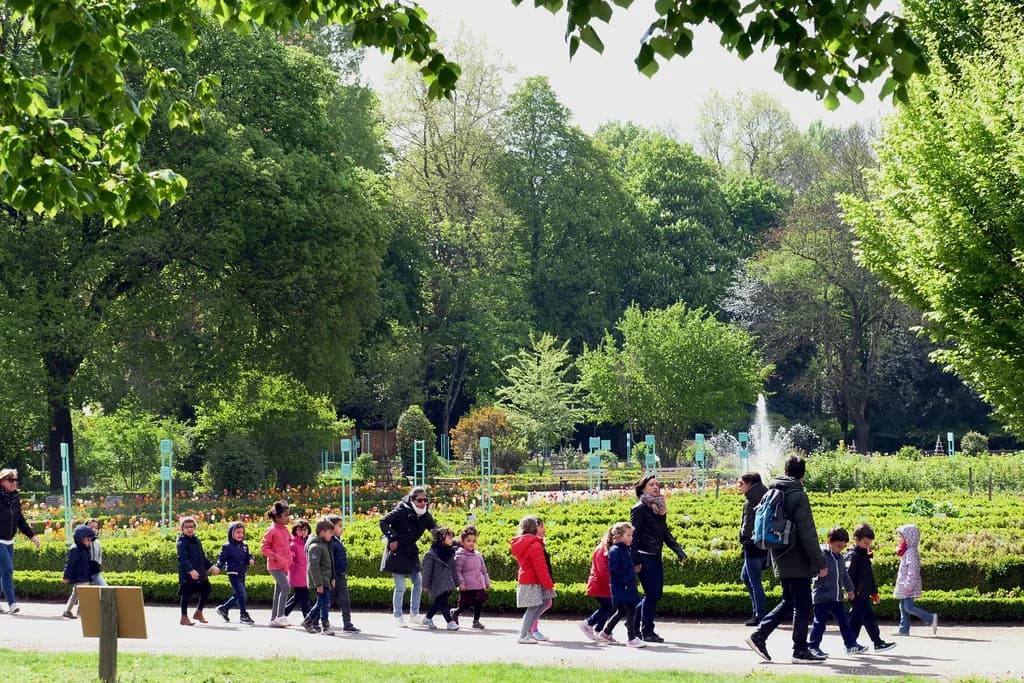
The Jardin des Sciences et de la Biodiversité, a short walk from the centre, has cultivated beds, a playground and a free museum with natural history exhibits. It is a useful change of pace between churches and galleries, especially in good weather.
Rue Verrerie and the Old Town Lanes
Rue Verrerie is one of the prettiest alleys in Dijon, with half-timbered façades now occupied by concept stores, galleries and design shops. Combine it with the Owl Trail rather than treating it as a separate outing, since it sits inside the same pedestrian network.
Allow time simply to wander: much of the centre is car-free and the streets between Notre-Dame, the Palais des Ducs and Les Halles are short enough to cross several times in a day.
Where to Eat in Dijon
Place Émile Zola is a square lined with restaurants and busy from early evening, which makes it an easy choice when you have not booked. The crescent of restaurants facing the Palais des Ducs on Place de la Libération is another convenient cluster for lunch or an apéro.
Dijon has a serious restaurant scene, including several Michelin-starred addresses, but many places take bookings by phone rather than online. Reserve ahead for dinner, especially at weekends, or you may be relying on luck.
For a wider shortlist of addresses and price bands, from wine bars to Burgundian classics, see our guide to the best restaurants in Dijon.
How Many Days Do You Need?
Two days is enough for the highlights at a relaxed pace: the Owl Trail, the Palais des Ducs and Musée des Beaux-Arts, a market morning, the tower and the Cité de la Gastronomie. One day works if you follow the Owl Trail without entering buildings and pick one museum.
The honest trade-off is depth. A single day gives you the old town on foot and a good lunch, but not the market in full flow and two to three hours in the Cité de la Gastronomie as well.
If you are weighing up whether the trip justifies the journey, our piece on whether it is worth visiting sets out what a short break here actually delivers.
Dijon or Lyon?
Lyon is larger and about 200km south, with a different appeal built on bistrots and two rivers. Dijon is more compact and easier to cover on foot in a weekend, which is why it suits a short break; if you have three or four days and want a bigger city, Lyon is the stronger pick.
Beaune, the wine town to the south, pairs naturally with Dijon if you have an extra day. For a like-for-like short break with a different landscape, our things to do in Aix-en-Provence guide shows what a comparable compact centre offers.
What to Do on a Shut Day
Museums close on set days, so check the day you arrive before planning. The Musée des Beaux-Arts is shut on Tuesdays, so on a Tuesday make it the market in the morning, then the Cité de la Gastronomie and the old town lanes in the afternoon.
If the tower or a tasting session is the reason for your trip, check availability when you book transport. The tower's guided slots fill quickly, and the Cité runs fixed masterclass times, so those two should set your schedule rather than the other way round.
Plan Your Visit
Build your Dijon weekend around fixed slots first: a tower tour, any Cité de la Gastronomie session you want, and a market morning if cheese is the goal. Then fill the gaps with the free sights, the Musée des Beaux-Arts on any day but Tuesday, and slow walks through the car-free old town.
Dijon rewards planning more than most cities because so much depends on the day of the week. Check the museum and market days before you go, and book the tower and restaurants ahead, then let the compact layout do the rest.
Explore more Dijon guides
Frequently Asked Questions
What is Dijon famous for?
Dijon is best known for its mustard, Burgundy wine and pain d'épices, along with the Palais des Ducs et des États de Bourgogne and the stone owl on Notre-Dame. The old town's food shops and the Cité Internationale de la Gastronomie et du Vin make it a strong destination for eating and tasting as well as sightseeing.
Is Dijon a walkable city?
Yes. The main sights sit close together, a large part of the old town is kept car-free, and the Owl Trail links the monuments on foot. Expect to cover most of the centre without public transport.
Are Dijon museums free?
The Musée des Beaux-Arts is free and open daily except Tuesdays, and the Musée de la Vie Bourguignonne is free too. Renovation work can restrict which galleries the fine arts museum displays, so check what is open if a particular collection matters.
When is the market in Dijon?
Les Halles is liveliest in the morning, and the cheese stalls are cited for Tuesday, Thursday, Friday and Saturday mornings. Other days and hours vary, so check current trading days before planning a market visit.
What can you do in Dijon in one day?
Follow the Owl Trail in the morning, visit the Palais des Ducs and the free Musée des Beaux-Arts, then spend the afternoon on Place Émile Zola and in the old town lanes. One day gives you the old town on foot but not the Cité de la Gastronomie in depth.
Is Dijon worth visiting for a weekend?
Yes, if you want a compact old town with serious food and wine. Two days covers the sights, a market morning and one longer tasting stop without rushing.
Which is nicer, Lyon or Dijon?
They suit different trips. Lyon is bigger, with a broader dining scene, while Dijon is smaller and easy to cover on foot in a weekend. If you have three or four days, Lyon offers more; for a short break, Dijon is the simpler choice.
How do you get to Dijon?
High-speed trains reach Dijon from Paris in about 1h35, and Swiss connections from Basel take under 1.5 hours. Book early, as tickets tend to open a few months ahead and prices rise close to departure.
Sources
Notes for French city breaks
Optional updates to our guides.
You might also like
Continue reading
More guides you'll find useful