Things to Do in Aix-en-Provence: What to See & Skip
Plan things to do in Aix-en-Provence around the old town, Musée Granet and the gardens, with walking routes, market mornings and a one or two day plan.
On this page
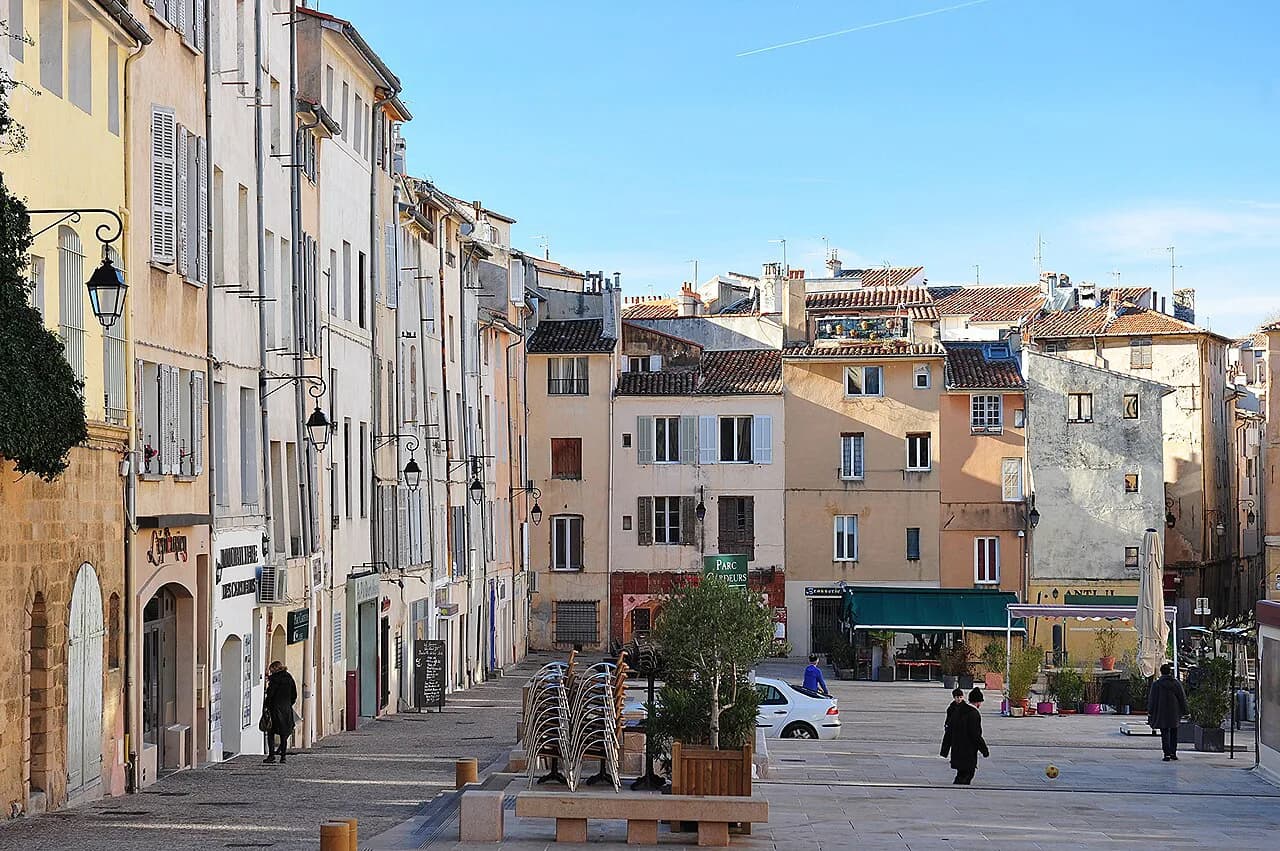
Things to do in Aix-en-Provence come down to two things: the old town on foot and the art collections that fill an afternoon. The city is compact, and its historic core, the Vieil Aix, is a lattice of narrow streets and small squares that you can cross in well under an hour. Start with the streets and fountains, then add a museum or a garden once you know how much time you have left.
The main decision is not where to go but how to sequence it. Aix rewards a morning in the old town and the market, a long lunch, and an indoor stop when the afternoon heat or rain arrives. That rhythm suits a weekend far better than a checklist of sights, and it means a single full day can feel unhurried rather than rushed.
What to Do in Aix-en-Provence in a Nutshell
Plan around three anchors: the old town streets and squares, Musée Granet with its gardens, and Cours Mirabeau as the spine that connects them. Those three fill a comfortable day without rushing, and each can be stretched or cut as the weather and your energy dictate. Everything else in the city is a variation on them.
Walkers will find the whole centre fits into a single loop, so returning to the same café or square twice in a day makes sense rather than looking lazy. If you want a structured version of that loop, the Aix-en-Provence itinerary lays out an order that keeps east-west wandering to a minimum.
How Aix-En-Provence Is Laid Out and How to Walk It
Cours Mirabeau runs roughly east to west and splits the city in two: the old town above it to the north, the newer Ville Nouvelle to the south. Most visitor targets sit on the old-town side, so treat Cours Mirabeau as your baseline and work north from it. This single fact saves a lot of circular walking.
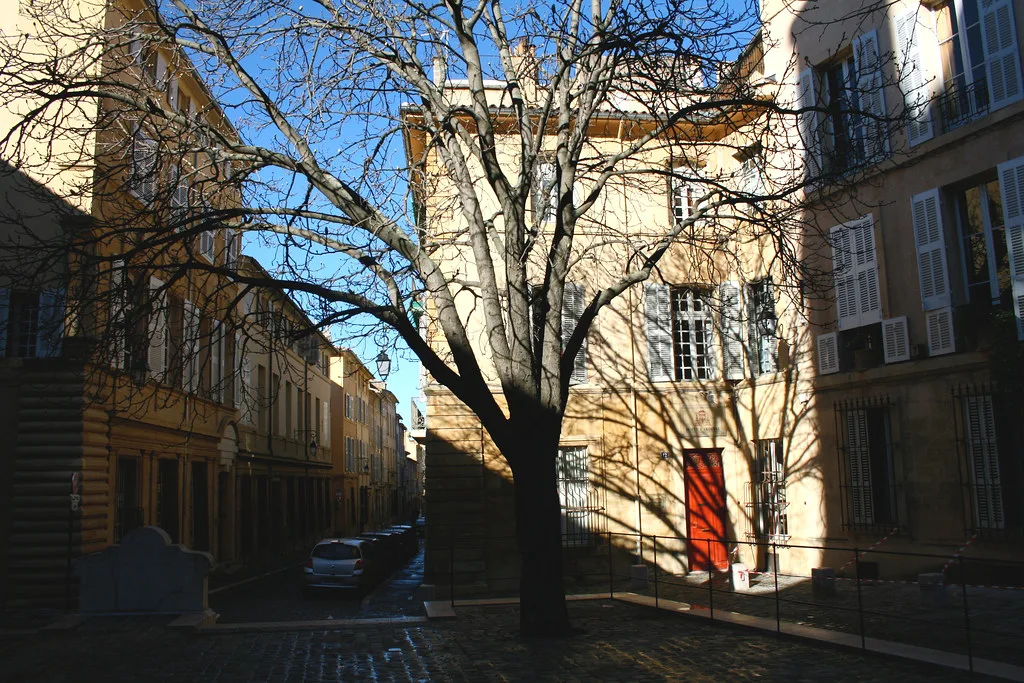
The historic core is a maze rather than a grid, and small squares appear where two streets meet. Use the fountains and the moss-covered walls as landmarks rather than street names, and accept that a wrong turn costs you two minutes. Comfortable shoes matter more than a map here.
Start in the Old Town: Streets, Squares and the Classic Wander
Begin north of Cours Mirabeau and drift through the Vieil Aix, taking in the squares, the fountains and the old facades that give the town its particular colour. This is the part of the city to walk without a fixed plan, turning down a side street when it looks interesting. The dense historic quarter is the reason the city works so well for a short break.
A guided walk covers the same ground with context, and the old town is small enough that a tour can be fitted into a morning without eating your whole day. If you prefer to self-guide, the Aix-En-Provence Attractions: 6 Visitor Guides hub groups the individual sights so you can pick two or three and skip the rest without guilt.
Cours Mirabeau and the Fountain Side of the City
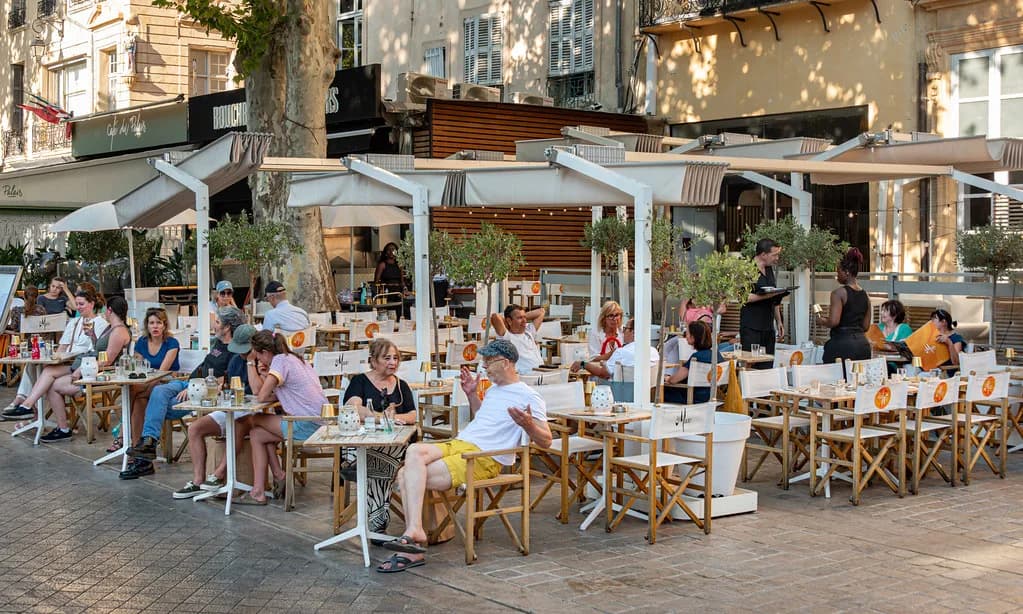
Cours Mirabeau is the most famous street in Aix-en-Provence and the obvious place to start or end a walk: wide, plane-tree-shaded and lined with the town's grandest buildings. It is a working artery as well as a promenade, so it is at its best early and in the late afternoon rather than at midday.
Fountains are scattered across the city, and the ones along the cours and in the old town make natural meeting points. Rather than chasing all of them, pick two or three on your route and use the rest as landmarks. They also give children something specific to head for between streets.
Musée Granet and the Art Stop
Musée Granet Provence is the main art stop, and its collection is the strongest reason to build a museum hour into your day. It suits a mid-afternoon slot when the streets are at their warmest or busiest, and it gives a two-day visit a second anchor beyond the old town.
Before you go, check the museum's own site for the day's opening times, any room closures and the current ticket price, because these change and are better confirmed than guessed. The museums in Aix-en-Provence page sets out the city's collections together so you can match your time to the right one.

Gardens and Green Breathing Space
Beautiful gardens give the city a second, quieter layer, and they are the easiest way to break up a hot afternoon. Plan them for the middle of the day, when the sun is strongest and the streets are busiest, then head back out as the light softens.
If you have time for one outdoor excursion beyond the city, the countryside around Aix is walkable and worth a detour; Sénanque Abbey and the lavender fields are the classic Provençal excursion. Treat that as a half-day rather than an hour, and only if the rest of your visit is already settled.
Markets and Provençal Food Shopping
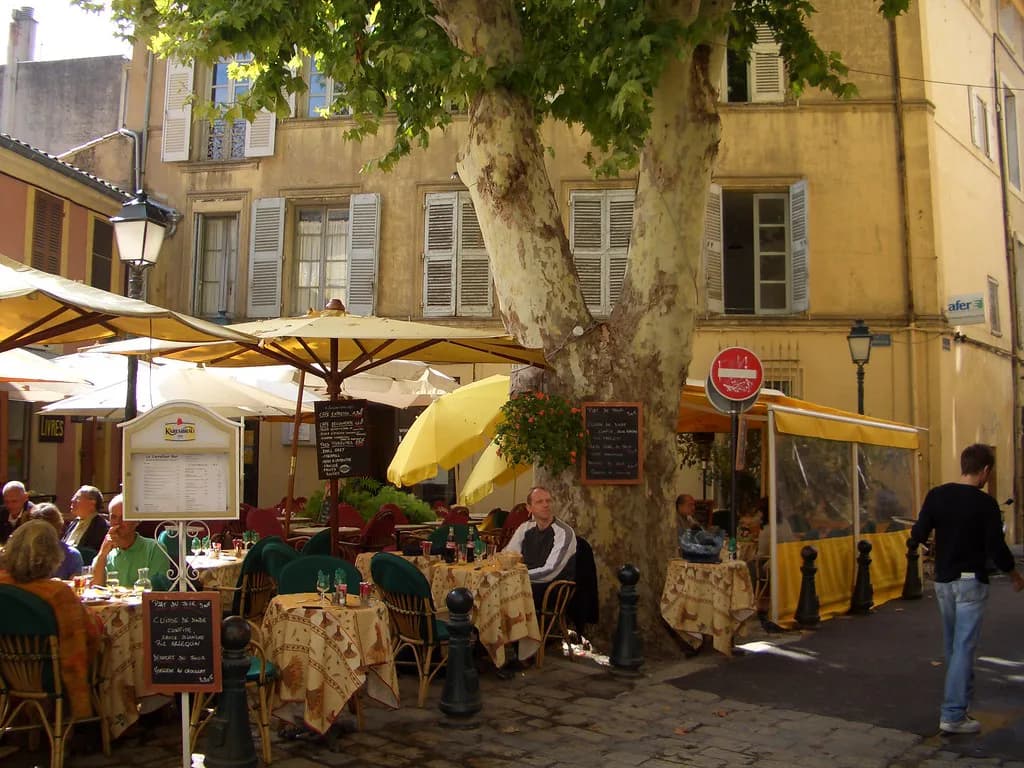
Aix's markets are a morning business, and the food stalls, produce and Provençal goods are the reason to build your day around them rather than against them. Go early, take cash and a bag, and buy what is in season rather than a set list. The markets in Aix-en-Provence guide sets out the different markets and what each one is best for.
Food culture is part of the point of the city, and a food tour or a walk through the shop streets will show you more in two hours than a restaurant list will. The shopping in Aix-en-Provence page covers the streets and shops worth working into the same morning.
Half a Day or a Full Day: How Many Days Aix Needs
Half a day covers the old town and Cours Mirabeau comfortably, with time for a coffee and a look inside a fountain square. A full day adds Musée Granet and the gardens. Two days lets you slow down, catch a market properly and add a short excursion without spending the whole visit moving.
If you are weighing Aix against a bigger Provençal city, read is Aix-en-Provence worth visiting for a straight assessment of what the town offers relative to its neighbours. The answer depends on whether you want a dense, walkable old town or a bigger set of museums and nightlife.
When to Go: Seasons and Typical Climate
Aix has a Mediterranean rhythm: mild, often dry springs and autumns, hot summers and cooler winters. The best time to visit Aix-en-Provence page sets out the seasonal pattern so you can match your trip to the weather you actually want. Book for spring or early autumn if long, comfortable walking days matter to you.
In summer, plan indoor stops and garden time in the middle of the day and save the streets for morning and evening. In winter, check opening hours carefully because a short day leaves less margin if a museum is shut. Typical climate averages are a guide, not a forecast, so pack for both rain and sun.
A Realistic One-Day and Two-Day Plan
On a one-day visit, walk the old town in the morning with a market stop, lunch near Cours Mirabeau, then spend the early afternoon in Musée Granet or the gardens, finishing with a stroll along the cours. That order puts the museum at the hottest part of the day and keeps the walking in cooler hours.
On two days, keep day one as above and give day two to the market and the shopping streets in the morning, then the gardens or a short countryside detour in the afternoon. Aix en Provence Attractions hub lists the individual sights so you can swap one in without rebuilding the day.
What to Skip if Time Is Short
Skip long museum queues and any single sight that pulls you across town twice: the compact centre punishes backtracking. Choose one museum, one garden and one market morning, and let the rest of the day be streets and squares. Aix is a city for wandering, not ticking off.
If you have only an afternoon, drop the gardens and the excursion, and walk Cours Mirabeau plus the old town with one café stop. That is a satisfying half day, and it leaves a reason to come back.
What Things Cost and How to Budget a Day
Most of the city is free to walk, so a day in Aix costs little beyond food, drink and any museum ticket. Check the museum's own website for the current entry price, and budget for a market breakfast, a long lunch and two coffees. Prices for attractions and restaurants change, so confirm before you commit.
For eating, the best restaurants in Aix-en-Provence guide sets out where to spend on a long lunch and where to keep it cheap, which is the biggest lever on your daily budget. A market picnic in a square is the obvious way to keep costs down without eating badly.
Practicalities: Arriving from Marseille and Getting Around
Aix is an easy day or weekend from Marseille by train, and the station sits a short walk or bus ride from the old town. Once you are in the centre, everything above is walkable, and on foot is the only sensible way to see the old-town streets.
Book trains in advance for the best chance of a cheap fare, and check the station-to-centre connection before you travel since timetables change. If you are heading further east afterwards, things to do in Avignon and things to do in Arles make natural next stops on the same Provence trip.
Plan Your Visit
Aix-en-Provence works best as a slow, walkable day anchored on the old town, Musée Granet and a market morning. Decide early whether you have one day or two, and protect the museum slot and the market slot rather than trying to see everything.
Before you go, confirm museum opening days and current ticket prices on the museum's own site, and check that the market you want runs on your travel day. Everything else in the centre you can work out on foot once you arrive.
Explore more Aix-en-Provence guides
Frequently Asked Questions
What is the most famous street in Aix-en-Provence?
Cours Mirabeau is the city's best-known street: a wide, plane-tree-shaded avenue running roughly east to west and splitting the old town to the north from the newer town to the south. Walk it early or late in the day rather than at midday, and use it as the baseline from which you head north into the historic streets.
How many days do you need in Aix-en-Provence?
Half a day covers the old town and Cours Mirabeau at an easy pace. Give a full day if you want Musée Granet and the gardens as well, and two days if you want a market morning plus time to slow down or add a short countryside detour. The centre is compact, so the limit is your pace rather than distance.
Is Aix-en-Provence walkable?
Yes. The old town is a dense maze of narrow streets and small squares that you can cross in well under an hour, with Cours Mirabeau as the spine connecting the main areas. Comfortable shoes matter more than a map, since a wrong turn costs only a couple of minutes.
What is there to do in Aix-en-Provence on a weekend?
Build the weekend around three anchors: the old town streets and squares, Musée Granet with its gardens, and Cours Mirabeau. Add a market morning and a long lunch, and keep the museum or the gardens for the warmest part of the afternoon. That structure fills two days without rushing.
What day is market day in Aix-en-Provence?
Several markets run through the week and they operate in the morning rather than the afternoon. Check the market you want against your travel dates before you build a day around it, since days and locations vary between markets.
Sources
Notes for French city breaks
Optional updates to our guides.
You might also like

Continue reading
More guides you'll find useful