Things to Do in Avignon: Best Sights and How Long You Need
Plan an Avignon short break with the Palais des Papes, Pont d'Avignon, Rocher des Doms views, free municipal museums and Les Halles, plus how long to allow.
On this page
Avignon is a one- or two-day city built around three things: the Palais des Papes, the ruined Pont d'Avignon and the Rocher des Doms rock above the Rhône. Everything sits inside a tight ring of medieval walls, so you can walk between the main sights in minutes rather than planning transport. The city rewards a slow morning on the papal square and a lazy wander through the lanes around Place de l'Horloge more than a tick-list sprint.
The money decision is straightforward. A combined ticket for the Palais des Papes, the papal gardens and the Pont d'Avignon costs €19.50 through Avignon Tourisme, which undercuts buying the monuments separately. If you plan to add museums and guided tours, price the Avignon City Pass, sold from €24, against what you will realistically visit.
How Avignon Is Laid Out
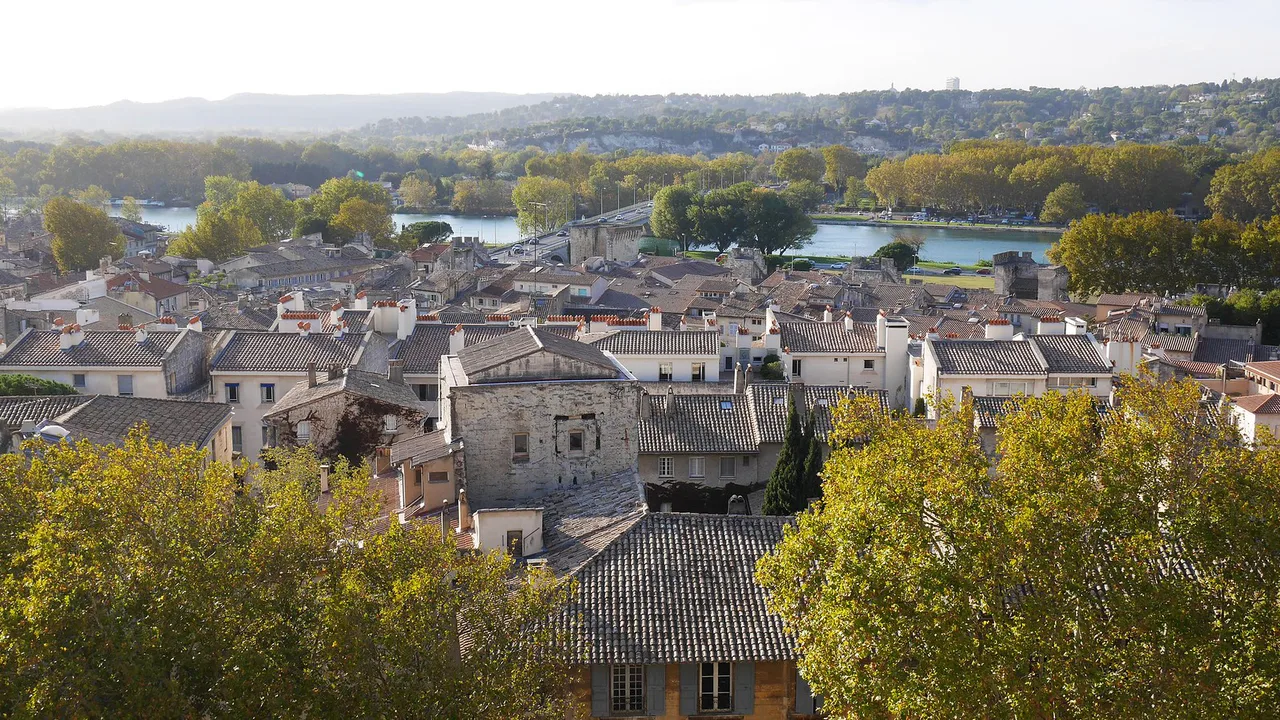
The old town is a rough oval inside the ramparts, with the Rhône on its western side and the Rocher des Doms park rising at the north-west corner. Place de l'Horloge sits near the middle, ringed by cafés and the city hall, and makes a useful compass point for a first wander. From there, the Palais des Papes is a ten-minute walk north through pedestrian streets.
Almost everything a weekend visitor wants is inside the walls, so you can leave the car and forget it. The main station, Avignon Centre, puts you on the edge of the old town, while the TGV station sits outside the centre and needs a short connecting bus or taxi. Check which station your ticket names before you book, because arriving at the wrong one costs you time.
Walking is the default way to get around. The little tourist train that leaves from the Palais des Papes loops past the main sights in about 45 minutes, which suits anyone with limited mobility or a tight afternoon. Otherwise, the centre is flat enough that a half-day of sightseeing is mostly strolling.
The Core Three: Palais des Papes, Pont d'Avignon and the Papal Gardens
The Palais des Papes is the reason most people come. Built from the 1330s, it housed the popes who moved from Rome and later the popes of the Papal Schism, and the scale of the halls is genuinely impressive. The histopad included with your ticket overlays what each room once looked like, which turns an empty stone interior into something readable.
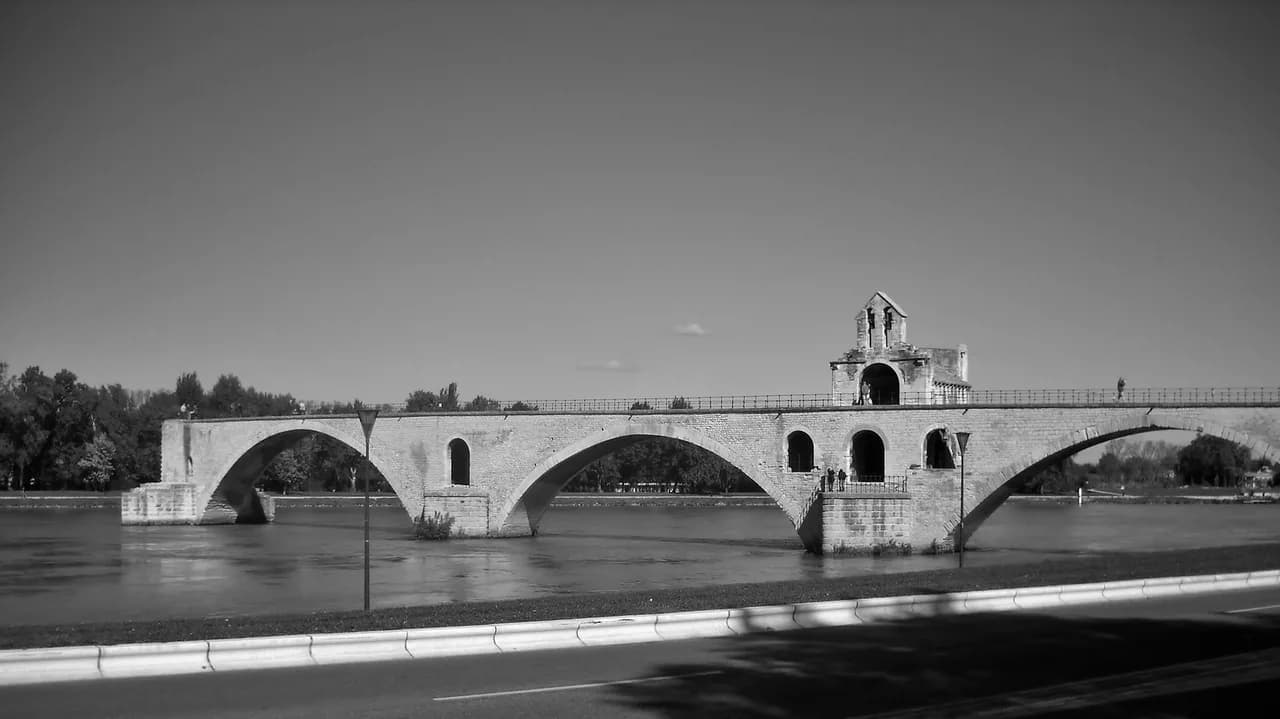
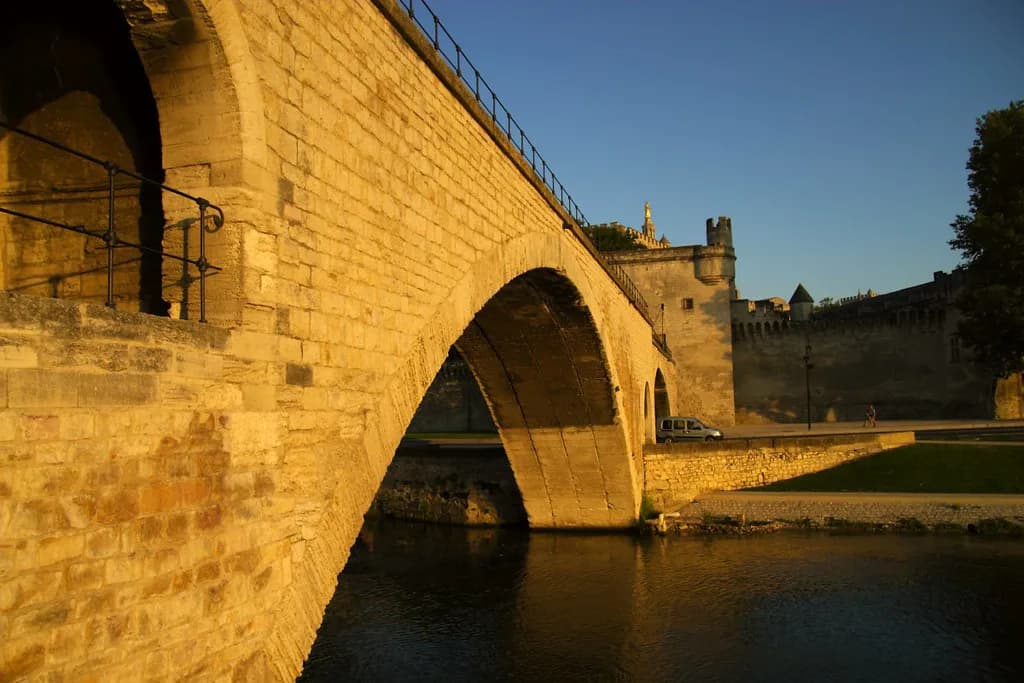
The Pont d'Avignon, properly the Pont Saint-Bénezet, no longer crosses the Rhône: floods and sieges reduced it to four arches. It is the city's most photographed sight, and the €19.50 combined ticket covers it along with the palace and the papal gardens.
The papal gardens sit within the palace complex and are the quietest part of the visit, with benches and open sky after the dark halls. Visiting the bridge early in the morning avoids the worst of the tour groups and gives you cleaner photographs over the river. Book the combined ticket online before you travel and you skip a queue at the counter.
Place du Palais and Cathédrale Notre-Dame des Doms
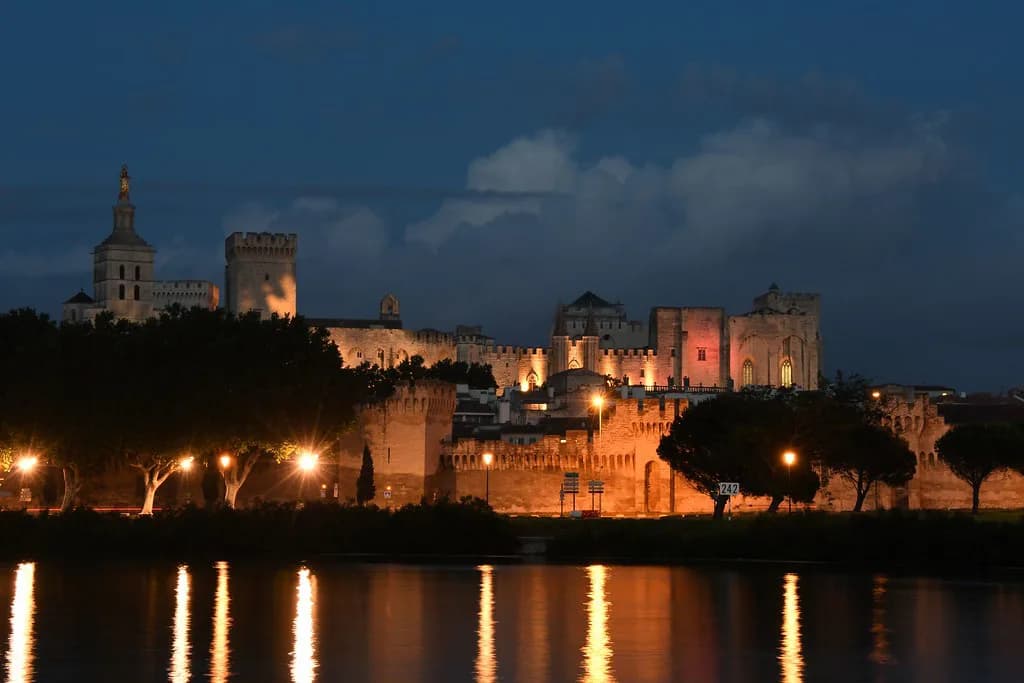
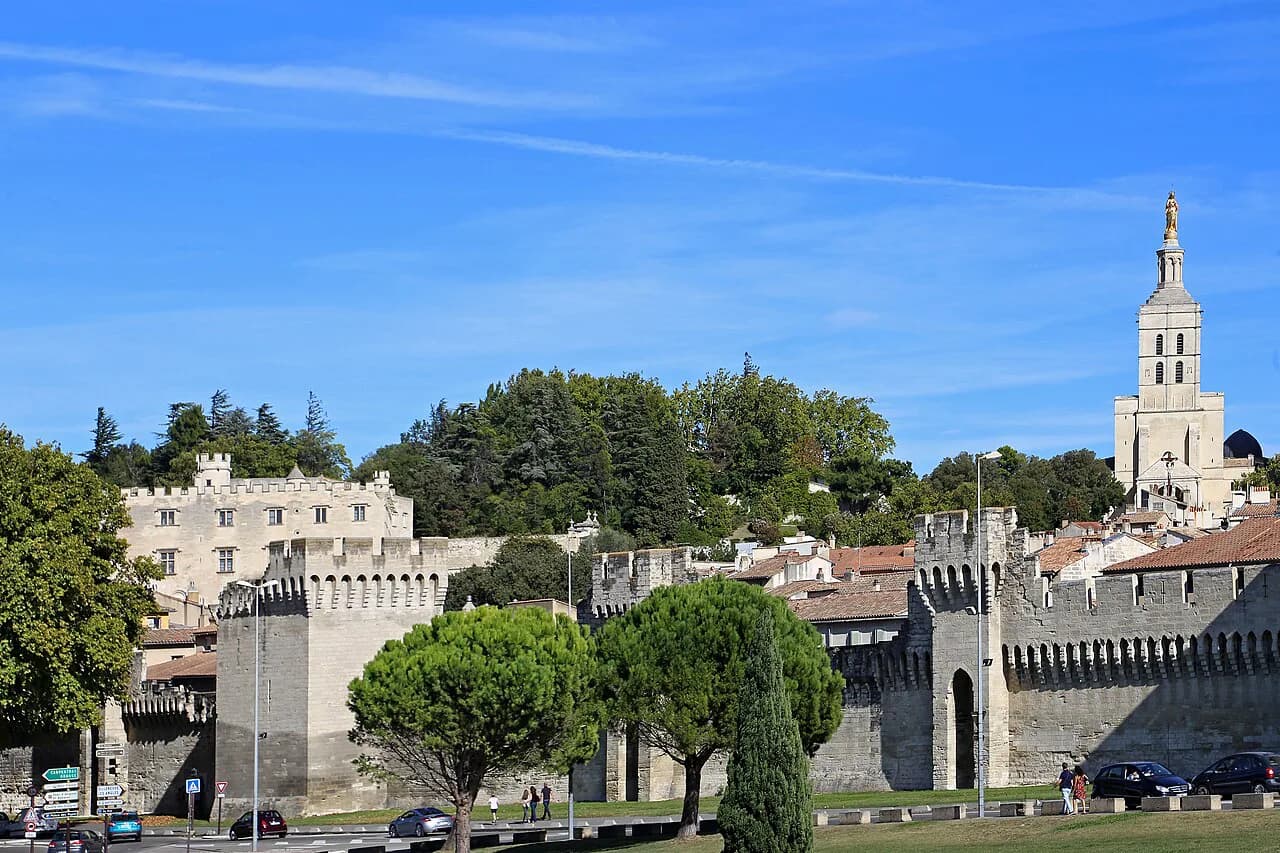
The square in front of the palace is the natural place to start a morning. The Cathédrale Notre-Dame des Doms, a 12th-century Romanesque building, sits right beside the palace entrance, and its golden statue of the Virgin looks out over the Rhône. Step inside for a few minutes; the nave is cool and quiet even when the square is busy.
Give this square an hour rather than ten minutes. The light on the palace façade changes through the morning, and cafés around the edges let you sit and take it in. Combine the cathedral, the palace and the bridge in one block, since they are all within a few minutes of each other.
Rocher des Doms and the Views
The Rocher des Doms is the wooded park on the rock just north of the cathedral, and it is the best free viewpoint in the city. From the terrace and the basin, you look down on the Pont d'Avignon, across the Rhône to Villeneuve-lès-Avignon and along the river. Come at the end of the afternoon, when the light softens and the day-trippers have thinned out.
The papal gardens are a separate, ticketed space within the palace complex, formal and more structured than the public park. If you are choosing one, take the Rocher des Doms for the panorama and the papal gardens for the sense of how the palace worked as a residence. The combined ticket already covers the gardens, so you lose nothing by adding them.
Place de l'Horloge and the Old-Town Wander
Place de l'Horloge is the city's main square, named for the clock tower beside city hall, and it holds the opera house and a small carousel. It is where you sit with a coffee and watch the town go about its business, and it is also where you start any aimless wander through the surrounding lanes.
The streets between Place de l'Horloge and Les Halles are the best stretch for aimless strolling, with food shops, boutiques and shaded squares. Detour into the quieter side streets towards the walls if the main drag gets too crowded. Plan shopping and browsing around market hours rather than first thing, when the food halls are at their best.
Avignon's Museums: Six Free Municipal Museums
Avignon's six municipal museums are free to enter, which makes them the obvious wet-afternoon or low-budget option in the city. The Musée Calvet, with its fine art and antiquities, is the one most visitors prioritise, and it sits in a handsome former mansion in the old town. Work through the museum at your own pace rather than racing to the exit.
The Petit Palais, by the palace, holds an important collection of medieval and Renaissance painting, so pair it with a papal morning. The building opened as a museum in the 1970s after serving as a residence and palace, and its collection of Italian painting is the reason to give it an hour.
Pick two museums for a two-day break, not six. Free entry tempts you to try to see everything, and the Calvet and the Petit Palais between them give you the best of the city's municipal collections. Because entry is free, the visit is easy to abandon if the weather clears.
Les Halles d'Avignon: The Covered Market
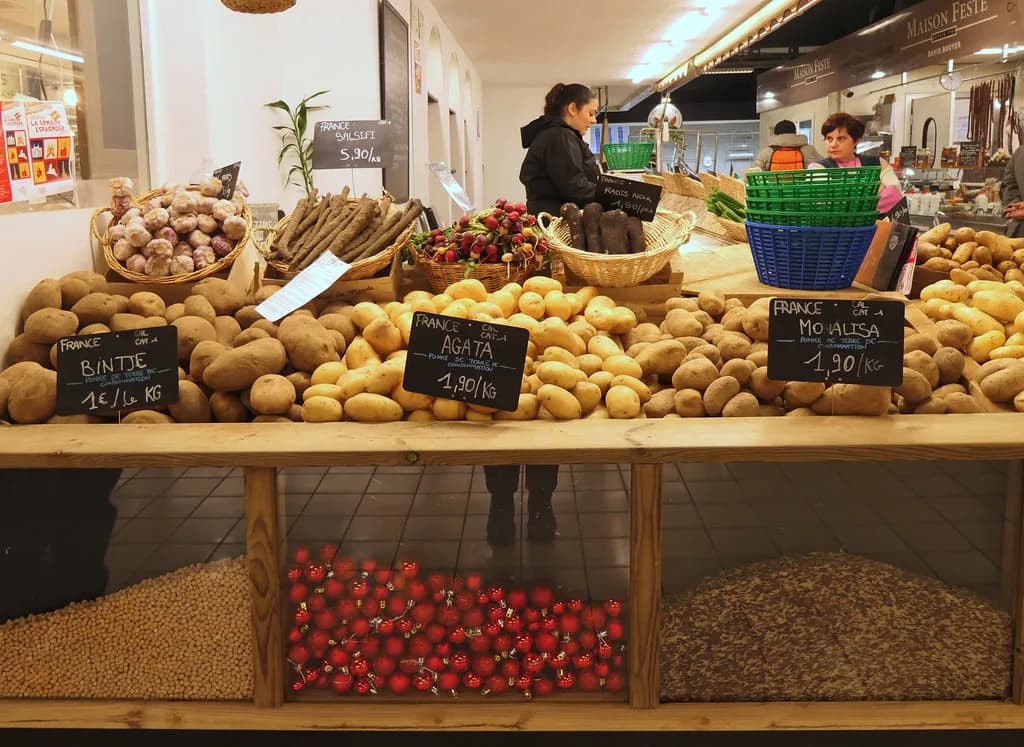
Les Halles d'Avignon is the covered food market on Place Pie, and it is the best single stop for a picnic or a cheap lunch. Stalls sell cheese, charcuterie, fruit and vegetables, and there are wine stalls to match a bottle to your hamper. It runs Tuesday to Sunday from 6am to 2pm, so plan a morning visit rather than an evening one.
Buy your picnic here before heading for the Rocher des Doms, but be clever about the order: stash the food at your hotel or flat, because a warm afternoon is unkind to cheese. The market is also a good breakfast stop, with cooked dishes and coffee available alongside the produce.
If a full restaurant meal matters more than a picnic, the streets around Les Halles hold the best concentration of places to eat in the old town. Book somewhere with a midi menu for lunch, when prices are lower and kitchens quieter.
Crossing to the Barthelasse Side
The island of Barthelasse sits across the Rhône and gives you the classic postcard view back at the Pont d'Avignon with the Palais des Papes behind it. You can walk or cycle across the bridges and along the bank, and it makes a gentle hour away from the crowds. Late afternoon light is the best of the day for this angle.
Only make the crossing in reasonable weather, since the appeal is the outdoor view. If it is raining, swap it for a museum and try again another day. This is the one sight where the trip is as enjoyable as the arrival.
How Many Days Avignon Needs
One day covers the core three: the Palais des Papes, the bridge and the Rocher des Doms, plus time on Place de l'Horloge. That is a solid day but a rushed one if you sleep in or linger over lunch. A weekend gives you a second morning for museums and the market, which is the difference between seeing Avignon and enjoying it.
Two days is the right amount of time for most visitors. Day one for the palace, the bridge and the park; day two for Les Halles, one or two museums and the Barthelasse walk. If you only have an afternoon, skip the museums and do the palace and the park, which are the two things you cannot see elsewhere.

When to Go
Spring and autumn are the most comfortable seasons for walking the old town and the Rocher des Doms, with pleasant temperatures and lighter crowds. July brings both heat and the Avignon Festival, which floods the town with performers, posters and audiences. The Festival courtyard inside the Palais des Papes is one of the most striking settings in Europe, but book well ahead if you want to see a performance.
Lavender season in Provence pulls visitors in mid-June to mid-July, so the city fills up in that window even before the Festival starts. If you want a quieter break with good light for photographs, aim for late April, May or October. If you visit in high summer, plan your heavy walking for the morning and your museums for the afternoon.
Practicalities: Stations, Walking and the City Pass
Avignon has two stations: Avignon Centre on the edge of the old town and the TGV station outside it. Most high-speed trains from Paris and elsewhere arrive at the TGV station, which needs a connecting bus or taxi into the centre, so build fifteen to twenty minutes into your arrival.
The Avignon City Pass starts at €24 and includes access to the museums and monuments plus discounts on guided tours and parking, which is worth pricing if you plan to visit several sights. Compare the pass against the €19.50 combined monument ticket and buy whichever fits your plan.
Two warnings: the Ligne des Alpilles and the Luberon are tempting day trips, but leave them for a longer trip, since a weekend in Avignon is enough on its own. And the tourist office on cours Jean Jaurès publishes free maps and current opening information.
Where Avignon Fits a Longer Provence Trip
Avignon is a natural base for a wider Provence loop. Trains run from Paris in a little over two and a half hours and from Marseille in about an hour, which puts the city within easy reach of the coast and the Luberon. The city is also a short hop from other Provençal destinations, including the things to do in Aix-en-Provence and the things to do in arles.
Use Avignon as a two-night stop rather than a day trip from elsewhere. It sits at the junction of the Rhône and the Durance, and the old town is compact enough that you can walk to everything from a single base. That makes it the rare city where you can leave the car parked for the whole visit.
Plan Your Avignon Weekend
Avignon rewards a simple structure: one morning on the papal square, one afternoon on the Rocher des Doms, and one morning at Les Halles with a museum afterwards. The combined monument ticket and free museums keep the cost down, and the compact old town means you never need a bus. That combination is what makes it a good short-break city rather than a rushed one.
Book the combined Palace of the Popes and Papal Gardens plus Avignon Bridge ticket in advance, and check museum opening days before you travel, since free entry does not mean every day. If you are weighing up whether the city justifies the journey, our honest answer on whether Avignon is worth visiting sets out what a weekend actually gets you.
Explore more Avignon guides
Frequently Asked Questions
Is one day in Avignon enough?
One day is enough for the three headline sights: the Palais des Papes, the Pont d'Avignon and the Rocher des Doms. It gets tight if you also want Les Halles and a museum, so two days suits most visitors better. The old town is compact, so you lose little time to transport.
Are the Avignon museums free?
Avignon's six municipal museums are free to enter, including the Musée Calvet and the Petit Palais. Free entry does not guarantee they are open every day, so check opening days before you build a day around them. The palace and the bridge are separately ticketed.
What is there to do in Avignon on a Sunday?
Sunday is a good day for the outdoor sights, since the Rocher des Doms, the bridge and the papal square are all open-air and always there. Les Halles runs Tuesday to Sunday from 6am to 2pm, so a Sunday market breakfast is possible. Museums and shops need checking before you rely on them.
How much is the combined Palais des Papes and Pont d'Avignon ticket?
Avignon Tourisme publishes a combined ticket for the Palais des Papes, the papal gardens and the Pont d'Avignon, and its online shop carries the current figure. That one purchase covers the three monuments at the centre of the city. Buy it online before you travel to skip the counter queue.
What is the best month to visit Avignon?
Late April, May and October give the best balance of comfortable walking weather and manageable crowds. July brings heat and the Avignon Festival, which fills the city and makes accommodation harder to find. Lavender season in mid-June to mid-July also pulls visitors into Provence.
Do you need a car to get around Avignon?
No. The old town is compact and walkable, and the two main stations sit within easy reach of the centre. A car is only useful for reaching countryside and villages, but you can leave it parked for the whole visit if you bring one. The little tourist train covers the main sights if walking is difficult.
What is the Avignon City Pass?
The Avignon City Pass gives access to the city's museums and monuments plus discounts on guided tours and parking. Avignon Tourisme lists the current starting price on its City Pass page. Compare that figure with the combined monument ticket before deciding which suits your plan.
Sources
Notes for French city breaks
Optional updates to our guides.
You might also like
Continue reading
More guides you'll find useful