Things to Do in Arles: Roman Sites and Van Gogh
Plan an Arles short break with Roman monuments, Van Gogh sights, LUMA's contemporary art and the Wednesday and Saturday market, plus how many days you need.
On this page
Arles suits a short break better than almost anywhere in Provence: the Roman amphitheatre, the Roman theatre, the Alyscamps and the church of Saint-Trophime all sit within a compact old town you can cross on foot, and the direct train from Paris means you can do it without hiring a car. A day covers the headline sights; two days let you add LUMA and the Van Gogh trail at a civilised pace.
The one fixed point in any itinerary is the market, held on Wednesday and Saturday mornings. If your weekend falls on those days, build the trip around it; if it doesn't, you still have the arenas, the museums and the riverside streets.
What to Do in Arles: The Short Answer
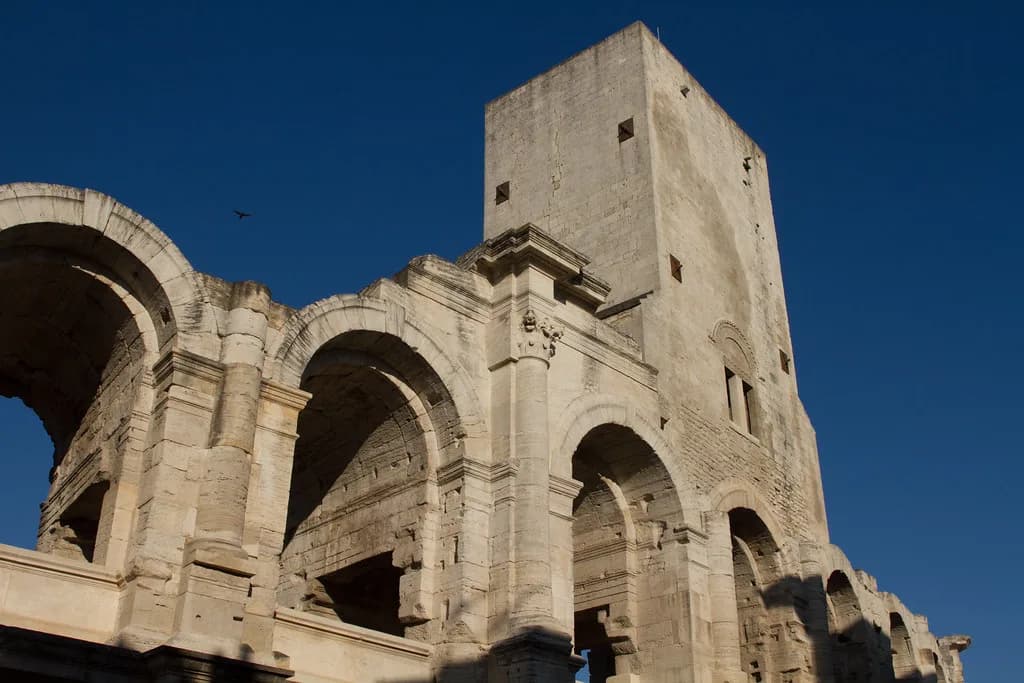
Prioritise four things: the amphitheatre, the Roman theatre next door, the church and cloister of Saint-Trophime on Place de la République, and either LUMA or the Fondation Vincent van Gogh depending on whether you want contemporary art or the painter's legacy. Everything else fills gaps between them. The amphitheatre, built in the 1st century AD and once seating up to 20,000, is the obvious starting point because it anchors the eastern side of the old town.
If you only have a day, skip the outlying Roman sites and stay inside the walls. The Alyscamps and the Cryptoporticus repay a visit on a second day but cost you walking time you could spend at LUMA's park or over a long lunch.
How Arles Is Laid Out and How to Walk It
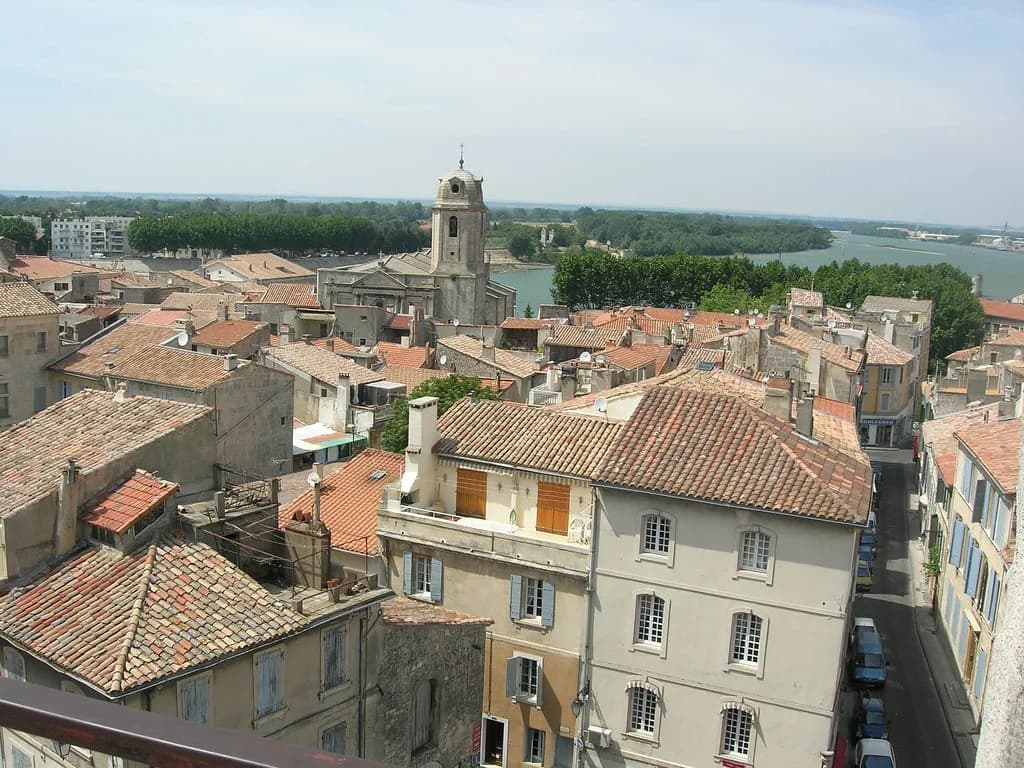
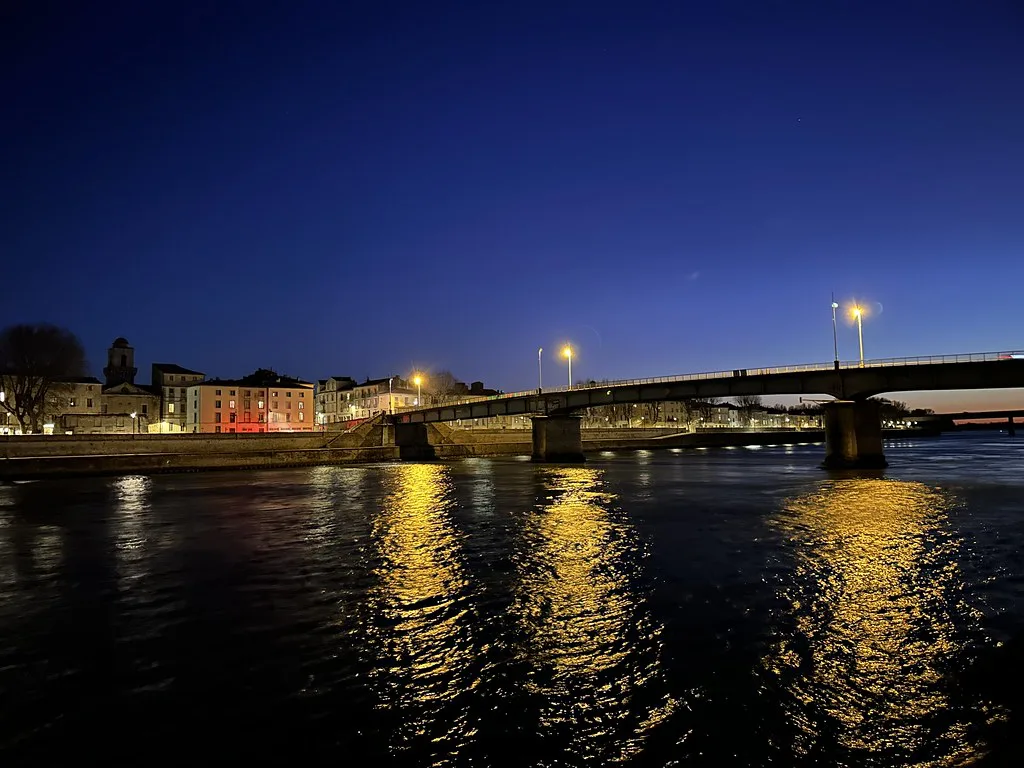
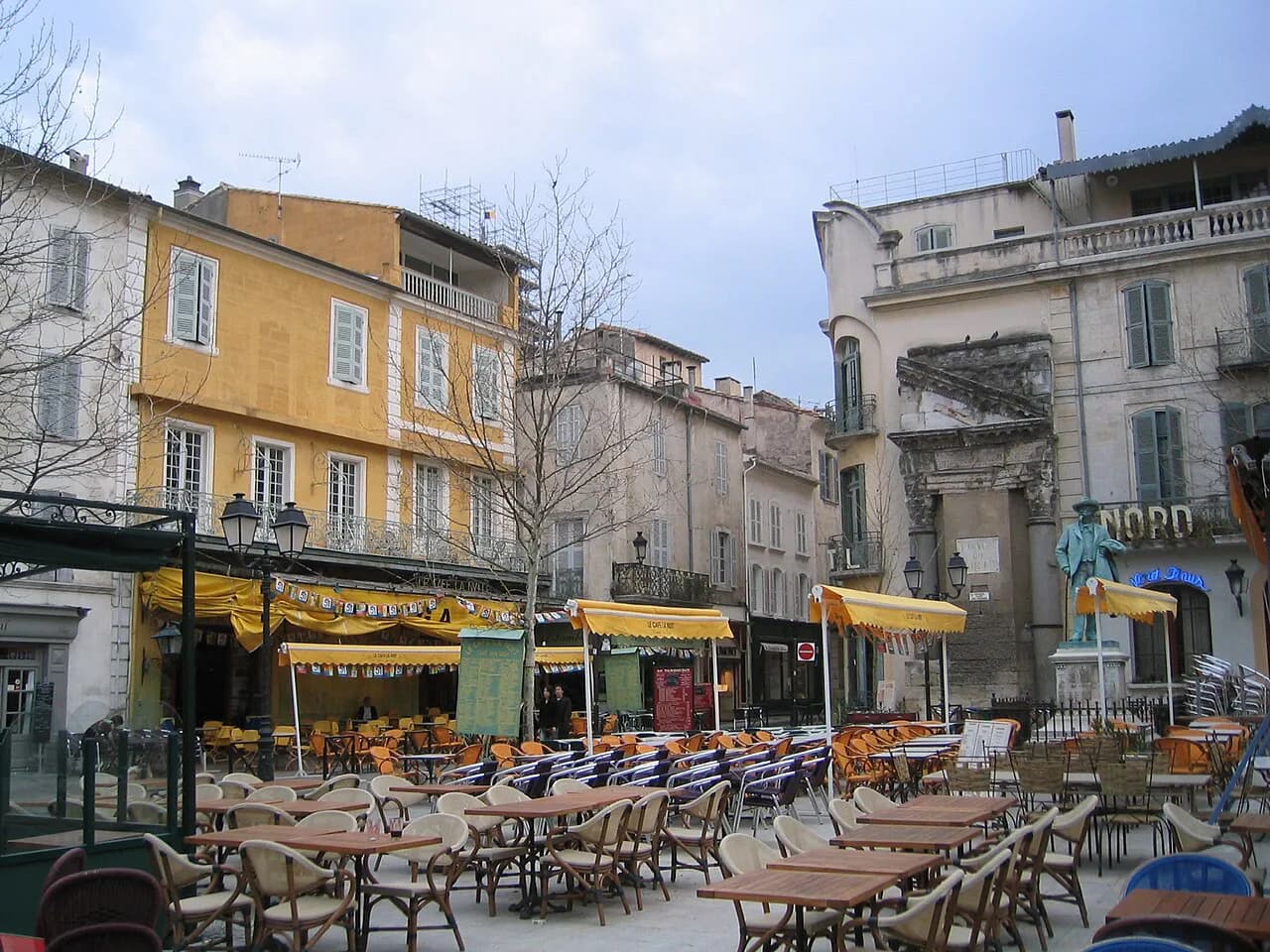
The Rhône bends around Arles on its western side, and the historic centre sits between the river and the ring of boulevards that follow the old Roman walls. Place de la République, with its obelisk and the Saint-Trophime portal, is the civic heart; the amphitheatre and Roman theatre cluster a few minutes east; Place du Forum, with the café painted by Van Gogh, sits north of the centre. Plan on ten to fifteen minutes' walk between any two of these, and you will rarely need transport inside the town.
The train station is on the eastern edge of the centre, roughly a fifteen-minute walk from the amphitheatre. That flat, short approach is why Arles works as a car-free weekend: you arrive, drop your bag and walk everywhere that matters.
Roman Arles: The Amphitheatre, Theatre and Alyscamps
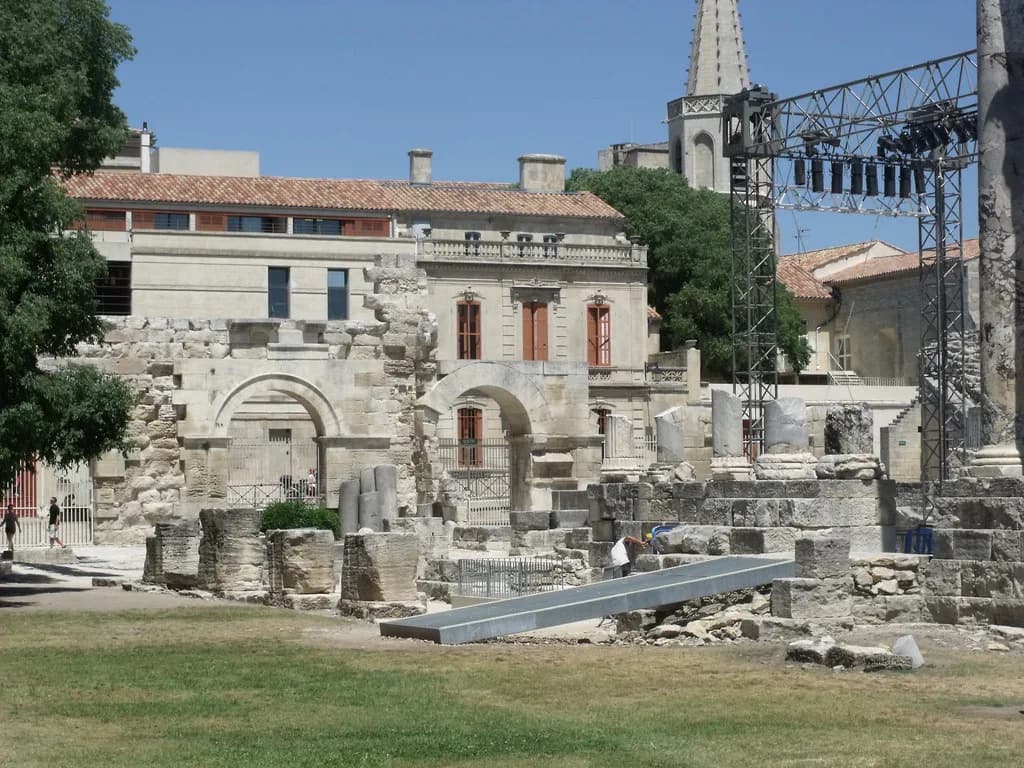
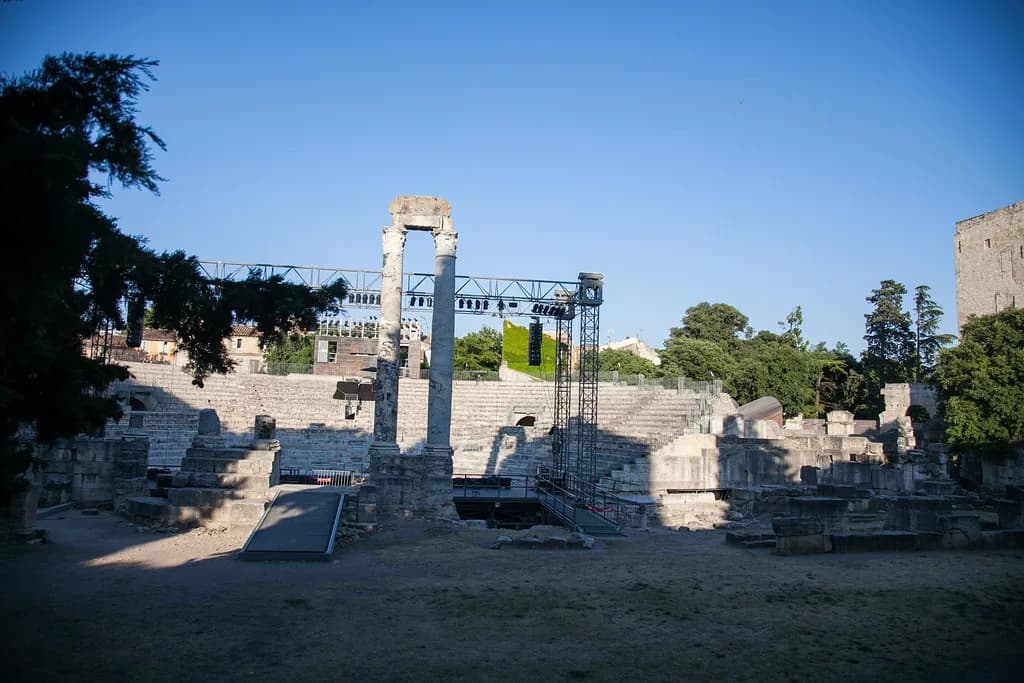
The amphitheatre remains the cultural heart of the city, hosting performances and concerts alongside day visits, and an hour there is enough to climb the tiers and take in the view over the roofs. Entry is around €10 and is covered by the Monuments Pass. The Roman theatre, erected in the 1st century BC and one of the earliest Roman monuments in Arles, is a short walk away at Rue de la Calade, with entry around €8. The Alyscamps, a Roman necropolis that Van Gogh and Gauguin both painted, sits in the south-western corner of town, a short walk from the centre; allow about 45 minutes and expect to pay around €9. The Baths of Constantine, a 4th-century thermal complex on Rue du Grand-Prieuré, take about half an hour and round out the Roman circuit.
These prices are approximate and shift over time, so check the ticket desk or the tourist office when you arrive rather than budgeting to the euro. The order above works as a single loop: amphitheatre and theatre in the morning, Alyscamps after lunch.
The Monuments Pass and What It Covers
The city sells a pass giving access to six monuments and four museums, valid for six months, which means you can spread visits across a long weekend without racing. Buy it at the tourist office before you start, as the weithouse guide recommends, and you avoid paying separately at each door.
The pass only pays off if you genuinely intend to enter several sites. Travellers who plan one big Roman sight, a wander and a long lunch are better off buying single tickets; those staying two or three days and adding the Alyscamps, the baths and a museum will come out ahead. The tourist office publishes the current pass options and prices, so compare against your shortlist before committing.
Place de la République, Saint-Trophime and the Obelisk
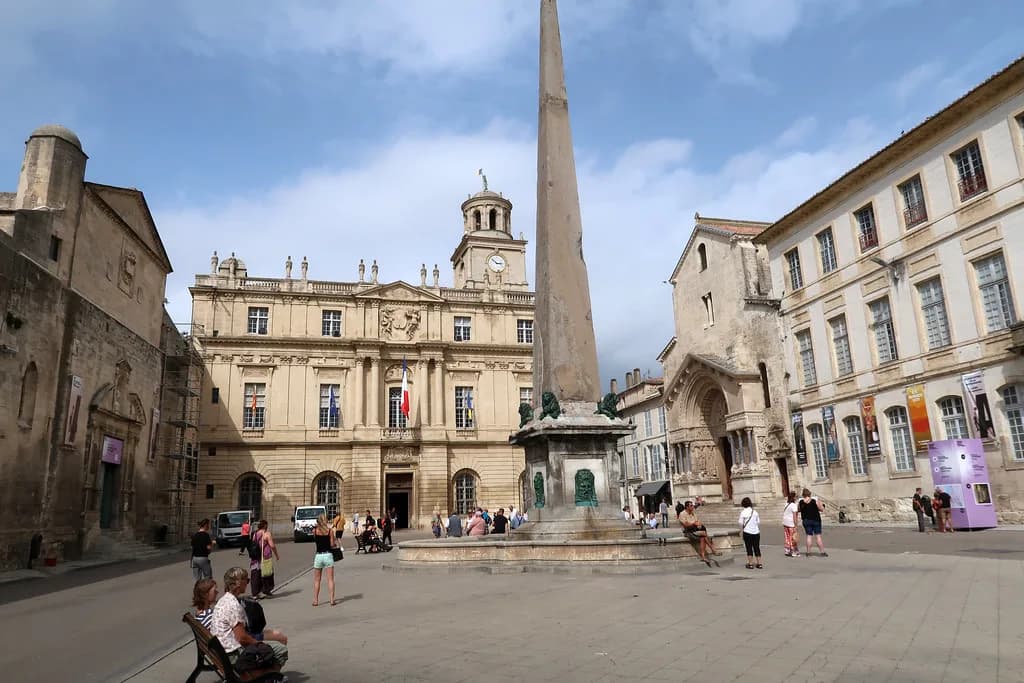
Place de la République is the square to orient yourself by: the granite obelisk, re-erected in the 17th century, stands at its centre and the Hôtel de Ville faces the church. The church and cloister of Saint-Trophime, a Romanesque masterpiece built in the 12th century on Roman foundations, is the reason to linger, and cloister entry is around €5.
The sculpted portal is free to look at from the square, so even a tight schedule can take in the carvings. The cloister galleries are the quieter pleasure and worth the small ticket.
Underground: The Cryptoporticus
Beneath the Roman forum, the Cryptoporticus is a set of underground galleries built to stabilise the structures above and store goods. It takes about half an hour and gives a different sense of Roman engineering from the arenas; the entrance is at Place du Forum, so pair it with a look at the café façades nearby.
It is a good wet-weather or midday-heat option, being cool and covered. Check the pass covers it before you queue, since it is one of the monuments in the scheme.
Van Gogh in Arles: The Foundation, Espace Van Gogh and the Circuit
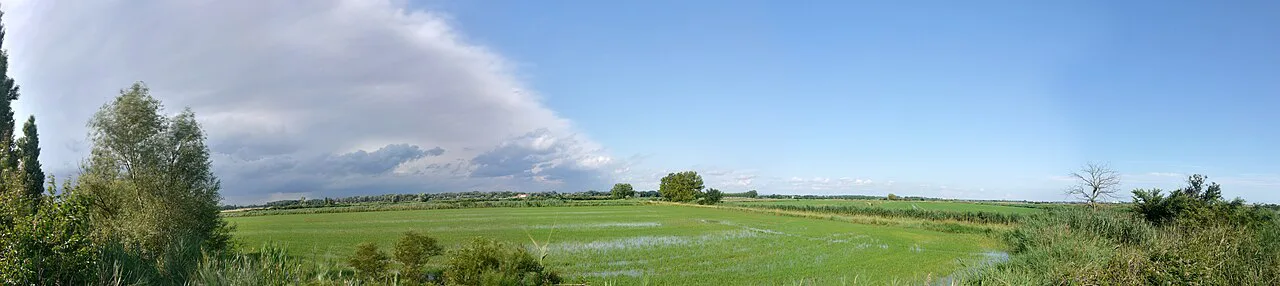
The Fondation Vincent van Gogh Arles, on Rue du Dr Fanton, shows work inspired by Van Gogh's legacy alongside contemporary exhibitions, and adult entry is around €12 with one to two hours needed. The Van Gogh circuit through town is free: it links the places he painted, including the Café la Nuit on Place du Forum and the Espace Van Gogh, the former hospital where he was treated.
Van Gogh produced over 200 paintings and drawings during his time in the south of France, which is why the trail passes so many recognisable corners. Do the circuit on foot in an afternoon and you will cover the painter's Arles without entering a single museum.
The foundation shows work inspired by Van Gogh's legacy and contemporary responses rather than a blockbuster collection of his own canvases, so come for context. If a large collection of paintings is the aim, plan that around a different city.
Contemporary Art at LUMA Arles and Lee Ufan Space
LUMA Arles occupies the former SNCF railway workshops at Parc des Ateliers, with a Frank Gehry-designed aluminium-clad tower dominating the site and a landscaped park around it. It is a ticketed attraction with reduced or free entry for younger visitors, so check current prices before you go, and it deserves two to three hours if contemporary art and architecture interest you.
Lee Ufan Space, in the Hôtel Vernon on Rue de Vernon, is a minimalist counterpoint with sculptures and installations built around light and material; an hour covers it. For a short break, pick LUMA if you want scale and architecture, Lee Ufan if you want calm.
Art Galleries and Bookshops in the Old Town
Arles has a working contemporary art scene rather than a decorative one. Galerie Huit Arles shows photography and contemporary art in a 17th-century mansion, Anne Clergue Gallery focuses on photography, and Actes Sud combines a publishing house, bookshop and gallery. These are small spaces, so treat them as stops between bigger sights rather than destinations in themselves.
Librairie du Palais on Rue du Plan de la Cour is the photography bookshop to know, and the Actes Sud bookshop on Rue du Dr Fanton is the place to browse before a train home. Both fit naturally into an afternoon around Place du Forum.
The Arles Market: Wednesday and Saturday Mornings
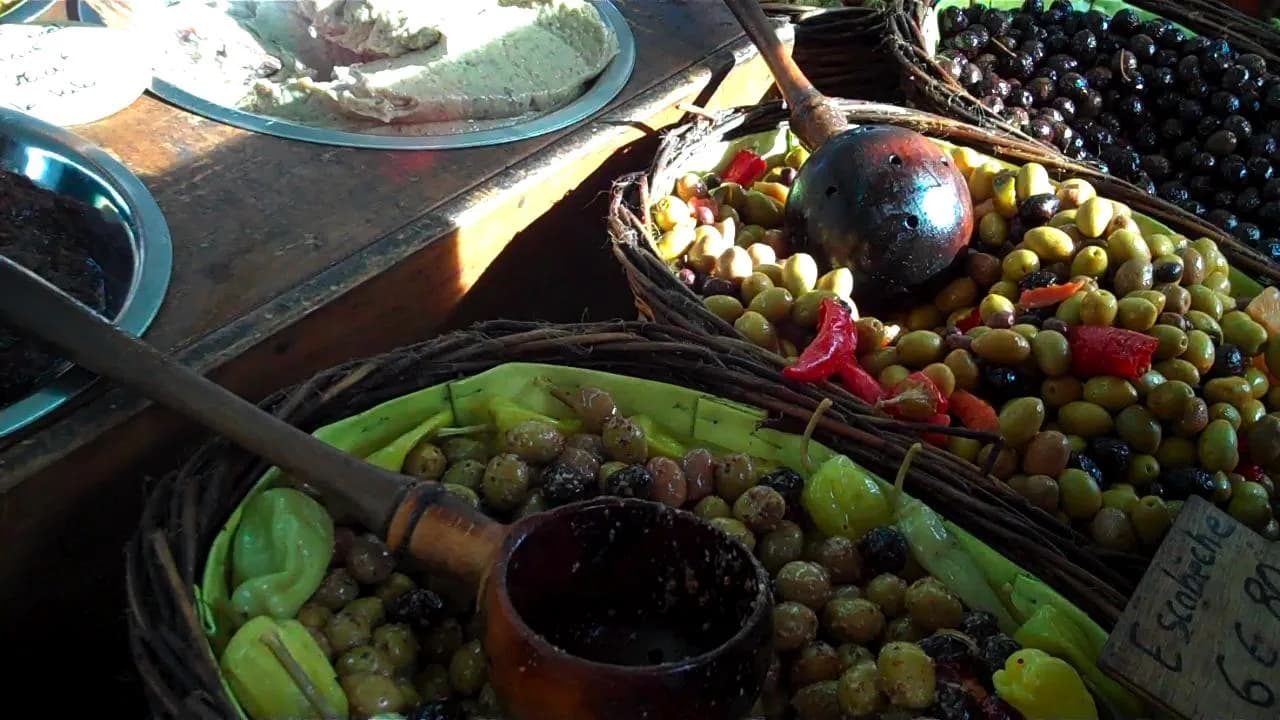
Arles holds its market on Wednesday and Saturday mornings, and it is one of the largest in Provence, with stalls reported to stretch well over a mile. Food is the strength: produce, meat and cheese stands make an easy picnic, and that is the best use of a market morning. Clothing and souvenirs are thinner on the ground than the food.
Arrive early enough to shop before the crowds thicken, then carry your purchases to the riverside or a square. If your weekend falls outside Wednesday and Saturday, you lose the market entirely, which is the strongest argument for timing a short break around those mornings.
Where to Eat and What to Buy for a Picnic
For a quick lunch near the arenas, Saveurs et Terroirs sits at the foot of the amphitheatre and does affordable sandwiches. Mazette on Place Antonelle handles breakfast, lunch and brunch, and Poudevinge on Rue de la Liberté sells sourdough bread and good sandwiches.
For something more substantial in the evening, Le Criquet is a small Provençal restaurant and La Galoubet is a cosy room suited to slow dinners. Our best restaurants in Arles covers more options if you want to plan ahead.
On market days, build lunch from the stalls: cheese, olives, tomatoes and bread, eaten outdoors. It is cheaper than a restaurant and the best use of a Wednesday or Saturday morning.
La Roquette and the Quieter Streets
La Roquette, the residential quarter south of the centre, has the small streets and lived-in character that the main squares lack. It is easy to fold into a walk back from the Alyscamps, and it gives you a break from the monument trail. Le café de la Roquette on Place Paul Doumer is the local spot for an aperitif.
Rue du 4 Septembre and Rue des Suisses carry a run of independent shops, from vintage at Ghost town to stationery at L'Arlétiste and local design at Marius. These streets reward an hour of wandering between sights.
Arles in One Day, Two Days or a Long Weekend
One day: amphitheatre and Roman theatre in the morning, Saint-Trophime and Place de la République at midday, the Alyscamps or the Cryptoporticus in the afternoon, and the Van Gogh circuit around Place du Forum before dinner. Two days: add LUMA and Lee Ufan Space, plus a market morning if your dates allow it.
A long weekend lets you slow down: the baths, the galleries, the bookshops and a proper lunch. Arles can also serve as a base for the Camargue, around a 20-minute drive away, or Les Baux-de-Provence and Saint-Rémy-de-Provence, each roughly half an hour away by car.
If you are weighing whether the city earns a slot in a wider Provence trip, Is Arles Worth Visiting? What You Get, Who It Suits and How Long to Stay sets out the case honestly.
When to Go: The Photography Festival and the Seasons
Les Rencontres d'Arles, the photography festival, runs through the summer months and turns the city into the photography capital of the world, with exhibitions, screenings and talks across multiple venues; festival passes are sold at several price points, so check the current options. That is a reason to go in summer and also a reason the city is busier and dearer then.
Spring brings the region's season into gear, with more restaurants open and fewer visitors than high summer. Autumn brings cooler temperatures and thinning crowds, while winter is quiet but still workable for a short stay.
The feria at Easter and in September brings bullfighting, shows and festivities, and with them full hotels. If either falls on your dates, book transport early.
Getting There: Train from Paris, Marseille and Avignon
Arles has no airport, so the train is the practical arrival. Direct trains from Paris Gare de Lyon take roughly four hours, which makes a day trip from Paris unworkable but a weekend straightforward. From Marseille, a direct train takes about an hour, and Marseille Provence Airport is a short drive away.
Alternatively, take the train to Avignon or Aix-en-Provence and pick up a car if you want to explore the wider region. If Arles is one stop on a longer trip, things to do in avignon and things to do in Aix-en-Provence will help you decide how to split the days; the same question comes up with smaller stops, and our guide to things to do in Aix-en-Provence covers the old town, museums and markets there.
Practical Trade-offs: What to Skip on a Short Trip
The Baths of Constantine are the first thing to drop if time is tight: half an hour of ruins that mean less if you have already seen the arenas. The Alyscamps and the Cryptoporticus are the better cuts if you want atmosphere and engineering.
Restaurants in Arles can fill up on feria weekends and festival evenings, so reserve for dinner during July and September. Outside peak periods, walk-ins are usually fine.
Plan Your Visit
Arles works because everything worth seeing is close together: book a train, learn two squares (République and Forum), and let the amphitheatre and the river set your route. Aim for a Wednesday or Saturday if you can, and leave a morning free for LUMA's park if contemporary art appeals.
Sort your dates, check the festival calendar and the market mornings, and the rest of the weekend is easier to plan than you would think.
Explore more Arles guides
Frequently Asked Questions
How many days do you need in Arles?
One day covers the amphitheatre, the Roman theatre, Saint-Trophime and Place de la République, with the Van Gogh circuit in the late afternoon. Two days add LUMA, Lee Ufan Space and a market morning; a long weekend lets you slow down and take in the baths, galleries and bookshops.
Is Arles worth visiting?
Yes, for Roman monuments, a compact old town and a serious contemporary art campus within walking distance of each other. It is also reachable by direct train from Paris without a car, which most of Provence is not. If you have only one Provence stop and want hilltop villages, look elsewhere.
What are the must-see Roman sites in Arles?
The amphitheatre on the eastern side of the centre, the Roman theatre at Rue de la Calade, the Alyscamps necropolis in the south-west, the Baths of Constantine and the Cryptoporticus beneath Place du Forum. The amphitheatre, theatre and Alyscamps form a logical half-day circuit on foot.
Which day is the Arles market?
The market runs on Wednesday and Saturday mornings. It is one of the largest in Provence and strongest on food, so it is the best morning for a picnic shop. Plan your dates around those two days if the market matters to you.
Can you see Van Gogh's paintings in Arles?
There are no original Van Goghs in Arles. The Fondation Vincent van Gogh shows work inspired by his legacy alongside contemporary exhibitions, and the free Van Gogh circuit links the places he painted, including the Café la Nuit on Place du Forum and the Espace Van Gogh.
Is Arles or Avignon better for a weekend?
Arles is smaller, more Roman and easier to cover on foot in two days, with LUMA as a modern anchor. Avignon has the Palais des Papes and a larger restaurant and hotel scene. Pick Arles if you want compact and ancient, Avignon if you want scale and a bigger food scene.
Do you need a car in Arles?
No for the city itself: the station is a short walk from the centre, and the sights cluster inside the old town. A car only becomes useful if you want the Camargue, Les Baux-de-Provence or Saint-Rémy-de-Provence, roughly half an hour away each.
What can you do in Arles in one day?
Start at the amphitheatre and Roman theatre, move to Place de la République and the Saint-Trophime cloister, and choose between the Alyscamps and the Cryptoporticus for the afternoon. Finish with the free Van Gogh circuit around Place du Forum before dinner.
Sources
Notes for French city breaks
Optional updates to our guides.
You might also like
Continue reading
More guides you'll find useful