Things to Do in Lille: Old Town, Museums and Markets
Plan a Lille city break with the Grand Place, Vieux-Lille, the Palais des Beaux-Arts, Wazemmes market and the belfry, plus days needed and City Pass costs.
On this page
Lille works as a short break because almost everything you want sits within walking distance of the two stations. The centre is compact, the architecture is Flemish rather than Parisian, and the food culture runs from pastry counters to wood-panelled estaminets. A weekend gives you the old town, a museum or two and a long lunch without rushing.
The trade-off is choice: Lille has more museums, churches and market stalls than a two-day trip can absorb. Grouping sights by quarter, rather than chasing a checklist across town, is what makes the visit feel unhurried. The comparison with Paris comes up constantly, and it is worth settling early whether Lille's smaller scale suits you.
Why Lille suits a short break
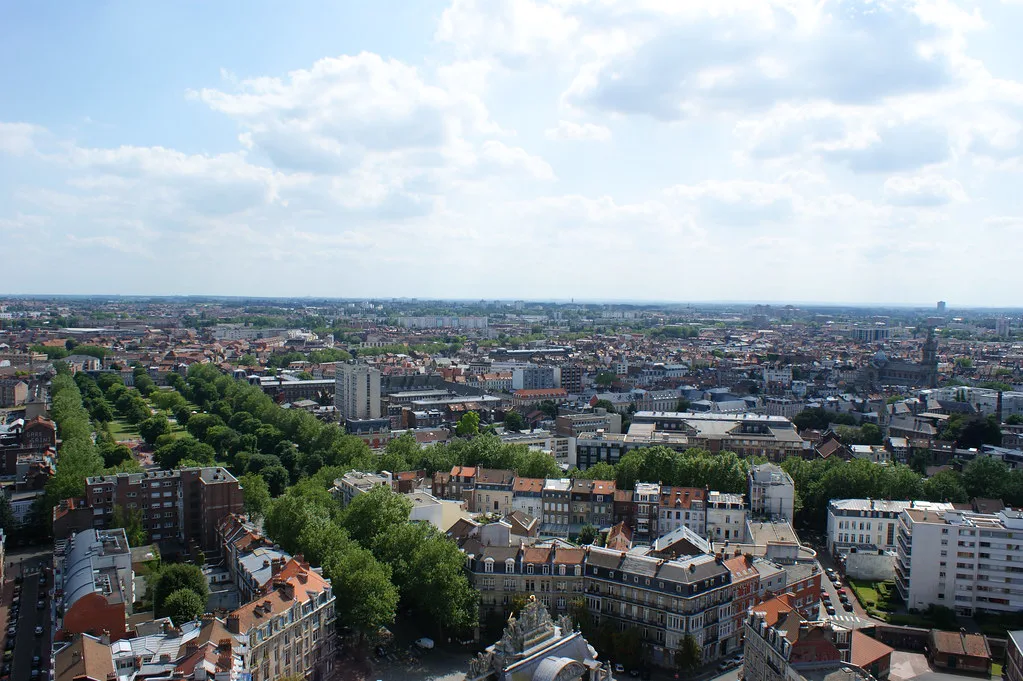
Lille sits in French Flanders near the Belgian border, and the red brick, stepped gables and pedestrianised lanes read closer to Brussels than to Paris. The historic centre and the old town are walkable, with most restaurants, shops and sights reached on foot. That density is the main argument for a weekend here: you spend time looking, not travelling.
From London, the Eurostar takes about 90 minutes with several trains a day, which makes Lille quicker by rail than by air once airport transfers are counted. The station is central, so you can drop a bag and be in the old town shortly after arriving.
The food scene rewards planning. Estaminets serve the regional repertoire of carbonade flamande, potjevleesch and dishes built on Maroilles cheese, and the city's bakeries and patisseries are a reason to walk slowly. If eating well is your main motive, book the one or two dinners that matter and leave the rest of the day loose.
How Lille is laid out
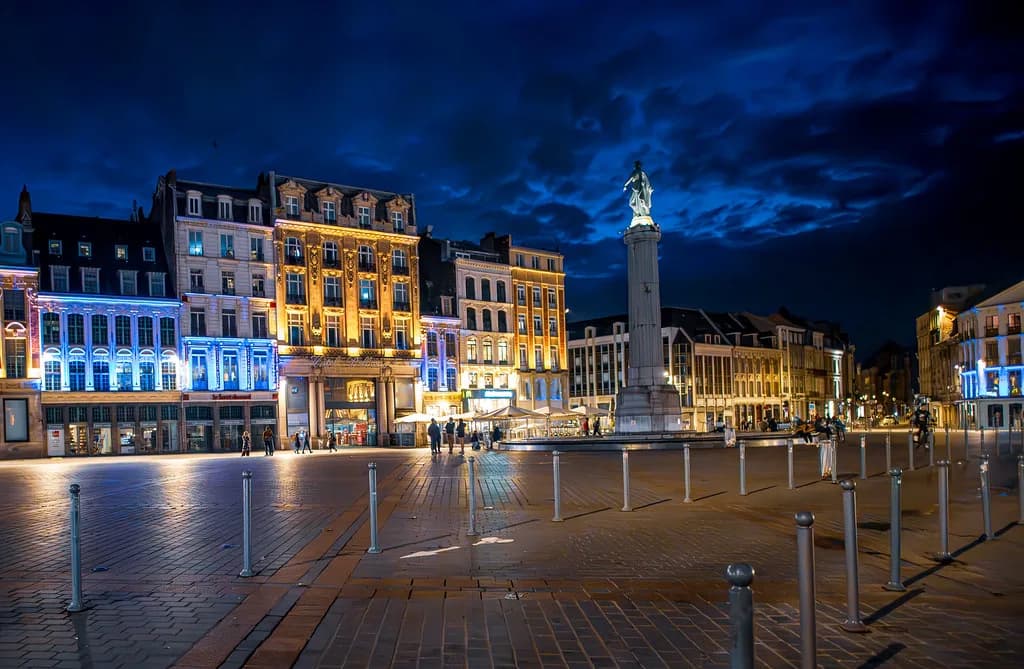
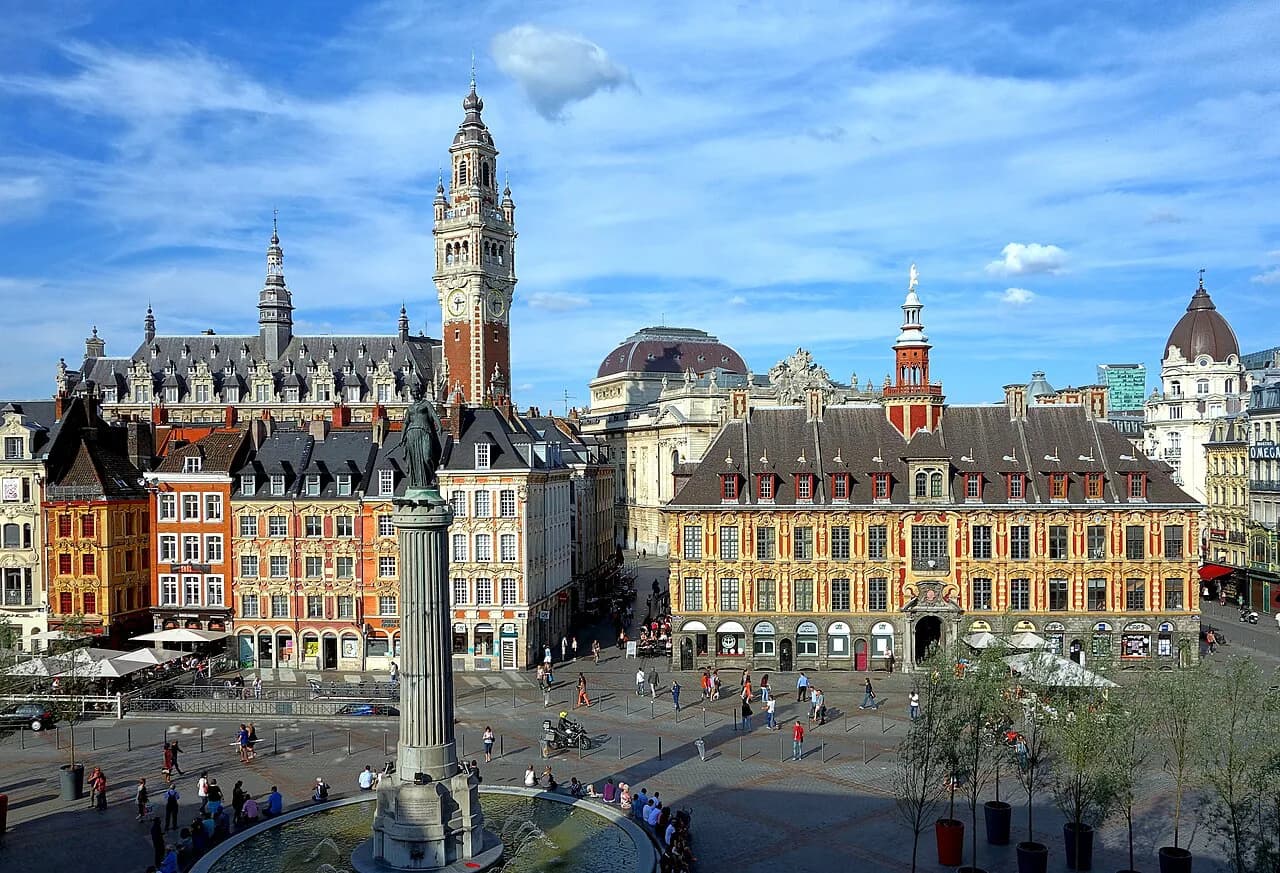
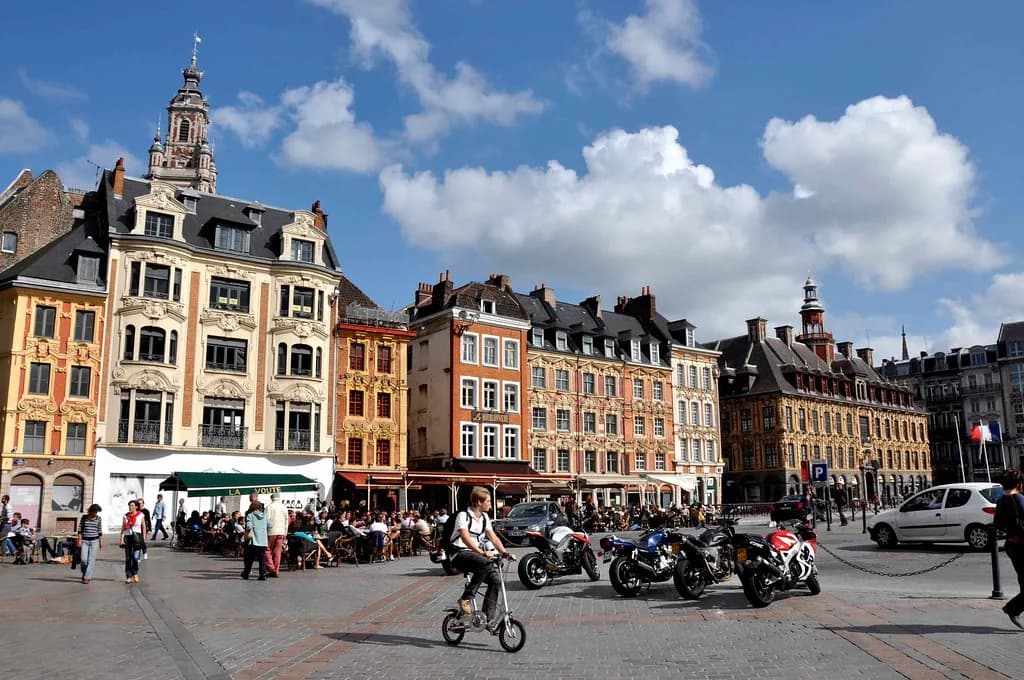
Grand Place, officially Place du Général de Gaulle, is the hinge of the city, a few hundred metres from both Lille-Flandres and Lille-Europe stations. The square is ringed by Flemish-Baroque facades, with the Vieille Bourse on one side and the theatre district beside it. Start here and you can orient yourself in ten minutes.
From Grand Place, Vieux-Lille opens immediately to the north, a grid of cobbled streets with shops, bakeries and estaminets. South and east of the square you reach Place Rihour, home to the tourist office in the Palais Rihour, and beyond it the newer commercial streets. Everything in this core is comfortably walkable, which is why a car is a hindrance rather than a help.
Two stations matter for planning. Lille-Flandres handles much of the regional and domestic traffic and sits closest to the centre; Lille-Europe serves the high-speed lines. Both are within a short walk of Grand Place, so neither commits you to a taxi on arrival.
The essentials: Grand'Place, La Vieille Bourse and the belfry
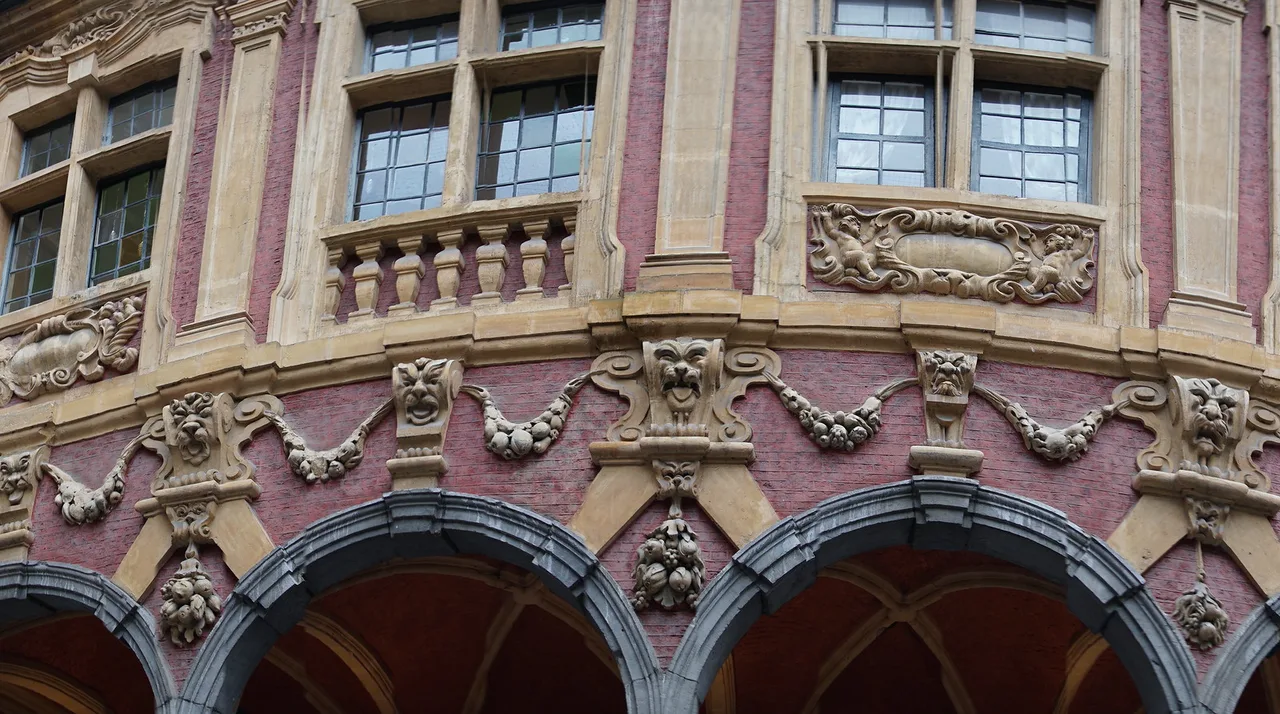
La Vieille Bourse is the city's most photographed building, designed by Julien Destrée and completed in 1653, standing between Place du Théâtre and Grand Place. When the doors are open, walk into the courtyard to see the detail up close; the surrounding arcades house second-hand booksellers and print stalls. It is a five-minute stop that repays a slower ten.
The book market inside the courtyard sells second-hand books, magazines, prints and old illustrations under the 17th-century arcades, and browsing is free. Stalls are not guaranteed every hour of every day, so treat a weekday afternoon browse as the plan and check with the tourist office if the market is the reason for your trip.
The town hall belfry gives the highest view in the city. The town hall itself is closed to visitors, but you can climb the 415 steps, or take the lift for the first 100, and on a clear day the view reaches the Flanders hills and the slag heaps beyond. The climb is included in the Lille City Pass, so it pairs naturally with a museum day.
Vieux-Lille on foot
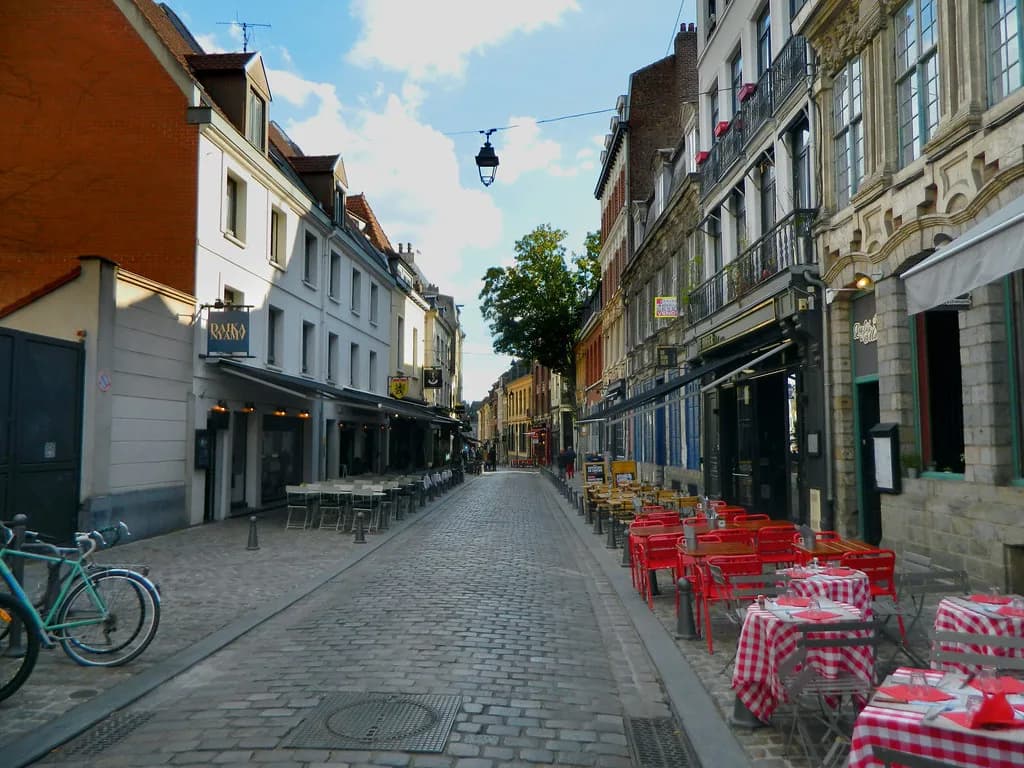
Vieux-Lille is the reason many people come back. The streets are cobbled and narrow, the shopfronts small and deceptive, and the interiors often much larger than the facades suggest. Walk without a fixed route and you will still pass most of it within an hour.
Rue de la Monnaie is the long spine of the quarter, lined with restaurants and designer shops, and the Musée de l'Hospice Comtesse sits just off it. Rue de la Clef is smaller and busier, with a cluster of popular cafés, while Rue Basse carries the fancier end of the shopping. Passage des Arts, also known as Rue de Vieux Murs, holds galleries, brunch spots and estaminets.
The Musée de l'Hospice Comtesse occupies a former medieval hospital founded in the 13th century by Countess Jeanne of Flanders, with a chapel, cloisters and vaulted rooms intact. It is small enough to see without committing a whole afternoon, and entry is covered by the Lille City Pass. Pair it with a coffee rather than a second museum.
Museums worth your time
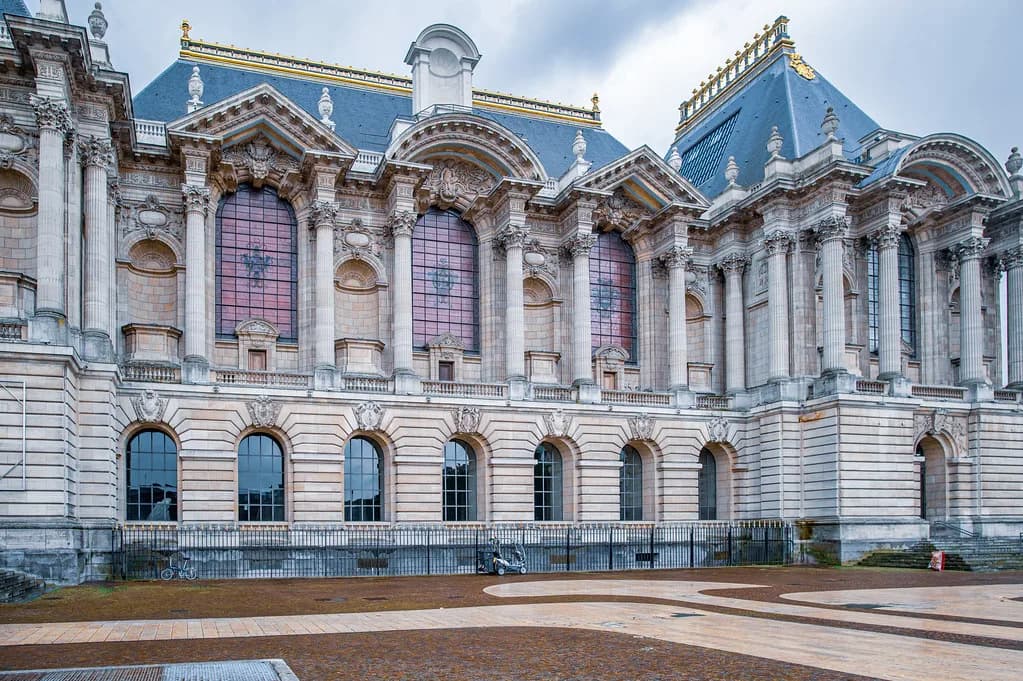
The Palais des Beaux-Arts is the big one, one of the richest collections in France outside Paris, running from the Renaissance to the twentieth century with Rubens, Goya, Courbet and Delacroix on the walls. The galleries are tall and the hangings well spaced, so the main collection is manageable in roughly 90 minutes. Entry is included in the City Pass.
Lille Cathedral, Notre-Dame de la Treille, is unusual for France: begun in the mid-nineteenth century but only completed in the 1990s, it mixes neo-Gothic structure with a pale modern facade in stone and translucent marble. A short walk away, the Église Saint-Maurice is late Gothic, built across several centuries, and noticeably quieter inside. Both are free to enter and take minutes rather than hours.
For a deeper museum day, the museums in Lille reward a plan rather than a wander. Check each venue's opening days before you fix your itinerary, since French museums commonly close one day a week and the pattern varies by venue. The City Pass list is the quickest way to see which institutions are included.
Markets and browsing
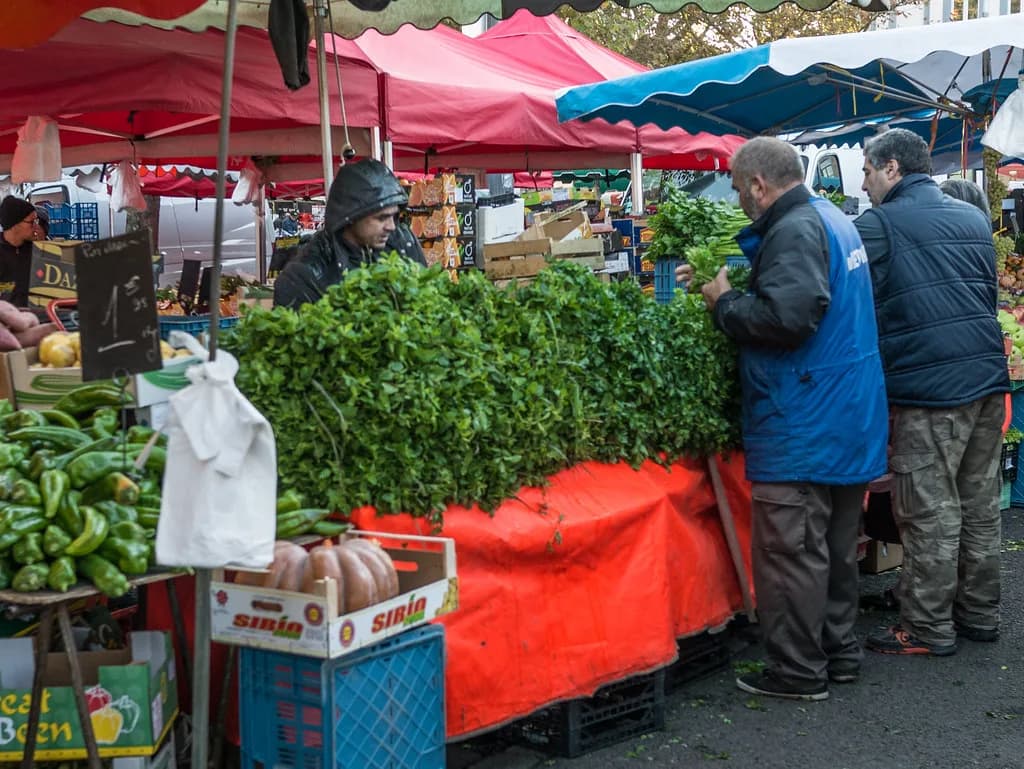
Wazemmes market is the local counterweight to the polished centre: food stalls, produce, flowers, spices and household goods spread across the square and surrounding streets. Sunday is the big day, when the whole area comes alive, and it is also the most crowded; Tuesdays and Thursdays are the quieter alternative. Go hungry and buy lunch from the stalls.
The city's other browsing is indoors and outdoors at once. The markets in Lille range from the booksellers' courtyard at La Vieille Bourse to the Sunday sprawl at Wazemmes, and they suit different moods and weather. If your weekend is short, pick one rather than trying both.
Shopping in the old town is genuinely good: independent concept stores, vintage finds and homeware shops sit among the bakeries. It is the kind of browsing that eats an afternoon without feeling wasted, especially on a wet day when the arcades and passages earn their keep.
Green space and the edge of the city
Parc de la Citadelle is Lille's largest green space, wrapped around the seventeenth-century Vauban fortress known as the Queen of citadels. The citadel itself is a working military site, but the park around it is open and busy with walkers, runners and cyclists. Walk the banks of the Deûle for the best view of the ramparts.
The park is also where the city exhales on a Sunday: boat rentals on the canals, drinks and snacks from guinguette-style boats, and a small zoo and play area for children. It is a half-day rather than a quick stop if you have family in tow, and a pleasant hour if you do not.
Worth the metro ride: La Piscine in Roubaix
La Piscine in Roubaix is a former Art Deco swimming pool converted into an art museum, with water still running through the centre, sculptures against the original blue and gold mosaic, and the old changing rooms turned into galleries for ceramics, textiles and fashion. It is one of the most memorable museums in the region and worth the trip alone.
The metro from Lille takes about 30 minutes, which makes Roubaix a half-day add-on rather than an afternoon errand. The collection includes painting and nineteenth- and twentieth-century sculpture, plus a reconstruction of Henri Bouchard's studio with its plaster casts and tools. Budget the journey, the museum and a walk in Roubaix, and the morning is gone.
The Lille City Pass: 24, 48 and 72 hours
The Lille City Pass covers free entry to 20 tourist and cultural attractions in Lille and its metropolitan area, with public transport included if you want it. It comes in 24-hour, 48-hour and 72-hour versions, and the attraction list is the thing to read before buying.
Prices start at 25 euros for 24 hours, 35 euros for 48 hours and 45 euros for 72 hours, according to the Lille tourist office. Whether it pays off depends on how many included sights you actually visit: the belfry, the Palais des Beaux-Arts and the Hospice Comtesse together make a strong case for the 48-hour version, while a single museum afternoon does not.
Buy it at the start of a full day rather than on arrival evening, since the clock runs from first use. If Roubaix is on your list, check whether La Piscine is covered before you count it into the arithmetic.
Sweet stops and estaminet lunches
Méert is the historic patisserie and tea salon known for filled waffles, with a pistachio version that has a following; the shopfronts and interior are grand enough to justify a sit-down. Aux Merveilleux de Fred sells the meringue-and-cream pastries Lille is known for, and the mini versions travel better than you expect.
For a proper lunch, an estaminet is the right room: wood-panelled, generous and built around the Flemish repertoire. The city has plenty of them tucked into side streets and small squares, and booking ahead at the well-known ones saves a wait. If you only eat one long lunch in Lille, make it this.
How many days Lille needs
One day covers Grand Place, the Vieille Bourse, a walk through Vieux-Lille and one museum, with lunch in between. It is tight but doable, and the tourist office publishes its own one-day route if you want a fixed order. Add the belfry only if the weather is clear enough to make the view worthwhile.
A weekend is the sweet spot: two full days let you see the old town properly, take in the Palais des Beaux-Arts and the Hospice Comtesse, browse a market and still have a lazy afternoon in a wine bar. Three days buys you Roubaix and La Piscine without sacrificing anything else.
If you are weighing Lille against a longer French trip, the answer usually comes down to pace. Lille rewards slow walking and long meals more than ticking off sights, so a packed 24 hours undersells it. The honest case for the city is a two-night stay with one day trip left optional.
Practical trade-offs
Lille is compact and very walkable, and you do not need a car for a city break; the metro is useful for rainy days and for Roubaix. The main centre and Vieux-Lille are within easy reach of each other on foot. Build in slack rather than chaining sights across the map.
Sundays split the city: Wazemmes is at its busiest and best, while many shops elsewhere close. Plan Sunday around the market and the park, and save the shopping streets and museums for the other days. Confirm individual venue opening days before you build a day around one.
On a short trip, skip the things that repeat. If you have seen one Flemish square, the next is a variation; better to spend the time on a museum, a market or a long lunch. The exception is La Piscine, which is unlike anything else in the city.
Rough costs for a weekend
The Lille City Pass is the clearest fixed cost: 24 hours from 25 euros, 48 hours from 35 euros and 72 hours from 45 euros, per the tourist office. Meals run below Paris levels, with a good dinner for two including drinks rarely above 60 to 70 euros. The Eurostar from London is the other big variable, and fares move with how far ahead you book.
Beyond those, costs are the usual city-break items: coffee and pastry stops, a museum ticket if you skip the pass, and metro fares for Roubaix. Set a daily budget for food and let the pass handle the sights. If you are comparing Lille with a Provençal city, note that the cost of a similar weekend elsewhere in France varies widely, and the things to do in Aix-en-Provence make for a useful southern counterpoint.
If your dates are fixed, check the Lille tourist office for current pass pricing and any seasonal offers before booking, since promotions change. Rail fares are best checked as soon as your dates are set. Everything else in Lille can be decided once you arrive.
Plan Your Visit
Lille rewards a two-night stay: one day for Grand Place, the Vieille Bourse and Vieux-Lille, one for a museum and a market, with the belfry or La Piscine as the optional extra. Book the one dinner that matters, buy the City Pass only if the numbers work for you, and leave room for pastry stops.
The city's main appeal is that it does not demand a schedule. Walk the old town without a route, eat lunch in an estaminet, and let the market decide your Sunday. That is the trip Lille is best at.
Explore more Lille guides
Frequently Asked Questions
Is Lille worth visiting for a weekend?
Yes. Lille fits a weekend well: the centre is walkable, the old town is genuinely handsome, and the museums and food are strong enough to fill two days without rushing. It suits travellers who prefer a compact city with long lunches to a checklist of sights.
How many days do you need in Lille?
Two days covers the essentials: Grand Place, the Vieille Bourse, Vieux-Lille, the Palais des Beaux-Arts and a market. Add a third day if you want La Piscine in Roubaix, which takes about 30 minutes by metro each way.
What can you do in Lille in one day?
Start at Grand Place, look into the Vieille Bourse courtyard, walk Vieux-Lille via Rue de la Monnaie, then choose one museum such as the Palais des Beaux-Arts or the Hospice Comtesse. Finish with an estaminet lunch or a pastry stop at Méert.
What are the best things to do in Lille when it rains?
Head for the museums: the Palais des Beaux-Arts and the Musée de l'Hospice Comtesse are both central and included in the Lille City Pass. The arcades of the Vieille Bourse and the old town's covered passages also give some shelter.
Is Lille walkable?
Very. Grand Place, Vieux-Lille, Rihour and both stations sit within easy walking distance of each other, and most restaurants and sights in the centre are reached on foot. The metro is useful mainly for Roubaix.
Is Lille expensive compared with Paris?
Lille is generally cheaper than Paris for meals and drinks, and the Lille City Pass bundles 20 attractions plus optional public transport. Check the tourist office for current pass prices and let your own restaurant choices set the food budget.
What is there to see in Vieux-Lille?
Cobbled streets lined with bakeries, designer shops and estaminets, plus the Musée de l'Hospice Comtesse just off Rue de la Monnaie. Rue de la Clef, Rue Basse and Passage des Arts are the streets worth walking slowly.
Is Wazemmes market open on Sundays?
Sunday is the big market day at Wazemmes, when the square and surrounding streets fill with food, produce, flowers and household goods. It is also the busiest day; Tuesdays and Thursdays are quieter if you want room to browse.
Sources
Notes for French city breaks
Optional updates to our guides.
You might also like
Continue reading
More guides you'll find useful