Things to Do in Grenoble: A Weekend Guide to the Alpine City
Plan things to do in Grenoble with the Bastille cable car, the Old Town squares and free museums, plus how the city is laid out and how many days it needs.
On this page
Grenoble's best day out is a mountain fortress reached by a 1934 cable car, followed by an afternoon in a compact Old Town of squares, churches and riverside walks. The city sits in a valley with the Isère running through it, so most of what you want to see falls into two clusters: the centre and Old Town on one bank, and Saint-Laurent with the Bastille slopes on the other.
Two days covers the highlights comfortably, and three lets you add a museum morning without rushing the fortress. The main planning constraint is museum closing days rather than distance, because the sights themselves are close together. If you are still deciding whether the city justifies the trip, our honest answer on is Grenoble worth visiting sets out what a short break here actually delivers.
What Grenoble Is Best Known For
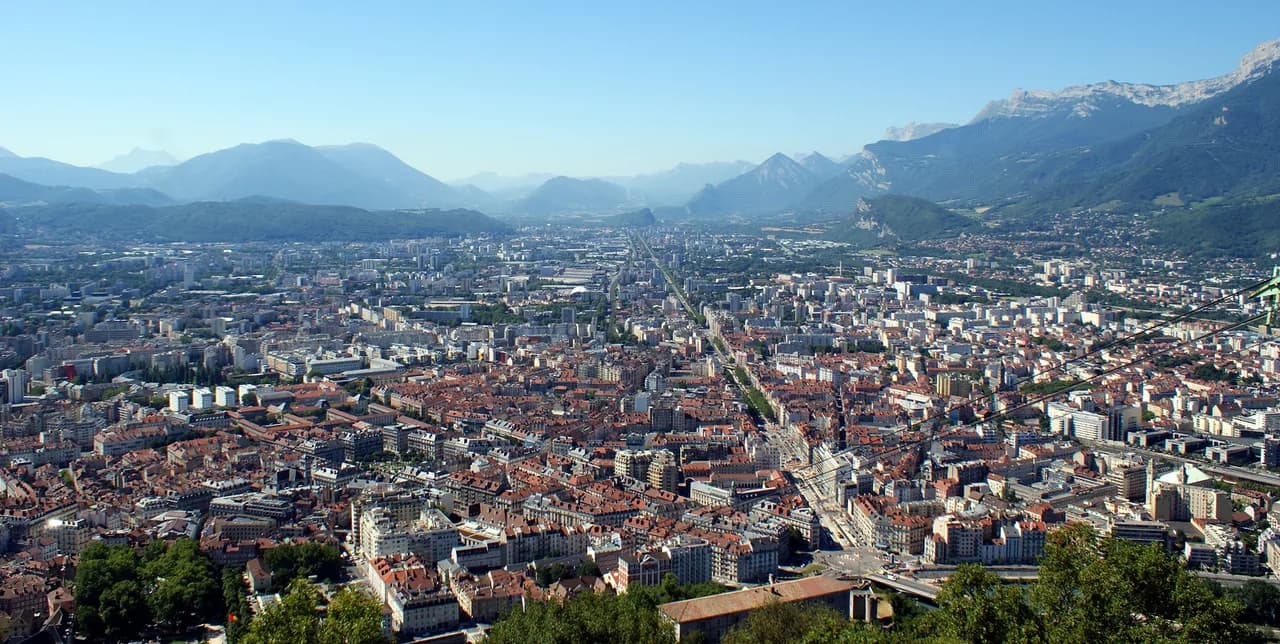
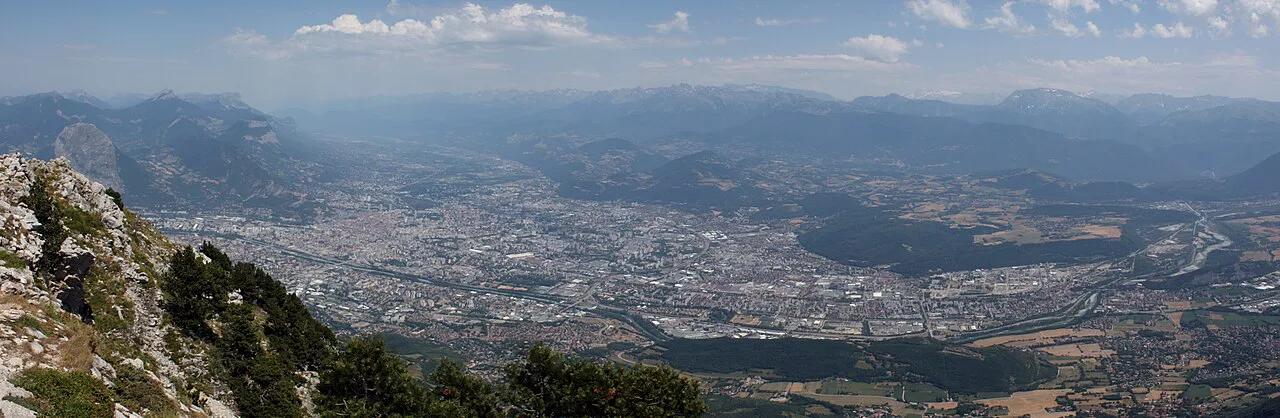
Grenoble is the Alps in city form: a flat valley floor ringed by mountains, with the Chartreuse massif on one side and the Vercors on the other. The defining sight is the Bastille, a fortress on the mountain above the city, which you can spot from streets across the centre. That combination of urban squares and sheer rock walls is what separates Grenoble from a lowland French city of the same size.
The city also has a serious museum and university tradition, and it hosted the Winter Olympic Games in 1968, which left the Palais des Sports in Parc Paul Mistral as a visible legacy. For a weekend visitor the appeal is simpler: a walkable centre, mountain views from the cable car, and a good spread of free or low-cost museums. You can read a fuller assessment of the city's strengths and drawbacks before you commit.
How Grenoble Is Laid Out
Think of Grenoble as two banks of the Isère. The city centre and Old Town sit on the western side, with the main shopping streets, squares and the Jardin de Ville close together and easy on foot. Saint-Laurent, on the eastern bank below the Bastille, is a separate small quarter of colourful buildings and cobbled lanes that feels like a village pinned to the hillside.
The Bastille sits above Saint-Laurent on the mountain, not in the town itself, which is why getting up there is a trip in its own right rather than a stroll from your coffee. The cable car station is next to the Jardin de Ville, so the natural route is Old Town first, then the gardens, then the bubbles across the river. Once you grasp that geography, the city stops feeling spread out.
The Bastille: Grenoble's Fortress Above the City
The Bastille stands at 476 m, built to control the valleys leading into Grenoble, and it is the city's biggest draw by a wide margin. The fort itself is not a single building but a stretch of walls, small museums, restaurants and activities for children along the ridge, with panoramic views back over the rooftops.
You have three ways up, and the choice is a real trade-off. The cable car is quick and delivers the views without effort; the hiking trail is pleasant but takes roughly 50 minutes uphill and is punishing in summer heat; driving means narrow, winding roads that are not one-way, so a small car helps enormously. Queues for the cable car build in peak season, so going early or late in the day saves time.
Riding Les Bulles: The Grenoble-Bastille Cable Car
The spherical cabins known as Les Bulles were inaugurated in 1934 and are among the oldest urban cable cars in the world, crossing the Isère from beside the Jardin de Ville to the fortress. The ride is short but the glass bubbles give you the city, the river and the mountains in one sweep, and the view down over Cours Jean-Jaurès is the postcard shot.
Adult fares are €9.60 return or €6.50 one way, with reduced rates of €5 return or €3.60 one way for children aged 5 to 15, over-75s, job seekers and people with disabilities, and under-fives travel free with a family. Those prices make a single one-way ride a sensible compromise if you want to walk down instead.
Museums Worth Your Morning
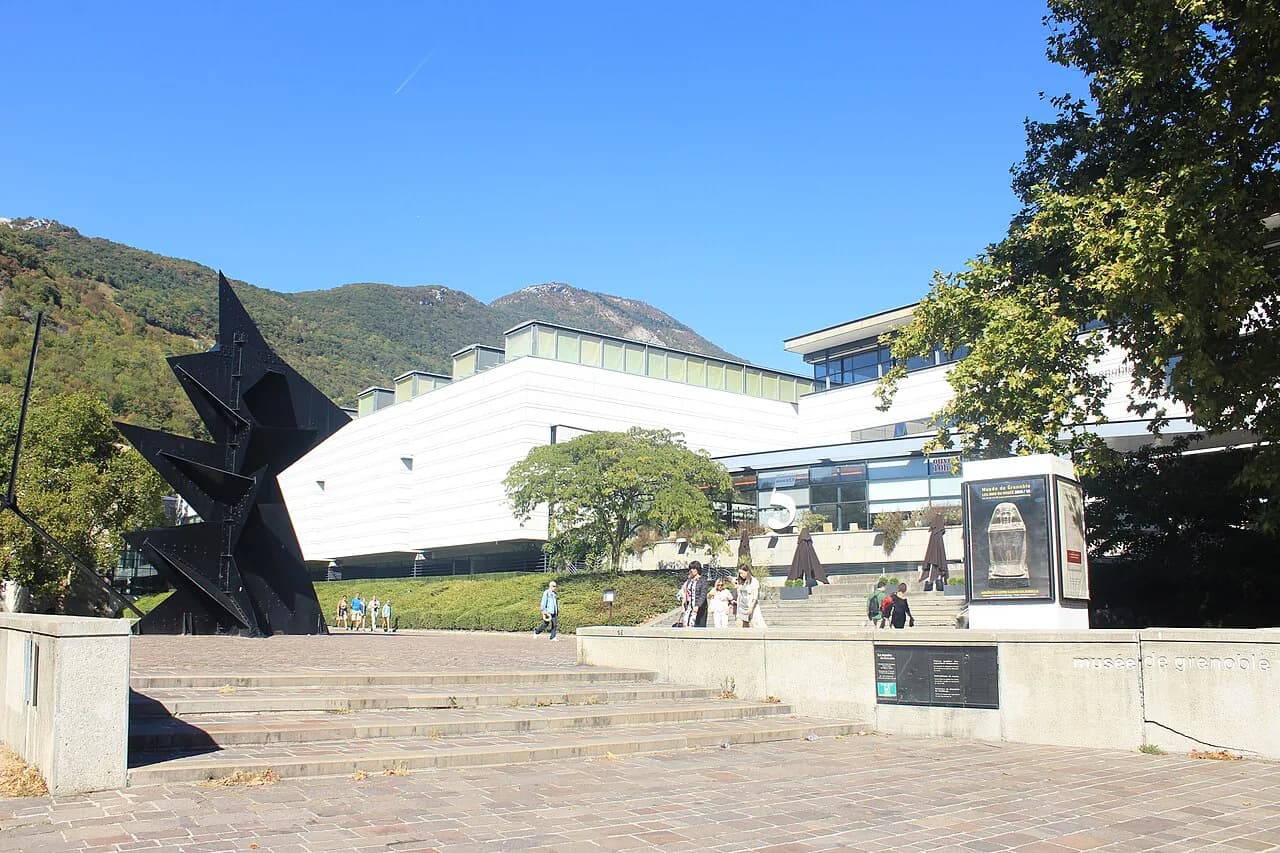
The Museum of Grenoble holds fine art and antiquities, and the permanent collections are free, as are smaller temporary exhibitions; the main temporary show is €14 full price and €7 reduced, with free entry for under-26s and several other groups. It closes on Tuesdays and selected holidays and runs from 10am to 6.30pm on the days it opens. If art is your priority, plan the rest of the break around that Tuesday closure.
The Musée Dauphinois, in a former convent on the slopes of the Bastille, covers the culture and history of the Dauphiné region and is free to enter. It opens 10am to 6pm on weekdays but is shut on Tuesdays and certain holidays, and 10am to 7pm at weekends. Pair it with the cable car, since both sit on the same hillside.
The Archaeological Museum, built over a Gallo-Roman necropolis with a 6th-century crypt, is another free option and also closes on Tuesdays and selected holidays, opening 10am to 6pm otherwise. That shared Tuesday closure is the single most useful fact for planning a short break. Our guide to museums in Grenoble compares the collections in more detail if you want to pick just one.
The Old Town on Foot
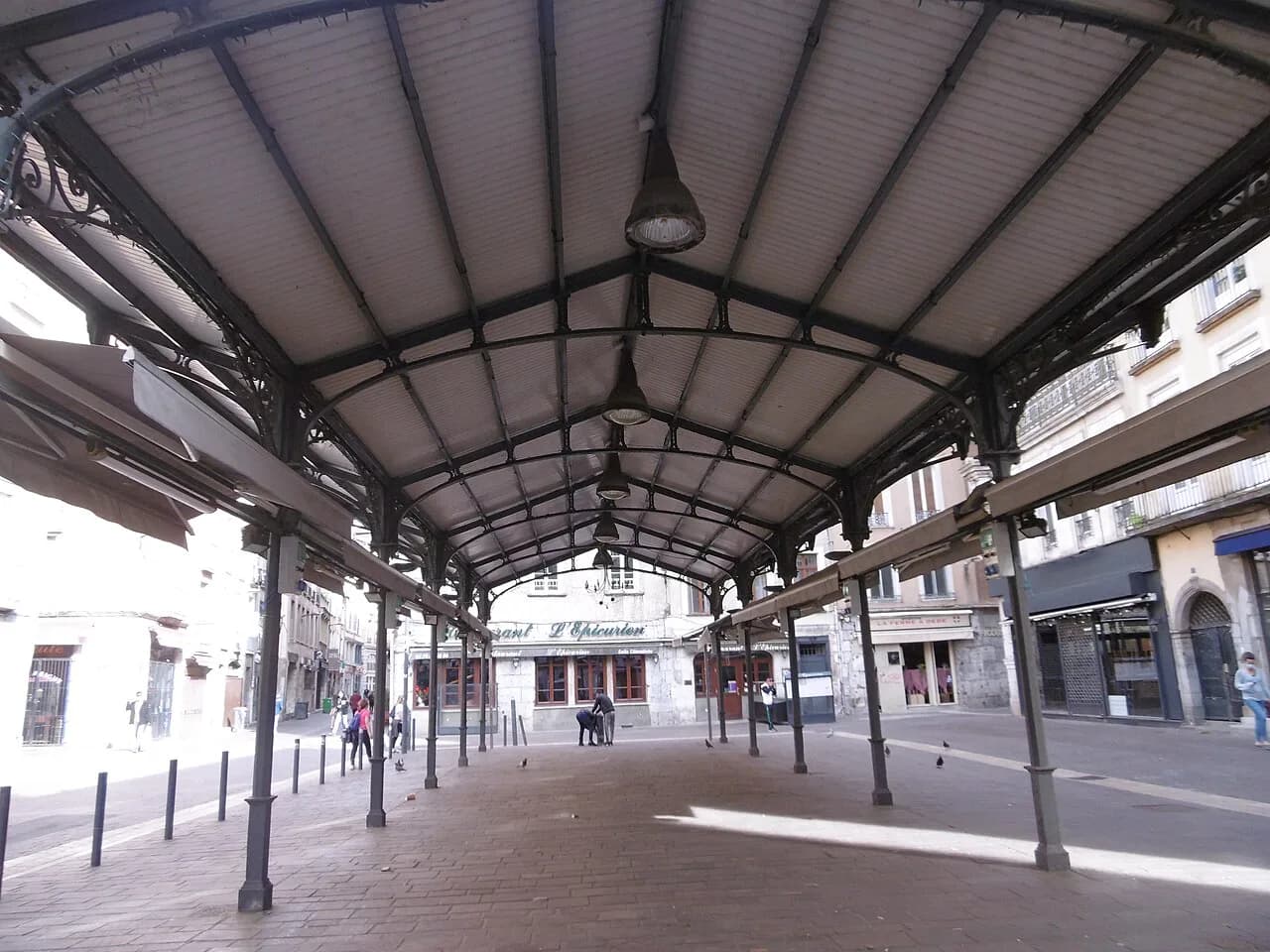
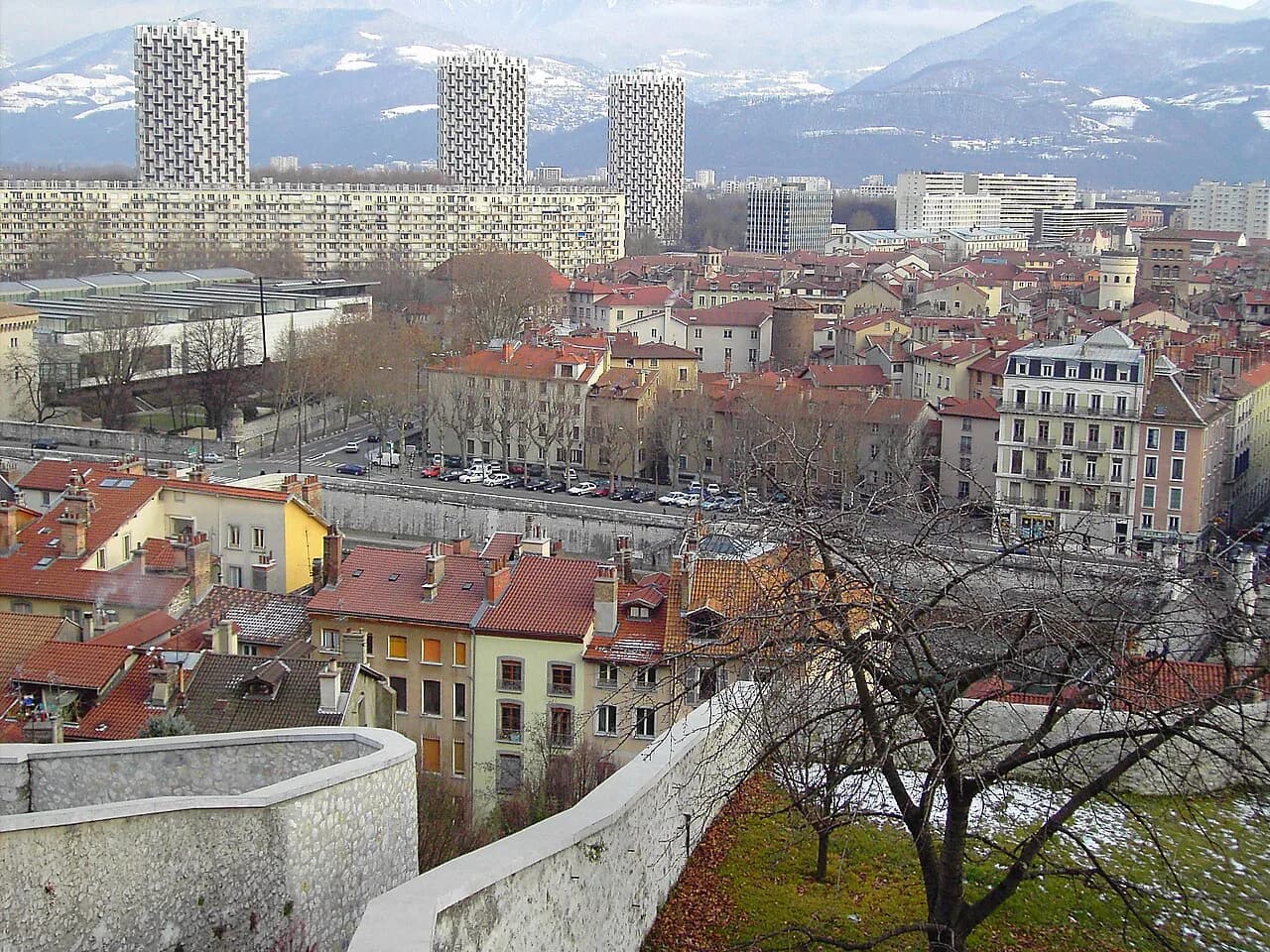
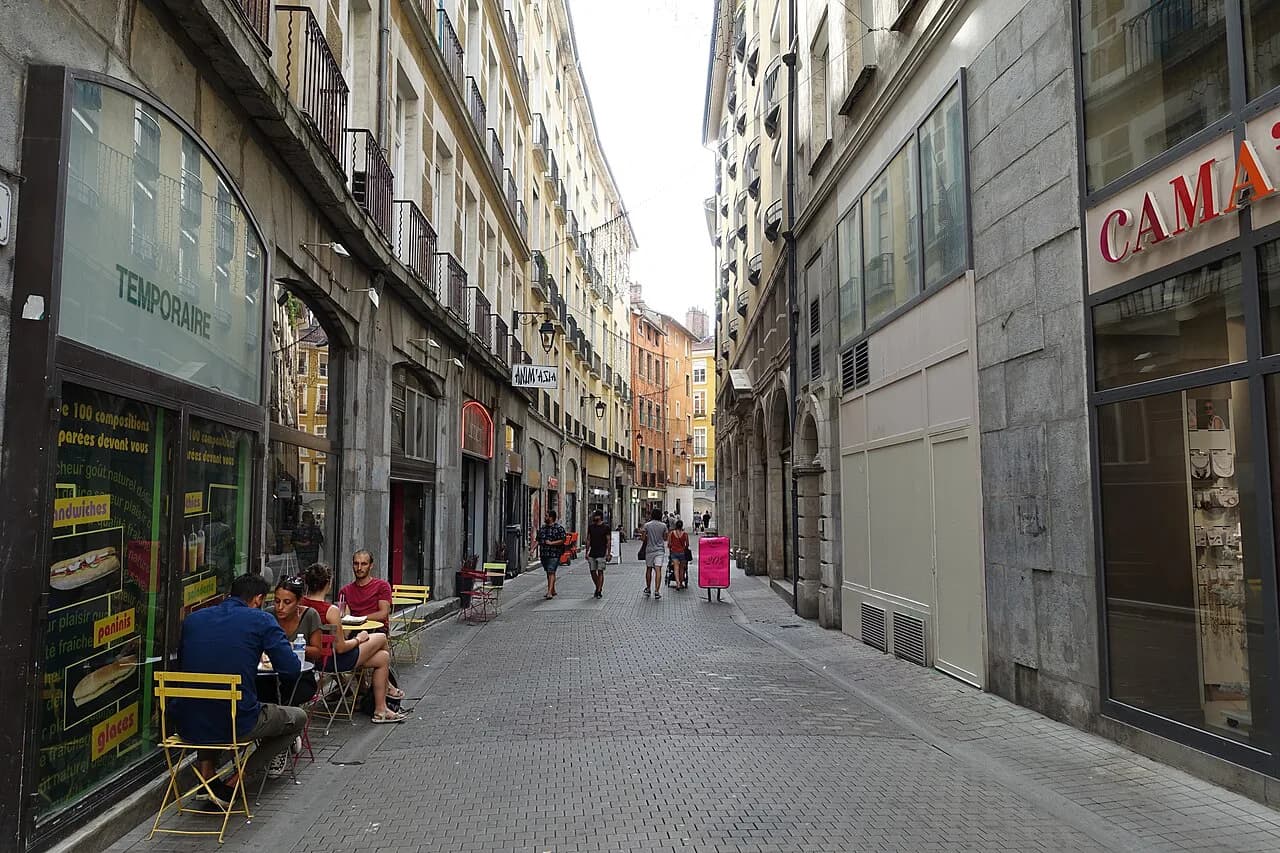
The Vieille Ville is made for wandering rather than ticking off, with squares tucked between handsome old buildings. Place Saint-André and Place Grenette are the two anchors, and Place Victor Hugo, built on the site of a former bastion and barracks, has a fountain at its centre and department stores nearby. Église Saint-Louis, built between 1689 and 1699, adds stained glass and religious art to the circuit. If you enjoy comparing compact old quarters, the things to do in Aix-en-Provence offer a similar pleasure of squares and markets.
Allow half a day for the centre at an easy pace, including a coffee stop and a look at the cathedral quarter. The streets are narrow and cobbled, so comfortable shoes matter more than a map. Our grenoble old town walk-through covers the individual lanes and buildings in detail.
Jardin de Ville and the Isère Riverside Walk
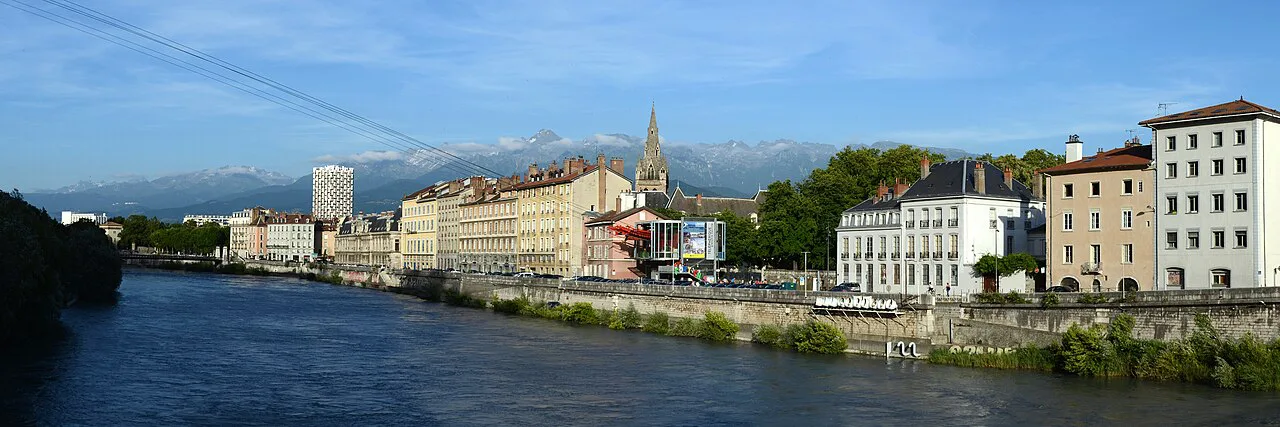
The Jardin de Ville sits beside the cable car station with the Bastille rising behind it, making it the natural pause before or after the ride up. From there you can cross to the eastern bank and follow the Isère, where the Saint-Laurent footbridge, a pedestrian suspension bridge dating from 1837, gives you views of both banks and the mountains.
The riverside walk is flat and free, and it links the centre to Saint-Laurent without climbing. Do it late in the day when the light hits the fortress walls, and you get the fortress without a ticket. It is also the easiest way to see why the two-bank layout shapes a visit to Grenoble.
Where to Eat: Alpine Classics and Saint-Laurent Pizza
Grenoble eats well on mountain food: tartiflette, raclette and fondue Savoyarde are the dishes to order, and La Ferme à Dédé and Le Bistro Savoyard both serve that hearty alpine fare in the centre. For something simpler, Pain & Cie is good for bread with sweet or savoury spreads. These are the classic local choices rather than fine dining.
Saint-Laurent is Grenoble's Italian quarter, a short drive from the Italian border, and it is the place for pizza after a day of cheese. La Toscana, Restaurant-Pizzeria Notte E Di and Pizzeria Il Vaporetto are all in the neighbourhood. Eating here after the cable car saves you crossing back into the centre.
If you want a single traditional meal with history attached, the Café de la Table Ronde is the city's oldest café and serves local favourites such as ravioles du Royans and gratin dauphinois. It is a good stop for a classic alpine lunch between the Old Town squares.
How Many Days Grenoble Needs
One day is enough for the Old Town, the Jardin de Ville and the cable car up to the Bastille, with the riverside walk folded in. Two days adds a museum morning and a slower lunch, which is the right pace for most weekenders. Three days lets you spread the museums out and still leave room for the fortress without rushing.
Build the plan around opening days rather than distance. Put the Bastille and Old Town on a Tuesday, when the museums are shut, and save the Museum of Grenoble or Musée Dauphinois for a day they open. Our itinerary lays out a day-by-day version of this logic if you want it spelled out.
When to Go
Grenoble's peak season is winter, when the nearby ski resorts fill the city, while summer brings hot days in July and August and long evenings for walking the river. Spring and autumn give the most comfortable temperatures for hiking and city wandering, with April to June and September to October the sweet spots.
The fortress, museums and Old Town stay open year-round, so the season mainly changes how you spend your evenings and whether you add a mountain day. Winter visitors should pack warm layers even for city days. Summer visitors should start early to beat the heat on any uphill walk.
Practicalities for a Short Break
Grenoble has its own airport, Alpes-Isère, and the city centre is compact enough to walk between the Old Town, the Jardin de Ville and the cable car. The main station puts you within easy reach of the centre on foot or by tram. Book the cable car and any special exhibition online in peak season to avoid the longest queues.
The one detail worth confirming before you travel is opening hours on the specific days you plan to visit museums, since Tuesday closures catch people out. Everything else, from the riverside walk to the Old Town squares, is free and open to wander. That is the pleasure of Grenoble: a mountain fortress and a walkable old city, with very little admin between them.
Plan Your Visit
Grenoble rewards a two-day break: ride Les Bulles to the Bastille, wander the Old Town squares, and use a museum morning on a day they actually open. The city is compact, the alpine food is hearty, and the mountain setting does most of the work. Decide your dates around the Tuesday closures and the rest falls into place.
Explore more Grenoble guides
Frequently Asked Questions
How many days do you need in Grenoble?
Two days is the right amount for most visitors. One day covers the Old Town, Jardin de Ville and the cable car to the Bastille; a second day adds a museum morning and a relaxed lunch. Three days lets you spread the museums out and still have time on the mountain.
Is the Bastille cable car worth it?
Yes, if you want the views without the climb. The 1934 cable car crosses the Isère from beside the Jardin de Ville to the fortress in a few minutes, and the glass bubbles give you the city and mountains at once. If you would rather save money, walk up in about 50 minutes or take a one-way ticket and walk down.
Are Grenoble museums free?
Several are. The Musée Dauphinois, the Archaeological Museum and the permanent collections at the Museum of Grenoble are free to enter, though the main temporary exhibition at the Museum of Grenoble is ticketed. Check opening days before you go, because the museums close on Tuesdays and selected holidays.
Which day are Grenoble museums closed?
Tuesday is the day to avoid for museum visits. The Museum of Grenoble, the Musée Dauphinois and the Archaeological Museum all close on Tuesdays and selected public holidays. Plan the Bastille and Old Town for that day and save the museums for the rest of the week.
What is Grenoble known for?
Grenoble is known as the capital of the French Alps, a valley city ringed by mountains with the Bastille fortress above it. It hosted the Winter Olympic Games in 1968 and has a strong university and museum tradition. For visitors, the draw is the cable car, the walkable Old Town and the alpine food.
What can you do in Grenoble in one day?
Start in the Old Town around Place Saint-André and Place Grenette, visit Église Saint-Louis, then walk through the Jardin de Ville to the cable car. Ride up to the Bastille for the views, walk back down through Saint-Laurent, and finish with pizza in the Italian quarter or tartiflette in the centre.
Sources
Notes for French city breaks
Optional updates to our guides.
You might also like
Continue reading
More guides you'll find useful