Grenoble Itinerary: A Realistic 2–3 Day Plan
A practical Grenoble itinerary for two or three days, anchored by La Bastille and the cable car, with a clear plan by day, by area and by walking time.
On this page
Two days covers Grenoble properly: one for the old centre and the Isère riverfront on foot, one for La Bastille and the mountainside above it. Three days adds a slower half-day for museums and the option of the Domaine de Vizille, a park and château estate south of the city that the tourist office treats as a gateway to the Oisans and Belledonne mountains.
The geography does most of the planning for you. Grenoble is a flat, walkable city on the Isère with a fortified mountain spur, La Bastille, rising straight out of it; the tourist office describes it as the city's largest and locals' favourite playground, reached either on foot or by cable car. That single fact is why the fortress deserves a full day rather than a squeezed morning.
Why Grenoble suits a two- or three-day break
Few French cities put a mountain fortress within walking distance of the hotel district. Grenoble does, and the tourist office frames the city as a place where you can love city life and wildlife at the same time, with mountain hikes and contemporary art exhibitions on the same day. That combination is the whole argument for a short break here rather than in a flatter city.
If you are still weighing up whether the city justifies the trip, our answer to is Grenoble worth visiting sets out what a short break here actually delivers and what it does not. The short version: come for the fortress-and-museum pairing and the mountain backdrop, not for a heavy-weight sight list.
How Grenoble is laid out
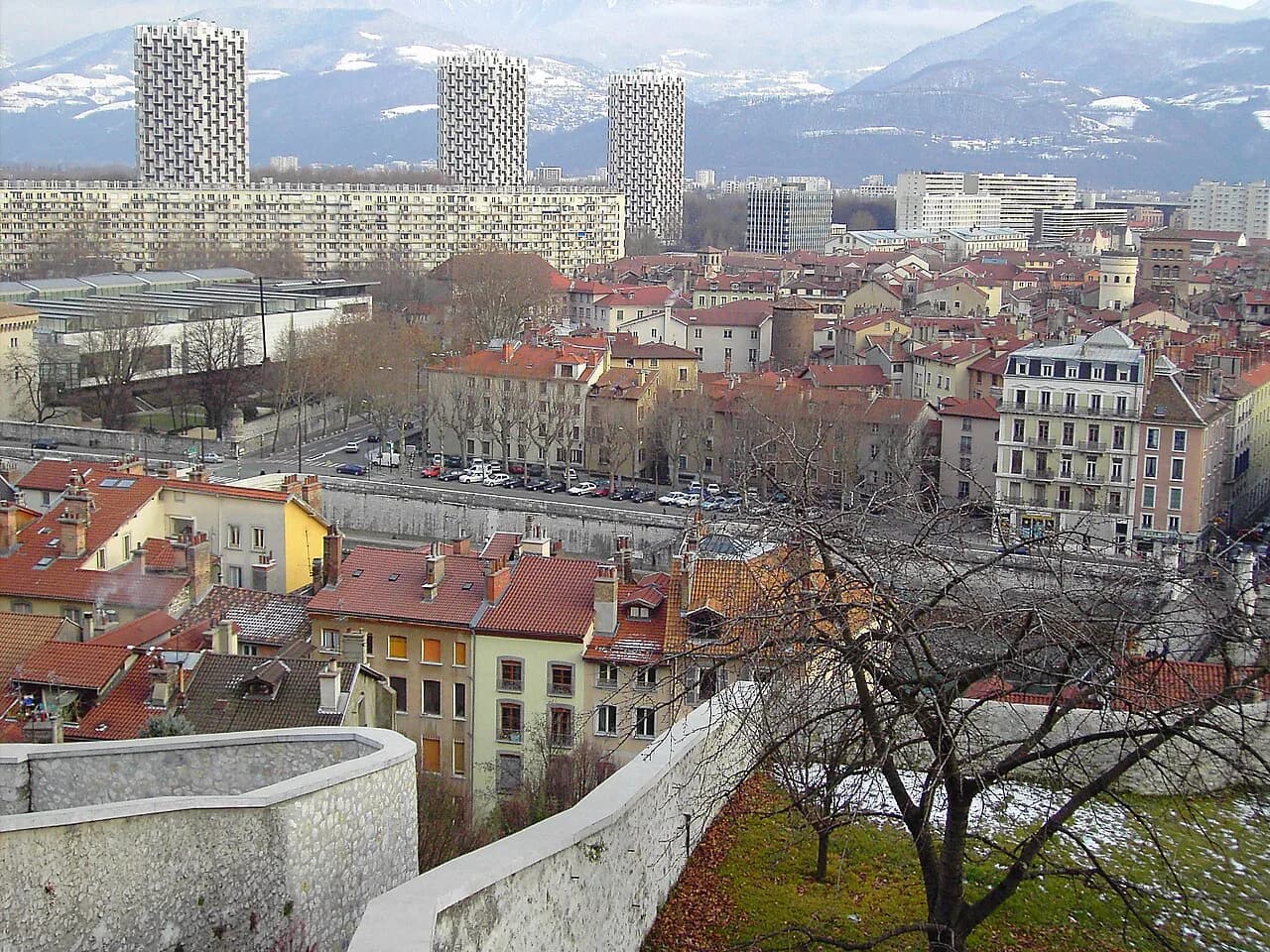
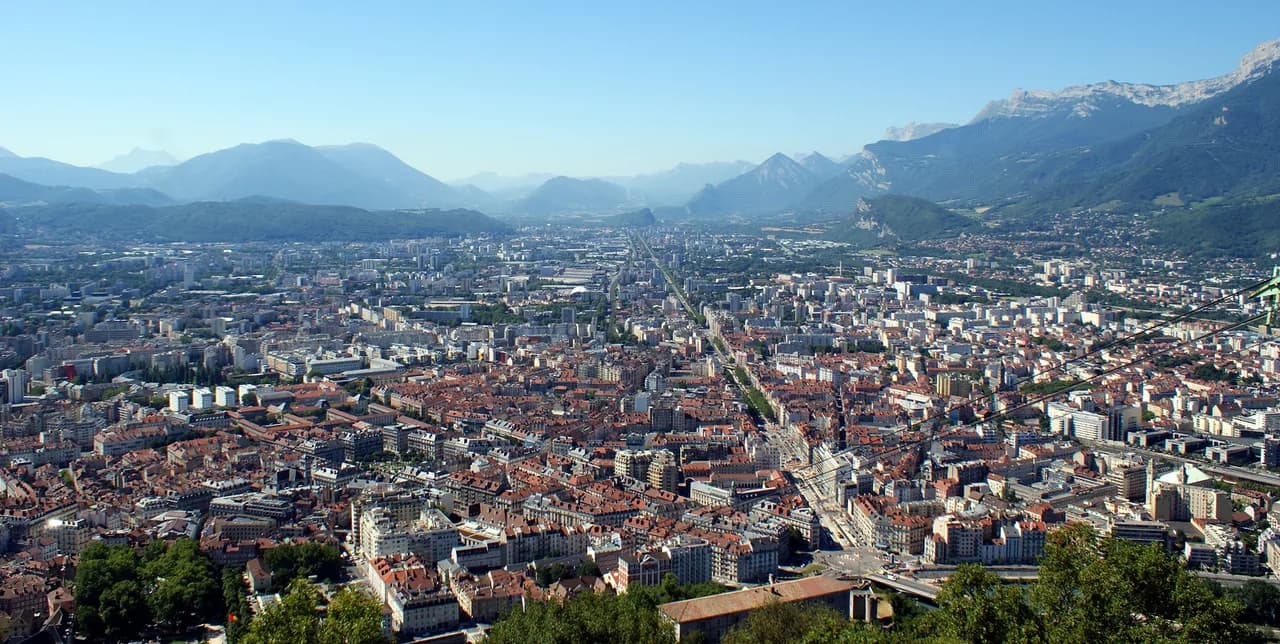
Think of Grenoble in three horizontal bands. The historic centre, the Vieille Ville, is compact and flat, with the Isère running along its edge; above it all sits La Bastille, the fortified spur that the tourist office calls a mountain in the heart of the city. Plan your days by band rather than by attraction list, and you will spend far less time crossing town.
The city also works as a base for the surrounding massifs. The tourist office splits the area into gateways: the Vercors to the west around Sassenage, the Chartreuse to the north-east around Sappey-en-Chartreuse, and the Oisans and Belledonne to the south-east around Vizille. Each is a half-day or day in itself, which is exactly why three days beats two if you want any of them.
Two days or three? What each version adds
Two days gives you the old centre, the riverfront and a full day on La Bastille. Three days adds a museum morning and an afternoon at the Domaine de Vizille, whose park and Museum of the French Revolution the tourist office presents as one estate. If you only have a weekend, take the two-day version and accept that Vizille waits for next time.
The trade-off is honest: three days lets you treat museums as an afternoon or bad-weather slot rather than a fixed appointment, so the plan survives a closed door. Published guides to the city tend to compress La Bastille and the cable car into a single morning, which works but rushes the best thing Grenoble has.
Day 1: the old centre and the riverfront, on foot
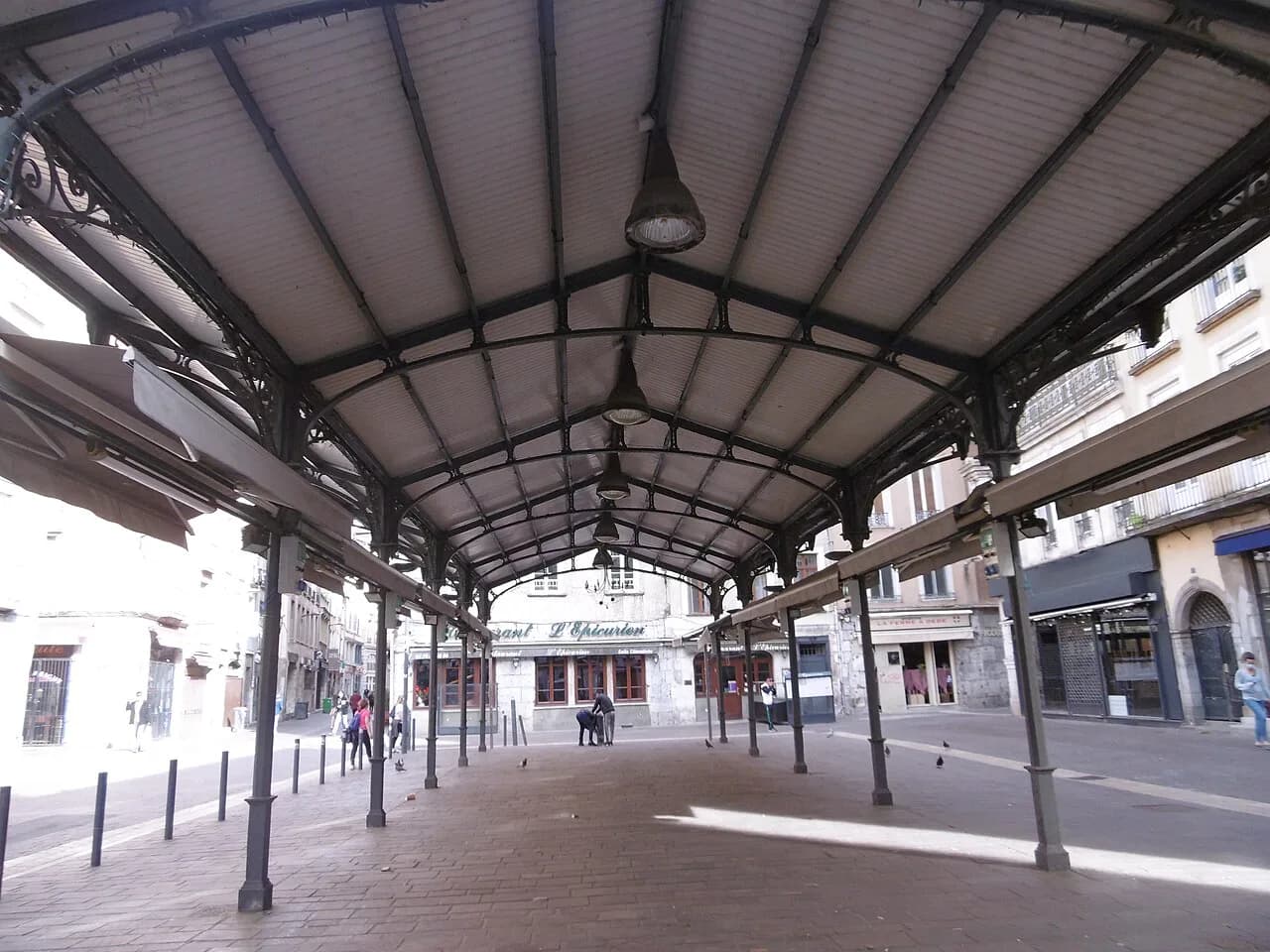
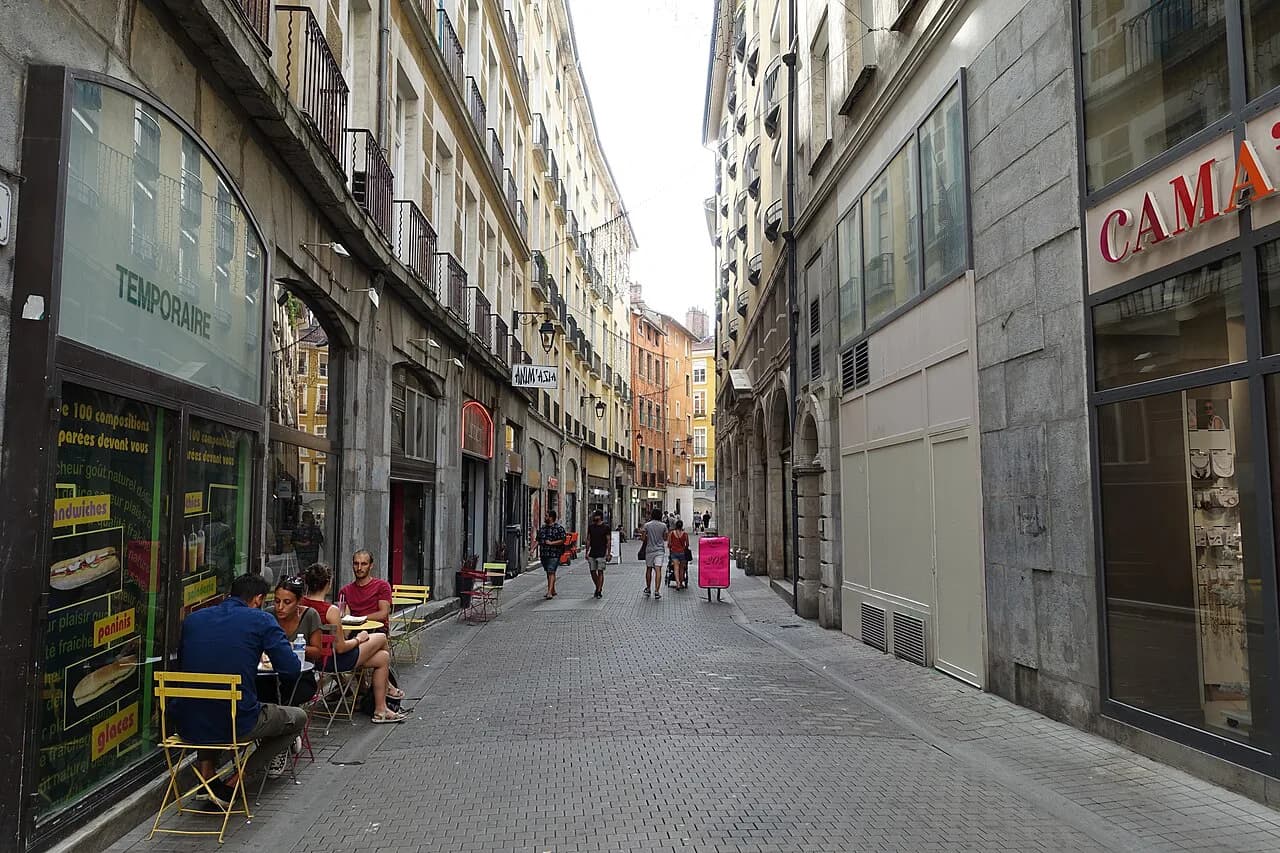
Give day one to the Vieille Ville and the Isère. Grenoble's historic core is small enough to wander without a route, and the pleasure is in the arcaded streets, the squares and the views of the mountains closing off the ends of streets. Our grenoble old town guide picks out the streets and corners worth steering towards.
Build the day around a long lunch rather than a checklist. A morning of wandering, a proper sit-down meal, then a riverside stretch along the Isère in the afternoon is a realistic rhythm, and it leaves the evening free for the centre rather than a rush across town.
Day 2: La Bastille — cable car up, walking route down
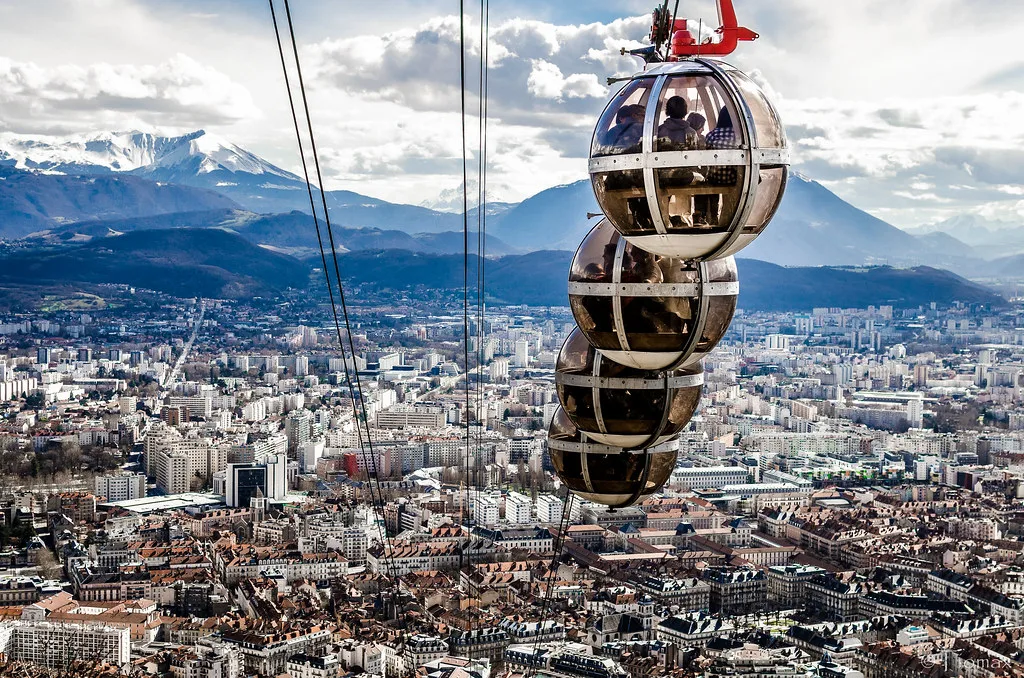
La Bastille is the day. The tourist office is explicit that you have two ways up: hike to the top, or ride quietly with the cable car. Treat these as two different experiences with different time costs, not as alternatives for the same hour.
The cable car is the efficient option: it gets you up with legs intact, which matters if you want to spend your energy on the fortress and the views rather than the ascent. The walking route costs time and effort but gives you the mountainside at eye level. Doing one up and the other down is the sensible compromise for a two-day trip, and it lets you judge for yourself whether the cable car is worth it.
Pace the rest of the day loosely. The fortress and its viewpoints, a slow lunch, and a gentle descent fill a day comfortably; squeezing a major museum in afterwards usually produces a tired evening. Independent itineraries for the city routinely pair the fortress with the cable car and a museum in a single day, which is doable but leaves little slack.
Day 3: museums and a slower half-day, plus the Vizille option
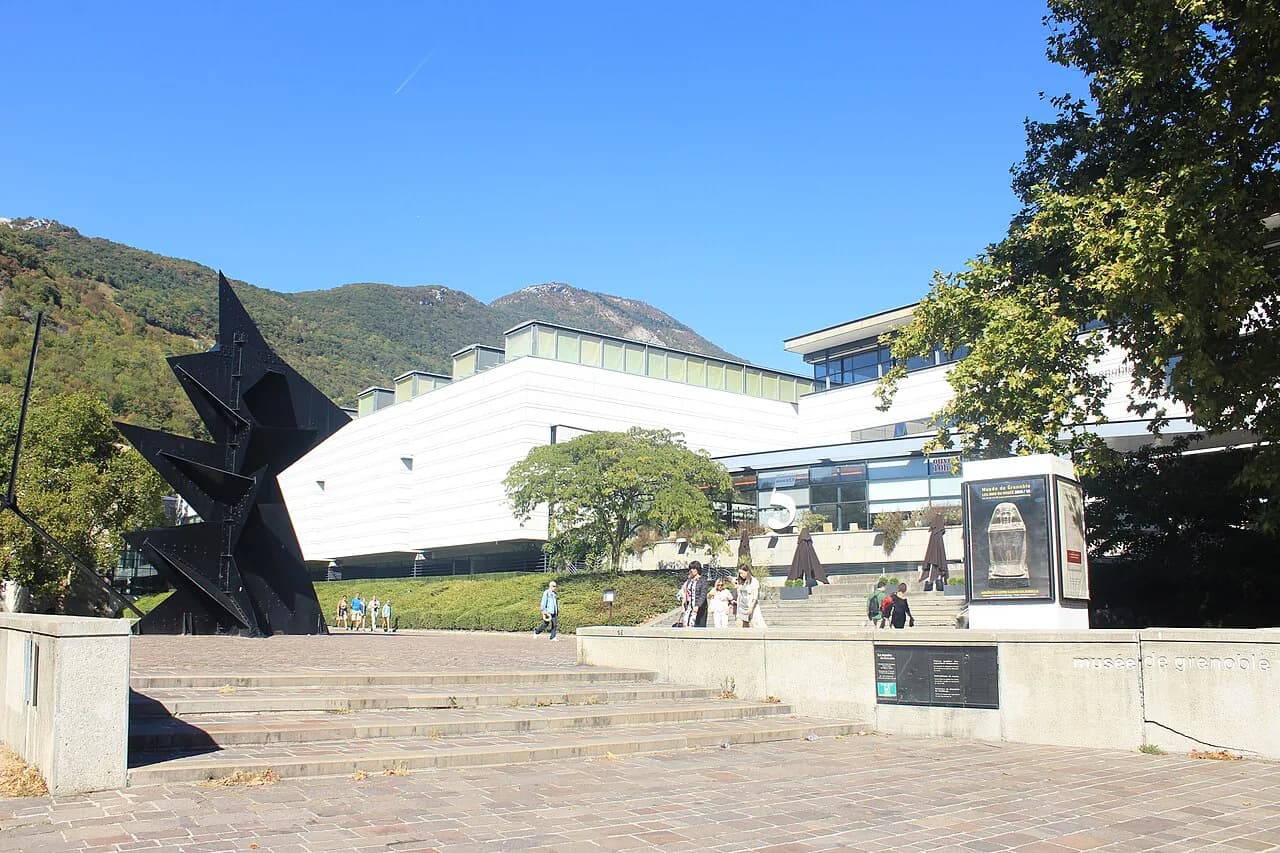
Use the third morning for museums. Grenoble's collections reward a couple of unhurried hours, and our guide to museums in Grenoble covers what is where so you can pick one rather than trail round three. Keep the afternoon light: a park, a café, or the river again.
The alternative afternoon is Vizille, south-east of the city, where the Domaine de Vizille combines a park with the Museum of the French Revolution. The tourist office presents Vizille as the gateway to the Oisans and Belledonne mountains, so it suits travellers who want one taste of the massifs without committing a whole day to hiking. Other excursions into the Chartreuse and Vercors are possible but better saved for a longer trip.
Rainy-day and short-day swaps
When the weather closes in, swap the fortress day for the museum day and keep the cable car for the clearest morning of your stay, since the point of going up is the view. That flexibility is the main reason to hold museums as a movable slot rather than booking them into a fixed timetable.
With only a short day in hand, take the cable car up and back and skip the descent on foot, then spend what is left of the afternoon in the old centre. It is not the ideal version of Grenoble, but it is the version that fits a tight schedule.
Getting around without a car
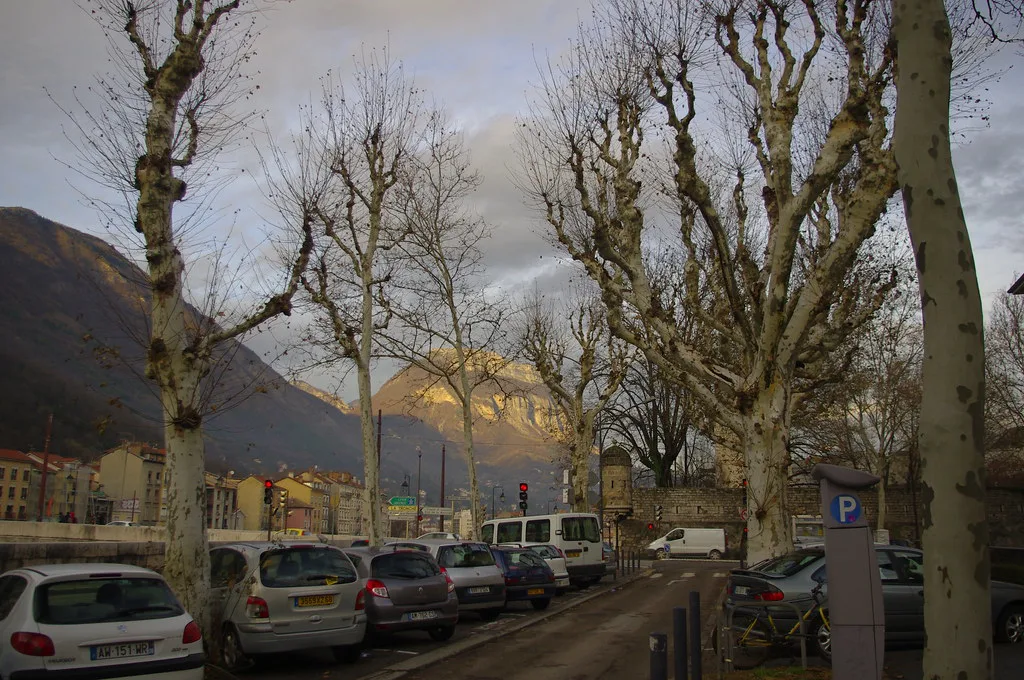
You do not need a car for any of the city plan. The old centre, the river and the cable car base are all in the flat city, and the tourist office publishes practical information on how to arrive and how to get around, including the G-PASS and an interactive map. Read those pages before you travel rather than improvising at the station.
The surrounding massifs are a different matter. Sappey-en-Chartreuse, the tourist office notes, opens the way into the Chartreuse mountains just 15 minutes from Grenoble, which makes it the easiest mountain add-on if you are relying on public transport or a short taxi ride rather than a hire car.
What to book before you travel
The one purchase worth deciding on in advance is the G-PASS, which the tourist office markets as a way to explore more and spend less across the Grenoble-Alpes Métropole. Compare its inclusions against the sights you actually intend to visit before buying; a pass only pays off if it matches your plan. The tourist office also sells guided tours and the Grenoble Pass through its booking pages.
Cable car tickets, museum entry and any guided tour should be checked for your dates, since prices and opening days are set by each venue rather than by the itinerary. The Grenoble Alpes Tourisme essentials and museums pages are the place to check current details before you commit a day to any single sight.
Rough daily rhythm: morning sight, long lunch, afternoon museum or walk
The rhythm that works in Grenoble is unglamorous: one substantial sight in the morning, a real lunch, then something lighter in the afternoon. It suits a city where the main attraction is vertical and the museums are close at hand, and it prevents the classic short-break mistake of trying to see everything before dinner.
If you want to see how the same rhythm plays out elsewhere in France, our 3 days in Cannes and 3 days in Carcassonne plans follow a similar shape with different scenery. Grenoble's advantage is that the scenery starts at the top of the cable car rather than at the end of a train ride.
Plan Your Visit
Build the trip around two days and add a third only if you want museums and Vizille without rushing. Put La Bastille on its own day, decide in advance whether you are walking or riding up, and keep the rest of the plan loose enough to move when the weather or a closed door intervenes.
Before booking, check the tourist office's practical pages for transport, the G-PASS and the current opening arrangements at the sights you intend to visit, then lock in your dates.
Explore more Grenoble guides
Frequently Asked Questions
How many days do you need in Grenoble?
Two full days is enough for the old centre, the riverfront and a full day on La Bastille. Add a third day for museums and an afternoon at the Domaine de Vizille. Anything shorter means choosing between the fortress and the city rather than doing both properly.
Is Grenoble worth visiting for a weekend?
Yes, if you want a city break with a mountain fortress directly above the streets. The tourist office positions Grenoble as a place where mountain hikes and contemporary art can share the same day, which is an unusual combination for a short European break.
Is the Grenoble cable car worth it?
It is the fastest way up to La Bastille and saves your legs for the fortress and the views, so it earns its place if you have one day for the mountain. Walkers can take the route up instead and ride down; the tourist office lists both options.
Can you walk up to La Bastille?
Yes. The tourist office gives hiking to the top as one of two ways up, alongside the cable car. Treat the walk as its own experience with a real time cost rather than an afterthought squeezed into a morning.
How do you get around Grenoble without a car?
The old centre, the riverfront and the cable car base are all in the flat city and can be covered on foot. The tourist office publishes arrival and getting-around information, including the G-PASS and an interactive map, and the Chartreuse village of Sappey-en-Chartreuse is around 15 minutes from Grenoble.
What is there to do in Grenoble when it rains?
Move the museum day forward and keep the cable car for the clearest morning, since the view is the reason to go up. That flexibility is why the plan treats museums as a movable slot rather than a fixed appointment.
Is a day trip to Vizille worth adding?
For a third day, yes. The Domaine de Vizille combines a park with the Museum of the French Revolution, and the tourist office treats Vizille as the gateway to the Oisans and Belledonne mountains.
Sources
Notes for French city breaks
Optional updates to our guides.
You might also like
Continue reading
More guides you'll find useful