Fontainebleau in October: Bouldering, Weather & Town Guide
Fontainebleau in October means cool, dry days that suit bouldering in the forest, plus a historic town to wander when the rock is damp or you need a rest.
On this page
October sits inside the window that climbers here rate highest: mid-March to late June and early September to mid-November, when grip on the sandstone is at its best and temperatures are usually more workable than in high summer. The catch is that October is also when damp rock becomes a real constraint, because wet sandstone breaks easily. Plan the trip around one solid forest session and one day in town, and a rainy morning costs you an activity rather than the whole weekend.
Why October suits Fontainebleau
Autumn is a local favourite: cool, dry air gives the best friction of the shoulder seasons and the forest is at its most colourful. Spring gets the same mild, dry conditions, while summer heat pushes sessions to early morning or shaded sectors and winter offers the sharpest grip but short, cold days. October gives you the friction without the winter chill.
Treat October as a month of two halves rather than a guaranteed forecast. Rain leaves sandstone weak for a while after it stops, so a wet week can wipe out the forest half of your plan even if the day itself is dry. Build the town day in as a swap rather than an afterthought, and you keep the trip intact whatever the sky does.
How the area is laid out
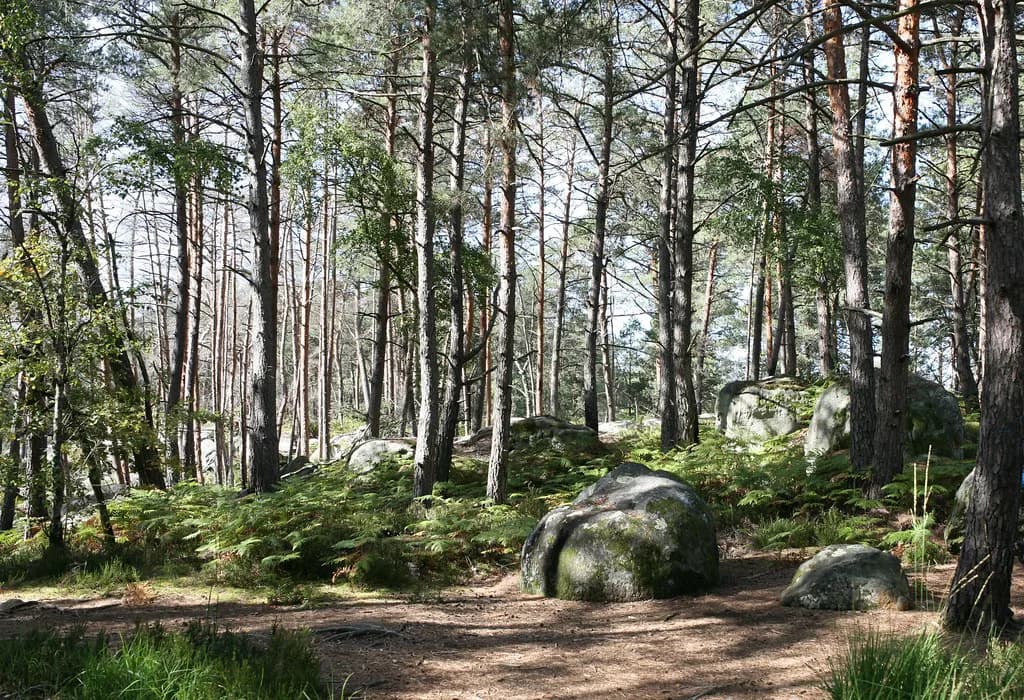
Fontainebleau town and the forest are separate things, and that shapes the trip. The climbing sits in massifs such as Trois Pignons and around Apremont and Franchard, while the town has the streets, the château and the places to eat. Staying in town puts you close to the train and a bed; staying near the forest shortens the morning drive and gets you to the boulders before the car parks fill.
Distances are short in kilometres but not in time. The forest covers 22,000 hectares and the sectors are spread across it, so bouncing between three areas in one day means a lot of driving and walking. Pick one massif per session, work through its circuits and accept that you will leave the rest for another visit.
Getting there from Paris
The train is the simplest option from the capital. Take the R line from Paris Gare de Lyon to Fontainebleau-Avon, a ride of about 45 minutes, then continue on foot or by bike to sectors such as Bas Cuvier, Mont Aigu and Cuisinière. Only a handful of sectors sit within walking distance of the town or station, so the train works well for a town-based weekend or a short session, but not for touring the forest.
Driving takes roughly an hour from Paris via the A6, leaving at the Milly-la-Forêt exit and heading toward Noisy-sur-École for the Trois Pignons massif. On weekends, leave early: weekend traffic and car-park pressure are the two things that eat into a short October day. If you have no kit and no car, a guided day that includes transport and pads removes both problems at once.
Bouldering in October: circuits and colour grades
Fontainebleau is a bouldering area, not a sport-climbing one, and its problems are linked by painted arrows and numbers into circuits that run at a similar difficulty. The colours tell you roughly what you are looking at: yellow and orange for beginners, blue and red for intermediate, black and white for advanced. Follow a circuit and you get a natural route through the forest without needing a topo for every single boulder.
Once on the ground, the circuits feel like a puzzle, and a first-timer can spend more time finding problems than climbing them. Download maps before you leave and choose a single circuit for the session. In October, favour south-facing sectors after rain because they dry faster, and shaded areas such as Franchard or Apremont on warm afternoons.
Beginner-friendly sectors
Bas Cuvier is the classic first stop: over 260 well-known boulders with rounded holds and routes for all levels, reached via the Route de la Solitude with parking at Carrefour de l'Épine. La Canche aux Merciers, along the Vallée d'Arbonne path in Noisy-sur-École, starts you seated in the sand with low problems and fun traverses, which suits anyone nervous about height. Rocher Canon is the easiest of the three to reach without a car, a half-hour walk from Bois-le-Roi station through the forest.
The guide-run options follow the same logic: JA Martin, south of Trois Pignons, has shaded trails and soft landings with circuits from easy yellow to hard red, and Rocher Saint-Germain sits close to town for families and short sessions. Canche aux Merciers appears on both lists for good reason: varied problems, good landings and plenty of mid-grade challenges. In October, soft landings matter less than dry rock, so check conditions before committing to a sector.
Mixed-level groups: Apremont and Cul de Chien
Apremont has around 300 marked boulders and long trails, so it absorbs mixed groups well and can be spread over several sessions; park at Bas Bréau on the road to Barbizon. Cul de Chien, reached from Parking 3 Pigeons in Noisy-sur-École, sits in a small sandy clearing and has two famous overhangs. It is family-friendly in setting but better suited to experienced climbers, so treat it as a spectator stop for beginners.
Gear, crash pads and guided days
If you go independently you need climbing shoes that are not too tight for slabs, a crash pad, a brush, a towel to clean your shoes, warm layers for cold snaps and a printed topo or map. There are no bins in the forest, so bring a bag for your rubbish. Crash pads can be rented locally, but rates vary by shop and season, so ask when you book rather than budgeting on a figure.
A guided day removes the logistics: certified local guides supply pads, brushes, topos and transport, and can pick you up at the station. They choose circuits for your level, adapt to conditions and keep you from losing an hour finding the first problem. It costs more than going alone, but for a first October session with limited daylight, the time saved is the real value.
Forest etiquette in October
Damp sandstone breaks, so do not climb on wet rock after October rain, however tempting the forecast looks. Clean your shoes before every attempt because sand wrecks friction, brush chalk off the holds afterwards, and keep chalk in a sealed bag. Take all tape and rubbish out with you and keep pads off moss and plants; access to these sectors depends on climbers behaving well.
When the weather turns: the town instead
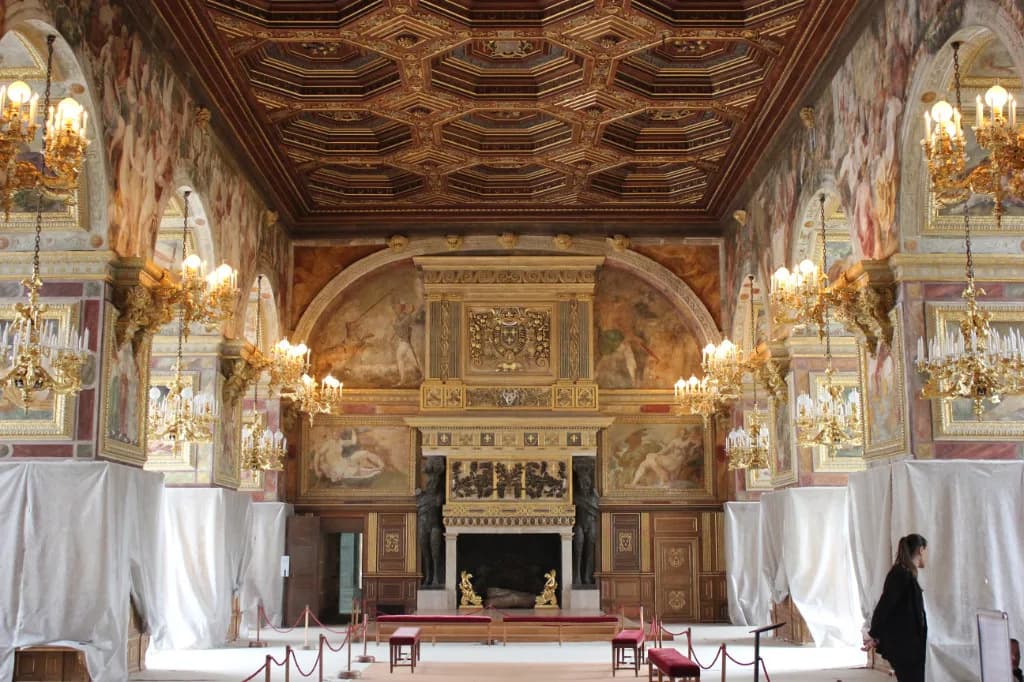
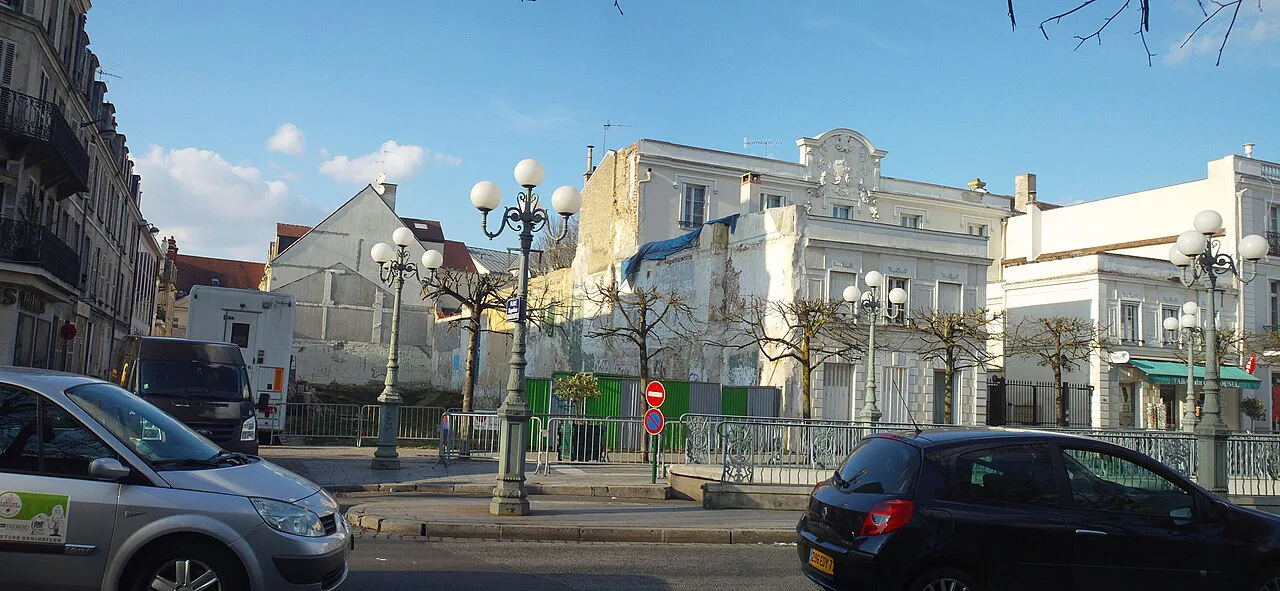
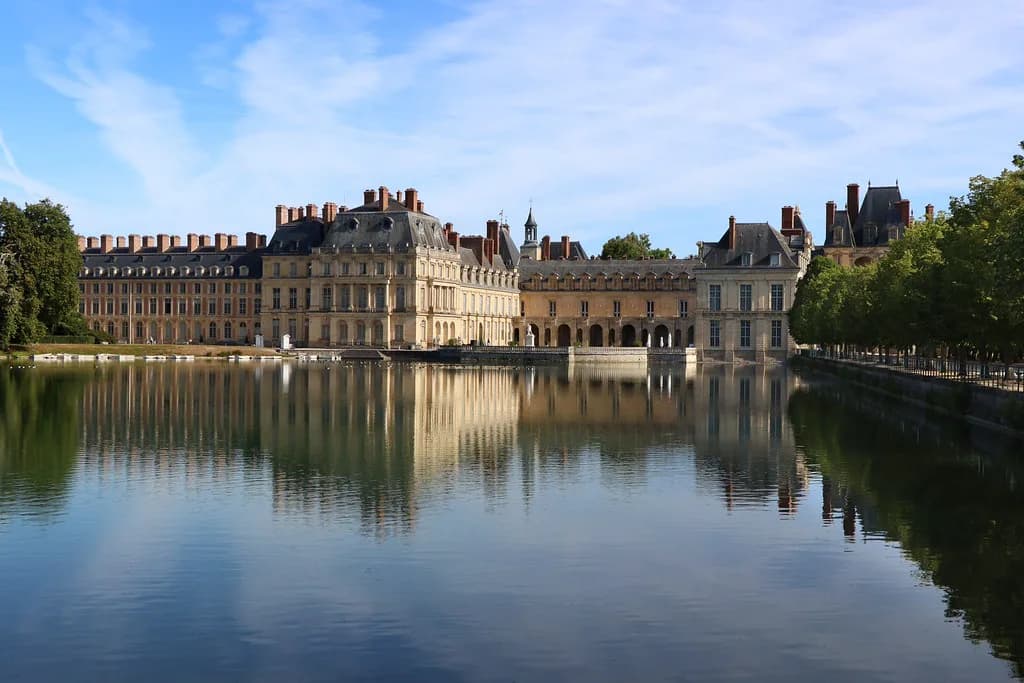
A wet October day is the moment to give the town its half of the trip. Fontainebleau has the château, streets to wander and places to eat, and cafés and bakeries make a sensible recovery afternoon after a hard session. The château's own opening days, hours and ticket prices change through the year, so check them before you build the day around it.
If you are weighing up whether the town justifies the trip on its own, the honest answer is that it is a supporting act to the forest rather than a destination in itself. Read a full verdict before you commit. For other October city options across France, our guides to Annecy in October and Marseille in October cover very different autumn conditions.
How many days October needs
Two days is the right shape: one full forest session and one day for the town, with the order swapped if rain arrives. Three days lets you add a second sector, such as a beginner circuit followed by a harder area once your skin has recovered, plus a slow morning in town. One day only works if you pick one thing and accept that you will skip the other.
Daylight is the constraint in October, so start early and plan a short first session to warm up before anything harder. The best time to visit is a judgement call between friction, crowds and daylight, and shoulder-season weekends are busier than weekdays. If your dates are fixed, the best time to visit Fontainebleau guide helps you weigh them.
Practical trade-offs
Three things eat into an October weekend: short daylight, weekend parking pressure and the rules on where you can sleep. Parking fills up at popular sectors on weekends, so arrive early or choose an area with a larger car park. Camping in the forest is prohibited apart from three designated bivouac zones, so book accommodation in or near town rather than planning to pitch among the boulders.
The forest changes from week to week in autumn, with closures and damp sectors reported as they happen. Before you travel, look at current sector reports and weather, and keep the town day in reserve. That one habit does more for an October trip than any packing list.
Plan Your October Visit
Build the weekend around one forest session and one town day, choose a single massif, and arrive early whether you take the train to Fontainebleau-Avon or drive down the A6. The circuit colours give you a ready-made route through the boulders, and the beginner sectors let a first-timer start low and seated rather than committing to something tall.
October rewards flexibility more than planning: cool, dry air gives good friction, but wet rock means staying off the boulders and heading into town. Sort your pads, maps and transport before you leave Paris, and the month becomes one of the best times to be in the forest. For more, see the things to do in Fontainebleau.
Explore more Fontainebleau guides
Frequently Asked Questions
What is Fontainebleau like in October?
October is mid-season, and the window from early September to mid-November is rated as optimal for climbing because the air is cool and dry and grip on the sandstone is high. Autumn is a local favourite for friction and colour, but rain is common and damp rock can shut down a session for days after it stops.
Can you still go bouldering in Fontainebleau in October?
Yes. The forest can be climbed year-round and October falls inside the season climbers rate most highly. The one rule that matters is not climbing on wet sandstone, because damp rock breaks easily, so check conditions after rain and switch to a dry, south-facing sector or to the town.
How do I get to the Fontainebleau forest from Paris?
Take the R line from Paris Gare de Lyon to Fontainebleau-Avon, a journey of about 45 minutes, then walk or cycle to nearby sectors such as Bas Cuvier and Cuisinière. Only a few sectors are reachable on foot from the station, so for a full day across the forest a car, or a guide with transport, works better.
Which bouldering sectors suit beginners at Fontainebleau?
Bas Cuvier has over 260 boulders with routes for all levels and parking at Carrefour de l'Épine. La Canche aux Merciers starts you seated in the sand with low problems and traverses, and Rocher Canon is a half-hour walk from Bois-le-Roi station. JA Martin and Rocher Saint-Germain are also friendly to mixed-level groups.
How do the Fontainebleau circuit colours work?
Problems are linked by painted arrows and numbers into circuits of similar difficulty, colour-coded by grade. Yellow and orange mark beginner circuits, blue and red are intermediate, and black and white are advanced. Following one circuit gives a natural route through the forest instead of hunting individual problems.
Is one day enough for Fontainebleau in October?
One day lets you do either a forest session or the town, not both at a comfortable pace. Two days is the better shape, one for climbing and one for Fontainebleau town, with the order swapped if rain arrives. Short October daylight makes an early start worthwhile either way.
Sources
Notes for French city breaks
Optional updates to our guides.
You might also like

Continue reading
More guides you'll find useful