Is Fontainebleau Worth Visiting? An Honest Weekend Verdict
Yes, if you want a royal château, a vast forest and a market town within easy reach of Paris. Here is who Fontainebleau suits and who it does not.
On this page
Yes, Fontainebleau is worth visiting if your short break needs a serious palace, a forest you can walk into from town and a compact centre you can cross on foot. It suits travellers who want one big sight done properly plus a day outdoors, and it suits anyone coming from Paris who wants a break from the capital rather than more of it.
It is less convincing as a stand-alone city break for someone who wants restaurants, shops and galleries packed into every hour. The town is small, its appeal is concentrated in the Château de Fontainebleau and the Forêt de Fontainebleau, and the surrounding villages need a car or a bus to reach. Plan around those two anchors and the trip makes sense; plan around nightlife and you have booked the wrong place.
Who Fontainebleau suits and who should look elsewhere
Book it if you like châteaux with real interior rooms rather than empty shells, if a half-day of forest walking sounds like a reward rather than a chore, and if you are happy eating well without chasing a scene. The palace is the second largest in France and served as a second home to 34 kings and two emperors, so the visit is substantial rather than a quick photo stop.
Look elsewhere if you need a dense city break, if you are travelling without a car and want several outlying sights in one weekend, or if the weather is the main event. Fontainebleau is a small Île-de-France town with one headline monument, and its second pillar is the outdoors, which makes it weather-dependent in a way a city like Lyon or Bordeaux is not.
It also works as a day trip from Paris rather than a full weekend. Less than 40 miles southeast of the capital and about an hour's drive away, the town is close enough to reach, see the palace and return in a day, though that leaves the forest and the villages for another time.
Why Fontainebleau is famous: the château, the forest and the artists
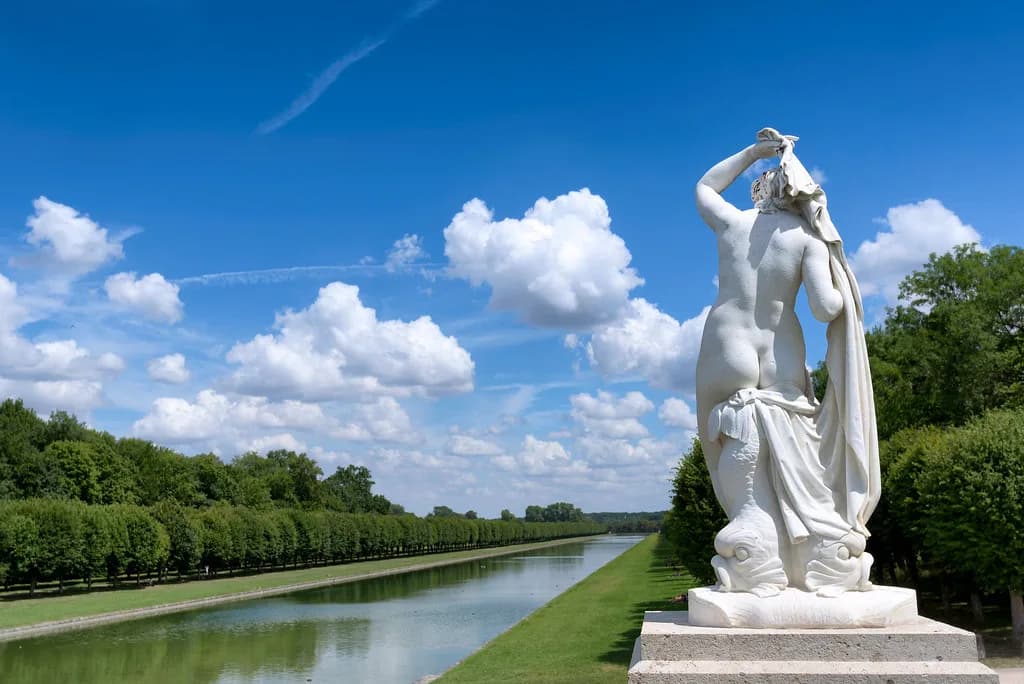
Three things built the reputation. The first is the palace, a UNESCO World Heritage Site set in 130 hectares of park and gardens, with the largest parterre in Europe. The second is the forest, one of the most diverse in France, hunted by the aristocracy for over eight centuries and now covering more than 60,000 acres.
The third is art. The landscape around Barbizon drew painters in the early and mid-1800s, the group becoming known as the Barbizon School, and the forest and rivers later pulled in artists including Rosa Bonheur and Alfred Sisley. If you have seen a 19th-century French landscape painting of rocks, heath and oak, this is probably the scenery behind it.
The Château de Fontainebleau: what you actually see inside and in the gardens
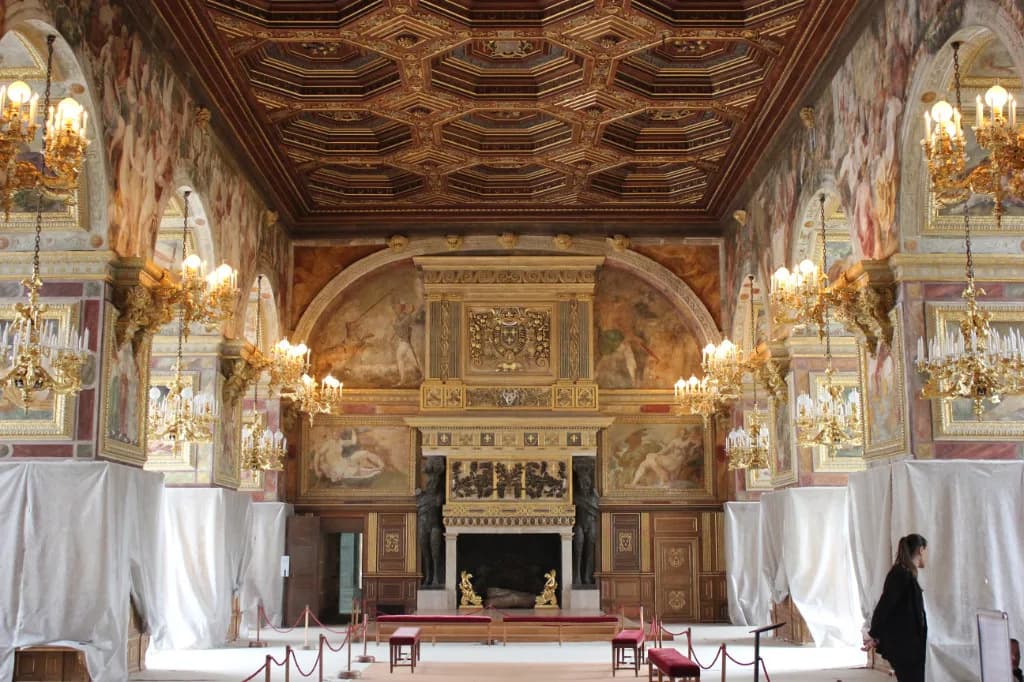
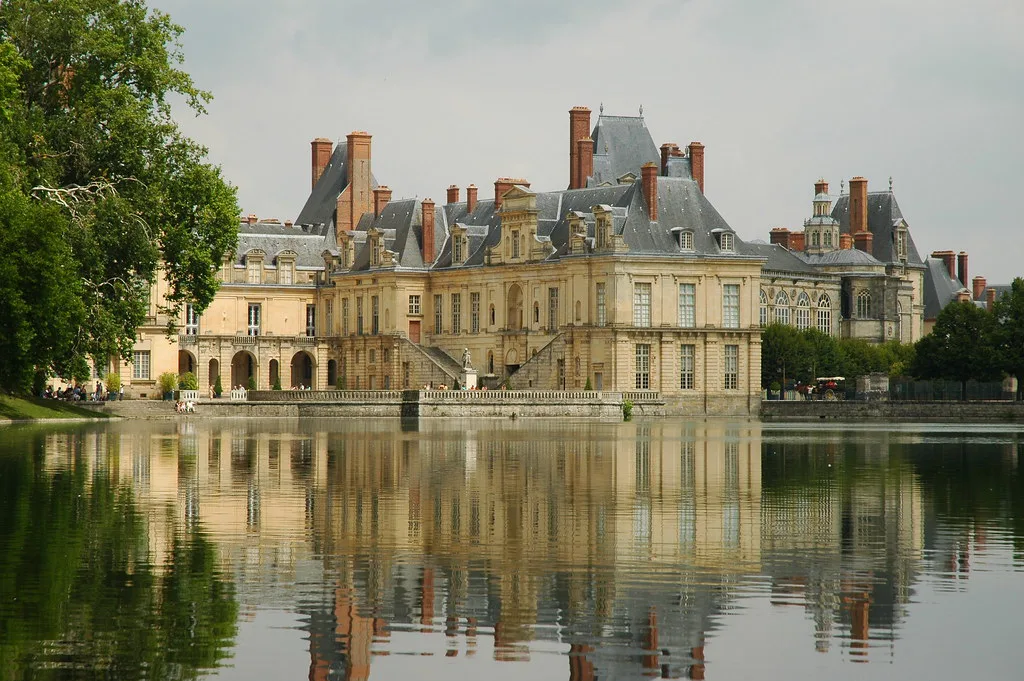
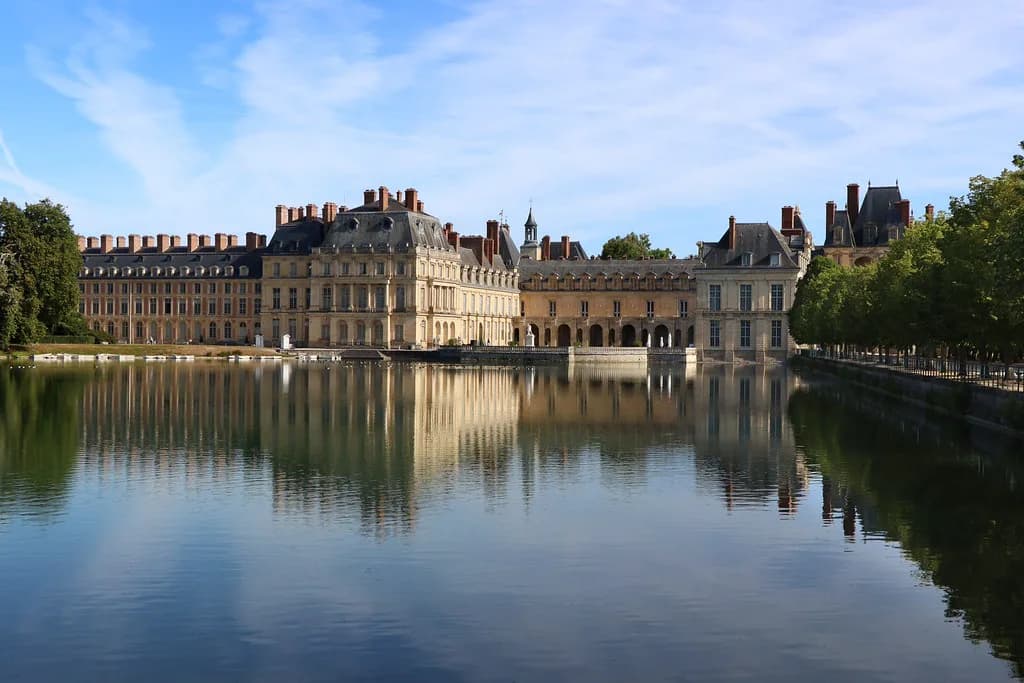
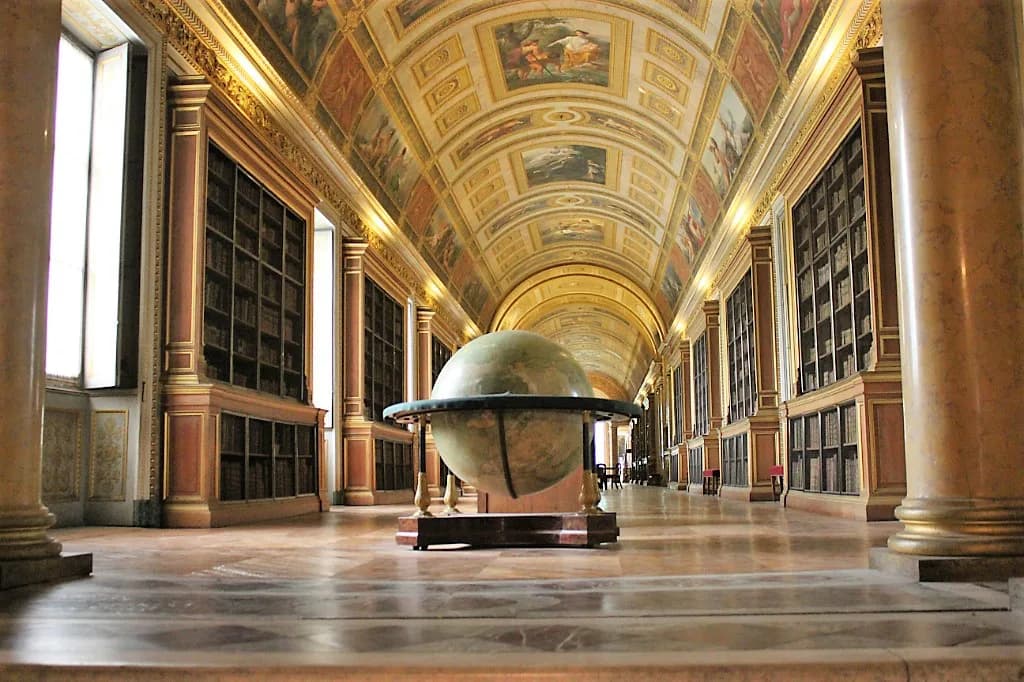
This is the reason to come. Inside you walk through Renaissance work commissioned by Francis I, interiors decorated under Marie-Antoinette, Napoleon I's state apartment and the modern decoration favoured by Napoleon III and Empress Eugénie. That span from the Middle Ages to the 19th century in one building is what separates Fontainebleau from a single-period palace.
Outside, the gardens combine French and English styles across a large estate, and the palace sits directly in the town, so you can step from the main street into the grounds without a transfer. Give the interior and gardens a solid half-day rather than trying to sprint both.
Entry prices, opening days and any closures are set by the château, and they change with the season and with restoration work. Check the official ticket page before you travel and buy a timed slot if the site offers one, which is the reliable way to avoid a wasted morning.
The Forêt de Fontainebleau: trails, boulders and how much time it takes
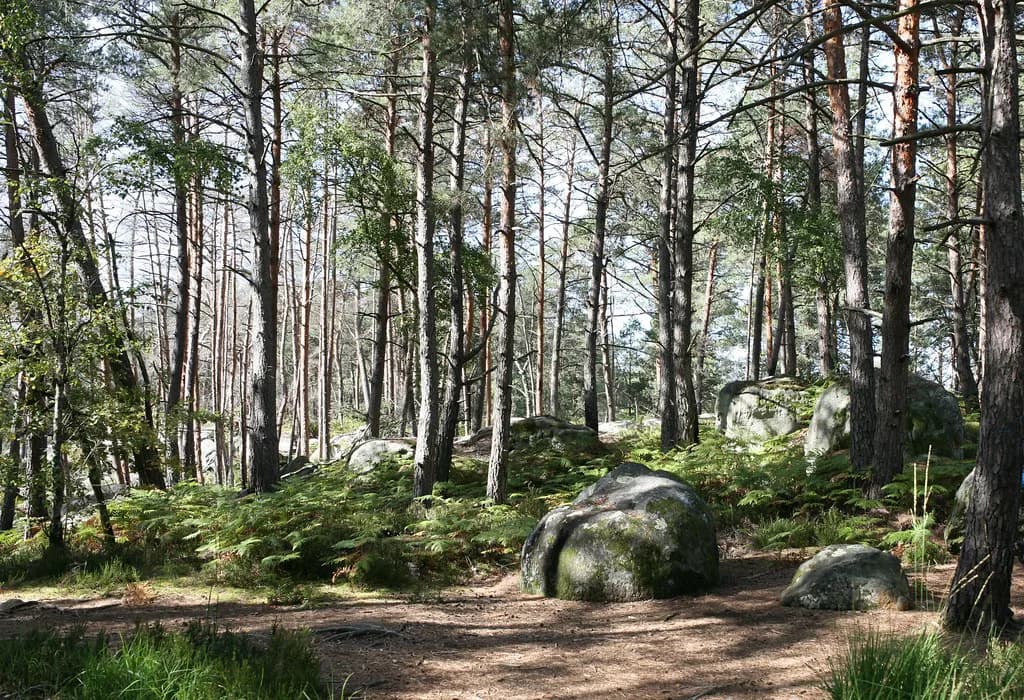
The forest is not a decorative backdrop; it is a full activity. Hiking routes run from many of the villages around the edge, and the trails near Trois-Pignons, south of Arbonne-la-Forêt, give varied elevation and outlooks. Allow a half-day minimum and a full day if you want distance rather than a loop.
Climbers come for the bouldering, which is on a different scale here: more than 30,000 boulders, 270 sectors and 280 circuits spread from beginner to expert. If you are not climbing, that still tells you something useful about the forest, namely that it is rocky, uneven and best tackled in proper shoes rather than trainers you care about.
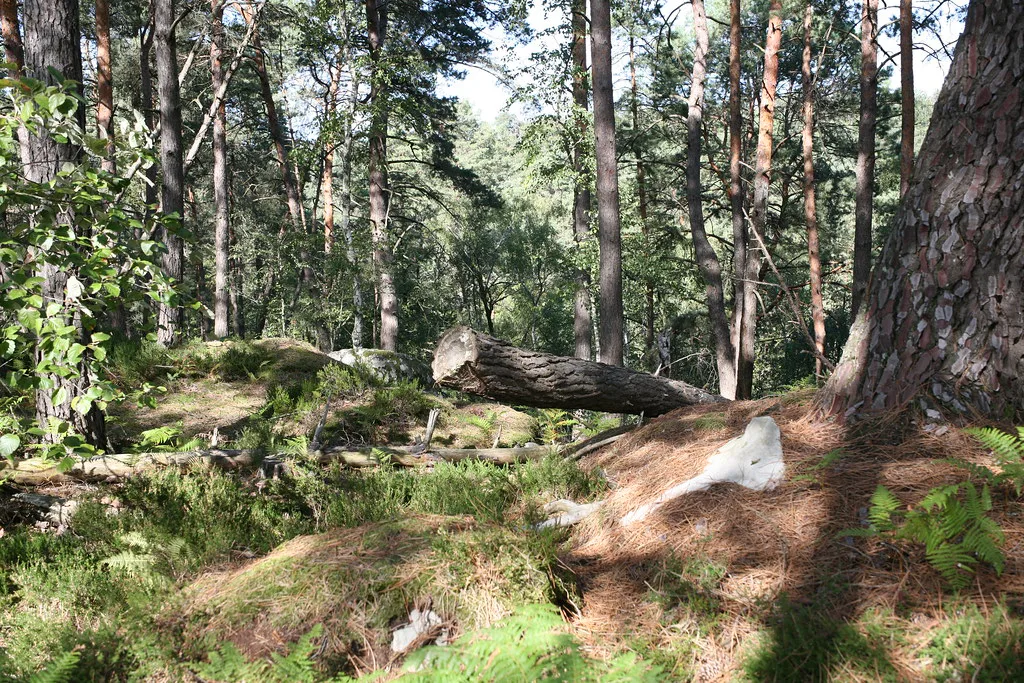
Paths get muddy after rain and the terrain is sandstone, so grip matters more than distance. Plan a shorter route with a clear exit point back to town, since the forest is large enough that a wrong turn costs an hour, and carry water because facilities inside it are limited.
Fontainebleau town: the market, the streets and the practical shape of a visit
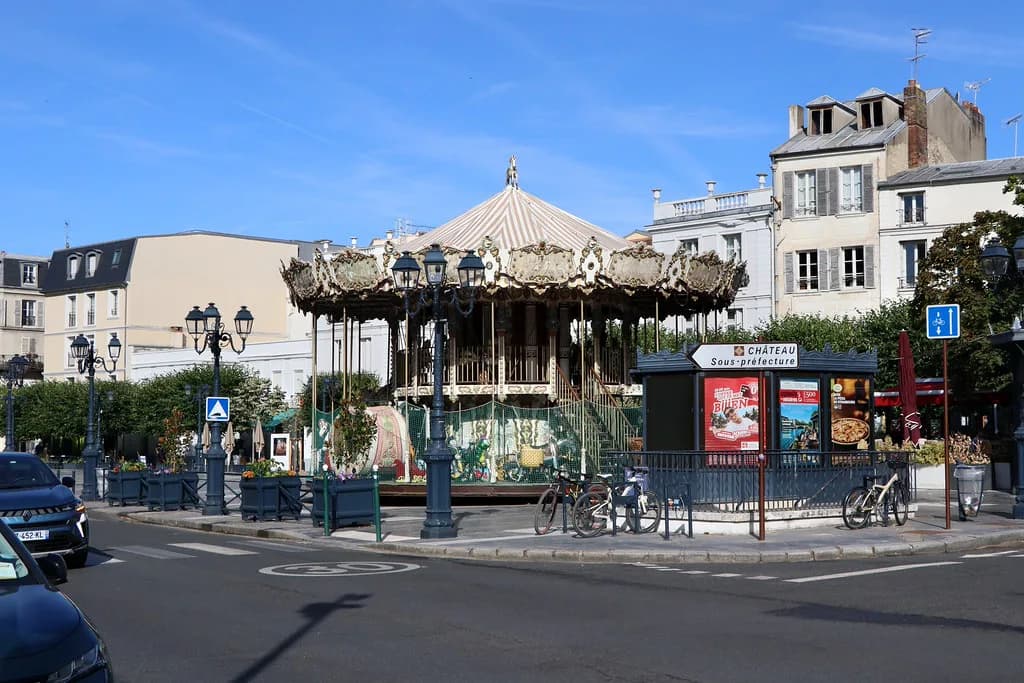
The town itself is modest and easy to navigate: the château anchors one side, the commercial streets run past it, and the station sits a walk from the centre. A market and a wander through the streets fill the hours around a palace visit without needing a plan, and that is roughly the right ambition for the town.
Food is one of the genuine pleasures here. The Fromagerie Barthélemy sells the local Le Fontainebleau cheese, and Frédéric Cassel's pâtisserie and salon de thé on rue Grande has been in town since 1994, making it a sensible afternoon stop between the château and the forest.
For a proper dinner, L'Axel sits steps from the château and serves Japanese-influenced cooking from chef Kunihisa Goto, a Michelin-starred kitchen with a price tag to match. Book it as the one big meal of the weekend and keep the other nights casual.
Barbizon and the painter's villages: worth the extra half-day or not
Barbizon, on the forest edge, is the strongest of the outlying stops. The village that housed the Barbizon School now holds a collection of its works in the Musée des Peintres de Barbizon, and the surrounding landscape is the subject matter itself. Half a day covers the museum and a walk.
Bourron-Marlotte rewards a slower hour: cobbled streets, an artist trail marking where painters such as Paul Cézanne lived and worked, and a town hall museum holding works depicting the village. Moret-sur-Loing, on the Loing, is a walled medieval town that artists including Rosa Bonheur and Alfred Sisley painted.
The trade-off is transport. These villages are not on the town-centre walking circuit, so they are worth the extra half-day only if you have a car or accept a thin bus timetable. Without wheels, choose one village and do it properly rather than attempting all three.
How long Fontainebleau needs: a day from Paris versus a full weekend
One day from Paris gets you the château, the gardens, a walk through town and lunch. That is a satisfying day out and it is how most visitors do Fontainebleau, but it leaves the forest untouched apart from the view from the palace windows.
Two days lets the place breathe. Put the palace on the first afternoon, eat in town, then give the second morning to the forest or to Barbizon and the afternoon to a second château. A weekend also absorbs the risk of a rainy palace day followed by a clear forest day.
Three days is unnecessary unless you are climbing or walking seriously. The town is small, and once the château and one full forest day are done, the remaining hours go to the villages, which suit a car-based trip better than a train-based one.
When to go: seasons, garden openings and forest conditions
Spring and early autumn give the best balance for a trip built on gardens and forest: enough daylight for a long walk, without summer heat or the mud and short days of winter. Autumn colour in the forest is a reason in itself, and the town is quieter once the school holidays end.
In October you get cool mornings, a forest turning, and a town that still functions normally, which makes it one of the more reliable months for combining the château with a walk. Pack a waterproof layer rather than an umbrella, since the sandstone paths and exposed heath offer little shelter.
If a second château is on your list, note that the Domaine de Courances opens only at weekends from April to November and is closed in July and August, so it slots into a spring or autumn weekend rather than a summer one. Vaux-le-Vicomte holds candlelit evening displays on Saturdays from June to October, which is a reason to stay over on a summer Saturday rather than dash back to Paris.
Getting there and around without a car
Fontainebleau sits less than 40 miles southeast of Paris and is reachable by train as well as by car, with the station a walk from the centre. That makes it one of the easier château towns to visit car-free, provided you accept that the forest and the villages are the parts that suffer without wheels.
Without a car, build the weekend around the town and one forest loop you can reach on foot, and treat the painter's villages as optional. With a car, the villages, Courances and Vaux-le-Vicomte all fit into a two-night stay, which is the version of the trip that justifies the journey from the UK.
What it costs: château entry and everyday spending
There are two costs to plan: the château ticket and the rest of the day. Palace admission is priced by the Château de Fontainebleau and varies by ticket type, so check the official site for the current rate rather than budgeting from an old figure.
Everyday spending is ordinary Île-de-France town level: a café, a bakery lunch, a pâtisserie stop and one restaurant dinner. The savings come from the forest, which costs nothing, and from eating lunch rather than dinner at the smarter places.
Fontainebleau versus Versailles: the trade-off in plain terms
Versailles is the bigger, busier, more famous visit, and its scale is the point: vast gardens, crowds to match and a full day of walking. Fontainebleau gives you a palace of genuine importance with a fraction of that pressure, plus a forest and a working town around it.
If you have never seen Versailles and you have one free day in Paris, go to Versailles. If you have done it, or you want a palace you can actually look at rather than queue through, Fontainebleau is the better day, and it works far better as an overnight stay.
The same logic applies if you are choosing between French short breaks. A town like Aix or Annecy offers a fuller city or lakeside experience, while Fontainebleau trades urban variety for one exceptional monument and immediate access to woodland; decide which of those you actually want before booking. If a compact Provençal city tempts you instead, weigh up whether Aix-en-Provence is worth visiting on the same terms before you commit.
Common mistakes on a first Fontainebleau trip
The most common error is treating Fontainebleau as a two-hour palace stop and arriving late in the day. The château interior and gardens need a half-day, and a rushed visit wastes the main reason for coming.
Second is skipping the forest because it looks like background. A short loop near the town or the Trois-Pignons trails gives you the landscape the painters came for, and it costs nothing but time and proper shoes.
Third is attempting the villages without transport, or cramming all three into one afternoon. Pick one, check how you will get back, and leave the rest for a return visit with a car.
Verdict: book it or skip it
Book Fontainebleau for a weekend if you want one excellent palace, a serious forest walk and a quiet French town within easy reach of Paris. It is a strong choice for a couple or a solo traveller who prefers landscapes and architecture to bars, and it is manageable without a car if you keep the plan tight.
Skip it if you want a dense city break, if you need several headline sights per day, or if you have not yet seen Versailles and only have one day going spare. Otherwise, give it two nights, book the palace, save a day for the Forêt de Fontainebleau, and add a village or an antiques morning if you have a car.
Frequently Asked Questions
Is Fontainebleau worth visiting for a weekend?
Yes, if you want one major palace, a forest large enough to fill a day and a compact town you can cross on foot. The Château de Fontainebleau alone justifies a half-day, and the Forêt de Fontainebleau adds a second day of walking. Treat the outlying villages as optional and you have a well-balanced two-night break rather than a rushed day trip.
Which is better, Versailles or Fontainebleau?
Versailles is bigger, busier and more famous, and it demands a full day of walking among large crowds. Fontainebleau gives you a palace of comparable historical weight with far less pressure, plus a forest and a working town on the doorstep. If you have never seen Versailles and have one free day in Paris, go there first; Fontainebleau rewards an overnight stay instead.
Can you visit Fontainebleau without a car?
Yes. Fontainebleau is less than 40 miles southeast of Paris and reachable by train, with the station a walk from the centre, so the palace and town work easily on foot. What suffers without a car is the forest beyond the nearest loops and the painter's villages of Barbizon, Bourron-Marlotte and Moret-sur-Loing. Without a car, pick one village rather than trying to string three together.
How many days do you need in Fontainebleau?
One day covers the château, the gardens, lunch and a walk through town, which is how most visitors do it from Paris. Two days lets you add a proper forest walk or a half-day in Barbizon without rushing. Three days only makes sense if you are climbing, hiking seriously or using a car to reach the surrounding châteaux.
Why is Fontainebleau so famous?
Three things built its reputation: a palace that served as a second home to 34 kings and two emperors, one of the most diverse forests in France, and a landscape that drew the Barbizon School of painters and later artists including Rosa Bonheur and Alfred Sisley. The château is a UNESCO World Heritage Site set in 130 hectares of park and gardens.
Sources
Notes for French city breaks
Optional updates to our guides.
You might also like
Continue reading
More guides you'll find useful