Best Time to Visit Fontainebleau: Season-by-Season Guide
Plan a Fontainebleau weekend with our season-by-season guide: when to go, what's open, how busy it gets and how the forest, château and town fit together.
On this page
Autumn is the best all-round window for a Fontainebleau weekend, because the forest is still walkable and the château crowds thin after the summer peak. Spring is the close second for gardens and long daylight, while summer trades comfort for the liveliest atmosphere and winter strips the trip back to the palace, the town and the sheltered edges of the Forêt de Fontainebleau.
The key planning decision is that the Château de Fontainebleau and the forest are two separate trips that suit different days. The palace is an indoor commitment that eats half a day or more, so a single-day visit from Paris forces you to choose between royal interiors and woodland. Giving the town two nights lets you do both without rushing.
Best time to visit Fontainebleau: the short answer
Go in September or October if you want one answer. Daytime temperatures are still comfortable for walking, the gardens and parkland hold their structure, and the summer flow of visitors eases once French school holidays end. Late spring, from May into June, is the runner-up: the forest is green and the days are long, but weekends around public holidays fill the château faster.
Avoid planning around a single fixed date. Fontainebleau is a working town with a royal palace attached, and its rhythm is set by school calendars and the tourist office's event programme rather than a resort season. Check the Pays de Fontainebleau events calendar before you lock a weekend, then build the trip around what is actually on rather than guessing.
If your only free window is a summer weekend or a cold February break, you can still have a good trip: just flip the balance. In heat, put the château and the shaded town streets first and save the open forest plateaus for early morning; in cold, treat the forest as a short leg-stretch rather than the main event.
How the seasons change what you can do
Think of Fontainebleau as three assets that respond differently to the weather: the palace interior, the gardens and park, and the forest. The château is weatherproof and worth visiting year-round, the gardens reward dry days, and the forest is at its best when the ground is firm and the canopy is either full or freshly fallen.
The destination sits within easy reach of Paris, which makes it a realistic short break rather than a major expedition. Trains and roads from the capital put the town roughly 40 minutes to an hour away, so a weekend here can start on a Friday evening without burning a day on travel.
That proximity also means the town is busiest when Parisians day-trip, especially on fine weekends and during school holidays. Arriving on Friday night and visiting the château first thing Saturday buys you quieter rooms and easier lunch bookings than turning up at midday with the crowd.
Spring in Fontainebleau: gardens and forest walks
Spring suits the outdoor half of the trip. The château's gardens and the surrounding parkland are the obvious draw once the season turns, and the forest tracks dry out enough for longer walks and cycle rides from the town edge. Pack layers, because mornings in the trees stay cool even when the afternoon is mild.
The trade-off is variability: a warm April weekend and a wet one demand completely different plans. Build in a swap so that a rained-off forest morning becomes château time or a wander around the town's covered streets, and keep the walk as the flexible half of the day rather than the anchor.
Spring is also when the destination's artist villages come into their own, since Barbizon and the villages along the Seine are pleasant to stroll when the weather is neither hot nor cold. Treat them as an afternoon rather than a whole day, and you leave room for the palace.
Summer: long days, crowds and the château at its busiest
Summer gives you the longest opening hours and the most daylight for the forest, but it also brings the heaviest visitor numbers and the least comfortable walking weather. The palace is the single biggest attraction in the region and draws its fullest rooms in high season, so book ahead and go early rather than hoping to walk in at noon.
Heat changes the shape of a summer day. Do the interiors and shaded town streets in the middle of the day, then use the cooler early morning or evening for the open rocky stretches of the Forêt de Fontainebleau, where there is little shade on the plateaus. Carry more water than you think you need for a walk of any length.
If you are weighing up a summer weekend, a nearby city with a different rhythm can be a useful comparison. Cities built around a historic core and shaded promenades, such as Aix-en-Provence and its Cours Mirabeau, show how much a summer plan depends on shade and timing, which is the same logic you apply here.
Autumn: the strongest all-round window for a weekend
Autumn is the best compromise in Fontainebleau. Temperatures settle into a range that suits walking, the forest is colourful and the ground is usually firmer than in spring, and the château is calmer once the summer flow drops away. It is the season where the palace and the woodland work equally well on the same weekend.
Use the season to split your days: one full day on the Château de Fontainebleau and the town, one on the forest and a village. If the weather turns, swap them rather than cancelling, because the palace is a half-day to a full-day visit in its own right and absorbs a wet morning easily.
October is the month most people ask about, and it is a fair pick for a short break: the forest is changing colour, the town is still lively and the days are long enough for a proper walk.
Winter: the quietest visit and what stays open
Winter is the quietest season and the cheapest-feeling trip, but it narrows your options. The château interior and the town's streets, squares and cafés carry the visit, while the forest becomes a short walk rather than a day out. Daylight is limited, so plan the outdoor hour in the middle of the day and keep the rest indoors.
The advantage of a winter weekend is space. Rooms in the palace are calmer, restaurant tables are easier to come by and the town feels like itself rather than a visitor destination. If your priority is seeing the interiors rather than walking, cold months are a strong choice.
If you want a winter city break with a different character, Mediterranean destinations offer milder air but their own off-season trade-offs. Ajaccio and the Gulf of Ajaccio, for example, have a coastal climate that behaves nothing like the Île-de-France, which is worth remembering when you compare winter options.
Weather through the year: typical averages, not a forecast
Treat any temperature figures you read as long-run climate averages rather than a forecast for your dates. Fontainebleau sits in the Île-de-France climate zone, with warm summers, cool winters and rain spread across the year, so a rain jacket earns its place in every month. Check a proper forecast for your specific weekend as the date approaches.
The practical consequence is that you should never bank on a dry weekend, whatever the season. Build one indoor anchor into the plan, keep the forest walk flexible and accept that a wet day in the château is a better outcome than a wet day on an exposed plateau.
Crowds and costs: when Fontainebleau is at its calmest
Fontainebleau is calmest outside French school holidays and away from fine summer weekends, when Paris day-trippers arrive in numbers. Midweek days are quieter still, though some local businesses and markets keep their own weekly rhythm. Prices for château admission are set by the palace, so check the official ticketing page for current rates rather than relying on older figures.
Costs beyond admission are mostly about how you eat and sleep. A self-catering picnic from the town's food shops keeps a day cheap, while a sit-down lunch in the centre will set the tone for a slower afternoon. Where you spend is your choice; the season mostly changes availability and how far your money stretches.
Where to start: the Château de Fontainebleau and its gardens
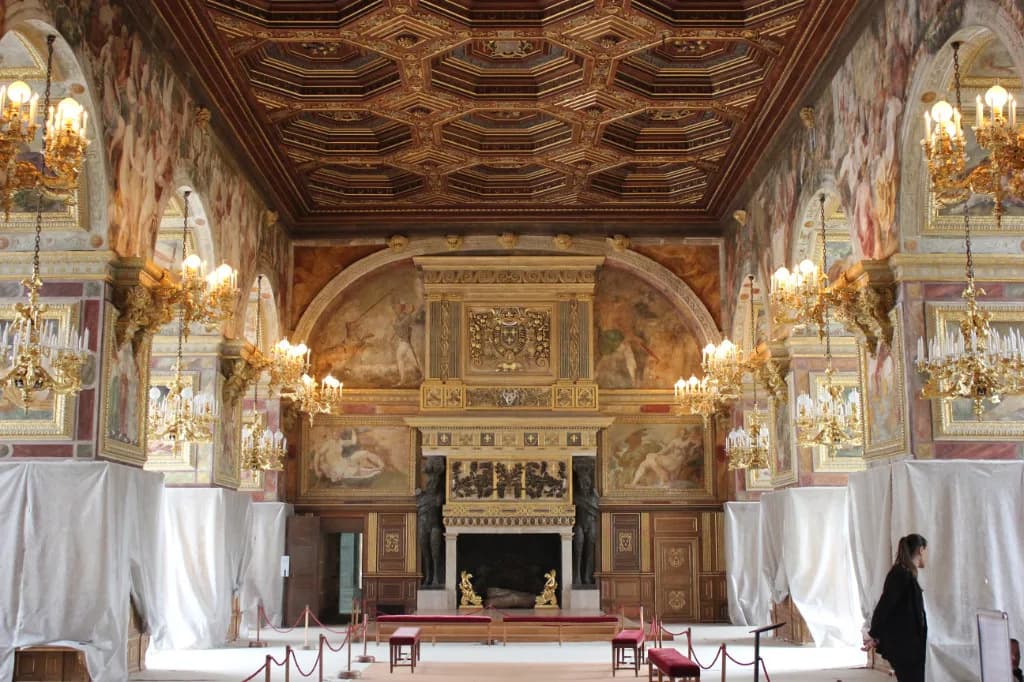
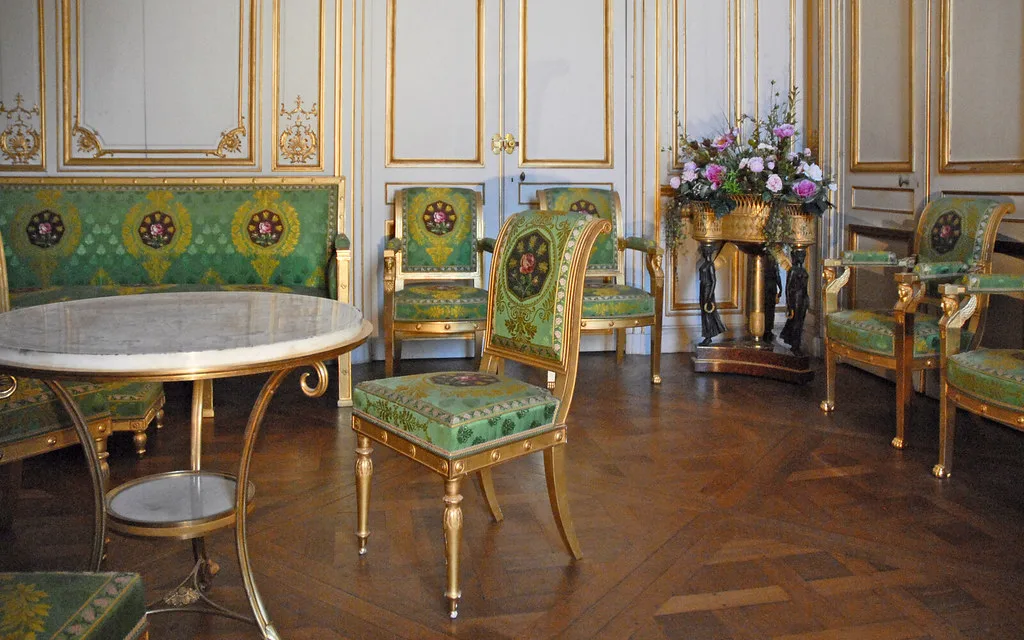
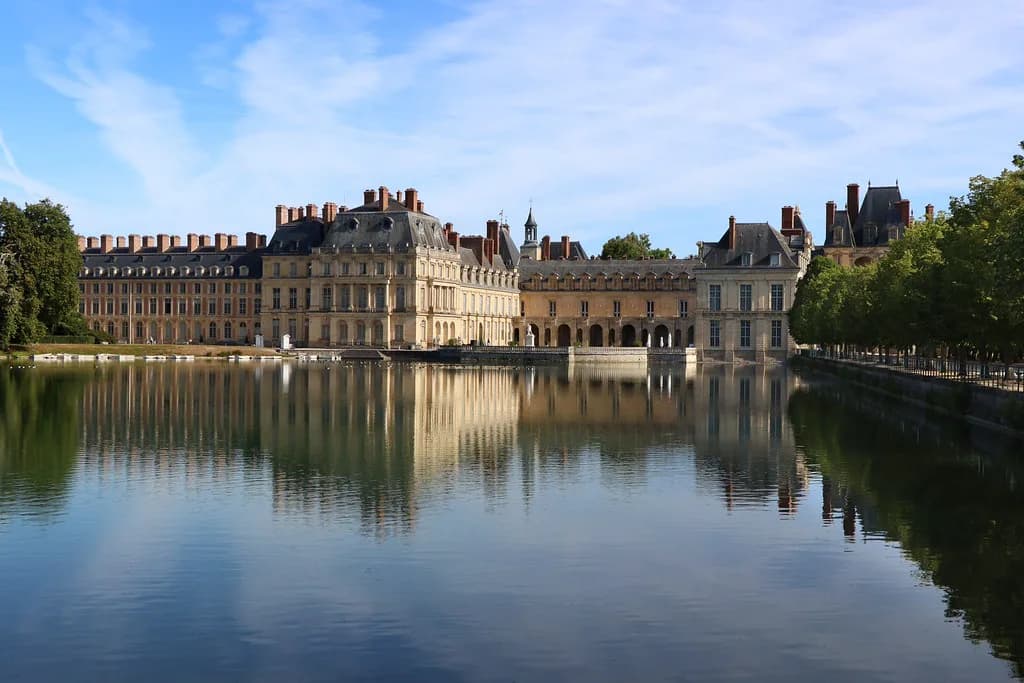
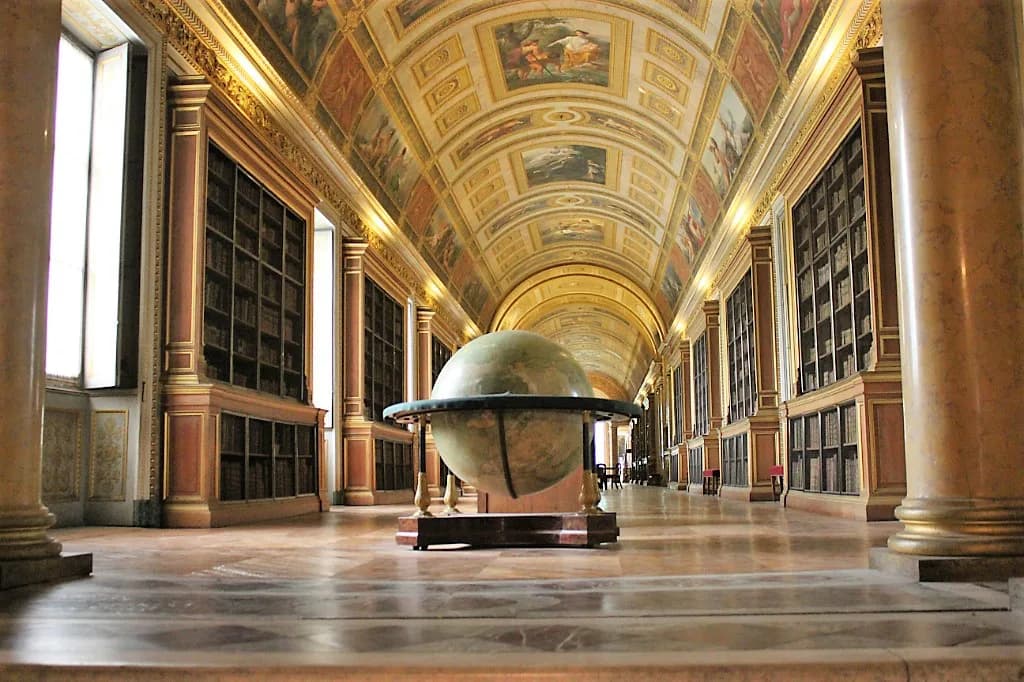
Start with the palace, because it is the reason most people come and it shapes the rest of the itinerary. Château de Fontainebleau is one of the largest palaces in France and was inhabited by monarchs from the twelfth to the nineteenth century, which means the interiors are dense: allow half a day at minimum and a full day if you want the gardens as well.
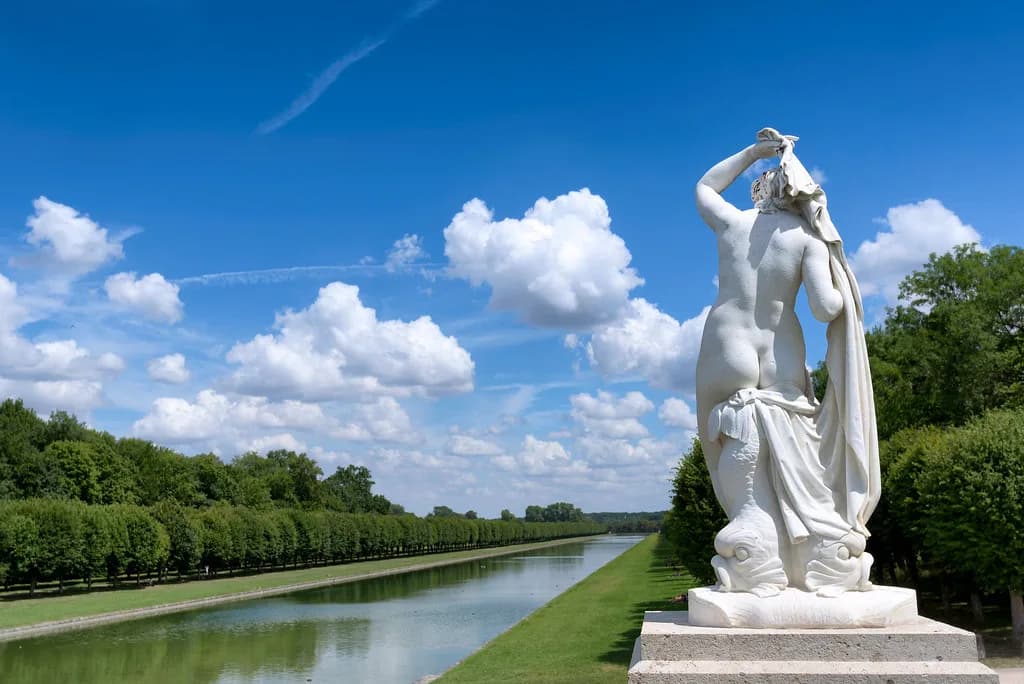
Use the official Fontainebleau Attractions guides to plan which wings and gardens to prioritise, so you are not deciding in the entrance hall. The palace's own layout rewards a route: state apartments first, then the gardens, with a break in between rather than trying to see everything in one push.
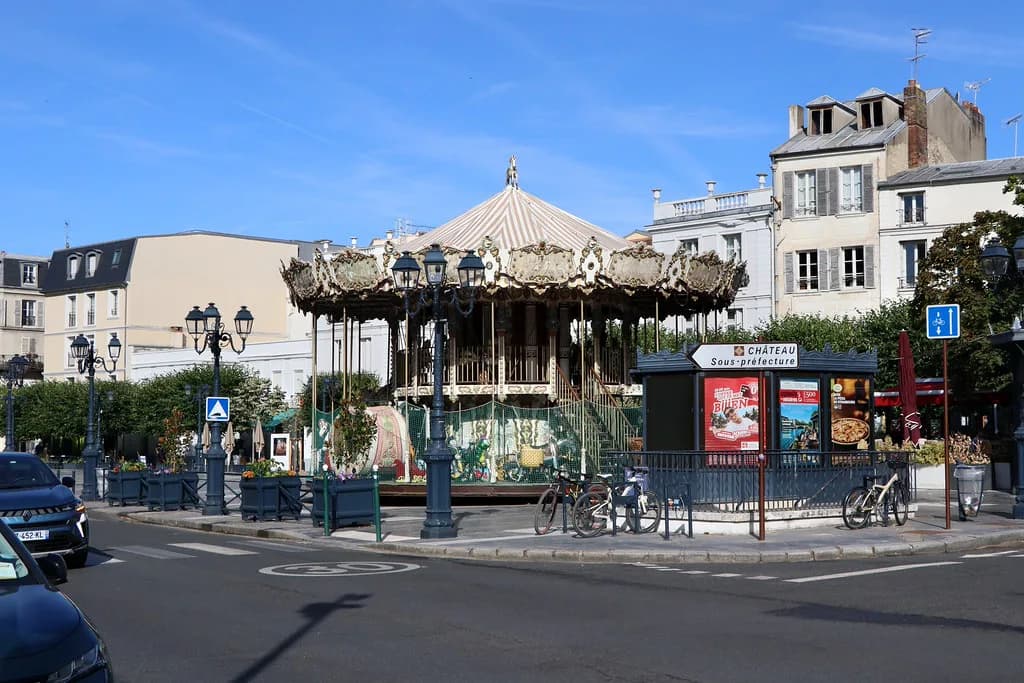
Outside the palace walls, the town of Fontainebleau has its own draw, with squares and a market that reward a slow morning. Set aside time for the Fontainebleau market and the surrounding streets rather than treating the town as a corridor between station and château.
When you want a proper meal after a palace morning, the best restaurants in Fontainebleau range from classical French cooking to Kunihisa Goto's Japanese-influenced kitchen at L'Axel, and booking ahead on a Saturday is sensible whatever the season.
The Forêt de Fontainebleau: walking, cycling and bouldering
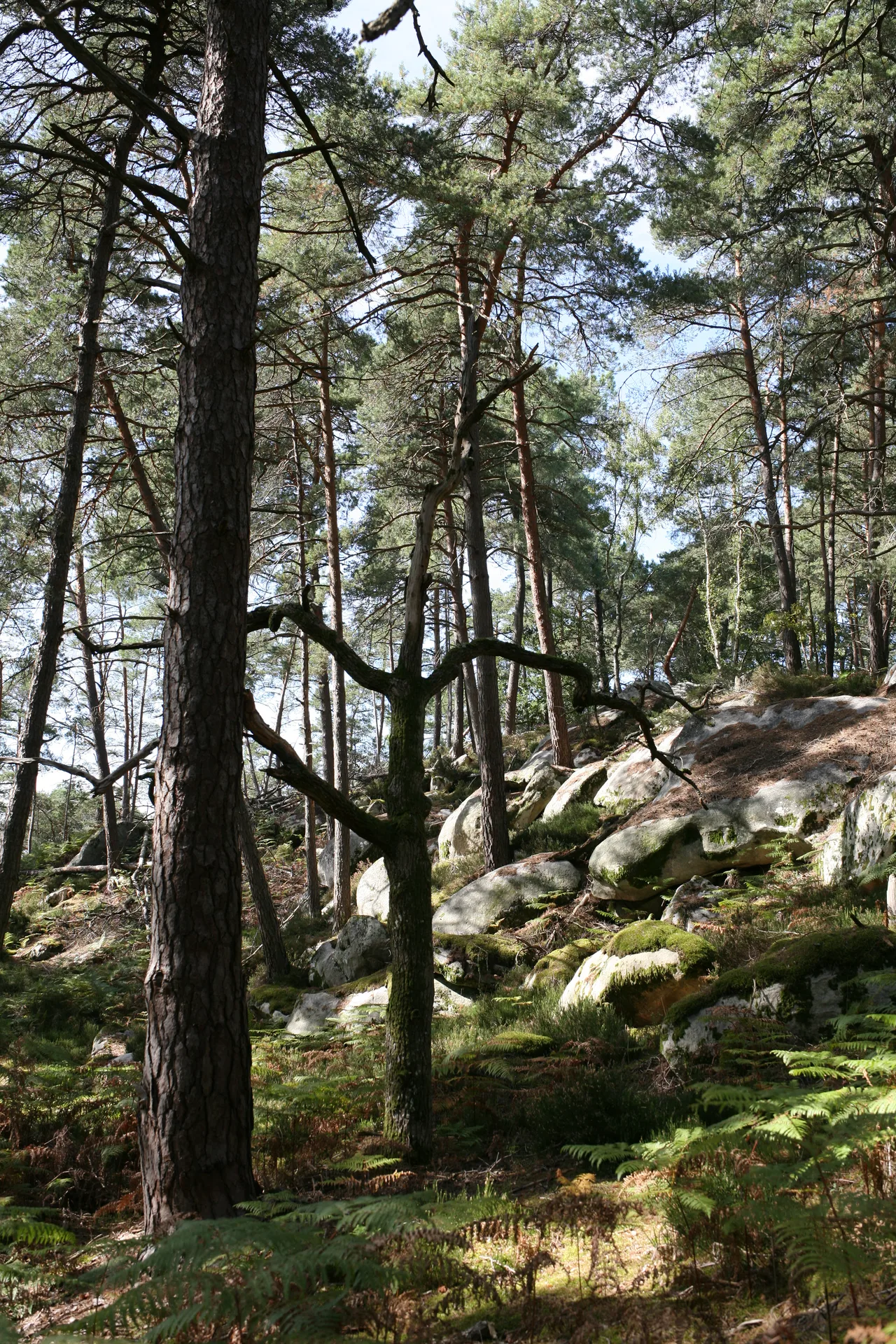
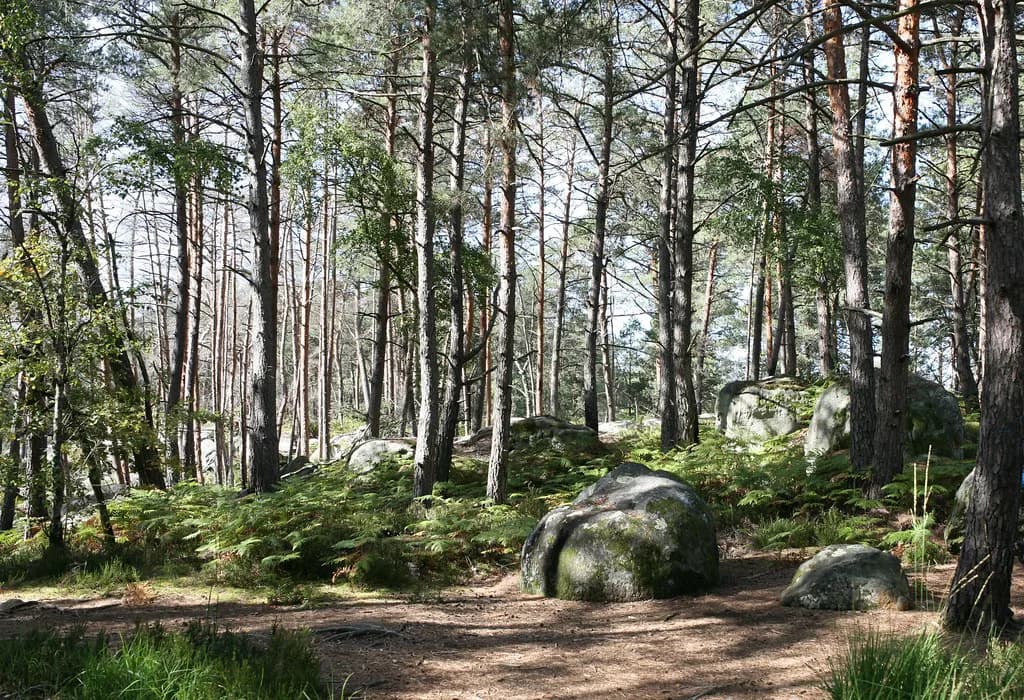
The Forêt de Fontainebleau covers around 22,000 hectares of woodland, rocky outcrops and sandy paths, and it is the second half of any good trip. It is walkable from the town edge and rewards anyone who gives it a proper half-day rather than a quick look.
Autumn and late spring are the best windows for walking here, with firm ground and comfortable temperatures. In summer, go early and stay on shaded tracks; in winter, keep the walk short and save your energy for the palace. The forest is a working landscape, so check access before committing to a long route, particularly if you plan to climb.
Bouldering is the forest's other identity: it is the birthplace of the sport, with thousands of problems across hundreds of sectors, from beginner circuits to hard projects. If you are coming to climb rather than walk, treat the forest as a full day and plan around conditions rather than squeezing it in beside the château.
Around the town: Fontainebleau, Barbizon and the rivers
Barbizon, on the forest edge, is the strongest half-day add-on. The village is tied to the nineteenth-century landscape painters who worked in the open air, and its museums and streets make a natural contrast to the palace. Go on a dry day when you can walk rather than shelter.
Along the Seine, villages such as Samois-sur-Seine, Samoreau and Héricy offer riverside walks and a slower pace. They are a good answer when the forest is too wet or the château is too full, and they suit an afternoon when you want to be outside without a long route.
You can also push a little further to Moret-sur-Loing or Vaux-le-Vicomte, but only as a single extra clause in a longer stay; any more and you are taking a day away from Fontainebleau itself.
How many days does Fontainebleau need?
Two nights and one full day is the minimum for a satisfying trip: one day for the Château de Fontainebleau and the town, with the forest or a village fitted around the edges. Three nights lets you add a proper forest day or a Barbizon afternoon without cutting the palace short.
A day trip from Paris is possible but tight. The palace alone can take half a day, and the transfer plus lunch eats the rest, leaving little time for the forest. If you only have one day, pick one: palace and town, or forest and village, and save the other for a return visit.
If you are deciding whether the town justifies the trip at all, the honest answer is that its appeal is concentrated in three things: the palace, the forest and the nearby artist villages. Anyone interested in at least two of those has enough for a weekend, even in the quieter months.
Weekend shape: a two-day plan that flexes with the season
On day one, give the morning to the Château de Fontainebleau, have lunch in the town and spend the afternoon in the streets, squares and market area. This is your weatherproof day, so run it when the forecast is worst and shift it if the sky clears.
On day two, take the forest or a village, depending on the season. In autumn and spring, a half-day walk or cycle in the Forêt de Fontainebleau followed by a Barbizon afternoon works well; in summer, start early and retreat indoors by mid-afternoon; in winter, do a short forest leg-stretch and add a second château or a riverside village.
If you travel by train from Paris Gare de Lyon, the trip starts and ends around the station, so keep day two flexible enough to catch an evening service rather than booking a tight return.
Practical planning: getting there, tickets and opening days
Arrive by train or car in roughly an hour, with the station a short walk or bus ride from the town centre. Once you are in Fontainebleau, the palace, town and forest edge are close enough to walk between, so you do not need a car for a two-day visit.
Book château admission in advance for weekend and summer visits, and check the official site for current opening days and ticket rates closer to your date. Many French museums keep a weekly closing day, so do not assume the palace or the Barbizon museums are open every day of your trip.
For guided walks, forest tours and local activity bookings, the tourist office is the practical first stop, with an office in Fontainebleau on the Place de la République and one in Barbizon. Both can confirm what is running during your stay and flag any access restrictions in the forest.
For a wider choice of where to eat across the seasons, the best restaurants in Fontainebleau cover the range from casual to special-occasion. Book ahead on fine weekends, when the town fills with day-trippers.
Plan Your Visit
Autumn is the best time to visit Fontainebleau for most people: comfortable walking, a calmer palace and a forest still worth the trip. Spring is a close second, summer rewards an early start, and winter works best if you are here for the château and the town rather than the woods.
Whichever season you pick, plan the palace and the forest as two separate days, keep one flexible for weather and build in time for the town itself.
Frequently Asked Questions
What is the best month to visit Fontainebleau?
September and October give the best balance, with comfortable walking temperatures, the forest in colour and a calmer château once summer visitors drop away. May and June are strong alternatives for gardens and long daylight, but expect busier weekends around school holidays.
What is the weather like in Fontainebleau in October?
Expect mild, changeable weather rather than guaranteed sun. Use climate averages to plan clothing, then check a proper forecast for your dates, because October can be crisp and clear or wet and grey from one weekend to the next.
Is Fontainebleau worth a day trip from Paris?
Yes, but you have to choose. The château alone can take half a day, and transport plus lunch uses much of the rest, so a one-day visit rarely allows both the palace and a meaningful walk in the forest.
How long do you need at the Château de Fontainebleau?
Allow at least half a day for the interiors and a full day if you want the gardens and park as well. It is one of the largest palaces in France, so rushing through in an hour misses most of it.
When is Fontainebleau forest best for walking?
Autumn and late spring, when the ground is firm and temperatures suit a half-day route. In summer, walk early and stick to shaded paths; in winter, keep it short and plan around daylight.
Do you need to book Fontainebleau château tickets in advance?
Booking ahead is sensible for weekends, school holidays and summer, when the palace draws its biggest crowds. Check the official ticketing page for current opening days and prices before you travel.
Sources
Notes for French city breaks
Optional updates to our guides.
You might also like
Continue reading
More guides you'll find useful