Things to Do in Strasbourg: A Weekend Guide by Area
Plan a Strasbourg weekend by quarter: the cathedral, Petite France canals, the Neustadt and European Quarter, plus parks, boat trips and free sights.
On this page
Strasbourg rewards a weekend rather than a rushed day. The historic centre sits on an island, the Grande Île, so the cathedral, the old-town squares and the canals of Petite France sit within a walk of each other. One day covers the core comfortably; two days let you add the Neustadt boulevards and the European Quarter without spending the weekend on a tram.
The trick is to plan by quarter. Group the cathedral and the old town into one block, Petite France and the Covered Bridges into another, and treat the Neustadt and the European institutions as a half-day of their own. That structure cuts backtracking and leaves room for a boat trip or an afternoon in the Parc de l'Orangerie, where entry comes free.
Strasbourg in a weekend: the short answer
With one day, concentrate on the Grande Île: the cathedral, the surrounding old-town streets and the canals of Petite France. With two days, keep the first day for that core and give the second to the Neustadt, the European Quarter and the Parc de l'Orangerie. Anything shorter than a day means choosing between the cathedral and the canals rather than trying to do both properly.
The city is compact and largely flat, which makes walking the default. Save the tram or a bike for the Neustadt and the European Quarter, where the distances stretch and the sights are more spread out. If you are still deciding whether the trip is worth it, our honest answer on whether Strasbourg is worth visiting sets out what a short break here actually delivers.
How Strasbourg is laid out: Grande Île, Petite France, Neustadt, European Quarter
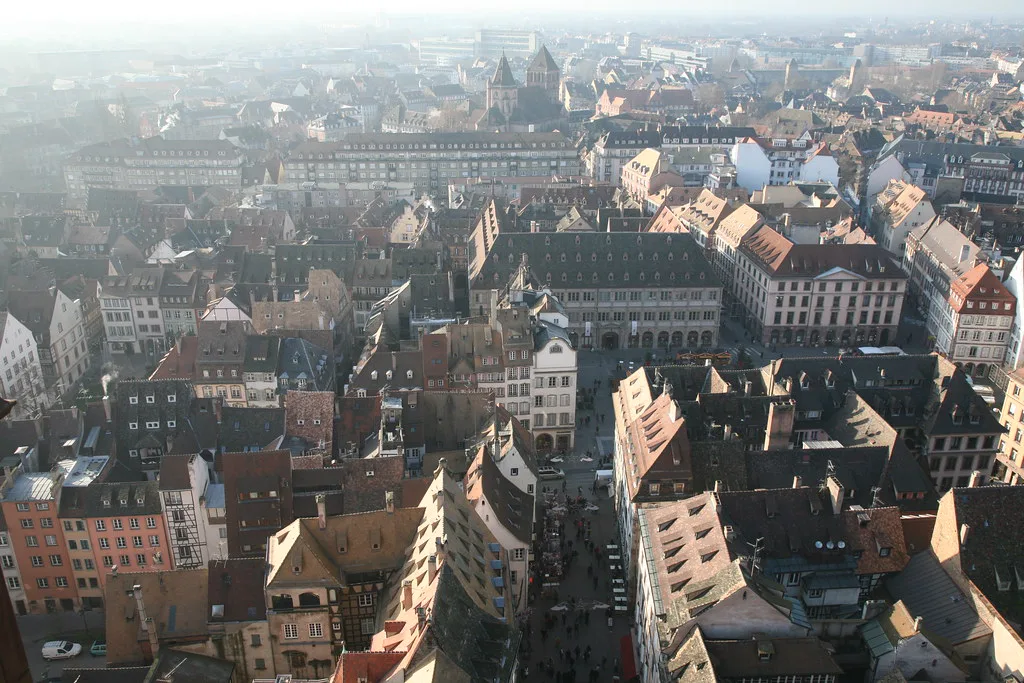
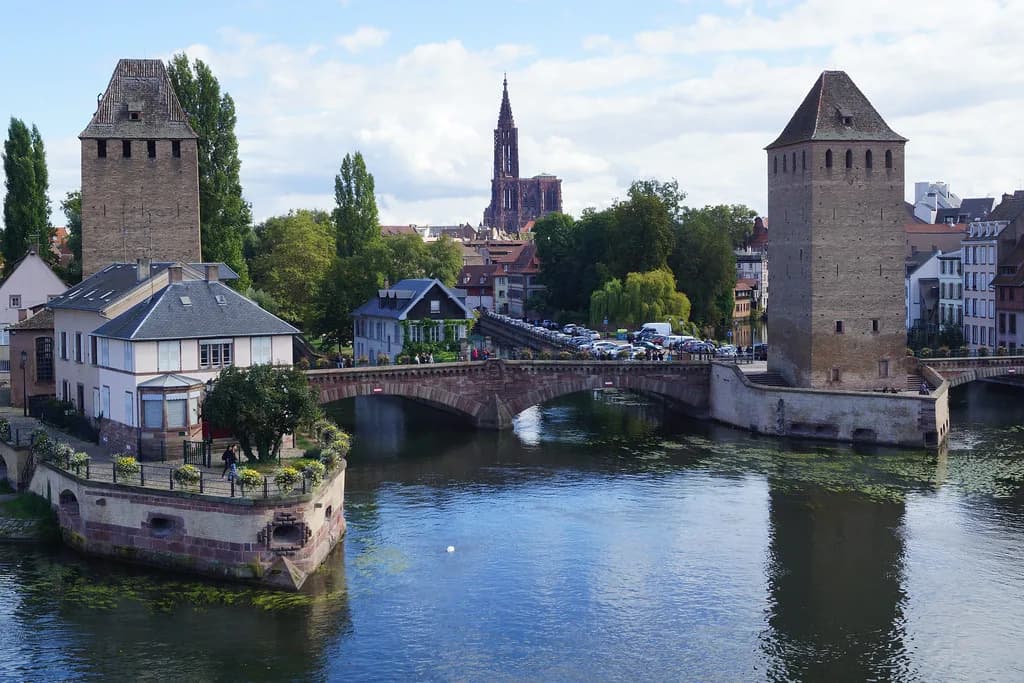
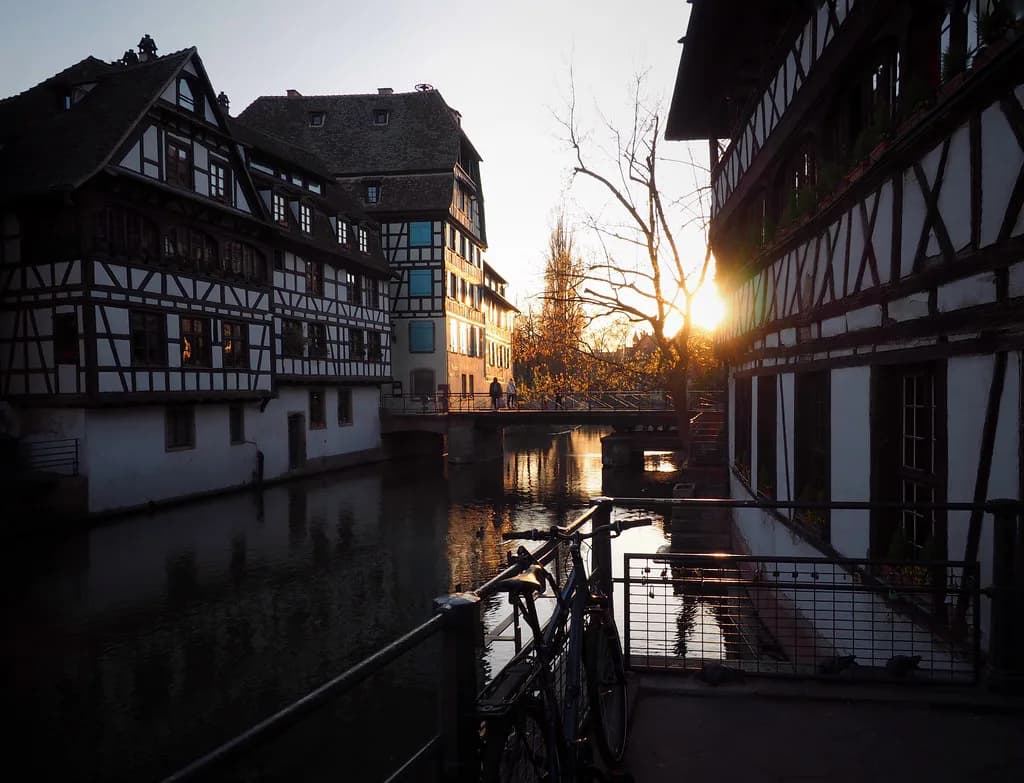
The UNESCO-listed Grande Île is the historic heart, ringed by the Ill and its canals. Within it, the cathedral square and the old-town streets around Place Kléber and Place Broglie form the commercial and monumental centre, while Petite France sits at the island's western edge where the canals split into a warren of waterways and half-timbered houses. The Covered Bridges span that canal network and make a natural walking loop back towards the centre.
North and east of the island, the Neustadt is the imperial-era extension, laid out on broad boulevards rather than medieval lanes. Beyond it, the European Quarter holds the city's international institutions, including the Parliament, the Council of Europe and the European Court of Human Rights. Treating these as two separate districts, rather than one vague 'outside the centre' zone, is what makes a second day work.
Cathédrale Notre-Dame de Strasbourg: the city's anchor sight
The pink sandstone cathedral is Strasbourg's defining landmark and the obvious place to start. Seen from the outside, the west front and its single tower dominate the old town; inside, the nave and the astronomical clock draw the crowds. Walking tours in the city consistently build their route around it, linking the cathedral to the historic districts and half-timbered houses on foot. Our Strasbourg old town guide picks up the streets and squares around it once you have finished at the cathedral.
Time your visit deliberately. The square in front is open and free to wander at any hour, so an early or late pass gives you the facade without the day-trip crowds. If you want the interior and the clock in any depth, check the current visitor arrangements on the cathedral's own signage or the tourist office before you build the morning around it.
La Petite France: canals, half-timbered houses and the Covered Bridges walk
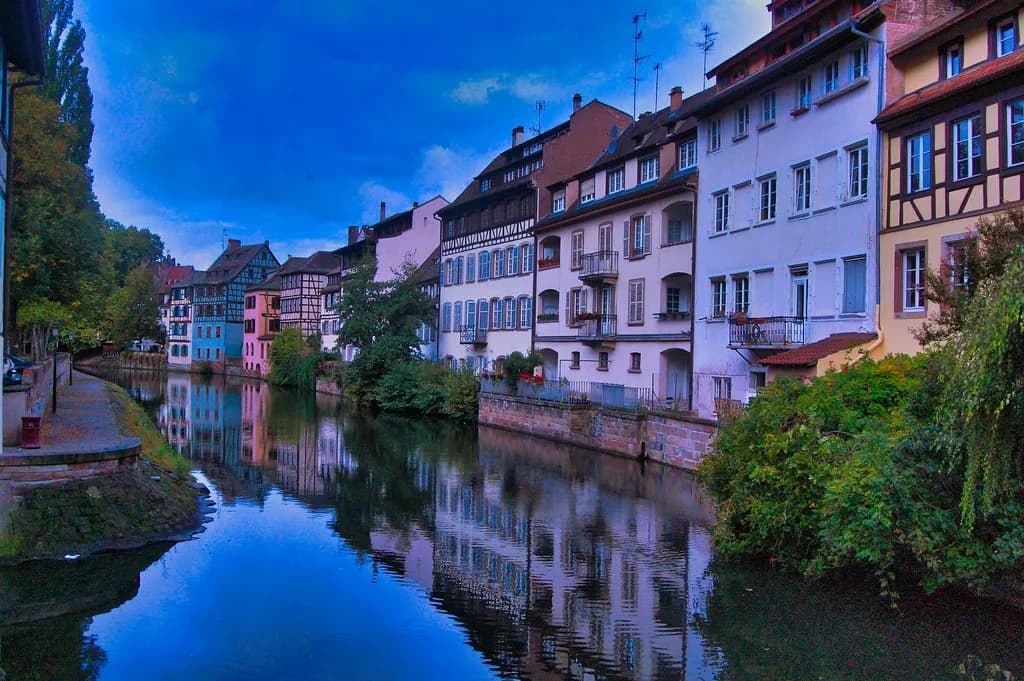
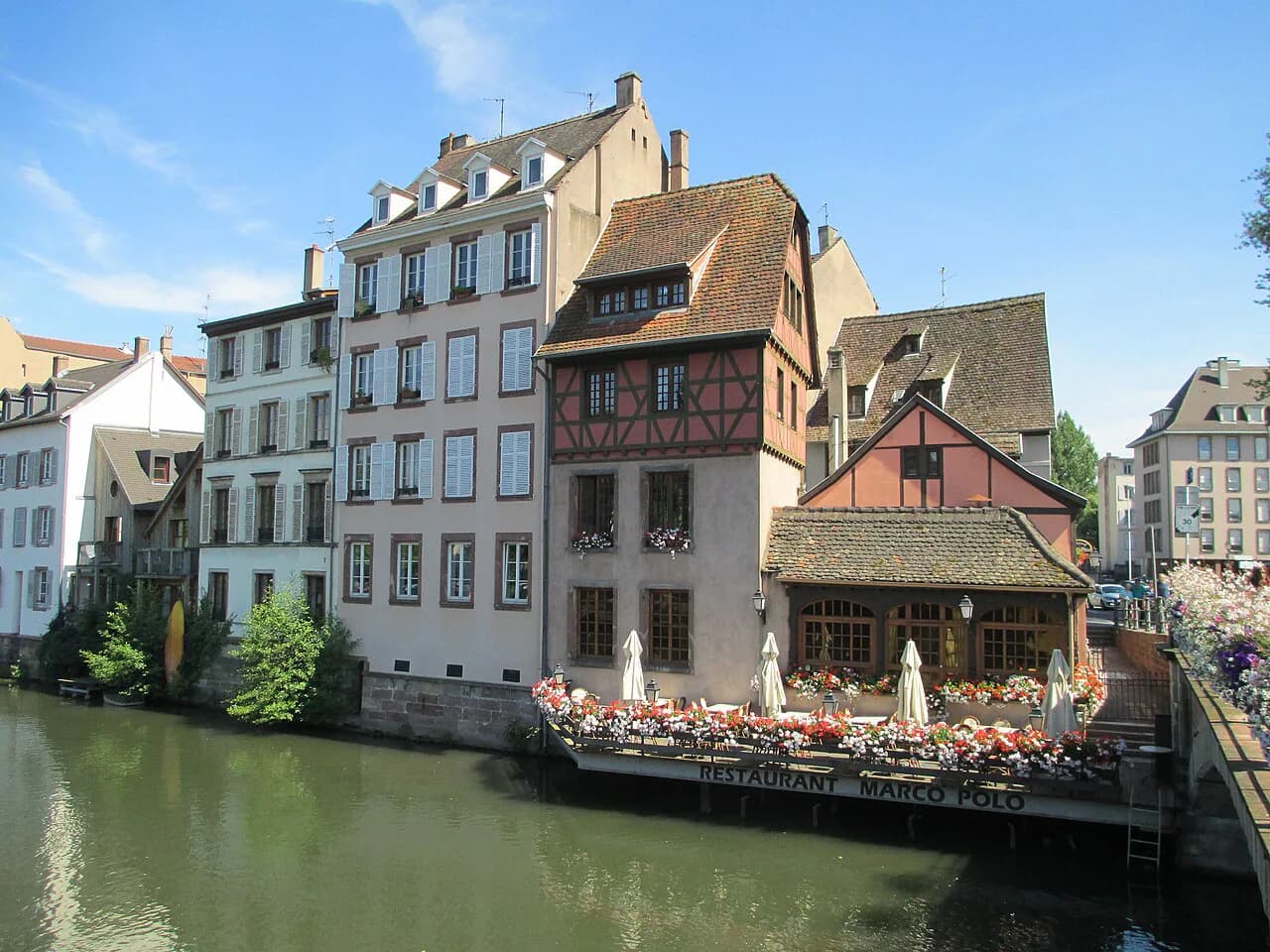
Petite France is the postcard quarter: canals, weirs and half-timbered houses that once belonged to tanners and millers. It is free to walk, and the loop through its lanes and over the Covered Bridges is the single best short walk in the city. A private rickshaw tour of the quarter, about 45 minutes, runs as a shorter alternative if you want the stories without the walking.
Go early or late in the day. The lanes are narrow and the quarter is the most photographed part of Strasbourg, so midday concentrates everyone in the same few metres. Twenty minutes of walking covers the core; allow an hour if you want to linger on the bridges and follow the canal paths. Our guide to the best restaurants in Strasbourg covers where to eat once you come back towards the centre.
Grande Île on foot: Place Kléber, Place Broglie and the old-town streets
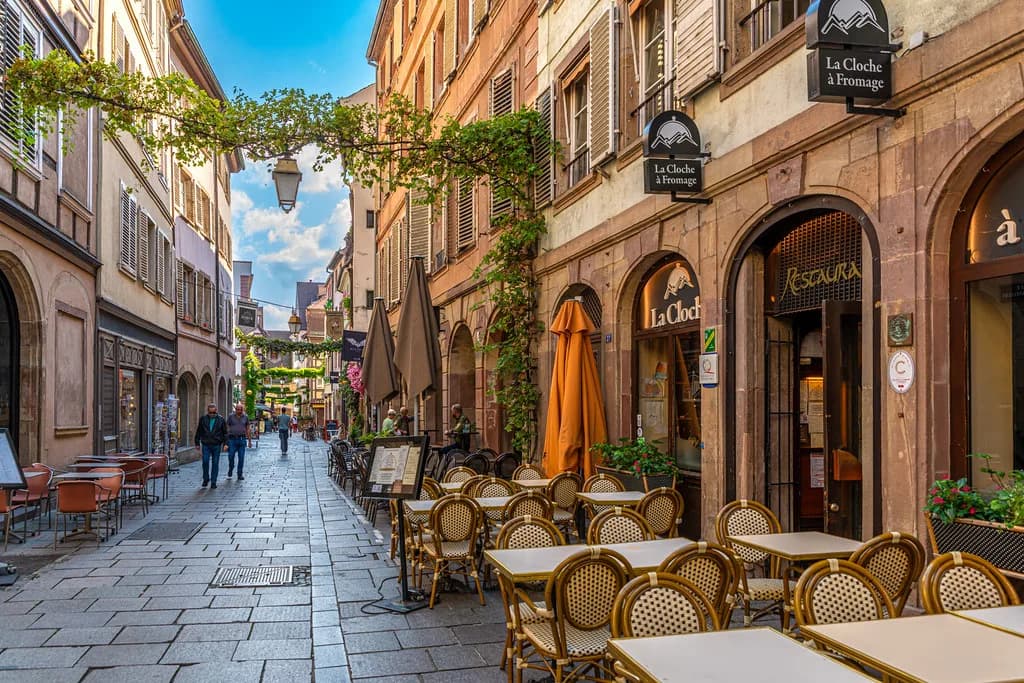
Place Kléber is the city's main square and a handy orientation point, with the old town spreading east towards the cathedral. Place Broglie, a few minutes north, is a broad, formal square that hosts markets and public events through the year. Between them, the streets are dense with shops and cafés rather than specific sights, which makes this the right zone for a slow amble rather than a checklist.
This is also where the city feels most commercial, and Sunday changes the rhythm. Rather than guessing which shops will be open, check the tourist office's current information for the weekend you are travelling, and build Sunday around the outdoor sights and parks instead. Our Strasbourg Attractions hub groups the individual landmark and neighbourhood guides if you want to go deeper on any one sight.
The Neustadt and the European Quarter: imperial boulevards and EU institutions
The Neustadt was laid out under German rule after 1871, and it shows: wide avenues, stone apartment blocks and a grander scale than the medieval island. Walk it rather than race through it, and use the tram if you are short of time. A two-hour rickshaw circuit runs from the alleyways of Petite France through the Neustadt and on to the European Quarter, which is a practical way to cover both districts in one go when your legs are tired.
The European Quarter is a working institutional district rather than a sightseeing quarter, and that is exactly why it is worth half a day. A themed tour of the district explains the Parliament, the Court of Human Rights and the Council of Europe in context, and a self-guided walk past the buildings gives you the scale of the place. Pair it with the Neustadt on the same afternoon so you cross the city only once.
A canal boat tour and what it adds to a walking weekend
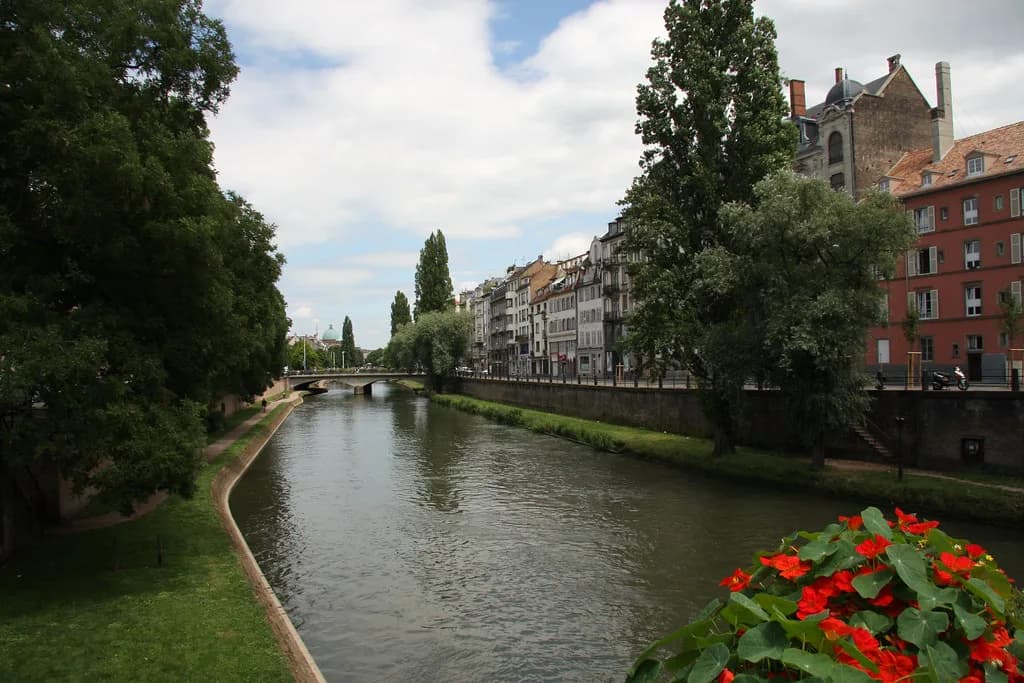
A boat trip on the Ill and the canals gives you the city from water level: the Covered Bridges from below, the lock systems and the timbered backs of Petite France that you cannot see from the street. It is the standard complement to a walking weekend, and it works well as an hour of sitting down in the middle of a long day on your feet. Book through the tourist office and confirm departure times on the day.
Set expectations honestly. The boat does not replace the walk through Petite France or the old town; it adds a different angle on the same water. If your time is tight, do the walking loop first and treat the boat as the bonus rather than the main event.
Museums, markets and indoor options for a wet day
Strasbourg has a strong set of indoor options when the weather turns. The museums cluster around the old town and the Palais Rohan, so you can string two or three together without getting soaked between them. Our guide to museums in Strasbourg covers the individual collections and what each one is best for.
Markets are the other wet-day variable. They run on set days, so check before you set out rather than turning up and hoping. Our guide to markets in Strasbourg sets out the regular markets and what they sell, and Petite France itself has food stops if you would rather eat indoors than shop.
Many French museums close on a Monday or Tuesday, but which Strasbourg museums follow that pattern varies. Check the individual museum's own site for the week you are travelling, and keep the cathedral square and the covered walks as your fallback if a plan falls through.
Free things to do in Strasbourg
The best of Strasbourg costs nothing. Wandering La Petite France, admiring the Cathédrale Notre-Dame de Strasbourg from the square, walking the Covered Bridges and taking in the views from the city's elevated spots all come free, and the Parc de l'Orangerie opens to the public at no charge.
A free weekend and a paid one look quite different. If your budget is tight, build the trip around the island on foot and spend money on one indoor sight and one meal rather than on a stack of tickets. Comparing that list against the paid attractions makes the trade-offs obvious before you go.
Parc de l'Orangerie and green breathing space
Parc de l'Orangerie sits north-east of the old town and gives you a proper break from stone and crowds. It is free to enter, and the lake, lawns and paths make it a good place to eat a picnic lunch or let a morning stretch out. The walk there takes you through the edge of the Neustadt, which folds a little architecture into the green space.
Use the park as a pacing tool rather than a destination in itself. One day Strasbourg can feel like an endless sequence of streets; an hour on a bench in the Orangerie resets the afternoon. If you are travelling with children, it is also the obvious place to let them run.
How many days Strasbourg needs: one day vs a full weekend
One day is enough for the Grande Île done properly: the cathedral, the old-town squares and a loop through Petite France, with one museum if you move briskly. Two days let you add the Neustadt, the European Quarter and the Orangerie without sprinting, and leave an evening free. Three days starts to reach for day trips, which are a different trip.
The honest trade-off is depth against coverage. A single day will feel like a highlight reel; a weekend lets the city's scale and its canals sink in. If you only have a day, drop the museums rather than the walking, because the streets are the reason to come.
Where to eat and what Alsatian food to try
Alsace eats heartily: choucroute, tarte flambée, baeckeoffe and charcuterie are the dishes to look for, and food tours in the city build their stops around exactly this kind of cooking. A guided food tour with at least four tasting stops is a good way to try a spread of local dishes in one afternoon, and it doubles as a walking introduction to the old town.
Beyond the tours, the strongest eating is around the old town and towards Petite France, where the restaurant density is highest. Our pick of the best restaurants in Strasbourg narrows down where to book, and it is worth reserving for Saturday evening rather than leaving it to chance.
Things to do on a Sunday
Sunday in Strasbourg is a day for the outdoors. The cathedral square, Petite France, the Covered Bridges and Parc de l'Orangerie are all free and open to walk, so they carry the day even when shops and some venues step back. Build the morning around the island and the afternoon around the park.
Indoor plans need checking. Rather than assuming a museum or market is running, confirm on the venue's own site for that Sunday, and keep a walking route as the fallback. That way a closed door costs you a detour rather than the day.
Strasbourg at night: an evening without a big plan
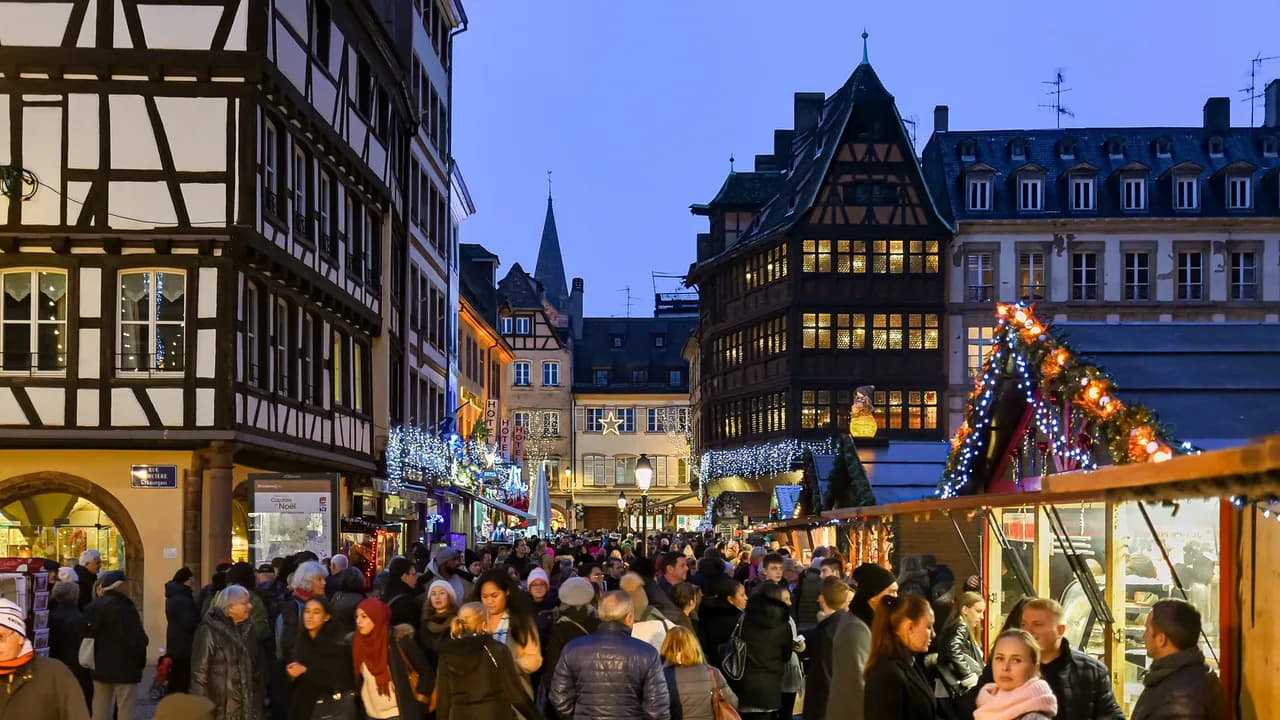
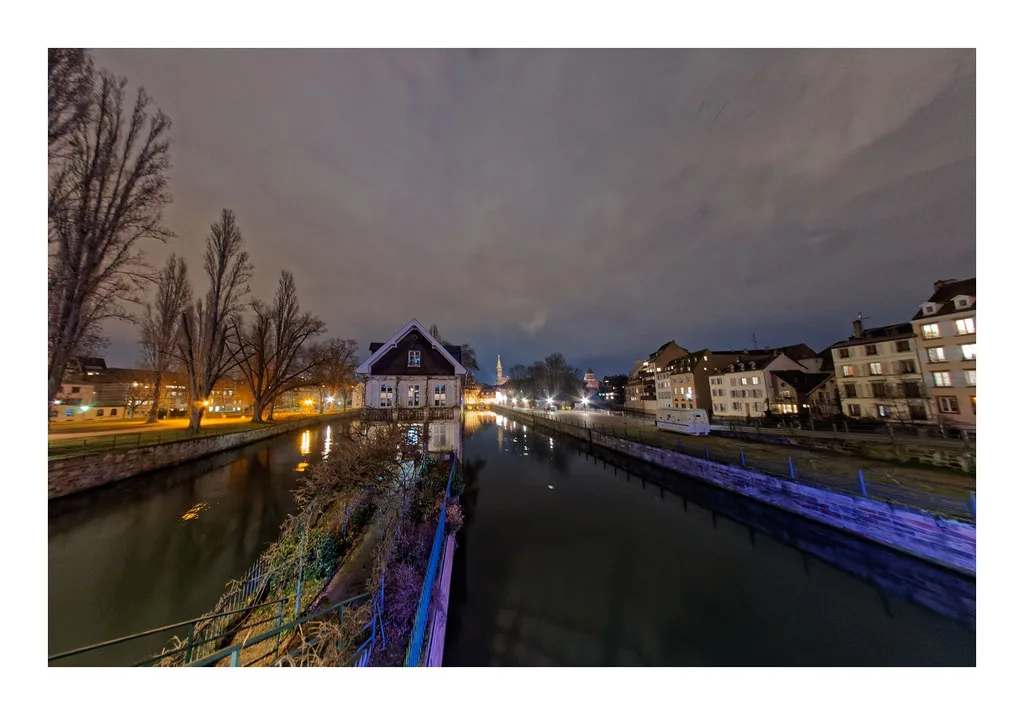
An evening in Strasbourg does not need a production. The cathedral square and the old-town streets are atmospheric after dark, and a slow dinner of Alsatian food is the natural end to a walking day. Seasonal tours run through the old town in the evening, including festive versions in winter, so check what is running during your dates rather than planning around a fixed schedule.
Keep the evening flexible. Pick a restaurant you have booked, walk there through the old town, and let the route be the entertainment. That approach suits a weekend better than stacking a second paid activity on top of a full day of sightseeing.
Practicalities: getting around on foot, tram and bike
Most of a Strasbourg weekend happens on foot. The Grande Île, Petite France and the old town are close enough that a tram is rarely needed inside the centre. For the Neustadt, the European Quarter and the Orangerie, the tram and the city's bike network make more sense than a long walk at the end of the day.
A cycling tour of the historic and modern districts is an option if you would rather cover the spread on two wheels. Whichever way you move, keep the island as your base for the day and treat the outer districts as one connected block rather than several separate trips.
When to go
Strasbourg is a year-round city, and the season changes what the weekend is for. Spring and early autumn suit long walking days and the park; summer fills the squares and the canal boats; winter shifts the city indoors and towards its festive season. Pick your dates by what you want to do rather than by a single 'best month'.
Whatever the season, pack for walking and for changeable weather. A waterproof layer and comfortable shoes matter more here than a smart outfit, because the best of the city is outdoors and the distances add up over a weekend.
Two-day plan that ties the quarters together
Day one stays on the island. Start at the cathedral, walk the old-town squares, then loop through Petite France and over the Covered Bridges, finishing with dinner in the old town. Add a canal boat trip in the afternoon if the weather is kind, or a museum if it is not.
Day two heads out. Take the tram to the Neustadt, walk its boulevards towards the European Quarter, and spend an hour on the institutions before doubling back to the Parc de l'Orangerie for a slow lunch. That evening, eat near Petite France and keep the walk home long. If you are comparing this trip with other French cities, our things to do in Aix-en-Provence and things to do in Arles guides show how a Strasbourg weekend differs from a southern one, and our things to do in Ajaccio covers the Corsican contrast.
Plan Your Visit
Strasbourg works best when you treat it as four quarters rather than a list of sights. Book the cathedral and the old town into one block, Petite France into another, and give the Neustadt and the European Quarter a half-day of their own. That structure keeps the walking sensible and leaves room for the boat, the park and a long dinner.
One day gives you the island; a weekend gives you the whole city. Decide which you have before booking anything, then build the plan around the free outdoor sights and add paid attractions only where they earn their place. Check current opening times and prices before you travel.
Explore more Strasbourg guides
Frequently Asked Questions
What is the best month to visit Strasbourg?
There is no single best month. Spring and early autumn suit long walking days around the old town and the Parc de l'Orangerie, summer fills the squares and canal boats, and winter turns the city inwards towards its festive season. Choose by what you want to do rather than by a calendar.
How many days do you need in Strasbourg?
One day covers the Grande Île properly: the cathedral, the old-town squares and a loop through Petite France, with one museum if you move briskly. Two days let you add the Neustadt, the European Quarter and the Parc de l'Orangerie without rushing. Anything beyond that starts to reach for day trips.
What can you do in Strasbourg on a Sunday?
Build Sunday around the free outdoor sights: the cathedral square, Petite France, the Covered Bridges and the Parc de l'Orangerie. For indoor plans, check which venues open that Sunday, and keep a walking route as the fallback in case a museum or market is closed.
Is Strasbourg good for a weekend break?
Yes. The historic centre sits on an island, so the cathedral, the old-town squares and the canals of Petite France are within walking distance of each other. A weekend gives you that core plus the Neustadt, the European Quarter and the park without spending your time on transport.
What free things are there to do in Strasbourg?
Walking Petite France, admiring the cathedral from the square, crossing the Covered Bridges and visiting the Parc de l'Orangerie all come free. Those alone fill a day, which makes a tight-budget weekend easy to build around the outdoors.
What food should you try in Strasbourg?
Look for Alsatian cooking: choucroute, tarte flambée, baeckeoffe and charcuterie. A guided food tour with several tasting stops is a practical way to try a spread of local dishes in one afternoon, and the old town and Petite France have the highest concentration of restaurants.
Do you need a boat tour in Strasbourg?
No, but it adds a different angle. A boat trip on the Ill and the canals shows you the Covered Bridges from below and the timbered backs of Petite France that you cannot see from the street. Do the walking loop first and treat the boat as a bonus.
Should you stay on the island or outside the centre?
The island keeps the cathedral, the old-town squares and Petite France within walking distance, which suits a short break. Staying further out means relying on the tram for the Neustadt and European Quarter. Either way, plan by quarter so you cross the city only once a day.
Sources
Notes for French city breaks
Optional updates to our guides.
You might also like
Continue reading
More guides you'll find useful