Museums in Strasbourg: Which Ones Are Worth Your Time
Plan your museum time in Strasbourg: what the Palais Rohan museums, the Musée Alsacien and the modern art museum hold and how long each one takes.
On this page
Two or three museums is a realistic haul for a Strasbourg weekend, and the main cluster sits within a few minutes of the cathedral on and around Place du Château. The Palais Rohan alone houses three separate collections, so you can cover a lot of ground without crossing the river. Treat the rest of the list as choices rather than a checklist, and build the days around whatever the weather and your energy allow. If you are weighing up another Provençal city, the museums in Aix-en-Provence follow the same logic of a compact cluster worth prioritising.
How the museums are laid out
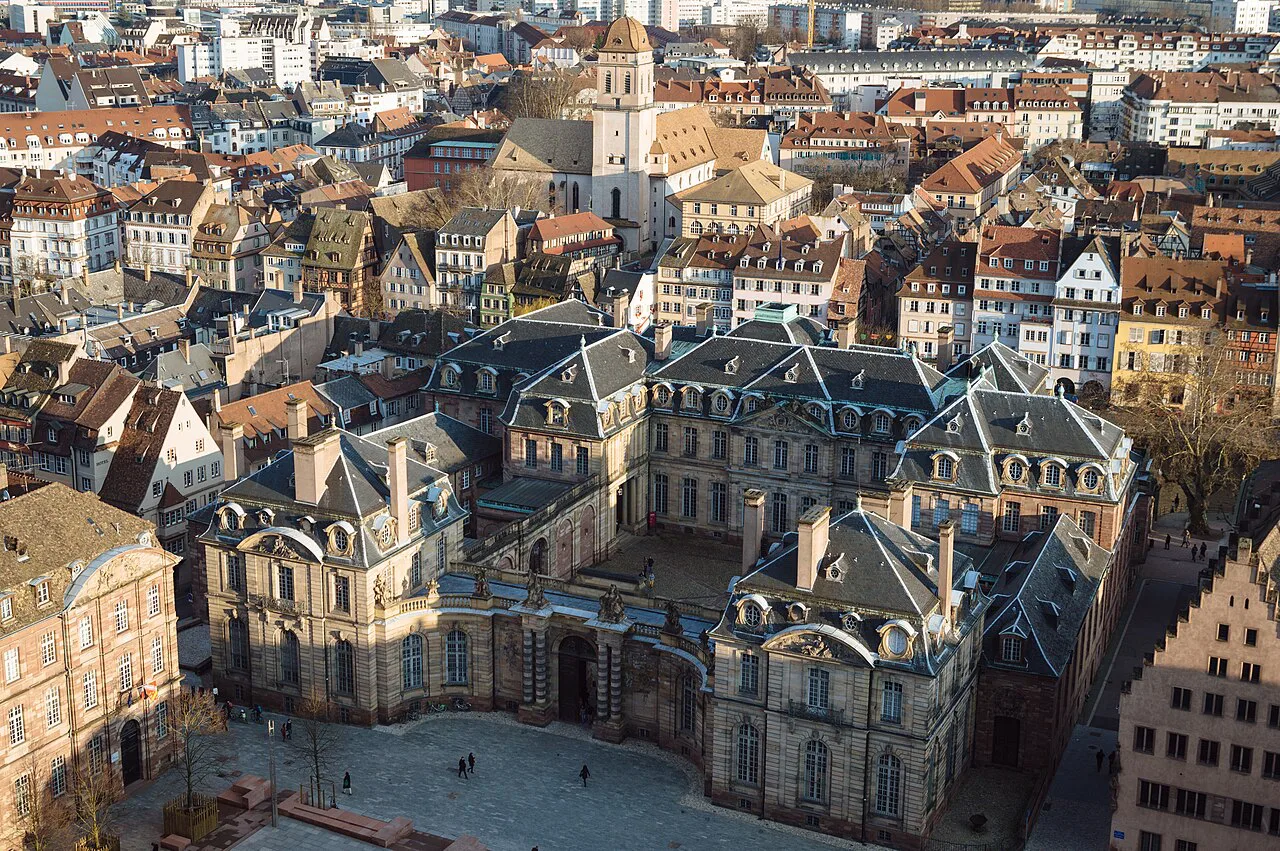
Most of the city's museums sit on the Grand-Île, the historic island at the centre of Strasbourg that was listed as a UNESCO World Heritage Site in 1988 for its mix of French and Germanic heritage. The Palais Rohan stands beside the cathedral, the Musée Alsacien occupies an old building on Quai Saint-Nicolas, and the modern art museum sits across the river in the newer part of town. The island itself is compact, so walking between them is the sensible way to do it rather than buying transport tickets.
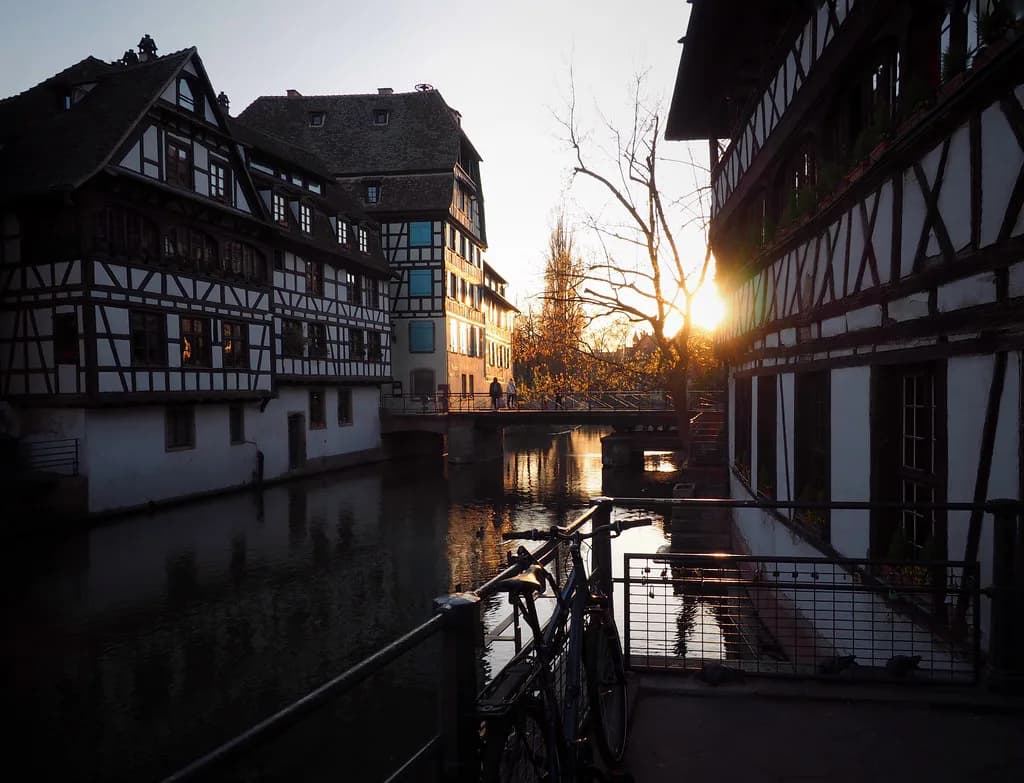
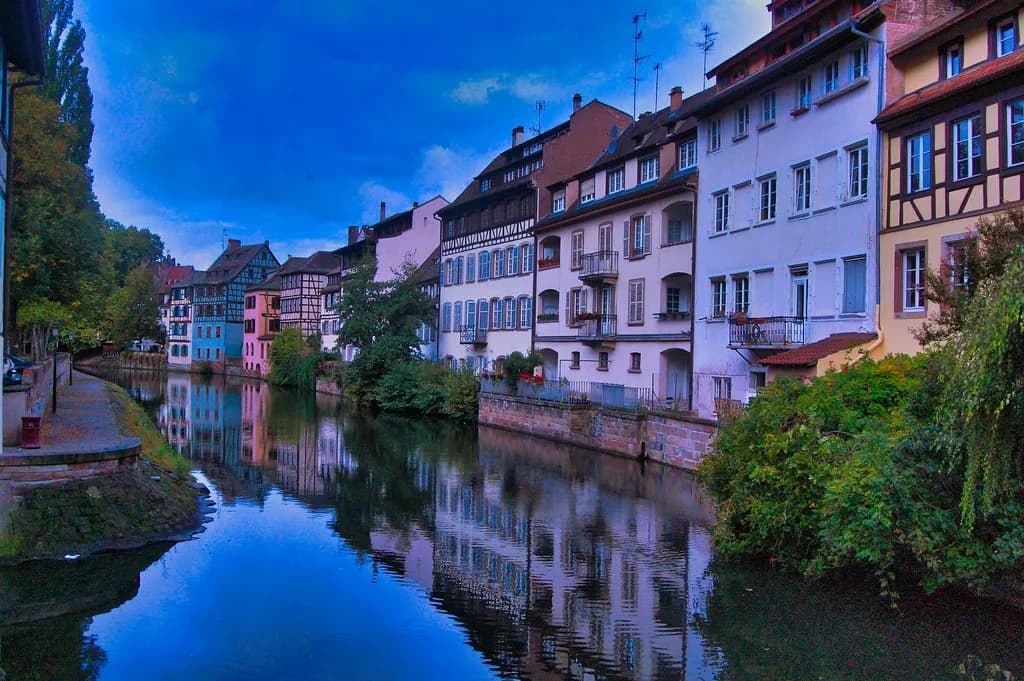
That tight geography means you can pair a museum morning with a cathedral climb or a wander through La Petite France in the afternoon without wasting time in transit. Plan the museums for the part of the day when you want to be inside, and keep the outdoor sights for the gaps.
The Palais Rohan trio
The Palais Rohan holds three museums under one roof: the Museum of Fine Arts, the Museum of Decorative Arts and the Archaeological Museum. Tickets have been reported at €7.50 each, and the same account suggests prioritising the Archaeological Museum if you only have time for one. That is a useful steer if you want the city's deep history rather than another gallery of paintings.
The Museum of Fine Arts occupies the first floor of the palace and presents European painting from the Middle Ages to around 1870. It is a small collection, taking roughly half an hour to walk through, which makes it a short stop rather than a half-day commitment. If you are deciding between the three, choose based on whether you want paintings, objects or archaeology.
The Museum of Decorative Arts is the smallest and most manageable of the trio, and suits a quick visit when you are already in the building. The Archaeological Museum rewards anyone curious about how Strasbourg shifted between French and German rule over the centuries. Pair two of the three at most, and leave the third for another trip.
Musée Alsacien
The Musée Alsacien covers Alsatian art, folklore and rural life, and it is housed in a handsome old-town building that is worth seeing for its own sake. The museum was established in 1902 and sits at 23 Quai Saint-Nicolas. It suits anyone who wants to understand what makes Alsace distinct rather than another room of oil paintings.
This is the pick for a rainy afternoon when you want something specific to the region rather than a general European collection. Give it about an hour, and combine it with a walk along the Quai des Bateliers nearby.
Musée d'Art Moderne et Contemporain
The Musée d'Art Moderne et Contemporain holds works by Monet, Picasso, Kandinsky and Brauner across two floors, with the collection running from the nineteenth century onwards. Tickets have been reported at €7.50, and the visit takes roughly an hour. It is the museum to choose if you want a break from Gothic architecture and Alsatian folklore.
It sits across the river from the old town, so slot it into a morning or afternoon when you are already heading that way. The two floors are easy to cover without rushing.
Historical Museum of the City of Strasbourg
If you want to understand Strasbourg's back-and-forth between France and Germany, the Historical Museum is the one to pick. It covers the city's shifting allegiances since the 1600s, and the visit takes around an hour and a half. That is a bigger commitment than the fine arts museum, but a more useful one if history is your priority.
The museum works well as a single anchor for a wet morning, with the cathedral and Petite France filling the rest of the day. It is not the place for a quick twenty-minute stop.
Musée de l'Œuvre Notre-Dame
The Musée de l'Œuvre Notre-Dame sits across from the cathedral and holds many of the original sculptures removed from the building to protect them from pollution. It is the museum to choose if you want to look at cathedral stonework up close rather than from the pavement. The collection pairs naturally with a visit to the Cathédrale Notre-Dame de Strasbourg itself, so plan them together.
What tickets cost
The Palais Rohan museums and the modern art museum have been reported at €7.50 each, which makes a two-museum day a modest outlay. The Musée Alsacien has also been reported at €7.50. The official museum pages carry the current price list, so confirm the figures there before you budget.
If you plan accordingly, the city's museums have been free to visit on the first Sunday of every month. That is the day to aim for if you want to see several collections without paying per museum, but expect the popular ones to be busier.
The Strasbourg City Card
The Strasbourg City Card has been reported at €6 on site or €5 online, valid for seven days, and gives reduced rates on a boat tour, the astronomical clock presentation, the cathedral platform, municipal museums and bike rental. If you plan to do two or three of those things, the card can pay for itself. Pick it up at the tourist office or buy it online before you arrive.
The card is a money decision rather than a shortcut: it does not skip queues or include everything. Work out what you actually want to do first, then decide whether the discount adds up.
Museum days and timing
Slot museums into the mornings when the weather is uncertain, and keep the cathedral and Petite France for the brighter hours. The cathedral tower charge has been reported at €8 in one account and €10 in another, so treat any figure as indicative and check the price at the ticket office. The climb is 332 steps, which is worth knowing before you commit.
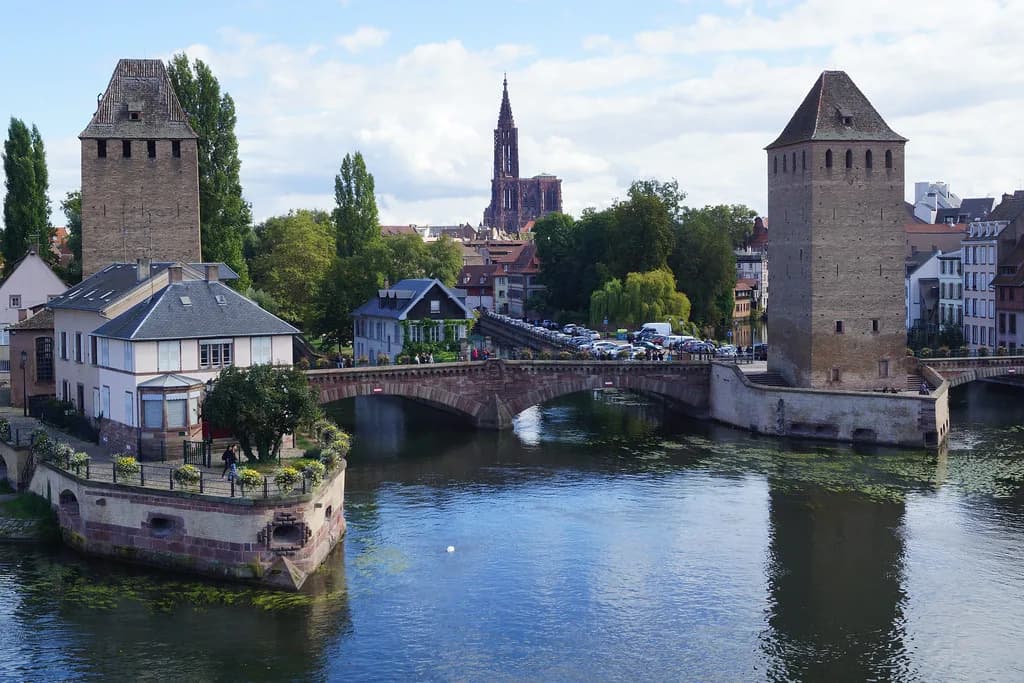
Many restaurants close between lunch and dinner, so a museum-heavy morning followed by a late lunch works better than an early dinner. The covered bridges and the Barrage Vauban give you an outdoor option if the museums fill up.
A rain-day order of play
Start at the Palais Rohan with the Museum of Fine Arts or the Archaeological Museum, then cross to the cathedral for the interior and, if the weather clears, the tower. Break for lunch in the old town, then take the Musée Alsacien on Quai Saint-Nicolas in the afternoon. That is two museums and a cathedral in a day without rushing.
If you have a second wet day, use it for the Musée d'Art Moderne et Contemporain and the Historical Museum, which sit in different parts of the city and give you a reason to walk between them. Keep the boat tour for a dry day so you can sit on deck.
Which to skip on a short break
On a two-day break, pick two museums at most and accept that you will not see everything. The Museum of Fine Arts is the one to drop if you want depth over breadth, because it is small and quick. The Historical Museum and the Musée Alsacien give you more of Strasbourg specifically.
If you are still deciding whether the city justifies a weekend, the museums are a fair test: they are close together, reasonably priced and easy to fit around the outdoor sights. Save the rest for a return visit.
Plan Your Visit
Book the museums around your other plans rather than the other way round, and leave room for the cathedral and a walk through Petite France. Two or three collections is enough for a weekend. The official museum pages list the days each one opens, so check them there before you travel.
Explore more Strasbourg guides
Frequently Asked Questions
How many museums are there in Strasbourg?
The main ones for a short break are the three in the Palais Rohan (Museum of Fine Arts, Museum of Decorative Arts and Archaeological Museum), the Musée Alsacien, the Musée d'Art Moderne et Contemporain, the Historical Museum of the City of Strasbourg and the Musée de l'Œuvre Notre-Dame.
Are Strasbourg museums free?
Not generally. The city's museums have been free to visit on the first Sunday of every month, so that is the day to aim for if you want to see several collections in one go. The official museum pages carry the current price list for individual tickets.
Which Strasbourg museum should I visit first?
Start with the Palais Rohan trio because they are beside the cathedral and easy to combine. If you only want one, the Archaeological Museum is a good choice for the city's deep history.
How long does the Museum of Fine Arts in Strasbourg take?
Roughly half an hour. It is a small collection on the first floor of the Palais Rohan, covering European painting from the Middle Ages to around 1870.
Do you need to book Strasbourg museums in advance?
The museums are generally walk-in, but the cathedral tower and some presentations may need a ticket bought on the day. The official pages set out what needs booking.
Sources
- The Best Things to do in Strasbourg, France - The Scribs and Nibs
- Trip #38 To France: Paris And Strasbourg In December - France Travel Tips
- Why Strasbourg is Worth Visiting: 10 Best Things to Do — Destination Dreamer Diaries
- 19 Things to Do in Strasbourg & Alsace - According Locals - Heart My Backpack
- Museum of Fine Arts - Musées En
- Museum of Modern and Contemporary Art - Strasbourg
- Alsatian Museum (Strasbourg) - Visitor Information & Reviews
Notes for French city breaks
Optional updates to our guides.
You might also like
Continue reading
More guides you'll find useful