Strasbourg Old Town: What to See and How to Walk It
Walk Strasbourg's old town quarter by quarter, from the pink-stone cathedral and Place Kléber to Petite France, the Ponts Couverts and the Vauban dam.
On this page
Strasbourg old town is compact, flat and made for walking: a loop of cathedral square, Place Kléber, the Palais des Rohan and Petite France covers the historic core in a day without rushing. The whole centre sits on the Grande Île, the island formed where the river splits, so you can cross the entire old town on foot in under half an hour. Plan on a half day for the cathedral and the squares, and a full day once Petite France and the bridges are added.
Where the old town sits and how it is laid out
The Grande Île holds the cathedral, the main squares and Petite France, and it is small enough that orientation takes minutes rather than hours. Treat Place de la Cathédrale as the centre point: Place Kléber lies a few minutes to the north-west and Petite France to the south-west, so the natural walking order is cathedral first, squares second, canals last. That order also puts the longest queue of the day behind you early.
Strasbourg has spent centuries passing between France and Germany, which is why the architecture reads as half-timbered Alsace rather than standard French classicism. The old town shows that mix clearly: pink sandstone Gothic at the cathedral, rococo and Art Nouveau frontages around Place Kléber. Knowing this makes the walk feel like one story rather than a checklist of monuments.
How long the old town needs
A half day covers the cathedral, Place de la Cathédrale, Place Gutenberg and Place Kléber comfortably at a walking pace with time to stand and look. Add Petite France, the Ponts Couverts and the Vauban dam and you need a full day, because the canals reward slow wandering rather than a quick pass. If museums are on your list, each one takes a further chunk out of the day, so pick one rather than three.
Strasbourg works equally well as a day trip or a two-day stay, which matters when you are deciding how much to schedule. Coming from Paris, the TGV from Gare de l'Est runs the route in roughly an hour and forty-five minutes, so an early start buys you a full afternoon. For a weekend, two nights lets you split the old town and the museums across separate days.
Start at Cathédrale Notre-Dame-de-Strasbourg
The cathedral is built from pink sandstone quarried in the Vosges, and the façade changes colour with the light through the day, which is the reason to see it twice if you can. Look for the rose window and the carved portal before you go in, because the exterior is where the detail sits. The spire rises 143 metres above the city, visible from most of the old town as a compass point.
Climbing to the viewing terrace costs €10 for adults in 2026 and means 332 steps up a spiral staircase, so it is a real effort rather than a lift ride. On a clear day the terrace view reaches into Germany. The Strasbourg City Pass cuts the cathedral climb to half price and covers the astronomical clock and one museum of your choice, so it only pays if you are doing several of those in three consecutive days.
The astronomical clock and its 12.30pm display
Inside the cathedral, the Renaissance astronomical clock runs its procession of the apostles at 12.30pm daily, with a rooster crowing three times. Time your visit around midday or accept that you will see the clock at rest. Arrive a little before the half hour, because the crowd around the clock thickens as the minute approaches.
The clock viewing is covered by the City Pass, alongside a museum of your choice from the Rohan Palace group, the Alsatian Museum, the Museum of Modern and Contemporary Art and several others. If you are weighing up whether the pass is worth it, count the cathedral climb, the clock and the boat tour first.
Place de la Cathédrale and Maison Kammerzell
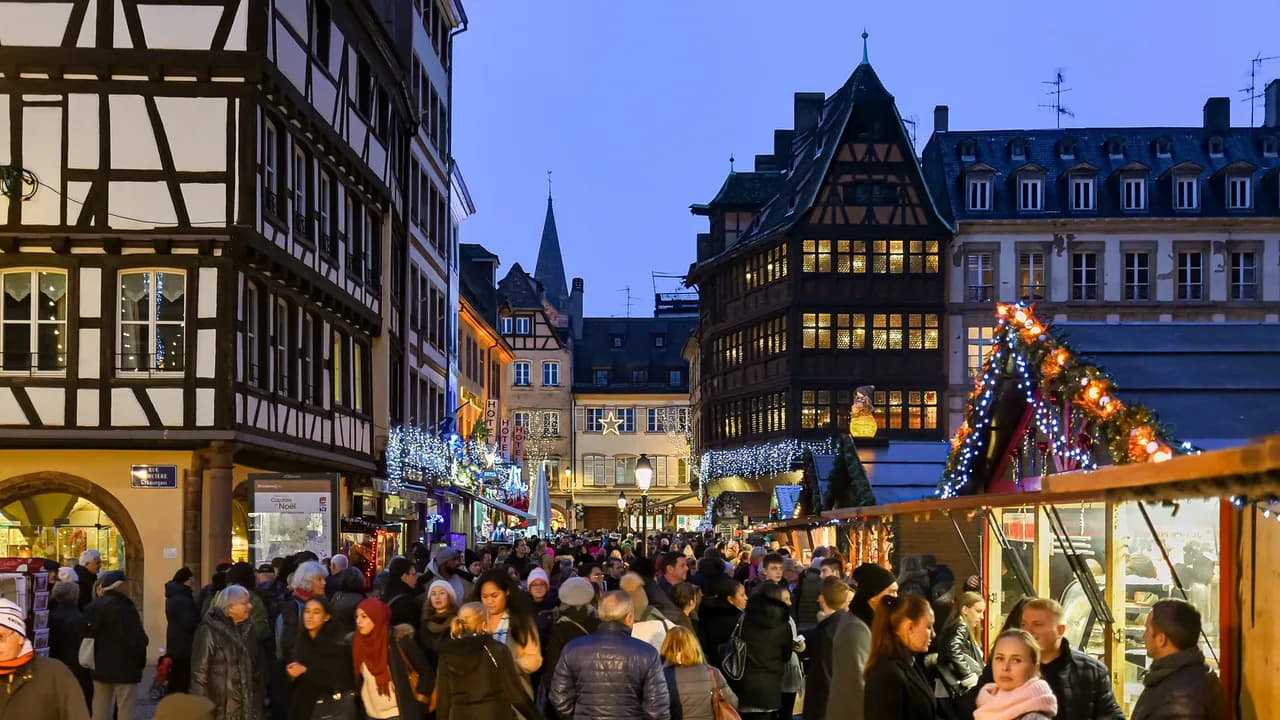
Place de la Cathédrale is the nerve centre of the old town, and its most striking building is the Maison Kammerzell at number 16, a half-timbered house fitted with 75 windows and decorated with mythological figures, animals and warriors. It was built for a wealthy cheese merchant and now holds a hotel and a restaurant with a direct view of the cathedral. Even if you do not eat there, the façade is worth two minutes of your time.
Place Gutenberg and Place Kléber
Place Gutenberg sits a few steps from the cathedral and carries a statue of the printer, who lived in the city from 1434 to 1444. The square was the city's political and administrative heart in the Middle Ages, and the Renaissance Chamber of Commerce building still stands on it. It is a short stop, but it explains how the free city governed itself.
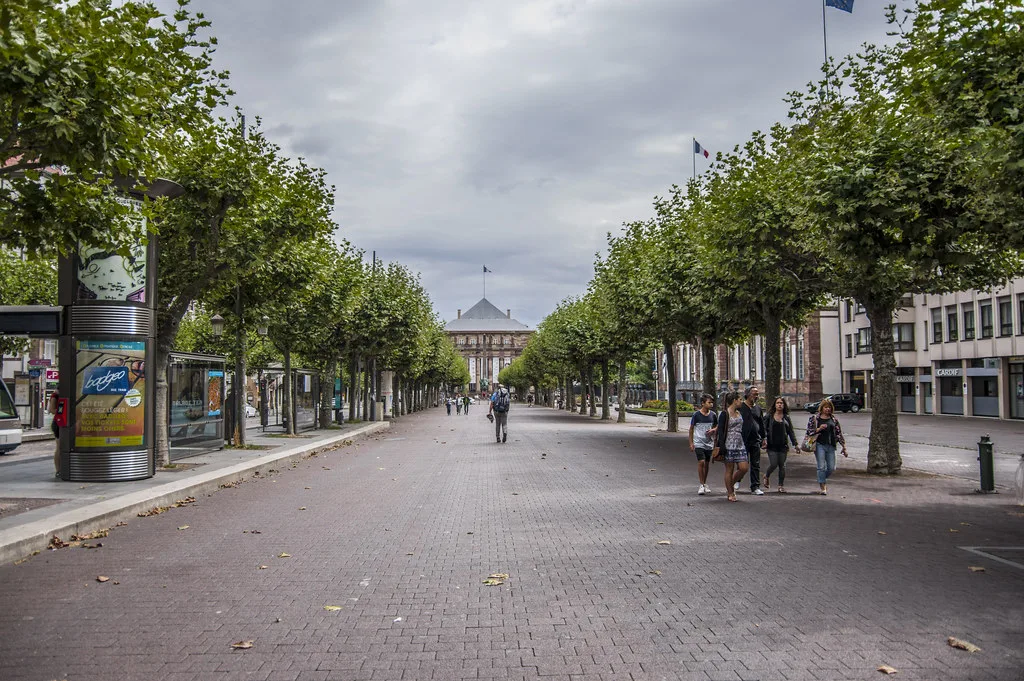
Place Kléber is fully pedestrianised, busy with fountains and named after a French general whose statue stands in the middle. The rococo and Art Nouveau buildings around it include the Aubette, a pink sandstone building from 1770. This is the square where the city gathers for big events, so expect the thickest crowds of the walk here rather than at the cathedral.
Palais des Rohan and its three museums
The Palais des Rohan on Place du Château is a classical princely residence that now holds three museums: archaeology, decorative arts and fine arts. The fine arts collection runs from early Italian and Flemish painting through to Goya and Delacroix, which is the strongest reason to go inside rather than photograph the courtyard. If your time is tight, the exterior and the courtyards cost nothing and take five minutes.
The decorative arts section occupies the ground floor and includes the cardinals' apartments, so it suits anyone more interested in interiors than canvases. Choosing between the three is the practical decision here; the archaeology collection covers Alsace from prehistory to the early Middle Ages, which appeals if you want context before Petite France.
Petite France: the tanners' and millers' quarter
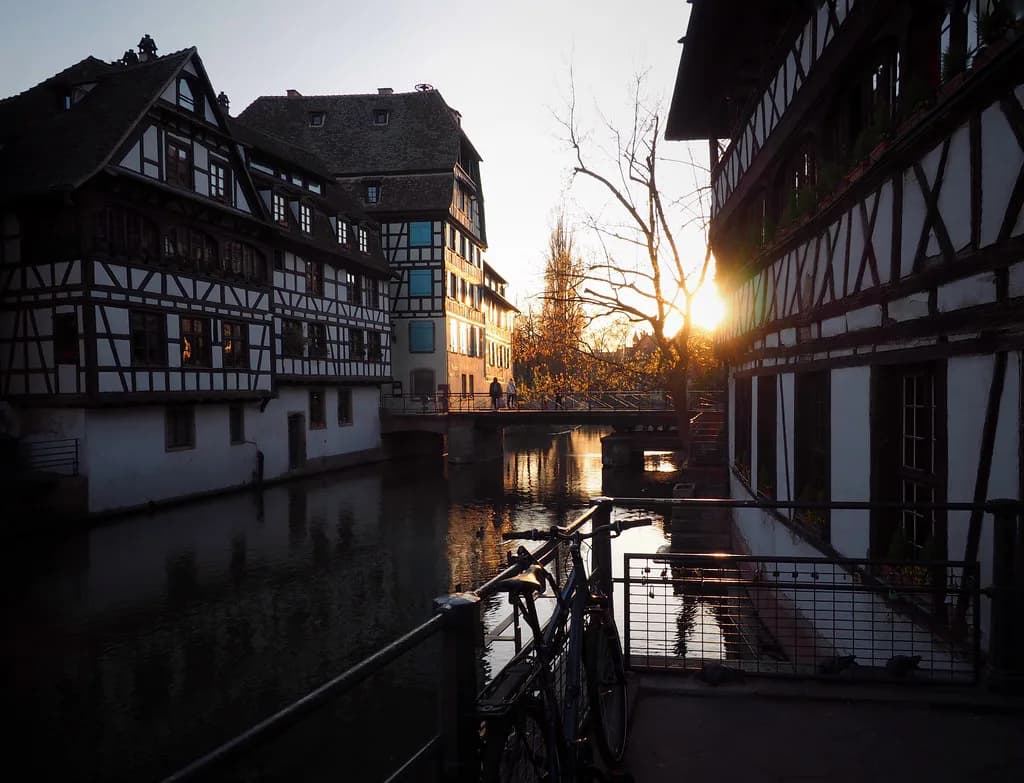
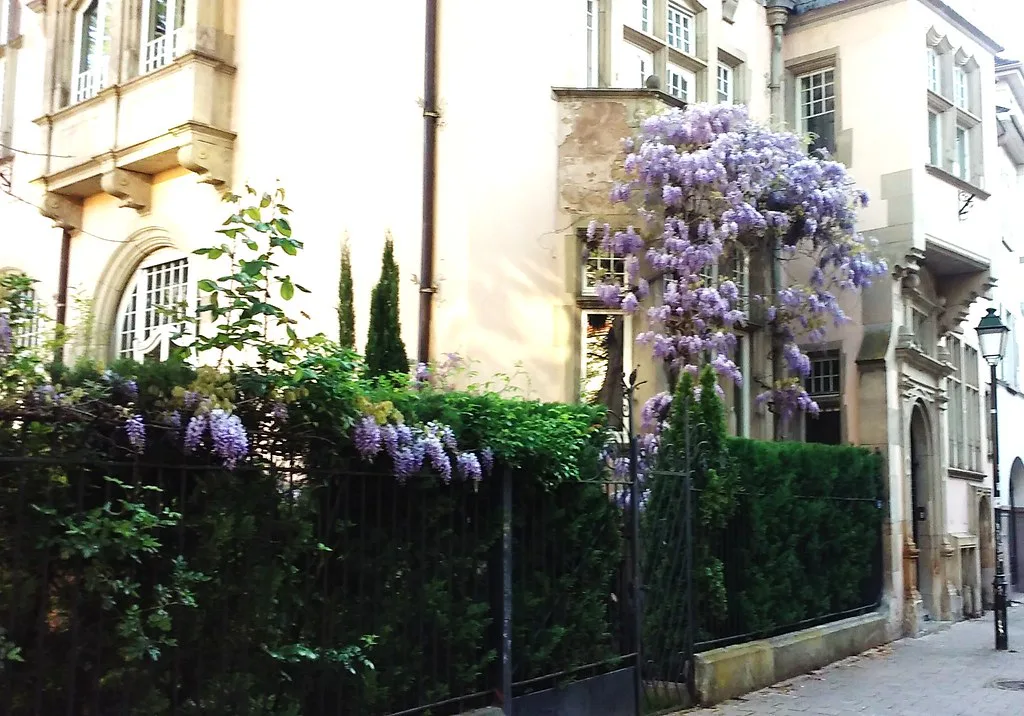
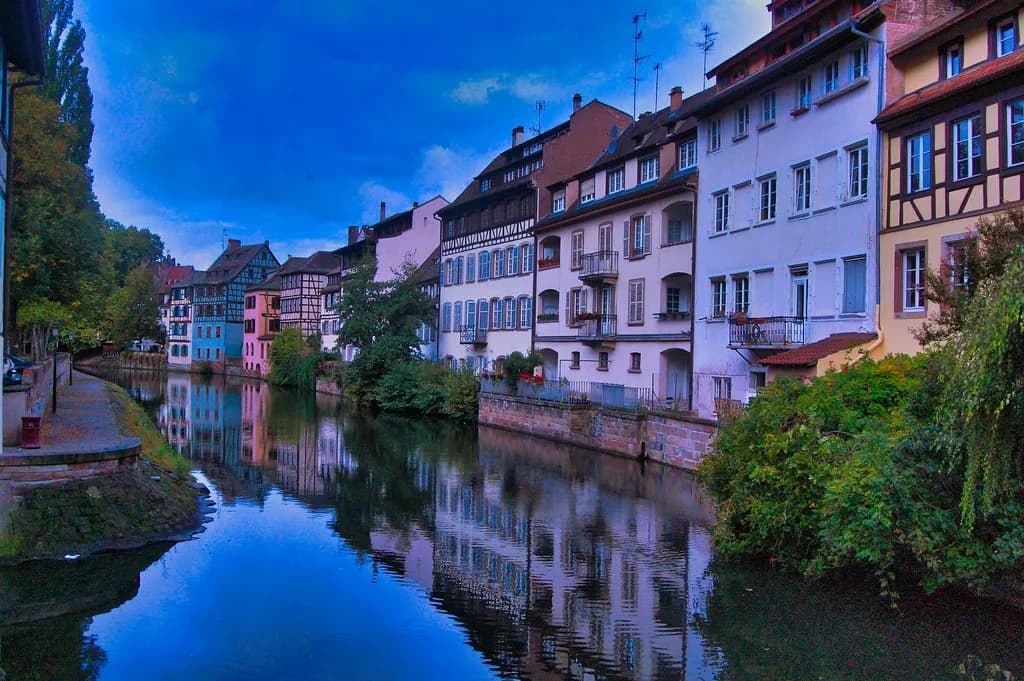
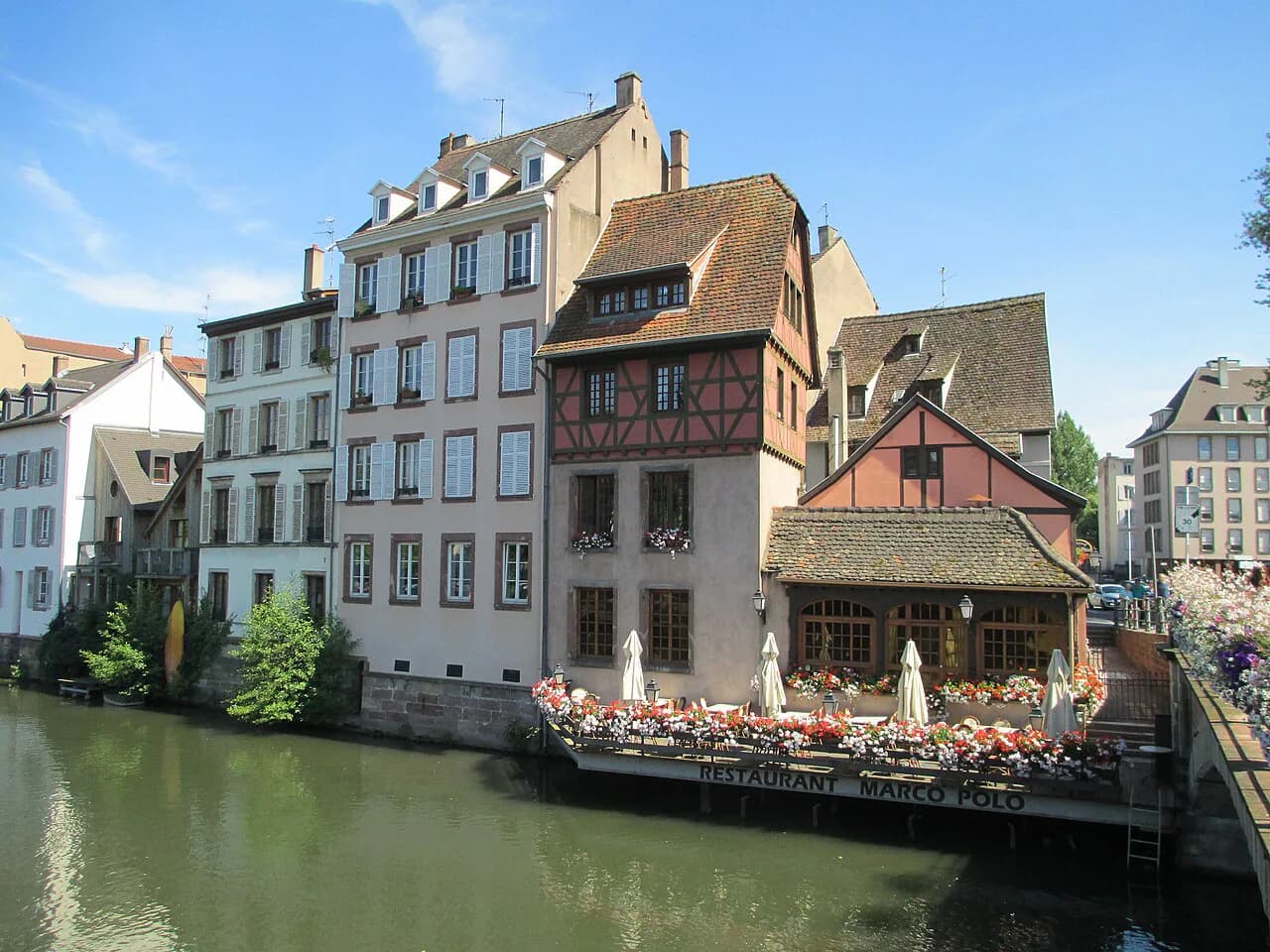
Petite France was where tanners, fishermen and millers worked, drawn by the river water, and the 1500s half-timbered houses with their sloping roofs have survived largely intact. The district is a pedestrian island dividing the river into five arms, which is why the light and reflections shift with every few steps. It is the most photographed corner of Strasbourg and earns the nickname Little Venice of the North.
This is the part of the walk that adds the most time, and it is also where a pause makes sense: a baguette and a coffee eaten beside the water is the classic Strasbourg break. Bakeries and cafés are tucked throughout the quarter, so buy before you sit rather than hunting for a table with a view. When you want a proper sit-down meal after the walk, our pick of the best restaurants in Strasbourg is a short hop away.
Les Ponts Couverts and the Vauban dam
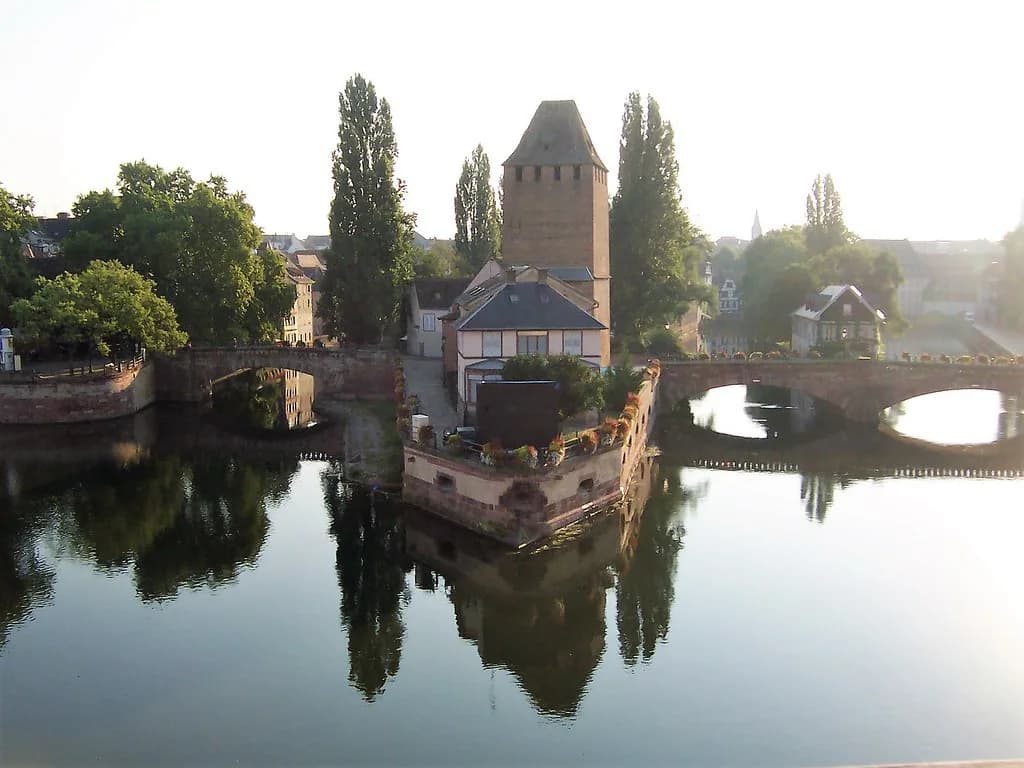
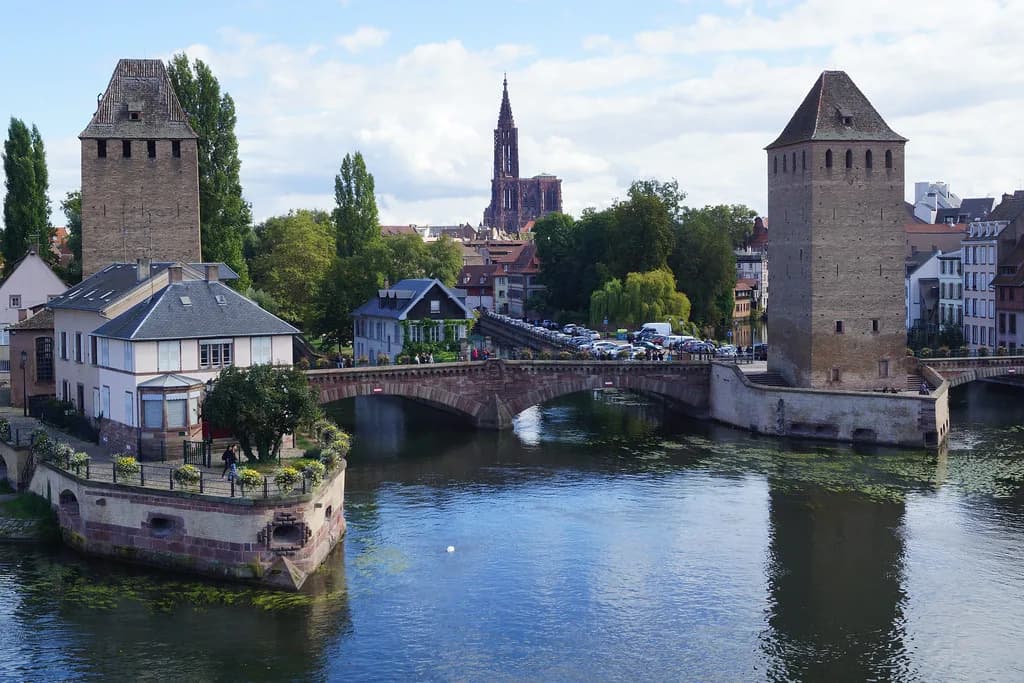
Les Ponts Couverts links three medieval fortified towers and once carried roofs, giving the bridges their name. Walk out for the view back across the canals, which is at its best in evening light. The Vauban dam stands directly opposite, and its belvedere at the top gives the widest view over the water.
The dam was designed so that closing its arches and sluices would raise the water level and flood the surrounding fields, trapping besieging armies in mud. That military logic is easy to picture once you are standing above the arches. It is one of the best short detours in the old town.
Musée Alsacien on Quai Saint-Nicolas
The Musée Alsacien occupies a 17th-century house on Quai Saint-Nicolas, with historic rooms linked by stairs and wooden walkways. Reconstructed interiors include a farm's stùb, kitchens and a pharmacist-alchemist's workshop, filled with thousands of original objects from rural Alsace in the 18th and 19th centuries. Tickets cost €7.50 in 2026, and the building itself does much of the work.
It is the right museum to choose if you want to understand the interiors you have been walking past all morning. The creaking floors and furnished rooms give a sense of daily life that the grand squares cannot. The Musée d'Art Moderne et Contemporain costs the same €7.50 in 2026 if you prefer the modern counterpoint instead.
The canal boat tour as an orientation tool
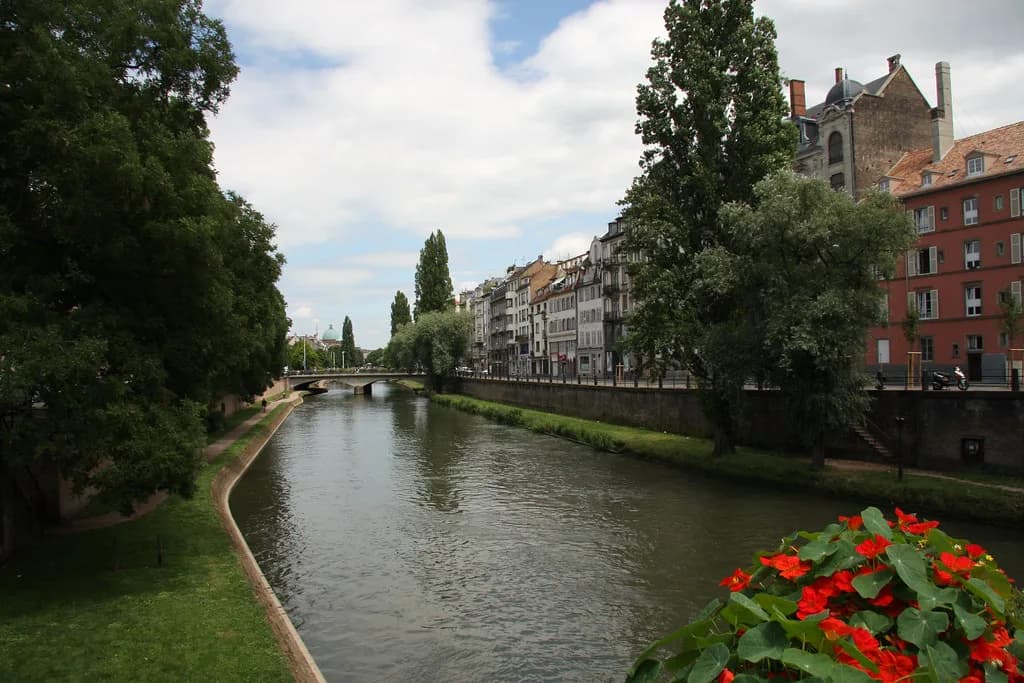
A canal boat tour is the quickest way to grasp how the river shapes the city, and several routes run from the historic centre out towards the European institutions. Commentary is offered in English, French and German, so you are not dependent on a single language. Take it early in your stay and the walking route afterwards makes far more sense.
The tour is covered by the Strasbourg City Pass, which helps if you are already buying it for the cathedral and a museum. Book through a local operator or the tourist office rather than relying on touts near the landing stages, and check the day's departure times when you arrive.
Practical trade-offs: crowds, steps and shoes
The two physical costs of this walk are the 332 cathedral steps and the cobblestones, both of which punish thin soles. Wear proper shoes and decide early whether the terrace climb is for you, because the staircase is one-way traffic in parts and there is no shortcut down. Anyone with knee trouble should enjoy the view from the Ponts Couverts instead.
Place Kléber draws the heaviest foot traffic, particularly around the fountains and the Aubette, so walk it in the morning if you want photographs without a crowd. Petite France is quieter early and busiest in late afternoon. The Christmas market brings millions of extra visitors over the season, and the city fills accordingly, so book travel well ahead and expect the old town to be slower going.
Free things and where paying is worth it
The cathedral interior, Place Gutenberg, Place Kléber, Petite France, the Ponts Couverts and the Vauban dam belvedere all cost nothing, which means a satisfying day out is possible without buying a single ticket. Put your money into one paid experience rather than scattering it: the cathedral terrace at €10 in 2026 or one museum at €7.50 give the best return.
Whether Strasbourg suits your style of short break at all is worth settling before you plan the days out. It is calm, walkable and noticeably smaller than Paris, which is exactly the appeal for a weekend.
Fitting the old town into a weekend
On a one-day visit, run the cathedral, the two main squares and Petite France in that order and stop there; the museums and the boat tour need a second day. On a two-day weekend, put the cathedral and squares on the first afternoon, then give the second morning to Petite France, the Musée Alsacien and the Vauban dam. Keep the evenings free for the canals, which look best after the day-trippers leave.
Plan Your Visit
Strasbourg's old town rewards a simple plan: cathedral and squares in the morning, Petite France and the bridges in the afternoon, and one museum or the terrace climb rather than both. Check current opening times for the cathedral, the museums and the boat tours before you travel, since the clock display and seasonal crowds set the pace.
Explore more Strasbourg guides
Frequently Asked Questions
How long does it take to walk Strasbourg old town?
A half day covers the cathedral, Place de la Cathédrale, Place Gutenberg and Place Kléber. Add Petite France, the Ponts Couverts and the Vauban dam and you need a full day, with more time again if you go into a museum or climb the cathedral tower.
What is there to see in Strasbourg old town?
The main sights are Cathédrale Notre-Dame-de-Strasbourg, the Maison Kammerzell on Place de la Cathédrale, Place Gutenberg, Place Kléber, the Palais des Rohan, Petite France, the Ponts Couverts and the Vauban dam. The Musée Alsacien and the Musée d'Art Moderne et Contemporain are the two smaller museums closest to the walking route.
What is Strasbourg old town famous for?
It is known for its pink sandstone Gothic cathedral, the half-timbered houses and canals of Petite France, and the Franco-German character that comes from the city's history as a border town. The astronomical clock and its 12.30pm display draw a daily crowd inside the cathedral.
Is Petite France part of the old town?
Yes. Petite France lies on the Grande Île within the historic centre, a short walk south-west of the cathedral square. It was the tanners', fishermen's and millers' quarter, and its 1500s houses and canals make it the most photographed part of the walk.
How much does it cost to climb Strasbourg Cathedral?
The climb to the terrace is ticketed and involves 332 steps up a spiral staircase, so check the cathedral's own price list for the current adult rate before you go. The Strasbourg City Pass reduces the climb to half price and also covers the astronomical clock, the canal boat tour and one museum of your choice over three consecutive days.
Is the Strasbourg old town walkable?
The whole historic centre sits on the Grande Île and is flat and compact enough to cross on foot in under half an hour, so a walking route between the cathedral, the squares and Petite France is the natural way to see it. Cobblestones and the cathedral staircase are the two things to prepare for.
Sources
Notes for French city breaks
Optional updates to our guides.
You might also like
Continue reading
More guides you'll find useful