Best Time to Visit Strasbourg: A Season-by-Season Guide
Find the best time to visit Strasbourg by season, with honest trade-offs on weather, crowds and what is open, so you can pick the month that suits your trip.
On this page
The best time to visit Strasbourg depends entirely on which trip you want. For mild weather and long days of sightseeing, aim for April through September, when the city is at its most comfortable and also at its busiest. For atmosphere, December and its Christmas markets win, at the cost of peak visitor numbers and short daylight.
The months to think hardest about are July and August, which are warm, lively and crowded, and January to March, which are cold, quiet and cheapest. Between them, late spring and early autumn give the best balance for a two- or three-day break, and the things to do in Strasbourg line up well with either. This guide separates what happens in Strasbourg from the wider Alsace season, so a plan that includes Colmar or the Wine Route is not misled.
The short answer: which months suit most weekend breaks
For most UK, US and Irish weekenders, the sweet spot is late spring to early summer or September into mid-October. Days are pleasant, the city is walkable in comfort, and you are not fighting the deepest crowds. Late spring to mid-summer is the most reliable window for good weather, and tourism peaks from April through August.
If the Christmas markets are the reason for the trip, plan late November or December instead and accept that this is peak season. If budget and breathing room matter more than sunshine, January to March is the quiet, cold and cheap option. The trade-off is simple: warm months bring company, and quiet months bring short daylight and a chill.
How Strasbourg's seasons work
Strasbourg sits in Alsace, which has a semi-continental climate: cold, dry winters, hot and stormy summers, and comparatively little rain thanks to the shelter of the Vosges mountains. That makes summer genuinely warm rather than merely mild, and winter properly cold rather than damp and grey like much of northern France.
The wider region's seasonality does not map perfectly onto the city. Autumn is grape-harvest time across the Wine Route, which affects vineyards more than Strasbourg's streets, and the Vosges mountains run their own winter season with skiing and snowshoeing when snow allows. If your plan is a city break, read Strasbourg's crowds and weather first and treat the Alsace calendar as a bonus.
Spring (April to June): mild days and growing crowds
Spring is one of the most rewarding times to be in Strasbourg. From April to June the vines turn green, the villages bloom and temperatures stay comfortable rather than hot, so you can spend whole days outside without wilting. This is also when visitor numbers start climbing toward the summer peak.
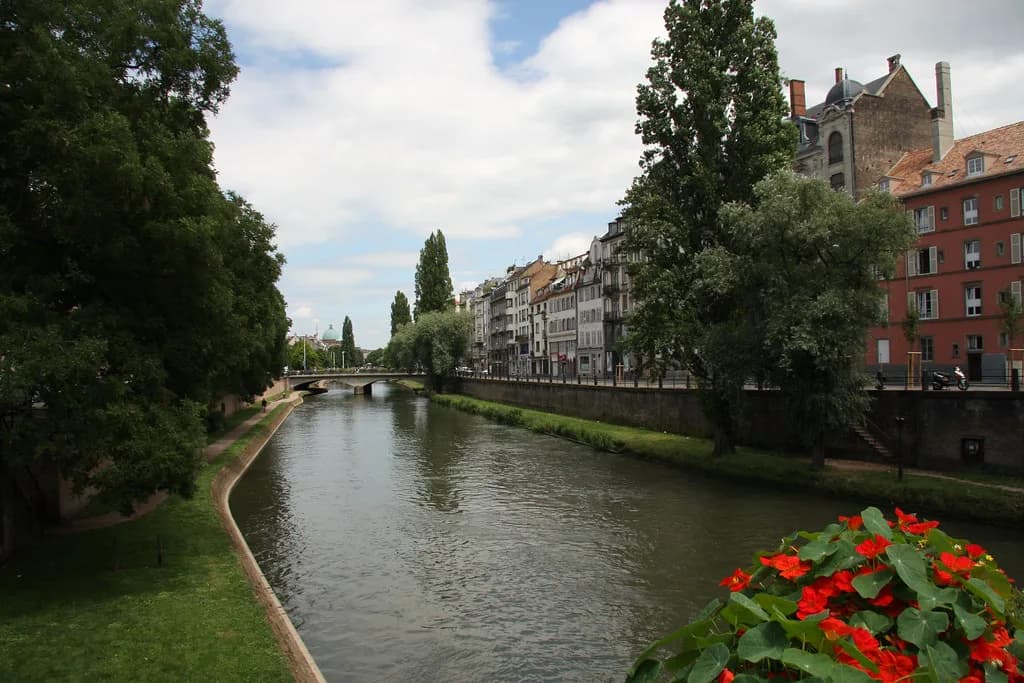
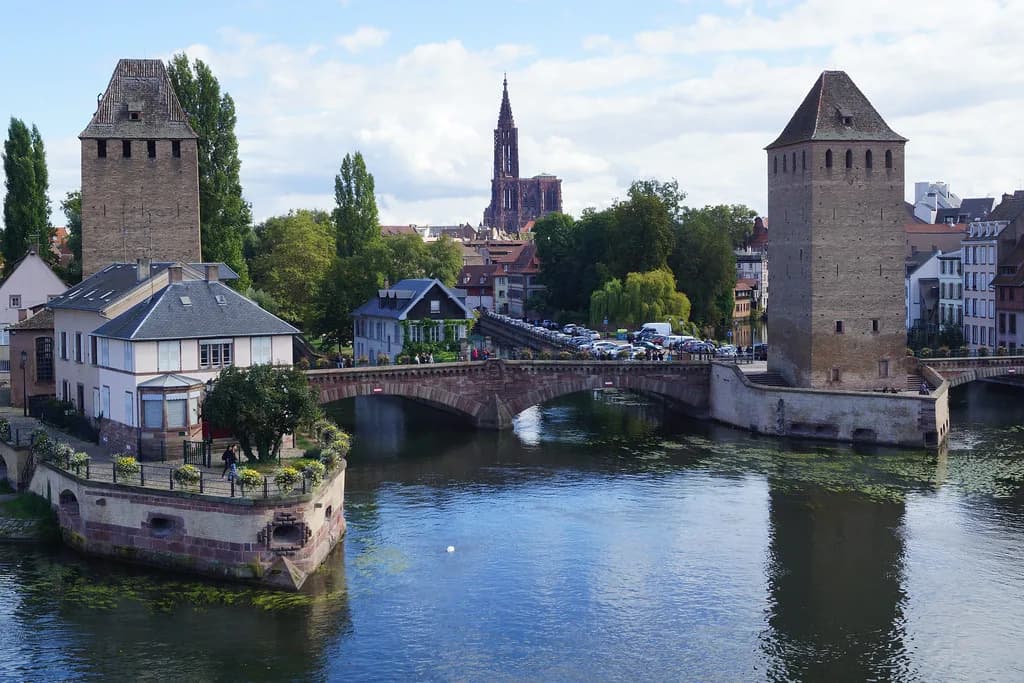
Early April is the one weak spot: the Wine Route can still look bare before the vegetation returns, though the city itself does not depend on vines to look good. For a Strasbourg city break, late April through June is the safer bet. The cathedral, the old town and the canals are the obvious anchors for a spring visit, and a structured plan helps you use the longer evenings well.
Summer (July and August): warm, busy and lively
July and August are the high tourist season in Alsace, and Strasbourg feels it. The weather is generally good and very warm, the region is in full bloom and the terraces are full. If you want guaranteed warmth and long evenings, this is your window, but book accommodation and any timed entry well ahead.
The honest trade-off is crowds and heat. If the city gets too stifling, the Vosges mountains are the traditional escape, though that is a day out rather than a Strasbourg activity. For a two-day visit, summer works best if you start early, take a long lunch and save the outdoor wandering for the evening.
Autumn (September to October): the best-balanced window
September is the strongest all-round month for a Strasbourg weekend. The weather stays pleasant well into October, temperatures are cooler than in summer, and the harvest gives the surrounding countryside its colour. You get good conditions without the peak-season crush.
October is more of a gamble: it can be lovely or quite rainy, depending on the year. One regional quirk worth knowing is that during the harvest the winemakers may not be free and the vineyard trails close, which matters if you planned to spend time among the vines rather than in the city. For Strasbourg itself, September into mid-October is the best-balanced window on the calendar.
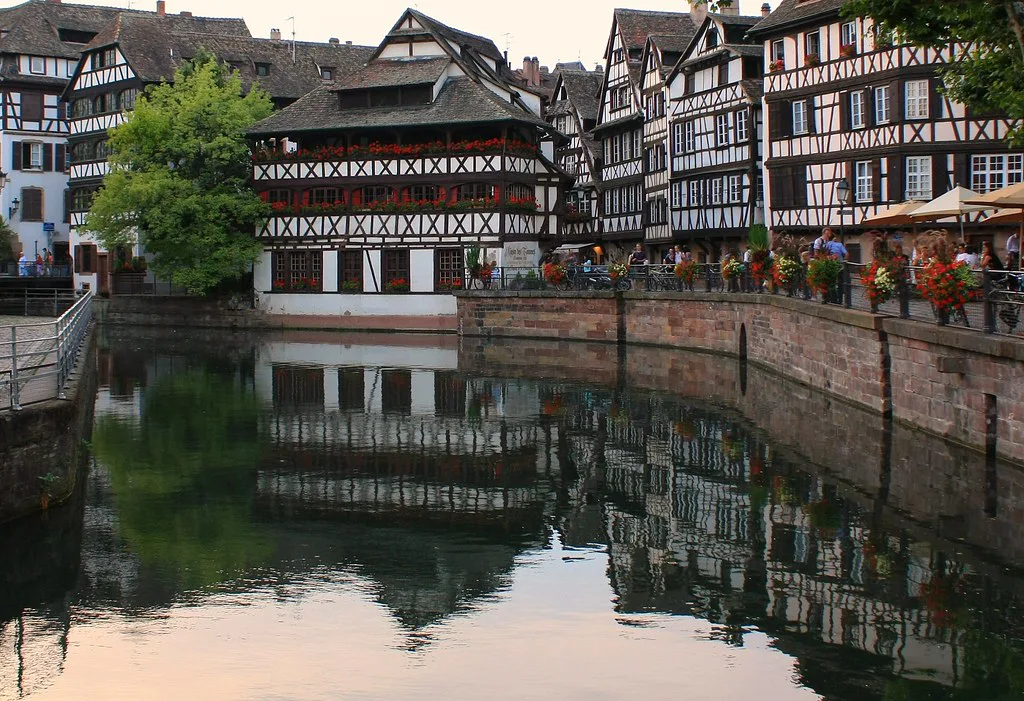
The run-up to Christmas (late November and December): peak season and Christmas markets
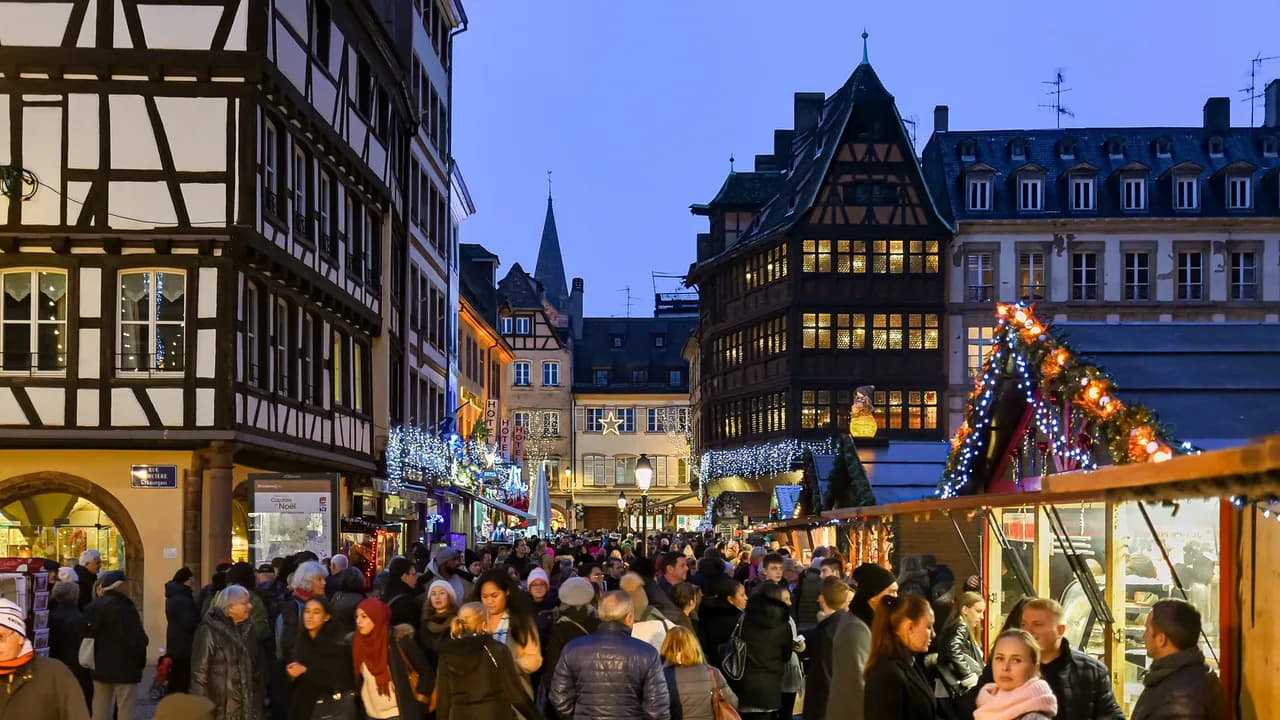
Late November and December are when Strasbourg becomes a Christmas destination. The markets usually open on the last weekend of November, and through December the city is decorated, busy and expensive. This is the peak tourist season, so book transport and accommodation early rather than leaving it late.
Late December needs care. Most Christmas markets close on Christmas Day, and between Christmas and New Year you will find only some of them open, so the days right around the holiday are the trickiest for a markets-focused trip. The city decorations and lights remain, which makes those dates workable for atmosphere but less so for market browsing.
If you are coming for the markets, pair them with the indoor draws so a cold or drizzly day still works: the museums cluster around the Palais Rohan, which gives you a warm and substantial morning. Build the stalls into the afternoon and evening rather than treating them as the whole point of the trip.
January to March: quiet, cold and cheap
January through March is the off-season in Alsace. Strasbourg is quiet, prices are lower and you will not queue for much, but the weather is cold and dry, the vegetation is absent and some places are closed. If your priority is an affordable, unhurried city break rather than scenery or markets, it can work well.
Be realistic about daylight and what a short winter day does to a sightseeing plan. A two-day visit in February is fine if you concentrate on the compact centre and indoor sights, but it is a poor fit if you wanted long walks and canal-side afternoons. November sits just before the markets open and is the weakest month in the Alsace calendar.
Which month fits your trip (weather-led, crowd-led, budget-led)
If weather leads the decision, target May, June or September. If avoiding crowds matters most, choose late January or February and accept the cold and short days, or aim for the edges of the shoulder season in April and October. If the Christmas markets are the point, accept that December is the busiest and most expensive time and book accordingly.
Budget-led travellers get the best value in the quiet winter months, when demand is lowest. The city is compact, and a well-planned Strasbourg itinerary fits neatly into two or three days whatever the month, so timing becomes about comfort and atmosphere rather than needing a longer stay.
If you are weighing Strasbourg against other French cities, the same logic applies elsewhere: Provence and Avignon have their own seasonal rhythms and different peak windows, so decisions made for Alsace do not automatically transfer. It is worth comparing the best time to visit Aix-en-Provence if you are choosing between a northern and a southern weekend.
How many days to allow and when to book
Two full days covers the cathedral, the old town and a museum or two; three days lets you slow down and add markets or a longer meal. Because Strasbourg is compact, the length of the trip should not dictate the month. Instead, pick the month first, then size the itinerary to it.
Book well ahead for December and for July and August, when the city fills up. For spring and autumn, a few weeks is usually enough, and winter is the most forgiving of late planning. If you are still unsure whether the city earns a full weekend, an honest verdict on whether Strasbourg is worth visiting helps you commit before you book.
What to pack for your chosen season
Spring and autumn need layers: mild days but cool evenings, and October can turn wet. Summer calls for light clothing, sun protection and a plan to escape the heat at midday. Winter needs a proper coat, and for December add gloves, a hat and footwear that copes with cold, damp market streets.
Whatever the month, build some indoor slack into the plan. A museum morning is the natural fallback when the weather turns, and Strasbourg's museums give you that option without wrecking the day.
Common mistakes when timing a Strasbourg break
The most common error is treating December as simply festive without checking which days the markets actually run, especially around Christmas itself. The second is assuming summer is always comfortable: July and August can be hot, and midday can be draining. The third is expecting a quiet, budget winter break to still deliver the scenery of May.
Another slip is planning a trip around the Wine Route or Colmar without adjusting for the harvest, when winemakers may be unavailable and vineyard trails closed. Keep Strasbourg's city break and the wider Alsace season in separate mental boxes, and the timing decision gets much clearer.
Pick Your Month, Then Book
Strasbourg works year-round, but the month should follow from the trip you want. Choose May, June or September for the best weather-to-crowds balance, July and August for guaranteed warmth and a lively city, late November and December for the Christmas markets, and January to March for a quiet, cheap and cold break.
Once the month is set, the rest is straightforward: two or three days, a compact itinerary and early booking for peak periods. If food is part of the plan, look at the best restaurants in Strasbourg once you know your dates, so reservation timing and season match your plans.
Explore more Strasbourg guides
Frequently Asked Questions
What is the best month to visit Strasbourg?
September is the strongest all-round choice: the weather is still pleasant, temperatures are cooler than midsummer, and the peak-season crowds have eased. May and June are close behind. December is the best month for the Christmas markets, but it is also the busiest and most expensive time to be in the city.
Is Strasbourg better in summer or winter?
Summer, from July and August, gives you warm weather and long, lively evenings, at the cost of the heaviest crowds and sometimes stifling heat. Winter is cold and quiet outside December, when the city becomes a Christmas destination. If you want comfort rather than atmosphere, late spring and early autumn beat both.
How many days in Strasbourg is enough?
Two full days cover the main sights, and three days let you slow down and add a museum day or a longer meal. The city is compact, so timing your trip matters more than stretching it. If you plan around the Christmas markets, allow an extra half-day for browsing.
Is Strasbourg expensive to visit?
Demand, not the city, drives the price. December and the summer months are the busiest, while January to March is the off-season when the city is quieter and cheaper. Book transport and accommodation early for the peak periods rather than expecting late bargains.
Is Strasbourg or Colmar nicer?
They serve different trips. Strasbourg gives you a full city with a cathedral, museums and a compact old town, while Colmar is a smaller Alsace base for the Wine Route and villages. If your plan centres on the vineyards, the Colmar side of the region makes more sense, especially around the harvest.
Does Strasbourg get snow in December?
Alsace has cold, dry winters, and the Vosges mountains are where skiing and snowshoeing happen when snow allows. Whether Strasbourg itself has snow in any given December is not something to plan around. Treat December as reliably cold and book for the Christmas markets rather than the weather.
When do the Strasbourg Christmas markets open?
The markets usually open on the last weekend of November and run through December. Most of them close on Christmas Day, and between Christmas and New Year only some are open, so the final days of December are not the time for a full market tour.
Is November a good time to visit Strasbourg?
November is the weakest month in the Alsace calendar, before the Christmas season lifts the city, so it suits neither warm-weather sightseeing nor markets. Late November is the exception: once the markets open, the city changes character. Early November is the month to avoid if you have a choice.
Sources
Notes for French city breaks
Optional updates to our guides.
You might also like
Continue reading
More guides you'll find useful