Best Time to Visit Saint-Tropez: Season-by-Season Guide
Choose the best time to visit Saint-Tropez with a season-by-season look at weather, crowds, prices and what stays open, plus the Saturday Place des Lices market.
On this page
For most weekenders the best time to visit Saint-Tropez is late spring or early autumn: mild days, a working town and a calmer port. If your priority is a low-priced, near-empty Saint-Tropez, winter delivers quiet streets and blue skies, but most hotels shut for the season and reopen between the end of March and mid-May. If your priority is long, hot beach days and a buzzing harbour, summer is the answer, at the cost of crowds and peak-season rates.
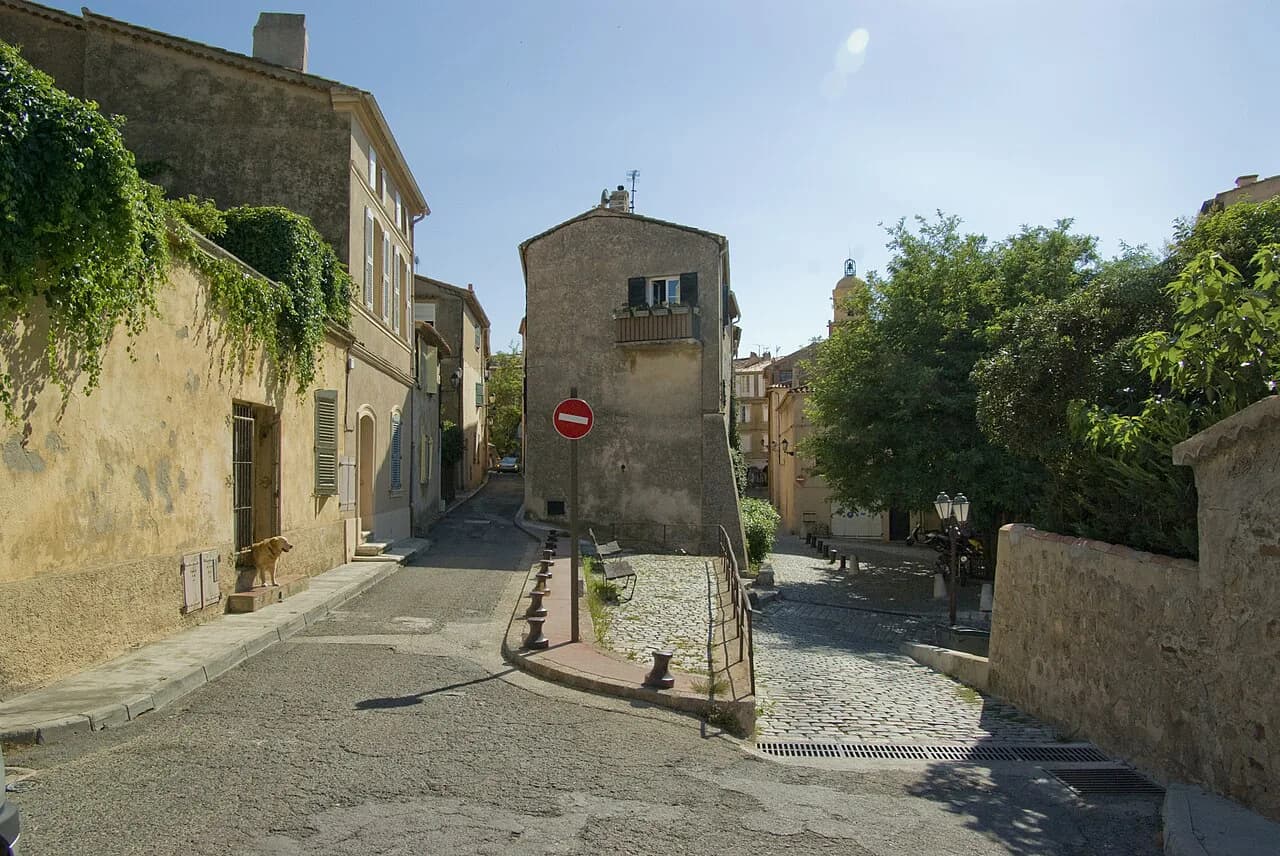
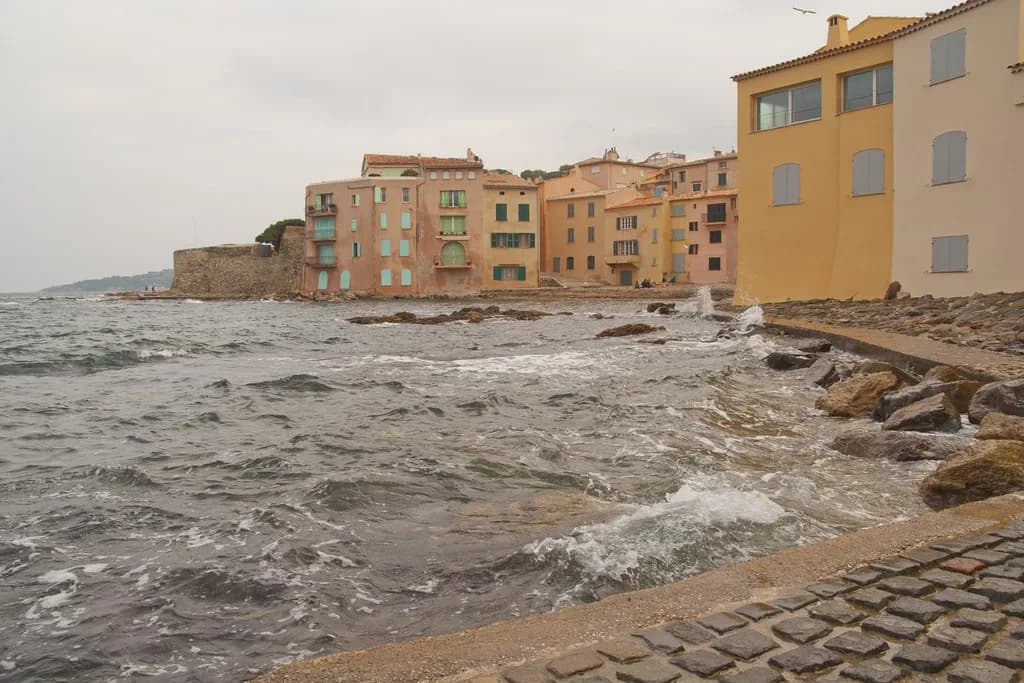
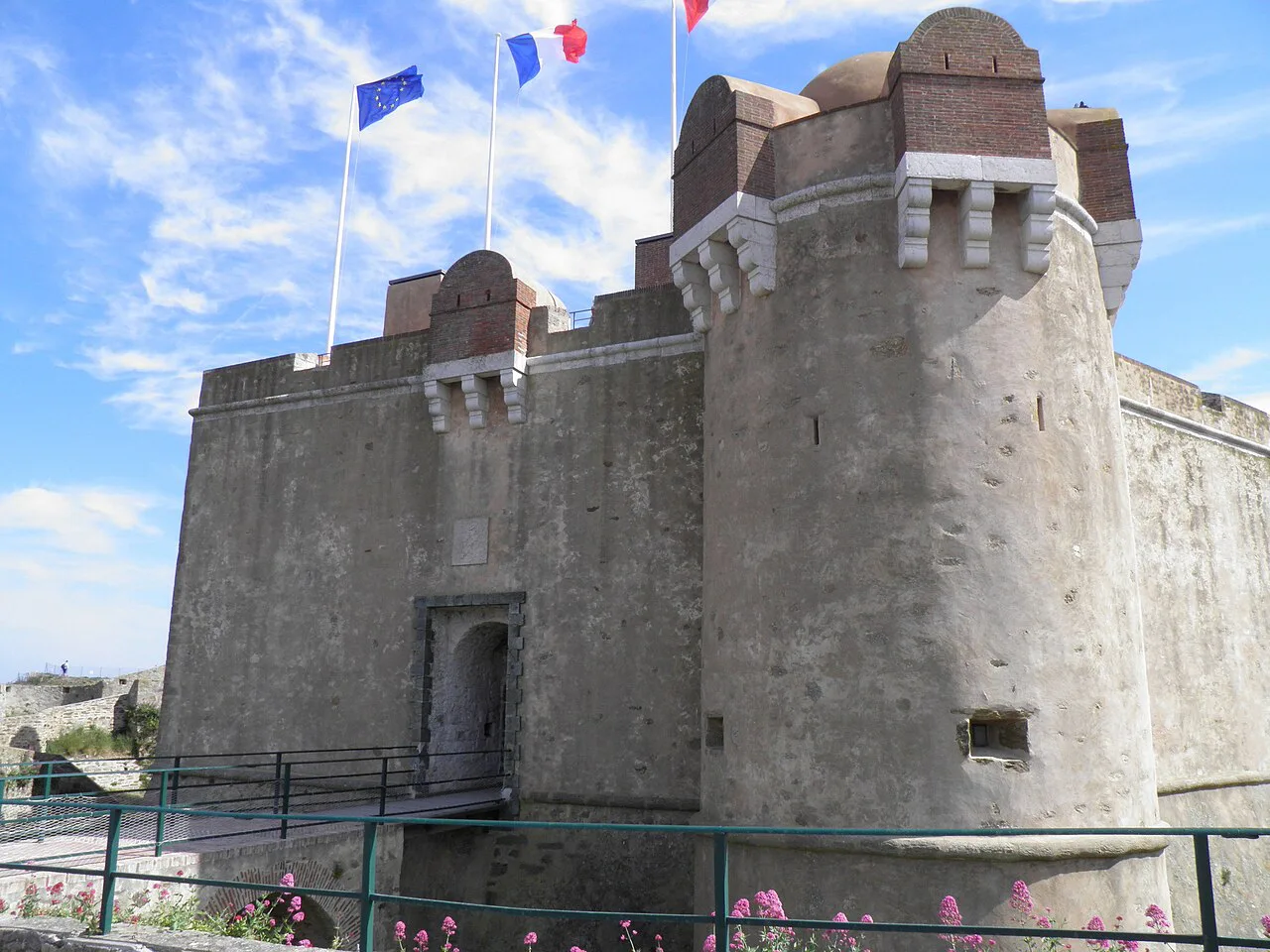
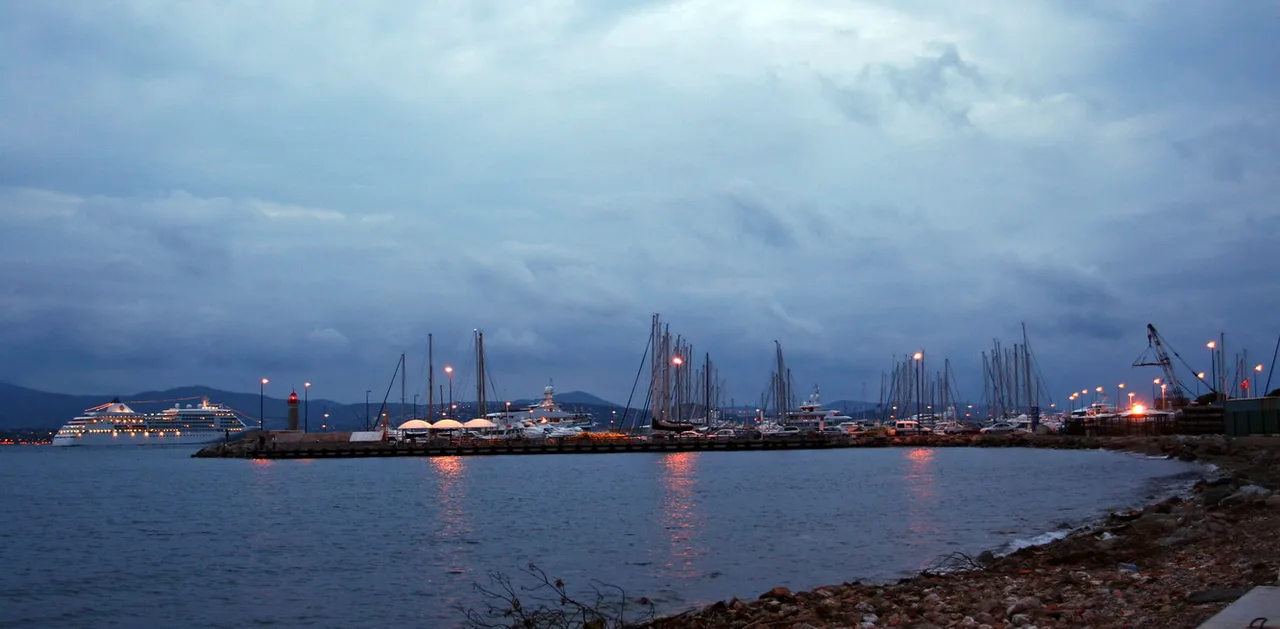
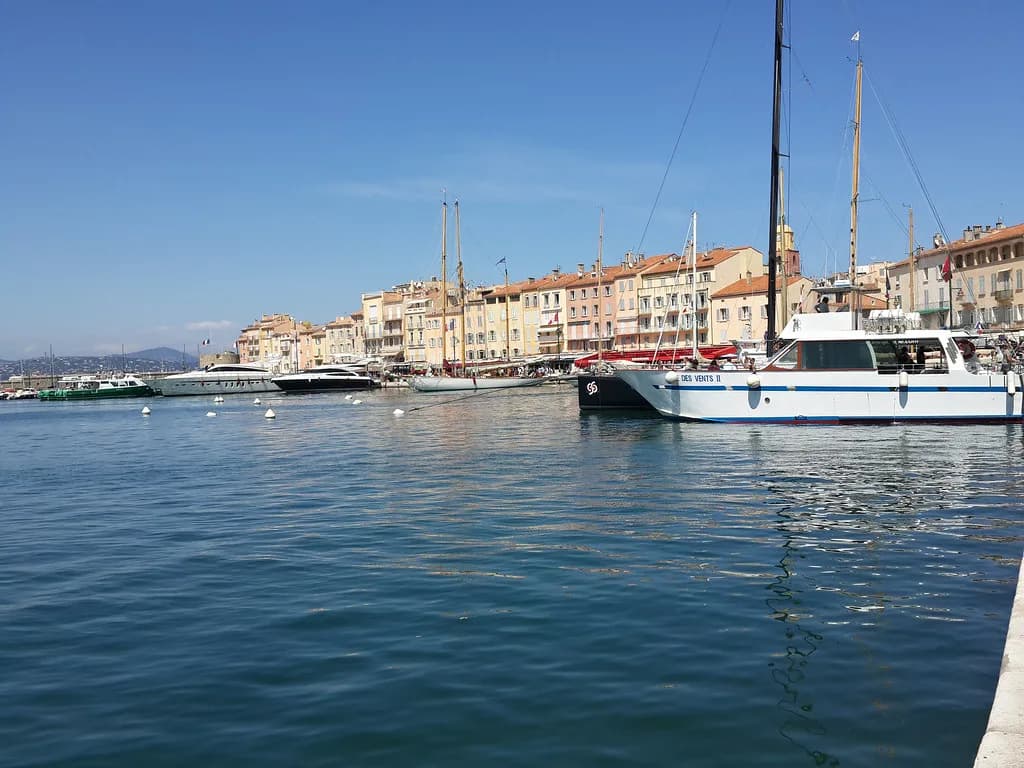
The town's shape helps you plan. The old town and the Vieux Port sit at the southern tip of the Golfe de Saint-Tropez, Pampelonne Beach lies a few kilometres east around the headland, and the Sentier du Littoral leaves from the ramparts. A weekend of two full days covers the port, the old town and either the beach or part of that coastal path; three days lets you add the Saturday Place des Lices market without rushing.
The short answer: which months suit which trips
Late April through June and September through October give you the most balanced Saint-Tropez: you can walk the old town and the port in comfort, spend time outdoors and eat well, without the crush of high summer. April is singled out for mild, sunny weather that suits strolling, so a spring weekend is a reliable choice for sightseeing rather than sunbathing.
July and August are for heat-seekers, beach-club life and long evenings on the port; expect the busiest streets and the highest rates of the year. Winter suits travellers who want solitude, a lower-cost stay and a couple of hours of coastal walking rather than swimming, but you trade away a lot of choice on the restaurant and hotel side. If you are weighing whether the town justifies any of these trips, read is Saint-Tropez worth visiting before you lock in a season.
How Saint-Tropez's seasons actually differ
Saint-Tropez's season is defined less by temperature than by what stays open. In winter, average daytime temperatures sit around 15°C with nights down to about 5°C, and the town averages around seven hours of sunshine a day, so the skies can be beautiful even when the streets are half-empty. The catch is structural: most hotels close for the winter and do not reopen until the end of March, mid-April or even mid-May, and much of the dining and beach-club scene goes with them.
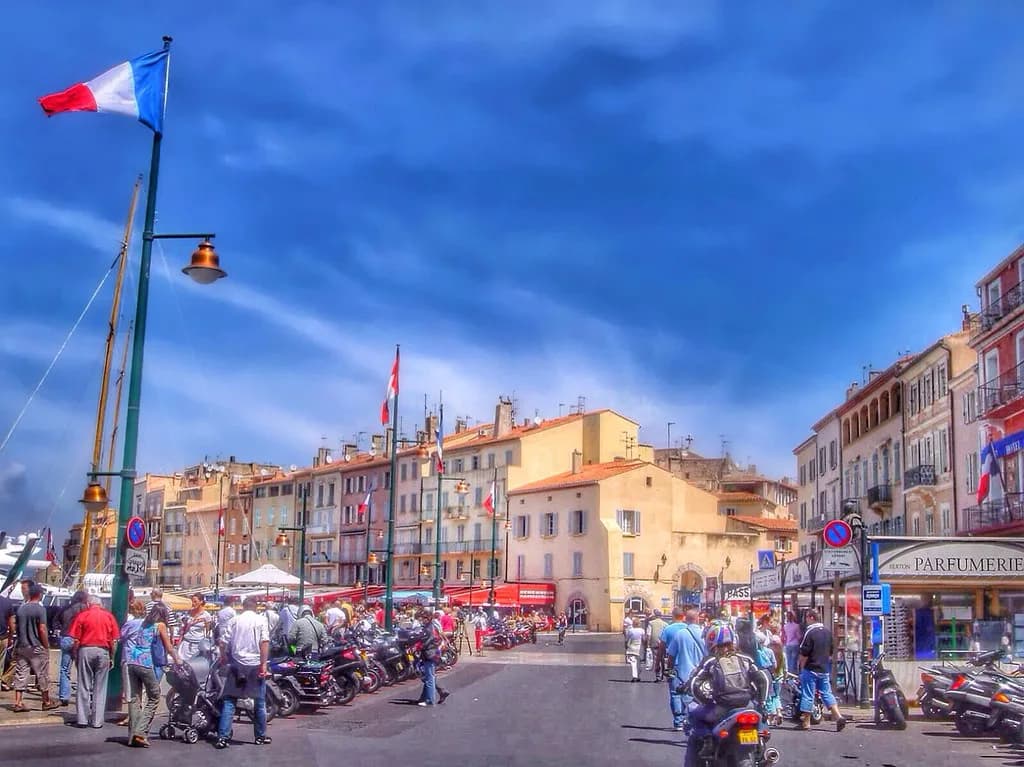
High summer flips that equation. The town is fully open, the beach clubs at Pampelonne are running, and the port is at its liveliest, but you share it all with the largest crowds and pay the year's highest rates. Spring and autumn sit in between: enough open to eat and shop sensibly, quiet enough to enjoy the Vieux Port without queuing for a table. Even in October, the port still works as a base for wandering, which is where Saint-Tropez in october comes in.
Winter: quiet streets, low prices and limited openings
Winter in Saint-Tropez means a town that keeps its looks but sheds its crowd. Days can be clear and bright, and the empty quays and shuttered boutiques have a charm of their own; a walk along the coast or a slow lunch becomes the main event rather than shopping or swimming. The trade-off is real: several of the town's prestige hotels simply close, and the ones that remain open can be the only game in town for dinner.
Cost is where winter pays you back. A stay that costs about €1,500 a night in high summer was being offered at dramatically cut rates in the off-season at the town's top-end properties, according to a 2025 winter guide, which also names La Bastide de Saint Tropez and Pan Deï Palais as options that stay open. Treat that figure as a historical high-season benchmark, not a quote for your dates, and confirm availability and rates with the property when you book.
Eating out in winter is possible but leaner. Restaurants along the old port specialising in fish tend to stay open through the low season, so a seafood lunch or a bouillabaisse is a safe bet, while beach clubs at Pampelonne are largely closed and the sand is best used for walking. Plan your weekend around one or two long meals and a coastal walk rather than a packed itinerary.
Spring: mild days and the town waking up
April is the pivot month. Weather turns mild and sunny enough for unhurried strolling along the port and through the lanes, and the town starts to function again after the winter shutdown. Some hotels only return at the end of March, mid-April or mid-May, so spring weekends can vary a lot depending on your exact date; aim for the later part of the season if you want the widest choice of places to eat and stay.
Spring is also the season to walk. The Sentier du Littoral, picked up by the ramparts, threads past rocky coves and quiet bays, and the full route takes five or six hours, which suits a long spring day far better than a hot August afternoon. The sea will still be brisk, so treat this as a walking and looking trip rather than a swimming one.
Summer: heat, crowds and peak-season prices
Summer is Saint-Tropez at full volume: hot days, warm sea, packed terraces and a harbour full of boats. Pampelonne Beach and its clubs are in full swing, and the old town lanes are at their busiest from morning to late evening. This is the season to book well ahead and to accept that the best tables and the most convenient slots go first.
It is also the most expensive time to come. Rates and demand peak alongside the crowds, which is exactly why off-season travellers find the same prestige addresses at a fraction of the summer price. If your budget is fixed, summer is the season to compromise on location or length of stay rather than on timing. For a sense of what your money buys at each point in the year, see is saint-tropez worth visiting.
Autumn: warm seas and a calmer old port
September and October give you most of summer's warmth with a fraction of the pressure. The sea holds its heat from the long summer, the light softens, and the Vieux Port and old town become pleasant to wander again after the August scrum. It is the strongest season for a first visit if you want to see Saint-Tropez as a town rather than as a resort at full tilt.
Use October for a slow weekend built around food and walking. The coastal path is comfortable in autumn temperatures, and the town's classic dishes — anchoïade, pissaladière, bouillabaisse and tarte tropézienne — taste better when you are not fighting for a table.
Weather month by month: what to expect
Treat the numbers as typical conditions, not a forecast. Winter averages around 15°C by day and 5°C at night with roughly seven hours of sunshine daily, which makes December to February brighter than most British visitors expect but cold once the sun drops. Spring and autumn are the comfortable middle, and summer brings genuine heat that pushes most activity to mornings, late afternoons and the water. Match your month to the activity, not the other way round.
Because the climate varies more than the calendar suggests, the sensible approach is to fix your trip on what you want to do — walk, swim, eat, shop — and then pick the month. A July beach trip and a February walking trip are both good holidays; they are just different ones. If you are comparing towns in the region for a similar weekend, best time to visit gives you a parallel view.
When the Place des Lices market runs
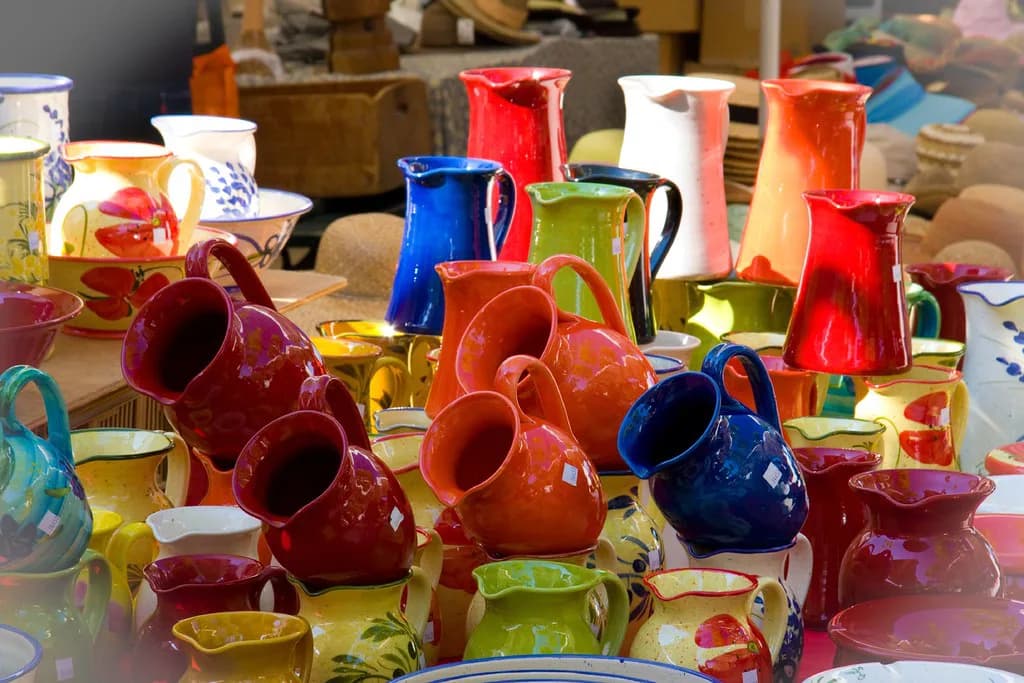
The market in the Place des Lices is the one fixed appointment worth building a weekend around. It runs on Saturday mornings from 08:00, with local produce alongside clothing, gifts, art and antiques, so a Saturday arrival or a Friday-to-Sunday stay puts it within easy reach. Confirm the current schedule locally before you rely on it for a specific date.
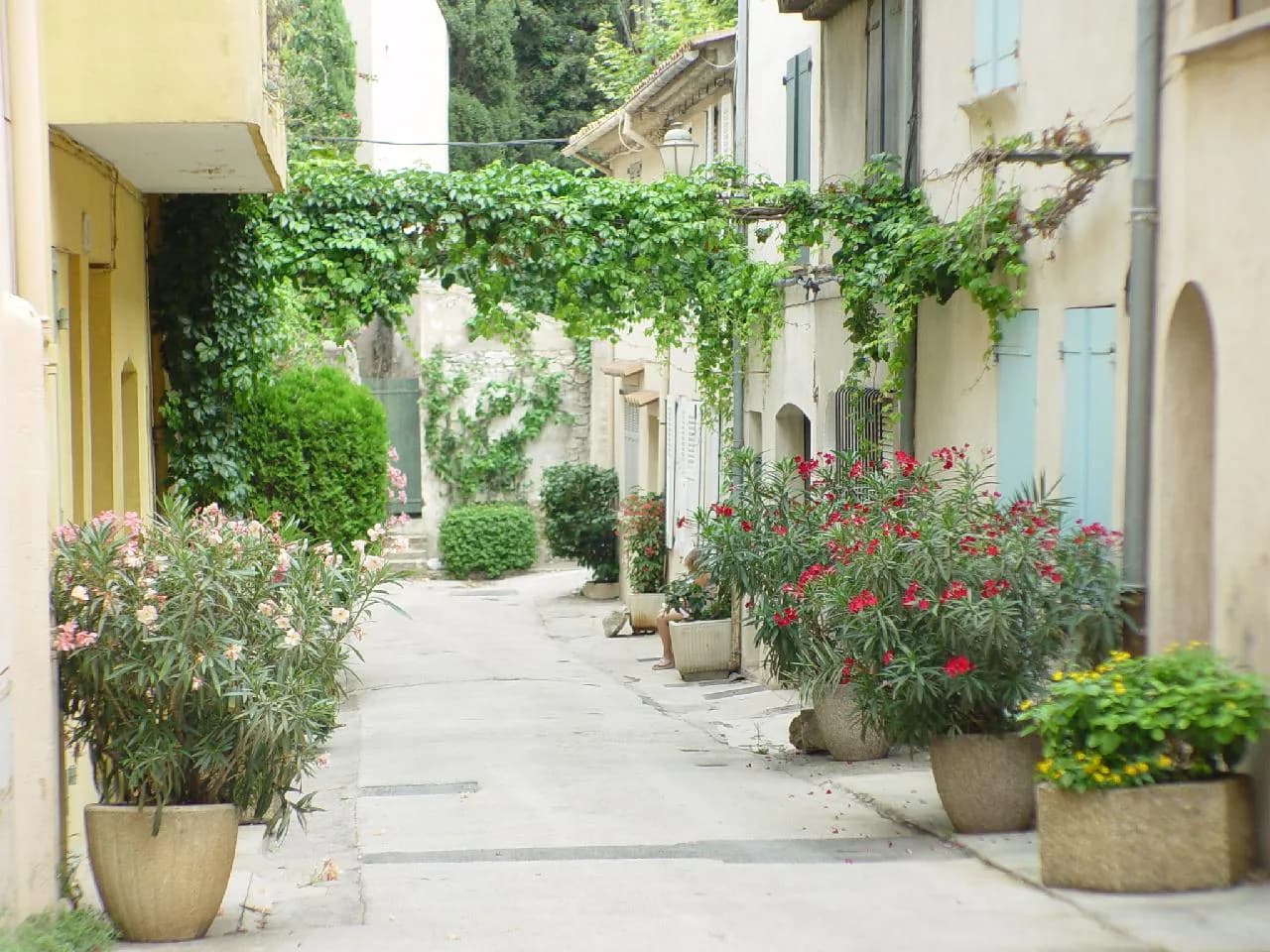
If you are in town for the market, stay central and do it on foot: the Place des Lices is inside the old town grid, a short walk from the port. Pair the market with a slow lunch and an afternoon on the coastal path, and you have a full day without a car. Our saint-tropez market guide covers what to expect from the stalls.
What closes out of season, and what that means for a weekend
The biggest out-of-season constraint is hotel supply: most hotels shut for the winter and reopen between the end of March and mid-May, so a January or February weekend needs booking early at one of the properties that stays open. Restaurant choice narrows too, though the old-port fish restaurants are the most likely to keep going through the quiet months.
Plan around scarcity rather than fighting it. In winter, build the weekend from a coastal walk, a long lunch and a wander through the empty lanes; in summer, book the table and the beach slot before you travel. B Lodge is described as the option that closes only from mid-January to the end of February, which shows how precisely seasonal closures bite in this town.
Best time for a first visit
For a first trip, choose late spring or early autumn. You get the town working properly, the Vieux Port and old town at a walkable pace, the coastal path in good condition and enough open restaurants to eat well without booking months ahead. It is the season that shows you Saint-Tropez as a place rather than as a crowd.
Give a first visit two full days as a minimum: one for the port, the lanes and the market if your dates line up, one for the coast or the beach. Three days lets you slow down. Our Saint-Tropez itinerary arranges those days in a sensible order.
Best time for a short break on a budget
Winter is your best value, provided you accept the closures. A 2025 winter guide recorded prestige properties that often sell for €1,500 a night in summer offering cut-price off-season rates; that figure is a historical high-season reference, so look up current rates and open dates on each property's own website. What you save on the room you may spend on taxis to the few open restaurants.
Early spring and late autumn are the compromise: prices ease before the summer peak and after it, and the town is far more usable than in January. If your dates are flexible, aim for the edges of the season rather than the middle of winter, when the trade-off between savings and open doors is at its sharpest.
Best time for walking the Sentier du Littoral
Walk the Sentier du Littoral in spring or autumn. The route starts by the ramparts and passes rocky coves, empty bays and white sand beaches, and the full walk takes five or six hours, so you want mild temperatures rather than August heat. Winter works too if the weather is clear, but the days are shorter and the rewards are more about solitude than swimming.
Build the walk into a full day: start in the morning, carry water and food, and keep the afternoon free for the port. If the weather turns, the town's lanes and covered terraces are a decent fallback. The full list of things to do in saint-tropez helps you fill the rest of the weekend around it.
Best time for food: tarte tropézienne, pissaladière and anchoïade
Food is a year-round reason to come, but the season changes where you eat it. In summer the action moves to beach clubs and terraces; out of season it retreats indoors to the old-port fish restaurants, which are the most reliable through the quiet months. Either way, the local classics — anchoïade, pissaladière, bouillabaisse and the orange-scented brioche known as tarte tropézienne — are the dishes to order.
Autumn is the sweet spot for eating well: the summer rush has gone, the kitchens are still running and the fish is good. Our best restaurants in Saint-Tropez picks give you a shortlist to work from, whatever the month.
Shoulder-season trade-offs: fewer openings versus fewer people
Shoulder season asks you to choose between a town at full capacity and a town you can actually walk through. In late spring and early autumn some places are still shut or on reduced hours, but the port, the old town and the coastal path are all enjoyable without queues. For most weekenders that is the better bargain.
If you cannot move your dates, work with what the season gives you. A winter weekend needs a booked hotel and a short list of open restaurants; a summer weekend needs advance bookings for the beach and dinner. Either way, the things to do list holds up across the year, which is why the season matters most for logistics rather than for what you actually see.
How many days Saint-Tropez needs
Two full days covers the essentials: the port and the lanes on day one, the beach or the coastal path on day two, with the market if your dates include a Saturday. Three days lets you add a slower morning, a longer lunch and a proper look at the town's shops. A single day is possible but thin, given that Pampelonne and the walking trail both eat half a day each.
If you are building a wider trip, the town fits neatly into a regional loop. Our Saint-Tropez Attractions collects the individual guides, and if you want to compare timings across Provence, best time to visit Aix-en-Provence offers a useful contrast.
Plan Your Weekend
Pick your season by what you want to do: late spring and early autumn for a balanced first visit, summer for heat and beach life, winter for quiet and lower rates. Book the hotel early if you travel between November and March, and build a Saturday around the Place des Lices market from 08:00 if your dates allow.
Two full days is the sensible minimum and three is better. Confirm current opening times and rates with the hotel or restaurant when you book, then leave room for the port, the old town and the Sentier du Littoral.
Frequently Asked Questions
What is the best month to visit Saint-Tropez?
Late spring and early autumn give the most balanced trip: mild weather, a working town and a calmer port. April is singled out for mild, sunny conditions that suit strolling rather than swimming. Summer is hotter and busiest, and winter is quiet but limited on openings.
Is Saint-Tropez worth visiting in winter?
Yes, if you want clear skies, empty lanes and lower rates. Average winter daytime temperatures sit around 15°C with roughly seven hours of sunshine a day. The trade-off is that most hotels close and reopen between the end of March and mid-May, so restaurant and hotel choice is narrow.
What is Saint-Tropez like in April?
April is mild and often sunny, which makes it good for walking the port and the lanes. Some hotels and restaurants are still waking up after winter, so check that your preferred places are open for your dates before booking.
When is the Place des Lices market held?
It runs on Saturday mornings from 08:00, selling local produce, clothing, gifts, art and antiques. It is worth arranging your weekend around a Saturday if you can. Check the current schedule locally before you rely on it.
Is Saint-Tropez expensive in the off-season?
Off-season rates drop sharply at the top end, where prestige properties cut their summer prices outside the high season. Rates and open dates vary by property and by year, so ask the hotel directly for its current price list.
Do hotels in Saint-Tropez close in winter?
Most of them do. Many shut for the winter season and do not reopen until the end of March, mid-April or even mid-May. A handful stay open, including La Bastide de Saint Tropez and Pan Deï Palais, while B Lodge closes only from mid-January to the end of February.
How many days do you need in Saint-Tropez?
Two full days handles the port, the old town and either the beach or the coastal path. Three days lets you add the Saturday market, a longer lunch and some browsing. The Sentier du Littoral alone takes five or six hours if you walk the full route.
Is the south of France still warm in September?
September typically retains much of summer's warmth and the sea holds its heat, while crowds thin and rates ease after August. Treat any temperatures as typical seasonal averages rather than a forecast for your dates.
Sources
Notes for French city breaks
Optional updates to our guides.
You might also like
Continue reading
More guides you'll find useful