Saint-Tropez Old Town: Streets, Squares and a Walking Route
Walk Saint-Tropez old town from the Vieux Port to the Citadelle, via La Ponche, La Glaye and Place des Lices, with street names, landmarks and market days.
On this page
Saint-Tropez old town works as a single walkable circuit rather than a checklist of sights. The Vieux Port is the front door, the fishing quarter of La Ponche sits behind the quays, and Place des Lices closes the loop at the top of the village. The whole historic core takes a leisurely half-day, more if you add the museums.
Almost everything named here sits within a few minutes of the harbour, so a route is simply a matter of order. Start low by the water, climb to the Citadelle, then come back down through the shopping streets to the main square. Source your wider shortlist from our guide to things to do in saint-tropez before you fix the order.
How the Old Town Fits Together
The town has no train station, so you arrive by car, ferry, bus or a train-plus-bus combination. Seasonal ferries link Nice with Saint-Tropez from spring through early autumn and the crossing takes around two and a half hours. That makes the harbour itself the natural starting point for any walk.
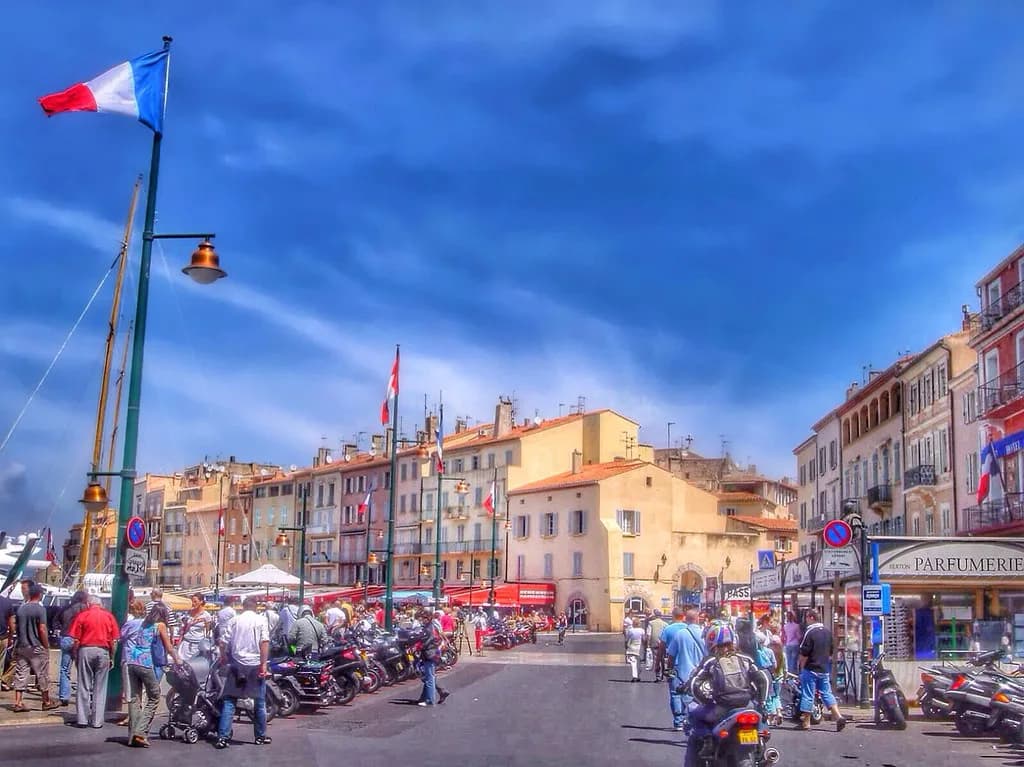
From the water, the layout is easy to read. Quai Jean-Jaurès runs along the port front, the narrow lanes of La Ponche lie immediately behind it, and Place des Lices sits at the far end of Rue François Sibilli. The Citadelle stands on its hill above the rooftops, giving you a landmark to navigate by all morning.
Start at the Vieux Port and Quai Jean-Jaurès
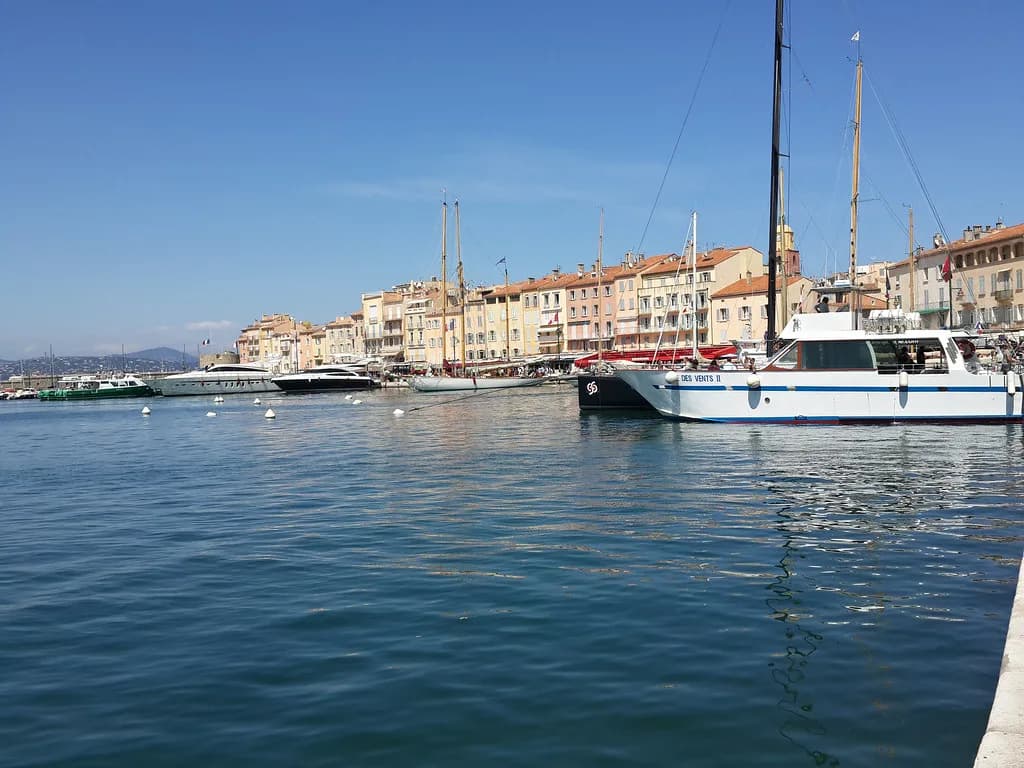
Begin on Quai Jean-Jaurès among the pastel-painted houses, the café terraces and the street painters who set up along the docks. The people-watching is the point: the famous cafés facing the harbour are priced accordingly, and an ice cream from a quay-side counter costs a fraction of a coffee at one of the front-row tables.
If you drive, park at Parking du Nouveau Port and walk in along Rue Général Allard, which runs directly to the Old Harbour past shops selling beachwear. Parking is expensive and fills quickly in peak season, so an early arrival gives you the best chance of a space near the harbour.
La Glaye: The Old Town's Small Beach
Walk along Quai Jean-Jaurès and turn right at Place de l'Hôtel de Ville, where the pink façade of the town hall marks the spot. A narrow passage beside the entrance leads to La Glaye, a small beach tucked between the Tour du Portalet and the Tour Vieille, the towers that once defended the village from the sea. It is the easiest place in the old town to sit down and step out of the crowd.
La Ponche, Port de Pêche and Rue des Remparts
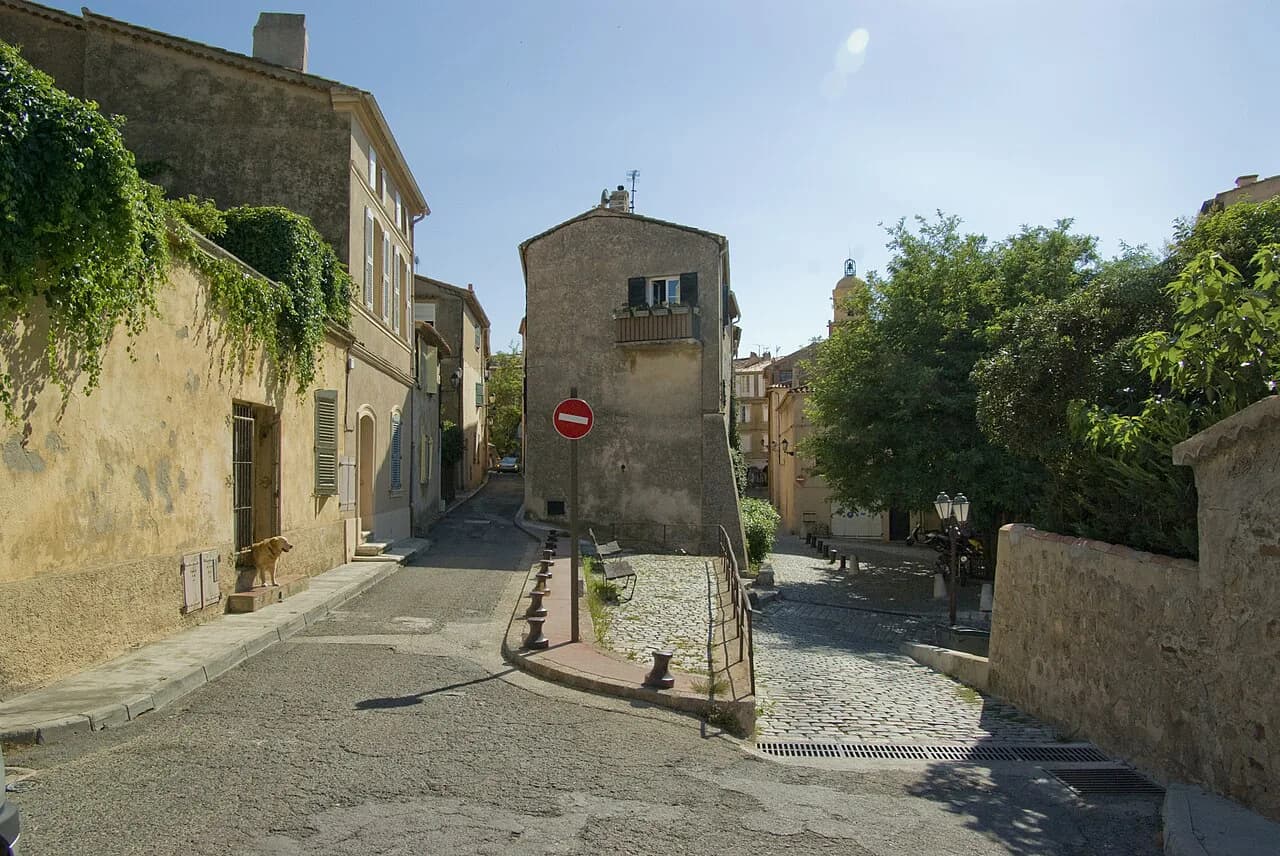
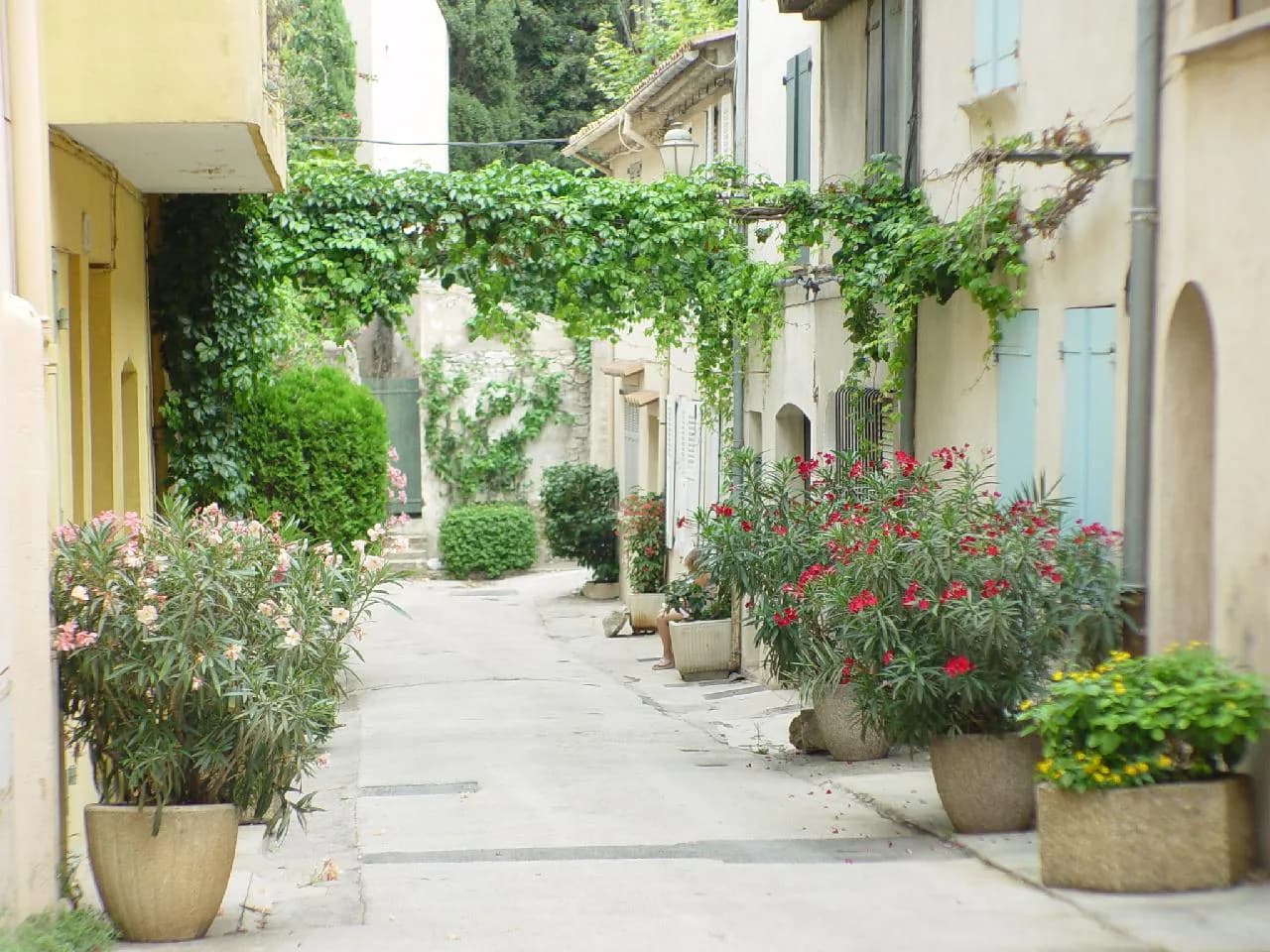
Return to Place de l'Hôtel de Ville and follow Rue de la Ponche to the beach of the same name and the old fishing port, Port de Pêche. This is the quietest corner of the circuit, and the one that most resembles the village before the yachts arrived. Rue des Remparts then carries you along the old ramparts line, past the workshop of painter Valérie Pons, who opened it here in 1991.
Rue de la Citadelle and the Climb to the Fortress
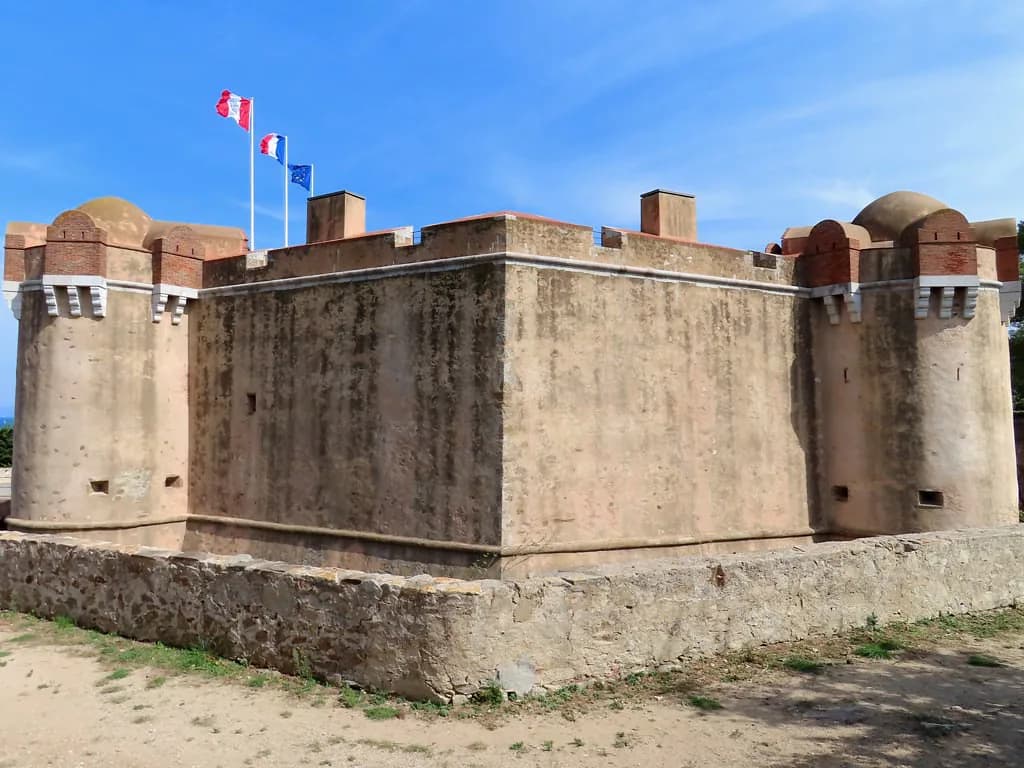
From Rue des Remparts, turn right into Rue de la Citadelle and follow the narrow lanes of the old fishing neighbourhood uphill. The Citadelle, a 17th-century fortress on its small hill, gives a 360-degree view over the rooftops and the Gulf of Saint-Tropez, and houses a maritime history museum that traces the town's fishing and seafaring past. Even visitors who skip the museum should make the climb for the view.
Musée de l'Annonciade
Back down by the harbour, the modest Musée de l'Annonciade occupies a 16th-century chapel and holds a collection of painting from 1890 to 1950, with works by Matisse, Derain and Marquet among others. The museum opened in 1922 and reflects Saint-Tropez's role as an avant-garde centre after Paul Signac settled here in 1892. It belongs in the walk because the paintings show the village and the light you have just been looking at.
Église Notre-Dame-de-l'Assomption
In the tangle of lanes behind the harbour you come across the Église Notre-Dame-de-l'Assomption, whose colourful bell tower dominates the skyline of the village. Inside, the church holds the torso of Saint Torpes, the martyr the town is named after. Step in for ten minutes and use the pause to reset before the shopping streets.
Place des Lices and the Market
Place des Lices is the biggest square in Saint-Tropez, lined with plane trees that stand bare of stalls once the market packs up in the afternoon. An open-air market sets up here on Tuesday and Saturday, selling flowers, fruit, olive oil, sausages, cheese and straw bags. Those are also the two mornings the whole area becomes very crowded, so decide whether the atmosphere is worth it.
If you want the square itself, come outside market days when the plane trees and the clear space are visible. On Tuesday and Saturday, come early or expect to shuffle. Our guide to The Saint-Tropez Market breaks down what is sold and how to time a visit.
Rue François Sibilli and the Brand Stretch
From the church, walk down towards the harbour and turn left onto Rue François Sibilli, where the international fashion houses have their storefronts. Window-shopping is the free version of Saint-Tropez, and the street carries you neatly from the lanes to Place des Lices. For a fuller picture of what is on offer, see our guide to shopping in Saint-Tropez.
Two More Museum Stops
Near Place des Lices, the former police station turned Musée du Cinéma et de la Gendarmerie traces the long marriage between Saint-Tropez and the cinema, beginning with a short introduction to the medium before the town's own film history. It is a compact, eccentric stop and a good option if the sun is at its peak.
La Maison des Papillons is the strangest little museum in town, a cabinet of curiosities assembled by Dany Lartigue, with thousands of butterfly specimens from around the world alongside items from the artist's studio. It is an indoor stop of twenty minutes rather than an hour, and worth it for a break in the lanes.

How Long the Circuit Takes
Budget a half-day for the loop without museums and a full day if you want the Annonciade, the Citadelle museum and the cinema museum. The distances are short but the lanes climb, and the harbour invites sitting down. Visitors from Nice arrive on the morning ferry and leave on the afternoon one, which gives a workable day in town.
Build the route into a wider weekend with our recommended Saint-Tropez itinerary, which handles the old town, the beaches and the timings in one plan.
What to Eat in the Old Town
Tarte tropézienne is the local pastry to try: a brioche filled with cream, created in 1955 by Alexandre Micka in Saint-Tropez and named by Brigitte Bardot during the filming of And God Created Woman. Bakeries around town sell versions of it, including the pastry shop on Place des Lices.
For a sit-down meal, our guide to the best restaurants in Saint-Tropez filters the harbour terraces and the cheaper addresses behind them, which matters because the quay front carries the Saint-Tropez premium.
When to Come
Between June and September, start early: both the roads and the parking lots can be crowded by mid-morning, and the old town's quiet streets reward the people who get there before the day-trippers. Outside those months the same circuit is calmer and the light is better for the pastel façades.
For a shoulder-season view, our guide to best time to visit Saint-Tropez weighs heat, crowds and which facilities stay open across the year.
Plan Your Visit
The old town rewards a simple plan: harbour first, beach passage and fishing quarter second, citadel third, then markets and shopping streets last. Keep the maps away after the first ten minutes, because the loop is short and getting briefly lost is part of it. Leave room for a coffee on the quay and a pastry from a bakery. If you enjoy this kind of compact circuit, the Aix-en-Provence old town offers a similar walkable core of lanes and squares.
If you are still weighing the trip, our verdict on is Saint-Tropez worth visiting sets out what the town offers against what it costs.
Explore more Saint-Tropez guides
Frequently Asked Questions
What is there to see in Saint-Tropez old town?
The circuit covers Quai Jean-Jaurès and the Vieux Port, the passage to La Glaye between the Tour du Portalet and the Tour Vieille, the fishing quarter of La Ponche and Rue des Remparts, the climb to the Citadelle and its maritime museum, the Musée de l'Annonciade, the Église Notre-Dame-de-l'Assomption and Place des Lices. The two smaller museums, the Musée du Cinéma et de la Gendarmerie and La Maison des Papillons, sit near Place des Lices.
How long does it take to walk around Saint-Tropez old town?
Allow a half-day for the loop without the museums and a full day if you add the Annonciade, the Citadelle museum and the cinema museum. The distances are short but the lanes climb steadily towards the Citadelle, and the harbour terraces make it easy to stop longer than planned.
Is the Saint-Tropez market in the old town?
Yes. The open-air market sets up on Place des Lices, the large plane-tree square at the top of the old town, close to Rue François Sibilli. It sells flowers, fruit, olive oil, cheese, sausages and straw bags.
Which day is the market in Saint-Tropez?
Place des Lices hosts its market on Tuesday and Saturday. Those two mornings are when the whole area becomes very crowded, so arrive early or choose another day if you mainly want to see the square itself.
Where is the beach in Saint-Tropez old town?
La Glaye is the small beach inside the old town, reached through a narrow passage beside the Hôtel de Ville and set between the Tour du Portalet and the Tour Vieille. The bigger beaches, including Pampelonne, lie outside the old town.
Is the Citadelle worth the climb?
Yes. The 17th-century fortress stands on a hill above the village and gives a 360-degree view over the rooftops and the Gulf of Saint-Tropez. It also houses the maritime history museum, so the walk up serves both the view and the exhibit.
Sources
Notes for French city breaks
Optional updates to our guides.
You might also like
Continue reading
More guides you'll find useful