Things to Do in Saint-Tropez: Port, Old Town, Beaches
Plan a Saint-Tropez short break with the old port, La Ponche lanes, the citadel and its maritime museum, the Annonciade, Place des Lices and the coastal path.
On this page
Saint-Tropez is a small former fishing town on a peninsula in the Var, and most of what you came for sits within a short walk of the Vieux Port: the quays, the La Ponche lanes, the citadel hill and Place des Lices. Plan by quarter rather than by taxi, because the town itself is compact and the beaches on the peninsula are where distance begins to matter.
The town has two faces. The glamorous summer version, with yachts along the quays and crowds in July and August, coexists with a quieter Provençal town that emerges in spring, autumn and winter. A weekend here works best when you decide which of those you want and pick your dates accordingly. If you would rather weigh the same Provençal-town-or-glamour decision somewhere calmer, the things to do in Aix-en-Provence offer a useful comparison.
How Saint-Tropez Is Laid Out
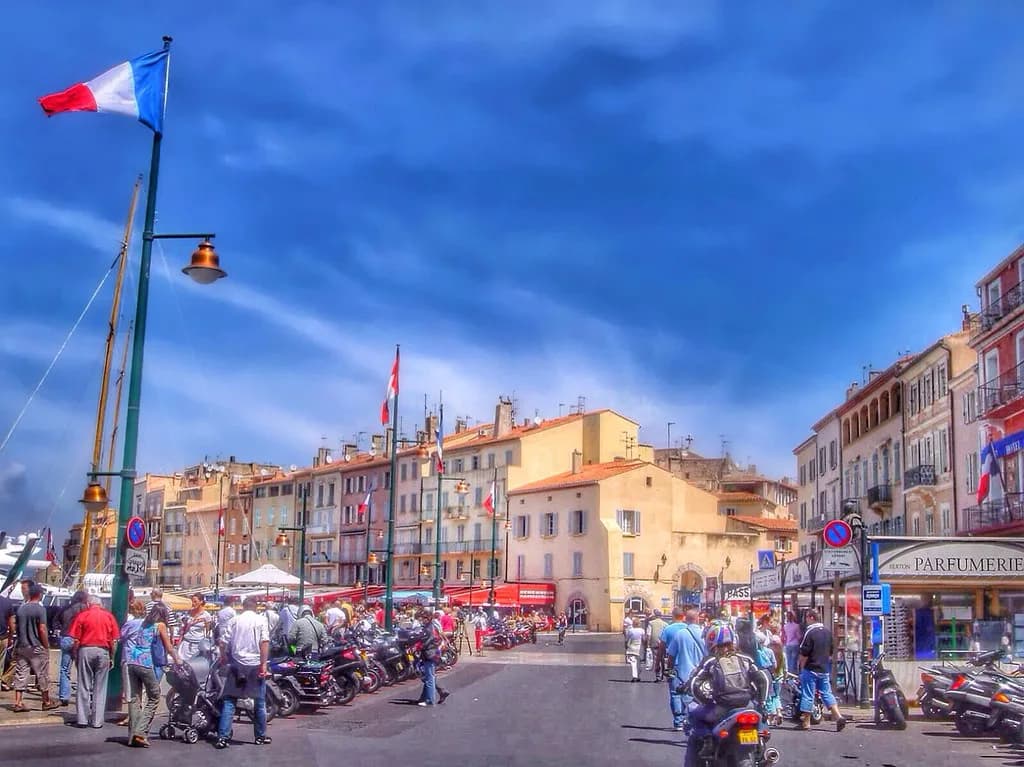
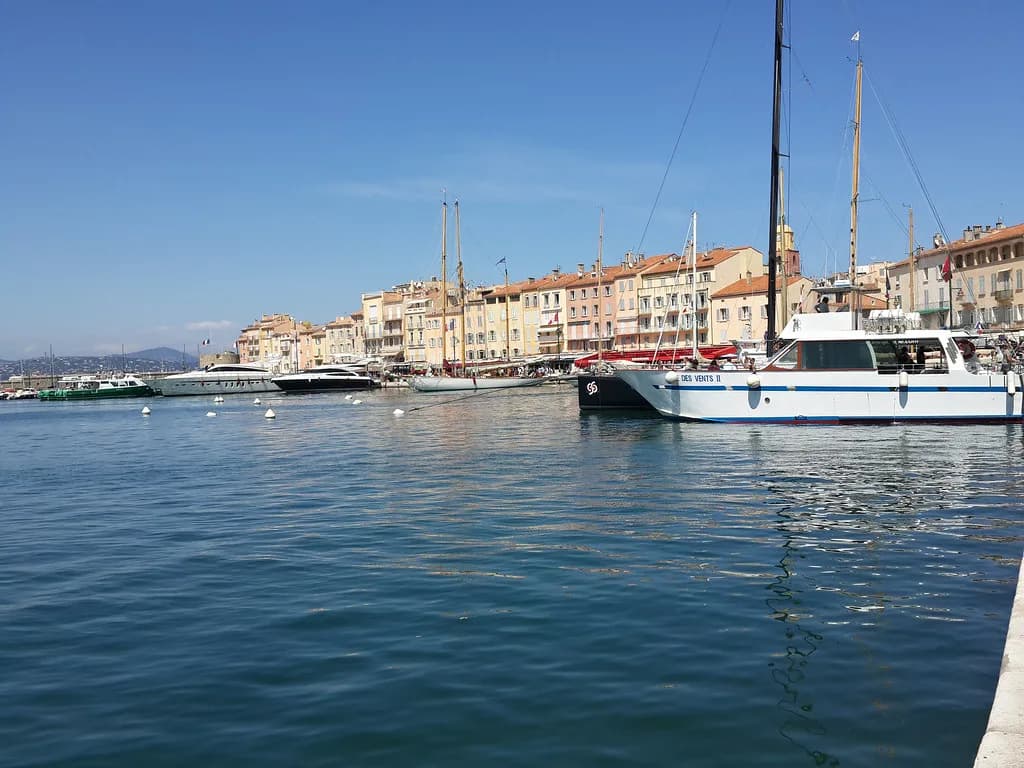
Use the Vieux Port as your reference point. The old harbour is the historic heart of a town that was once a fishing and privateering base, and it is still where the quays, terraces and painted facades concentrate. East of the port, the La Ponche quarter rises towards the citadel, and the Montée de la Citadelle is the climb that takes you up to the fortifications and their view.
Inland from the port, Place des Lices is the tree-shaded square where locals meet to shop and play pétanque, and it makes a calmer base for lunch than the waterfront. Beyond the town, the peninsula stretches east towards the beaches, with Ramatuelle sitting on higher ground behind Pampelonne.
How Many Days You Need
You can see the town's core in a couple of hours on foot, but a full day plus a night gives you time for the citadel, a museum and an evening on the harbour without rushing. Two days lets you add the coastal path or a long beach afternoon, which is where Saint-Tropez stops being a stroll and starts being a trip.
If your second day falls on a Tuesday or Saturday, build it around the market on Place des Lices, where local produce and handicrafts are sold. After that, either take the coastal path in the cooler morning or head out to the peninsula beaches.
The Vieux Port and Its Pointus
Start on the quays. Traditional pointus share the water with sailing boats and large yachts, and the quayside shops and restaurants give you plenty to look at without committing to anything. Walk east towards the harbour dyke and the small tower that once guarded the entrance; this is the most historic stretch of the waterfront.
Keep the bell tower of Notre-Dame-de-l'Assomption as your marker as you wander inland. The church sits between the port and the citadel hill, and it opens in the mornings, so slot it into a morning circuit rather than leaving it for late afternoon.
La Ponche, the Old Fishing Quarter
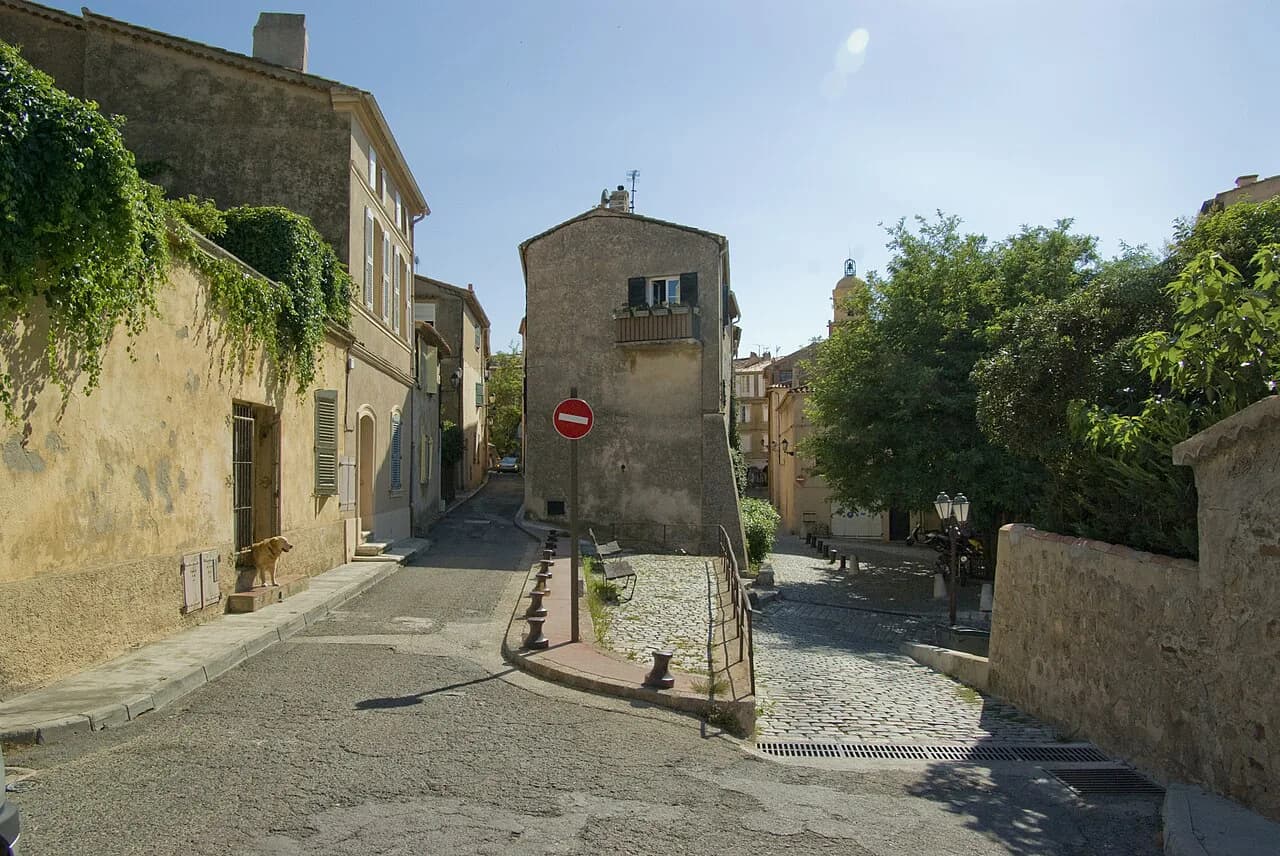
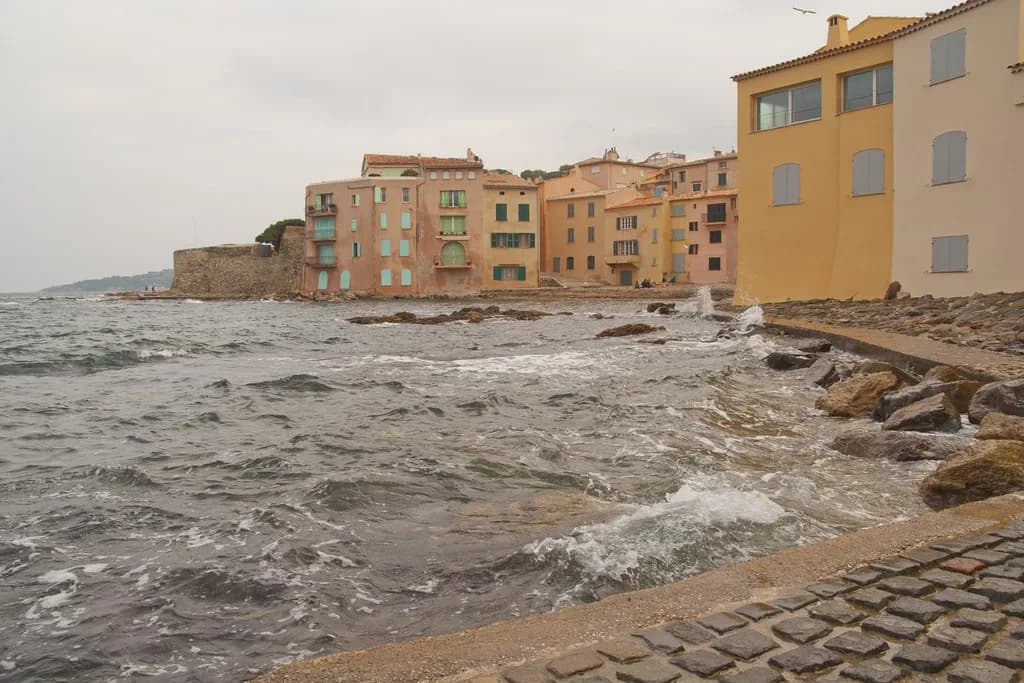
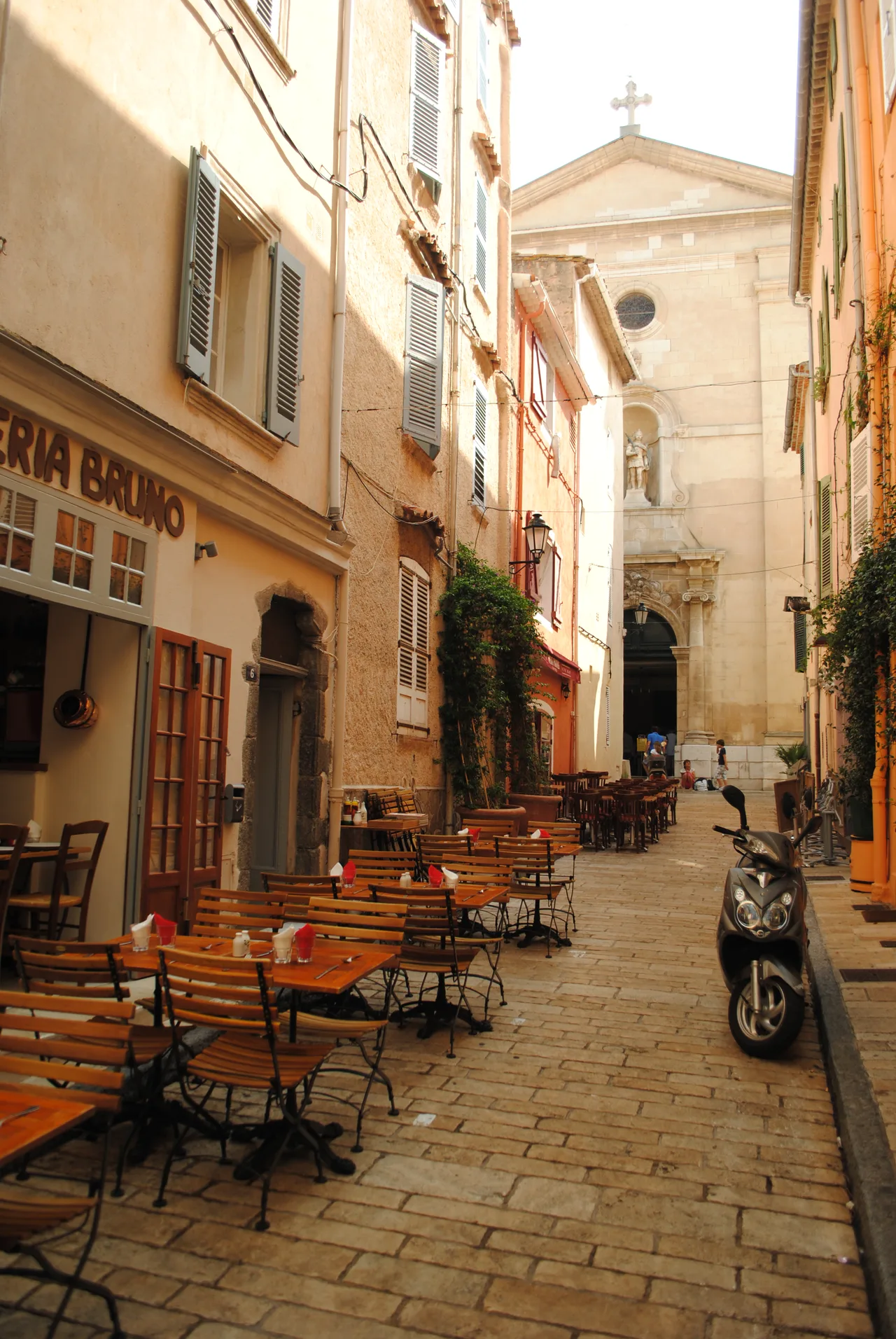
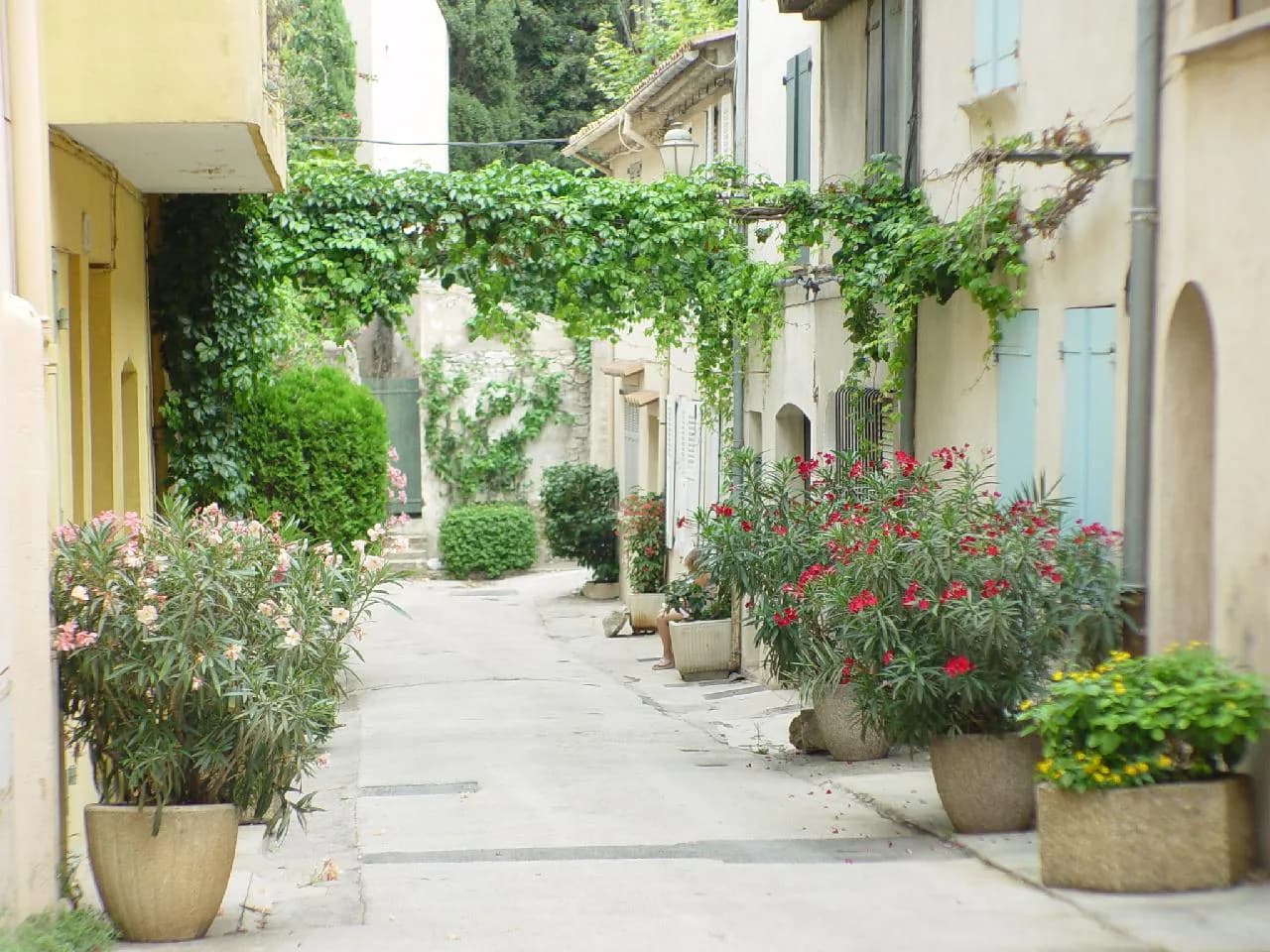
La Ponche is the historic centre of the old fishing village, tucked just below the citadel, and its narrow cobbled lanes hold small shops, boutiques, cafés and traditional restaurants. This is the quarter to wander without a map: the tangle is the point, and it takes minutes to cross from one side to the other.
Pair the lanes with the waterfront. A slow loop from the port through La Ponche and back along the quays covers the town's oldest fabric in well under an hour, leaving the rest of the day for the hill and the museums.
The Citadel and the Maritime History Museum
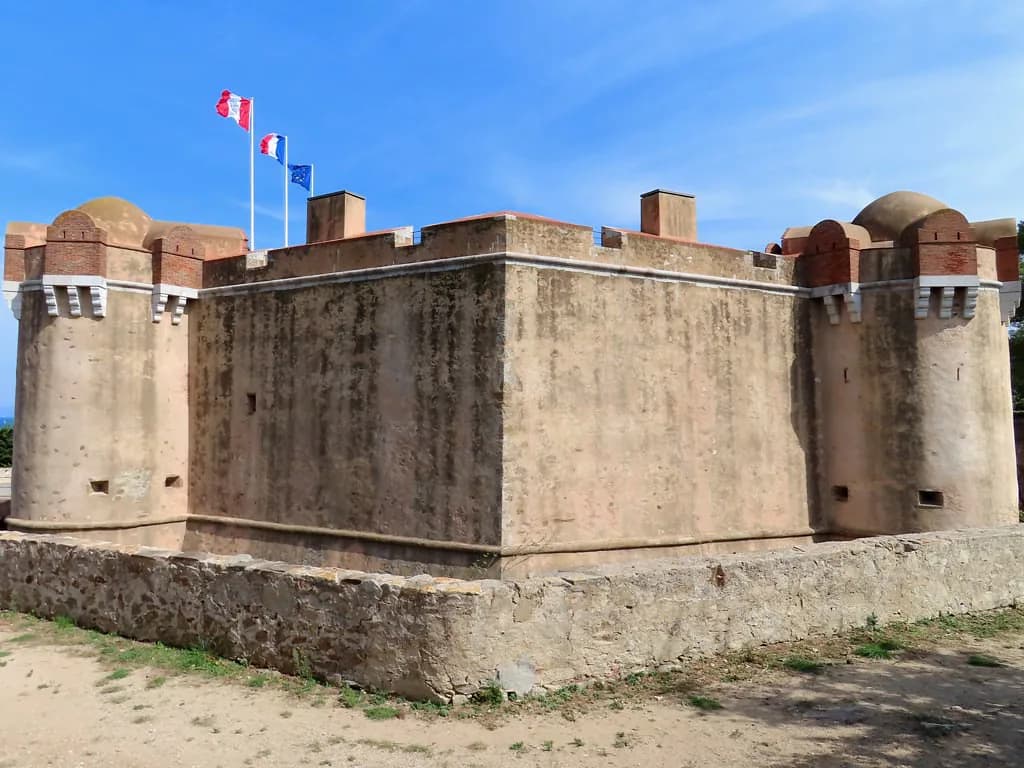
The aptly named Montée de la Citadelle climbs from the old town to fortifications dating from the 17th century, and the view from the top is the reward. Inside the walls, the Musée d'histoire maritime covers the daily life of the people who lived from the sea, through fishing and trading.
Entry to the citadel and its museum costs 4 euros per person. Allow an hour for the climb, the walls and the museum together, and go in the morning if the day is warm.
The Annonciade Museum
The Musée de l'Annonciade occupies an old chapel and holds works by Signac, Matisse and Derain, along with painters of the Fauvist, Pointillist and Nabi movements. It is small and quiet, which makes it a good cultural pause in the middle of a day otherwise spent outdoors.
Build it into the same circuit as the port, since it sits close to the waterfront and the old town. Check the museum's current opening days before you fix your weekend, as French museums often close one day a week.
Place des Lices and Its Market
Place des Lices is both a square and a habit: locals come here to shop, sit on terraces and play pétanque under the trees. It is also the most useful lunch stop in town, noticeably less touristic than the harbour front while still central.
The market runs on Tuesdays and Saturdays, selling fresh produce alongside locally made crafts and gifts, and those two mornings should shape how you sequence a weekend. If your dates miss them, the square is still worth an hour for the terraces and the pétanque.
The Gendarmerie and Cinema Museum
The Musée de la Gendarmerie et du Cinéma leans on the Gendarme de Saint-Tropez films, which made the town famous from the 1950s onwards, and it appeals across generations. It is a compact, indoors option that fits neatly into a half-day when the weather turns or when you want a break from walking.
Treat it as a complement to the citadel rather than a substitute: the citadel explains the town's maritime past, while this museum explains its modern image. Between them you get both halves of how Saint-Tropez became what it is.
Beaches Within Reach on Foot
Plage de la Ponche sits at the foot of the citadel near the last houses of the old town, and Plage des Graniers is on the other side of the same hill, roughly a quarter of an hour away. Between them lies the cemetery, occupying one of the finest spots on this stretch of coast, which tells you something about how the town sees itself.
Plage des Canoubiers, the sailing school beach, is where the coastal path begins, and it is a little over a mile from the port. These three give you a swim without a car, which matters if you are arriving by bus.
Pampelonne and the Peninsula
Pampelonne is the long beach about three miles from town, backed by beach clubs and stretching for well over two miles. It is a different proposition from the town beaches: you need transport or a boat to get there, and you should plan to spend a block of the day rather than an hour.
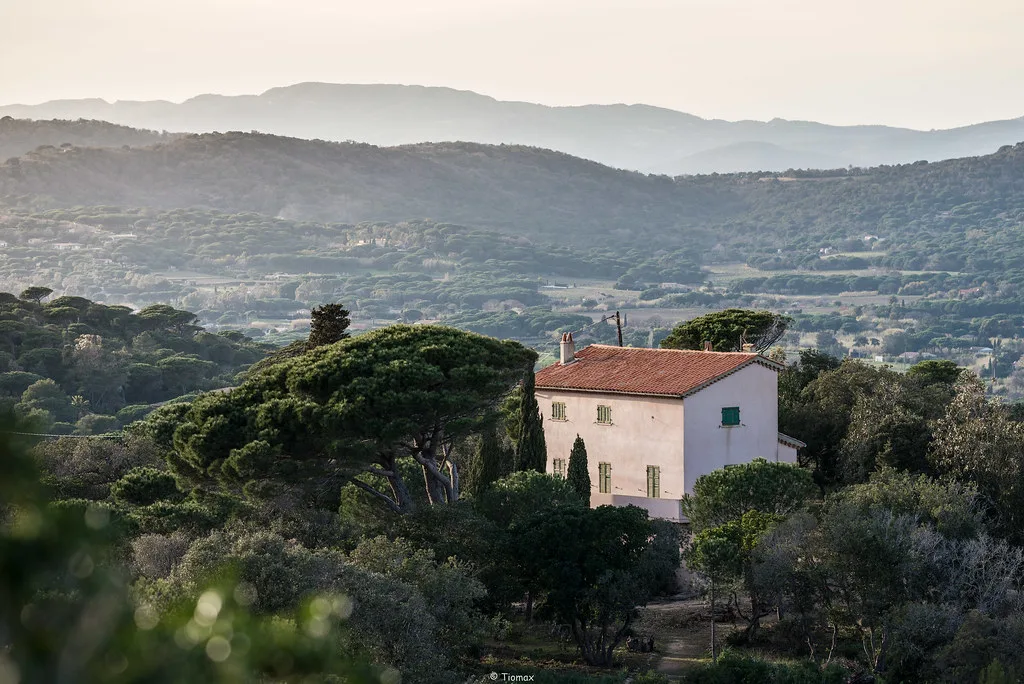
Ramatuelle, the medieval village on the higher ground behind the peninsula, makes a sensible lunch stop if you are heading that way. It is a day-trip-sized outing from Saint-Tropez rather than a stroll, so decide before you set out whether you are giving it half a day.
The Sentier des Douaniers Coastal Path
The coastal path, or sentier des douaniers, starts from Plage des Canoubiers, where yellow markers at the end of the beach point the way. It loops back to its starting point, passing inland on the return leg, and takes in some of the best panoramas and quietest swimming spots around the peninsula.
Budget about four hours and treat it as a half-day decision. The walk is over seven miles long, so carry water, snacks, a hat and swimwear, and park at the sailing school beach if you are driving there.
Tarte Tropézienne and Eating in Town
Tarte tropézienne is the local benchmark: a brioche filled with two creams, topped with crunchy sugar and scented with orange flower water. La Tarte Tropézienne is the name to look for when you want to judge the fuss for yourself.
For sit-down meals, the harbour quays and the streets around Place des Lices cover most budgets, from café terraces to more ambitious dining. Book ahead in high summer and expect the square to be calmer and better value at lunch than the port.
If you want a shortlist rather than a wander, our pick of the best restaurants in Saint-Tropez narrows the field by quarter and by occasion.
When to Come
July and August bring the warm weather, the crowds and the highest prices, and the town's summer atmosphere is at full volume. Spring, and May, June and September in particular, give you the warm weather without the worst of the noise and traffic, while autumn stays warm enough for the beach well into the season and is livelier than you might expect.
Winter is quiet rather than closed. The town returns to a small Provençal rhythm, which suits anyone who wants the historic sites and museums to themselves, but many seasonal places wind down, so do not expect the summer version of the town.
Getting There Without a Train
Saint-Tropez has no train station, and the fast roads do not come near it. The nearest rail access points are Toulon and Fréjus or Saint-Raphaël Valescure, from where you continue by bus, taxi or car; from further afield, Nice Côte d'Azur and Marseille Provence are the main airports.
Bus lines connect the town directly with Toulon, Toulon's airport and Fréjus and Saint-Raphaël, and tickets start at about 2 euros. Once you are in town, everything in this guide is walkable, and a car is only really needed for the peninsula and Pampelonne.
What to Skip If You Only Have a Day
With one day, skip Pampelonne and the coastal path. Do the port, La Ponche, the citadel and one museum, then finish at Place des Lices for lunch or a drink. That sequence covers the town's history, its view and its daily life without any transport.
If you have a second day and the market is running, give the morning to Place des Lices and the afternoon to the coastal path or a beach. Leave the longer beach day for a third day, when you can justify the journey out to the peninsula.
Plan Your Visit
Decide first whether you want the summer Saint-Tropez or the quieter one, because that choice sets your dates, budget and tolerance for crowds. Then build the weekend around the market days and one museum closing day, and keep the rest of the plan loose enough to walk.
Book transport to Toulon or Saint-Raphaël Valescure before anything else, since the last leg by bus or taxi is the part that constrains your schedule. Everything after that is a short walk from the port.
Explore more Saint-Tropez guides
Frequently Asked Questions
Is Saint-Tropez worth seeing?
Yes, if you want a compact old port, a genuine old fishing quarter, a hilltop citadel with a maritime museum and a small but serious modern art collection, all within walking distance. The trade-off is the summer crowd and the price level, which are why spring and autumn suit many visitors better.
What day is the Saint-Tropez market?
The market on Place des Lices runs on Tuesdays and Saturdays, selling fresh produce and locally made crafts and gifts. Build a weekend around those mornings if the market matters to you, and use the square for terraces on other days.
How many days do you need in Saint-Tropez?
One full day covers the port, La Ponche, the citadel and one museum, with lunch at Place des Lices. Two days let you add the market and either the coastal path or a town beach, and a third justifies the trip out to Pampelonne.
Do you need a car in Saint-Tropez?
No for the town itself: the port, La Ponche, Place des Lices, the citadel and the Annonciade are all on foot, and La Ponche and Graniers beaches are walkable too. You need transport for Pampelonne and the peninsula, and a car helps if you want to explore Ramatuelle and the surrounding villages.
How do you get to Saint-Tropez without a train?
There is no station in Saint-Tropez. Take the train to Toulon or to Saint-Raphaël Valescure, then continue by bus, taxi or car; from further away, fly into Nice Côte d'Azur or Marseille Provence and travel overland from there.
What can you do in Saint-Tropez in one day?
Walk the Vieux Port and its quays, wander the La Ponche lanes, climb the Montée de la Citadelle for the view and the maritime museum, and see the Annonciade's Fauvist and Pointillist works. Finish with lunch or a drink at Place des Lices rather than on the harbour front.
When is the best time to visit Saint-Tropez?
May, June and September give you warm weather without the worst of the summer crowds and traffic. July and August are the peak for atmosphere and for prices, while winter is quiet rather than closed, with a much reduced seasonal offering.
Is Saint-Tropez expensive?
The town has a well-known luxurious side, and prices in high summer reflect that. You can keep costs down by staying outside the peak months, eating at Place des Lices rather than the quays, and using the buses that connect the town with Toulon, its airport and Saint-Raphaël.
Sources
Notes for French city breaks
Optional updates to our guides.
You might also like
Continue reading
More guides you'll find useful