Is Saint-Tropez Worth Visiting? Costs, Crowds and Highlights
Saint-Tropez is worth visiting for its old port, Place des Lices market, pastel lanes and Musée de l'Annonciade, but it needs a plan and costs more in summer.
On this page
Yes, Saint-Tropez is worth visiting, but it suits a particular kind of short break. If you want a compact Provençal port you can cross on foot in an afternoon, with a market square, a small art museum and a citadel above the rooftops, it delivers. If you want cheap food, empty streets and spontaneous beach days in August, the town will fight you on all three.
The key constraint is access: Saint-Tropez has no train station, so you arrive by car, seasonal ferry, or train to Saint-Raphaël plus a local bus. That shapes everything from how long you stay to whether you book the ferry in advance.
Treat the town and the beach as two separate budgets. The old town, the port and the market cost nothing to wander; the sunbeds at Pampelonne are where the day gets expensive.
The short answer: who Saint-Tropez suits and who it doesn't
Couples and small groups on a two- or three-night break get the most out of it: one morning for Place des Lices, an afternoon in the lanes around La Ponche, a late drink overlooking the harbour. Art lovers have a genuine reason to come, because the Musée de l'Annonciade holds a strong collection of pointillist, Nabis and Fauvist work in a converted chapel.
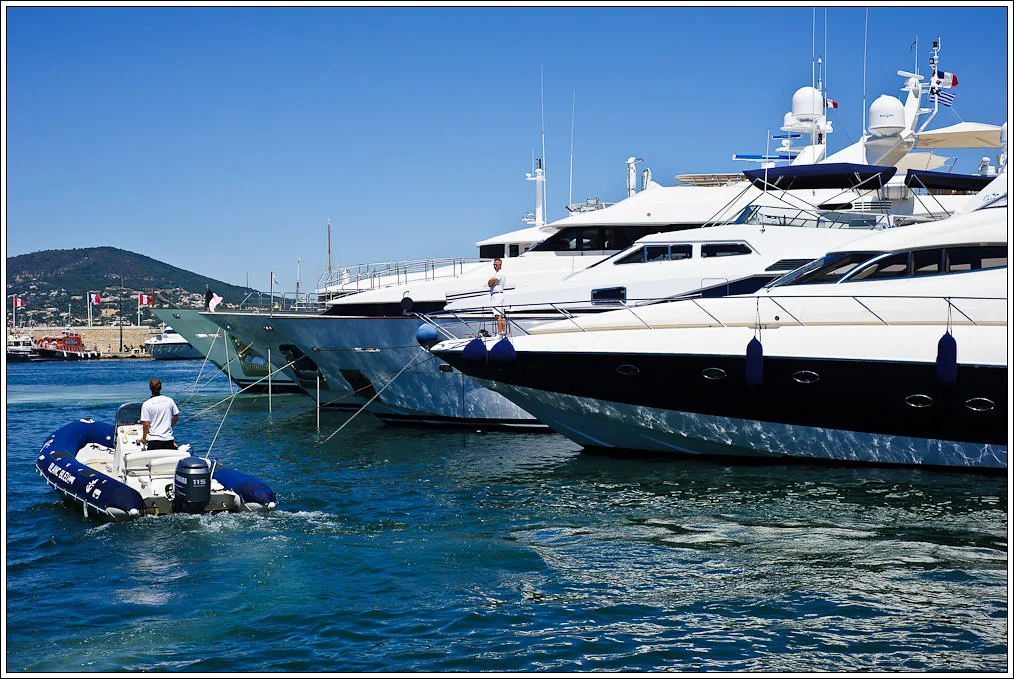
It suits travellers who enjoy a bit of glamour as scenery rather than as a shopping list. The port is lined with large yachts and the streets behind it carry big fashion names, which makes an hour of window-shopping entertaining even if you buy nothing.
It suits budget travellers less well. Saint-Tropez is the most expensive stop on most Riviera itineraries, and the trade-off for the harbour views is that a simple lunch can cost what a whole day costs elsewhere. Visitors who want the town without the crowd should consider coming outside high summer.
Getting there: no train station, so car, ferry or train-plus-bus
Driving from Nice takes around 1.5 to 2.5 hours depending on traffic, and the route passes Cannes and Antibes. Parking near the harbour is expensive and fills quickly in peak season, so arriving early is the difference between a relaxed morning and a slow circuit of the car parks.
The ferry is the more memorable arrival. Seasonal crossings run from spring to early autumn and take roughly 2.5 hours, landing you directly at the harbour within walking distance of the old town. Book ahead for summer sailings, because the boat is part of the day out and popular slots go first.
The cheapest route is train from Nice to Saint-Raphaël, then the local bus, which takes around three hours each way. It avoids Riviera traffic and parking stress, but it eats a large part of a day trip; for a weekend, it works best as one leg of the journey.
How the town is laid out and what you can walk to
The harbour is the hinge of the town: ferries and coaches drop you at the water, Place des Lices sits a short walk inland, and the lanes of the old town climb towards the citadel. Everything in the centre is reachable on foot in a morning, so you do not need transport once you arrive.
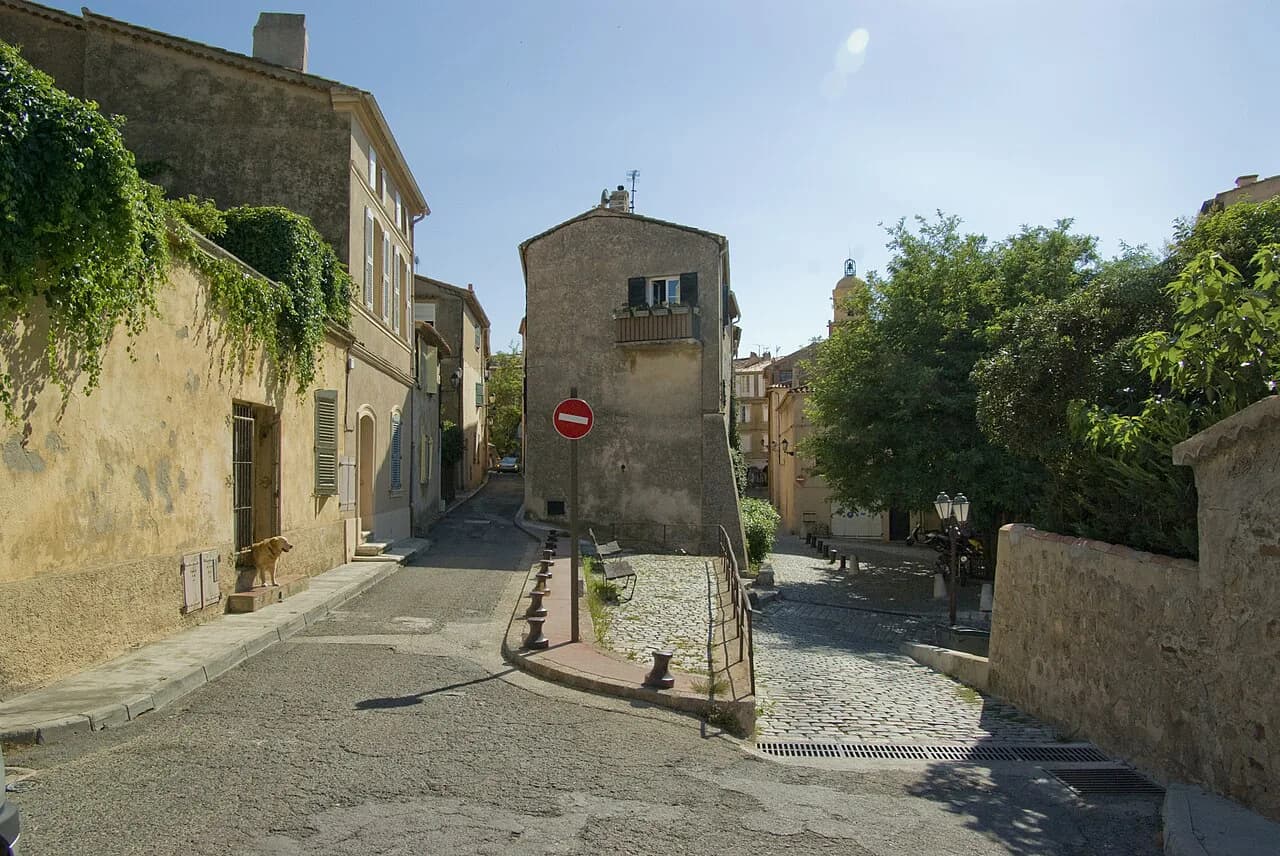
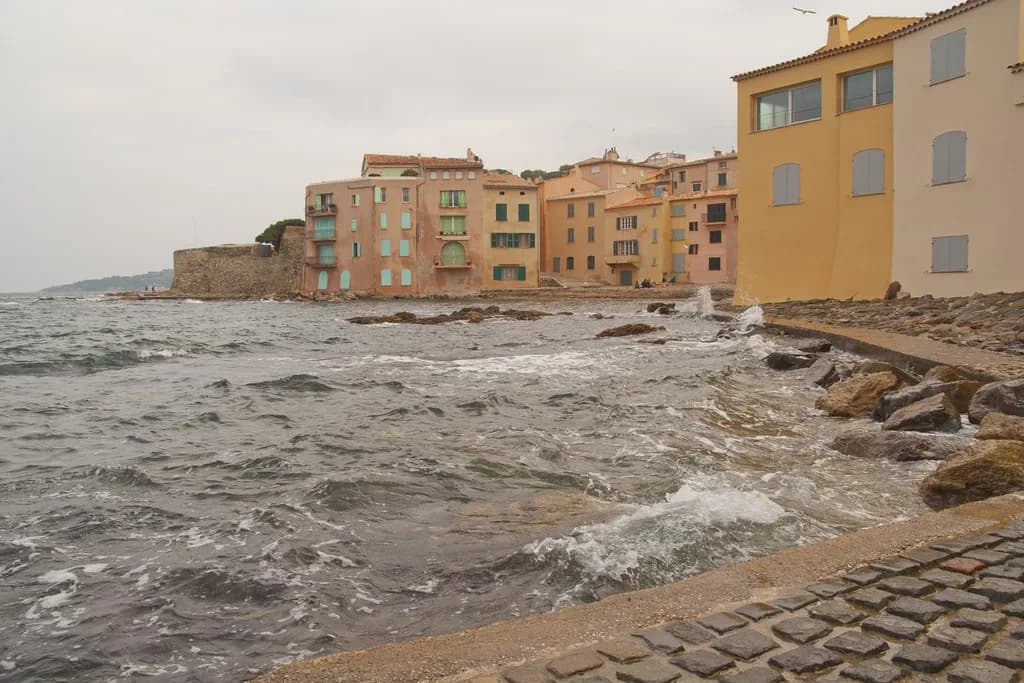
Start at the Vieux Port and walk west into La Ponche, the old fishing quarter, then loop back through the cobbled streets below the church. The lanes are narrow, shaded in places and busy in the middle of the day, so early or late is easier going.
Pampelonne is not in Saint-Tropez itself but in neighbouring Ramatuelle, several kilometres out, so treat the beach as a separate excursion rather than something you tack onto an old-town morning.
Place des Lices and the market morning
Place des Lices is the heart of Saint-Tropez's everyday life, a broad square lined with mature plane trees. An open-air market sets up here with cheese, bread, pasta, olive oil, sausages, flowers, fruit and straw bags; the canopies come down later in the day and the square returns to shade and boules.
Give the market a proper morning rather than a quick pass. It is the best place to assemble a picnic of local produce, and the stallholders are the reason the square feels like a working town rather than a stage set.
If you only have one full day, build it around the market first, then the port, then the citadel. That order puts the busiest, most time-sensitive stop first and leaves the afternoon free for the museum or the beach.
The old port, La Ponche quarter and the lanes
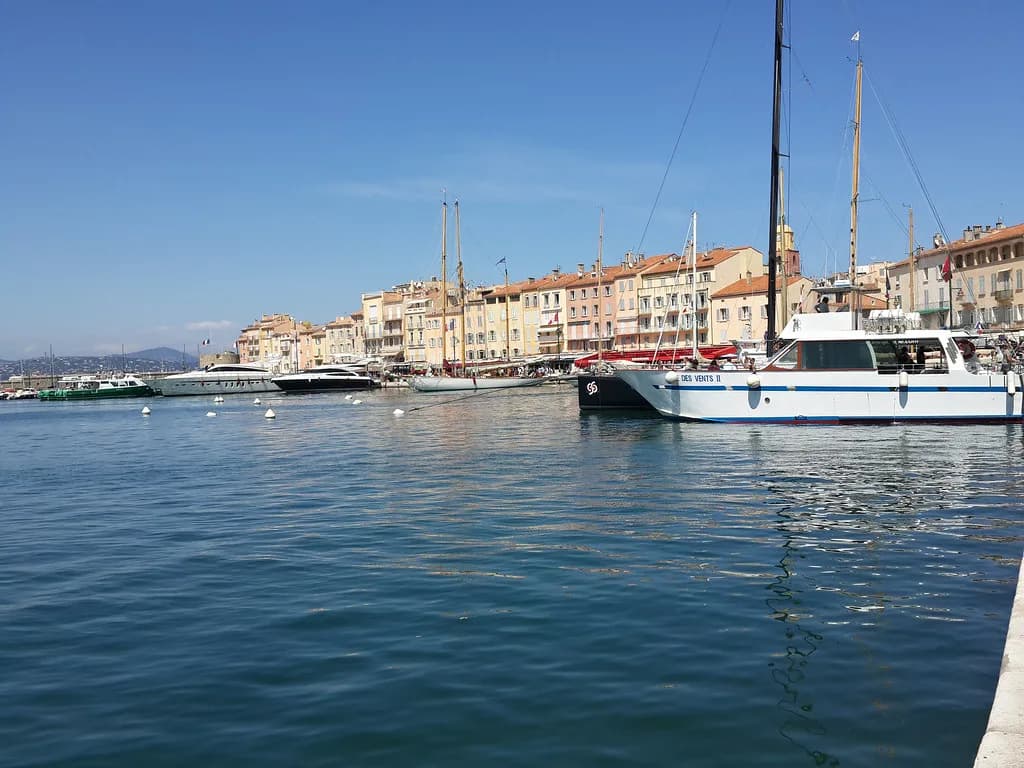
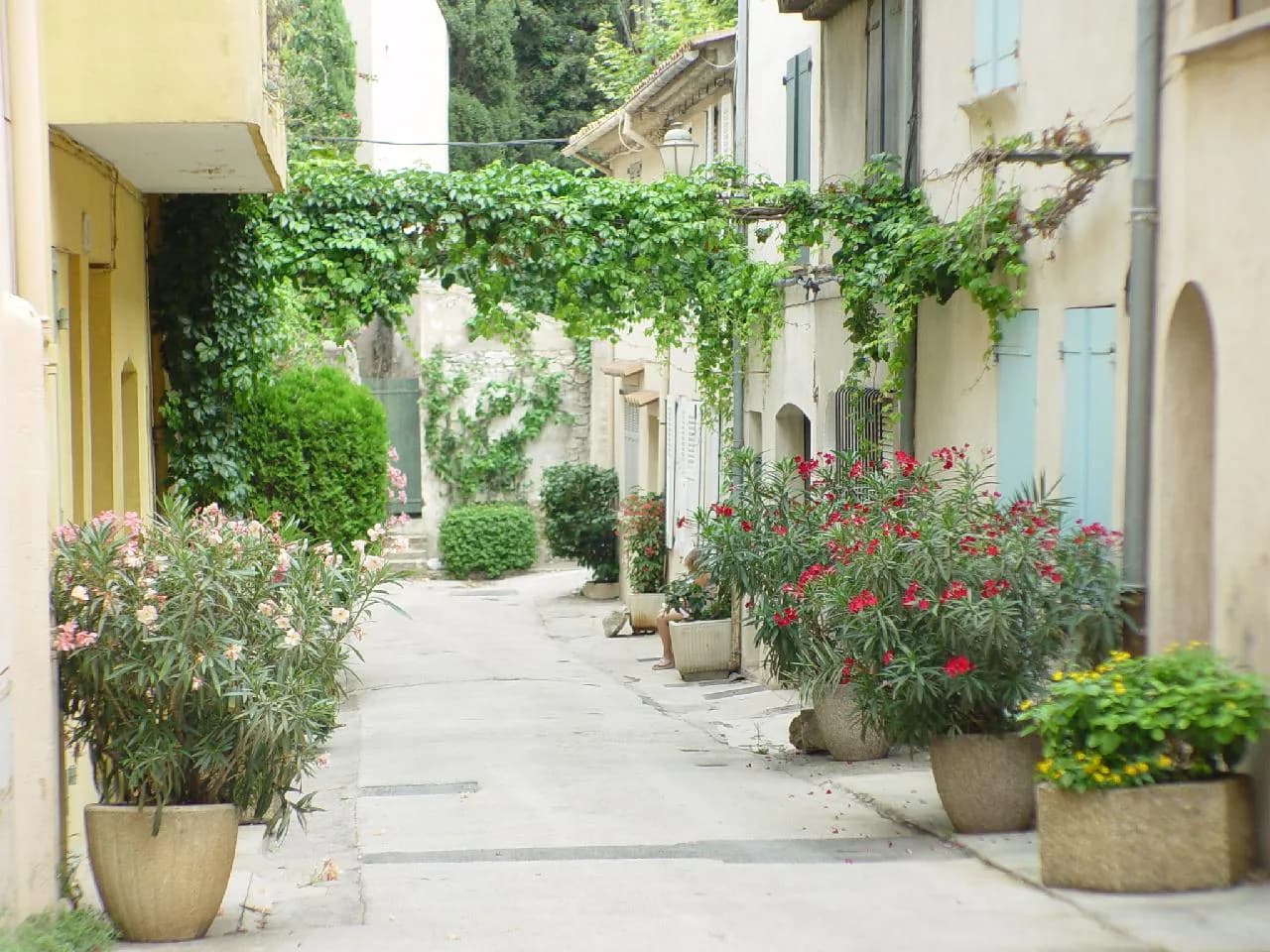
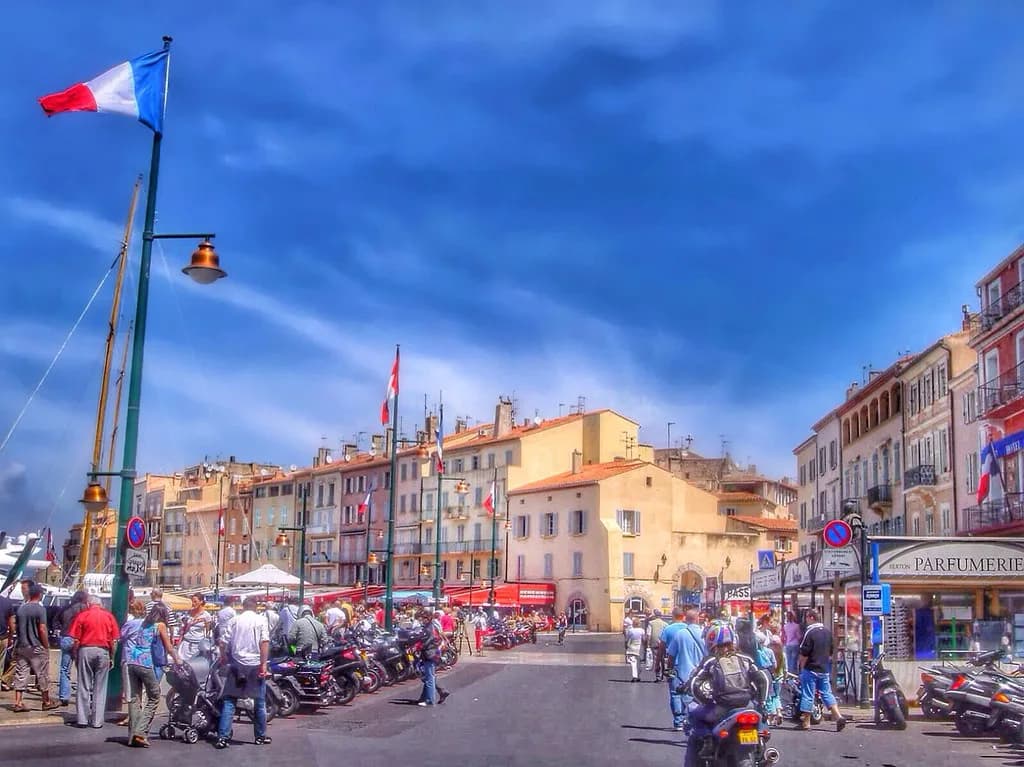
The old port is a spectacle in itself, packed with yachts and ringed by cafés where you can sit with a coffee and watch the boats. Behind it, La Ponche keeps the scale of a fishing village, with pastel façades and washing lines that survive the summer crowds.
The lanes between the port and the citadel are where Saint-Tropez is at its most photogenic, and also where the designer boutiques cluster. Come before mid-morning or after the day-trippers leave and the same streets feel completely different.
Citadelle de Saint-Tropez and the views back over the town
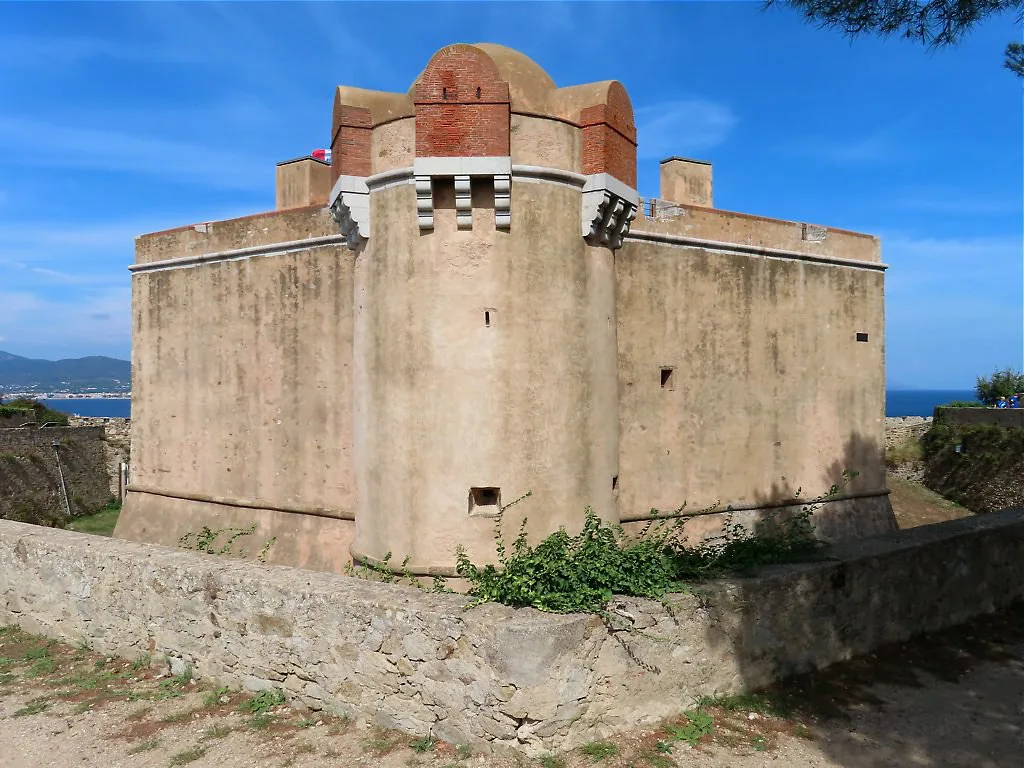
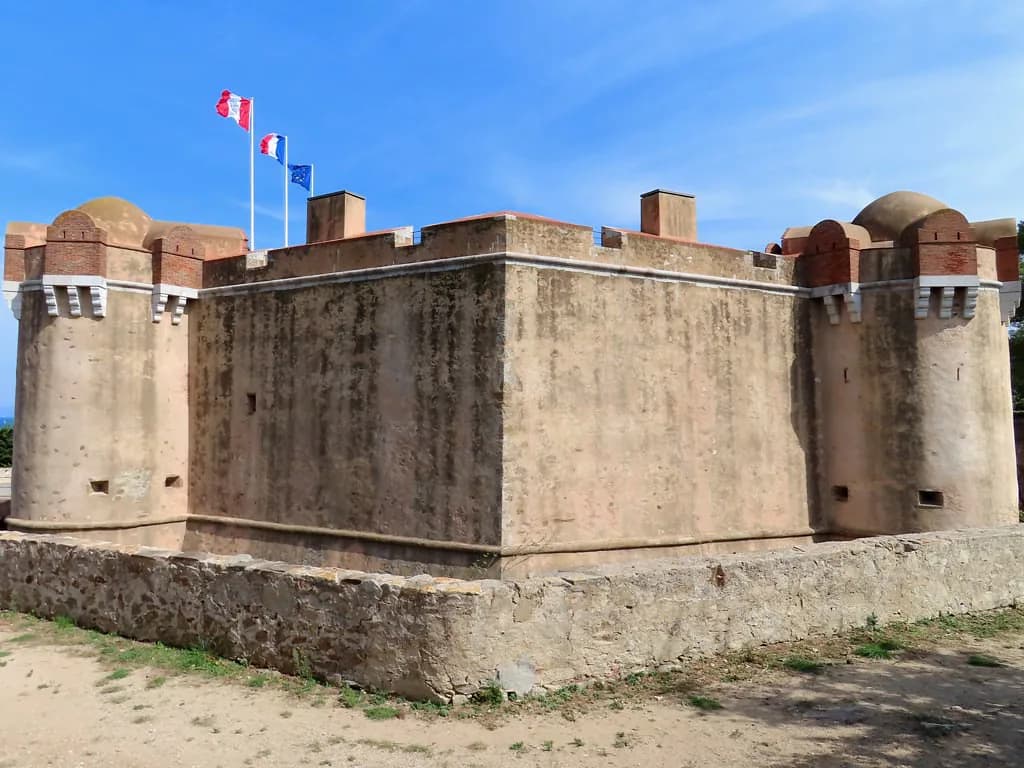
The 17th-century Citadelle de Saint-Tropez sits above the town and gives the best wide views back over the roofs, the harbour and the water. It is a short climb from the old town and the obvious place to end a walking loop.
Go late in the afternoon if you can, when the light softens and the heat drops on the climb. Check the opening arrangements for the site itself before you set out, since a closed gate turns the walk into a viewpoint hunt.
Musée de l'Annonciade for the art crowd
The Musée de l'Annonciade occupies a converted 16th-century chapel and holds a collection covering roughly 1890 to 1950, with work by Signac, Denis, Matisse and Picasso among others. The strength is the coherence of the hang: pointillist, Nabis and Fauvist pictures chosen for their handling of colour and shape.
This is the single best reason to come to Saint-Tropez as an art lover rather than a beach-goer, and an hour here justifies the journey on a grey or windy day. Confirm the day it opens before you build your plan around it.
Tarte Tropézienne and a café stop on the harbour
Tarte Tropézienne, a brioche filled with cream, was popularised by Brigitte Bardot during filming here and is sold in bakeries across town. Try one mid-morning with a coffee rather than after a heavy lunch.
For a sit-down meal, the sidewalk cafés near the harbour are the obvious choice, and a Café de Paris on the port is the kind of place that trades on location as much as cooking. Expect to pay for the view; for better value, look a street or two back from the water.
Beaches: Pampelonne and the sunbed trade-off
Pampelonne is the iconic beach, three miles of sand in Ramatuelle with more than 25 beach clubs ranging from family-friendly to see-and-be-seen. It is the sandy, gently sloping beach that much of the Côte d'Azur lacks, which is why people make the trip out.
Sunbeds at these clubs are the main discretionary spend, and most of the beaches offer them from around €30–40. Drinks are priced separately and are what really push the bill up.
The honest trade-off: a beach day and an old-town day do not fit into one short break comfortably. If you have two nights, choose one; if you have three, give Pampelonne a full afternoon and keep the morning for the market.
Costs: where the money goes in Saint-Tropez
The town itself is free to walk, and the market, the port, the lanes and the citadel views cost nothing to enjoy. The money goes on beach clubs, harbour-front meals, parking in peak season and the ferry crossing, which is the priciest of the arrival options.
Budget travellers should lean on the market for lunch, use the train-plus-bus route, and treat café seating as an occasional indulgence rather than a habit. The gap between a cheap day and an expensive one in Saint-Tropez is wider than in most Riviera towns.
Summer versus off-season: traffic, crowds and pace
Between June and September, plan to start early: roads and car parks fill by mid-morning and the day-tripper crowds arrive with them. The reward for an early start is a quiet hour in the old town before the bustle.
The shoulder months are the sweet spot for a weekend: warm enough for the port and the lanes, far less pressure on parking and ferries. Outside high season, the town reverts to the pace of a Provençal port, which is much of its appeal.
Travellers report August as the most punishing month for traffic in and out of Saint-Tropez, so if your dates are fixed, build slack into the arrival and departure legs.
How many days Saint-Tropez needs
One full day covers the market, the port, a wander through La Ponche and the climb to the citadel, which is enough to answer the worth-it question for yourself. It is not enough to add Pampelonne and the Musée de l'Annonciade without rushing.
Two nights is the honest minimum for a weekend break: a market morning, an afternoon at the beach or the museum, and an evening on the harbour after the day-trippers leave. Three nights lets you do both beach and museum and still have a slow morning.
Saint-Tropez or Cannes: a straight comparison
Cannes has the Croisette, more hotels and a bigger-city feel; Saint-Tropez has a smaller, prettier old town and the plane-tree square. For a short break built on walking, markets and lanes, Saint-Tropez is the more rewarding of the two, though if you are weighing a Provençal alternative, consider whether Aix-en-Provence is worth visiting on the same criteria.
For value and ease of arrival, Cannes wins: it has a train station, whereas Saint-Tropez requires a car, a ferry or a bus connection. If you are combining a Riviera break, Saint-Tropez works best as a two-night stop rather than a day trip bolted onto a Cannes base.
Verdict: day trip, weekend, or skip it
Saint-Tropez is worth visiting for a weekend, and worth a day trip only if you accept the travel time and focus on the old town rather than the beach. The market morning, the La Ponche lanes, the citadel view and the Musée de l'Annonciade make a coherent short break on foot.
Skip it if you want cheap food, easy parking and spontaneous beach days in high summer; the town is busy, the beach clubs are the costly part, and getting there takes planning. If that trade-off sounds acceptable, book the ferry or the bus connection early and build your day around Place des Lices.
Explore more Saint-Tropez guides
Frequently Asked Questions
Is Saint-Tropez worth visiting?
Yes for a short break built on the old town: the harbour, Place des Lices market, the lanes of La Ponche and the Musée de l'Annonciade make a full weekend on foot. It is less rewarding if you want cheap food and quiet streets in high summer.
How many days is enough for Saint-Tropez?
One full day covers the market, the port, the old lanes and the citadel. Two nights lets you add either Pampelonne or the Musée de l'Annonciade without rushing, and three nights covers both.
Is Saint-Tropez worth visiting for a day?
It can be, if you arrive early and stay in the old town rather than trying to reach the beach as well. Driving from Nice takes around 1.5 to 2.5 hours depending on traffic, and the train-plus-bus route via Saint-Raphaël takes roughly three hours each way.
How do you get to Saint-Tropez without a car?
Take the seasonal ferry, which runs from spring to early autumn and takes about 2.5 hours from Nice, or take the train to Saint-Raphaël and connect by local bus. Saint-Tropez has no train station of its own.
Is Saint-Tropez expensive?
The old town and market cost nothing to wander; the expense sits in beach-club sunbeds at Pampelonne, harbour-front meals and peak-season parking. Budget travellers can keep costs down by picnicking from the market and using the train-plus-bus route.
Is it better to go to Cannes or Saint-Tropez?
Cannes is easier to reach by train and better for a city-based Riviera break. Saint-Tropez has the prettier old town and the market square, so it wins for a walking weekend if you can manage the arrival.
When is the best time to visit Saint-Tropez?
Late spring and early autumn give you the port and lanes without the worst summer traffic. In June to September, start early because roads and car parks fill by mid-morning.
Sources
Notes for French city breaks
Optional updates to our guides.
You might also like
Continue reading
More guides you'll find useful