Is Reims Worth Visiting? An Honest Verdict for a Short Break
Yes, Reims is worth visiting for its UNESCO cathedral, Gallo-Roman tunnels and Art Deco streets. Here is who will love a short break and how long it needs.
On this page
Yes, Reims is worth visiting if your short break is built around architecture, history and a compact, walkable centre. The city pairs its UNESCO-listed cathedral and coronation palace with Roman tunnels, a strong fine-arts museum and Art Deco streets, all within a manageable core. It is a quieter, more single-minded city than Paris, and that is the point.
The honest trade-off is scale. Reims rewards a two-night stay far more than a week, and anyone wanting a broad city break with big museums, shopping and nightlife will find it thin. If you want Gothic grandeur with a glass of champagne, it is hard to beat.
Is Reims worth visiting? The short answer
Reims is worth visiting for a specific kind of trip: two or three days of cathedral architecture, coronation history and a handful of distinct museums. The sights that justify the journey are concentrated enough that you can cover the core on foot. Think of it as a city for a focused weekend rather than a base for a week.
It is less compelling if you want variety on every corner. Reims is not a city of endless little streets and surprise discoveries in the way that larger French cities are. Its appeal is depth in a few areas: the cathedral, the Palais du Tau, the Saint-Remi ensemble and the Roman underground.
What Reims is famous for: cathedral, coronations and champagne
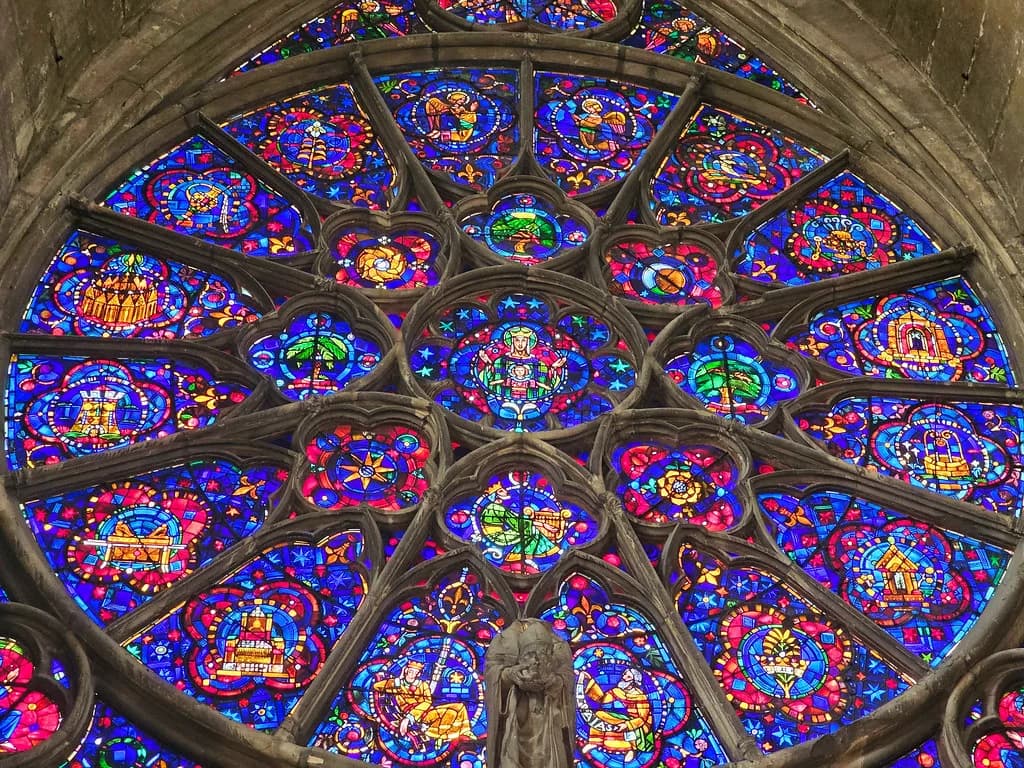
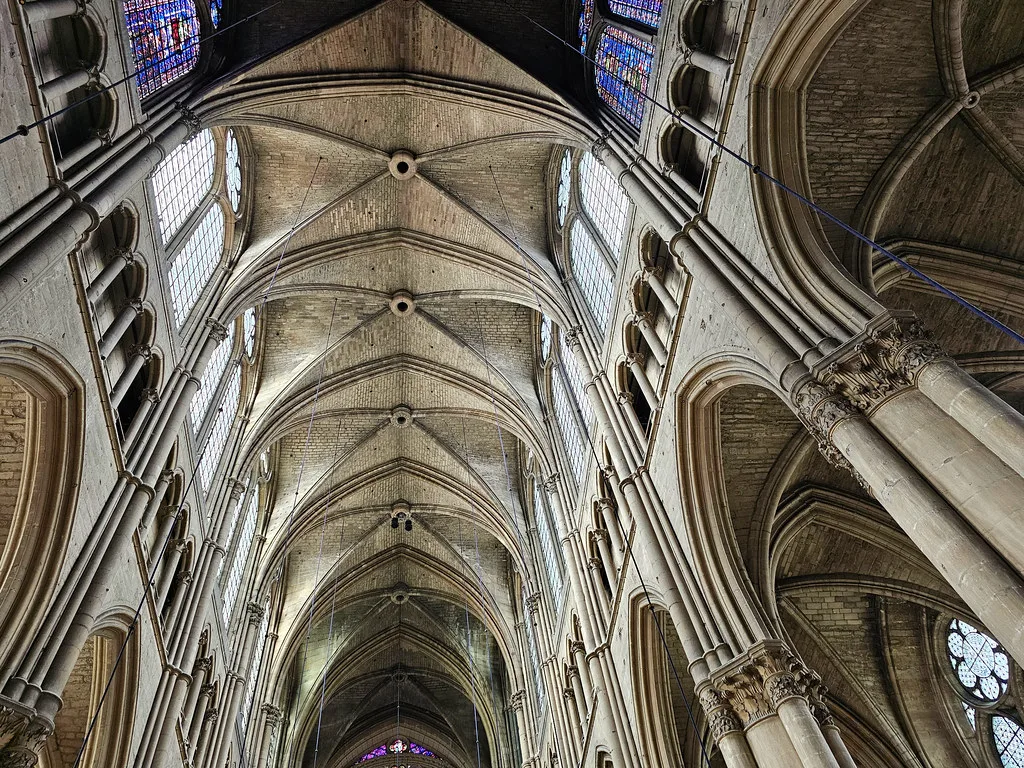
Reims is famous above all as the coronation city of the French monarchy. Notre-Dame de Reims, the Gothic cathedral, was the setting for the crowning of French kings, and it remains the city's defining monument. The cathedral was damaged by fire in 1914 and again in the Second World War, and has been restored with modern stained glass, including work by Marc Chagall.
Champagne is the other name on the label. Reims sits in the Champagne region, and the large houses have their headquarters in the city, with tours that go down into chalk cellars where bottles age. The city is also home to the pink biscuit, biscuit rose de Reims, often served alongside a glass.
The sights that justify the trip
The cathedral is the anchor, but the Palais du Tau next door is what turns a look at the façade into a proper half-day. Once the residence of the Archbishop of Reims and the setting for coronation banquets, it is now a museum holding the treasures of Notre-Dame. It is a UNESCO World Heritage Site in its own right.
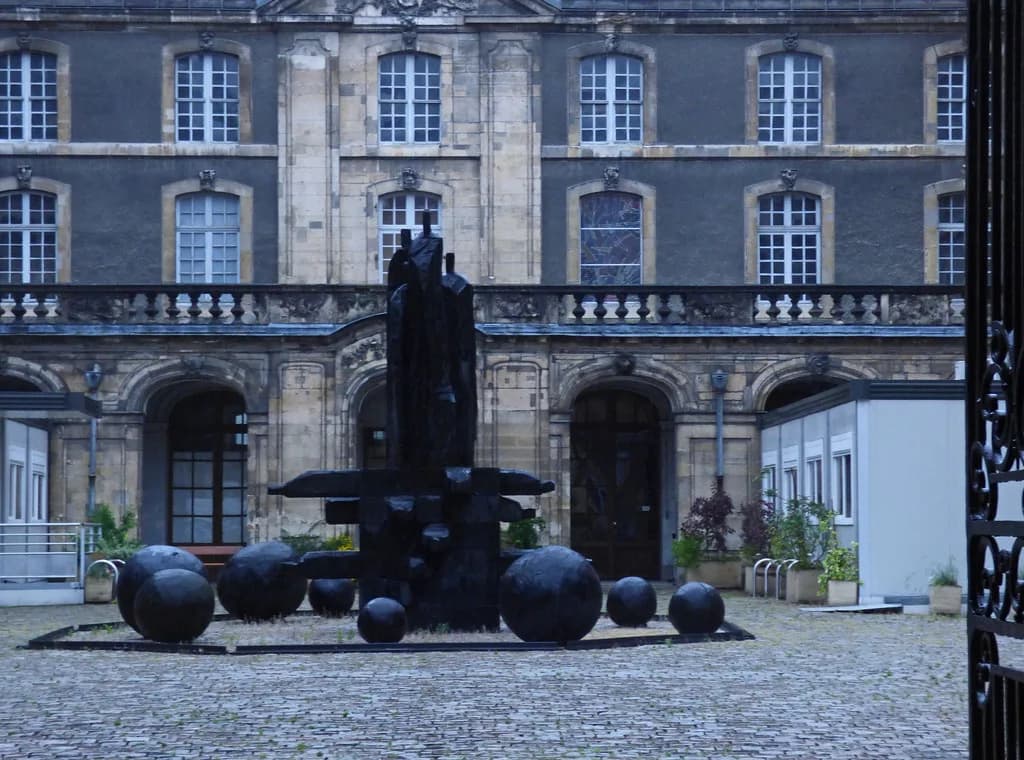
South of the centre, the Abbey of Saint-Remi and its basilica form a second UNESCO ensemble dedicated to the bishop who baptised the first king of France. The Musée des Beaux-Arts, based at the abbey, holds a collection spanning the German Renaissance to Impressionism, with works by Lucas Cranach the Elder, Nicolas Poussin and Henri Matisse. The specific rooms and works are covered in our guide to museums in Reims.
The Cryptoporticus tunnels and the underground side of Reims
The Cryptoporticus is the sight most likely to surprise a first-time visitor. These Gallo-Roman tunnels were carved into the chalk in the first century AD and originally extended for around 200 kilometres. Much has collapsed, but one restored section is open to visitors, and other stretches are thought to survive as cellars beneath buildings in the city.
Pair it with the cathedral and Palais du Tau rather than treating it as a separate outing. The underground section is a short, atmospheric stop, not a full morning. Access is worth checking on arrival, because the restored section is the only part you can visit.
How the city is laid out and what you can cover on foot
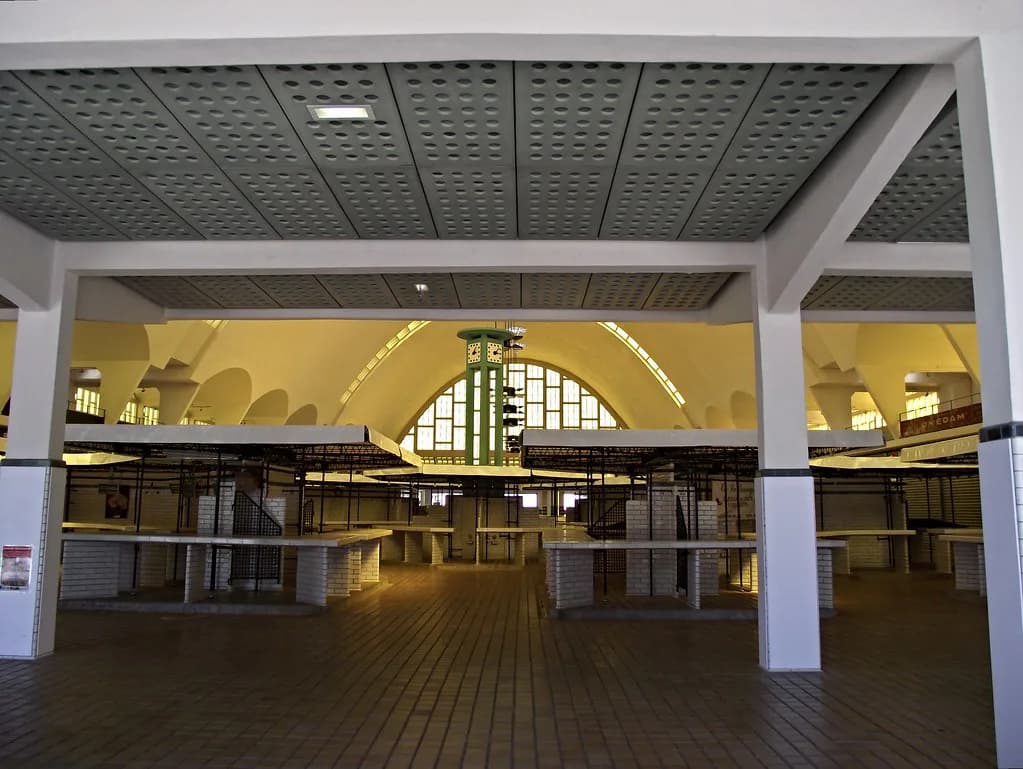
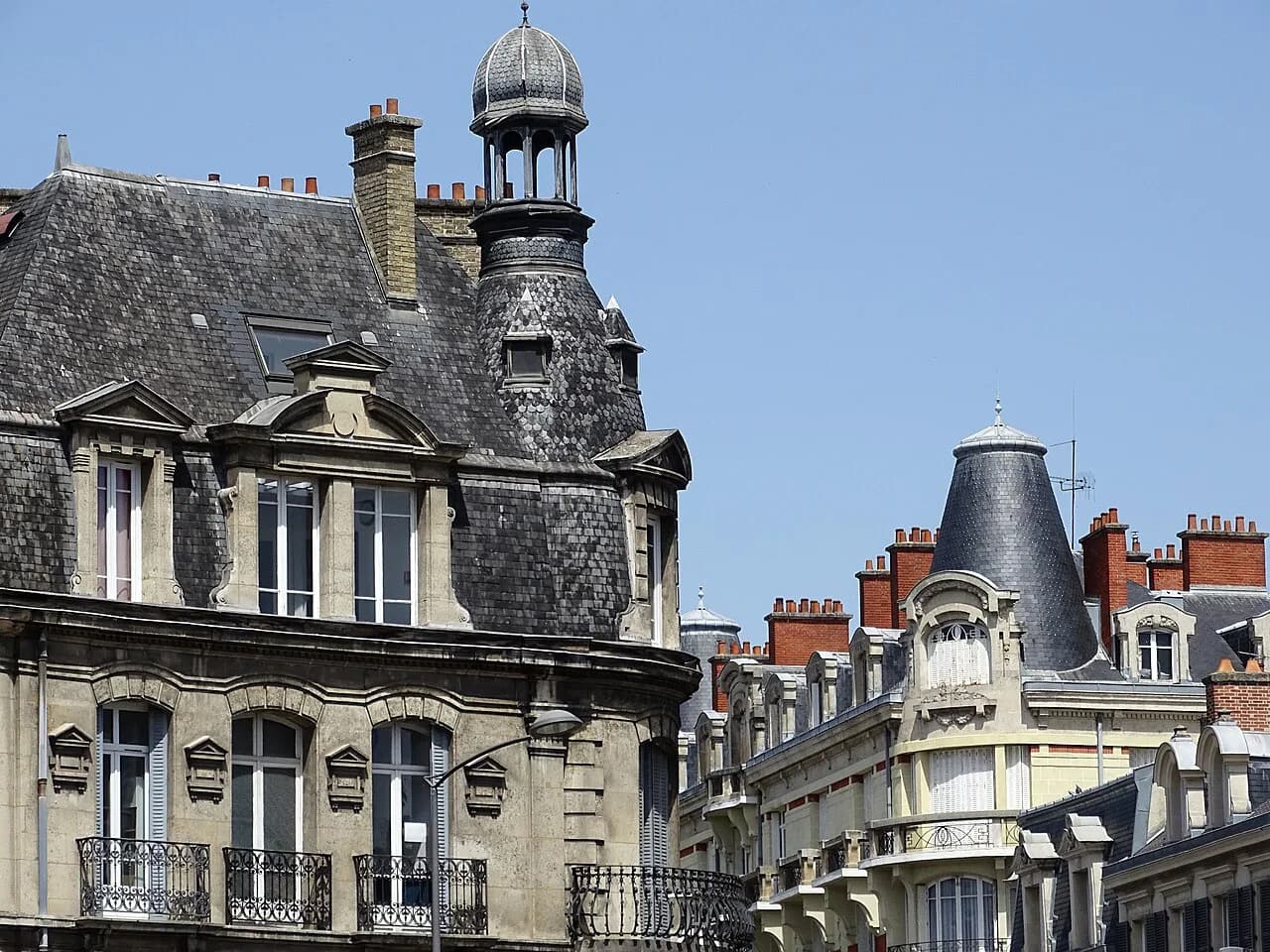
Reims is compact enough that the big-name sights cluster in a walkable core. The cathedral and Palais du Tau sit together, the Art Deco Carnegie Library is nearby, and the grand squares lined with arcades and shops are easy to reach on foot. You do not need a car for the city itself.
The Abbey of Saint-Remi and the Musée des Beaux-Arts sit a little further out, so plan them as a single walk or a short taxi ride. The champagne houses are spread around the city rather than lined up on one street, so walking between several in an afternoon is not realistic. Pick one and build the day around it.

How many days Reims needs: one day, a weekend or three
One day gives you the cathedral, the Palais du Tau and a walk through the centre, which is enough to see the city's headline sight. A weekend is the sweet spot: it adds the Saint-Remi ensemble, the Musée des Beaux-Arts and the Cryptoporticus without rushing. Three days lets you slow down and take in the Art Deco architecture properly.
A week in Reims alone would be too long for most visitors. If you want more time in the region, use the city as a base and accept that the extra days are about the surrounding countryside, not the city. Our Reims itinerary sets out how to pace a two-night stay.
Reims vs a longer Champagne stay: what you gain and what you give up
Reims gives you the coronation cathedral, the Palais du Tau and the Saint-Remi ensemble in one compact city. What you give up is the vineyard landscape and the small-grower side of Champagne, which sits outside the city. If your priority is the architecture and the museums, the city is the better base.
A longer stay in the region makes more sense if you want landscape and village life. Treat Reims as the cultural anchor and keep any wider touring to a minimum, because the city itself has enough to fill two or three days.
Who will love Reims and who should think twice
Reims suits travellers who want Gothic architecture, coronation history and a museum or two in a calm, walkable city. It is also a good choice for a first trip to France beyond Paris, because the scale is manageable and the headline sights are close together. Anyone comparing short breaks should also read is Aix-en-Provence worth visiting and is arles worth visiting to see how Reims sits alongside other French cities.
Think twice if you want a big-city break with constant choice of restaurants, shops and evening activity. Reims is quiet by comparison, and its appeal is concentrated in a few sights. If you are travelling with someone who needs variety every day, two nights will be plenty.
When to go and how the seasons change the trip
Spring and autumn are the most comfortable seasons for a walking city break, when the cathedral and the Saint-Remi walk are pleasant without summer heat. Summer brings the best light for the cathedral's stained glass but also the largest crowds. Our guide to the best time to visit Reims sets out the trade-offs month by month.
Winter is quieter and cheaper, but daylight is short and outdoor sightseeing is limited. If you go in the colder months, build the day around indoor sights such as the Palais du Tau and the museums rather than long walks.
What a weekend in Reims costs
The main variable costs are museum tickets and any champagne house tour you choose. Ticket prices and opening days vary by venue and season, so confirm them before you travel rather than budgeting from memory. As a rule, a weekend here costs less than a weekend in Paris because accommodation and meals are generally cheaper.
Set a budget for two or three paid sights and keep the rest of the day for walking, which costs nothing. The cathedral, the squares and the Art Deco streets are free to wander. Check the official ticketing pages for each museum before you commit.
Getting to Reims from Paris and arrival practicalities
Reims is roughly 90 miles north-east of Paris, about two hours by car. Trains also connect the two cities, and booking ahead is worthwhile if you are travelling at a popular time. Journey times and fares vary by service, so check current timetables and fares with SNCF when you book.
Once you arrive, the city centre is walkable, so a car is only useful if you plan to leave the city. If you are coming for the weekend, arriving on Friday evening gives you two full days. Our guide to Reims Attractions: 6 Visitor Guides covers the individual sights in more detail.
The mistakes that flatten a Reims short break
The biggest mistake is treating Reims as a quick stop and rushing the cathedral and Palais du Tau in an hour. Give the pair a proper morning, then walk the centre rather than trying to tick off every sight in one day. Another is assuming everything is within a few minutes: Saint-Remi is a real walk from the cathedral.
A third mistake is skipping the museums because the cathedral is the famous sight. The Musée des Beaux-Arts and the Cryptoporticus are what make Reims more than a single monument. For food, our best restaurants in Reims pick out where to eat around the centre.
Plan Your Visit
Reims is worth visiting if you want a compact weekend of Gothic architecture, coronation history and Roman remains, with a strong museum or two to round it out. Two nights is the right length for most people, and three if you want to slow down. It is a focused city rather than a broad one, and that is exactly why it works.
Book your travel and confirm museum opening days before you go, then plan the weekend around the cathedral and Saint-Remi rather than trying to cover everything. The rest of the city is best discovered on foot, between the squares and the Art Deco streets.
Explore more Reims guides
Frequently Asked Questions
Is Reims worth visiting for a weekend?
Yes. A weekend is enough to see the cathedral, the Palais du Tau, the Saint-Remi ensemble, the Musée des Beaux-Arts and the Cryptoporticus without rushing. Two nights is the natural length, and three days lets you slow down.
What is Reims famous for?
Reims is famous as the coronation city of the French monarchy, with Notre-Dame de Reims as its defining monument. It is also the home of the Champagne houses and the pink biscuit, biscuit rose de Reims.
How many days do you need in Reims?
One day covers the cathedral and Palais du Tau, two days adds the Saint-Remi ensemble and the museums, and three days lets you take in the Art Deco architecture properly. A week in the city alone would be too long for most visitors.
How far is Reims from Paris?
Reims is roughly 90 miles north-east of Paris, about two hours by car. Trains also connect the two cities; check current timetables and fares when you book.
Can you walk to the champagne houses in Reims?
The houses are spread around the city rather than lined up on one street, so walking between several is not realistic. Pick one house and build that part of the day around it.
What is the best month to visit Champagne, France?
Spring and autumn are the most comfortable for a walking city break. Summer has the best light for the cathedral's stained glass but the largest crowds, and winter is quieter with shorter daylight.
Is Reims good for a first trip to France beyond Paris?
It works well because the scale is manageable and the headline sights are close together. The trade-off is that Reims is quieter and offers less variety than a larger city, so it suits travellers who want depth over breadth.
Sources
Notes for French city breaks
Optional updates to our guides.
You might also like



Continue reading
More guides you'll find useful