Best Time to Visit Reims: A Season-by-Season Guide
Work out the best time to visit Reims with a season-by-season look at crowds, cathedral time and Champagne house visits, plus a rain-proof backup plan.
On this page
The best time to visit Reims is late spring or early autumn if you want long days, walkable temperatures and room to book the Champagne houses you actually want. Summer is the busiest and most expensive stretch, winter is quiet but dark by mid-afternoon, and a first-timer with only 48 hours should prioritise what is indoors and bookable over what looks best on a postcard.
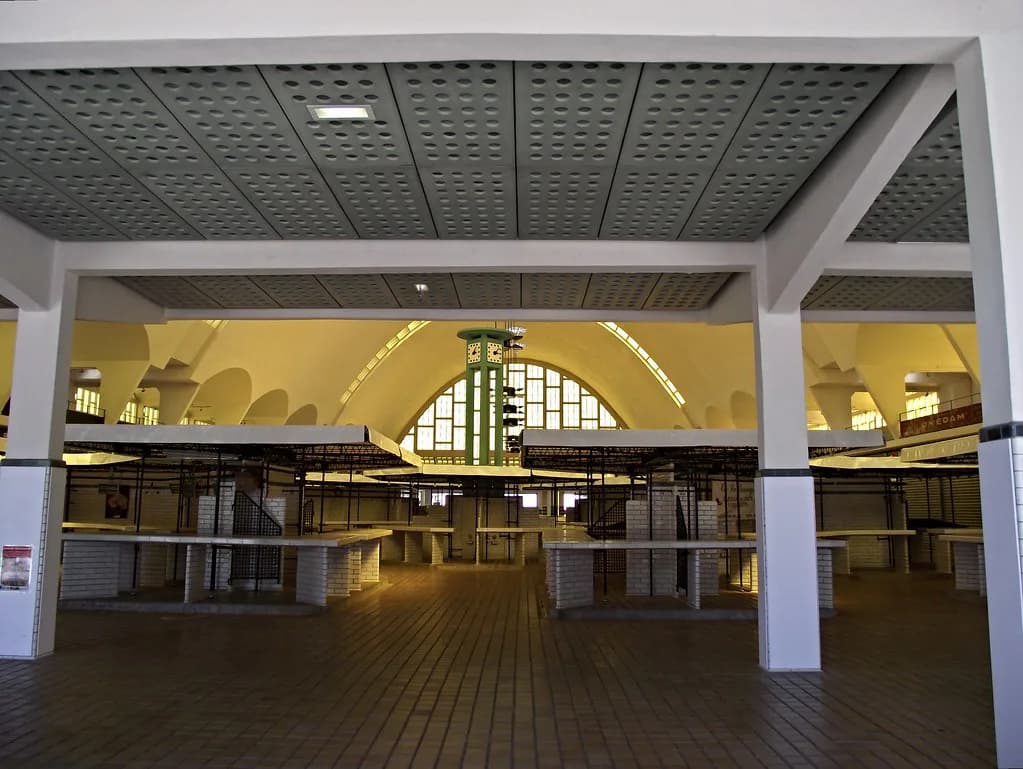
Reims is compact enough that weather rarely ruins a trip outright: the cathedral, the Palais du Tau, the Basilique Saint-Remi and the cellars are all indoor or underground, and the Boulingrin covered market keeps trading whatever the sky does. The real planning constraint is the calendar, not the forecast, so start with opening days and cellar slots before you pick a date.
The short answer: which months suit which kind of trip
For a first visit built around Notre-Dame de Reims and one big Champagne house, aim for May, June or September. Daylight is generous, the city is walkable without heat fatigue, and you are outside the peak summer squeeze on tours and tables. If your priority is the vineyards rather than the city, autumn puts you in the region as the harvest comes in, which is when the landscape is at its most photogenic.
Budget weekends land in November and the first half of December, or in January and February outside school holidays: the trade-off is short daylight and a city that feels shut down early in the evening. Anyone focused on the cathedral's interior, the museums and the cellars can comfortably travel in the cold months, because those are exactly the things that do not depend on the weather.
If your dates are fixed by work or cheap rail, stop optimising the season and optimise the days instead. Build the trip around the market mornings and the cellar slot you can actually reserve, then let the weather decide whether the afternoon is the Parc de Champagne or a second tasting bar.
How Reims' seasons actually feel
Reims sits in north-eastern France and behaves like it: crisp, changeable springs, warm summers that are rarely punishing, golden autumns, and winters that are cold and grey rather than dramatic. The practical consequence is that you need a layer most of the year, and that the Champagne cellars stay at a constant, cool temperature whatever is happening above ground, so a heatwave weekend still calls for a jumper for the underground visit.
Daylight matters more than the thermometer. From roughly May to August, evenings are long enough to walk the city after dinner without thinking about it; by December, the light is gone by late afternoon and the sensible plan moves indoors early. That single difference should shape whether you book a late cellar tour or an early one.
Rain arrives in every month, so treat a wet day as normal rather than unlucky. A waterproof jacket and shoes that cope with cobbles do more for a Reims weekend than any amount of forward planning, particularly around Place D'Erlon and the older streets where the paving holds water.
Spring in Reims: longer days, vineyard colours and shoulder-season pricing
Spring is the sweet spot for a first weekend: the days lengthen quickly through April and May, the terraces around Place D'Erlon come back to life, and the city feels busy without being packed. It is also the season when the vineyards outside Reims start to green up, which makes a half-day in the countryside more rewarding than in midwinter.
The catch is variability. A warm April weekend and a cold, wet one can sit a fortnight apart, so pack for both and keep one indoor anchor per day, whether that is the cathedral, the Palais du Tau or a cellar tour. Book the cellar in advance for a spring weekend, since this is when domestic visitors start returning in numbers.
Shoulder-season pricing is the other argument for spring: outside school holidays, travel and accommodation costs soften compared with July and August. If you want the best-value version of a full Reims weekend, the second half of May and early June are the strongest candidates.
Summer in Reims: the busiest stretch and how to plan around it
July and August are peak season, and the pressure shows up in two places: the most famous Champagne houses fill their tours first, and the cathedral square is at its most crowded through the middle of the day. Reserve cellar visits as soon as your dates are fixed, ideally weeks rather than days ahead, and treat walk-up tastings as a bonus rather than a plan.
The heat is manageable, but the city's rhythm rewards early starts. Do the cathedral and the outdoor sights before lunch, spend the hottest hours in a cellar or a museum, and save the long walk to the Basilique Saint-Remi for late afternoon. The evening light over the cathedral is one of the best reasons to be in Reims in June or July.
Summer also brings the sound-and-light productions that Reims stages in front of the cathedral, though the specific programme and dates change each year and should be confirmed with the tourist office rather than assumed. Treat any summer evening spectacular as a bonus on top of a plan that already works without it.
Autumn in Reims: harvest season and the best light for the cathedral
Autumn is the connoisseur's season here. September and October bring the harvest, the vineyards turn, and the low golden light on the cathedral facade is the best you will get all year for photographs and for simply sitting on the square. The crowds thin after the summer peak while the weather stays good well into October.
Being in Reims during the harvest does not mean you can walk into a picking crew, and the cellars are working buildings, so a visit needs booking like any other. What you gain is atmosphere: the trucks, the activity in the villages around the Montagne de Reims, and the sense that the region is doing the thing it is famous for.
November is the pivot month. Early November can still be mild and pleasant; by the end of it you are into short days and a quieter city, which suits a cathedral-and-cellars trip but not a weekend built around wandering the streets. Wet-weather options, including the Boulingrin market and the museums, start to earn their keep.
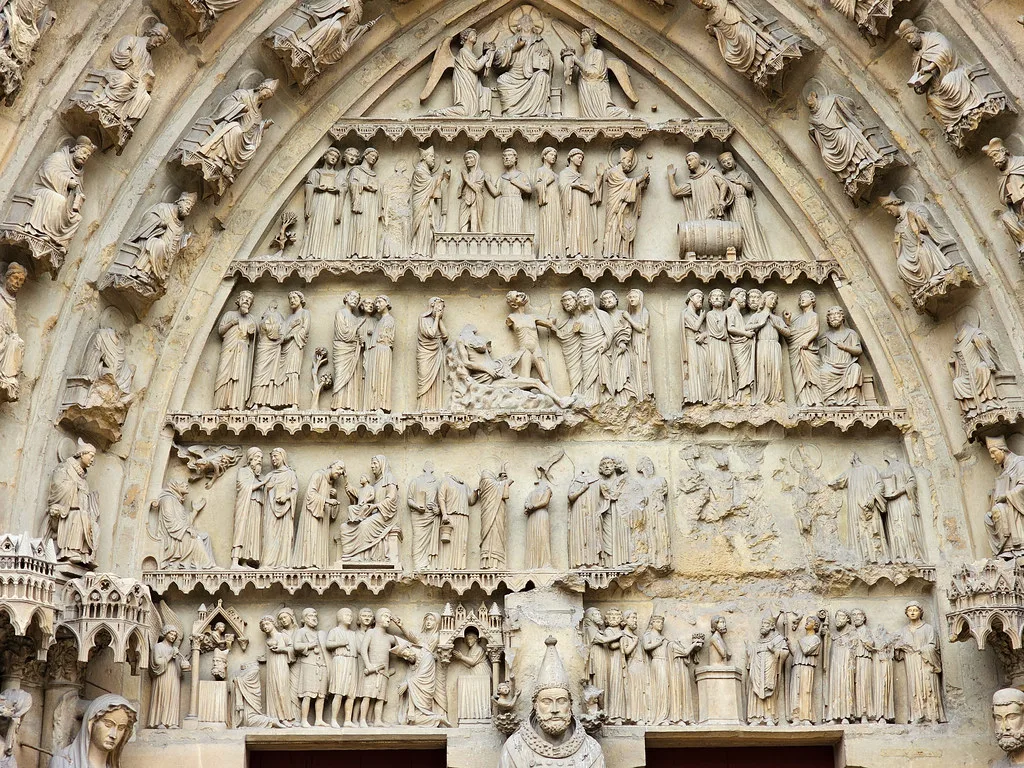
Winter in Reims: quiet streets, short days and indoor-heavy itineraries
Winter in Reims is quiet and cheap, and for a certain kind of trip it is the best value in the year. The cathedral is less crowded, the cellars are as atmospheric as ever, and you can get a table without booking weeks ahead. The trade-off is real: daylight is scarce, and the city closes down early, so plan your day around the light rather than against it.
The Boulingrin Market keeps its rhythm through the winter, trading on Wednesday, Friday and Saturday, and it is the single best indoor morning in the city when the weather is grim. Pair a market visit with the Palais du Tau and the Basilique Saint-Remi and you have a full day that barely touches the outdoors.
Bring proper winter clothing, not just a coat over a jumper, because the wind across the cathedral square is unforgiving. The upside of the cold is that the cellar tour, which runs at a constant cool temperature year-round, no longer comes as a shock, and a long lunch becomes a legitimate way to spend an afternoon.
Events and seasonal draws worth timing a weekend around
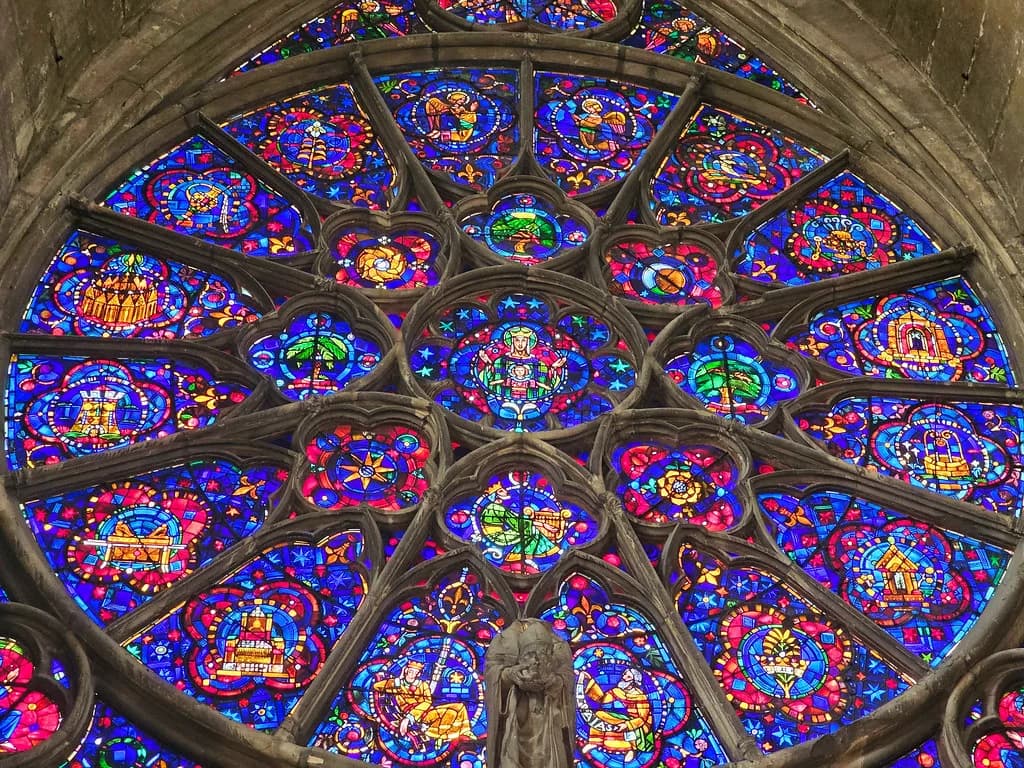
Reims' big draw is the cathedral itself, a UNESCO World Heritage site, and the Palais du Tau and the Abbey of Saint-Remi share that status, which is why a coronation-focused weekend works in any season. If you are timing a visit around a specific performance or exhibition, check the tourist office's current programme rather than relying on a schedule from a previous year.
Past summer entertainment has included large-scale sound-and-light shows in the cathedral and the Basilique Saint-Remi, including a run at Saint-Remi that ended on 16 August 2025, which is history rather than a fixture. If a similar production is announced for your dates, book it early, because these events sell out.
Beyond the headline sights, the seasonal pull is the vineyard landscape itself. Spring green, summer fullness and autumn colour each give a different reason to spend half a day outside the city, and the Marne countryside around Épernay has a cycling network of more than 450 km of greenways for anyone who wants to combine the city with the vines.
What's open when: markets, museums and Champagne house visits
The Boulingrin Market is the fixed point in the week: a covered market built in 1927, trading on Wednesday, Friday and Saturday, next to the Porte de Mars at the top of the Rue de Mars. Build at least one morning around it, and combine it with the food shops along the same street rather than treating it as a five-minute stop.
Champagne house visits are the other hard constraint. Guided tours run in both French and English and booking ahead is essential; walk-ins are sometimes possible for simple tastings but not for full tours. Set your dates, then check the individual house websites for the slots that fit, because tour times and prices are set house by house.
Museum opening hours in Reims vary by institution and can change with the season, so check the official listing for the day you plan to visit rather than assuming a standard pattern. The Reims City Pass, sold at the tourist office by the cathedral, bundles access to more than ten museums with free public transport and shop and restaurant discounts, which is worth costing out if you plan two or three paid sights.
Crowd and price patterns across the year
Expect the sharpest prices and the fullest tours in July and August, when demand from both France and abroad peaks. Late spring and early autumn are the value sweet spot: good weather, thinner crowds, and more choice of cellar slots and restaurant tables. Deep winter is the cheapest stretch but you pay for it in daylight and in the number of places that feel half-asleep.
Weekends are busier than weekdays year-round, and Saturday is the busiest day because it lines up with the market and with short-break arrivals. If you can shift your trip to a Friday to Sunday pattern with a Thursday or Monday edge, you will find the cathedral and the cellars noticeably calmer.
On costs, the two big variables are the Champagne house you choose and whether you eat at sit-down restaurants or assemble a picnic from the market. Cellar tour prices differ substantially from house to house and are published by each one, so check before you commit, and reserve your table for Saturday dinner in peak season rather than hoping to walk in.
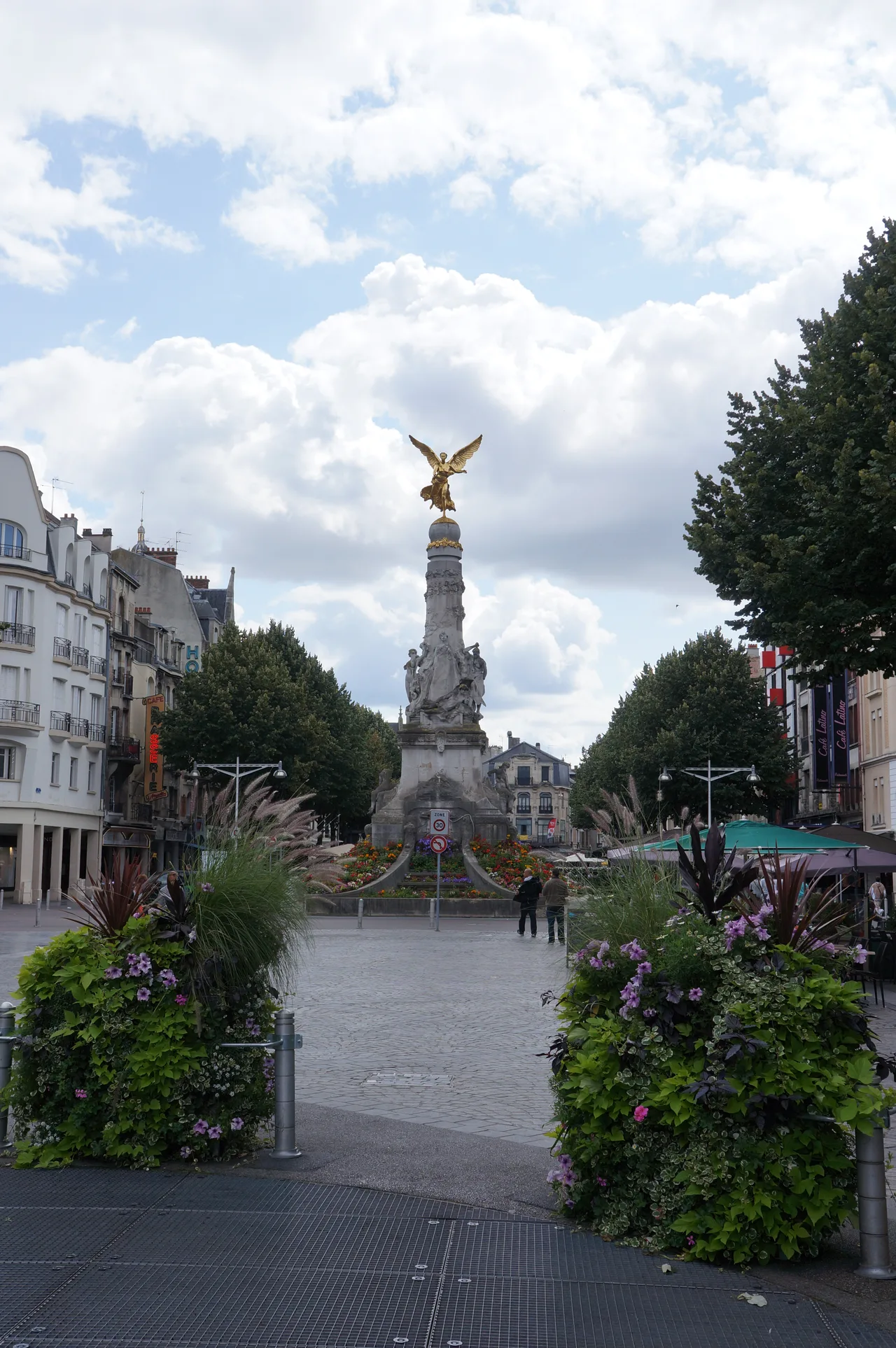
Reims in one day versus 48 hours: how season changes the plan
With one day in summer, start early: cathedral first thing, a cellar tour before lunch, and the Basilique Saint-Remi in the late afternoon light. In winter, the same day needs compressing because the light goes early, so pick either the cathedral and Palais du Tau or the cathedral and a cellar, not all three, and accept a long lunch indoors as part of the plan rather than a delay.
With 48 hours, each season allows one half-day outside the city centre: the vineyard villages in spring and autumn, a second Champagne house or the museums in winter. The mistake is spreading yourself across too many houses, when two visits plus the cathedral and the market already fill a weekend comfortably.
Whatever the season, keep one flexible half-day. Weather in north-eastern France changes quickly, and a spare morning lets you swap a vineyard walk for the Boulingrin market or the Musée de la Reddition without wrecking the trip.
Rainy-day and cold-day backup plans in the city
When it rains, head underground. Reims' cellars were carved into chalk and run for more than 200 km under the city, and a cellar tour is the most weather-proof hour you can spend here, cool and dry whatever is happening above. Book ahead so a wet Saturday does not leave you queuing for a slot that has gone.
Above ground, the reliable wet-day combination is the Palais du Tau, the Basilique Saint-Remi and the museum of the Abbaye Saint-Remi, which sit close enough together to do in one damp afternoon. Add the Boulingrin Market if it is a Wednesday, Friday or Saturday and you have a morning that does not depend on the sky.
For a cold day, a long lunch is the correct response: a proper sit-down meal in the old town stretches to two hours without effort, and the city's food culture rewards it. Warm up afterwards with a tasting at a champagne bar near the cathedral rather than another outdoor walk.
Verdict: the best months for first-timers, repeat visitors and budget weekends
For a first trip, late May to June and September to early October are the best months in Reims: enough daylight to walk the city, mild enough to enjoy it, and busy enough to feel alive without the summer crush. Repeat visitors should come in autumn for the harvest atmosphere or in deep winter for a quiet, cheap, cellar-heavy weekend.
Budget travellers should target November and the first half of December, or January outside school holidays, and accept short days in exchange for lower prices and easier bookings. Anyone whose priority is a specific Champagne house or a particular cathedral event should fix the date around availability rather than the season, then plan the rest of the trip to suit.
The honest summary is that there is no bad month, only bad pairings of plan and season. Match your itinerary to the daylight and the opening days, book the cellar early, and Reims delivers in any month you choose.
Plan Your Visit
Pick your season by what you most want from the trip: spring and autumn for long walks and the vineyards, summer for atmosphere at the cost of crowds, winter for value and quiet. Then build the days around the Boulingrin Market's Wednesday, Friday and Saturday rhythm and a pre-booked cellar tour, and the weather becomes a detail rather than a risk.
Check current cathedral hours, museum opening days and Champagne house tour times directly with each venue before you travel, since these are set individually and change through the year. From the cathedral square to the cellars, everything worth seeing in Reims sits within a walkable centre, which is why a well-timed weekend here works so well.
Frequently Asked Questions
What is the best month to visit Reims?
Late May, June and September are the strongest all-round months: long daylight, walkable temperatures and thinner crowds than July and August. Autumn is best if you want the harvest atmosphere in the vineyards, while November to February suits a quieter, cheaper trip focused on the cathedral, museums and cellars.
Is Reims worth visiting in winter?
Yes, if your plan is indoor-led. The cathedral, Palais du Tau, the Basilique Saint-Remi and the Champagne cellars do not depend on the weather, and the city is quieter and cheaper. The trade-off is short daylight and an early evening lull, so start your day early and keep one long indoor lunch in reserve.
When is the Boulingrin market open in Reims?
The covered Boulingrin Market trades on Wednesday, Friday and Saturday. It sits next to the Porte de Mars at the top of the Rue de Mars, so it pairs naturally with the food shops on that street. Check the market's own listing before travelling in case of seasonal changes.
Do you need to book Champagne house visits in Reims in advance?
Yes. Guided tours run in French and English and booking ahead is essential, with walk-ins sometimes accepted for simple tastings but not for full tours. Tour times and prices are set by each house, so check the individual house website once your dates are fixed.
How many days do you need in Reims?
Two days covers the cathedral, the Palais du Tau, the Basilique Saint-Remi, the Boulingrin Market and one or two Champagne house visits at a comfortable pace. One day is enough for the cathedral and a single cellar tour if you start early, but you will be choosing between sights rather than seeing them all.
What should I do in Reims if it rains?
Head underground: the Champagne cellars are cool and dry whatever the weather, and the Palais du Tau and the Basilique Saint-Remi make a solid indoor afternoon. If it is a Wednesday, Friday or Saturday, the covered Boulingrin Market gives you a wet-morning plan that does not depend on the forecast.
Does the weather change what I should pack for Reims?
Pack a layer for the cellars regardless of season, because underground tours stay cool even in a heatwave. In winter add proper cold-weather clothing for the wind across the cathedral square, and in any month bring shoes that cope with wet cobbles around Place D'Erlon.
Sources
Notes for French city breaks
Optional updates to our guides.
You might also like
Continue reading
More guides you'll find useful