Reims Itinerary: Plan Your Perfect Champagne Trip
Plan a Reims itinerary by area: Notre-Dame Cathedral, Saint-Remi, the Palace of Tau and Champagne cellars, plus how many days you need and how to get there.
On this page
Reims works as a two-day city break, with a third day for slower museum time or the Champagne houses beyond the centre. The city's two UNESCO anchors, Notre-Dame Cathedral and the Basilica of Saint-Remi, sit in different quarters, so the sensible plan gives each one its own morning rather than zig-zagging across town. The main things to do in Reims cluster within walking distance of each other, which keeps the days short.
How Reims is laid out
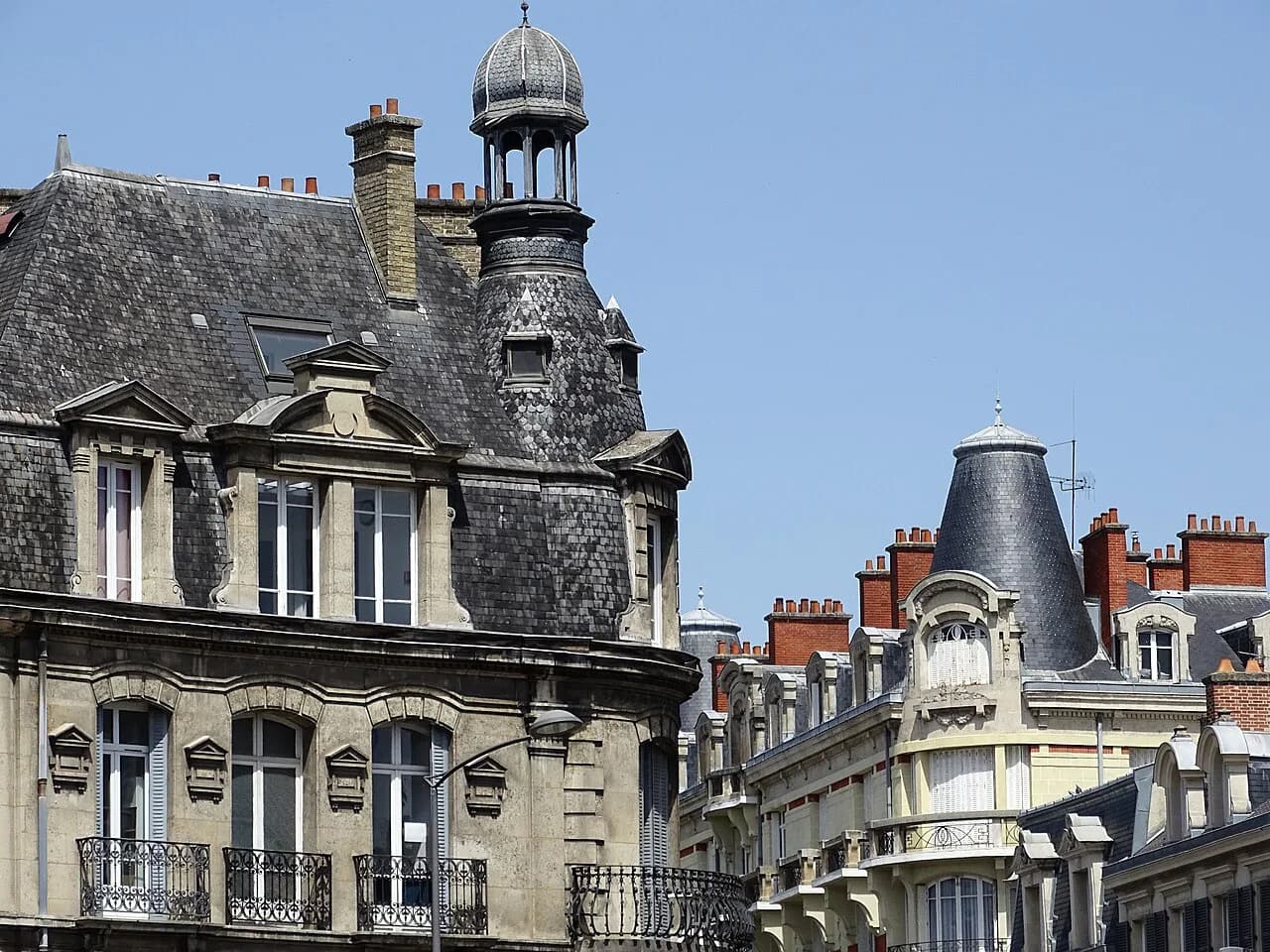
The cathedral and Place du Forum form the core of the city, with the train station marking the northern edge of the centre. The Basilica of Saint-Remi and the Abbey of Saint-Remi sit to the south, a separate quarter you can reach on foot or by a short bus ride. Grouping your days by these two poles saves you from retracing your steps, and the old town streets between them repay a slow wander.
How many days you need
One day covers the cathedral quarter, the Palace of Tau and a walk through the central streets, but leaves no room for Saint-Remi. Two days let you add the basilica and a Champagne cellar tour; three days remove the rush and allow a museum or a second cellar visit. If you only have a weekend, treat the cathedral and the cellars as the non-negotiables and hold Saint-Remi for a return visit.
Day 1 morning: Reims Cathedral and the Palace of Tau
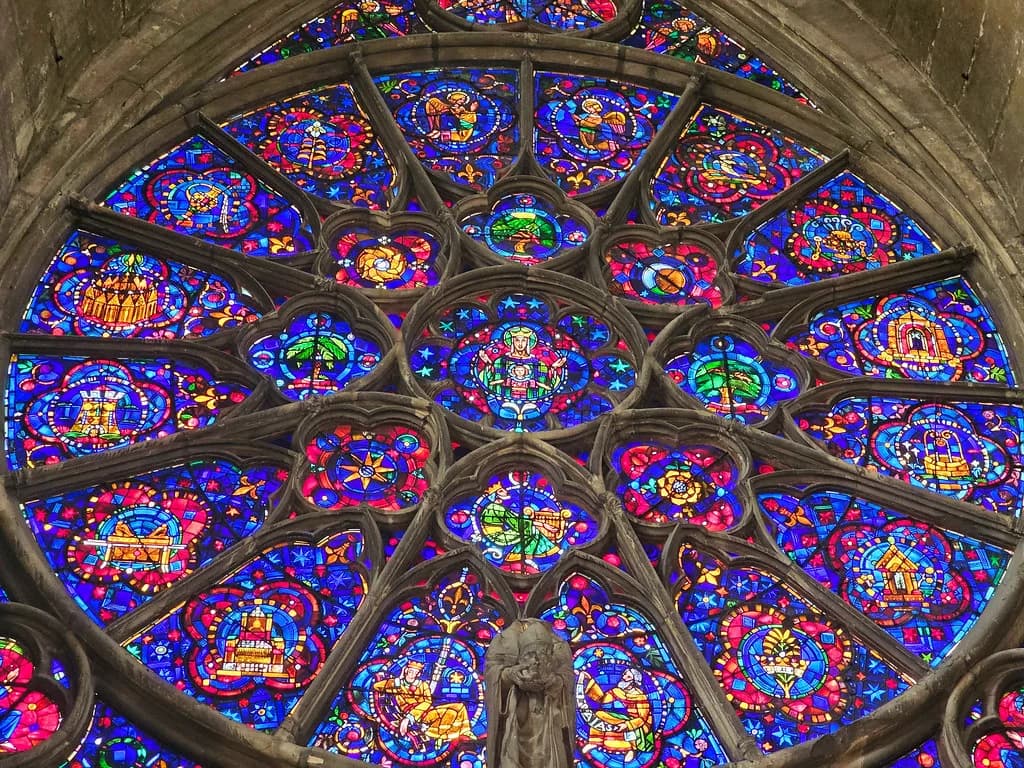
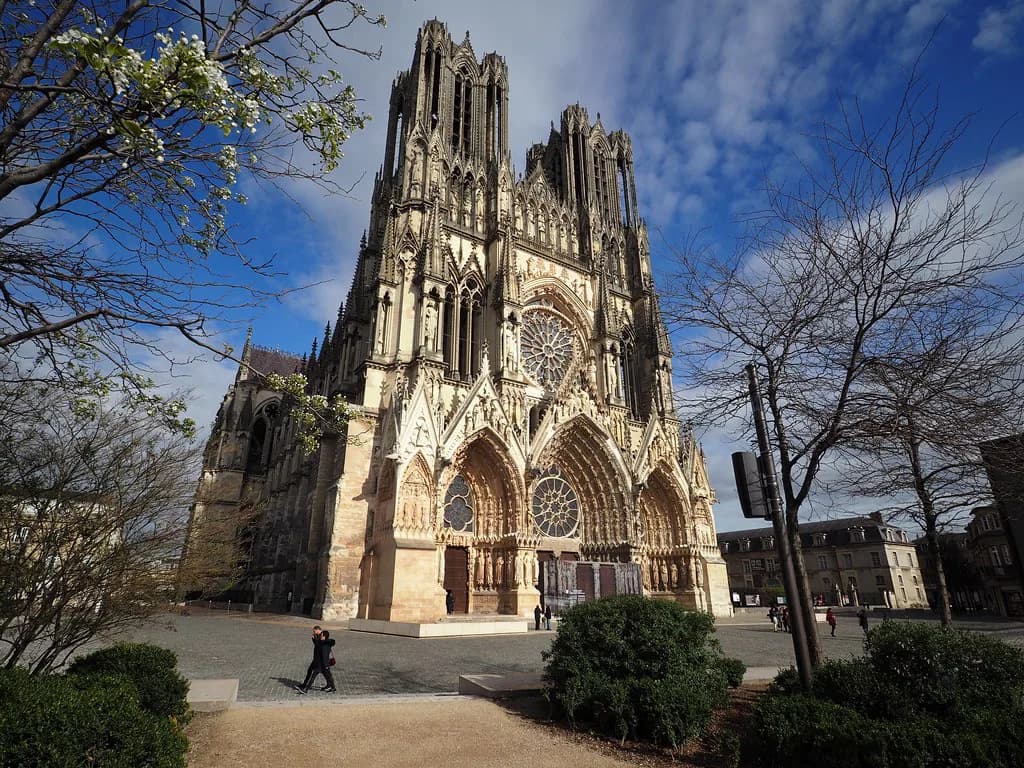
Start at Notre-Dame de Reims, the UNESCO-listed Gothic cathedral where the kings of France were crowned for over a thousand years. It is larger than its Paris namesake, and the façade and interior are the reason most visitors come. Next door, the Palace of Tau (Palais du Tau) was the archbishop's residence and the setting for coronation banquets; it is now a museum you can visit in the same morning.
Day 1 afternoon: the Musée des Beaux-Arts and central squares
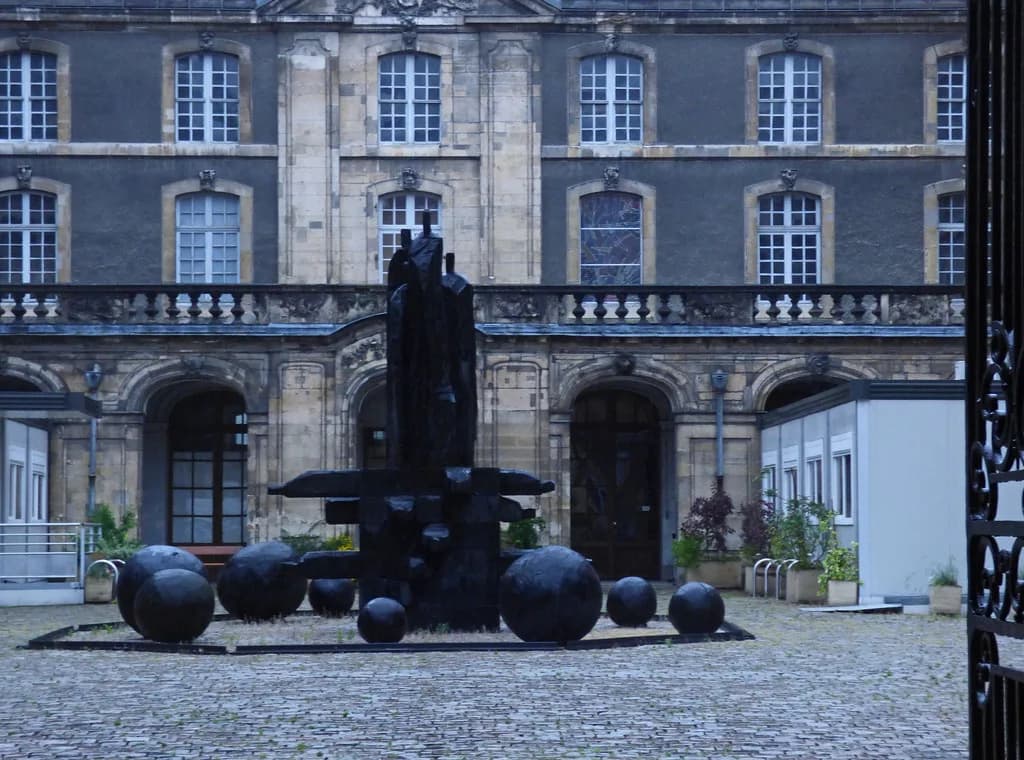
The Musée des Beaux-Arts holds a fine collection in a former abbey, and it makes a good afternoon stop after a morning of Gothic architecture. After the museum, walk the central streets around Place du Forum and the Hôtel de Ville, where the café terraces give you a natural lunch break. Leave the shopping for this stretch rather than cramming it into a morning.
Day 1 evening: early dinner in the centre
Eat early in the centre so the next morning starts fresh, and book a table if you are travelling on a Friday or Saturday. The city's brasseries and bistros around Place du Forum and the cathedral quarter make the default evening plan; the best restaurants in Reims fill up quickly in high season, so reserve ahead. Keep the walk back to your base short rather than crossing the city for a late table.
Day 2 morning: the Basilica of Saint-Remi
The Basilica of Saint-Remi and the Abbey of Saint-Remi form the city's second UNESCO anchor, south of the centre. The abbey now houses a museum covering the history of the site, and the basilica itself is a Romanesque building worth a slow look at the columns and capitals. Give this quarter a full morning, then walk back through the streets towards the centre for lunch.
Day 2 afternoon: a Champagne cellar tour
An afternoon cellar tour at Champagne Mumm gives you a guided walk through the cellars and explains how the wine is made and stored, ending with a tasting. The cellars are underground, and a number of steps are involved, so wear sturdy shoes and leave the heels at home. A heavy cellar afternoon means less museum time afterwards, so choose one or the other rather than both.
Day 2 evening: keep it simple near your base
After a cellar tour and a full morning at Saint-Remi, keep the evening close to your base rather than crossing the city for a special-occasion restaurant. A simple brasserie meal or a picnic from a local shop works well, especially if you have an early train the next day. Leave the more ambitious dinner for the night before you leave.
Day 3 option A: the Foujita Chapel and smaller sights
The Foujita Chapel, decorated by the Japanese-French artist Leonard Foujita in the 1960s, gives you a half-day of a different kind of art after two days of Gothic and Romanesque architecture. Combine it with a slow walk through the streets you have not yet covered, and leave the afternoon free for a museum you skipped earlier. This is the day for the smaller sights that would otherwise be squeezed out.
Day 3 option B: Épernay and the Champagne Route
Épernay, home to some of the finest Champagne houses, is the natural third-day extension. Follow the Champagne Route out of Reims, stop in Hautvillers — the village associated with Dom Pérignon — and spend the afternoon on the Avenue du Champagne, where houses such as Moët & Chandon and Champagne Mercier offer tours; a small tourist train takes you through the Mercier cellars. Return to Reims for the evening rather than moving your base.
Getting to Reims from the UK
By train, take the Eurostar from London to Paris Gare du Nord and change for a direct service to Reims station; the whole journey is comfortable but adds a transfer on the Paris side. By air, fly to Paris-Charles de Gaulle from regional UK airports and arrange a local coach or transfer for the final stretch. By coach, cross the Channel from Dover to Calais or Dunkerque and continue by road; this is the slowest option but the most straightforward if you are travelling in a group.
Where to eat
Book lunch in the centre, especially on a Saturday when the restaurants around the cathedral fill up. The city's brasseries are the default evening plan, with menus that suit a short break rather than a long dinner. If you want a specific table, the best restaurants in Reims are worth reserving a few days ahead.
Practical trade-offs
Cellar tours are underground and involve steps, so dress comfortably and wear footwear you can climb in. A heavy cellar day leaves less time for museums, so do not try to combine a morning at Saint-Remi with two cellar tours in an afternoon. If you are travelling with children or anyone unsteady on stairs, put the cellar visit on the second morning rather than the afternoon.
What to skip if you only have one day
With one day, skip Saint-Remi and the Foujita Chapel, and concentrate on the cathedral, the Palace of Tau and a short cellar tour if you can fit it in. Hold the Musée des Beaux-Arts and the abbey for a return visit. The half-day itinerary from one operator suggests the Abbey of Saint-Remi, the Palace of Tau and the Foujita Chapel in a single half day, which is ambitious; treat it as a list of priorities rather than a schedule.
Plan Your Visit
Two days is the right length for most short breaks: one morning at the cathedral and the Palace of Tau, one at Saint-Remi, and a cellar tour in between. Three days lets you add the Foujita Chapel or a trip to Épernay without rushing. Check the cathedral's visitor information and the cellar tour times directly, since these change by season, and consult our guide to the best time to visit Reims for a month-by-month view. If you are weighing up another French city break of the same length, our 3 days in Carcassonne itinerary shows how the same day-by-day logic plays out around a medieval citadel.
Explore more Reims guides
Frequently Asked Questions
How many days do you need in Reims?
Two days cover the cathedral quarter, the Palace of Tau, Saint-Remi and a cellar tour. Three days remove the rush and allow the Foujita Chapel or a day in Épernay. If you only have one day, concentrate on the cathedral and a single cellar visit.
Is one day in Reims enough?
One day is enough for the cathedral, the Palace of Tau and a walk through the central streets, but leaves no time for Saint-Remi or a cellar tour. Treat it as a taster and plan a return visit for the second UNESCO site.
What should you see first in Reims?
Start at Notre-Dame de Reims, the cathedral where the kings of France were crowned, then walk to the Palace of Tau next door. This puts the city's main sight at the front of your day and leaves the afternoon free.
How do you get to Reims from London?
Take the Eurostar from London to Paris Gare du Nord and change for a direct train to Reims. Alternatively, fly to Paris-Charles de Gaulle and arrange a local transfer, or drive and take a ferry from Dover to Calais or Dunkerque.
Do you need to book Champagne cellar tours in advance?
It pays to book ahead, especially at weekends and in summer. Tour times and availability change by season and are not fixed year-round, so contact the Champagne house directly or check its website before you travel.
What can you do in Reims in half a day?
A half day covers the cathedral, the Palace of Tau and a short walk through the central streets. Trying to add Saint-Remi and the Foujita Chapel as well would be too much for half a day.
Is Reims or Épernay better for a Champagne visit?
Reims has the cathedral, Saint-Remi and several Champagne houses in the city. Épernay is smaller and centres on the Avenue du Champagne. If you have three days, use Reims as your base and add Épernay as a day out.
Sources
Notes for French city breaks
Optional updates to our guides.
You might also like
Continue reading
More guides you'll find useful