Museums in Reims: Which Ones Are Worth Your Time
A candid guide to museums in Reims, from the Museum of the Surrender to Saint-Remi and the Foujita Chapel, with what each holds and realistic timings.
On this page
If you have one full day in Reims, spend it on Notre-Dame de Reims and one Champagne house cellar tour; the museums are what you build around those two. With two days, add the Palais du Tau next door to the cathedral and the Basilica of Saint-Remi with its history museum, which sit in a different quarter. Everything else in this guide is a filler for wet hours, a spare morning or the gap before a train back to Paris.
The city is compact and most central sights can be reached on foot, though the outer museums such as Fort de la Pompelle sit beyond comfortable walking range. The practical upshot is that you should cluster your day rather than criss-cross town: cathedral and Palais du Tau in one block, Saint-Remi in another, and the First and Second World War sites on a separate run.
Museums in Reims: the short answer
Three museums earn a place in a two-day weekend: the Palais du Tau for the coronation story, the Musée Historique Saint-Remi for the city's Roman and medieval layers, and the Museum of the Surrender for the room where the 7 May 1945 surrender was signed. The Musée des Beaux-Arts and the Foujita Chapel are strong second choices, especially on a wet afternoon or when you want something small and close to the cathedral. Fort de la Pompelle and the Musée Automobile Reims Champagne are half-day commitments and work best for travellers with a car or a specific interest. If you are comparing short-break cities, the museums in Annecy reward a similar kind of triage.
Reims has more museums than most weekenders have slots for, and the official city museum portal lists the main civic collections in one place. Use it to check what is open on your dates before you commit, because a museum-heavy plan collapses fast if your only free morning lands on a day a site is shut.
How Reims is laid out: cathedral cluster versus Saint-Remi and the outliers
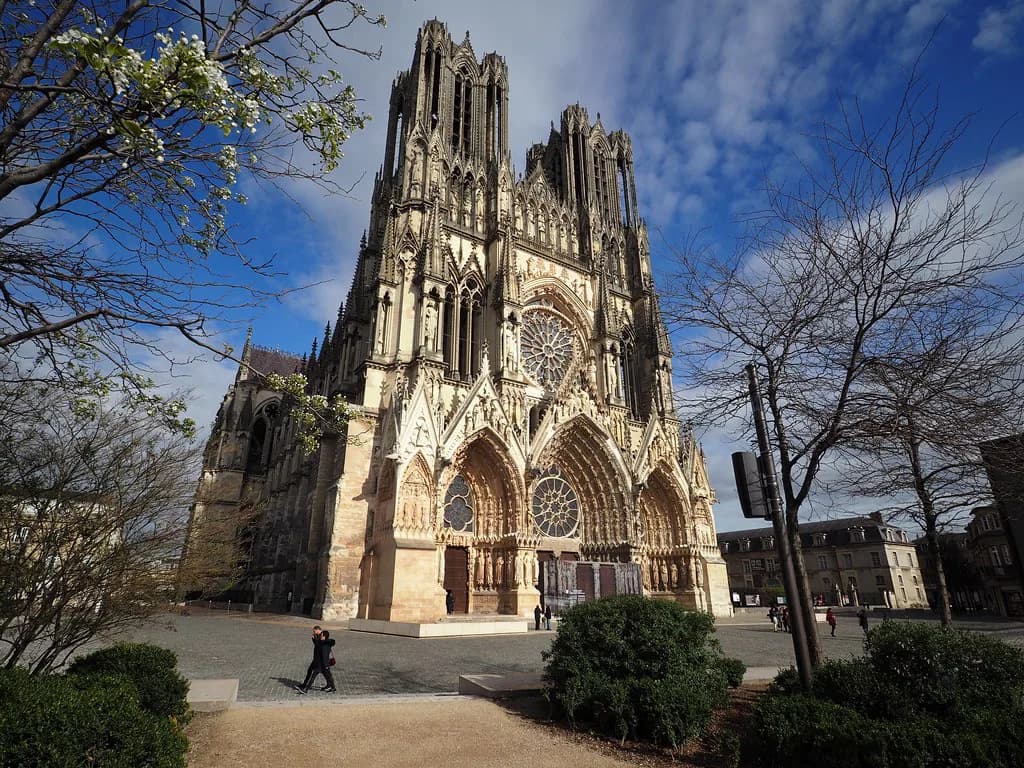
The cathedral, the Palais du Tau and the Carnegie Library sit within a couple of minutes of each other in the centre, so they combine into one easy block. Place du Forum, with its Roman cryptoportique and café terraces, and the Porte de Mars are a short walk west, which makes a natural loop back through the old town. Plan this cluster for a morning, then leave the afternoon free for a cellar tour.
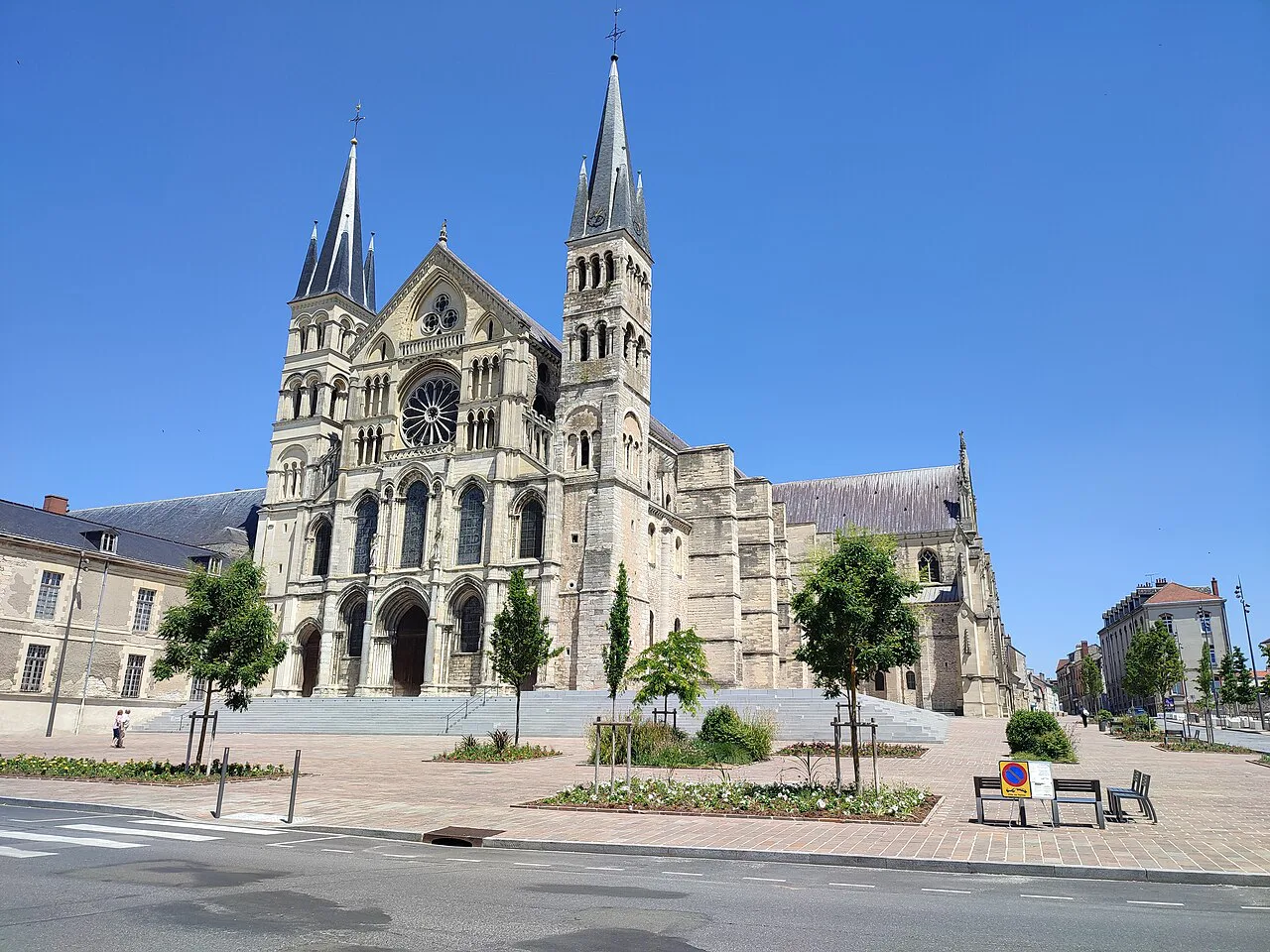
Saint-Remi is a separate quarter to the south-east, where the Basilica of Saint-Remi and the Musée Historique Saint-Remi sit side by side and are best treated as a single visit. The Museum of the Surrender and Fort de la Pompelle lie further out again, so do not try to pair them with a cathedral morning and a cellar afternoon. If you are weighing up whether the city justifies the trip at all, the honest answer for most short-break travellers is yes.
Palais du Tau: the coronation museum next to the cathedral
The Palais du Tau was the archbishop's residence and the place where kings stayed before coronation, and it now displays tapestries and the objects used in the ceremonies. Its prize exhibit is the coronation gown of Charles X, the last French king crowned in Reims in 1825. Allow around an hour; the building is small enough that an hour of focused looking covers the main rooms without rushing.
The same ticket desk handles the cathedral tower climb, which runs to 250 steps, so buy there if you want the rooftop view as well. The Palais is a UNESCO World Heritage site alongside the cathedral itself, and it is the single best place to understand why Reims mattered to the French monarchy. It also works as a wet-weather refuge within sight of the cathedral doors.
Musée des Beaux-Arts: what the collection gives you on a wet afternoon
The Musée des Beaux-Arts occupies a former abbey and is built around paintings rather than archaeology, which makes it the right choice when you want art rather than history. Set aside roughly an hour and a half, since the galleries reward a slower walk than the coronation rooms at the Palais du Tau. It is the obvious indoor fallback if a cellar tour and a cathedral visit have already filled your dry hours.
There is a genuine ticket trade-off here: entry to the Foujita Chapel also admits you to the Musée des Beaux-Arts, so if both are on your list, buy once and see both. Check the chapel and museum pages for the days they open before you build a plan around the combined ticket.
Musée Historique Saint-Remi and the Basilica of Saint-Remi
The Musée Historique Saint-Remi occupies the old abbey buildings and covers the history of Reims, with tapestries and military material among the collections. The Basilica next door holds the relics of Saint Remi, who baptised Clovis, and it is where the holy oil for anointing kings was kept. Treat the two as one visit of around two hours and you get both the Roman and medieval story in a single stop.
The basilica is one of three UNESCO World Heritage sites in Reims, alongside the cathedral and the Palais du Tau, so this quarter carries more than its share of the city's history. It is also quieter than the cathedral square, which suits travellers who want to look without a crowd at their shoulder. Build it into a morning and leave the afternoon for the centre.
Museum of the Surrender: the 7 May 1945 room
The Museum of the Surrender preserves the map room of the American army headquarters where the end of the Second World War in Europe was signed in secret on 7 May 1945. The room has been kept as it was, which is the reason to go: the interest is in the setting rather than in cases of objects. Forty-five minutes covers it comfortably, and it is the most affecting small museum in the city for anyone with an interest in the war.
It sits away from the cathedral cluster, so shoehorn it into a morning rather than sprinting across town between cellar tours. The official museums listing confirms it as one of the city's civic museums, which is a useful cross-check when you are planning around opening days.
Fort de la Pompelle: the First World War fortress collection
Fort de la Pompelle is a nineteenth-century fortress that played a serious role in defending Reims during the First World War, and its collection of German helmets and headgear is the reason specialists make the trip. It is open all year, but it is well outside the centre, so it works best with a car or a deliberate taxi ride. Give it two hours and pair it with the Museum of the Surrender for a coherent war-themed half-day.
Reims was largely rebuilt after the First World War because it sat virtually on the front line, and this fortress explains why the city looks the way it does. If your weekend is built around Champagne cellars, this is the museum to drop rather than squeeze.
Musée Automobile Reims Champagne: 200-plus vehicles
The Musée Automobile Reims Champagne holds more than 200 vehicles dating from 1908 onwards, including rare motorbikes and vintage cars. It is a niche pleasure: excellent if the party includes a car enthusiast, slow going for everyone else. Budget an hour and a half and go in the knowledge that you are trading a cathedral afternoon for chrome.
Like Fort de la Pompelle, it is an outlier and does not combine well with the central cluster on foot. Check the opening details before you commit a slot, since the trip out is not worth making on a guess.
The Foujita Chapel and its linked fine-arts ticket
The Notre-Dame-de-la-Paix chapel, known as the Foujita Chapel, was designed by the Japanese painter Léonard Foujita and sits on the grounds of the Mumm Champagne house. It is small, richly decorated and unlike anything else in Reims, which makes it a good counterweight to a morning of coronation history. Thirty minutes is enough for the chapel itself, and the linked fine-arts entry gives you a reason to walk on.
Foujita and his wife are buried at the chapel, which is part of why it feels more personal than the city's civic museums. Combine it with a Mumm cellar visit if you are touring Champagne houses, and remember that a cellar tour and tasting is the other headline activity in the city.
Musée-Hôtel Le Vergeur: furnished rooms and art
Musée-Hôtel Le Vergeur is a historic mansion with fully furnished rooms in the style of the fifteenth century, alongside art and decorative collections. It suits travellers who prefer interiors and period detail to cases of objects, and it is a pleasant change of register after the cathedral. The official museums portal lists it among the city's civic museums, which is where to confirm the days it opens.
Smaller stops: FRAC Champagne-Ardenne and the Carnegie Library
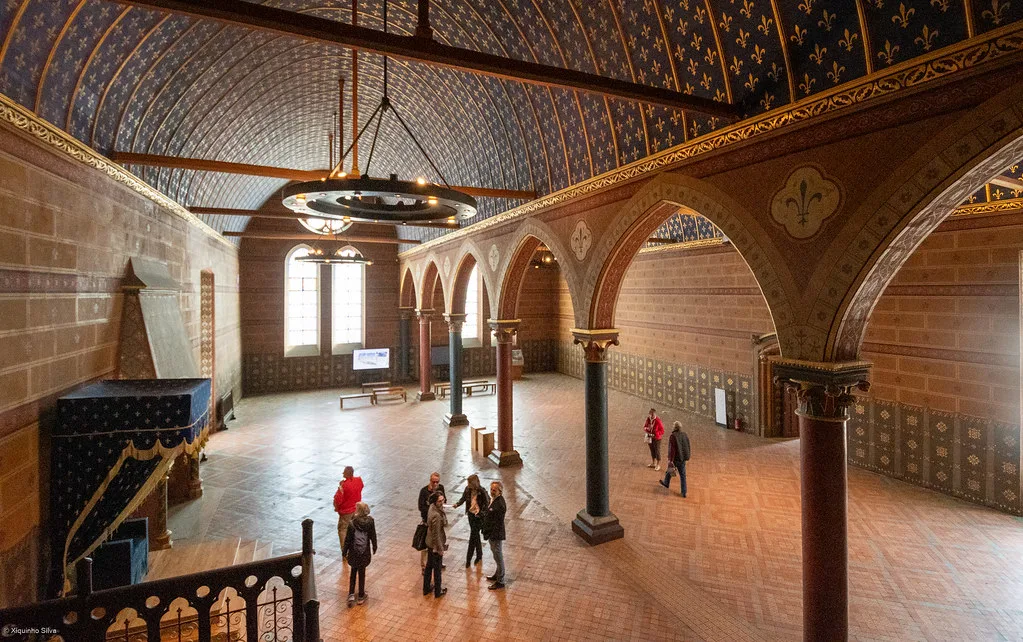
FRAC Champagne-Ardenne is the contemporary art collection in the city, and it is worth checking what is on before you go, since a single exhibition can make or break the visit. The Carnegie Library, right next to Notre-Dame, is a quick stop rather than a destination: the reading room is handsome, but you will not need long.
Both are good fillers if you are waiting for a cellar tour to start or the weather has turned. The library in particular costs you ten minutes and rewards you with a glimpse of the city's American-funded rebuilding.
The Reims City Pass: when it pays and when it does not
The Reims City Pass comes as a one, two or three-day version giving access to more than ten museums, free public transport in the city and discounts at shops and restaurants. It pays if you plan to hit several museums and use the buses or trams; it does not if your weekend is one cellar tour, the cathedral and a lot of walking. Run the arithmetic against the actual list of sites you intend to see.
The pass also covers the Palais du Tau and the Foujita Chapel, so it stacks up fastest on a two-day break where you want history in the morning and art in the afternoon. Buy it from the tourist office next to the cathedral, and pick the duration that matches your actual stay rather than the longest option.
Fitting museums around a Champagne house visit and the cathedral
Book your Champagne house tour ahead and build the rest of the day around it, since the cellars at Veuve Clicquot, Taittinger and Mumm are the reason many people come. Bring a sweater: caves sit around 10 degrees Celsius, which is pleasant for ten minutes and chilly for an hour. Pair the morning cellar with an afternoon in the cathedral cluster, and you have the classic Reims day.
The cathedral takes about an hour, with an evening sound and light show on the façade from May to mid-September. Plan the museums that need tickets for the middle of the day and leave the cathedral for the evening, when the light is better and the show begins at nightfall. A full plan for two days is worth sketching before you travel.
Practical timing: chalk cellars are cold, tower climbs are 250 steps
Two practical details shape a museum day in Reims: the chalk cellars run around 10 degrees Celsius, and the cathedral tower climb is 250 steps with tickets bought at the Palais du Tau. Wear layers for the cellars and save the tower for a clear day, since the view is the point. If you are travelling with someone who will not manage the stairs, the Palais du Tau and the museums give you an alternative half-hour.
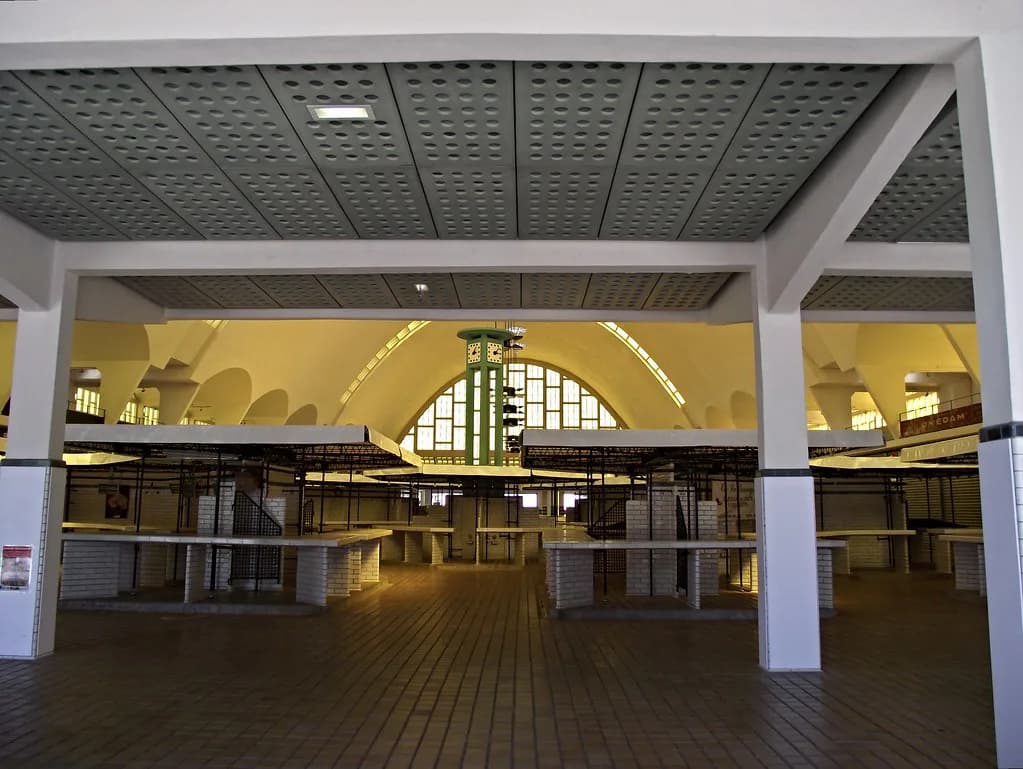
Museums close on fixed days and the cathedral cluster is busiest in the middle of the day, so slot the smaller sites into the quieter hours. Food is part of the plan too: the Rue de Mars food shops near the Boulingrin covered market let you put together a picnic between museums.
Plan Your Visit
Build your Reims weekend around the cathedral and a Champagne house, then add museums by quarter: Palais du Tau and the Carnegie Library in the centre, Saint-Remi and its basilica to the south-east, and the Surrender museum or Fort de la Pompelle on a separate run. The City Pass only earns its keep if you are using several museums and public transport, so do the sum before buying.
For meals between visits, the city has plenty of good options within a short walk of the cathedral and the market. A weekend here works best as a two-night stay that leaves time for lunch and a slow afternoon.
Explore more Reims guides
Frequently Asked Questions
How many museums are there in Reims?
The city's official museum portal lists the civic collections, including the Museum of Fine Arts, the Saint-Remi History Museum, Fort de la Pompelle, the Museum of the Surrender, the Foujita Chapel and the Musée-Hôtel Le Vergeur, plus specialist sites such as the Automobile Museum and FRAC Champagne-Ardenne. Treat that list as the starting point and check which sites open on your dates before planning a museum-heavy day.
Which Reims museums are free?
Most of the city's museums charge admission, though the Reims City Pass covers access to more than ten museums plus free public transport in the city. Entry to the cathedral itself is free, and the summer sound and light show on its façade is free to watch. Check the official museum pages for current admission before you go.
Is the Reims City Pass worth it for museums?
It pays if you plan to visit several museums and use public transport, since the one, two and three-day versions include more than ten museums and free transport. It does not pay if your weekend is one cellar tour, the cathedral and walking. Do the arithmetic against the sites you actually intend to see.
What is the Museum of the Surrender in Reims?
It preserves the map room of the American army headquarters where the surrender ending the Second World War in Europe was signed in secret on 7 May 1945. The room has been kept as it was, and forty-five minutes covers it. It is away from the cathedral cluster, so give it its own slot.
How long does the Palais du Tau take?
Allow around an hour. The former archbishop's residence displays coronation objects and tapestries, including the coronation gown of Charles X, who was the last French king crowned in Reims. It sits next to the cathedral, and its ticket desk also handles the 250-step tower climb.
Are Reims museums open on Mondays?
Opening days vary by museum, and the city's official museum portal and the tourist office next to the cathedral are the places to confirm them for your dates. Build your plan around the sites that are open rather than assuming a full set.
Which is the best Champagne house to visit in Reims?
Veuve Clicquot, Taittinger and Mumm all run cellar tours in the city, and the choice comes down to the style of visit and the time you have. Book ahead, since tours run in French and English and fill up, and bring a sweater because the caves sit around 10 degrees Celsius.
Sources
- Gourmet food, markets, delicacies and Champagne cellars in Reims
- Weekend in Champagne, France: Top 12 Must-See Ideas | 2026 Guide
- 48 hours in Reims: top tips for things to do | Trip Unlocked
- How to spend 48 hours in Reims Champagne - The Good Life France
- Reims museums - Portail officiel des ...
- Museums in Reims, Champagne, France
Notes for French city breaks
Optional updates to our guides.
You might also like
Continue reading
More guides you'll find useful