Reims Old Town: A Walking Guide to the Historic Centre
Walk Reims old town in half a day: the cathedral, Palais du Tau, Place du Forum and Porte de Mars, plus Boulingrin market and the Rue de Mars food shops.
On this page
Reims old town fits into roughly half a day on foot. The cathedral, the Palais du Tau beside it, the Roman Porte de Mars, the Boulingrin covered market and the café terraces of Place du Forum all sit within a walk of a few minutes each, so the main decision is not what to include but what order to see it in. Two nights covers the centre comfortably, with time left over for a Champagne house and the Basilique Saint-Remi. If you want to compare this kind of compact, walkable historic core with a southern alternative, our guide to the Aix-en-Provence old town covers a similar half-day route.
How the Reims old town is laid out
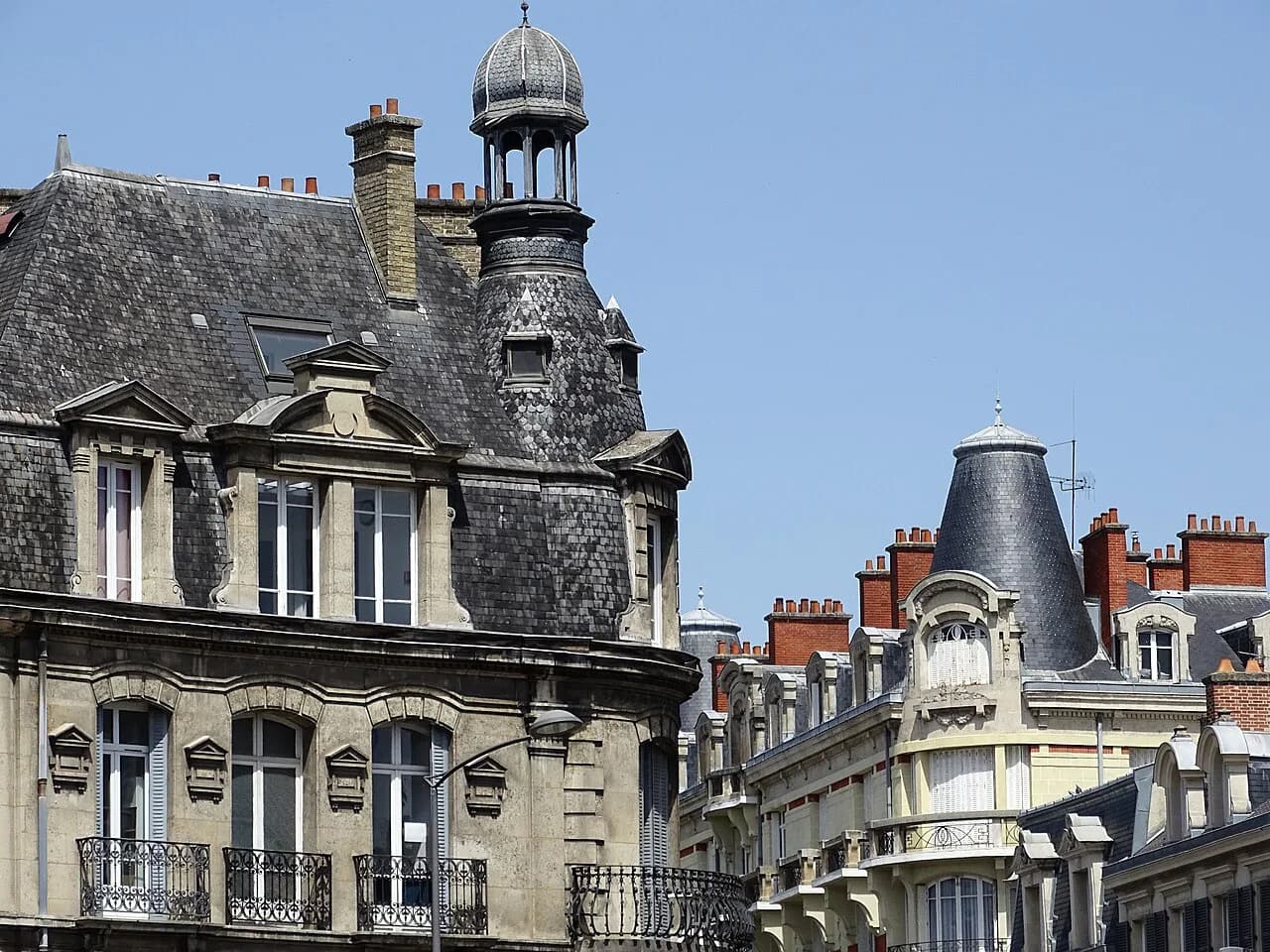
The historic core is a walkable grid of broad squares and straight streets, rebuilt largely after the First World War, which is why the Gothic cathedral sits among Art Deco shopfronts rather than medieval alleys. Almost everything in this guide is reachable on foot, and most visitors cross the centre several times in a day without noticing. Orient yourself on the cathedral: the tourist office sits beside it, Place Drouet d'Erlon and Place du Forum lie to the north, and Porte de Mars and the Boulingrin market to the north-west.
Only fragments of the Roman town survive above ground: the Porte de Mars gateway and the cryptoportique on Place du Forum, a semi-underground gallery dating from the 3rd century. Treat these as brief stops of ten to fifteen minutes rather than half-day sights, and let the cathedral and the market carry the substance of the walk. That balance keeps the route realistic if you arrive late on a Friday and leave on Sunday evening.
Start at Notre-Dame de Reims, where 33 kings were crowned
Notre-Dame de Reims is the reason most people come, and it earns an hour rather than a glance. The Gothic façade, founded in 1211, carries the Smiling Angel that became the city's symbol, and the interior stained glass includes modern windows designed by Chagall. Thirty-three French monarchs were crowned here, which is why Reims is known as the Coronation City. Entry to the cathedral itself is free, so the visit costs you time rather than money.
The tower climb is an optional extra, not part of the standard visit: it runs to 250 steps, and tickets are bought at the Palais du Tau next door rather than at the cathedral. Skip it if you have a cellar tour booked for the afternoon, because the two together make a long day on your feet. In summer a free sound and light show is projected onto the façade after dark; the start time shifts with nightfall, so check the tourist office boards during your stay.
Palais du Tau next door: the archbishop's residence turned museum
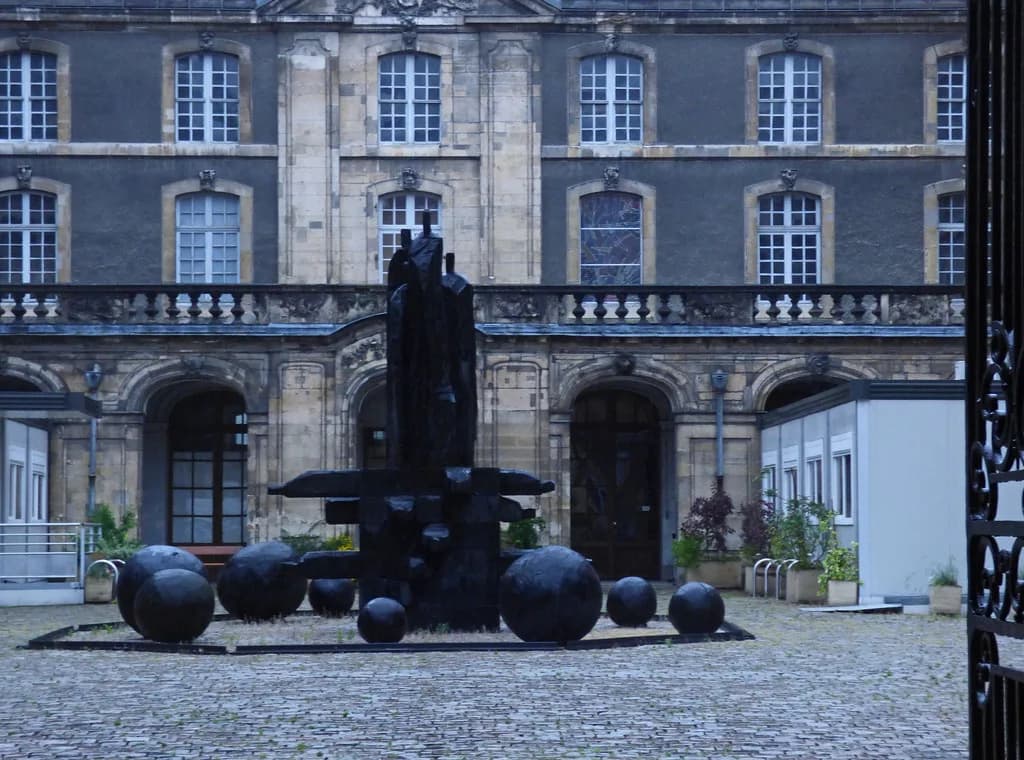
The Palais du Tau stands immediately beside the cathedral and is a UNESCO World Heritage site in its own right, alongside the cathedral and the Basilique Saint-Remi. It was the archbishop's residence, and kings stayed there before their coronation; the museum now displays tapestries and the objects used in the ceremonies, including the coronation gown of Charles X, the last king crowned in Reims in 1825. Allow around an hour, and pair it with the cathedral so the ceremonial history reads as one story rather than two.
If you plan to add Champagne house tours, several museums and public transport to the weekend, the Reims City Pass comes in one-, two- and three-day versions and covers entry to more than ten museums. Do the arithmetic on a wet weekend: two museums and a cellar visit will usually justify a pass, a single cathedral visit will not. The Palais du Tau is free with the pass, according to one walkthrough, though the terms are worth confirming at the tourist office counter.
Place du Forum and the cryptoportique
Place du Forum is the more characteristic of the two main squares, and the better place to sit. The Roman cryptoportique sits in the middle of it, half above and half below ground, and in summer months you can go down into the gallery during the afternoon. Café terraces ring the square, and the whole stop works best as a twenty-minute pause between the cathedral and Porte de Mars rather than a destination in itself.
Porte de Mars at the edge of the core
Porte de Mars is the largest surviving Roman arch from the empire, and you view it from the pavement: there is no ticket, no turnstile and no interior. It sits at the start of the Rue de Mars, which conveniently puts it on the way to the Boulingrin market. Give it ten minutes, take the photograph, and carry on north-west into the food street.

Rue de Mars and the Boulingrin covered market
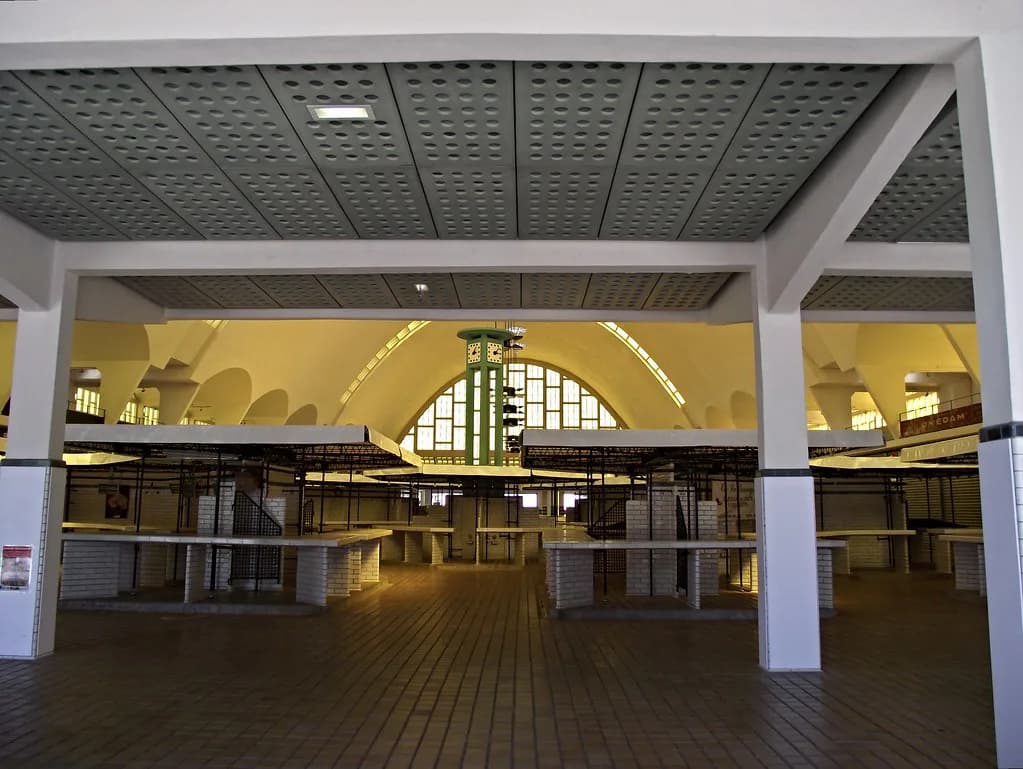
The Boulingrin market is a 1927 Art Deco covered hall, renovated and still trading, and it is the single best food stop in the centre. It opens on Wednesday, Friday and Saturday, so a Sunday or Monday in Reims means planning your market time around those days instead. Go hungry and early, because the hall is a working market rather than a tourist exhibit.
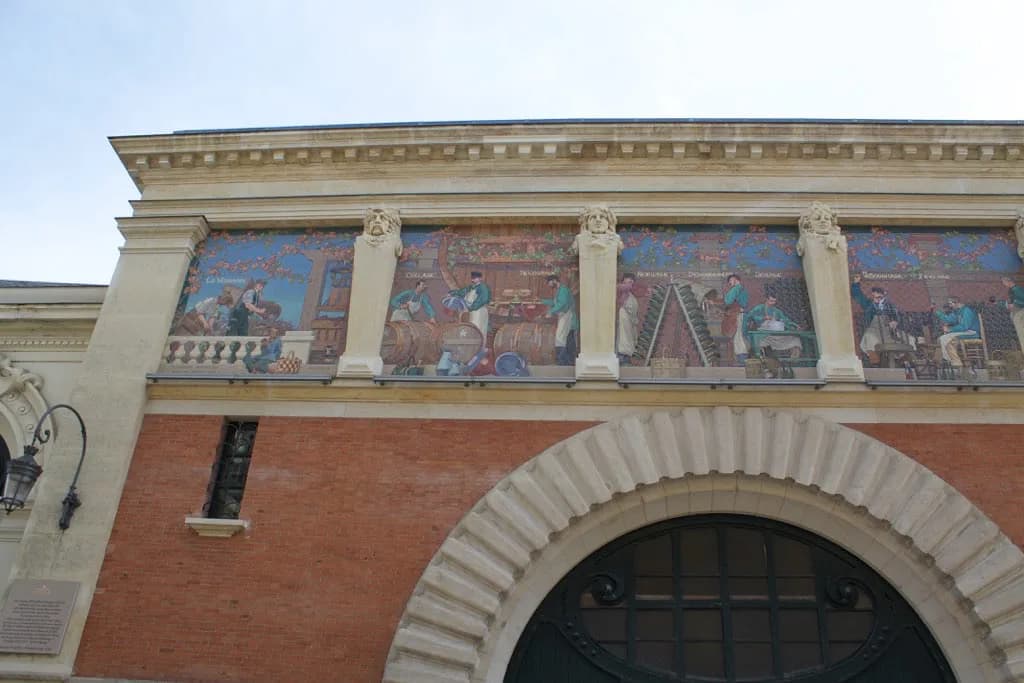
Rue de Mars, a short stroll from the market, concentrates the city's food shops into one street: the chocolaterie Maison Caffet, the Boulangerie les Halles for bread and patisseries, Fromages et Vins, and Aux Gourmets des Halles for charcuterie opposite. Work down one side and back up the other rather than criss-crossing, and you cover the whole cluster in half an hour. This is where to assemble a picnic or buy edible presents without hunting across town.
Place Drouet d'Erlon versus the quieter squares
Place Drouet d'Erlon is a long street of restaurants and bars with the Fontaine Subé, a fountain over a century old, in the middle, and on sunny days the terraces fill the roadway. It is convenient, central and unquestionably busy; if you want a calm drink, Place du Forum is the better choice. Use Drouet d'Erlon for a late dinner close to your bed and the smaller squares for the daytime pause.
Beyond the core: Saint-Remi, the Carnegie Library and Art Deco corners
The Basilique Saint-Remi and the adjoining museum of the history of Reims lie outside the tightest loop of the old town and deserve a separate half-day rather than a detour squeezed into the cathedral morning. The basilica held the ampoule of holy ointment used to anoint the kings, which ties it directly to the coronation story you have just read at the Palais du Tau. Walk it as its own outing, or take the little city tour train, which is booked at the tourist office next to the cathedral.
Back in the centre, the Carnegie Library sits right beside Notre-Dame and is worth five minutes for the reading room alone, though it is a working library and lingering for photographs feels intrusive. The Hôtel de Ville on Place Royale and the Art Deco Cinema Opera and Manège add texture to an aimless hour between appointments. None of these needs a slot in the plan; they are what you see on the way to something else.
Pink biscuits from Fossier: the souvenir worth buying
Fossier's pink biscuit is the Reims souvenir that survives the journey home: a twice-baked biscuit with a dry, crunchy texture, coloured pink and traditionally dipped in Champagne. The Fossier shopfront on Cours Jean-Baptiste Langlet is a short walk from the centre, and tastings are often on offer inside. Biscuits also turn up in supermarkets and souvenir shops, so buy at the shop for the range rather than for the price.
The old town on a Monday
Mondays are the day to plan around, because a Monday arrival can leave you with no market and a thin choice of museums. The Boulingrin market runs Wednesday, Friday and Saturday, and a walk up the cathedral tower needs the Palais du Tau open for tickets. Build a Monday around the cathedral, the Roman streets and a pre-booked cellar tour, and shift the market and museums to another day.
One day or two in the old town?
Half a day covers the cathedral, the Palais du Tau, Place du Forum, Porte de Mars and the Rue de Mars shops at an unhurried pace; one full day adds a Champagne house and Saint-Remi without rushing. Two nights is the sweet spot if you want both a cellar visit and a proper look at the streets, and it leaves room for the Art Deco corners and a long lunch. Anyone treating Reims as a stop between trains should concentrate on the cathedral and one food street and leave the rest.
Practical points: walking, the City Pass and cold cellars
Bring a sweater for the cellars whatever the season, because the chalk galleries run at roughly 10°C, and a cellar tour is the one part of the weekend where the weather outside is irrelevant. Book Champagne house visits in advance: guided tours run in French and English, and turning up without a reservation rarely gets you onto a tour, though simple tastings may accept walk-ins. A guided tour at Mumm with a glass of Champagne was priced at 28 euros per person, which gives you a benchmark for comparing houses.
Plan Your Visit
Reims old town rewards a simple plan: cathedral and Palais du Tau in the morning, Place du Forum and Porte de Mars on the way to a market-day lunch on Rue de Mars, then a booked cellar tour or a slow afternoon on the quieter squares. Check the Boulingrin market days before you fix your dates, since Wednesday, Friday and Saturday are the days it opens, and book any Champagne house tour before you travel. If you are still deciding whether the city justifies the trip, weigh the compact centre against the price of the extras.
Explore more Reims guides
Frequently Asked Questions
Is Reims old town worth visiting?
Yes, if you want Gothic architecture and Roman remains in the same compact centre. The cathedral where 33 kings were crowned, the Palais du Tau beside it, the Roman Porte de Mars and the cryptoportique on Place du Forum all sit within a short walk, and the Boulingrin market and Rue de Mars food shops fill the rest of a day.
Is Reims a walkable city?
The historic centre is easy on foot, and most visitors cross it several times a day without noticing. The cathedral, Place Drouet d'Erlon, Place du Forum, Porte de Mars and the Boulingrin market are all within minutes of each other. The Basilique Saint-Remi sits further out and makes a separate walk or a short bus ride.
How long do you need in Reims old town?
Half a day covers the cathedral, the Palais du Tau, Place du Forum, Porte de Mars and Rue de Mars. A full day adds a Champagne house visit, and two nights lets you add Saint-Remi without rushing. If you are passing through between trains, pick the cathedral and one food street.
What should I not miss in Reims old town?
Notre-Dame de Reims and the Palais du Tau are the essentials, and the Roman layers at Porte de Mars and the cryptoportique are quick but distinctive stops. On market days, the Boulingrin hall and the Rue de Mars shops are the best food hour in the centre. Fossier's pink biscuits make the obvious edible souvenir.
What is open in Reims old town on a Monday?
Do not count on the Boulingrin market, which opens Wednesday, Friday and Saturday. Book a Champagne house tour in advance and build the day around the cathedral, the Roman streets and the squares, then move market and museum time to another day. Confirm individual museum hours at the tourist office beside the cathedral.
Where can I eat in Reims old town?
Place Drouet d'Erlon is the busiest strip, with terraces and the Fontaine Subé in the middle, while Place du Forum has calmer café terraces. For a daytime pause, the Rue de Mars cluster includes Aux Gourmets des Halles for charcuterie and the Boulangerie les Halles for bread and patisseries. Book dinner in the centre at weekends.
Do I need the Reims City Pass?
Only if you plan several museum entries, a Champagne house tour and public transport. The pass comes in one-, two- and three-day versions and covers more than ten museums, so it pays off on a wet weekend with two or three indoor visits. For a single cathedral visit, buy individual tickets instead.
Sources
Notes for French city breaks
Optional updates to our guides.
You might also like
Continue reading
More guides you'll find useful