3 Days in Carcassonne: A Realistic Day-by-Day Itinerary
Plan three days in Carcassonne with a day-by-day itinerary covering the Cité, the Château Comtal, the Basilica of Saint-Nazaire and the Canal du Midi.
On this page
Three days is the right amount of time for Carcassonne. One day belongs to the walled Cité on its hill, one to La Bastide Saint-Louis and the Canal du Midi below, and one to the wider Grand Carcassonne area of abbeys, caves and book villages. Two days covers the city comfortably; the third is what turns a quick look at the ramparts into a proper short break.
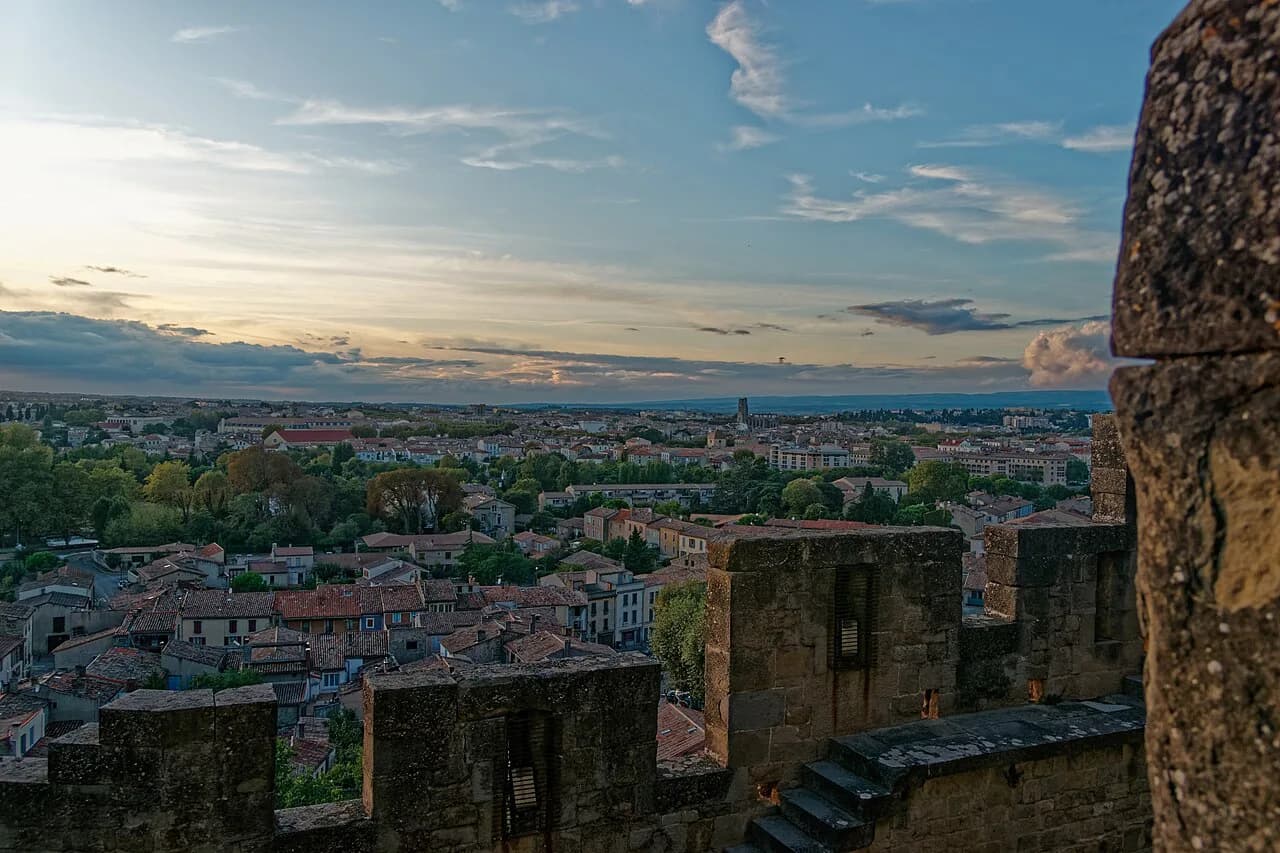
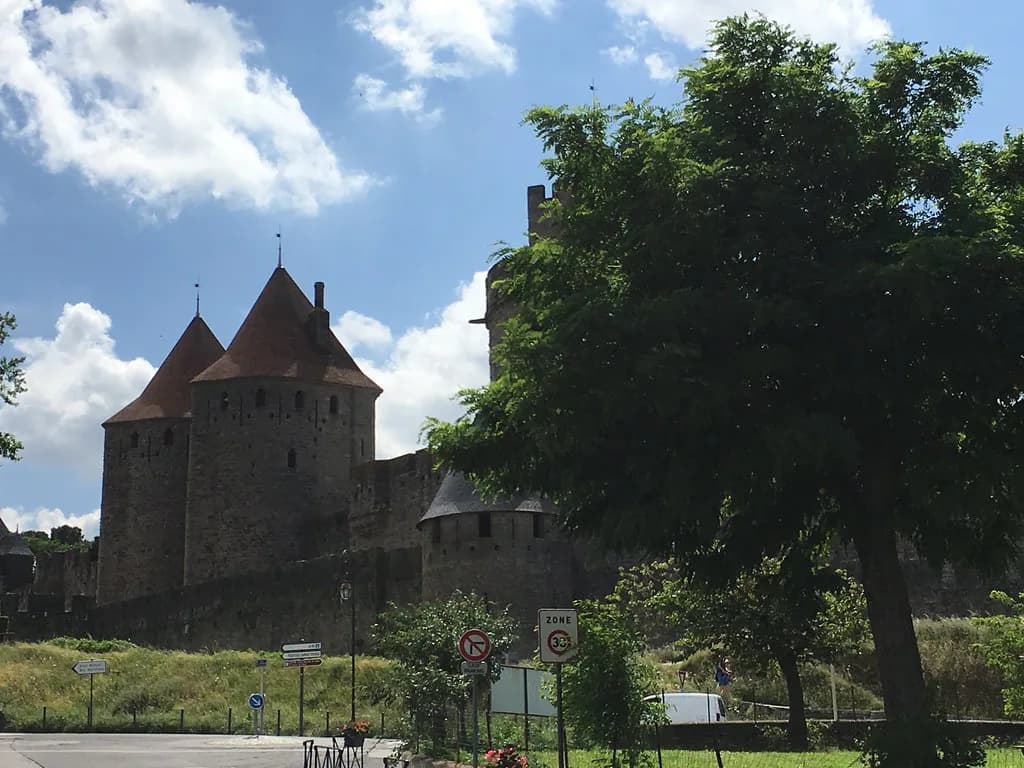
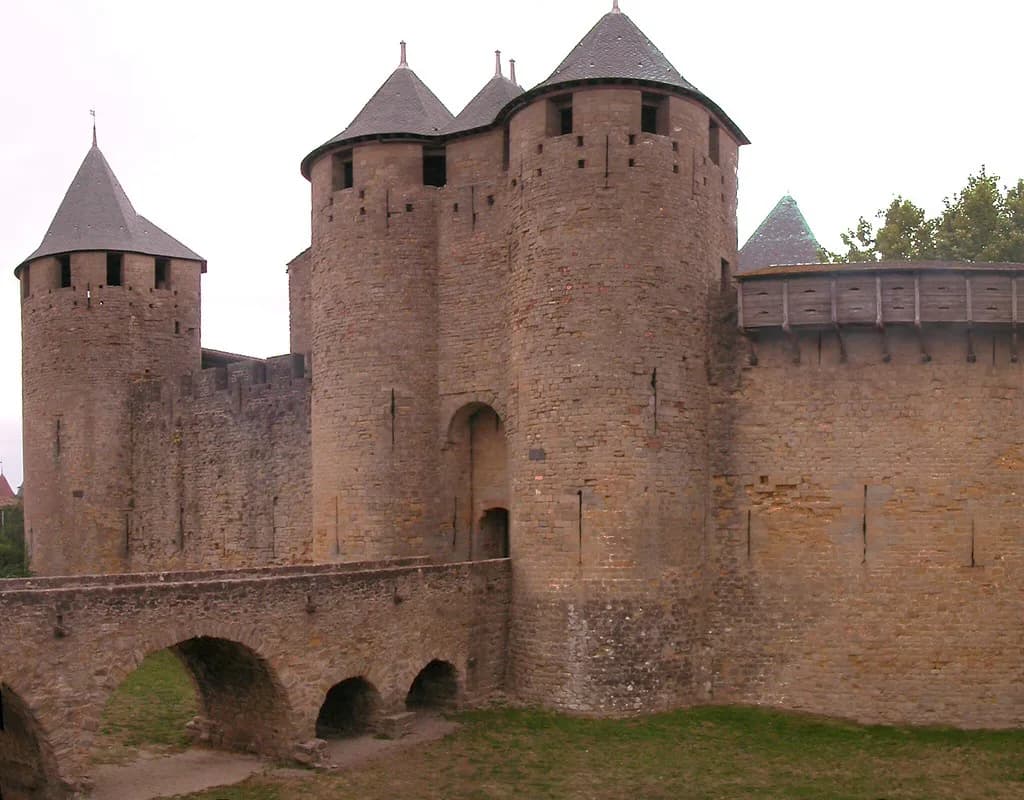
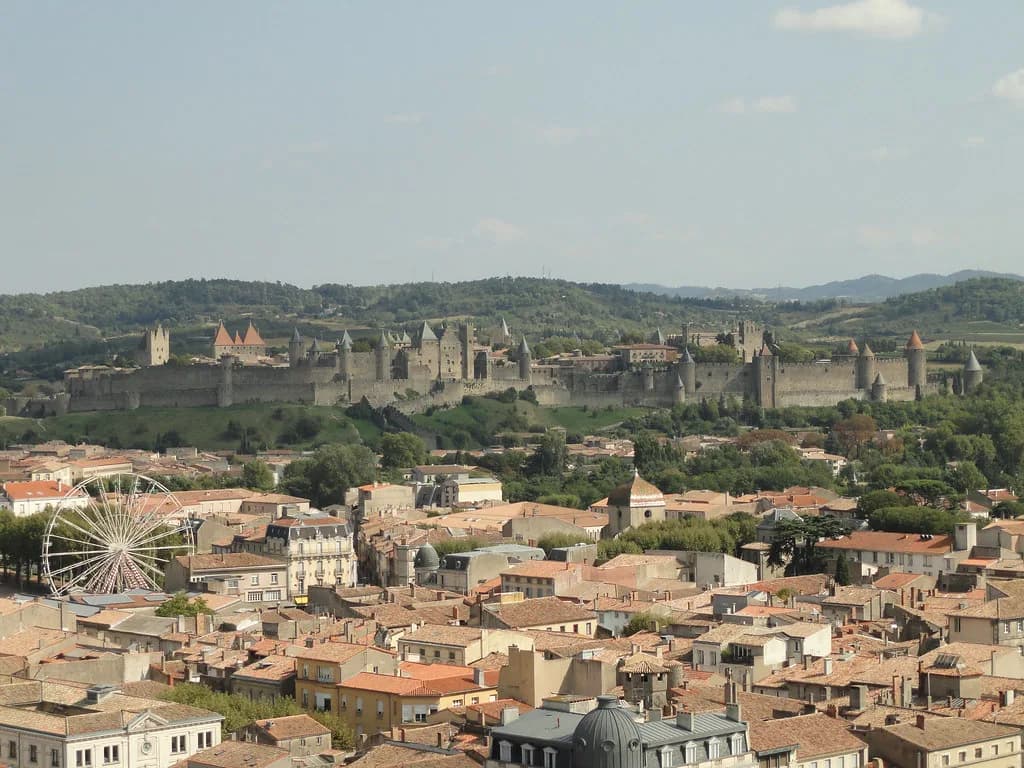
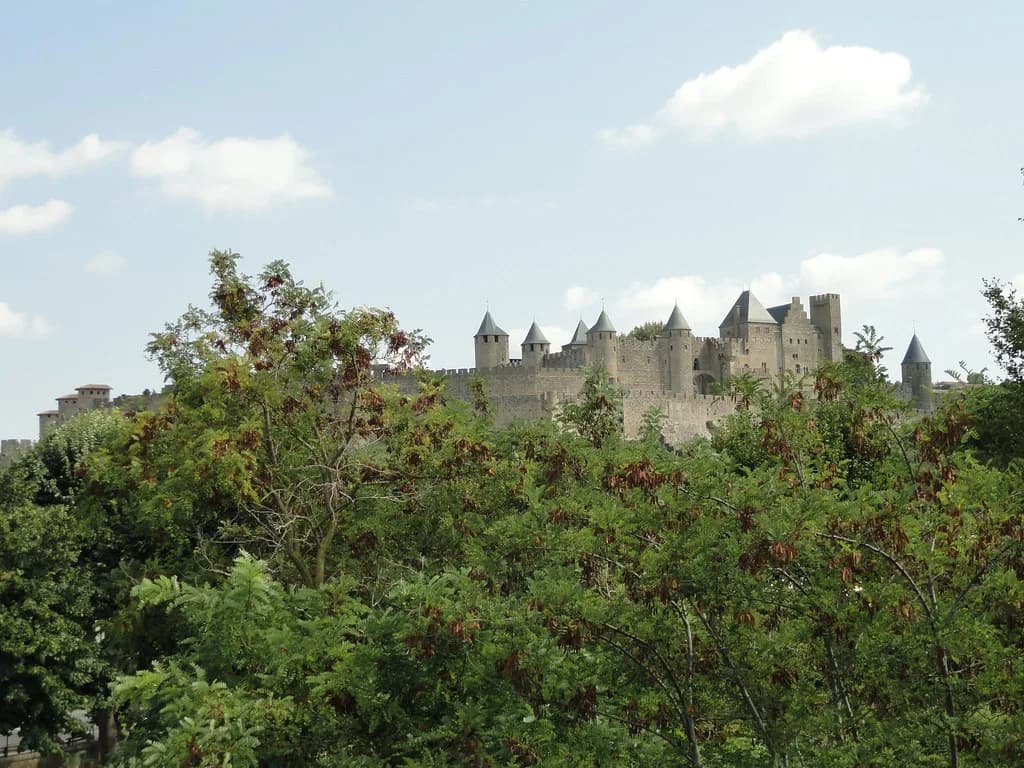
The city splits into two distinct halves. The Cité médiévale sits on the hill on the right bank, a UNESCO-listed ensemble of double walls, towers, the Château Comtal and the Basilica of Saint-Nazaire. La Bastide Saint-Louis spreads out below on the left bank in a grid of streets around Place Carnot, and the Canal du Midi runs between the two.
How Carcassonne is laid out
Almost everything a visitor wants sits within a compact area. The Cité is a walled town you enter on foot, with the Château Comtal and the Basilica of Saint-Nazaire inside the walls and a ring of streets, shops and restaurants between them. La Bastide is the working lower town: straight streets, a central square, everyday shops and the market halls.
The Canal du Midi threads through the middle, and the towpath is the pleasant way to walk or cycle between the two halves without climbing the hill road twice. Plan your days around these three zones rather than around a rigid timetable, and you will spend far less time walking back and forth. Our guide to the things to do in Carcassonne covers each sight in more depth if you want to reshuffle.
Day 1: the Cité médiévale
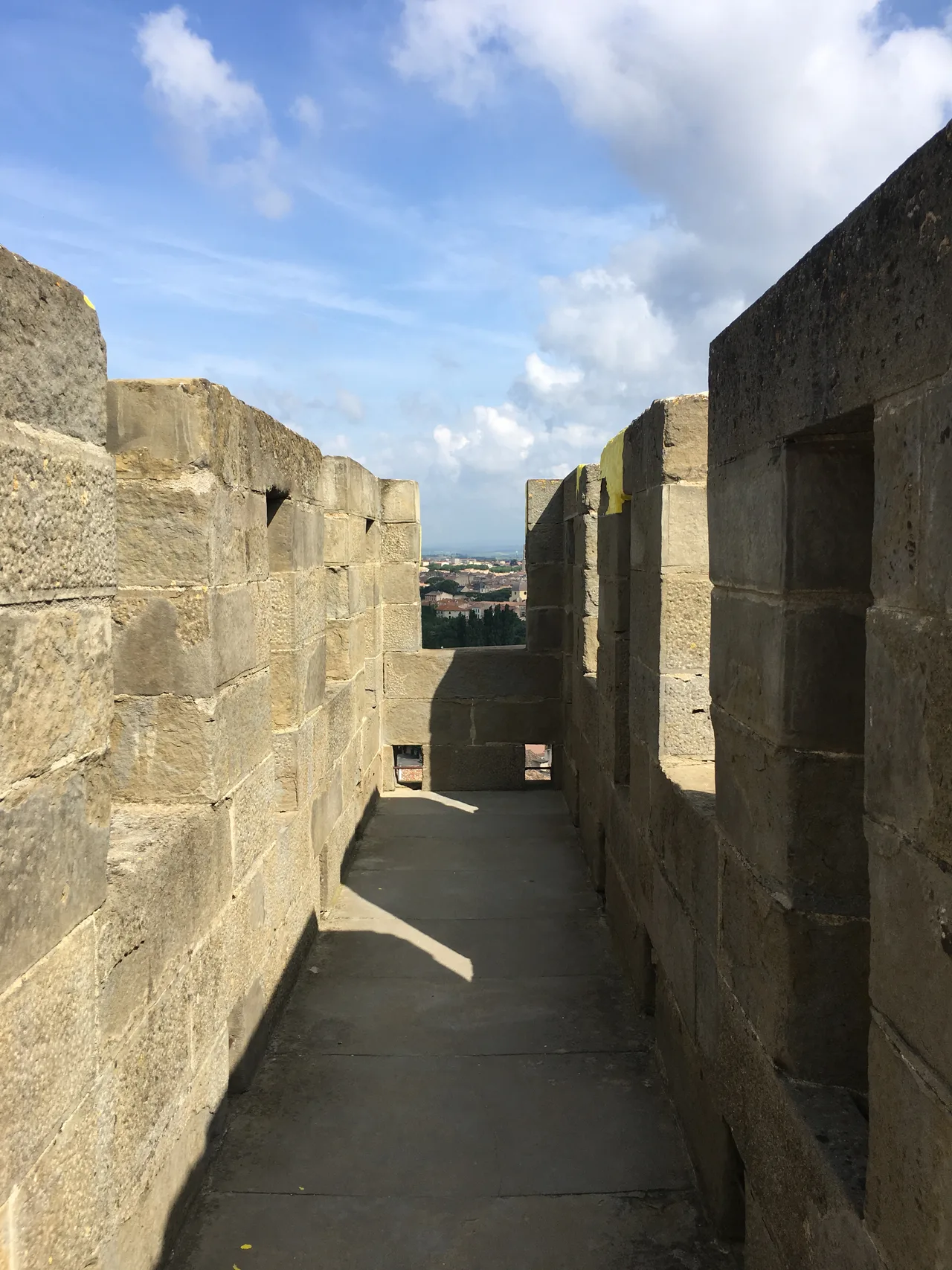
Give the whole first day to the Cité. Start early, before the coach groups arrive, and walk the streets inside the walls while they are quiet. The Château Comtal and the ramparts are the fixed anchor of the day: this is the one ticket to book ahead, because entry is timed and the castle is the reason most people come. Check the castle's own site for current opening days and ticket prices before you travel.
Inside the walls, the Basilica of Saint-Nazaire is the other unmissable stop, with its Romanesque nave and later Gothic choir. Beyond it, the lanes between the two rings of walls are made for slow wandering rather than ticking off sights. Allow a couple of hours for the castle and ramparts alone, more if you read the displays.
If you are travelling with children, the Cité works as a fairytale: towers, drawbridges and knights are the framing the tourist office itself uses for families. That makes Day 1 the natural family day, and it means you can slow down without feeling you are missing something elsewhere.
Day 1 evening: eating inside the Cité or down in La Bastide
This is the main trade-off of the trip. Eating inside the Cité gives you floodlit walls on the walk back and a genuinely unusual setting, but the restaurants there cater heavily to day visitors and the atmosphere thins out once the last tour buses leave. La Bastide is where the city actually eats, with more choice and a livelier evening around Place Carnot.
A workable compromise is to eat in the lower town and walk or ride up to the Cité afterwards for the illuminated walls, which cost nothing to look at. Book dinner in the Bastide rather than turning up at eight and hoping, particularly at weekends. Our pick of the best restaurants in carcassonne runs through both sides of the choice.
Day 2 morning: La Bastide Saint-Louis and its markets
Spend the morning in the lower town. La Bastide Saint-Louis is a classic thirteenth-century grid, built when the royal authorities resettled the population off the hill, and it is best experienced on foot with no plan beyond Place Carnot and the surrounding shopping streets. The covered halls are the place to buy cheese, charcuterie and fruit for a picnic later on the canal.
Market days in Carcassonne are set mornings rather than an all-week affair, so check which day you are in town before you build the plan around food shopping. The Bastide is also the practical half of the city for browsing shops, and much of it shuts down on Sundays and at lunchtime in the French way, so a weekday morning is the safer bet.
Day 2 afternoon: the Canal du Midi on foot, by boat or by bike
The Canal du Midi is the relaxed half of the day. The towpath runs under plane trees through the edge of the city and out into vineyards, and it is flat, shaded and easy on the legs after a morning on cobbles. Walking a stretch and stopping for a waterside drink is a better use of an afternoon than trying to cover distance.
Boat rides and bike hire along the canal are the two active options, and the tourist office publishes boat operators and walking routes for the Carcassonne section. If you would rather keep costs down, the towpath itself is free and the shade makes it bearable even in high summer. Keep the afternoon loose and let the heat set the pace.
Day 2 evening: an easy evening in the lower town
Keep the second evening simple. After a day on your feet, the Bastide's squares and side streets have enough restaurants and bars to fill an evening without another climb to the Cité. If you want the view anyway, the walk up is short and the walls are lit after dark.
Day 3: Grand Carcassonne beyond the city
The third day is why three days in Carcassonne is not one day too many. The surrounding area holds the Gouffre Géant de Cabrespine, the Grotte de Limousis, the Abbey of Caunes-Minervois, the Abbey of Villelongue and the book-and-art village of Montolieu, plus the Cavayère lake just outside town. With a car, pick two of these rather than trying to string together five.
Cabrespine and Limousis are the two cave visits, and they suit a hot or a wet day equally well because both are underground. Caunes-Minervois pairs its abbey with the marble the village is known for, and Montolieu, at the entrance from Carcassonne, has taken over an old riverside factory as an artists' space.
Day 3 alternative: the Petit Train and a slower day
Without a car, Day 3 can still work. The Petit Train RTCA links La Bastide with the Cité and back, running every day from mid-June and costing seven euros, with multilingual commentary on the way. It is a sensible way to move between the two halves with children or tired legs, and it saves the uphill walk.
In summer the local RTCA network also runs low-cost summer shuttles from Carcassonne to surrounding sites and villages. For 2026 these ran from 4 July to 29 August, except 14 July and 15 August, at one euro per trip, which is an unusually cheap way out of the city. Routes and dates change each year, so confirm the current season's timetable before relying on it.
Getting between the Cité and La Bastide
The two halves are close enough to walk. The climb from the lower town to the Cité gates takes about twenty minutes at an easy pace, and the Pont Vieux is the classic route across the river. Taxis are scarce and parking near the walls is limited, so feet, the towpath or the Petit Train are the realistic options.
If you are staying in the Bastide, treat the Cité as a destination you go up to once or twice rather than a place you drift in and out of. That single decision saves an hour of walking a day and makes the three-day structure above much easier to keep to.
When to go
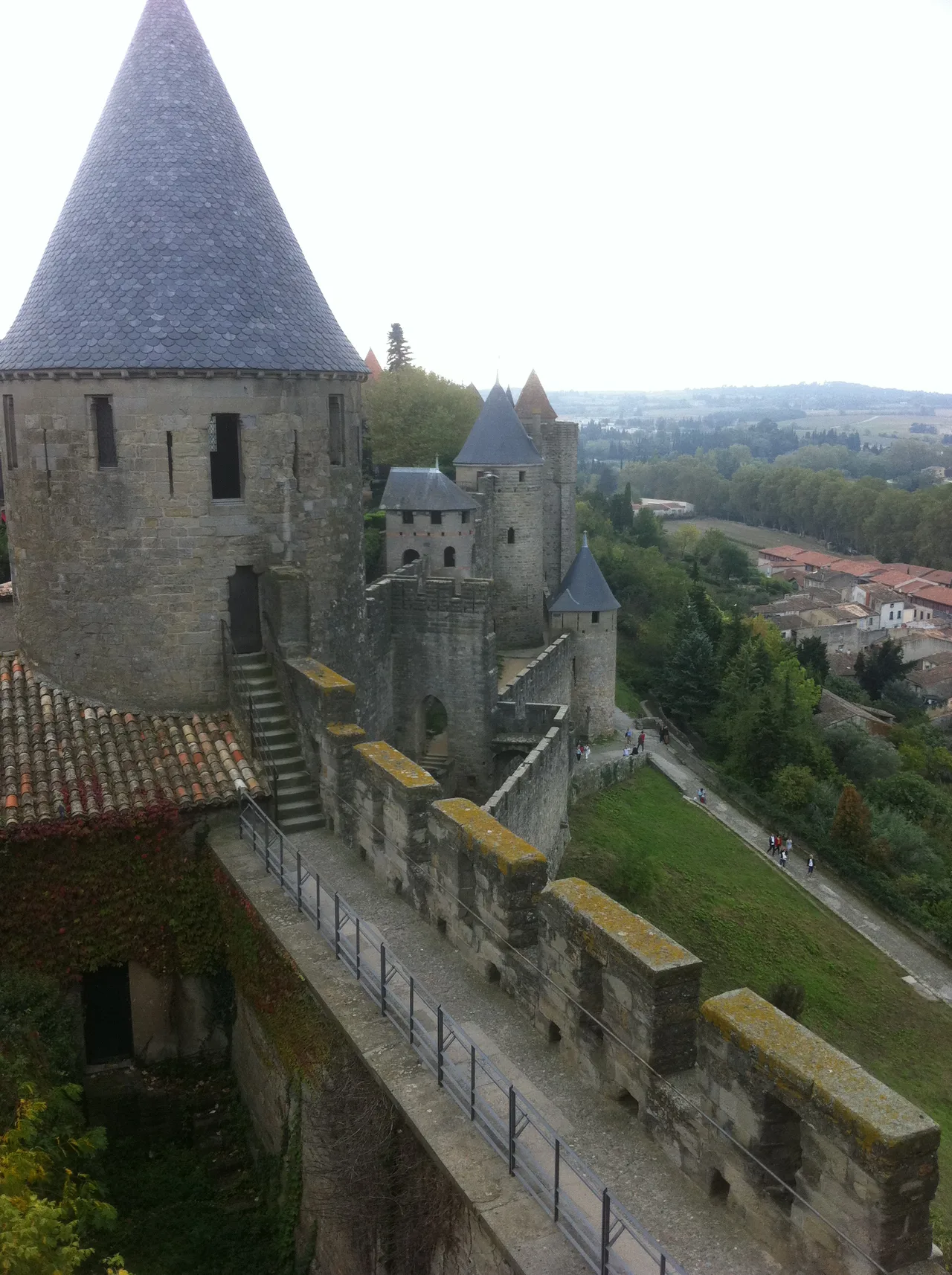
Spring and autumn are the sweet spots. The Cité is exposed, with little shade on the ramparts and between the walls, and midsummer heat makes the climb and the stone walls tiring by early afternoon. May, June and September give you long days without the worst of it, and the light on the walls is better for photographs.
Winter is quiet and atmospheric, with the advantage that you will have the streets inside the walls largely to yourself, but some seasonal businesses close and the days are short. Summer brings the shuttle buses and the full events programme, including, in 2026, a Tour de France stage start from Carcassonne on 7 July.
Practical points: tickets, opening days and booking
Only one price in this itinerary is worth pinning down in advance: the Château Comtal and ramparts ticket, which you should book for a morning slot on Day 1. Buy it from the official Cité or national monuments channel and check the current price and opening days there, since these change with the season. A combined castle-and-ramparts ticket is the standard purchase and covers the walk along the walls.
For everything else, the tourist office in Carcassonne is the reliable source: it publishes market days, boat operators, walking routes and the summer bus timetable for the whole Grand Carcassonne area. Pick up a map there or check its site before you go, and you can plan the third day around what is actually running.
Where three days in Carcassonne fits with Toulouse
Carcassonne is an easy add-on to a Toulouse break, with direct trains between the two taking roughly forty-five minutes to an hour. Three days here plus two in Toulouse makes a well-balanced week, and the contrast between the walled hill town and a big university city is the point. If you are weighing up whether the Cité justifies the trip at all, our honest verdict on whether Carcassonne is worth visiting sets out what you get and what you do not.
Plan Your Visit
Three days in Carcassonne works because the city has three distinct layers: the walled Cité, the working Bastide and the canal between them, and the caves, abbeys and villages beyond. Book the Château Comtal for Day 1 morning, keep Day 2 for markets and the towpath, and decide on Day 3 based on whether you have a car.
If you are comparing French short breaks, the same three-day shape applies elsewhere: the 3 days in Cannes plan follows the same logic of one district per day rather than rushing between sights.
Explore more Carcassonne guides
Frequently Asked Questions
How long do you need to see Carcassonne?
Two days covers the Cité and La Bastide comfortably. Three days lets you add the Canal du Midi at a relaxed pace and a day in the wider Grand Carcassonne area, with its caves, abbeys and the village of Montolieu. Anything shorter means choosing between the walled town and the lower town rather than seeing both properly.
Is three days in Carcassonne too long?
Not if you use the third day outside the city. The Cité and Bastide together fill about two days, and the caves at Cabrespine and Limousis, the abbeys and Montolieu are what justify staying longer. If you only want the ramparts and the castle, two days is enough.
What should you do on each day in Carcassonne?
Day 1 belongs to the Cité: the Château Comtal, the ramparts and the Basilica of Saint-Nazaire, with dinner in the Bastide or inside the walls. Day 2 covers La Bastide Saint-Louis, its markets and an afternoon on the Canal du Midi. Day 3 is for the surrounding area, or a slower day using the Petit Train if you have no car.
Do you need a car for three days in Carcassonne?
No for the city itself, which is walkable and linked by the Petit Train. A car helps on Day 3 if you want the caves, abbeys and villages at your own pace. Without one, summer shuttle services and organised excursions cover some of the same ground.
How do you get from La Bastide to the Cité?
On foot, it is a climb of roughly twenty minutes across the Pont Vieux and up to the gates. The Petit Train RTCA also runs between the lower town and the Cité and back, which suits families or anyone who would rather not walk uphill. The canal towpath offers a flatter approach for part of the route.
What is there to do around Carcassonne beyond the medieval city?
The Gouffre Géant de Cabrespine and the Grotte de Limousis are the two cave visits, the Abbey of Caunes-Minervois and the Abbey of Villelongue cover the religious heritage, and Montolieu is a village given over to books and art. The Cavayère lake is the closest option for a short escape from town.
Sources
Notes for French city breaks
Optional updates to our guides.
You might also like
Continue reading
More guides you'll find useful