Is Carcassonne Worth Visiting? An Honest Weekend Verdict
Yes, Carcassonne is worth visiting if you want Europe's largest fortress city, a castle and ramparts, and a free-to-enter Cité. Here is who it suits.
On this page
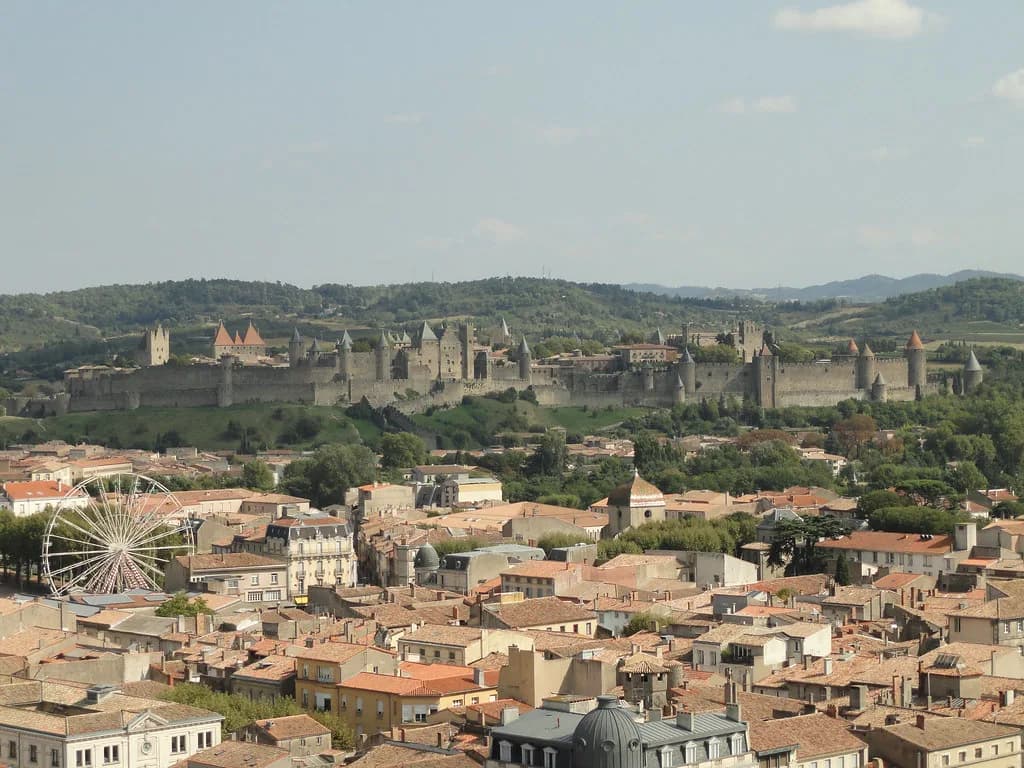
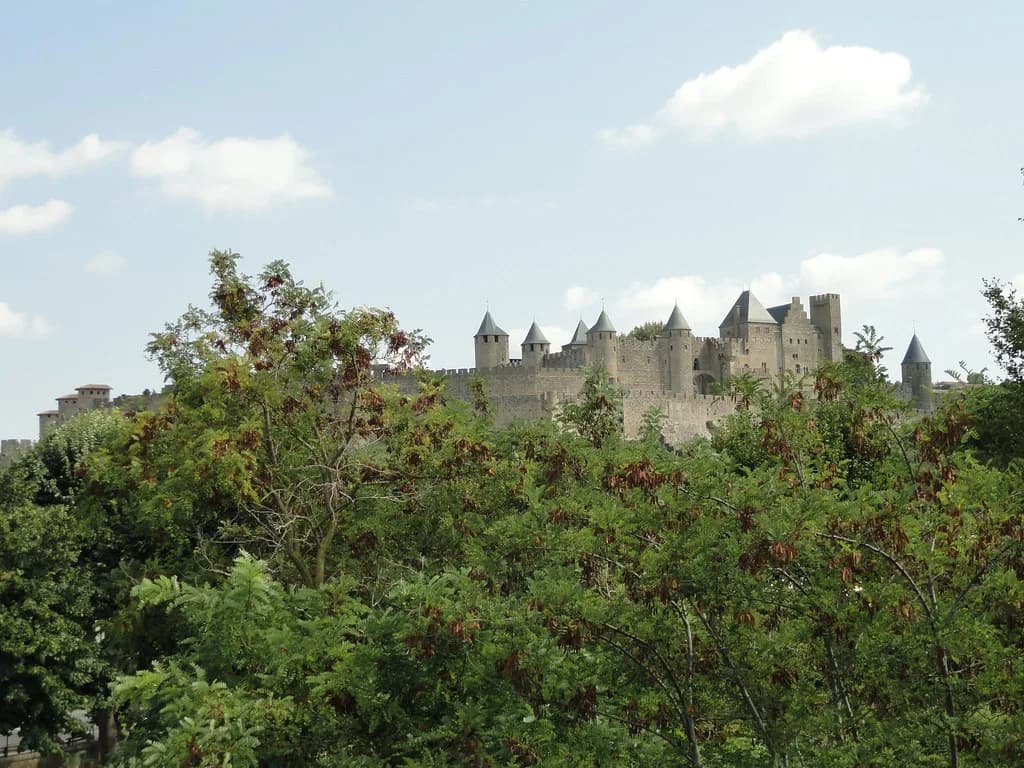
Yes, Carcassonne is worth visiting, provided the fortress is the reason you are coming. The Cité de Carcassonne is the largest fortress in Europe, ringed by 52 towers and two ramparts across 3 km of walls, and it holds UNESCO World Heritage status. If you want a castle, a walled town and a half-day of slow wandering, it delivers more concentrated impact than almost anywhere else in southern France.
No, it is not the place for a big-city French weekend. Beyond the walls, the Bastide Saint-Louis is a modest grid of streets rather than a Lyon or a Bordeaux, and two days is enough to see both halves properly. Treat Carcassonne as a one-idea short break, pair it with the Canal du Midi, and the verdict lands firmly on yes. Start with these things to do in Carcassonne to see whether the shape of the trip suits you.
What the Cité Actually Is
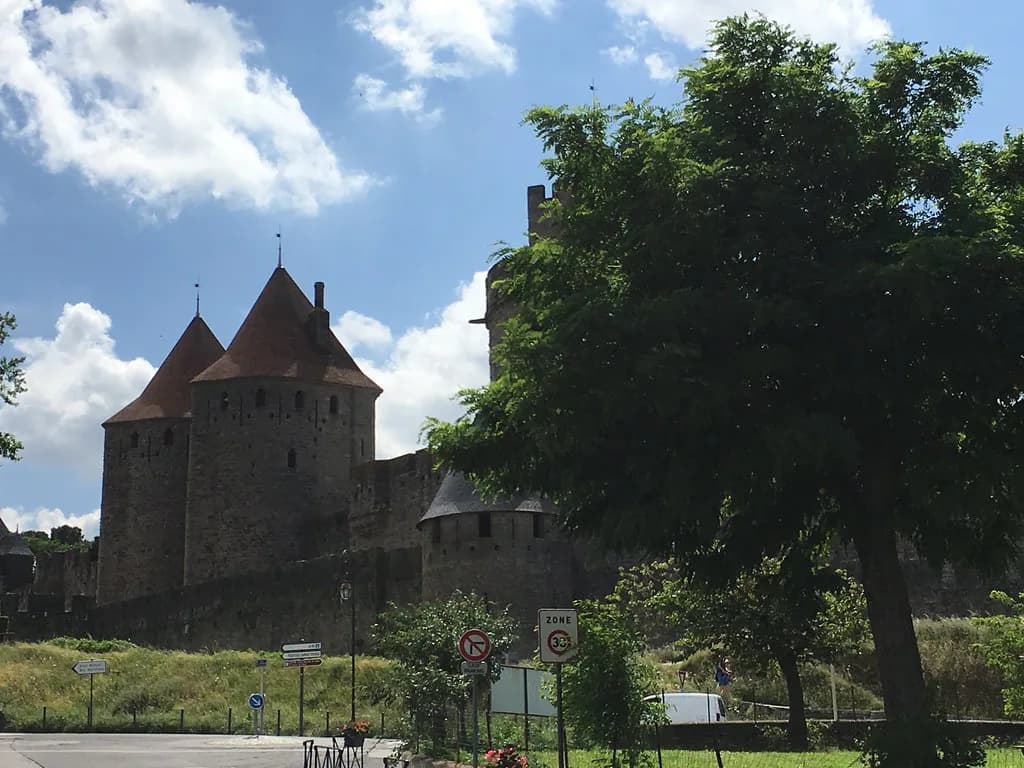
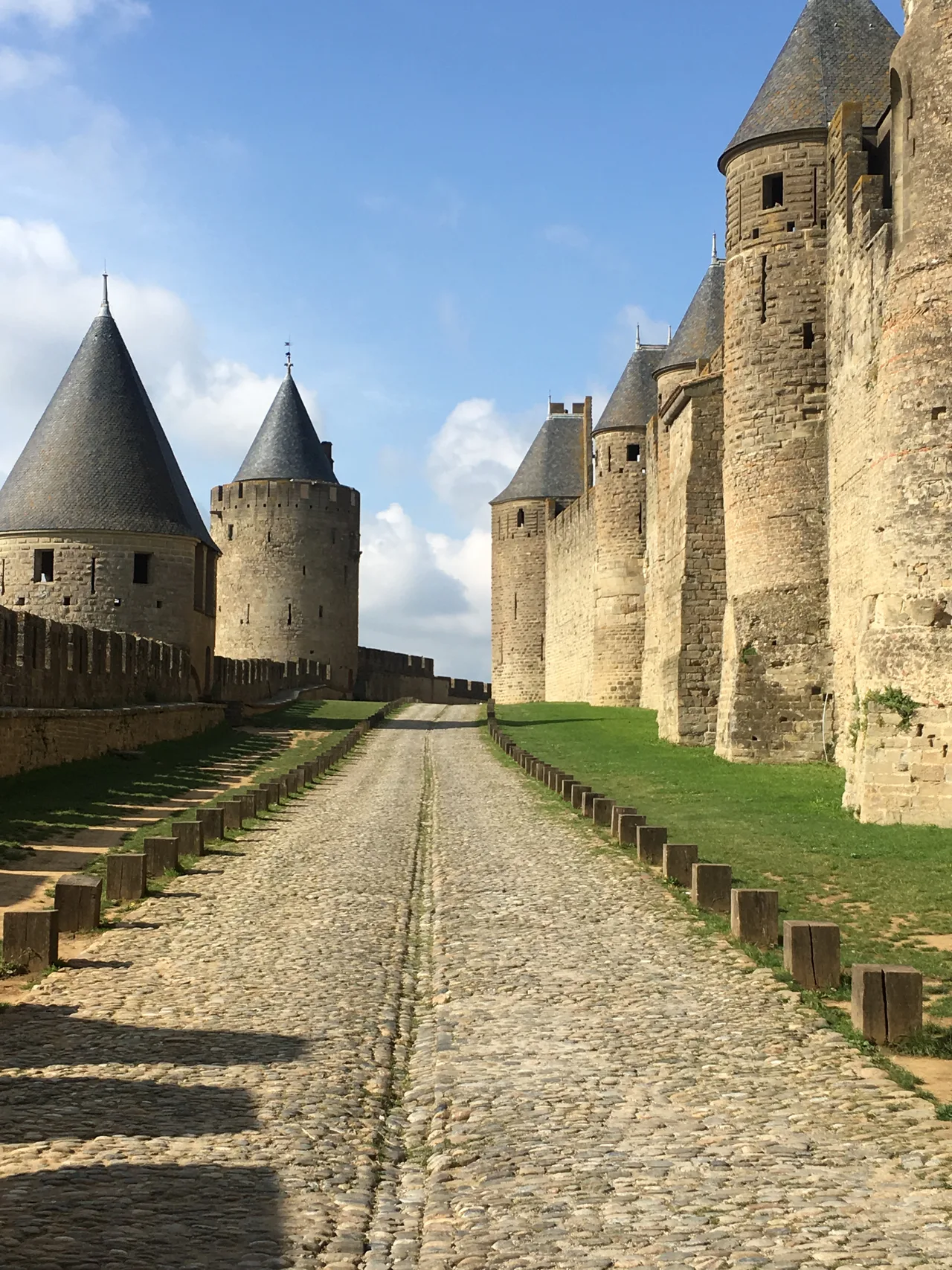
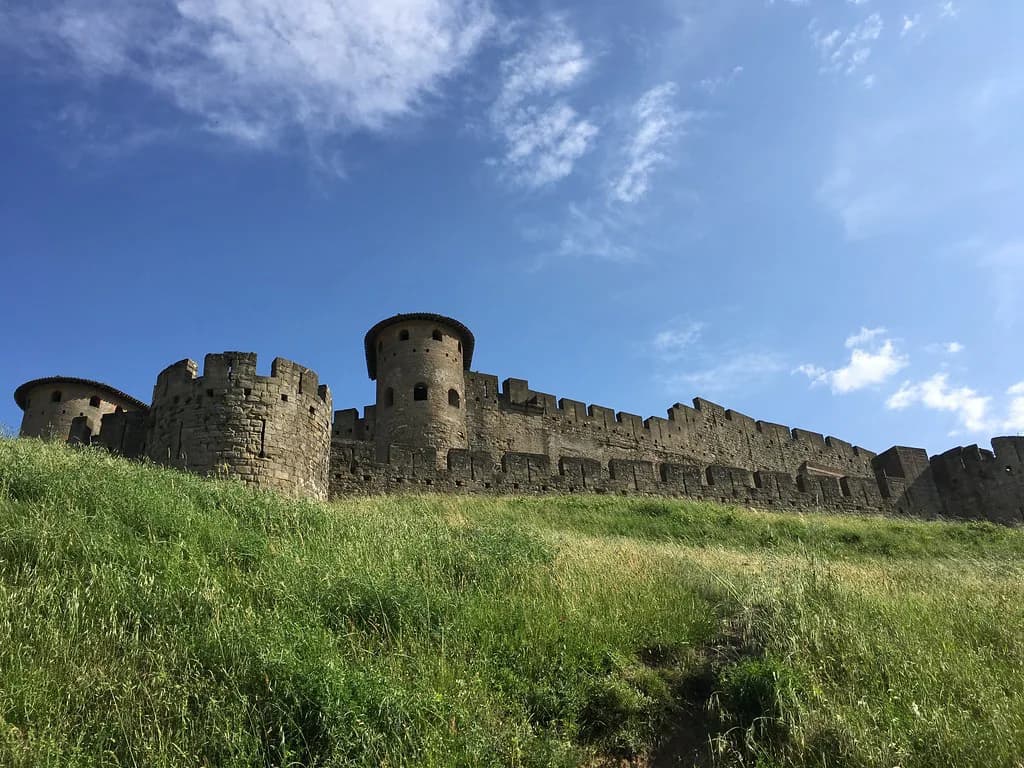
The Cité is not a museum set piece but a small inhabited town inside two concentric walls, with cobbled lanes, shops and squares. The tourist office counts 52 towers along 3 km of fortified ramparts, built and rebuilt from Antiquity to the end of the Middle Ages. That layered construction is why the walls look so varied as you walk them: Roman foundations sit under medieval work, and Viollet-le-Duc's 19th-century restoration sits over both.
Entry to the medieval town costs nothing and the gates never close, so you can walk in at any hour. That single fact changes the planning: the walled streets are a public space you can enjoy for free, and only the castle is a ticketed visit. Arrive early or late in the day if you want the lanes closer to yourself, and save the middle hours for the inside of buildings.
For the interior picture, browse these Carcassonne Attractions: 6 Visitor Guides alongside the fortress material.
The Counts' Castle: What the Ticket Buys
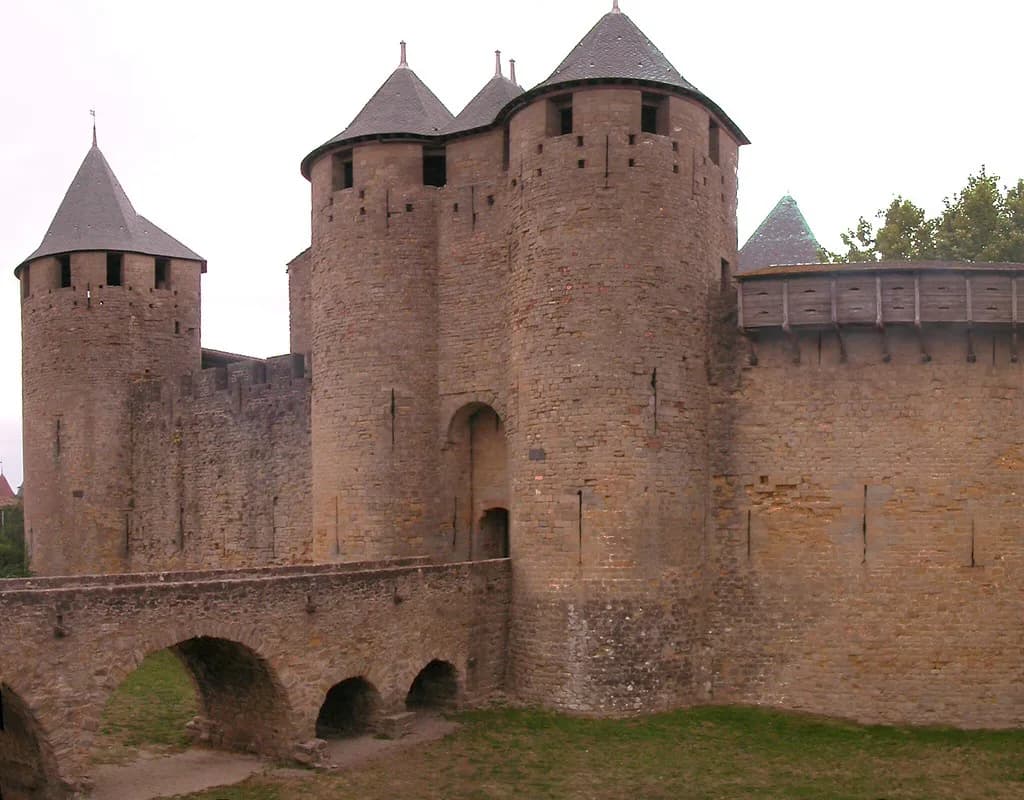
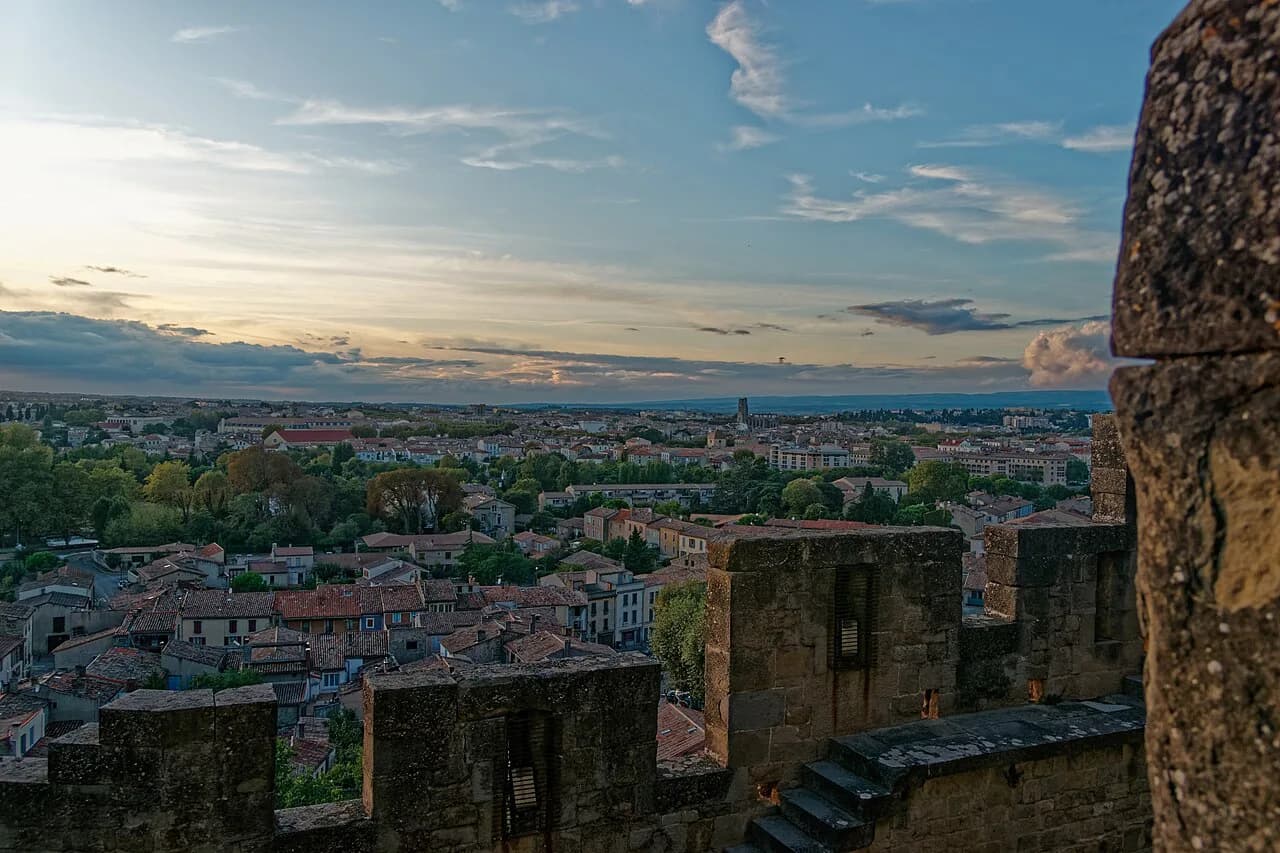
The Château Comtal, also called the Counts' Castle, is the paid heart of the visit and is managed as a national monument. Your admission includes access to the upper ramparts by way of the inside of the towers, a 360-degree view over the Pyrenees, the Montagne Noire and the modern town below. Inside there are rooms with a film and model, a lapidary museum of sculpture, an exhibition and a shop.
Booking is not compulsory but is strongly recommended, and the guided, audio-guided and self-guided options are booked online. The castle opens every day, with times and prices listed on the monument's own booking page rather than fixed here. Allow one to two hours inside, which is the figure the tourist office gives for the castle alone.
If you are weighing a wider short break in the region, Is Arles Worth Visiting? An Honest Weekend Verdict makes a useful comparison for Roman rather than medieval sightseeing.
Basilique Saint-Nazaire: Free, and the Best Interior in the Cité
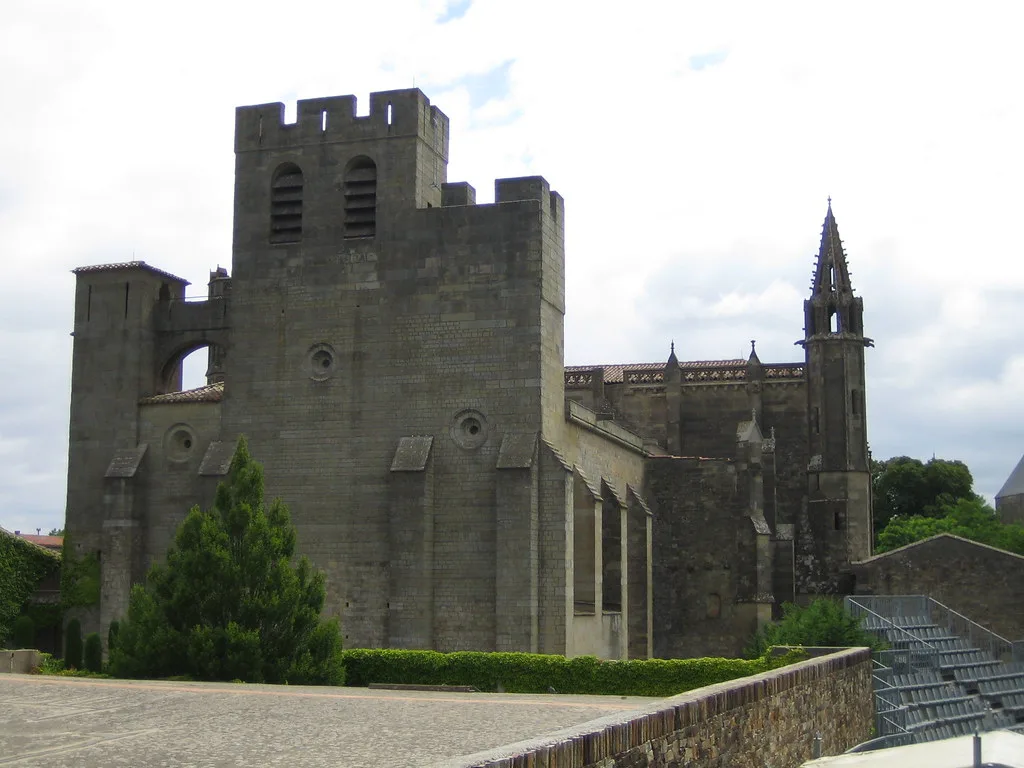
The Basilique Saint-Nazaire, built between the 11th and 14th centuries, is the one interior in the Cité that costs nothing and asks nothing of your schedule beyond walking in. It is called the jewel of the citadel, and it earns the name by holding Romanesque and Gothic work in a single harmonious building. Its stained glass is described as the finest in the south of France, so give the windows real time rather than a quick aisle walk.
Admission is free, which makes the basilica the obvious counterweight to a paid castle ticket, and Mass is held on Sundays at 11am. Pair the two interiors back to back and you have the strongest hour of sightseeing in the city. If your trip is built around churches and collections rather than ramparts, these museums in Carcassonne are the other indoor option.
Walking the Lices and the Lanes
Between the two walls runs a ring of grassy walkways called the lices, and it is the finest free walk in Carcassonne. From there you look up at towers on one side and out over the Aude plain on the other, with the press of the main street left behind. The tourist office suggests exactly this circuit between the walls, then the narrow cobbled streets and small squares inside.
The interior lanes are steep in places and cobbled throughout, so flat shoes matter more here than in most French towns. A horse-drawn carriage and a little train both run tours if walking the whole circuit is too much. Walking the walls and lanes takes an easy couple of hours at a stroll, before you count the castle.
Carcassonne old town material will fill in the lower-town half of the picture once you have finished inside the walls.
How Long You Need
Half a day is the honest minimum for the Cité, made up of one to two hours in the Counts' Castle plus time to wander the streets, stop for lunch and look at the craft shops. Add the basilica and the lices and you are at four or five hours without rushing. Anyone who tries to see the castle and the whole town in ninety minutes will remember queues rather than ramparts.
If you want a ready-made shape, this 3 days in Carcassonne plan shows how the fortress, the Bastide and the canal fit together across a long weekend.
Getting In Without a Car
The Cité is a 30-minute walk uphill from Carcassonne's SNCF station, which makes the train a genuinely practical option from Toulouse. City bus lines 2, 3 and 4 run from the town centre to the medieval town, and the line 3 stop is the closest at 150 metres from the Narbonnaise Gate. Line 4 drops you at Porte d'Aude, from where the climb is a steep cobbled street rather than a gentle ramp.
Bus tickets are bought from the driver, and the tourist office lists the single fare at 1.20 euros. By car, take motorway exit 24 and use the visitor car parks around the citadel; the nearest, P1, is 250 metres from the main Narbonnaise Gate entrance. Parking is charged between 8am and 8pm, with an evening flat rate of 3 euros at P0 in high season and December.
From June to September a commented little train loops the Cité and the Bastide, listed at 7 euros for the tour. The tourist office sits at 21 rue Cros Mayrevieille inside the Cité. Use the best time to visit Carcassonne guide to weigh heat and crowds against the quieter months before you fix dates.
The Bastide Saint-Louis: The Second Act
The lower town, the Bastide Saint-Louis, is where the verdict wobbles. It is a working French town with a handsome arcaded square rather than a second attraction, and it will not fill a day on its own. What it does offer is contrast: after the medieval stage set, you get everyday streets, cheaper coffee and a sense of how Carcassonne actually lives.
The Bastide is also where most of the practical shopping sits, so put it on the second morning rather than squeezing it in after the castle. This shopping in Carcassonne guide covers what the lower town offers. If markets are your priority, the markets in Carcassonne page sets out the covered hall and street trading without guesswork.
Who Will Love It and Who Won't
Castle lovers, families and anyone who wants one big, photogenic idea will find Carcassonne hard to beat. It works especially well for a car-free break, because the station, the buses and the walls are all linked by short, well-signed walks. Day-trippers from Toulouse get a full and satisfying day without needing to stay over.
Travellers after big-city energy, serious restaurants or a full week of urban life should look elsewhere. Carcassonne is a one-monument town in the best sense, and the lower town will feel thin if the Cité is not what you came for. Read Is Aix-en-Provence Worth Visiting? An Honest Weekend Verdict if you want a comparison with a richer city break.
For a weekend built around the fortress, A Weekend in Carcassonne lays out the pacing.
Practical Trade-offs
Crowds inside the walls are the main cost of visiting, and they peak in the middle of a summer day. Picnicking is allowed on several squares and green spots, including Place Marcou, Place du Prado at the Narbonnaise Gate and the lawn in the moat of the Counts' Castle, but not in the castle grounds or on the ramparts. Those grassy picnic spots are also the cheapest way to eat well inside the walls.
Dogs are welcome throughout the medieval town, with the exception of the Counts' Castle, so the free half of a visit is genuinely dog-friendly. For sit-down eating, the best restaurants in Carcassonne covers both halves of the city. Eating inside the Cité trades choice and price against convenience, and booking ahead matters most in high season.
When to Go
The traditional high point of the Carcassonne year is the evening of 14 July, when a 30-minute fireworks display is followed by the lighting up of the medieval Cité from around 10.30pm. It can be watched free from the town and the surrounding area, which makes it one of the best-value spectacles in France. Treat it as the customary date the tourist office describes rather than a fixed schedule you can plan around without checking.
In 2025 the tourist office also listed Remparts et Lumières, a night walk and light show from the Narbonnaise Gate to the castle courtyard, running from 15 July to 13 September at 12 to 15 euros. That is past programme history, so check current dates and prices for the coming season. If you are travelling in autumn, Carcassonne in october is the guide that matches the season and its shorter days.
Carcassonne in a Weekend
Day one belongs to the Cité: walk in through the Narbonnaise Gate, climb the Counts' Castle and its ramparts in the morning, then take the basilica, the lices and the lanes at an unhurried pace. Eat a picnic in the moat or on one of the picture squares, and keep the evening light for the walk back down. That is the half-day core, stretched comfortably to a full one.
Day two goes to the Bastide Saint-Louis, the market hall and the Canal du Midi, which gives the trip a second texture without competing with the walls. A late afternoon back inside the Cité, once the coach parties have gone, is the reward for staying overnight. That two-day shape is what turns a day trip into a weekend that feels finished rather than rushed.
Verdict: Worth a Weekend, Easy to Justify as a Day Trip
Carcassonne is worth visiting if a walled medieval city with a climbable castle is the trip you want, and it is worth a weekend if you add the Bastide and the canal. It is not worth forcing if you are chasing a large-city French break, because the lower town will not carry a second day on its own. Come for the fortress, plan half a day inside it, and leave time to look back at the walls from below.
Explore more Carcassonne guides
Frequently Asked Questions
Is Carcassonne worth visiting?
Yes, if the fortress is your reason for going. The Cité de Carcassonne is the largest fortress in Europe, with 52 towers across 3 km of ramparts and two rings of walls, and it is a UNESCO World Heritage Site. It is free to enter and open around the clock. Travellers wanting a big-city French weekend should note that the lower town, the Bastide Saint-Louis, is modest rather than bustling.
Is the Cité de Carcassonne free to visit?
Walking into the medieval town is free, and the Cité is open 24 hours a day. The paid element is the Counts' Castle, managed as a national monument, whose ticket also gives access to the upper ramparts by way of the towers. The Basilique Saint-Nazaire is free to enter as well.
Do you need to book the Counts' Castle?
Booking is not compulsory, but it is strongly recommended by the tourist office. Self-guided, audio-guided and guided visits are booked online, and the castle is open every day. Booking ahead saves time in the middle of the day in high season.
How long does it take to visit the City of Carcassonne?
Allow at least half a day. The Counts' Castle takes one to two hours, and you then add the basilica, the walk between the two walls and the cobbled streets inside. A full morning to early afternoon is a comfortable pace.
Is Carcassonne a walkable city?
The medieval town is entirely walkable on foot, though the lanes are cobbled and steep in places. The Cité is a 30-minute walk uphill from the SNCF station, and bus lines 2, 3 and 4 also run to it, with the line 3 stop about 150 metres from the Narbonnaise Gate.
Are dogs allowed in the Cité de Carcassonne?
Dogs can accompany you anywhere in the medieval town, with the exception of the Counts' Castle. That makes the free half of a visit genuinely dog-friendly.
Can you picnic in the medieval city?
Yes. Squares with benches and bins are set aside for picnic use, including Place Marcou, Place du Plô and Place du Prado at the Narbonnaise Gate, plus the lawn in the moat of the Counts' Castle. Eating is not allowed in the castle grounds or on the ramparts.
How many towers does the Citadel of Carcassonne have?
There are 52 towers along the 3 km of fortified ramparts, which record about a thousand years of military architecture. The two most impressive sit either side of the drawbridge at the Narbonnaise Gate, facing east towards Narbonne.
Sources
Notes for French city breaks
Optional updates to our guides.
You might also like
Continue reading
More guides you'll find useful