Best Time to Visit Carcassonne: When to Go for a Weekend
Carcassonne is at its best in late spring and early autumn, when the Cité is walkable and queues are shorter. Here is how the seasons change a weekend.
On this page
The best time to visit Carcassonne for a weekend is late April to June or September to mid-October. Days are mild enough to walk the ramparts and the 30-minute climb from the station without wilting, and the Cité is busy without being overwhelmed.
Your choice really comes down to three things: how much walking you want to do, how much heat you can take, and whether you need long daylight for the evening views of the walls from the Pont Vieux.
The Short Answer: Late April to June and September to Mid-October
Spring and early autumn are the sweet spot for a two- or three-day break. You can comfortably walk the roughly 1.3 km rampart circuit and wander the ochre streets of the Cité without rushing, and the light in the late afternoon is superb from the Pont Vieux.
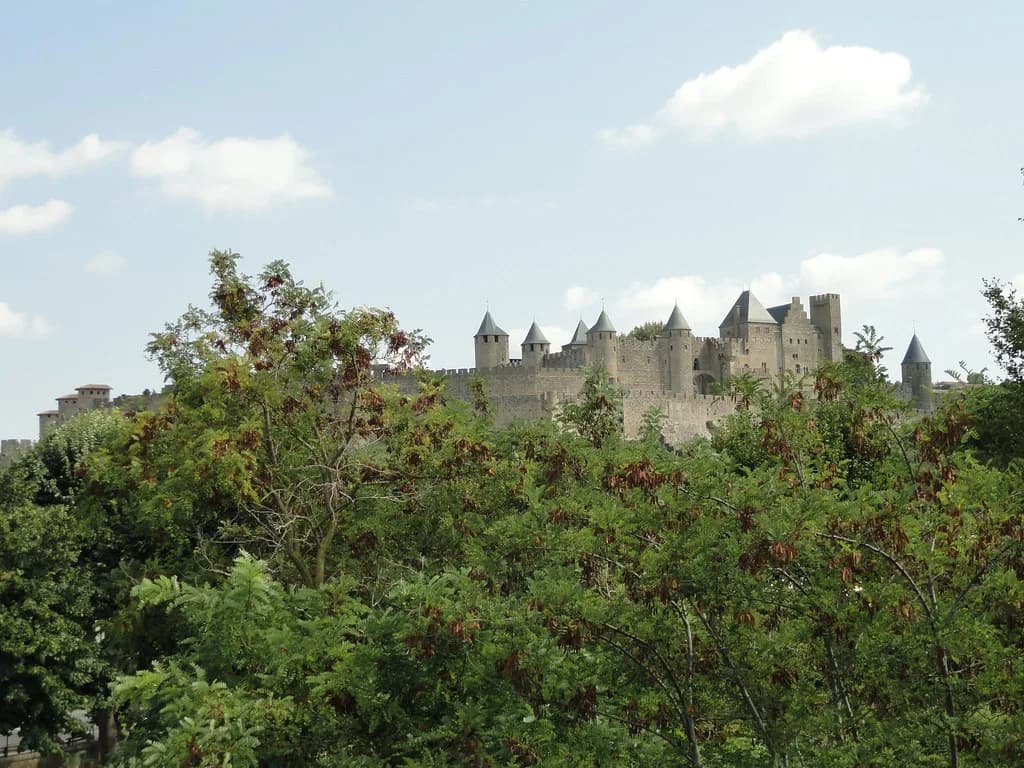
A useful benchmark: the whole fortress has 52 towers along about 3 km of ramparts, so a season that lets you spend an hour or two on foot rather than sheltering from heat or rain is worth having.
If your priority is things to do in Carcassonne rather than pure weather, spring and autumn let you fit more into a short trip because you are not pacing yourself around midday heat.
How the City Is Laid Out and Why Timing Matters
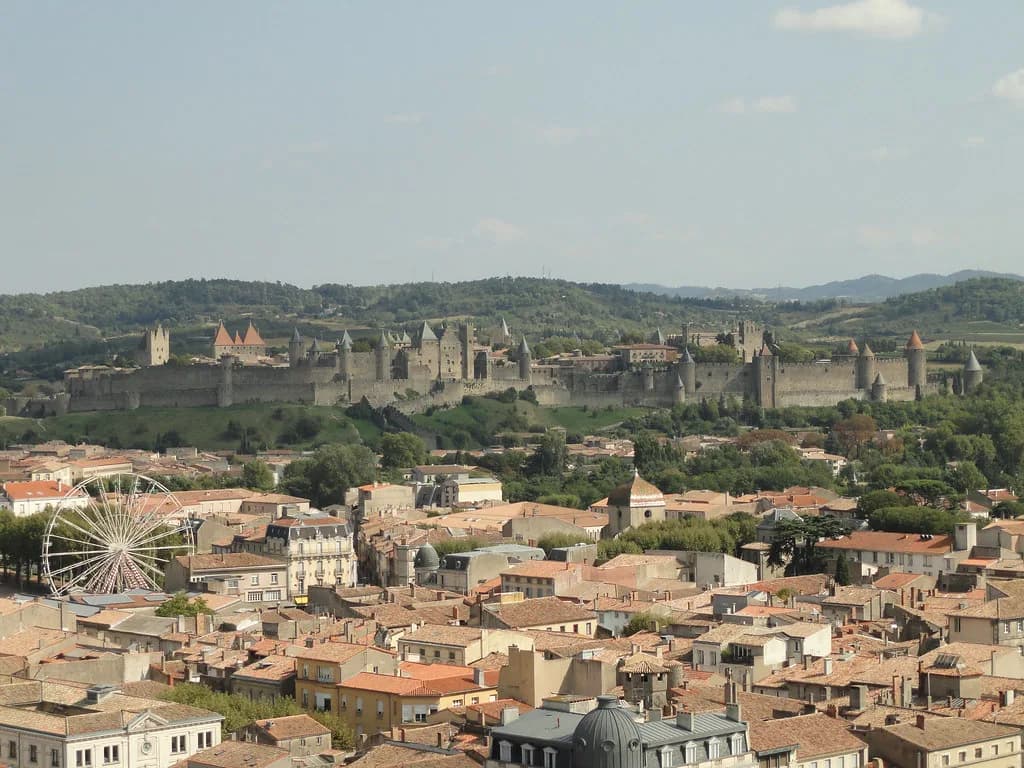
Carcassonne splits cleanly into two halves. The Cité sits on a hill above the Aude, a walled medieval town, while the Bastide Saint-Louis spreads out on the plain below with its grid of streets, Place Carnot and the Cathedral of Saint-Michel.
The Cité is a 30-minute walk from Carcassonne's SNCF railway station, or you can take city bus lines 2, 3 or 4 from the town centre; tickets can be bought from the driver for €1.20.
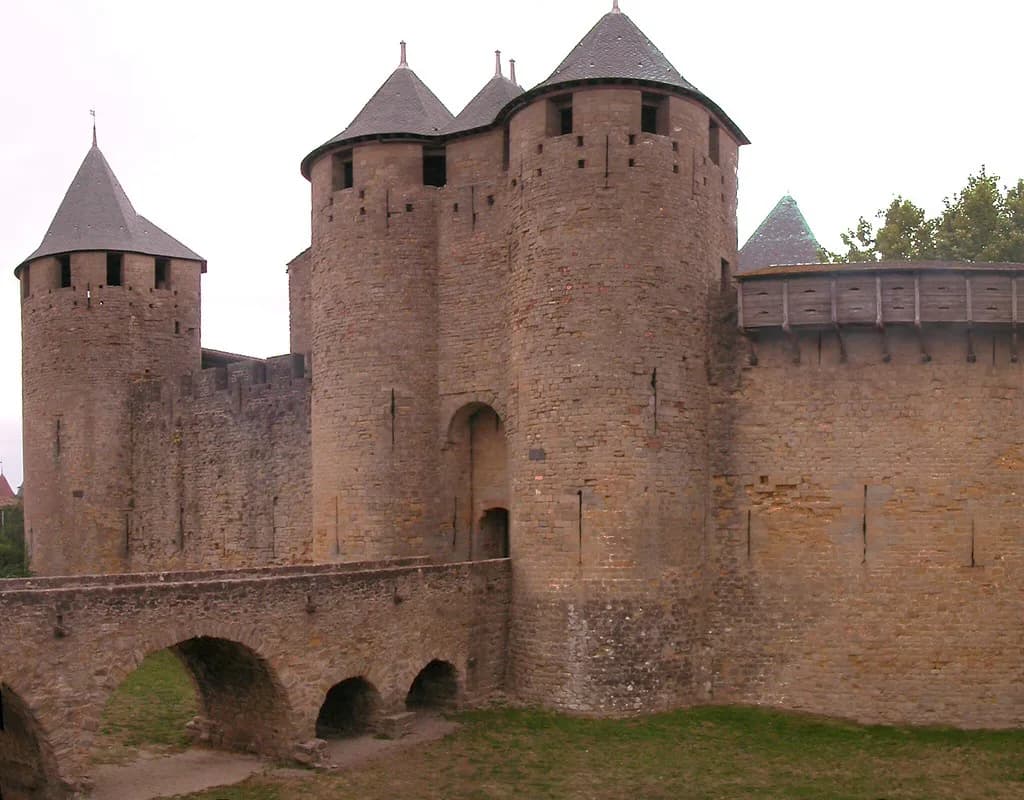
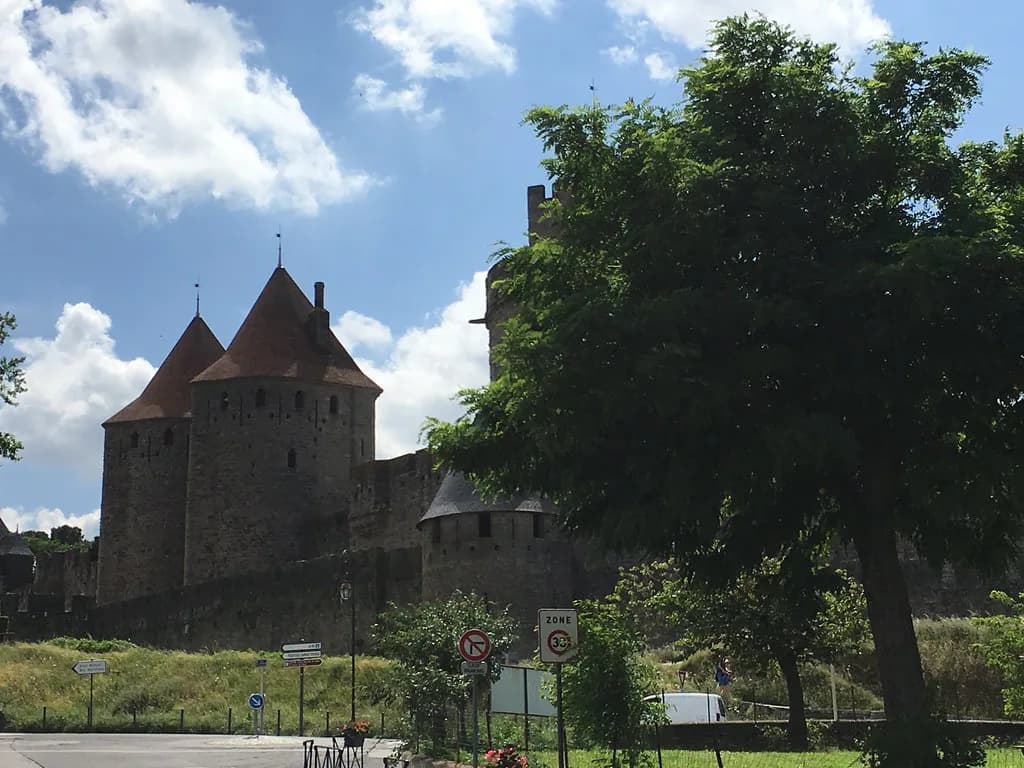
That geography decides your day. Coach parties tend to reach the Cité later in the morning, so starting at opening time gives you the cobbled streets and the Porte Narbonnaise largely to yourself.
Spring: Mild Days and the Cité Before the Coaches Arrive
From late April, Carcassonne starts to warm up without the summer sting. Mornings are the best window: arrive at the Porte Narbonnaise early, walk the lices between the two walls, then drop into the lower town for lunch.
The Basilique Saint-Nazaire is free to enter, which makes it an easy early stop when you want to see the stained glass before the crowds build.
If you are planning around a specific month, Carcassonne in october is a good reference point for how the shoulder season behaves: quieter streets, shorter days, but all the major sights still on the cards.
Summer: Long Days, Heat and the August Crush
Summer gives you the longest daylight and the liveliest atmosphere, but it comes with real trade-offs. The Cité attracts around 4 million visitors a year, with about 2.5 million arriving in August, so the narrow streets and the castle ticket desk get genuinely tight.
The practical fix is to shift your day to the edges. Start at the castle as it opens, retreat to the Bastide for a long shaded lunch, then come back up for the evening light and a late rampart walk when the coaches have gone.
July brings the Carcassonne festival, with concerts across the ramparts and the streets of the Bastide, so check the programme if you want music or avoid it if you want quiet.
Autumn: The Best Balance of Weather and Breathing Room
September and early October are the most forgiving weeks of the year for a weekend. The heat eases, the light softens, and the fortress feels calmer than in high summer without the short days of winter.
It is a good season for a weekend in Carcassonne if you want to combine the castle and ramparts with time in the lower town. Allow at least half a day for the Cité itself, then a second half for the Bastide.
Cooler weather also makes indoor stops more appealing. The Musée des Beaux-Arts in the lower town is free to enter, and the small museum inside the Counts' Castle gives you a dry hour if the clouds roll in.
Winter: Quiet Streets and Short Daylight
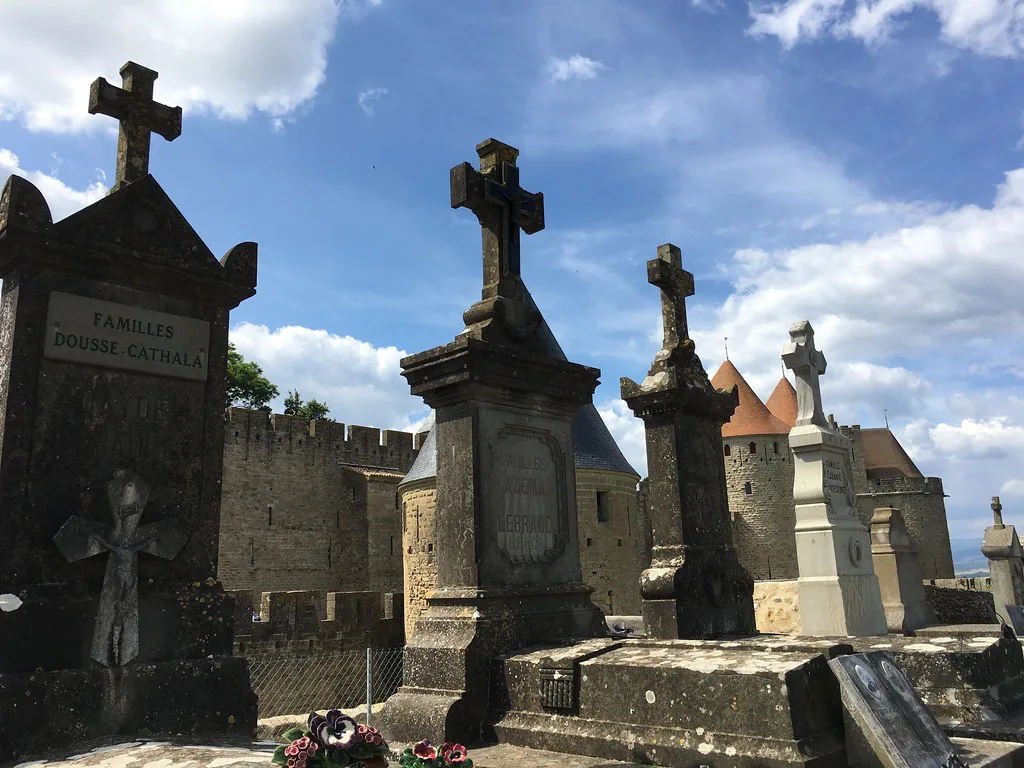
Winter is the quietest season, and the Cité is free to walk through 24 hours a day. The catch is daylight: you will be planning around a shorter window, so pick a single focus for each day rather than trying to cover both halves of the city.
The Counts' Castle is open every day, though times and prices vary across the year, so check the current ticket desk details when you book.
If you want a fixed-date contrast, 14 July is the big one: fireworks over the Cité at 10:30pm, free to watch from the town and surrounding area. Book well ahead if you plan around it.
What Stays Open and What Changes With the Season
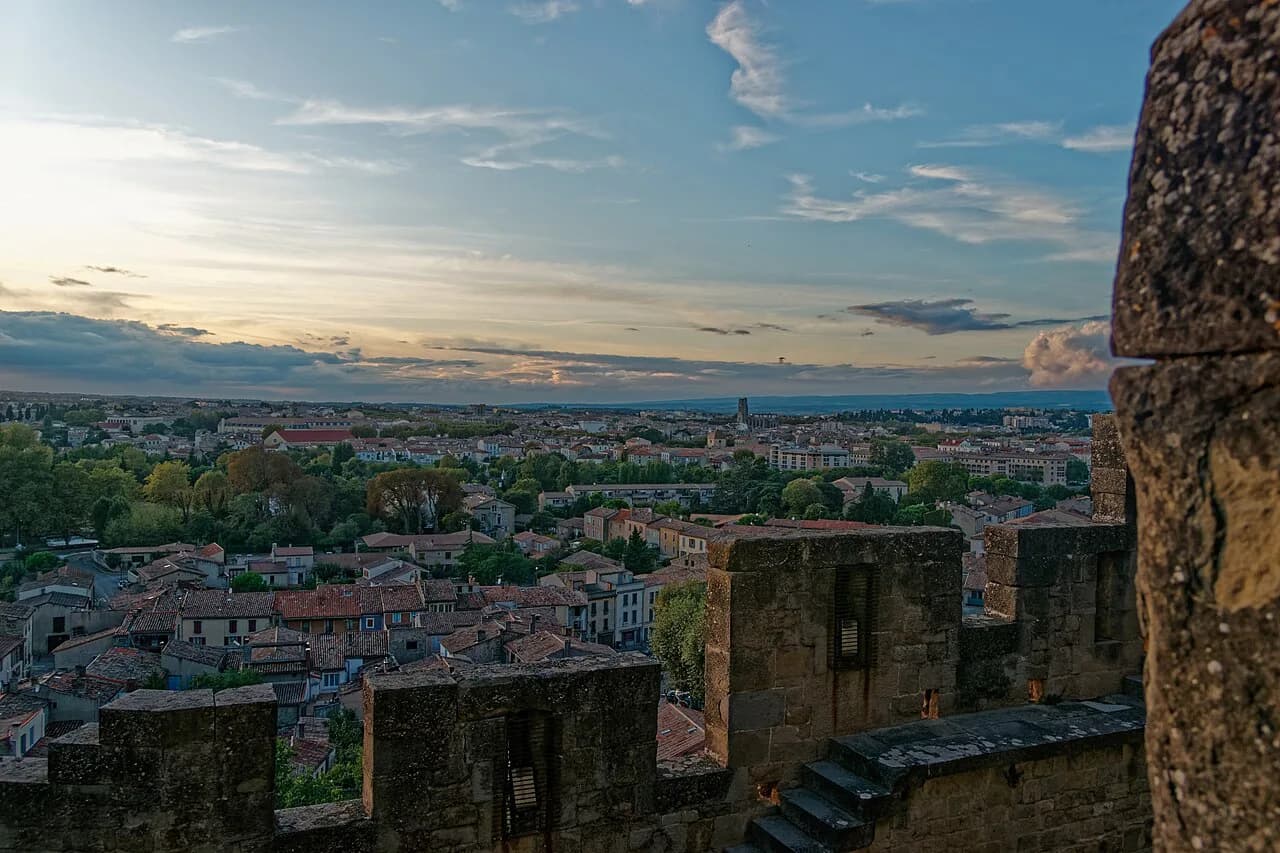
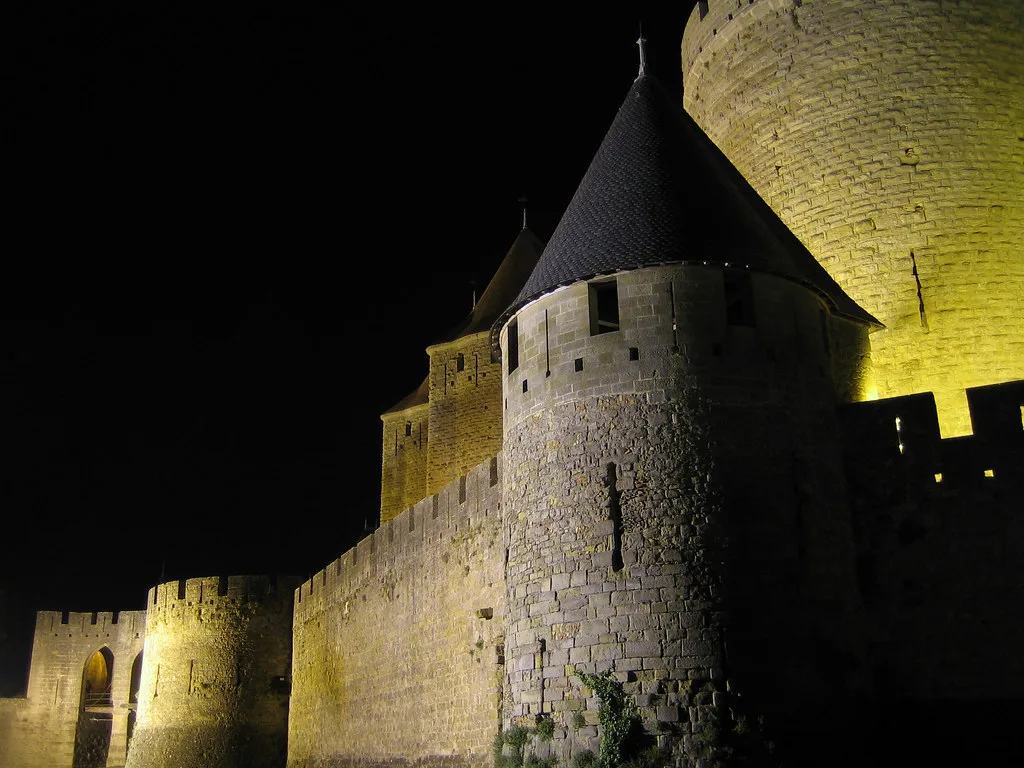
The Cité itself never closes and costs nothing to enter, which makes it the one reliable anchor whatever month you choose. The Counts' Castle, run by the Centre des Monuments Nationaux, is the only part of the fortress that needs a ticket, and it gives you access to the upper ramparts and the 360° view.
To make the most of the ticket, take the castle and rampart walk first, then the Basilique Saint-Nazaire, then wander the lices between the walls. That order keeps you ahead of the coach groups.
For a wider look at the Cité de Carcassonne as a district in its own right, the old town guide covers the streets, gates and squares in more depth.
Rainy or Cold Days: Indoor Fallbacks
When the weather turns, the museums in the Cité and the Bastide are your best bet. The Musée de l'École and the Musée de l'Inquisition are both inside the walls, and the Basilique Saint-Nazaire is free and under cover.
The Musée des Beaux-Arts in the lower town has around ten rooms of paintings and sculpture, many by local artists, and entry is free. It pairs well with Square Gambetta next door for a break in the rain.
If you want a fuller list, the museums in Carcassonne guide sets out what each one offers and how long to give it.
How Many Days You Need, Whatever the Season
Plan for at least half a day in the Cité: one to two hours for the Counts' Castle, then time to wander the cobbled streets and squares. Add a second half day for the Bastide, the Pont Vieux and a stroll along the Canal du Midi.
A weekend gives you a full day for the fortress and town, plus a relaxed second morning. A short break of three days lets you add the Lac de la Cavayère, about 4 km from the city, or the Châteaux de Lastours, roughly a 20-minute drive away.
If you want a ready-made plan, the 3 days in Carcassonne itinerary fits the sights to the time you have.
Weekday Versus Weekend Timing
Within your chosen month, a weekday visit usually means more breathing room in the narrow streets and shorter queues at the castle. Saturday brings more day-trippers and a livelier Bastide, but the Cité can feel packed by mid-morning.
Sunday in France tends to be quieter, and several shops and some restaurants close, so plan a Sunday around the Cité, the basilica and a walk rather than shopping. The markets run on set mornings rather than every day, so check days before you build your trip around one.
If you are weighing up whether the trip is worth it at all, is Carcassonne worth visiting sets out honestly what you get and what you don't.
Practical Timing Details: Parking, the Little Train and Buses
If you drive, the nearest car park (P1) is about 250 metres from the Porte Narbonnaise. Visitor car parks charge from 8am to 8pm, with an evening flat rate of €3 at the nearest car park (P0) in December and from 1 May to 30 September.
From June to September, the RTCA little train runs a commentary tour of the Cité and the Bastide (€7). Outside those months, you are on foot or on the city buses, which cost €1.20 from the driver.
If you would rather cycle, the Canal du Midi towpath and the cycle paths around town are an easy way to add the canal to a summer day without committing to a long walk.
Matching the Month to Your Trip
For a first-timers' weekend, aim for late April to June or September: you get the full Cité experience, the castle and the Bastide without heat or crush. If the castle and ramparts are the whole point, spring or autumn lets you walk the 1.3 km circuit slowly and stop for photos.
If food and markets are your focus, check which mornings the markets run in Carcassonne before you pick your dates, then build the trip around the town centre. If you want a specific month comparison, best time to visit avignon shows the same logic applied to another southern city, which helps calibrate what a shoulder season really buys you.
Wherever you land, dine early in the Cité or book ahead for the best restaurants in Carcassonne, as the walled town fills up in the evening.
Plan Your Visit
Late April to June and September to mid-October give you the most comfortable weekend: mild weather, a walkable Cité and enough daylight to see the walls at their best. Summer is worth it for the long evenings if you start early and pace yourself.
Check the castle times and prices for your dates before you book, and confirm market days if food is a priority. Everything else falls into place once you have picked your season.
Explore more Carcassonne guides
Frequently Asked Questions
What is the best month to visit Carcassonne?
Late April to June and September to mid-October are the most comfortable months for a weekend. Days are mild enough to walk the ramparts and wander the Cité without rushing, and the town is busy without the August crush.
Is Carcassonne worth visiting in winter?
Yes, if you want quiet streets and are happy to plan around shorter daylight. The Cité is free to walk through 24 hours a day, and the Counts' Castle is open daily, though the winter daylight window is short.
How hot does Carcassonne get in summer?
Summer is hot and busy, with long sunny days and a heavy August peak. Check current climate averages for your dates, and plan around early starts and shaded afternoons rather than midday walking.
How busy is Carcassonne in August?
Very busy. The Cité sees around 4 million visitors a year, with roughly 2.5 million of them arriving in August, so the narrow streets and castle ticket desk get crowded. Start at opening time and return in the evening for breathing room.
How long do you need in Carcassonne?
Allow at least half a day for the Cité, including one to two hours for the Counts' Castle, then a second half day for the Bastide. A weekend gives you a full day plus a relaxed morning, and a three-day break lets you add the canal or a nearby site.
Should I visit the Cité in the morning or evening?
Both if you can. Mornings get you ahead of the coach groups, and evenings give you softer light and fewer people on the ramparts and from the Pont Vieux.
What is open in Carcassonne on a Sunday?
The Cité itself is open 24 hours and free to walk through, and the Basilique Saint-Nazaire holds Mass on Sunday at 11am. Several shops and some restaurants close on Sunday, so build the day around the fortress and a walk.
Sources
Notes for French city breaks
Optional updates to our guides.
You might also like
Continue reading
More guides you'll find useful