Museums in Carcassonne: What to See and How Long to Allow
A candid guide to museums in Carcassonne and nearby Montolieu, with what each collection holds, how long a visit takes and how to fit them into a short break.
On this page
Carcassonne is a ramparts-and-streets city first, and its museums work best as a second layer rather than the main event. The quick answer for a short break: give your museum hours to the Cérès Franco museum at Montolieu if you care about modern figurative art, and use the central collections in the Bastide Saint-Louis and La Cité to fill an hour or two around the walls.
The city divides into two halves for planning purposes. La Cité, the walled hilltop town, and the Bastide Saint-Louis, the grid of streets on the lower bank, are where the central museums sit, so grouping visits by half saves crossing time. Montolieu, 18 km from Carcassonne, holds the Coopérative – Musée – Cérès Franco, the collection that justifies a half-day out of town.
Carcassonne's museums in a short break: what to prioritise
If you have one museum slot, spend it on the Cérès Franco at Montolieu. The tourist office describes it as a former wine cave turned art gallery holding rare works from the second half of the 20th century, including raw art, naïve Brazilian and European work, popular South American art and pieces from the CoBrA movement and New Figuration. It is the only collection in the area that rewards a dedicated trip.
For a second slot, the Musée des Beaux-Arts in the Bastide is the obvious city-centre pick, with the smaller collections around it as fillers. La Cité itself is better treated as a walk than a museum circuit: the walls, gates and streets deserve your time more than any single indoor display, and the wider guide to things to do in carcassonne covers that ground properly. If you are weighing similar choices elsewhere in the south, the museums in Aix-en-Provence follow much the same logic of one strong collection plus small fillers.
Skip the completist approach. A weekend in Carcassonne has room for one serious collection and one or two small ones; trying to tick every museum means missing the city itself.
La Cité and the Bastide Saint-Louis: how the city splits your museum time
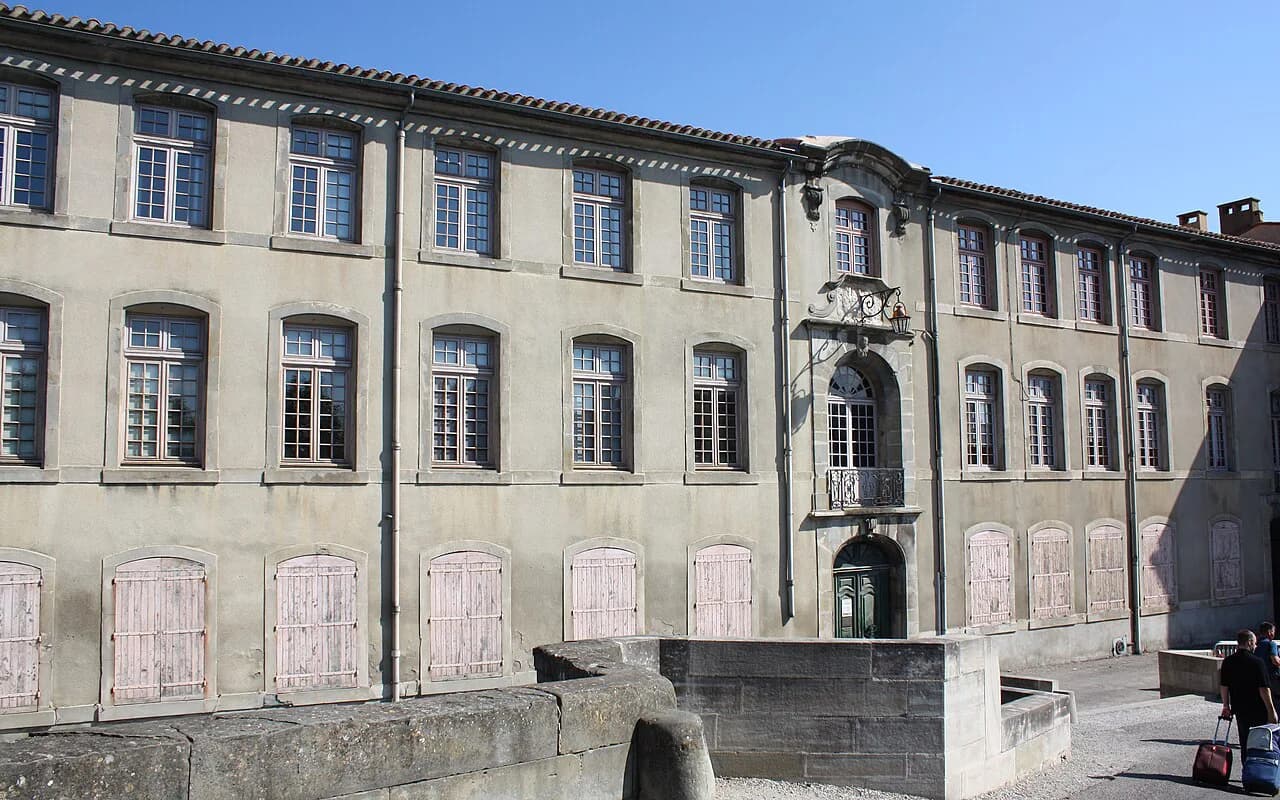
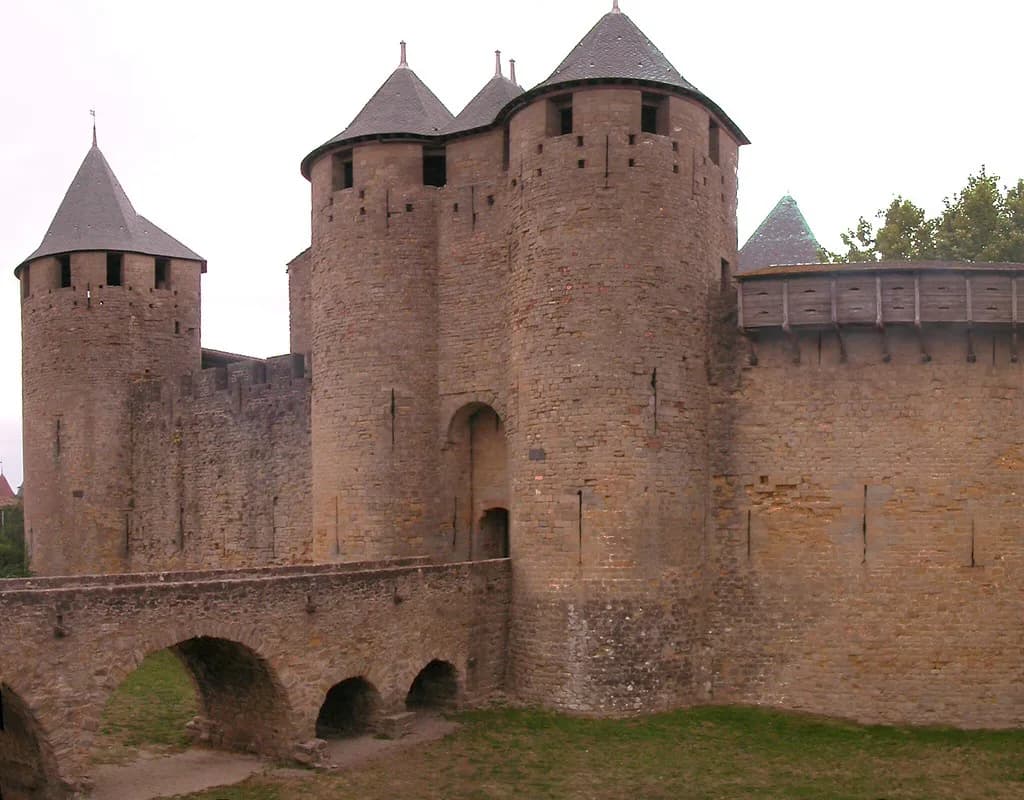
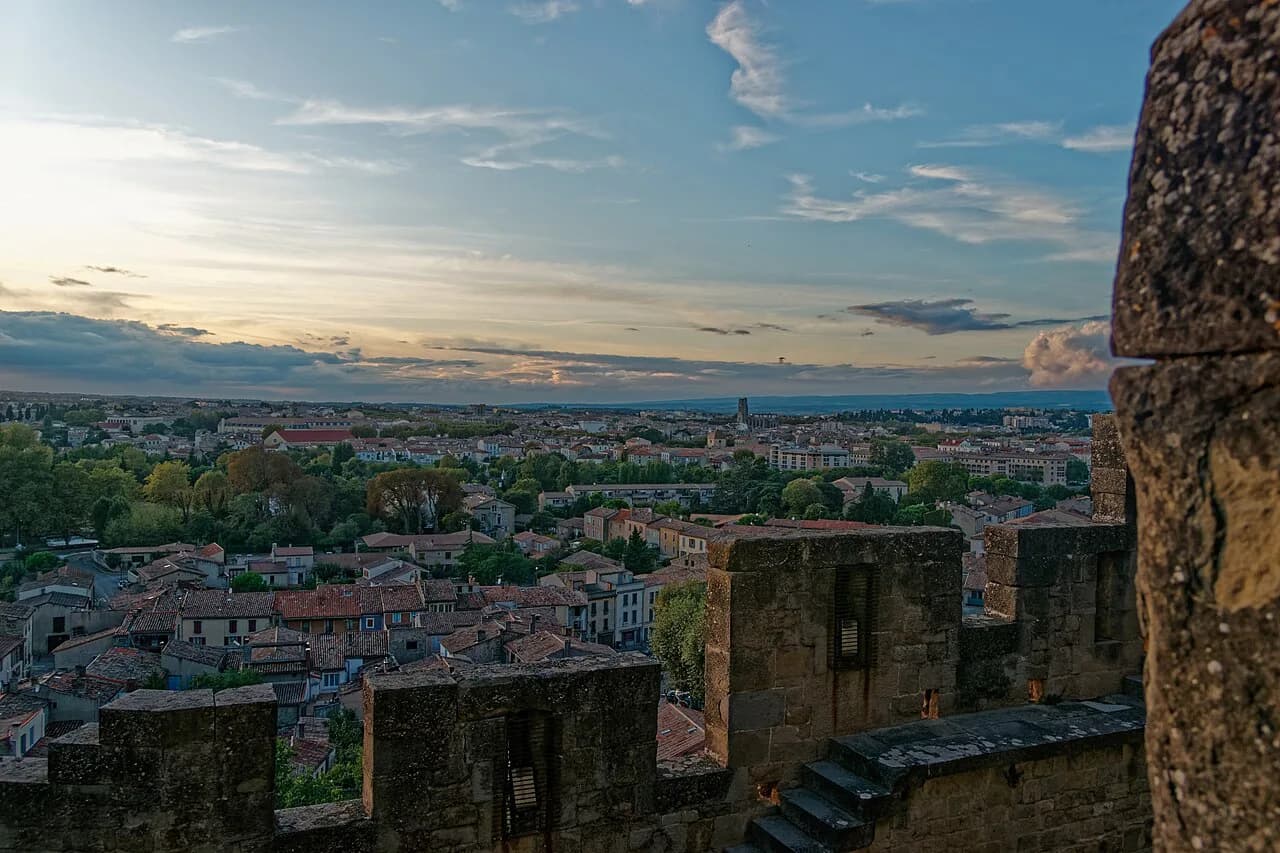
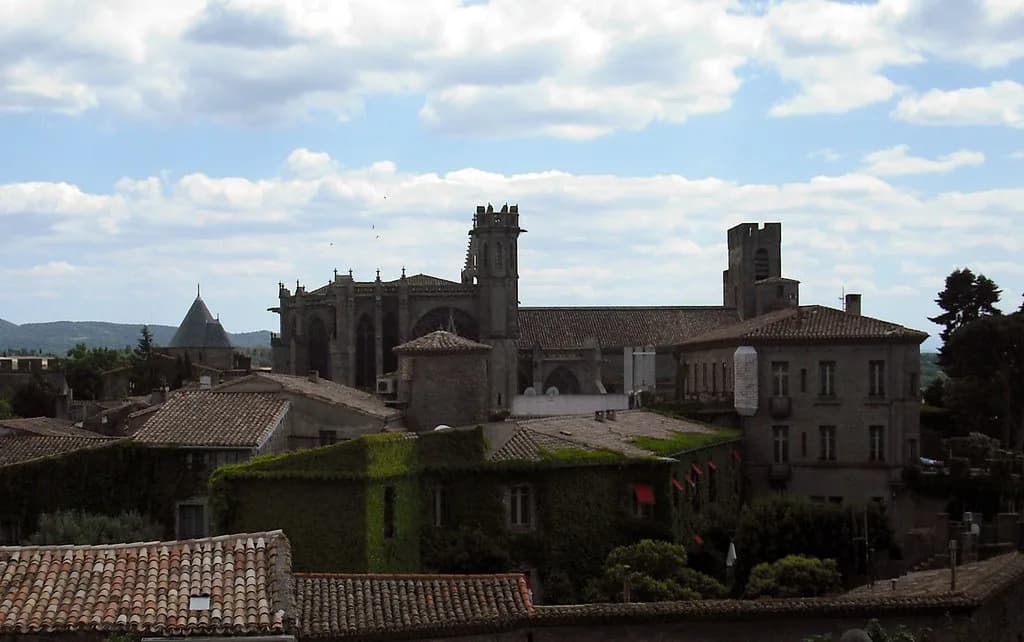
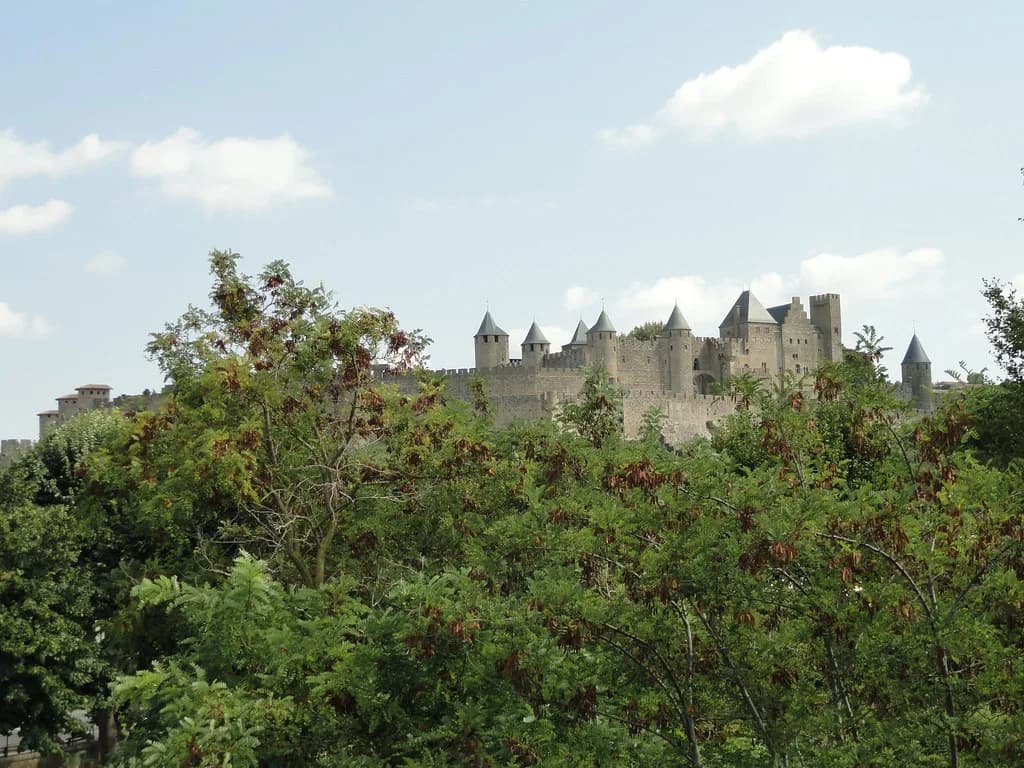
The Bastide Saint-Louis, laid out on the flat ground across the river from the hilltop Cité, is where everyday Carcassonne happens: shops, cafés, the market halls and the Musée des Beaux-Arts. La Cité, the restored medieval walled town, is a short walk or shuttle ride uphill and holds the smaller heritage collections plus the streets everyone comes to see. Base your museum plans on the Bastide and treat La Cité as a separate half-day.
Practically, that means you do not zigzag. Do the Bastide's museum and its shopping streets in one stretch, then cross to La Cité for the walls and whatever small collection catches your eye there. Walking between the two halves is part of the visit rather than dead time.
The Musée des Beaux-Arts: what the fine arts collection gives you
Carcassonne's Musée des Beaux-Arts is the city's main traditional gallery, listed among the museums of Carcassonne and surroundings by the tourist office. It is the place to go for paintings and drawings when you want a quieter hour away from the ramparts crowds, and it sits conveniently in the Bastide rather than up in La Cité.
Treat it as a one-hour stop rather than a half-day. The appeal is the calm and the contrast with the outdoor sightseeing, not a blockbuster collection; if you have already given your art time to Montolieu, this is the second-tier visit you make because it is close, not because you must. Current opening days and any ticket price are published by the tourist office and at the museum entrance.
Smaller collections in the centre: the Mémoire Combattante and the Musée de l'École
Two small museums in central Carcassonne reward a specific interest rather than general curiosity. The Centre Culturel de la Mémoire Combattante covers wartime memory and conflict, and the Musée de l'École recreates the world of the French village school; both appear on visitor listings for the city centre. Give each 30 to 45 minutes.
These are the collections to choose when the weather turns or when you have already walked the walls and want something indoor and specific. They are modest in scale, so pair one with a café stop rather than building a day around it. The tourist office museums page is the place to confirm which are open on your dates.
The Musée de l'Inquisition: what it covers and whether it earns an hour
The Musée de l'Inquisition is the quirk of the Carcassonne museum scene, focused on the medieval church courts that left their mark on this part of Languedoc. It suits travellers who want the darker history behind the postcard walls, and it is small enough that an hour covers it comfortably.
Go if the Cathar and inquisitorial history is the reason you came; otherwise put your time into the Cité itself, where the same story is told by the stones. Either way, check the current opening arrangements with the tourist office before you build a morning around it.
La Friche Artistique and Le Hangar Blanc: contemporary art spaces
Carcassonne's contemporary side shows up in venues such as La Friche Artistique and Le Hangar Blanc, both listed by the tourist office among the area's museums and art spaces. They programme temporary work rather than permanent collections, which means what you see depends entirely on when you visit.
Check what is on before making the trip, because a closed or changeover week leaves you with nothing to look at. These are best treated as a bonus if the programme happens to line up with your dates, not as the anchor of a day.
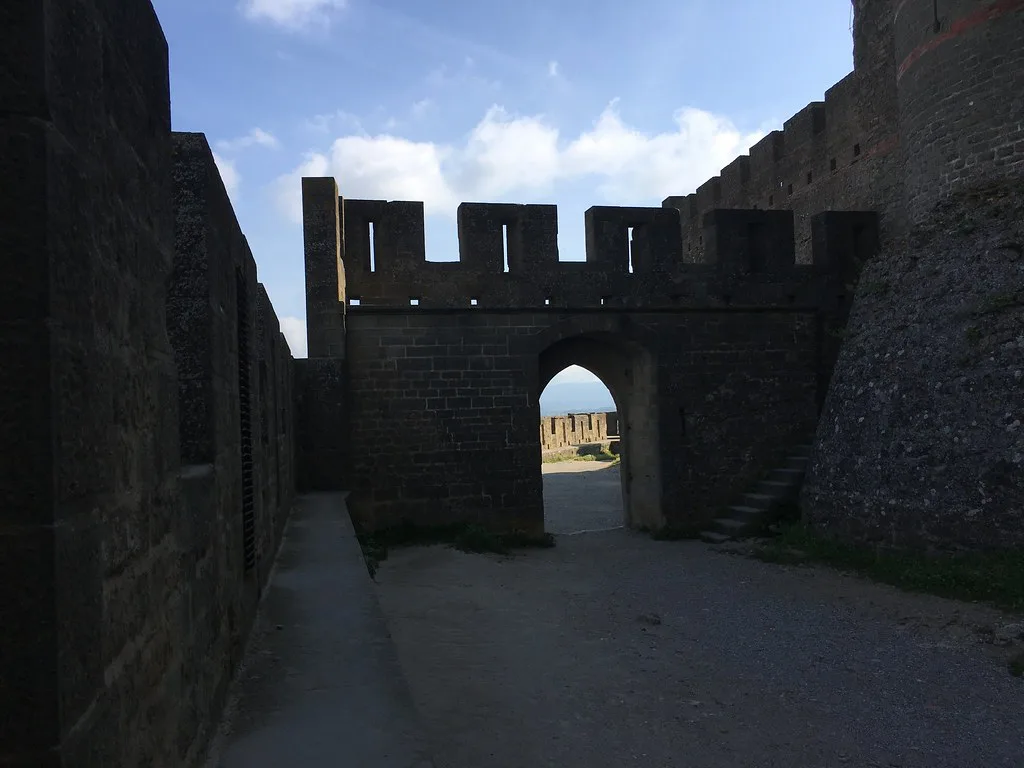
The Cérès Franco museum at Montolieu: the area's big art draw, 18 km out
The Coopérative – Musée – Cérès Franco sits in Montolieu, 18 km from Carcassonne according to the Grand Carcassonne tourist office. The museum occupies a former wine cave converted into a gallery, with works displayed across alcoves on the first floor and along a balcony ramp described as feeling like the bridge of a steamboat.
Plan it as a half-day including travel, not a quick stop. Montolieu is also described by the same source as one of the eight book villages in France, so the village itself gives you something to do before or after the collection. Allow time for both and the outing fills an afternoon comfortably.
What is inside the Cérès Franco collection: raw art, CoBrA and Brazilian work
Cérès Franco was a Brazilian-born collector and gallery owner who built a collection of figurative work with unusual chromatic intensity. The Grand Carcassonne tourist office records that the collection runs to around 1,800 works, of which about 100 go on show each year in a thematic exhibition, and that nearly 1,700 works by 350 artists are held in the museum following her donation in February 2020. The range covers painting, drawing and sculpture across raw art, naïve Brazilian and European work, popular South American art, CoBrA and New Figuration.
That rotation matters for planning: a repeat visit shows different material, and any single visit gives you a curated slice rather than the whole store. If you want depth, check which theme is running before you commit the half-day.
Planning around the Cérès Franco reopening and thematic exhibitions
The museum reopened on 20 June 2026, per the Grand Carcassonne tourist office, after a period of closure. Treat that as a dated announcement from the tourist office rather than a guarantee that the gallery is open on any given weekend, and confirm the current opening arrangements before you build a trip around it.
Because the displays change annually, ring the tourist office or check the Grand Carcassonne pages for the current theme and opening arrangements before you travel. The building also runs talks and meetings through the year on themes including art, history and philosophy, which can be worth timing a visit around.
Domaine l'Abbé Saunière and the Joe Bousquet centre: niche collections for a second visit
Two more specialised collections sit on the tourist office list: the Museum Domaine l'Abbé Saunière and the Centre Joe Bousquet and His World. Both are for travellers who have done the main sights and want a focused hour on a single figure or place, rather than a broad art survey.
If this is your first weekend in Carcassonne, leave them for a return trip and spend your time on the walls and the Bastide. On a second visit, they make a pleasant contrast to the more obvious stops, and the Office de tourisme de Carcassonne publishes current access details.
How long each museum needs and how to pair two in one day
A sensible allocation: half a day for Montolieu including travel and a wander round the village, about an hour for the Musée des Beaux-Arts, and 30 to 45 minutes each for the smaller central collections. That means two small museums plus a walk is a comfortable day without rushing.
Pair museums in the same half of the city: the Bastide gallery with a central small collection, or a Cité museum with the ramparts. Do not book a Montolieu half-day and a full city museum circuit into the same day unless you like eating lunch standing up.
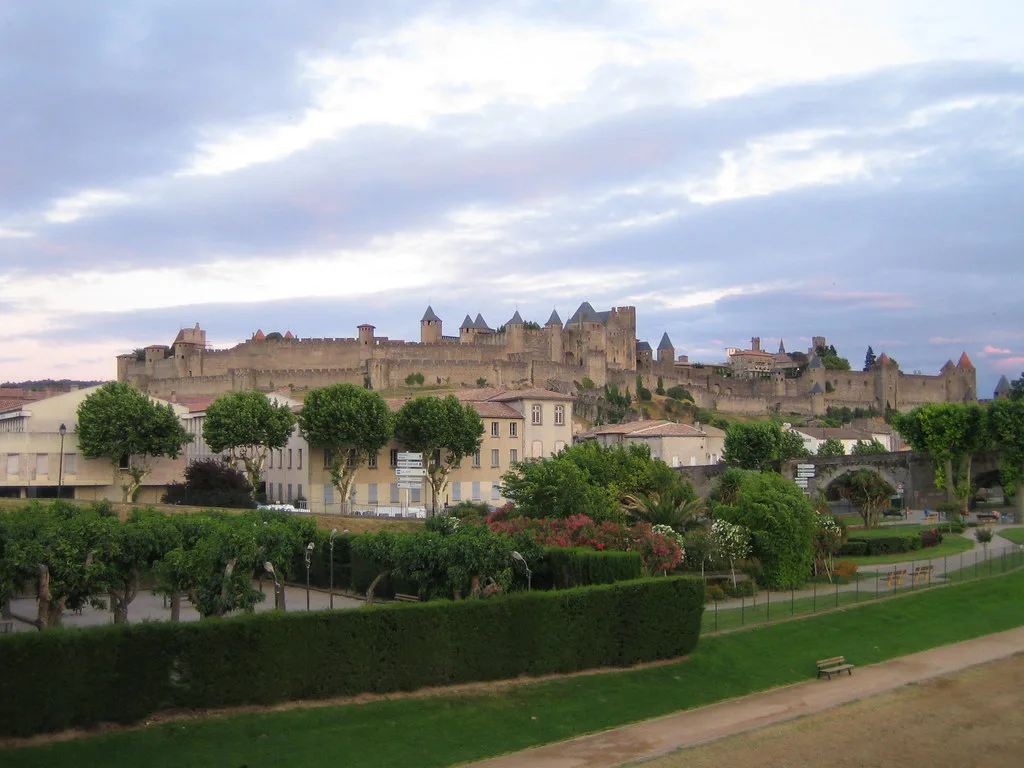
Walking and travel times between the Bastide, La Cité and Montolieu
The Bastide and La Cité are close enough to walk between, though the climb up to the walled town is the effort of the day. The Musée des Beaux-Arts and the Bastide's streets sit on the flat, so you can combine them with the market and shops without a bus; save your legs for the hill.
Montolieu is a separate outing at 18 km from Carcassonne. The tourist office gives the distance but not the journey time, so look into transport options and driving conditions for your dates instead of treating it as a quick hop.
Museum-going trade-offs when you only have a weekend
The honest trade-off in Carcassonne is depth against breadth. The Cérès Franco collection rewards a committed half-day, and the central museums are small enough that visiting three of them still leaves you time on the walls and in the squares. Trying to do both thoroughly in two days means cutting the city itself, which is the thing most visitors came for.
If modern figurative art is your reason to travel, prioritise Montolieu and treat the Cité as scenery. If you came for the medieval town, do the walls and one Bastide museum, and leave the art pilgrimage for another trip.
Putting a wet-weather museum day together
When the rain sets in, head for the Bastide: the Musée des Beaux-Arts plus one of the small central collections fills most of a wet day indoors, with the covered market halls and cafés for the gaps. The Cité is less forgiving in bad weather because much of the experience is outdoors between buildings.
Keep the Montolieu trip for a dry day, since the village walk is part of the point and the 18 km trip is wasted if you spend it sprinting between doorways.
What to check before you go: opening days and ticket prices
Opening days and ticket prices vary by museum and season, so check current details for your exact dates rather than trusting a general guide. The tourist office's museums page lists which collections exist; individual venues publish their own arrangements at the entrance.
The museum that needs the most forward planning is the Cérès Franco, given its reopening in June 2026 and the annual change of exhibition. Confirm both before you commit a half-day to the trip out to Montolieu.
Plan Your Visit
Carcassonne's museums work best as a supporting act to the walls: pick the Musée des Beaux-Arts or a small central collection for an indoor hour, and give the Cérès Franco at Montolieu a proper half-day. That balance keeps the city itself at the centre of your weekend rather than the inside of a gallery.
Work out the two-city halves in advance, keep the wet-weather plan to the Bastide, and the museum side of a Carcassonne break looks after itself. The best restaurants in carcassonne guide helps you fill the gaps between visits.
Explore more Carcassonne guides
Frequently Asked Questions
Which museums in Carcassonne are worth visiting?
The Cérès Franco museum at Montolieu is the standout art collection in the area, 18 km from the city. In Carcassonne itself, the Musée des Beaux-Arts is the main gallery, supported by smaller collections including the Centre Culturel de la Mémoire Combattante and the Musée de l'École.
How long do you need at the Cérès Franco museum?
Plan half a day including the trip out to Montolieu and a wander round the village, which the tourist office describes as one of France's book villages. The collection shows around 100 works each year from a holding of about 1,800, so the visit is a curated slice rather than the whole archive.
Is the Cérès Franco museum open in 2026?
The Grand Carcassonne tourist office gave a reopening date of 20 June 2026, the point from which visits could be planned. Check current opening arrangements with the tourist office before you travel.
What is there to see at the Musée des Beaux-Arts in Carcassonne?
It is the city's main fine arts gallery, in the Bastide Saint-Louis rather than the walled Cité. Allow around an hour for a calm indoor contrast to the ramparts, and check the museum's current programme and access on the day.
Can you visit these museums in one day?
Not comfortably. The Montolieu trip is a half-day on its own, and the central collections are best paired one at a time with the walls and streets. Two small museums plus a walk is a realistic day.
What can you do in Carcassonne in one day?
Walk the Cité and its ramparts, cross to the Bastide Saint-Louis for the Musée des Beaux-Arts and the market streets, and leave Montolieu for a second day. Trying to add the 18 km trip on top of a full city day squeezes everything.
Sources
Notes for French city breaks
Optional updates to our guides.
You might also like
Continue reading
More guides you'll find useful