A Weekend in Carcassonne: Two-Day Plan and What's Open
Plan a weekend in Carcassonne with a two-day shape covering the Cité, the Bastide and the Canal du Midi, plus how to move between them without a car.
On this page
Carcassonne fits neatly into two days, but only if you treat it as two places rather than one: the walled Cité on its hill and the Bastide Saint-Louis on the flat grid below, with the Canal du Midi running past both. Give the Cité a full morning or afternoon, not a quick hour, and keep the second half of the weekend for the Bastide and the canal. Attempting everything in a single day forces a choice between the ramparts and the waterside, which is the one trade-off most visitors regret.
How Carcassonne splits into two halves
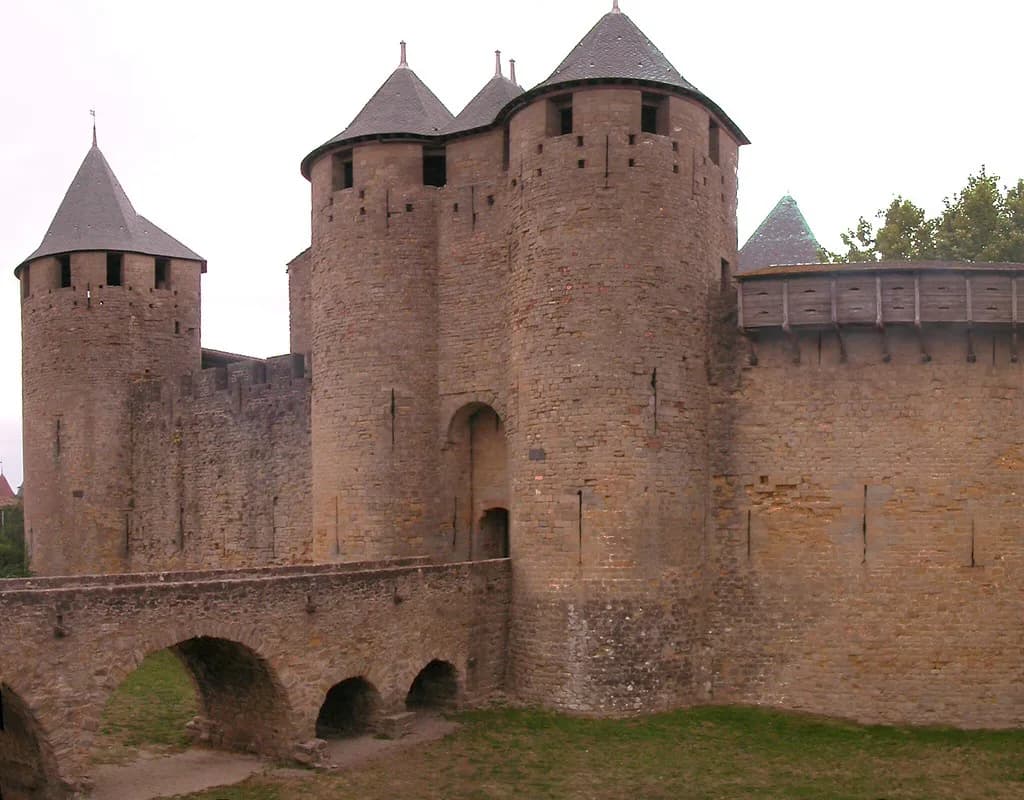
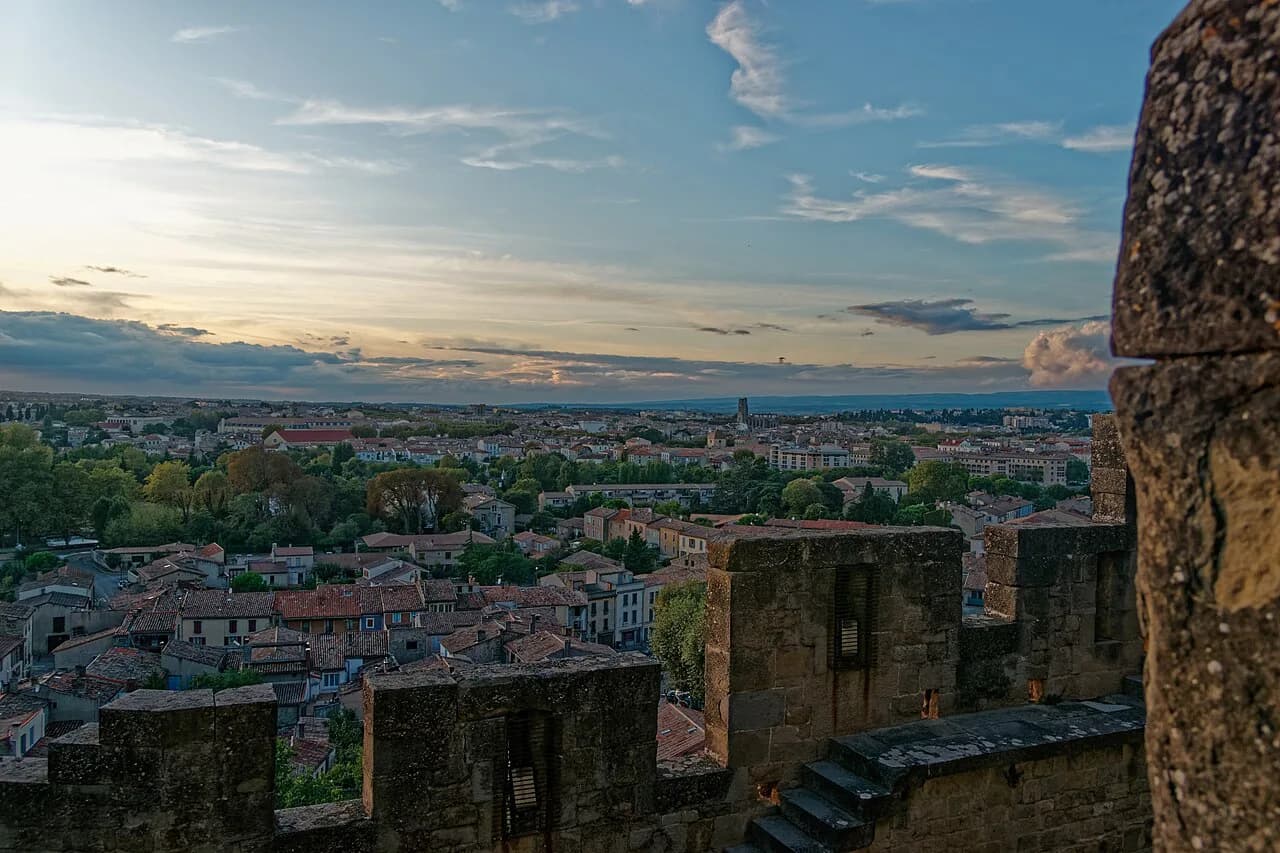
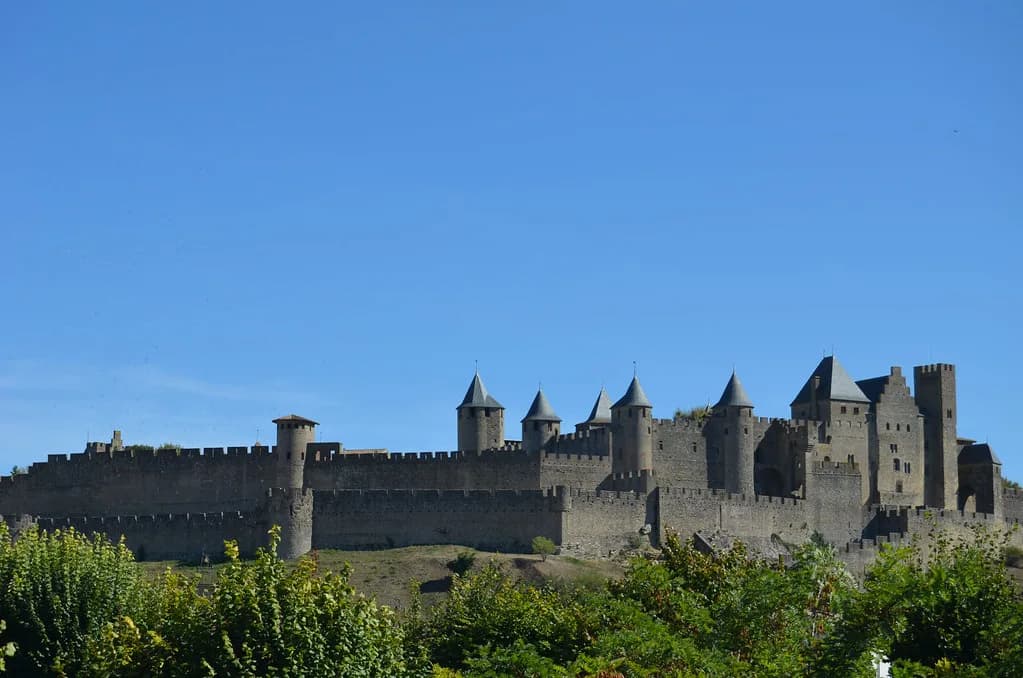
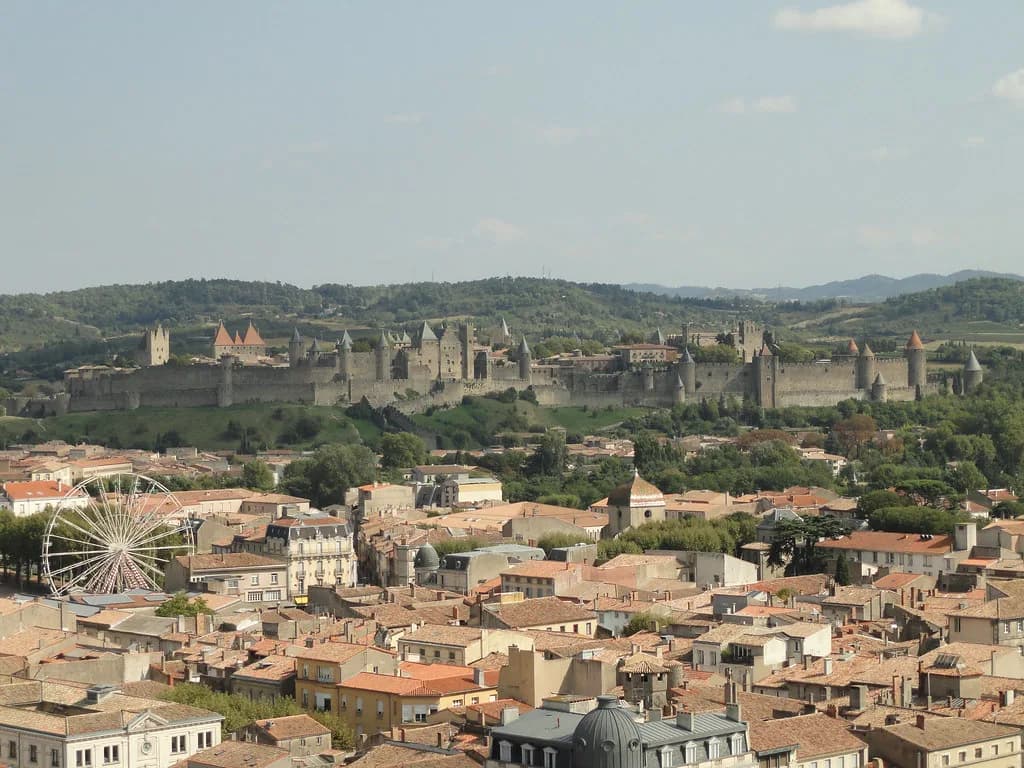
The Cité sits on a raised spur with its double ring of walls and towers, and you enter on foot through the gates. The Bastide Saint-Louis lies below on the opposite bank of the Aude, laid out in a grid around Place Carnot, and it is where the everyday city functions: streets, cafés and shops rather than ramparts. The Canal du Midi threads between and beyond them, which is why a straightforward wander can cover a lot of ground in a short break.
For the full inventory of sights, neighbourhood guides and opening considerations, work through our things to do in Carcassonne coverage before you book anything, because the Cité alone has enough to fill a half-day.
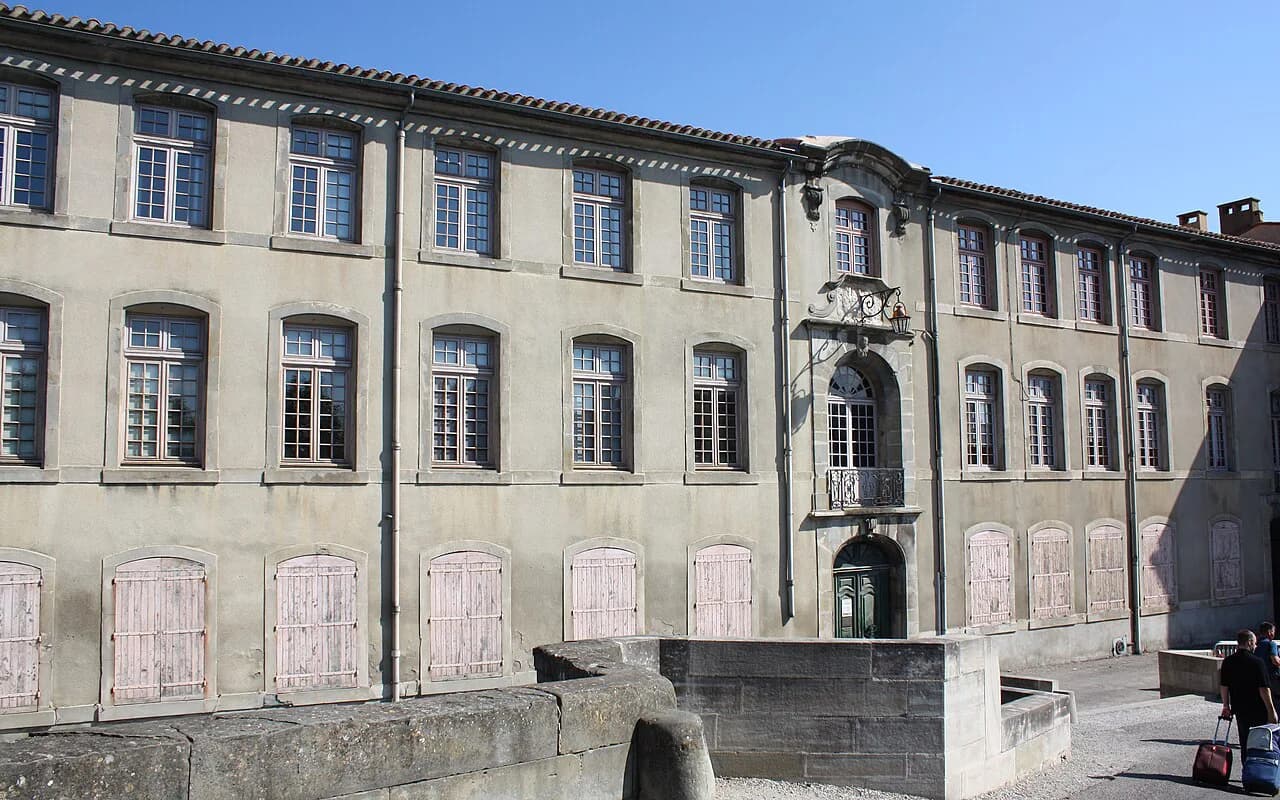
The Bastide Saint-Louis is the flatter, more residential half, and it rewards a slow hour or two rather than a checklist. Place Carnot is the natural anchor, with the grid streets around it easy to navigate on foot.
Getting from the Bastide up to the Cité
The climb from the Bastide to the Cité is the main physical effort of the weekend, and the Petit Train RTCA runs between the two as an alternative to walking uphill. It departs from La Bastide, the city centre, and returns from the Medieval City, with multilingual commentary on the way and a fare of €7.
If you would rather walk, allow more time than the map suggests: the approach is uphill and the cobbles inside the walls slow you down. Comfortable shoes matter more here than in almost any other French city break.
Friday evening: settle into the Bastide
Arrive, drop your bags in the Bastide, and use the first evening to get your bearings on flat ground before tackling the hill. Place Carnot and the surrounding grid give you an easy orientation walk without any climbing.
Finish by looking up at the Cité from below as the light goes. The illuminated walls seen across the river are the best free introduction to the city, and they set you up for a proper visit the next morning rather than a rushed one at dusk.
For dinner, keep it simple on arrival night and save your appetite for a longer meal later in the weekend. Our guide to the best restaurants in Carcassonne covers the ground on both sides of the river, including the choice between eating inside the walls and in the Bastide.
Saturday morning: the Cité and its ramparts
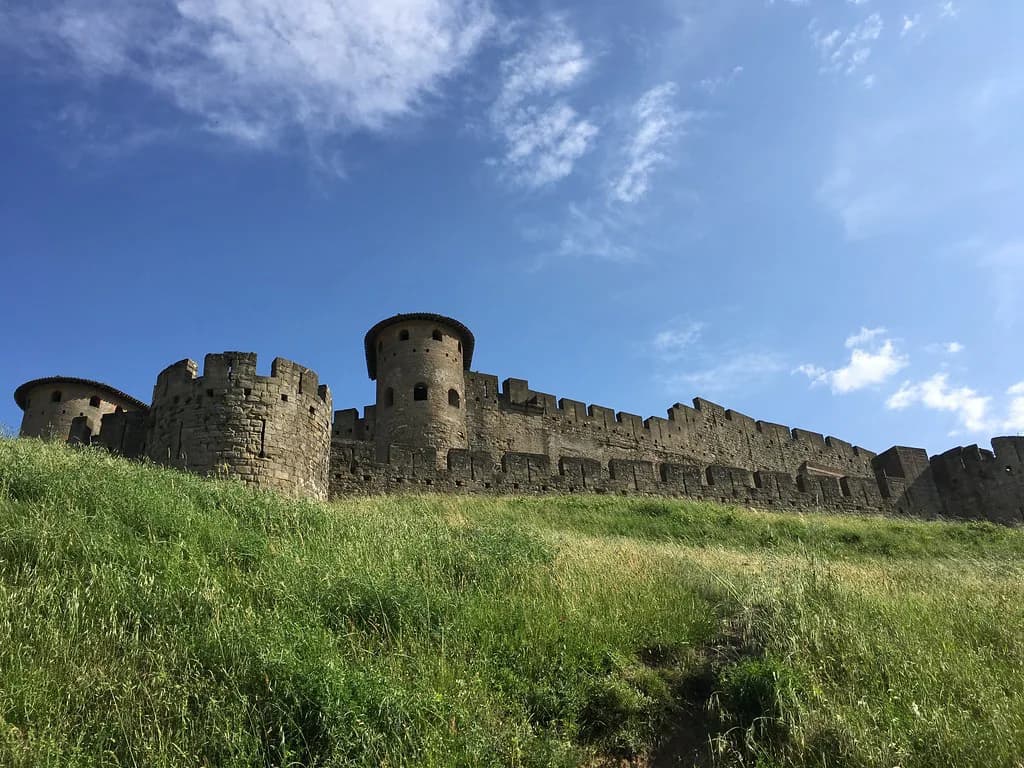
Give the Cité your whole morning. Walk the circuit of the ramparts, look into the château and its walls, and leave time to wander the lanes inside the walls without a fixed route. This is a place that rewards lingering far more than ticking off viewpoints quickly. If you enjoy this walled-city rhythm, our weekend in Annecy shows how the same two-day shape works around a lake and its old town.
If you are weighing up whether the fortress justifies the trip on its own, our honest verdict on whether Carcassonne is worth visiting sets out what you get from the walls and what the town beyond them adds.
The same morning works well for families: the Grand Carcassonne tourist office builds its Cité content around a knight-and-princess framing for children, which is a useful way to pitch the visit to younger travellers.
Saturday afternoon: the Bastide at an easy pace
Come down off the hill for lunch and spend the afternoon in the Bastide Saint-Louis at half speed. The grid streets around Place Carnot are made for unhurried browsing rather than sightseeing, and the covered market hall is the obvious first stop if you want picnic supplies or a sense of what the city eats.
If shopping is on your list, keep it to the Bastide rather than the Cité, where the streets are geared to visitors. Our shopping in Carcassonne guide sketches which streets are worth your time.
Should the weather turn, the tourist office maintains a dedicated rainy-day strand of ideas for Greater Carcassonne, which is the sensible place to look before committing to an outdoor plan.
Sunday in Carcassonne: the canal instead of the shops
Build Sunday around the Canal du Midi rather than around retail, because a waterside walk or a boat trip does not depend on anything being open. The canal runs through the vineyards and villages of Greater Carcassonne and passes through the city itself, so you can pick up the towpath without a car.
A short boat trip is the low-effort version, and the tourist office lists boat rides on the canal among its practical services. Walking a stretch of the towpath costs nothing and gives you the plane trees and lock architecture that make the canal worth the detour.
If you want a longer Sunday, the same source points to five particularly good spots on the canal within Greater Carcassonne, which is a useful shortlist when you only have an afternoon.
Monday in Carcassonne: plan around closures
Many French museums close on a Monday, so if your weekend bleeds into the start of the week, front-load indoor visits to Saturday and keep Monday for the open air. The ramparts, the streets of the Cité and the canal towpath do not depend on museum opening hours.
Check the specific museum you want before you travel, since not every collection in the city follows the same weekly pattern. Our museums in Carcassonne guide covers the main collections and what each one adds to a short break.
Monday is also a good day to leave the city altogether, because the surrounding sites are outdoors or self-guided. That makes it the natural slot for the caves and villages listed below.
Getting around without a car
Carcassonne is manageable on foot for the Cité, the Bastide and the canal, but the surrounding area needs wheels or a shuttle. The Carcassonne Agglo transport network runs six summer shuttles from Carcassonne to outlying sites and villages at €1 per trip, operating in 2026 from 4 July to 29 August except on 14 July and 15 August; treat that as a seasonal service rather than a year-round one and check the dates before relying on it.
The Petit Train RTCA covers the one uphill leg inside the city for €7, which is worth it if you are carrying bags or travelling with tired children. Otherwise the city centre is compact enough that most of your weekend involves no transport at all.
A third day opens up the villages and natural sites properly. Our 3 days in Carcassonne plan extends the same Friday-to-Sunday shape outward without repeating the city.
Beyond the walls: caves, abbeys and book villages
With a third day or a long weekend, the Gouffre Géant de Cabrespine and the Grotte de Limousis give you two very different underground experiences within reach of the city, both listed by the tourist office among the area's must-sees. The Abbey of Caunes-Minervois adds marble and Romanesque architecture, while Montolieu, the book and art village, suits anyone who would rather browse studios than clamber through caves.
Montolieu has a second draw: the former factory buildings by the River Dure now house artists' workshops, a short walk from the village entrance as you arrive from Carcassonne. It is an easy half-day paired with the bookshops.
Closer to town, the Lac de la Cavayère offers a low-key outdoor alternative if you want water and greenery without leaving Greater Carcassonne. It is a sensible swap on a hot afternoon when the Cité's stones radiate heat.

Nougalet in Trèbes for a wet hour
The Nougalet chocolate and confectionery maker, trading since 1951 in Luc-sur-Aude, has moved to Trèbes just outside Carcassonne, with a visitors' gallery overlooking the production workshops next to its shop. It is a genuinely useful wet-weather or low-energy stop, and the tourist office treats it as a family-friendly visit rather than a serious factory tour.
Treat it as a supplement to the weekend rather than a headline attraction. It works best paired with a canal stop or as the thing you do on the way out of town.
When to go
Spring and autumn give you the best walking conditions for the ramparts and the towpath, and they are when the surrounding vineyards and villages look their best. Summer brings the shuttles, boat trips and long evenings, but also heat on exposed stone and the year's heaviest footfall inside the Cité.
Winter is quiet and atmospheric, with shorter days that push you towards the Bastide and indoor stops. Our month-by-month best time to visit Carcassonne guide goes through what shifts across the year.
If you are considering a late-autumn break, Carcassonne in October covers the trade-off between softer light and the start of wetter weather.
What to skip on a two-day trip
Skip anything that requires a car for the day: Cabrespine, Limousis, Caunes-Minervois and Montolieu all belong to a longer trip, and squeezing one into a two-day weekend costs you the Cité or the canal. Pick one outdoor half-day at most if you have a third morning, and only when the summer shuttles align with your dates.
Skip the idea of doing the Cité twice. One proper morning inside the walls beats a rushed circuit on both days, and the view of the illuminated walls from below on Friday night gives you the second look for free.
If you have already read widely about the city, note that older guides often list attractions that have since changed. Our Carcassonne Attractions hub keeps the individual sight guides together so you can check the detail for each place.
Book the weekend around the Cité
Book the Cité's main sites and any airport transfer ahead in high season, then build the rest of the weekend around those fixed points. Arrange Saturday for the walls and the Bastide, keep Sunday flexible for the canal, and leave the outlying caves and villages for a return visit.
Two days is enough to see why the city earns its reputation, provided you accept that the Cité, the Bastide and the canal each need their own slot. Treat the weekend as three half-days rather than a single checklist, and the pace stays comfortable.
Explore more Carcassonne guides
Frequently Asked Questions
Is Carcassonne worth visiting for a weekend?
Yes, if you want the walled Cité plus a real town around it. Two days lets you give the ramparts a full morning, spend an afternoon in the Bastide Saint-Louis and still walk or cruise the Canal du Midi on Sunday. Anyone expecting a single fortress photo stop will find more city than they planned for, and anyone trying to add the caves and villages will find two days too tight.
How many days do you need in Carcassonne?
Two days covers the Cité, the Bastide Saint-Louis and a stretch of the Canal du Midi at a reasonable pace. A third day is what unlocks the Gouffre Géant de Cabrespine, the Grotte de Limousis, Caunes-Minervois or Montolieu, because those depend on the seasonal RTCA shuttles or a car.
Is Carcassonne a walkable city?
The Bastide Saint-Louis is flat and gridded, and the canal towpath is easy walking. The Cité sits on a hill above the Bastide, so the climb is the one real effort of the weekend; the Petit Train RTCA runs between La Bastide and the Medieval City as an alternative. Cobbles inside the walls make sturdy shoes worthwhile.
What can you do in Carcassonne on a Sunday?
Make Sunday a canal day. Boats run on the Canal du Midi and the towpath is free to walk, so the day works without depending on shops. The tourist office shortlists five canal spots within Greater Carcassonne if you want a specific destination for an afternoon.
How do you get from the Bastide to the Cité?
Walk uphill through the streets, or take the Petit Train RTCA from La Bastide in the city centre to the Medieval City and back. The journey comes with multilingual commentary, and the tourist office publishes the fare. Walking is free but slower than the map suggests because of the gradient and cobbles.
What are some beautiful villages near Carcassonne?
Montolieu, the book and art village, is the standout, with the former factory buildings by the River Dure now used by artists. Caunes-Minervois adds the Abbey of Caunes-Minervois and its marble, while Trèbes is home to the Nougalet chocolate makers. Montolieu and Caunes-Minervois are both on the tourist office's list of must-sees in Greater Carcassonne.
Should you plan a weekend in Carcassonne without a car?
You can, as long as you keep to the Cité, the Bastide and the canal. The summer RTCA shuttles link outlying sites for a fixed seasonal window, with the per-trip fare published by the tourist office, so check the operating dates before building a day around them. Outside that window, the villages and caves need a car or an organised transfer.
Sources
Notes for French city breaks
Optional updates to our guides.
You might also like
Continue reading
More guides you'll find useful