Best Restaurants in Carcassonne: Where to Eat in the Cité
Plan where to eat in Carcassonne, from a Michelin-starred lunch inside the Cité to a set-menu dinner, with the local dishes worth ordering.
On this page
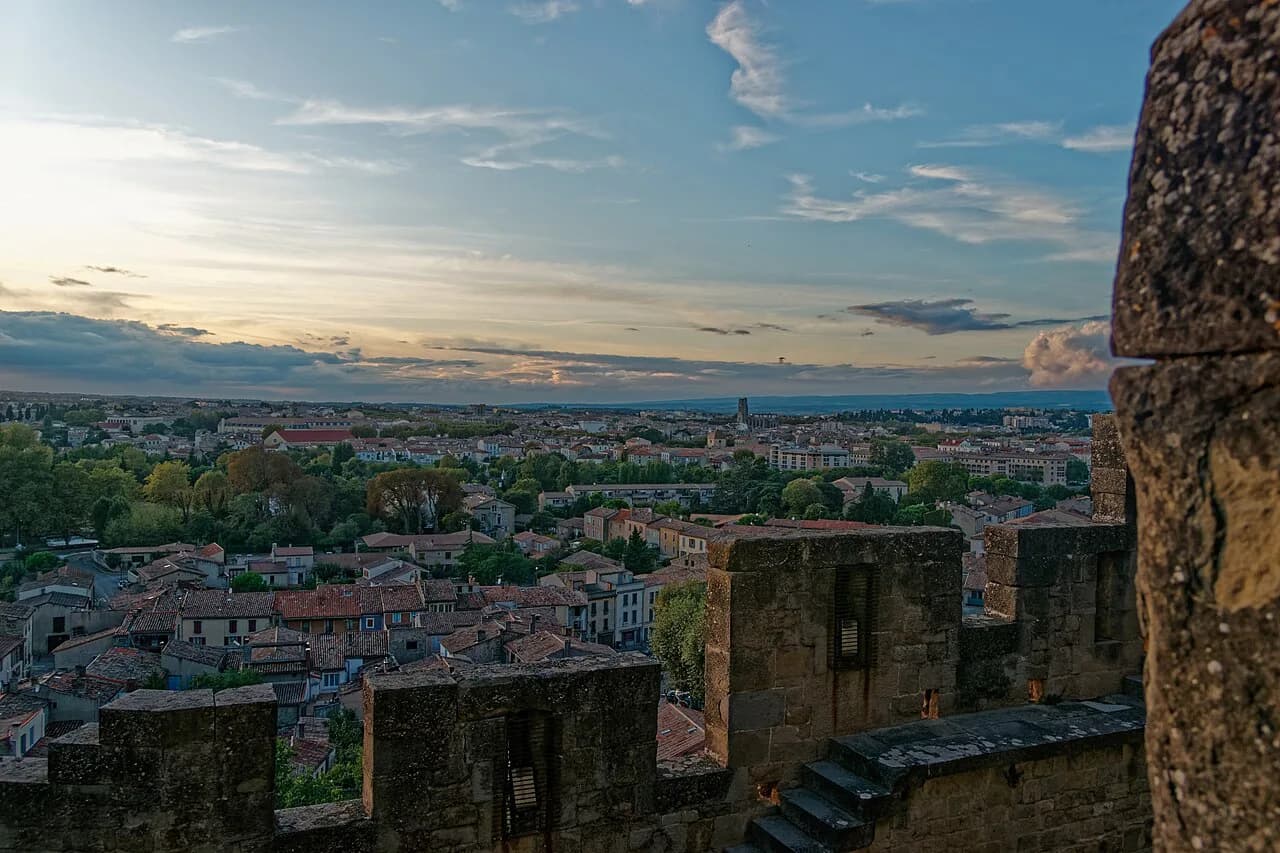
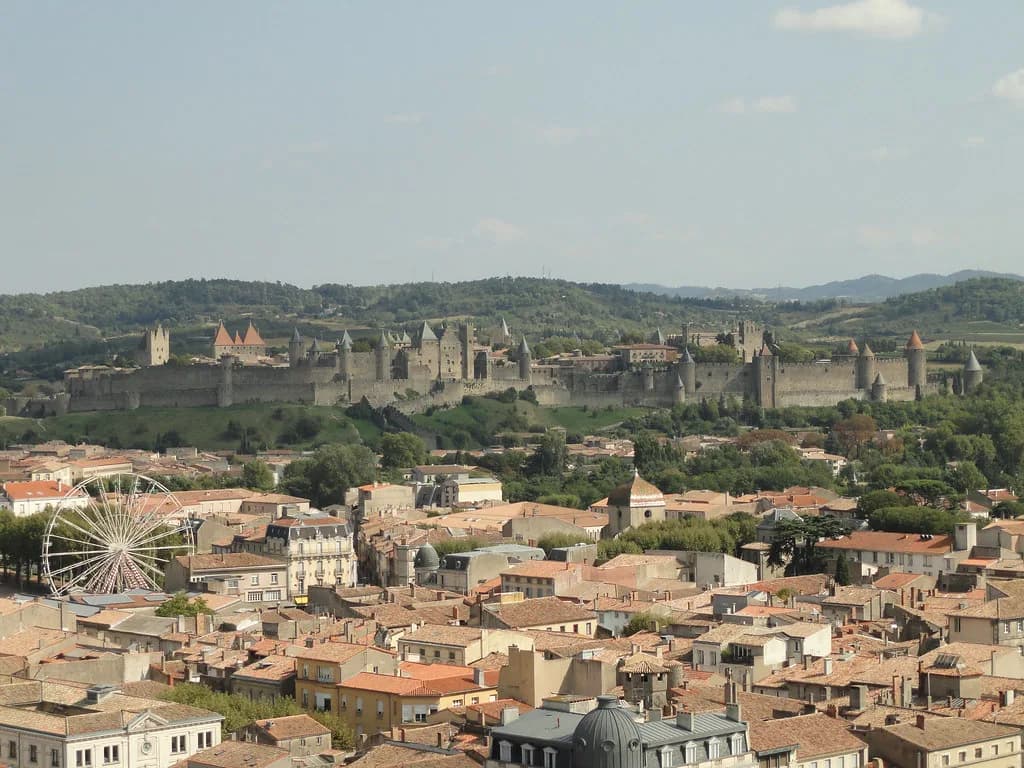
Carcassonne splits into two eating zones: the walled Cité on its hill and the Ville Basse, laid out as the Bastide Saint-Louis, on the plain below. Your restaurant choice usually follows which one you are already in, because walking between them takes time and most of a weekend's meals are better anchored to the sight you are visiting. The good news is that the range runs from a Michelin-starred dining room inside the walls to a single fixed menu on a side street.
The single most useful decision is lunch versus dinner. Lunch is the cheaper way into fine dining, and the Cité is busiest in the middle of the day, so a long midday meal there doubles as a break from the crowds. Dinner is the main sitting in the Ville Basse, where the streets are calmer and the walk back to a hotel is shorter.
How Eating in Carcassonne Works
Two things shape a food weekend here. First, the geography: the Cité sits on its hill and the Bastide Saint-Louis spreads out below, so you plan meals around whichever half you are exploring rather than criss-crossing town. Second, the menu format: many French restaurants price a fixed menu rather than individual plates, which makes budgeting straightforward once you know how many courses are included.
Set menus are the budgeting tool to look for. Le Clos des Framboisiers, on Rue des Framboisiers in the Ville Basse, offered a single menu in 2022 that bundled an aperitif, starter, main course, cheese and dessert for 35 €; treat that as the shape of the offer rather than a current price, since the figure comes from a 2022 article and menus change with the seasons. The same list of local tables also points to Count Roger's reworked Languedoc cooking in the Cité, for a similarly fixed-price sit-down.
Build your weekend around one long lunch and one simple dinner. That split gives you the starred or special-occasion meal at its least expensive sitting and leaves the evening free for a shorter, cheaper plate in whichever quarter you finish the day in. It also protects you from over-ordering at lunch and losing the afternoon to a heavy table.
Inside the Cité: La Barbacane at Hôtel de la Cité
La Barbacane, the gastronomic restaurant of Hôtel de la Cité, sits in the medieval heart of Carcassonne on Place Auguste Pierre Pont, with a terrace and dining-room windows looking over the ramparts and a garden. Chef Jérôme Ryon has cooked here since 1998, took over the kitchen in 2005 and was awarded a Michelin star in 2006. The dining room is elegant without being stiff, with wood panelling and tall arched windows.
The lunch menu is the affordable route in. In 2019 it cost 46 € and included water, an aperitif, two glasses of wine and coffee alongside a starter, main and dessert, with service included; that is history rather than a current figure, so confirm the present menu and its inclusions directly with the restaurant when you book. Expect Languedoc cooking in the modern register: duck foie gras with gingerbread and lentils, glazed duck fillet with cherry juice, and regional cheeses.
Book this one first if it matters to you, because a starred dining room inside the walls is a small room and lunch is its most contested sitting. The trade-off is timing: a leisurely midday meal here eats two hours of a short break, so pair it with a light morning in the Cité rather than a full circuit of the ramparts.
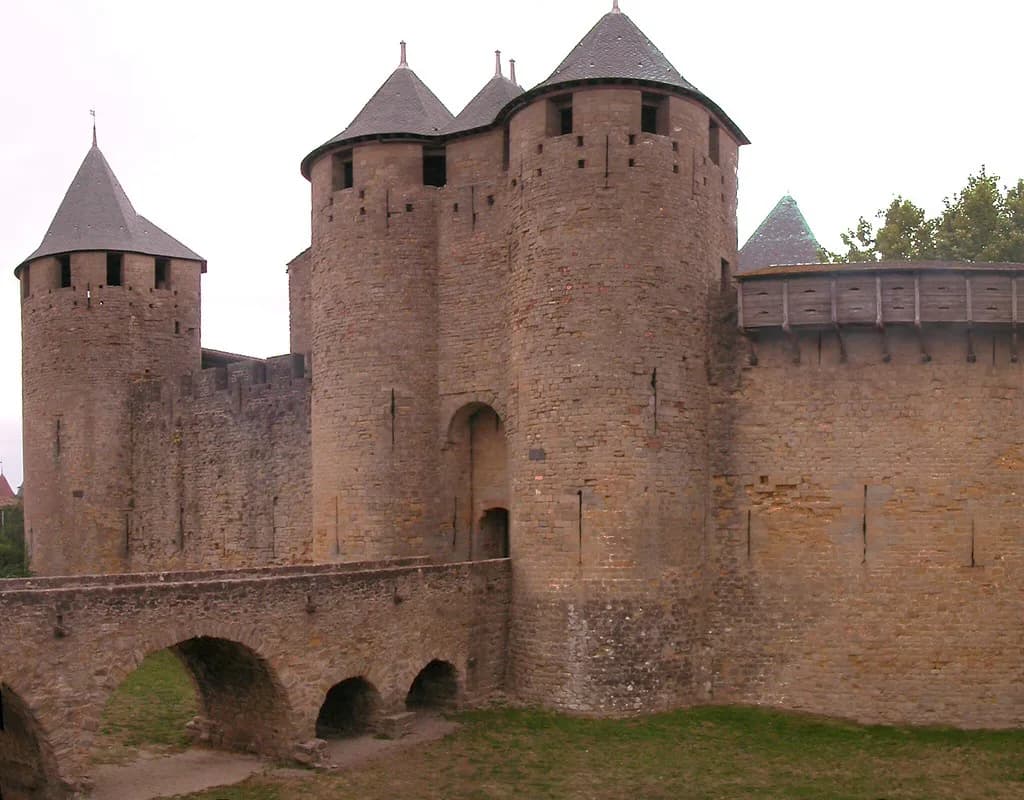
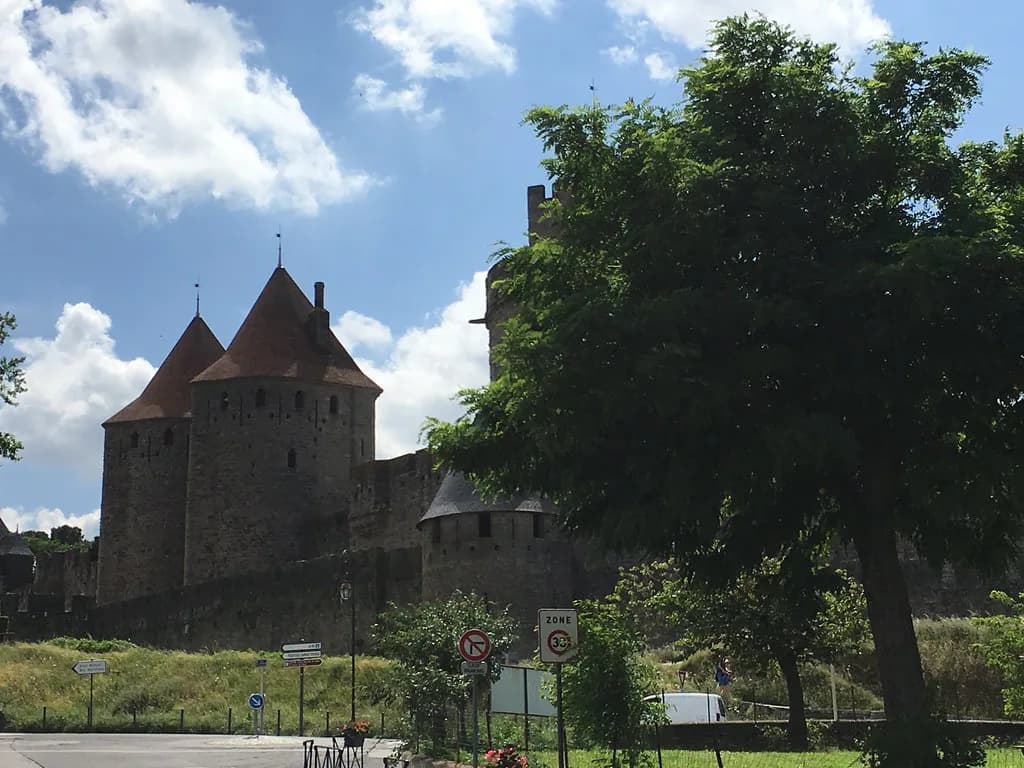
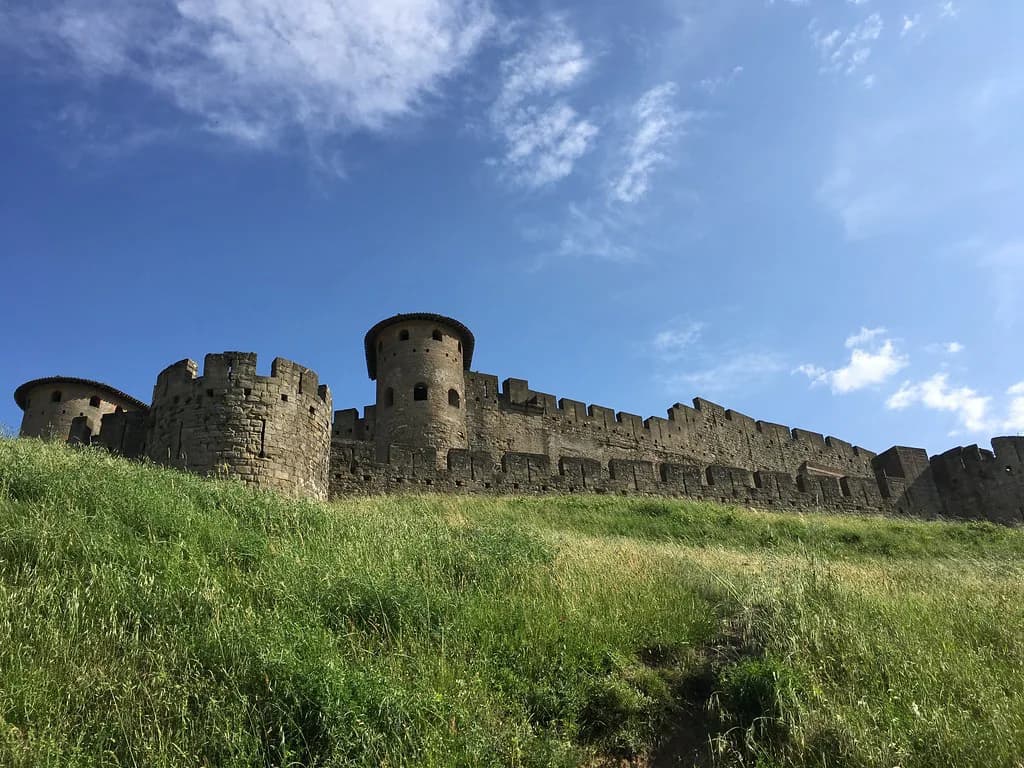
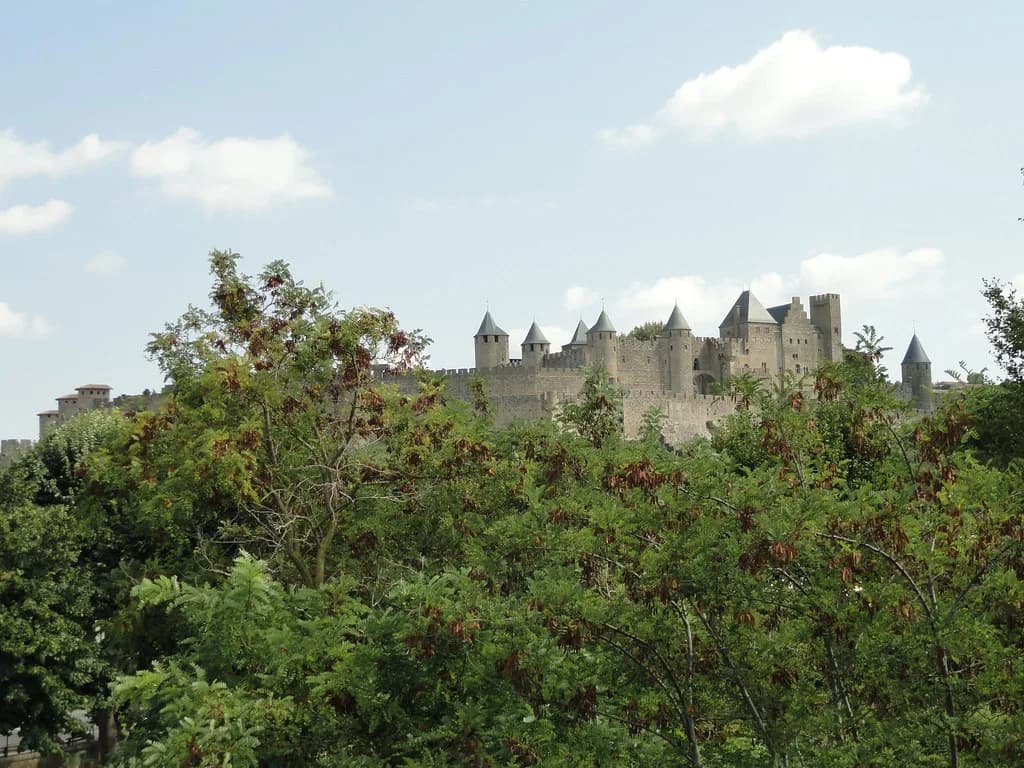
If you want the surrounding sight rather than the meal alone, the old town repays a slow walk before or after you eat. The Cité de Carcassonne holds a drawbridge, two rings of walls, ramparts and numerous towers, was restored from 1853 and joined the UNESCO World Heritage list in 1997, so give it a half-day and let the restaurant anchor the middle.
Inside the Cité on a Mid-Range Budget
Le Comte Roger, at 14 Rue Saint-Louis inside the medieval city, serves reworked local cooking in an elegant contemporary room in natural tones, with a tree-lined terrace. Chef Pierre Mesa's kitchen is the pick when you want a proper sit-down meal within the walls without the starred price. It is a good fit for the evening you stay up in the Cité rather than walking back down.
This is where to order the region on a plate. Cassoulet and duck are the two dishes to look for across the Cité's menus, and Le Comte Roger's brief is Languedoc cooking refined for a modern dining room. Nearby, La Demeure du Cassoulet and Le Jardin de l'Estagnol are two more mid-range names in the centre worth checking against your dates.
The practical warning about the Cité is crowd pressure. It fills up through the middle of the day, so a midday table saves you from queuing in the sun and a late-afternoon visit after eating is calmer. If the walls themselves are the point of the trip, decide early whether you are eating inside them or just passing through.
Outside the Walls: Le Clos des Framboisiers and Set Menus
Le Clos des Framboisiers, at 8 Rue des Framboisiers in the Ville Basse, works to a single menu: in 2022 that meant an aperitif, starter, main course, cheese and dessert for 35 €, a format that takes the guesswork out of the bill. One menu means one kitchen and one pace, so ask about the day's dishes when you telephone 00 33 468 47 41 17 to reserve.
A fixed menu changes what you pay in a predictable way: the price is set before you sit down, drinks packages are either in or out, and there is no temptation to add a fourth course. The trade-off is flexibility, since a single menu will not suit a fussy eater or a vegetarian without a conversation in advance.
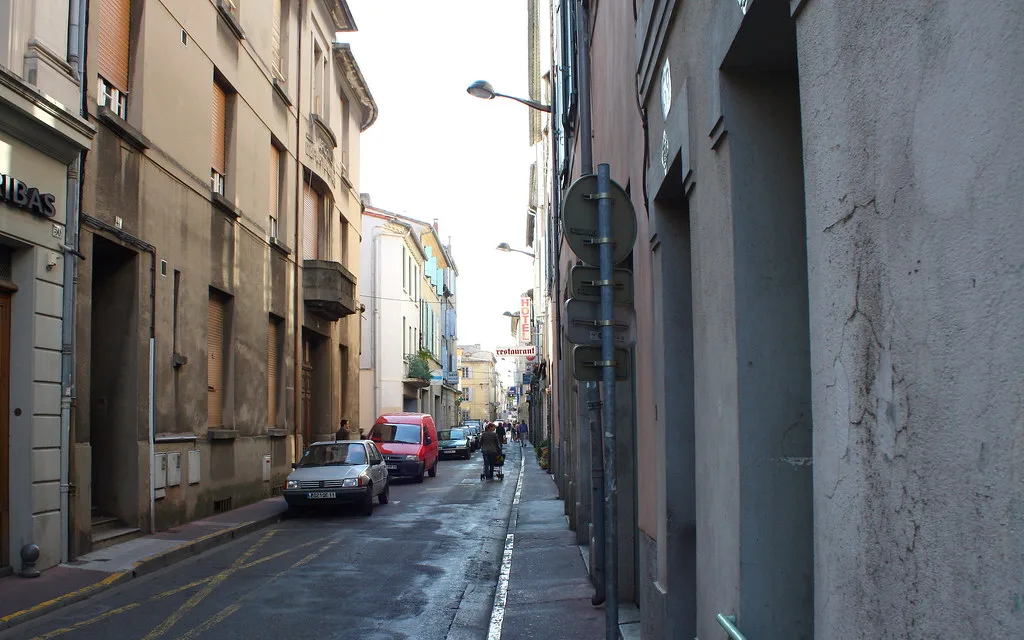
Staying down in the Bastide Saint-Louis also puts you near the everyday food side of the city. The Ville Basse is the working half of Carcassonne, with the shopping streets and covered market halls that supply the restaurants, so an evening here can start with a walk through the grid rather than a climb up the hill.
Splashing Out: Franck Putelat
Franck Putelat's table is the two-Michelin-star option in Carcassonne, described as a place of elegance with a warm, sober atmosphere and an exceptional range of cooking. This is the top tier of the local scene and the meal to plan a whole evening around, not a quick stop between sights.
At this level the cost is as much time as money. A two-star dinner runs long, so book it for the evening you are not planning an early start, and treat the booking as the fixed point around which the rest of that day is arranged. Ask about the menu structure when you reserve, since tasting formats and their prices change with the season.
Readers weighing whether the splurge fits a short break should compare it honestly with the starred lunch inside the Cité. The lunch format at La Barbacane is the cheaper way to eat at star level, while the two-star dinner is the fuller, slower experience; pick one, not both, unless food is the whole reason for the trip.
Local Dishes to Look For
Cassoulet is the dish Carcassonne is known for, a slow-cooked bean stew that anchors the mid-range menus in the centre. Duck appears in several forms across the city's kitchens, from foie gras to glazed fillet, and Languedoc cooking more broadly means robust regional flavours rather than delicate sauces. Order these where a source names them, as not every kitchen serves them.
Pizza is the surprise of the local scene: Rabah Zaoui is a master artisan pizza maker with world championship placings, serving on site or to take away. That makes a cheap, quick dinner possible on the night you arrive late or want to eat without a long sitting.
If food is a main reason for the trip, a market visit adds context to every restaurant meal. The market halls and the shopping streets of the Bastide Saint-Louis are where the region's produce shows up, and going early in the break makes the later menus legible.
Lunch Versus Dinner: Splitting Your Weekend
Give one day a long lunch and the other a simple dinner. Lunch is the cheaper sitting at the top end, the Cité is busiest at midday anyway, and a two-hour table there turns crowd pressure into a rest. Dinner then becomes the flexible meal, taken wherever you end up, with no need to climb the hill in the evening.
Three days gives you room for one starred or special lunch, one mid-range dinner and one casual night. Anything shorter and you should choose between the fine-dining experience and breadth of sightseeing rather than trying to do both. The museums and the wall walks are what you would be trading against a long table.
Season matters for how this feels. Summer heat makes a shaded terrace lunch more appealing than an evening trek up to the Cité, while cooler months suit a dinner inside the walls. Use typical climate averages rather than a forecast when choosing which meal goes where.
Booking and Timing in a Small French City
Book the starred tables before you travel. La Barbacane is a small dining room inside a hotel and Franck Putelat's two-star table is a destination in its own right, so both are better secured weeks ahead than on the day. Telephone the smaller places such as Le Clos des Framboisiers, which takes bookings by phone, and confirm your sitting time in writing where you can.
Sunday and Monday are the days to watch in a small French city, when restaurant opening patterns shift and some kitchens close. Confirm the days each place serves before you build an itinerary around it, and keep one flexible evening for whichever local table is open. That is also the moment to check the menu price and what it includes, since set menus change with the season.
Where to Eat by Area: A Short Decision Guide
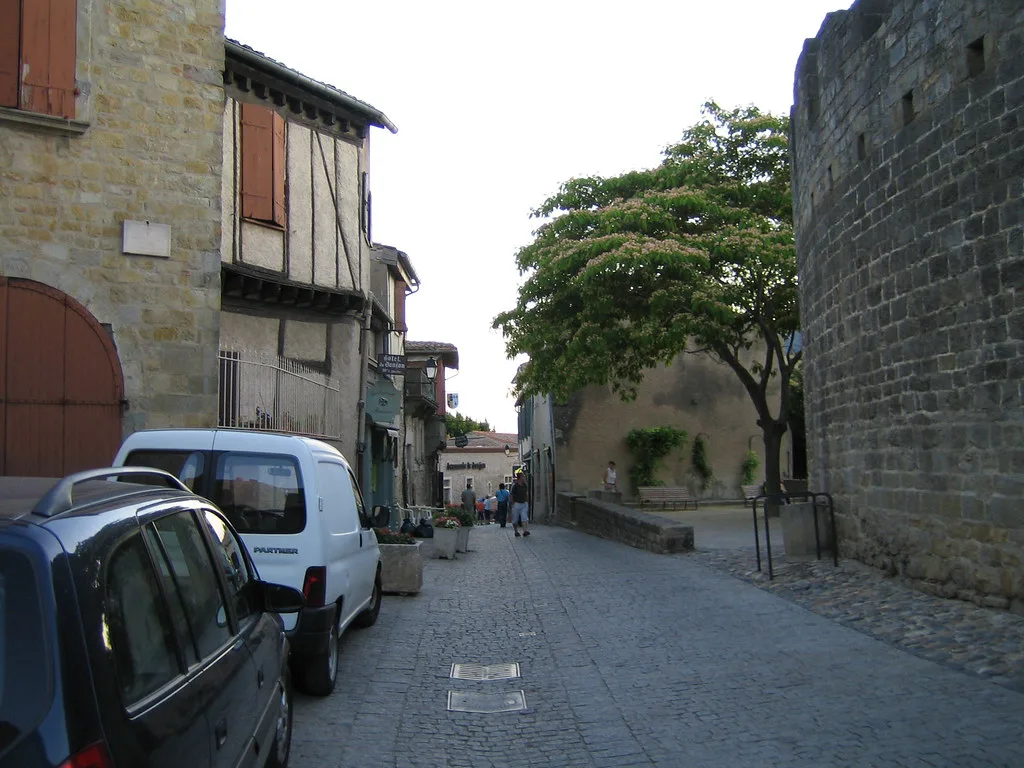
Inside the Cité, choose La Barbacane for a starred lunch with rampart views or Le Comte Roger on Rue Saint-Louis for reworked Languedoc cooking and a terrace. Both keep you inside the walls for the afternoon, which is the whole point of eating up there.
In the Ville Basse, Le Clos des Framboisiers offers a single set menu on Rue des Framboisiers, and the centre's mid-range tables give you cassoulet and duck without the climb. This half of town is also where you eat on a Sunday evening when the Cité empties.
Beyond the walls, Franck Putelat's two-star table is the destination meal, and Rabah Zaoui's pizza covers the cheap, late arrival. Choosing by area rather than by ranking keeps your days coherent: you eat where you already are, and the walking stays short.
If you want to plan the sightseeing alongside the meals, start with the wider picture of things to do and slot the restaurants around it. That way the starred lunch lands on the day you are in the Cité and the set menu lands on the day you are down in the Bastide.
Plan Your Carcassonne Meals
The workable plan is simple: one long lunch inside the Cité, one set-menu or mid-range dinner in the Ville Basse, and one flexible evening for whichever local table is open. Book the starred rooms ahead, confirm the days each kitchen serves, and you will not lose a meal to a closed door. If you are weighing this break against another city in the south, the best restaurants in Aix-en-Provence follow a similar lunch-versus-dinner logic.
If you are still deciding whether the trip earns its place in a short break, weigh the Cité against the food and the crowds. The restaurant scene is strong enough to justify a weekend on its own, and the two halves of the city give you two different evenings without moving base.
Explore more Carcassonne guides
Frequently Asked Questions
Is there a Michelin-star restaurant in Carcassonne?
Yes. La Barbacane, the restaurant of Hôtel de la Cité inside the medieval walls, holds one star, and chef Jérôme Ryon has held it since 2006. Franck Putelat's table in Carcassonne has two Michelin stars and is the top-tier option in the city.
Where should I eat inside the Cité de Carcassonne?
La Barbacane on Place Auguste Pierre Pont is the starred choice, with a terrace and windows looking over the ramparts and a garden. Le Comte Roger on Rue Saint-Louis is the mid-range alternative, serving reworked local cooking in a contemporary room with a tree-lined terrace.
Is lunch cheaper than dinner at Carcassonne's Michelin-starred restaurants?
Lunch is generally the cheaper sitting at the top end, and La Barbacane's lunch menu is the affordable route into its dining room. The restaurant sets the price and inclusions, so ask when you book.
What local dishes should I try in Carcassonne?
Cassoulet is the dish the city is known for, and duck turns up in several forms, from foie gras to glazed fillet. Languedoc cooking more broadly is robust regional food, and it is what the mid-range kitchens in the centre build their menus around.
Where can I eat in Carcassonne on a mid-range budget?
Le Comte Roger inside the Cité and Le Clos des Framboisiers in the Ville Basse are the two solid mid-range picks, the latter working to a single set menu that bundles an aperitif, starter, main, cheese and dessert. Rabah Zaoui's pizza is the cheap option for a late arrival.
Do I need to book restaurants in Carcassonne?
Book the starred tables before you travel, since La Barbacane is a small room in a hotel and Franck Putelat's two-star table is a destination. Smaller places such as Le Clos des Framboisiers take bookings by telephone, and a call also confirms the day's menu.
How do I split meals across a weekend in Carcassonne?
Give one day a long lunch inside the Cité and the other a simpler dinner in the Ville Basse, keeping one evening flexible for whichever local table is open. Confirm the days each kitchen serves before you build the itinerary around it.
Sources
Notes for French city breaks
Optional updates to our guides.
You might also like
Continue reading
More guides you'll find useful