Carcassonne Old Town: Cité and Bastide Walking Guide
Carcassonne's old town is two places: the walled Cité and the Bastide Saint-Louis. Here's how to walk between them, what to see in each and where to pause.
On this page
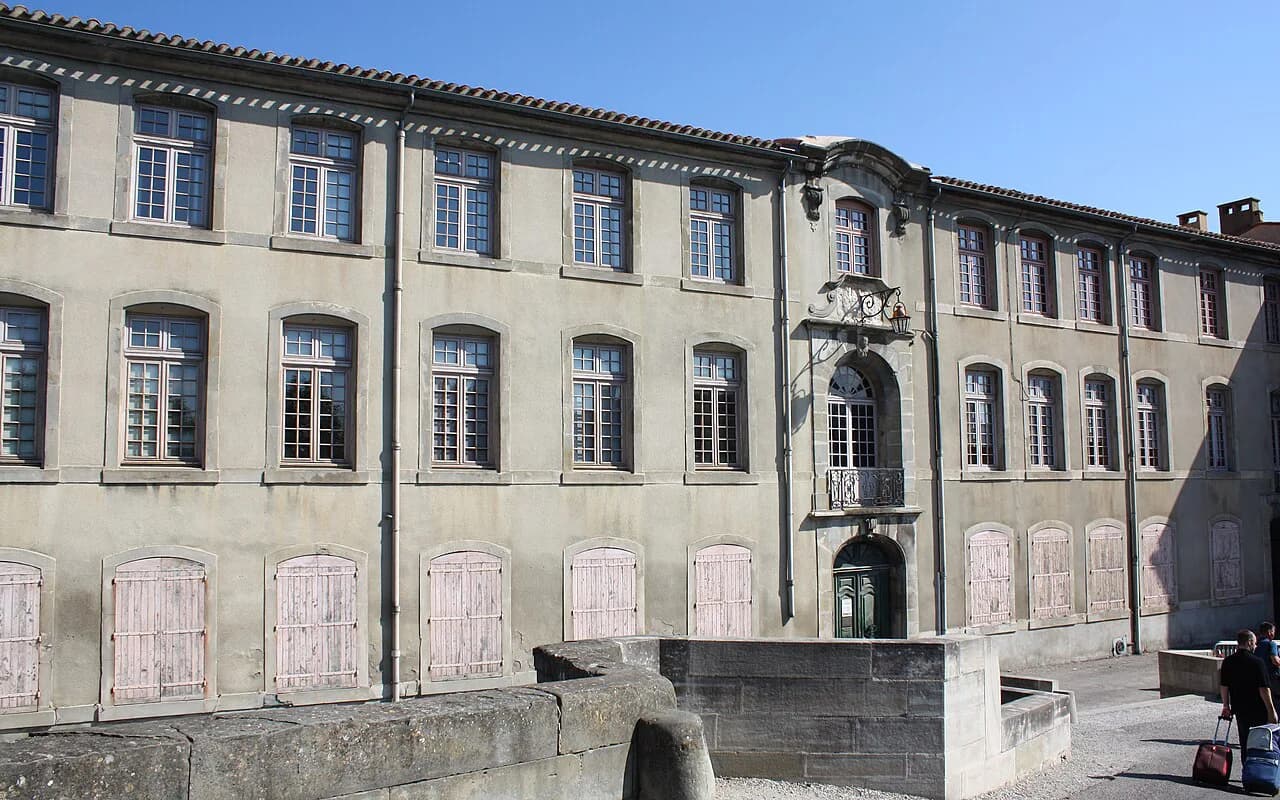
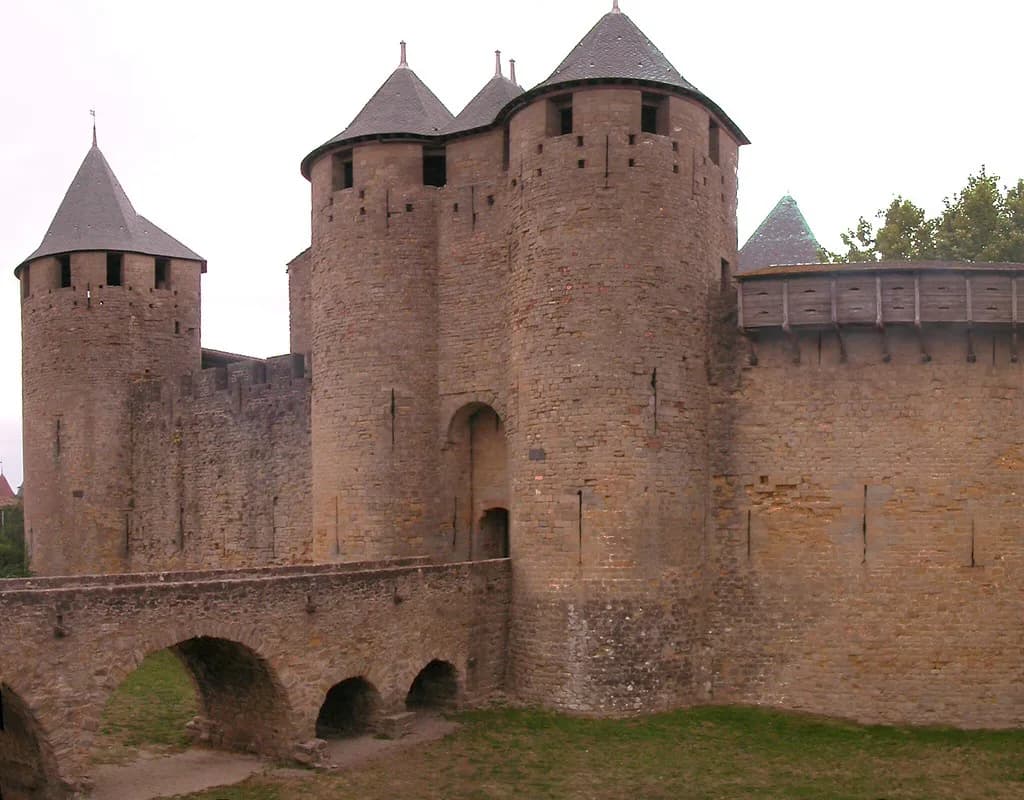
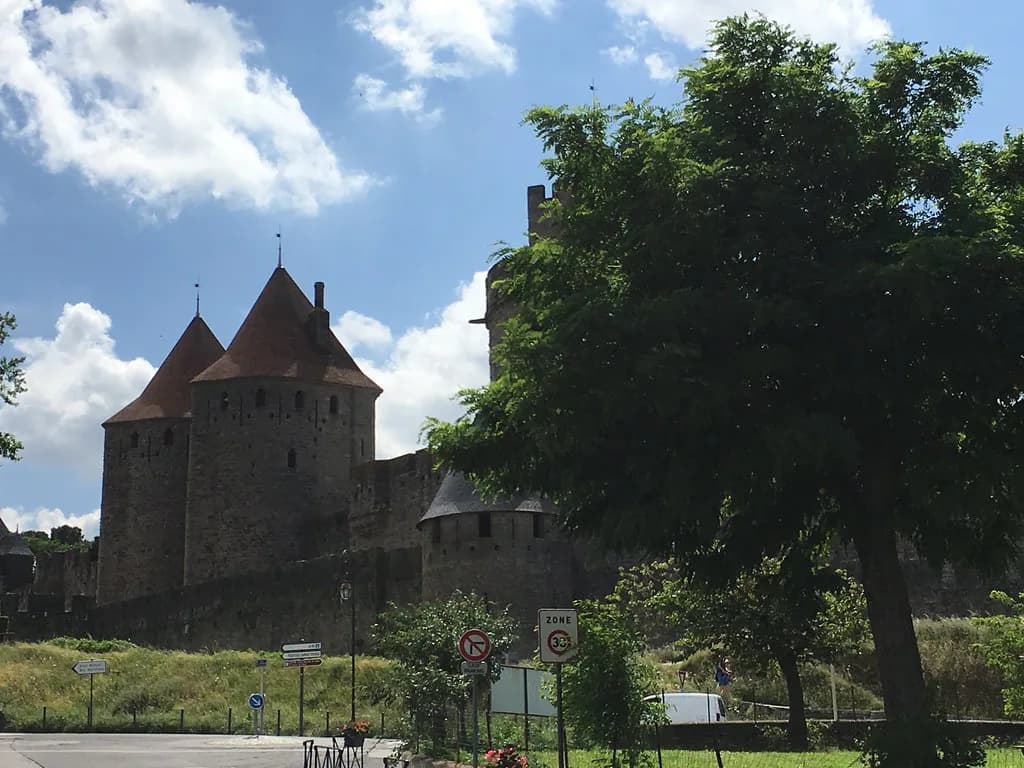
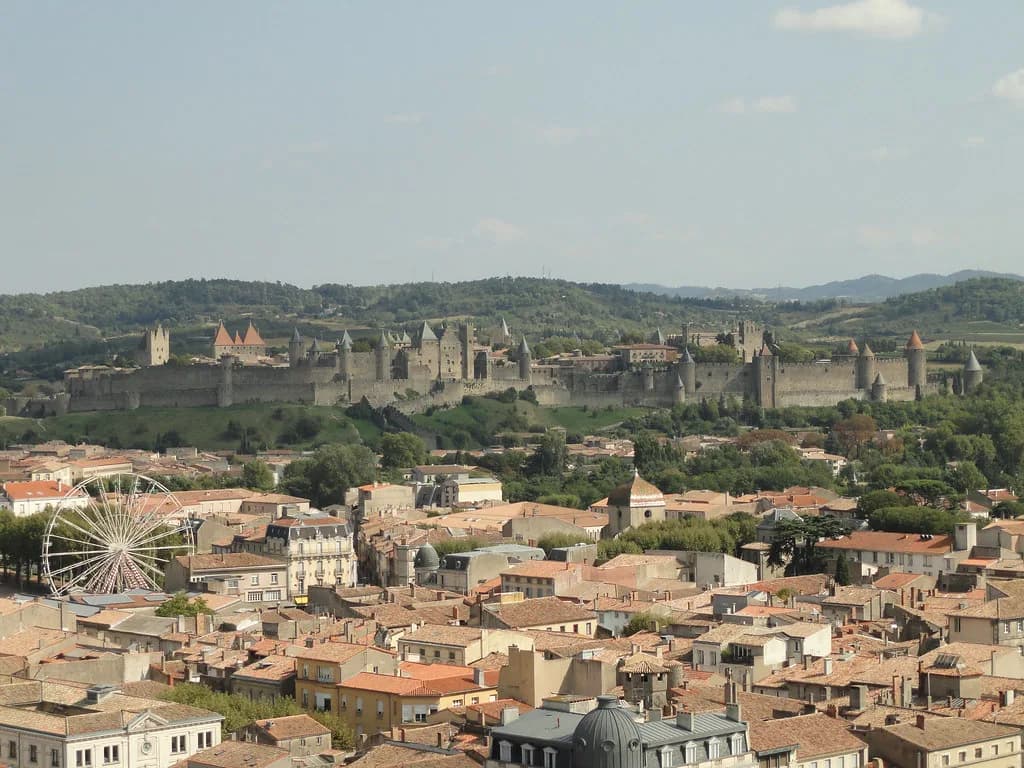
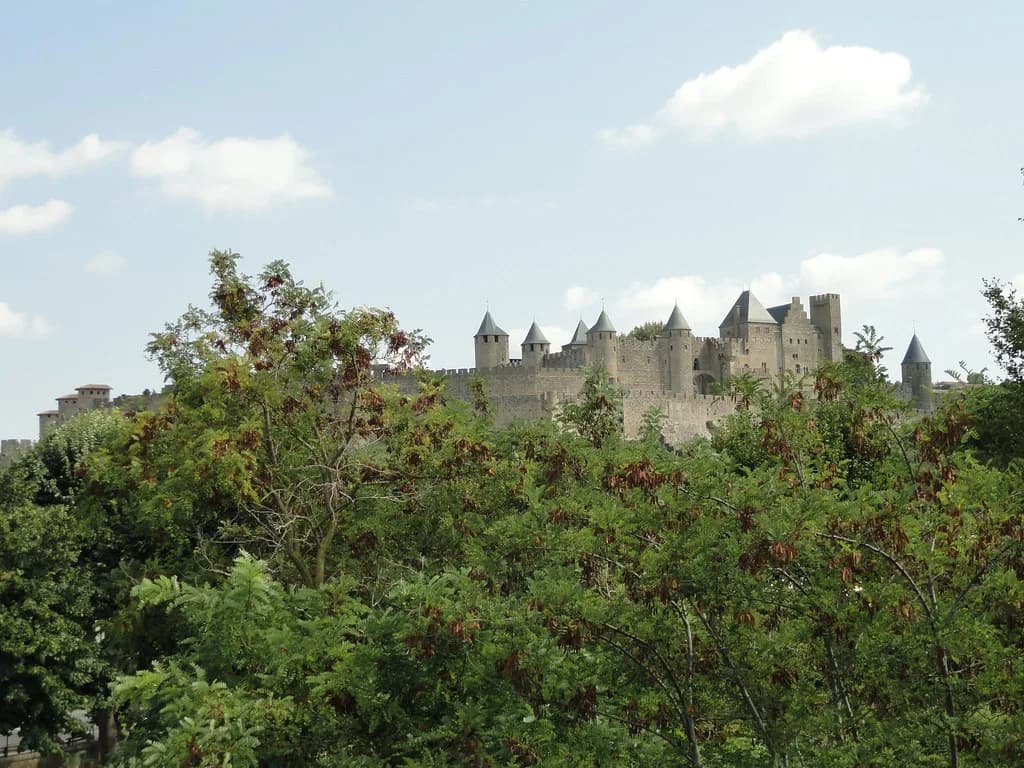
Carcassonne's old town is two distinct places, and planning a visit around that fact saves a lot of aimless walking. The Cité is the walled medieval town on the right bank of the Aude, with 52 towers and two concentric walls running to 3km of ramparts, and entry to its streets is free. The Bastide Saint-Louis is the grid-planned lower town laid out from 1260, where around 48,000 residents live and where the everyday markets, shops and squares are.
The two are a ten-minute walk apart, joined by the Pont-Vieux over the Aude, so a weekend comfortably covers both without transport. Give the Cité the morning, when coach traffic is thinner and the lanes inside the walls are quieter, then cross to the Bastide for lunch and an afternoon of squares, churches and covered-market browsing. That split is the single most useful decision in this guide, because it stops a short break turning into a scramble.
What 'Old Town' Means in Carcassonne
Ask for the old town and you may be sent to either side of the river, so hold both in mind. The Cité sits on the right bank of the Aude and is still inhabited inside its double ring of walls. The Bastide Saint-Louis, known locally as the ville basse, was built from 1260 under Louis IX on a deliberate quadrangular plan around a central square, and it is the more modern of the two despite being medieval in origin.
The practical consequence is that you do not choose between them. You walk one, then the other, in a single loop. The Cité delivers the ramparts, towers and postcard views; the Bastide delivers the working town, with its mansion houses, two churches, covered market and the cafés of place Carnot. Readers who only budget time for the walled town miss the half of Carcassonne that locals actually use.
The Cité in Brief: Walls, Towers and Free Entry
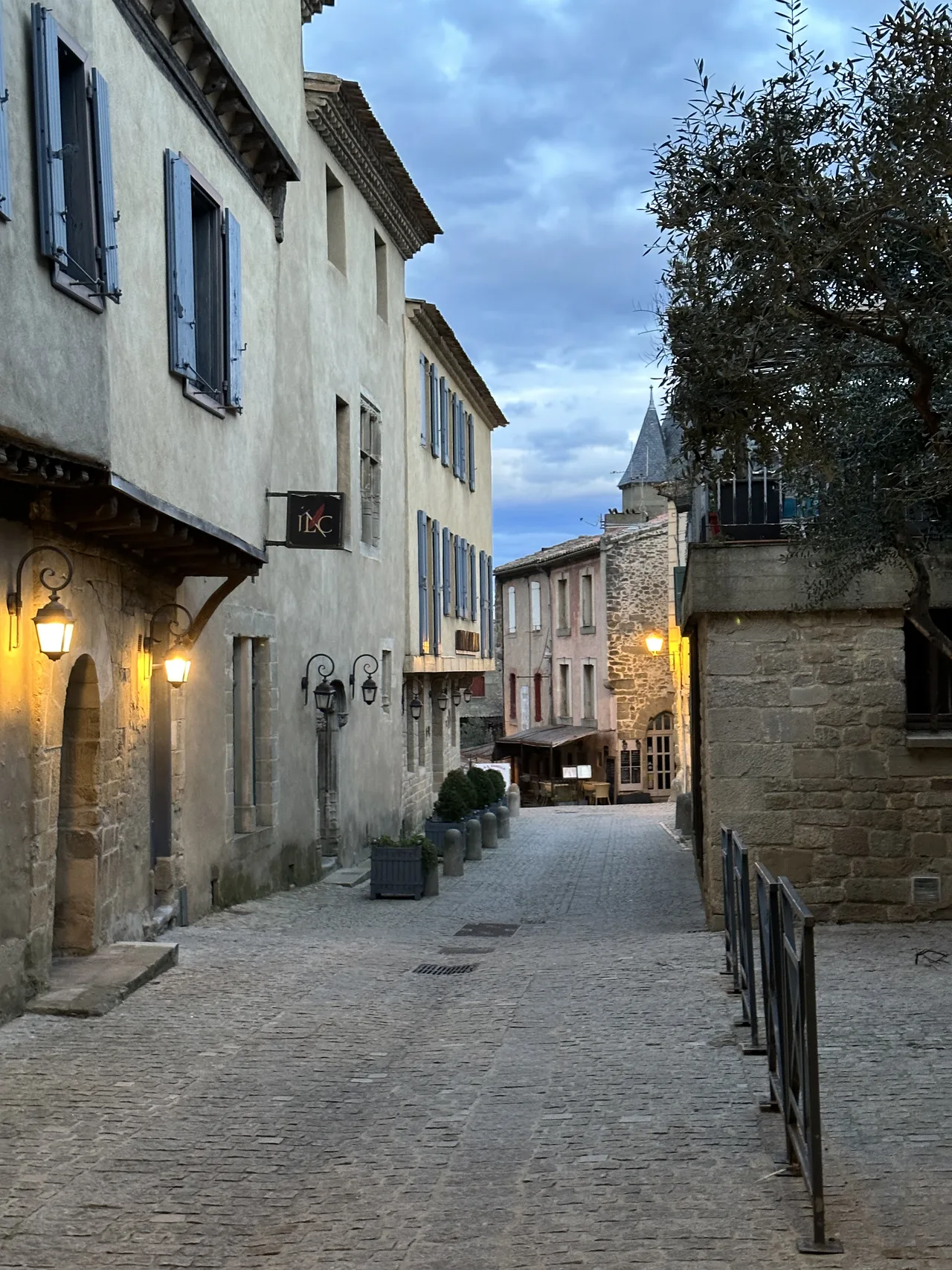
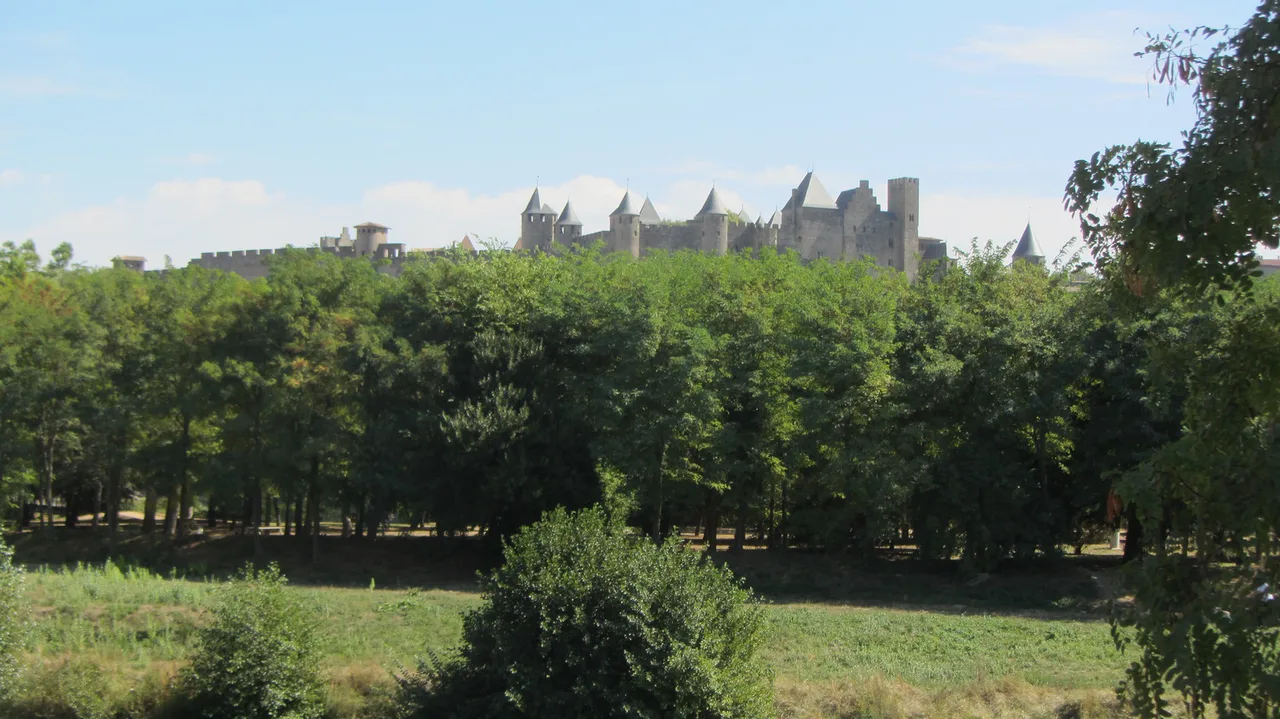
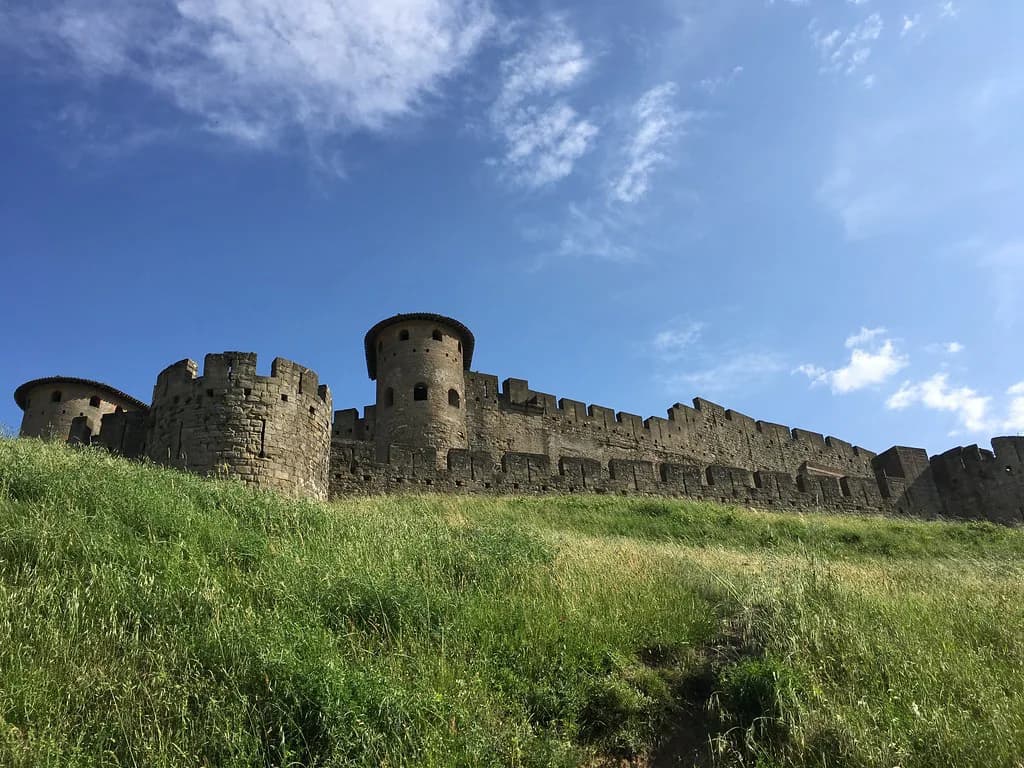
The Cité is the image on every poster, and it costs nothing to walk in. Its defences total 3km of ramparts punctuated by 52 towers across two concentric walls, which is why the silhouette reads as a small fortified city rather than a single castle. Enter through the gates and the streets inside are free to wander; the paid elements are separate and are priced at the monument itself.
Inside the walls, the Château Comtal and the ramparts walk are the two set-piece visits, and both sit within the same tight footprint. Build the morning around the lanes first and the monument second, since the interior streets reward slow walking and a pause at a terrace. Ticket prices and opening times for the château and the ramparts change with the season, so buy at the entrance or check the official pages before you commit a slot.
If your short break needs a broader shortlist beyond the walls, the wider set of city attractions covers what else justifies an entrance fee. Our guide to the things to do in Carcassonne sets the Cité alongside the Bastide, the canal and the museums so you can see how the pieces fit before booking anything.
Crossing the Pont-Vieux Between the Two Towns
The Pont-Vieux is the hinge of any Carcassonne walk. This medieval footbridge dates from the 14th century and was for a long time the only link between the Cité and the Bastide Saint-Louis, with the Aude running beneath it. Crossing it takes minutes and puts you from ramparts to town streets without a bus, a taxi or a plan.
Between the bridge and the Bastide, the riverbank and the île de la Cité form a quiet strip with a health trail, a children's playground and picnic tables, all looking back at the walls. It is the obvious place to slow down if the Cité has been crowded, and it costs nothing. Treat it as a twenty-minute breather rather than a destination in itself.
Walking the Bastide's Grid
The Bastide is easy to navigate because it was designed that way: a quadrangular layout wrapped around a central square. Coming off the Pont-Vieux, the route runs through square Gambetta, with its landscaped park and the Musée des Beaux-Arts, then along rue de Verdun towards place Carnot and its fountain. Place Carnot is the real heart of the town, paved in red marble from Caunes-Minervois and lined with café terraces.
From place Carnot, rue Courtejaire runs towards the canal du Midi, giving a straight window-shopping line across the district. Look up while you walk: the 18th-century mansions of the wealthy drapers line rue de Verdun and rue Aimé-Ramond, with the Hôtel de Murat and the Hôtel de Rolland, now the town hall, among the finest. Most visitors pass beneath these façades without raising their eyes, which is the cheapest architectural pleasure in the city.
Squares and Green Corners to Pause In
Square Gambetta serves as the green entrance to the Bastide, with hundreds of rosebushes, a water mirror, sculpture, a play area and a snack bar, plus an underground car park beneath it. The Musée des Beaux-Arts on the square has free entry, which makes it an easy add-on rather than a decision. Nearby, square André Chénier near the canal offers a jardin des plantes and a play area for small children.
The jardin du Calvaire is the quietest of the Bastide's green spaces, laid out in the early 19th century on the site of a 16th-century bastion, with statues, mature trees and Mediterranean planting. It is open all year and free of charge. Use it when you want shade and silence between the market and the churches rather than another café seat.
Markets and Food in the Bastide
Market days shape a Carcassonne weekend more than any museum does. On place Carnot, local producers set up on Tuesdays and Thursdays, small enough to browse in a quarter of an hour. The big weekly market runs on Saturday mornings on Boulevard du Commandant Roumens, about a five-minute walk from the square, and it is the one to plan a morning around.
The Halles Prosper-Montagné, built in 1768 and a stone's throw from place Carnot, keep the town's covered market under one roof. It opens from 7:00am until 1:00pm, Tuesday to Saturday, so it is a morning stop, not an afternoon one. Inside, expect regional produce, charcuterie, locally farmed meat and fish landed in the Mediterranean.
For a sit-down meal, place Carnot's terraces are the obvious base, and the surrounding streets hold most of the rest. Our pick of the best restaurants in Carcassonne covers where to eat on both sides of the river, which matters if you want dinner inside the walls rather than in the Bastide. Book ahead for anything inside the Cité, where capacity is thin and demand peaks at weekends.
Museums, Churches and the Bell Tower Climb
The Musée des Beaux-Arts sits on square Gambetta and charges nothing for entry, which makes it a low-risk hour if the weather turns. The Bastide's two churches are the other free monuments worth seeking out. To the south, the Cathédrale Saint-Michel on its restored square is Languedoc Gothic in style, dating from the 13th century and raised to cathedral status in 1849, with 14th-century stained glass and a rose window eight metres across.
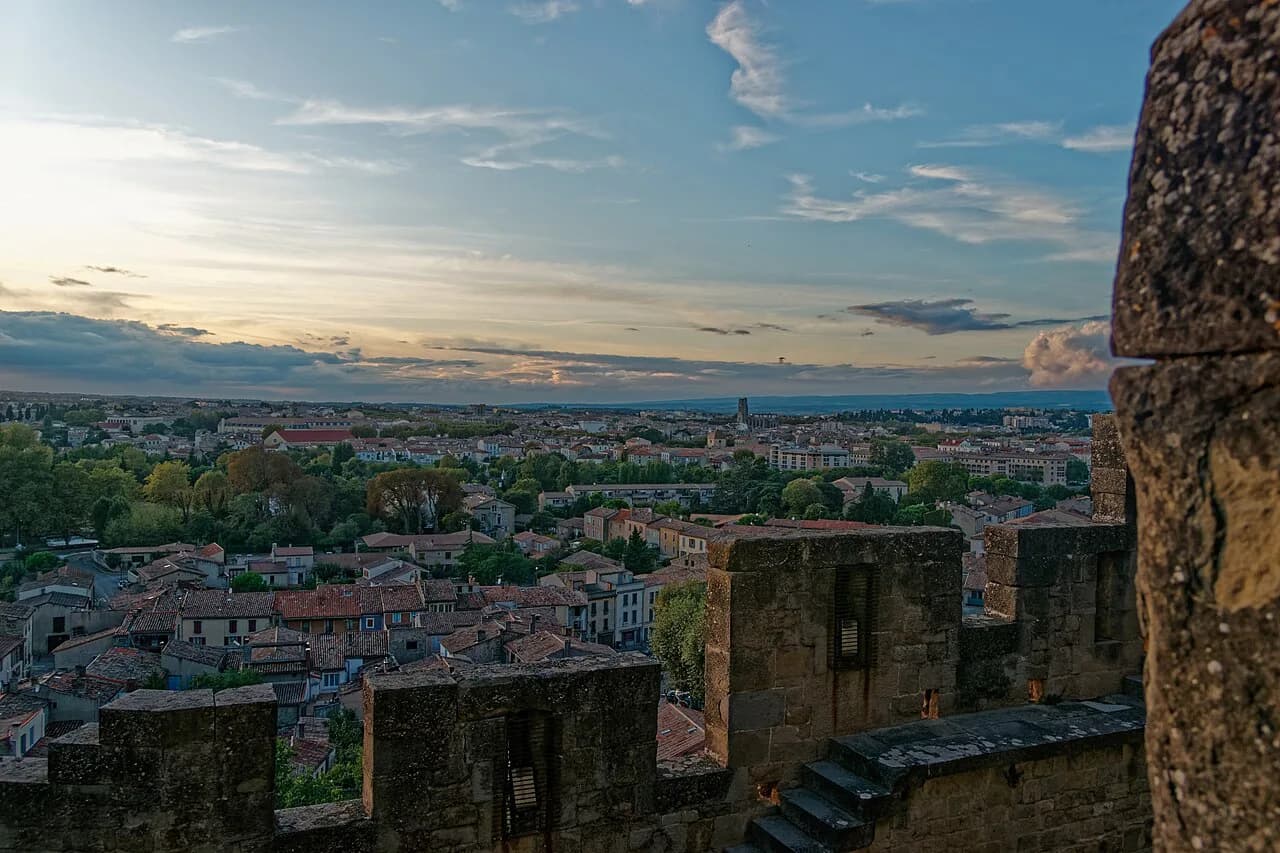
On the north side of the Bastide, the église Saint-Vincent has a 54-metre octagonal bell tower holding 47 bells, and the climb is 232 steps. The reward is an open panorama over the Bastide, the Cité and, on clear days, the Montagne Noire and the Cabardès country. Access to the bell tower costs €2.50 per adult, with free entry for accompanied under-18s and students.
The Cathédrale Saint-Michel has a rose window eight metres across and is fully restored inside and out. Pair it with the southern end of the grid rather than detouring for it, since rue Albert Tomey leads straight to the square. If your time is tight, the bell tower view earns its €2.50 more clearly than a second church interior does.
The Canal du Midi Port and Boat Trips
Walk through the pedestrianised shopping streets from square André Chénier towards the station and you reach the canal du Midi port, Carcassonne's second UNESCO world heritage site after the Cité. Two operators, Lou Gabaret and Le Cocagne, run guided cruises from here with views back towards the walls, and the season runs from April to October. The water is a fifteen-minute detour from place Carnot and a good way to end an afternoon.
How Many Days You Need
Two full days is the honest answer for a Carcassonne weekend: one for the Cité and the riverbanks, one for the Bastide, the market and the canal. A single day is tight but workable if you skip the château interiors and treat the Cité as a walk-through, which many short-break visitors do. Add 3 days in Carcassonne only if you want the museums, a canal cruise and unhurried mealtimes in the same trip.
Middle seasons suit this walk better than midsummer, when the exposed ramparts and the paved squares get uncomfortable at midday. October is a particularly good fit, with the producer markets still running and the terraces usable without shade-hunting. Time your day so the outdoor stretches happen before eleven and after four, with the museums and the Halles filling the middle.
Practical Points: Parking and Getting Around
Most of the walk described here is flat and continuous, though the Cité's cobbles and the 232-step bell tower climb are the two places to watch your footing. Three underground car parks serve the town centre: Gambetta with 403 spaces, André Chénier with 340 and Jacobins with 211. All three open from 7:30am to 8:00pm, Monday to Saturday, and are closed on Sundays and public holidays, which rules them out for a Sunday arrival.
Free surface parking exists at the Dôme and Quai Bellevue, in front of Collège le Bastion on Boulevard de Varsovie, and at the corner of Boulevard Barbès and Boulevard Marcou. A little train links the canal du Midi and the Medieval City with commentary in several languages, and pets are allowed on board; it is the sensible option if mobility is limited or the day is hot. The RTCA urban network runs 11 bus lines across the town and its surroundings, with timetables on the RTCA site.
Plan Your Carcassonne Visit
Build the trip around one simple rule: Cité in the morning, Bastide in the afternoon, Pont-Vieux in between. That sequence keeps the walking logical, puts you at the Halles Prosper-Montagné before its 1:00pm close, and leaves the evening free for place Carnot. If you are weighing up whether the city justifies a weekend at all, our honest verdict on whether Carcassonne is worth visiting sets out what you gain and what you don't.
Leave the fixed plans thin. Museum and monument hours shift through the year, so check the official tourist office pages for the Cité and the château in the week before you travel. Everything else here is a street, a square or a market you can reach on foot.
Explore more Carcassonne guides
Frequently Asked Questions
Is Carcassonne old town the same as the Cité?
No. The old town covers two separate places on opposite banks of the Aude. The Cité is the walled medieval town on the right bank, with 52 towers and two concentric walls running to 3km of ramparts. The Bastide Saint-Louis is the lower town laid out from 1260 on a grid around place Carnot, and it is where the daily life of the city happens. Walking between the two takes about ten minutes over the Pont-Vieux.
Is Carcassonne old town walkable?
Yes, and walking is the best way to see it. The Cité and the Bastide sit roughly ten minutes apart across the 14th-century Pont-Vieux, and the Bastide's lanes between square Gambetta, rue de Verdun, place Carnot and the canal du Midi are flat and continuous. The two places to watch are the cobbles inside the Cité and the 232-step climb up the bell tower of the église Saint-Vincent.
Which days are the markets in Carcassonne?
Local producers trade on place Carnot on Tuesdays and Thursdays, and the larger weekly market runs on Saturday mornings on Boulevard du Commandant Roumens, about a five-minute walk from the square. The covered Halles Prosper-Montagné, a stone's throw from place Carnot, opens from 7:00am until 1:00pm, Tuesday to Saturday, so it suits a morning rather than an afternoon. Plan a Saturday around the market and you get the biggest choice of the week.
How long do you need in Carcassonne old town?
Two full days covers it comfortably: one for the Cité, its ramparts and the riverbanks, and one for the Bastide's squares, churches, covered market and canal port. A single day works if you treat the Cité as a walk-through and skip the paid interiors, though you will move quickly. A third day lets you add the museums, a canal cruise and longer meals.
What should you not miss in Carcassonne?
The Cité's double ring of walls and its lanes come first, and entry to the streets is free. In the Bastide, the bell tower of the église Saint-Vincent gives the best view for a small adult ticket, while the Halles Prosper-Montagné and the Saturday market are where the city eats. The Pont-Vieux crossing between the two, with the Aude below, is the moment that ties the visit together.
Sources
Notes for French city breaks
Optional updates to our guides.
You might also like
Continue reading
More guides you'll find useful