
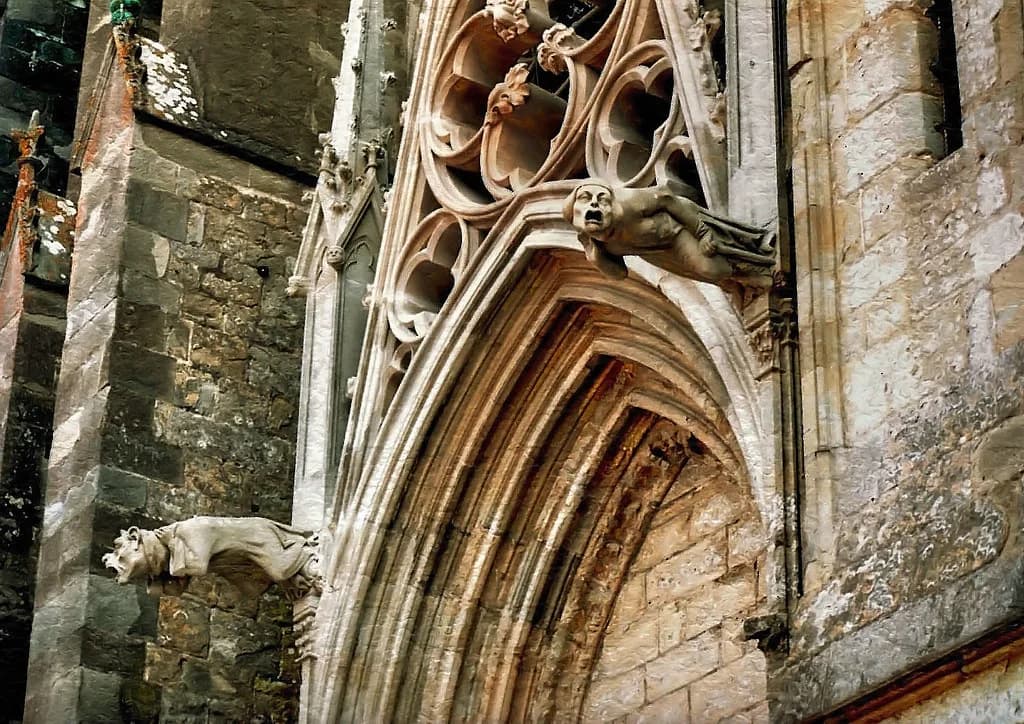
Cathédrale Saint-Michel: Carcassonne's Bastide Cathedral
Cathédrale Saint-Michel stands in La Bastide Saint-Louis, the grid-planned lower town of Carcassonne, not within the medieval walls of the Cité on the hill opposite. Visitors who assume every headline monument sits inside the fortress arrive at the wrong address, so treat the cathedral as a Bastide stop that pairs naturally with Place Carnot and the surrounding streets. This guide covers its position, the walks in from the station, canal and Cité, and what to look for once you are inside.
What Cathédrale Saint-Michel is and where it stands in La Bastide
Cathédrale Saint-Michel is the cathedral of the lower town, built at the edge of La Bastide Saint-Louis, the chessboard quarter founded outside the fortress. The tourist office describes the Bastide as Carcassonne's historic lower centre, laid out on perpendicular streets around Place Carnot, which makes the cathedral a straightforward orientation point rather than a detour. Get your bearings here first and the rest of the Bastide falls into place.
The distinction matters because the walled Cité and the Bastide sit on opposite sides of the river and are separated by a walk of roughly half an hour's worth of city strolling. If a cathedral visit is on your list, plan it for the same block of time as the Bastide's shopping streets and squares, and keep the Cité for a separate half day. Grouping by quarter saves a pointless second climb.
How to reach it: from the SNCF station, the Canal du Midi and the Cité
The tourist office gives the practical baseline: the medieval Citadel is a 30-minute walk from Carcassonne's SNCF railway station. The cathedral is in the Bastide toward the Cité side, so a walk from the station through the lower town's streets takes you past it with little extra effort. Allow the half hour and use the walk to see the Bastide rather than grabbing a bus for such a short distance.
Local buses do the same trip cheaply, and tickets can be bought from the driver. Lines 2, 3 and 4 connect the town centre and the SNCF station area with the medieval Citadel, with stops within a few hundred metres of the Narbonnaise Gate. If you are carrying bags or the weather has turned, taking a bus for the Bastide stretch is a sensible shortcut.
The Canal du Midi runs past the Bastide, and the section by town is a pleasant, flat approach on foot or by rented bike. Walking in from the canal puts you on the lower-town side, a short stroll from the cathedral's end of La Bastide. Cross to the Cité later via the Pont Vieux for the classic view back over the rooftops.
The building: 13th-century Languedoc Gothic, fire and restoration
Cathédrale Saint-Michel is a Languedoc Gothic church founded in the 13th century, consecrated as a cathedral in 1803 and restored by Viollet-le-Duc after a fire in 1849. Read the facade with that sequence in mind: a medieval shell reshaped by 19th-century intervention, which explains why parts look fresher than you might expect from a 13th-century building. Knowing this turns a quick look into something you can actually read.
The building's origins reach back further: it was built by order of the king of France Louis IX in 1247 to replace an earlier sanctuary, and was modified and enlarged from 1283 onwards. That royal foundation is why a cathedral of this scale stands in the new town rather than the fortress. Look for the transept, documented in the national heritage inventory, as a good fixed point for reading the plan.
Viollet-le-Duc's name recurs across Carcassonne because he led the 19th-century restoration of the Cité's walls and towers as well. Seeing both the fortress and this cathedral in one weekend gives you a compact lesson in how that era remade medieval monuments. If the architecture is what draws you, add the Basilique Saint-Nazaire inside the walls for the contrast between the two churches.
What to look for inside and at the square outside
Inside, the Languedoc Gothic proportions, the transept and the restored stonework are the main things to read, and the scale is more intimate than the great northern cathedrals. Give the nave and transept twenty minutes of unhurried looking rather than photographing the facade and leaving. The square outside doubles as an open, level stopping point in the Bastide's street grid, handy for regrouping before the next walk.
For a different religious interior on the same trip, the Basilique Saint-Nazaire inside the Cité holds stained glass described as the finest in the south of France, and admission is free. Its mass is held every Sunday at 11am. Seeing Saint-Michel first, then Saint-Nazaire, gives you the Bastide and Cité versions of the same story in one day.
How much time to allow and when to slot it into a weekend
Plan on a short stop of roughly half an hour to an hour, enough for the interior and the square outside. The tourist office's own guidance for the Cité is to allow at least half a day there, one or two hours for the Counts' Castle plus time in the streets. Treat Saint-Michel as one tile in a Bastide morning, not a standalone outing.
A sensible weekend shape is the Bastide on arrival day and the walled Cité on the fuller day, when you can walk the ramparts without rushing. The ramparts walk from the Counts' Castle runs about 1.3 km and takes roughly an hour including photo stops. That leaves the cathedral for the gentler half of the day.
Opening hours and practical points
One warning worth having: Carcassonne's tourist office lists the Cathédrale Saint-Michel as a visitable monument, and the specific times it is open to visitors are best confirmed on the tourist office listing before you set out. If the doors are shut, the Bastide's streets, squares and covered market are still worth the walk. Build the cathedral into a loop rather than making it the only reason to cross town.
The Cité itself, by contrast, is open 24 hours a day with free admission to the streets and walls, while the Counts' Castle is a ticketed national monument open daily. Booking is not compulsory but strongly recommended, and tours can only be booked online. So the fortress rewards planning; the cathedral rewards flexibility.
Nearby: Place Carnot, the Bastide streets and the walk up to the Cité
Place Carnot, with its market and Neptune fountain, is the heart of the Bastide and the obvious companion stop to the cathedral. Market days across the Languedoc generally run on fixed mornings and most open-air markets take place between 8am and 1pm, so an early start gives you the best of both. Pair the cathedral with a market browse rather than treating the two as separate trips.
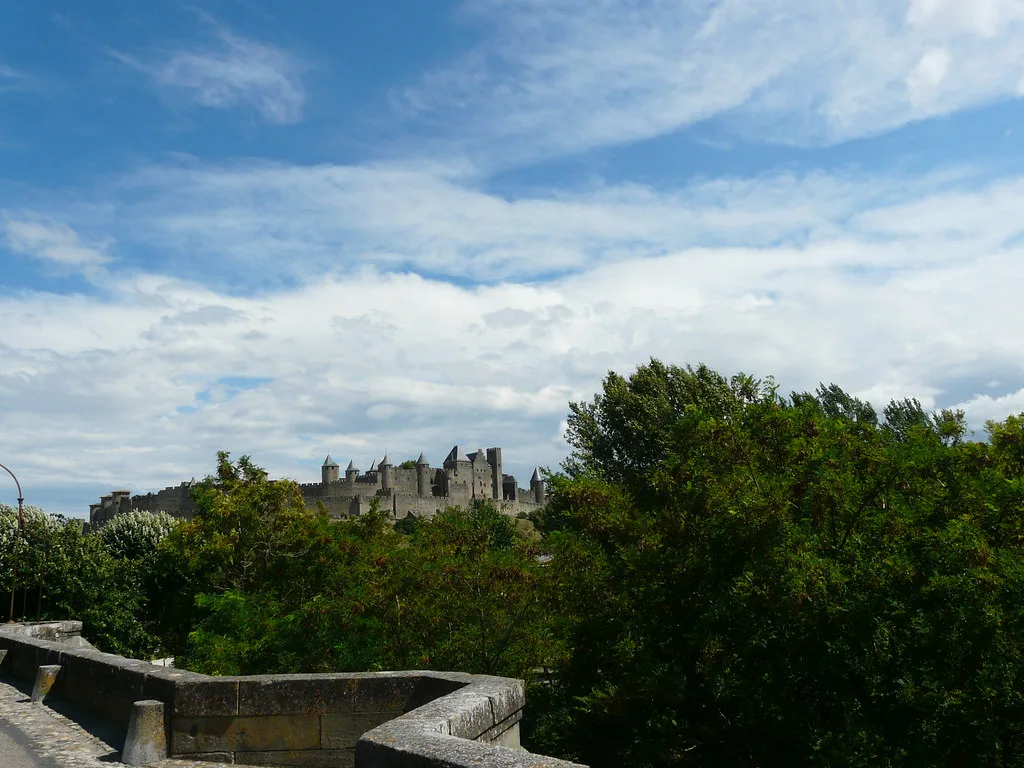
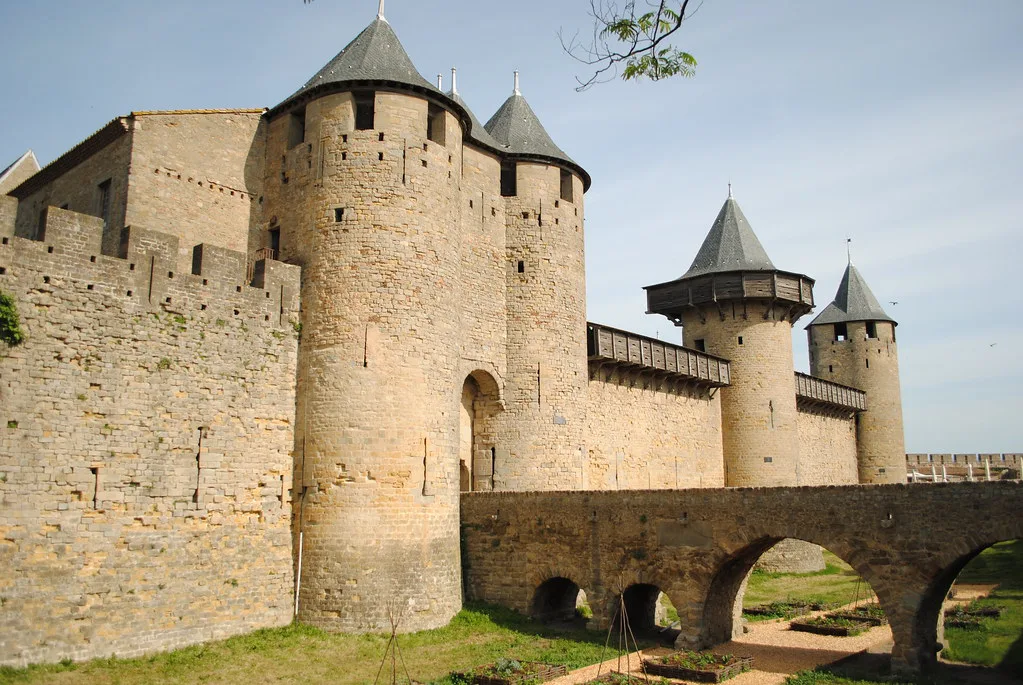
From the Bastide, the walk up to the Cité across the old bridge gives you the classic view of the walls and towers and is the natural end to a lower-town morning. Allow the walk and a photo stop before heading into the fortress. Sunset and early morning light are the flattering hours for the view back across the river.
If architecture is the thread of your weekend, the Counts' Castle and its ramparts are the other must-book stop, and the tourist office recommends one or two hours there. Working backwards from that, build the cathedral into the first half of a day, then climb to the Cité for the afternoon. Doing it in that order means you are walking uphill on fresh legs.
Cost, visitor etiquette and what to do if it is closed
Entry to places of worship in France is typically free for quiet visits, but the tourist office's listing for the cathedral is where you confirm whether that holds, and any charge for special access or events. Do not budget on assumption; check before you go and carry a little cash for the offerings box. Dress and behave as you would in any active church, keeping noise down if a service is under way.
If the doors are unexpectedly shut, the Bastide's Musée des Beaux-Arts is free to enter and holds around ten rooms of paintings, many by local artists, with the Square Gambetta park next door. That makes a good wet-weather substitute and keeps you in the same quarter. Neither needs a full afternoon.
Plan Your Visit
Treat Cathédrale Saint-Michel as a short Bastide stop folded into a morning around Place Carnot, then give the Cité its own half day for the ramparts and Counts' Castle. Confirm the cathedral's opening times on the tourist office listing before you cross town, and book Counts' Castle tickets online in advance. For the wider set of sights, the Carcassonne attractions hub is the place to build the rest of the weekend. For more, see the cite de Carcassonne.
Explore more Carcassonne guides
Frequently Asked Questions
Is Cathédrale Saint-Michel inside the medieval Cité of Carcassonne?
No. It stands in La Bastide Saint-Louis, the lower town on the opposite side of the river from the walled Cité. The two are a walk apart, so group the cathedral with the Bastide's streets and Place Carnot and keep the Cité for a separate half day.
How do you walk to the cathedral from Carcassonne station?
Leave the station and head through the Bastide towards the Cité side of town; the tourist office describes the medieval Citadel as a 30-minute walk from the station, and the cathedral lies on that route through the lower town. The walk is short enough to do on foot with a small bag.
What architectural style is Cathédrale Saint-Michel?
It is a Languedoc Gothic church founded in the 13th century by order of Louis IX, consecrated as a cathedral in 1803 and restored by Viollet-le-Duc after an 1849 fire. Expect a medieval shell with visible 19th-century work rather than a uniform original.
How long should I allow for a visit?
Roughly thirty minutes to an hour covers the interior and the square outside. Build it into a Bastide morning alongside Place Carnot rather than planning a separate trip, and keep the fuller half day for the walled Cité and its ramparts.
When is the cathedral open to visitors?
Check the tourist office listing for the Cathédrale Saint-Michel before you cross town, since visitor hours are not something to assume. If it is closed, the Bastide's free Musée des Beaux-Arts and Square Gambetta are close substitutes.
What else is nearby in La Bastide?
Place Carnot with its market and fountain, the Musée des Beaux-Arts and the surrounding grid of streets are all in the same quarter. From there, walking up to the Pont Vieux gives you the classic view of the walled Cité.
Sources
- Markets in the Languedoc | 30 markets and tips for a holiday home
- 15 Incredible Things To Do in Carcassonne: France's Amazing Walled City
- City of Carcassonne - Grand Carcassonne
- CATEDRAL DE SAINT MICHEL
- Catedral de Carcasona - Wikipedia, la enciclopedia libre
- Carcassonne, Cathédrale Saint-Michel : transept - Agorha