
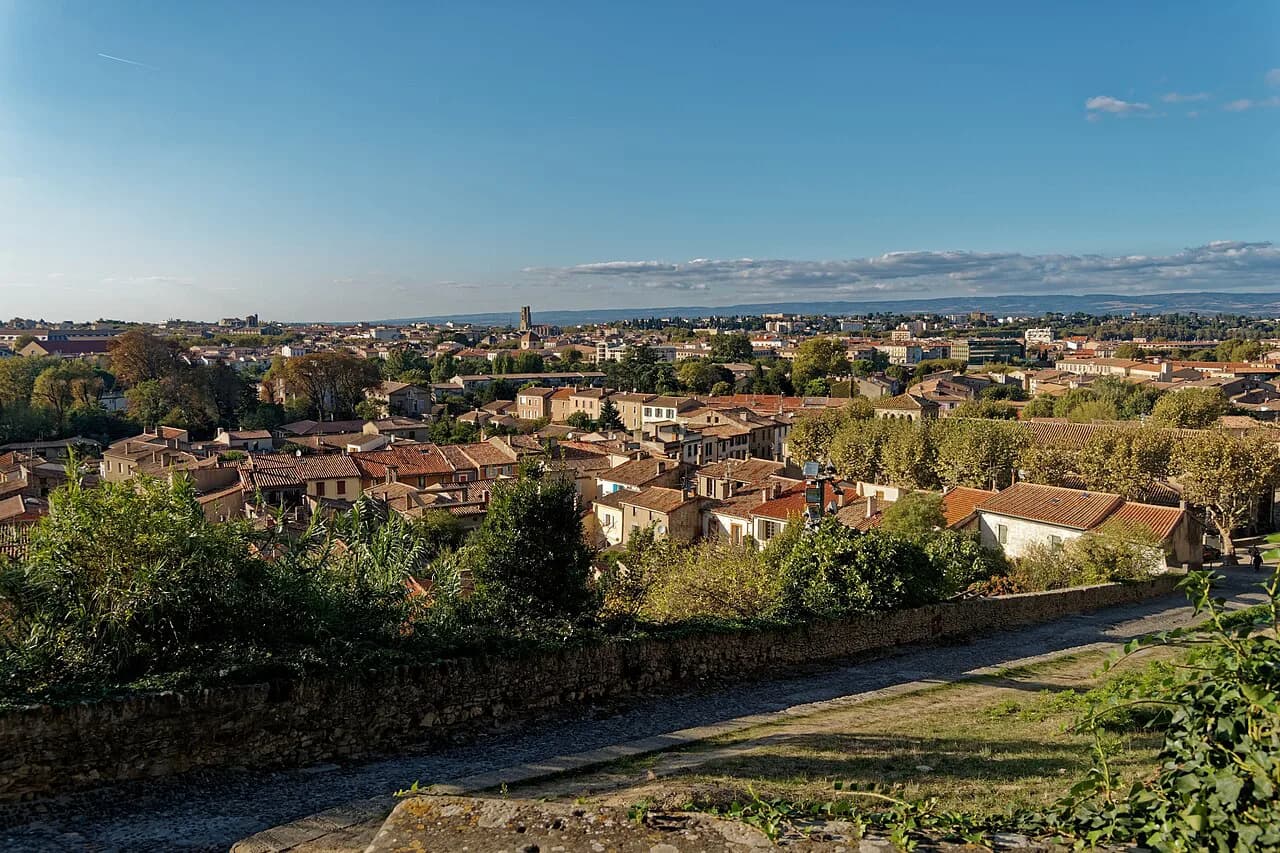
Carcassonne Neighborhoods: 4 Area Guides
Carcassonne's districts include La Barbacane and Trivalle at the foot of the Cité, the grid of the Bastide Saint-Louis and Saint-Gimer. These guides describe what each is like.
Carcassonne neighborhood guides
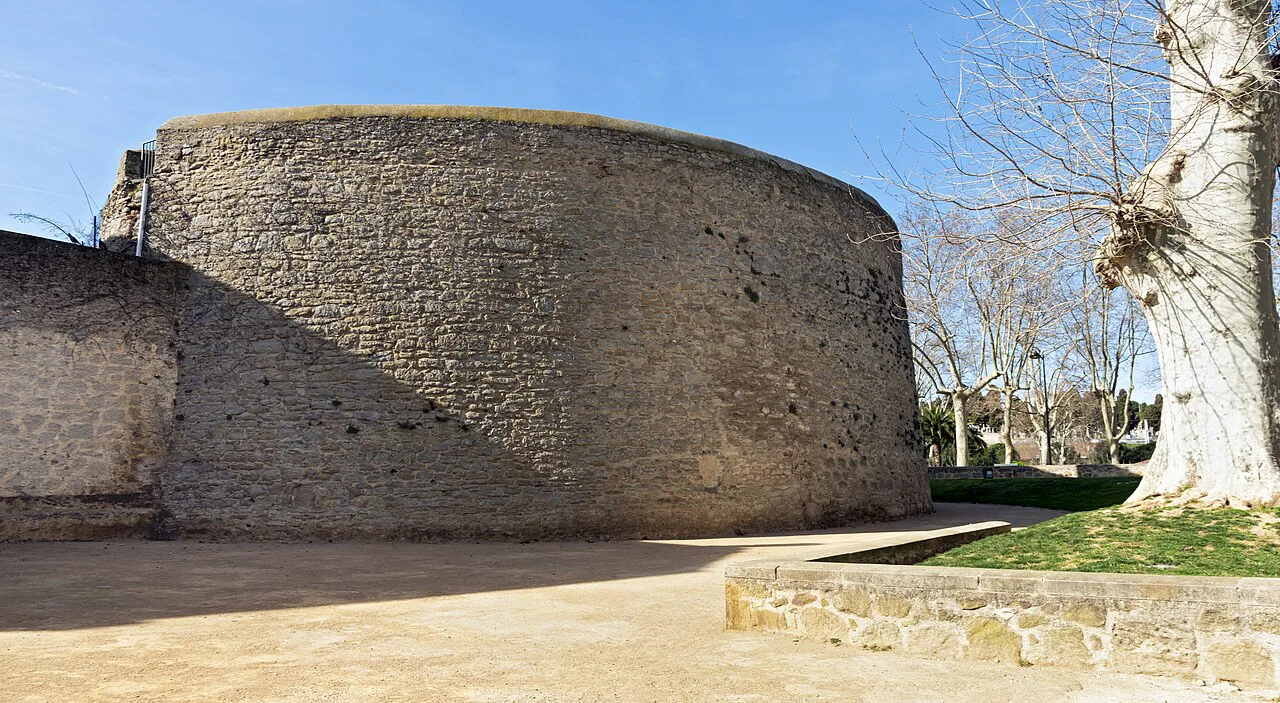
Bastide Saint-Louis, Carcassonne: A Neighbourhood Guide
The Bastide Saint-Louis is Carcassonne's flat lower town, a 13th-century grid of streets around Place Carnot, with the cathedral, two churches and the city's everyday shops and restaurants. It is where you sleep, eat and catch a bus, while the walled Cité sits on the hill above.
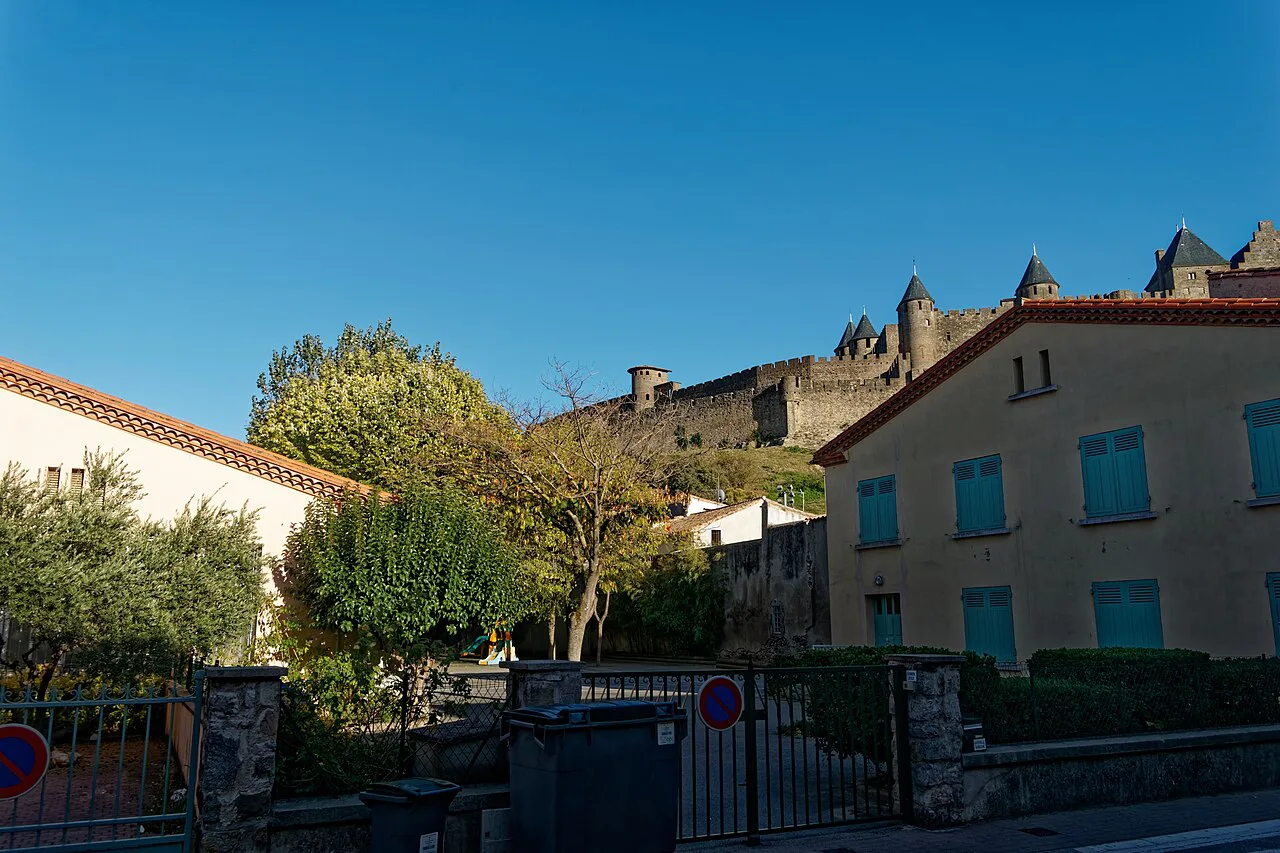
La Barbacane, Carcassonne: What It Is and How to Visit
La Barbacane is the name travellers meet three times in Carcassonne: the gate into the medieval cité, the lane inside it, and the Michelin-starred restaurant at the Hôtel de la Cité. This guide separates the three and explains what the walled district is like on foot, which venues sit inside it, and how much of a weekend it deserves.
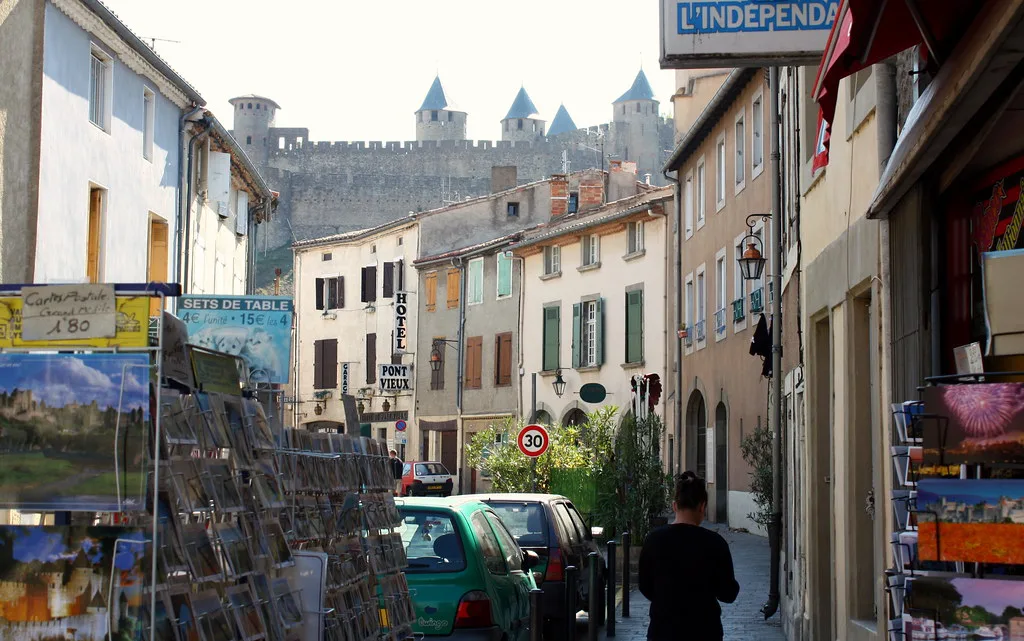
Rue Trivalle, Carcassonne: The Street Below the Cité
Rue Trivalle is the street that climbs from the lower town to the gates of the Medieval City, putting the UNESCO-listed Cité within a short walk of a quiet, working neighbourhood. This guide covers the street's character, who it suits, where to eat and stay on it, and how to plan a weekend around it.
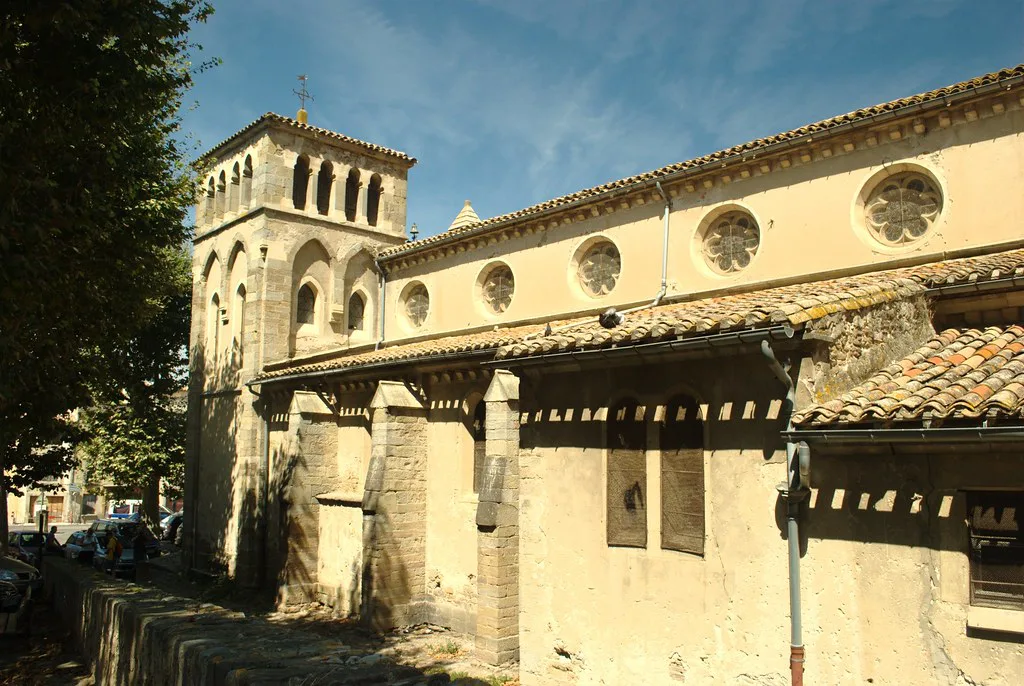
Saint-Gimer Carcassonne Guide: Where to Stay Below the Cité
Saint-Gimer is a small quarter squeezed between the Cité and the river Aude, named after a 10th-century bishop and anchored by a Gothic Revival church from the 1850s. It rewards a short stop on the walk down from the walls, not a dedicated afternoon.