
La Barbacane, Carcassonne: A Visitor's Guide to the District

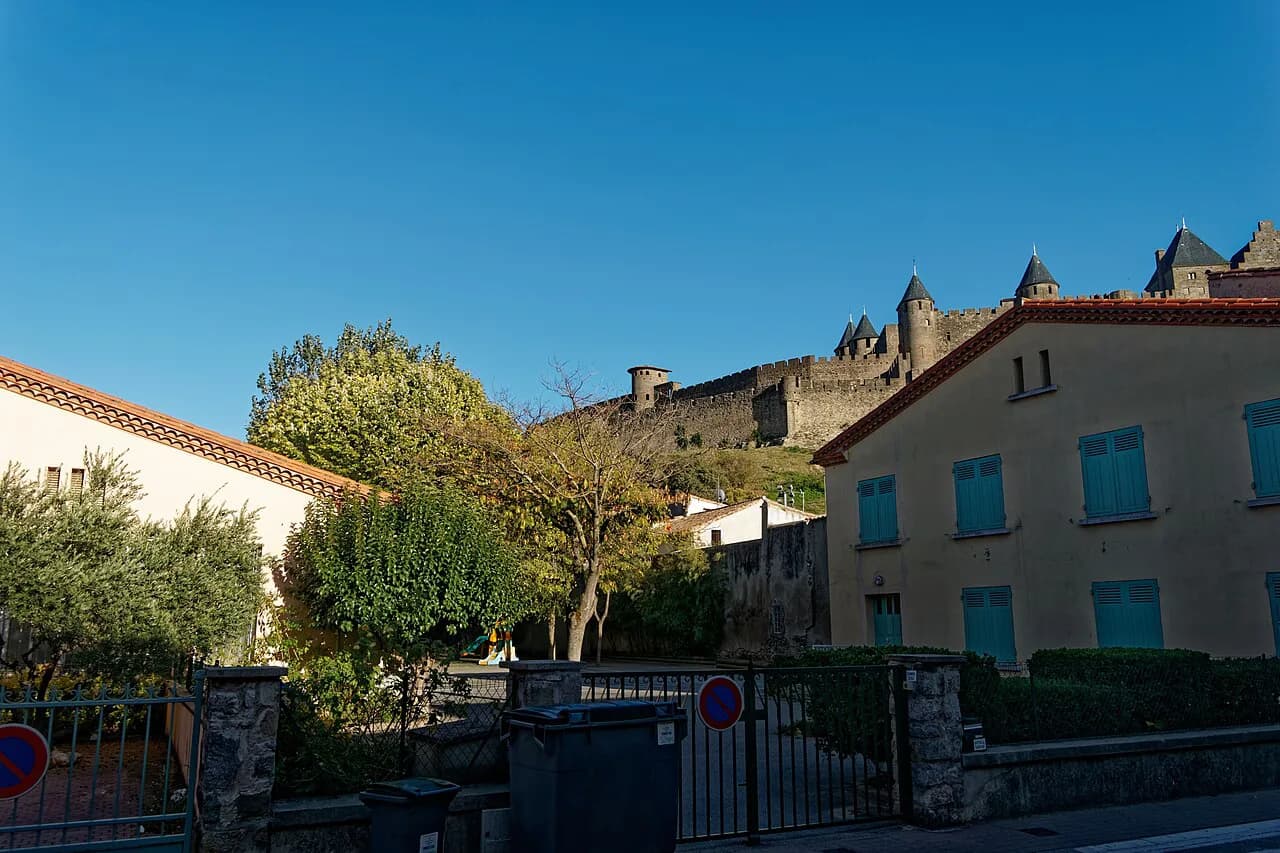
La Barbacane is the entrance district of Carcassonne's medieval cité: the gate and the lane running in from it, on the western side of the walled hilltop. It is not a separate quarter with its own postcode, and it is not a single sight you tick off. Treat it as the first stretch of the cité you walk through, and as the address of the restaurant most visitors are searching for when they type the name.
The district earns its place in a weekend because it puts you inside the walls from the first minute, with the restaurant, a bar and a bakery clustered within a few minutes of each other. It does not need a day of its own; it works best as the opening hour of a cité morning or the anchor of an evening. Distances are short and the ground is uneven, so shoes matter more than stamina.
What La Barbacane Is and Where It Sits in Carcassonne
Carcassonne splits into the hilltop Cité médiévale and the lower Bastide Saint-Louis across the river, and La Barbacane belongs firmly to the first. The name marks the western approach into the walls, so anyone arriving on foot from the lower town meets it before the main gateways. Once through, the lane bends uphill into the tangle of streets around the château and basilica.
For planning purposes the cité is compact enough to cross in a quarter of an hour at an unhurried pace, which means La Barbacane sits within walking distance of everything inside the walls. You do not need transport once you are up there, and you do not need a map for long. The useful decision is when to arrive, not how to cover ground.
La Barbacane as a Name: the Gate, the Street, the Restaurant
Three things share the name, and mixing them up is the usual reason a search for La Barbacane returns confusing results. The first is the barbican itself, the fortified gateway structure that screens the entrance. The second is the lane inside the walls that carries the name. The third is La Barbacane, the gastronomic restaurant at the Hôtel de la Cité, whose address is Place Auguste-Pierre-Pont in the 11000 postcode.
If you want the restaurant, book and address your enquiry to La Barbacane at the Hôtel de la Cité; the hotel's own pages list the restaurant, the bar and the bakery as separate destinations within the same building. If you want the street or the gate, simply walk in from the western side of the cité. There is nothing to book for the street.
The restaurant is the work of chef Jérôme Ryon and pastry chef Régis Chanel, who the hotel describes as building on traditional cooking with refinement and subtlety. The hotel also records that La Barbacane received its first Michelin star in March 2002 and has held the same standard since, which is the honest way to read its reputation: a long record rather than a fresh arrival.
The Character of the District: Inside the Walls, on Foot, Short Distances
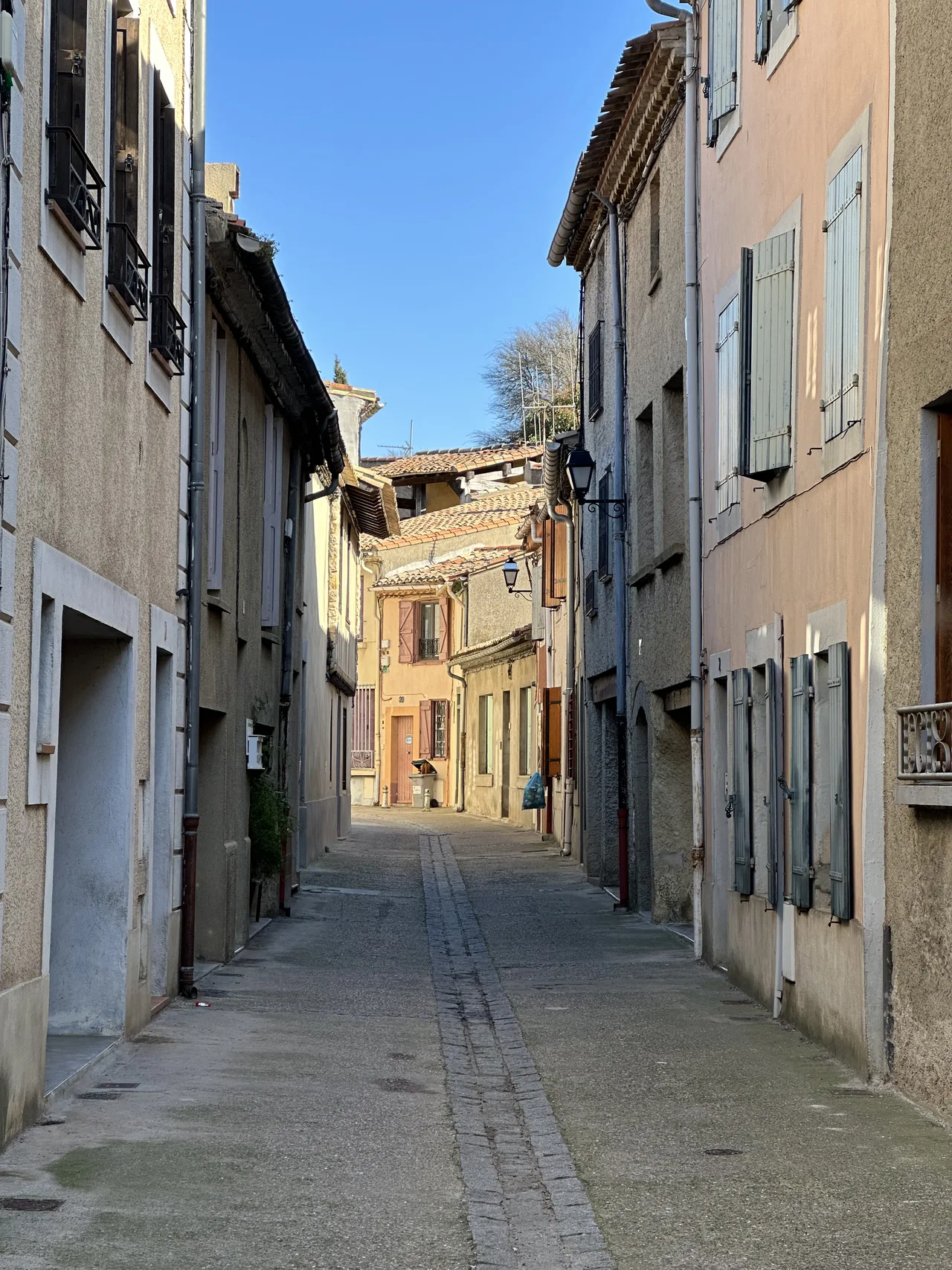
This is stone, slope and tight corners rather than boulevards. The lane runs uphill from the gate, buildings press close on both sides, and the surface underfoot is cobbled and uneven in places. Anyone with a suitcase should expect to carry or wheel it carefully rather than glide it.
The district's character is inseparable from the Hôtel de la Cité itself, a nineteenth-century building the hotel describes as standing in a calm, elegant atmosphere inside the medieval cité. That gives La Barbacane a slightly formal feel compared with the bustle around the main gateways, and it means the surroundings are as much about architecture and quiet courtyards as about street life.
Because everything is within a short walk, the district suits travellers who want to step out of a door and be among the walls immediately. It is less suited to anyone who wants flat pavements, wide squares or late-night variety on the doorstep. The trade-off is quiet and proximity against convenience and choice.
Who It Suits and Who It Does Not
La Barbacane suits couples and small groups on a short break who plan one proper dinner and want the cité at their feet for the rest of the time. It also works for anyone who prefers to see the walls early, before the day's crowds build, and to retreat to a calm base afterwards. Walkers who dislike hills should weigh it carefully.
It does not suit travellers who want to be in the middle of bars and casual restaurants late into the evening, or who need step-free access at every turn. Those needs are better served down in the Bastide Saint-Louis, where the streets are flatter and the spread of everyday shops and cafés is wider. Choose La Barbacane for atmosphere and proximity, not for convenience.
What to See in and Around the District
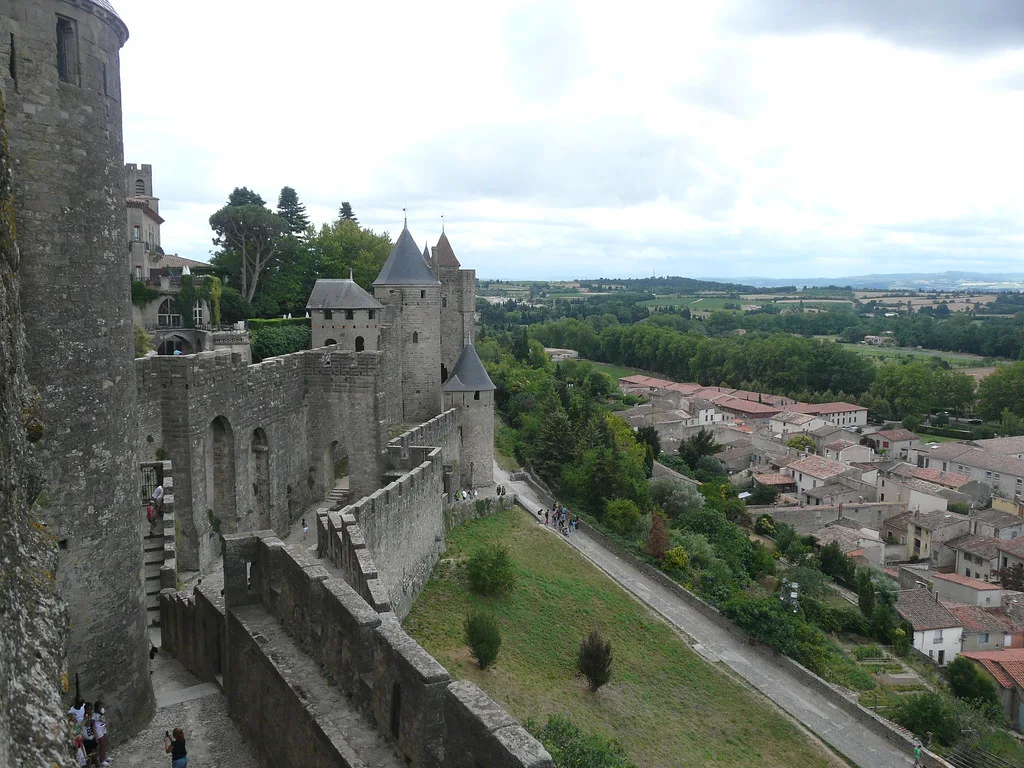
The gate itself is the first thing to look at properly: a barbican was built to slow attackers down, forcing them to turn and expose themselves before reaching the inner door. Reading that structure takes a couple of minutes and changes how the rest of the cité's defences make sense. From there, the château and basilica are within a short walk uphill.
Give the cité's main sights a half-day and keep La Barbacane as the hinge between them. The walls, towers and the château rewards a slow circuit rather than a rushed photo stop, and the lanes around the district are where you notice the restoration work and the layers of building. A full list of ticketed sights and how they compare is in the Carcassonne Attractions: 6 Visitor Guides.
If you are building a wider plan, the district slots neatly into a morning that continues along the ramparts and down towards the river side of the hill. The Carcassonne Neighborhoods: 4 Area Guides sets the cité against the lower town so you can decide how to split your days. Keep the two halves of the city separate rather than shuttling between them. If you are weighing a longer trip across the region, compare it with the things to do in Montpellier for a city break of a different shape.
Eating in La Barbacane: the Restaurant, the Bar and the Boulangerie
La Barbacane is the formal option, a gastronomic restaurant inside the Hôtel de la Cité with a menu built on renewed tradition. It is a sit-down, booked occasion rather than a quick lunch, so slot it into an evening when the rest of the day is free. The Michelin listing carries the address, Place Auguste-Pierre-Pont, and publishes service times day by day, so check the day you plan to eat before booking.
Le Bar Bibliothèque is the same building's library bar, described by the hotel as a hushed, distinctive space where the head barman and his team serve seasonal cocktail creations. In fine weather the bar moves out into the hotel gardens. It is a good choice for a drink before or after dinner in the district rather than a night out in itself.
The Boulangerie de la Cité is the everyday counterpart: an indoor room and a terrace serving as tea room, pâtisserie, grocer and bakery, and the hotel calls it a fixture of the medieval cité. It covers the light meal or the coffee-and-pastry stop that the restaurant does not. It is staffed by the same hotel, reachable on +33 4 68 71 98 71.
Menus change and rates are quoted at the time of reservation, and the sources here publish neither. Ask for the current menu and any set-price options when you book rather than relying on older figures, and reserve ahead for dinner if the restaurant is the reason for your trip.
How to Get There and How to Get Around
Reach the cité on foot from the lower town, then enter from the western side where La Barbacane sits. Once inside the walls, everything is walkable and the only real obstacles are slopes, steps and cobbles. Leave the car below; driving into the cité is not part of the plan.
Plan your footwear around ten to twenty minutes of walking between the gate, the restaurant and the main sights, plus whatever you add on the ramparts. An evening return to the lower town is downhill on foot, so settle your route before you commit to a late dinner. None of this requires a car.
When to Go and How Long It Needs
Spring and early autumn give the best balance for walking the walls and lanes without the summer crush, though the cité is busy in high season whatever the weather. La Barbacane as a district takes an hour or two on its own, and half a day if you eat there. The rest of the cité needs the better part of a day.
For a weekend, give the walled city one full day and the Bastide Saint-Louis the other, with La Barbacane as the first stop on the cité day. A Friday evening arrival allows a drink in the library bar and an unhurried start on Saturday. Two nights is enough; three lets you slow down without repeating yourself.
Practical Points on Opening Days and Booking
The one firm rule is to check the restaurant's service days directly, because the Michelin listing sets them out day by day and they are not uniform across the week. Book a table for dinner rather than turning up, and telephone on +33 4 68 71 98 71 if you need to confirm details. For the bakery and bar, ask on arrival.
The hotel hosts music evenings in its gardens in summer, with free entry and no booking, subject to capacity, which can make the district busier than expected on a given night. Treat that as a reason to book your table early rather than as a fixture of your trip, and ask the hotel what is on during your dates.
Where La Barbacane Fits into a Carcassonne Weekend
Build the cité day around the walls in the morning and La Barbacane in the evening: enter through the gate, walk the ramparts and the château, then return for dinner. That keeps the district as a beginning and an end rather than a detour. A single sentence on the lower town is enough here, because the Bastide Saint-Louis is a separate day.
If you have only one evening in Carcassonne, spend it here: the walls at dusk, a drink in the library bar and a table at the restaurant give you the cité at its best without rushing. If you have two, split them as above and keep the district for the night that matters. Either way, walk in through the gate rather than around it.
Plan Your Visit
La Barbacane is the western threshold of the Cité médiévale and the name of its best-known table: one gate, one lane, one restaurant. Decide which you are after before you book, then let the district do the rest of the work, since everything inside the walls is a short walk away.
Check the restaurant's service days on its listing and reserve ahead, ask about the bakery and bar when you arrive, and wear shoes that cope with cobbles. Build the rest of the weekend around the walls and the lower town, and La Barbacane becomes the natural start and finish of your time in Carcassonne.
Frequently Asked Questions
Is La Barbacane a neighbourhood or a restaurant?
Both names exist. La Barbacane is the western gate and lane into Carcassonne's Cité médiévale, and it is also the gastronomic restaurant at the Hôtel de la Cité, on Place Auguste-Pierre-Pont. Decide which you are looking for before you plan: the gate and street are unticketed and simply walked through, while the restaurant needs a booking.
Does La Barbacane hold a Michelin star?
The Hôtel de la Cité states that La Barbacane received its first Michelin star in March 2002 and has maintained the same level of excellence since. For the current listing and serving days, see the Michelin guide entry or telephone the restaurant on +33 4 68 71 98 71.
Is La Barbacane worth visiting if I am not eating at the restaurant?
Yes, if you are heading into the cité from the western side. The barbican gate and the lane behind it are the first stretch of the walled town, and the Hôtel de la Cité, its library bar and the Boulangerie de la Cité all sit in the same cluster. Allow an hour or two to walk through and look at the defences properly.
How long should I give the district?
An hour or two covers the gate, the lane and the immediate surroundings on foot, and half a day if you add a meal at La Barbacane. The rest of the walled city, including the ramparts and the château, takes the better part of a day on its own, so treat La Barbacane as the start or end of that day rather than a separate outing.
Do I need to book La Barbacane in advance?
Book ahead for dinner, particularly if the restaurant is the reason for your trip. Service days are set out day by day on the Michelin listing and are not uniform across the week, so check the day you plan to eat first. The bakery and bar are more casual; ask on arrival or by phone for their current hours.