Things to Do in Montpellier: Old Town, Museums and Views
Plan a short break in Montpellier with named sights, the old town layout, museums and viewpoints, plus a clear sense of how many days the city needs.
On this page
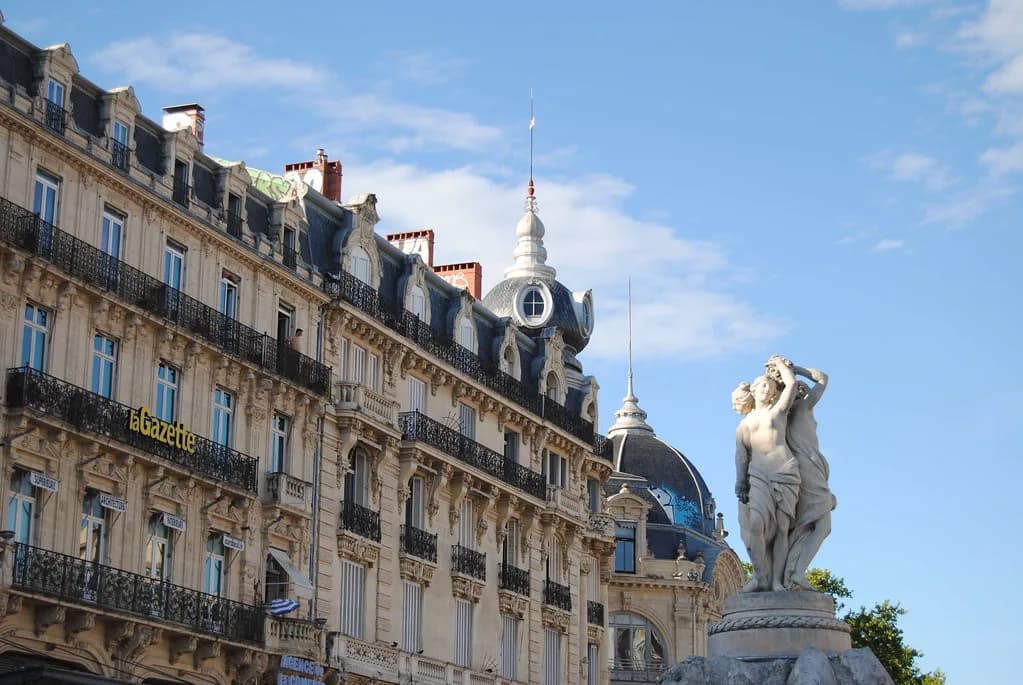
Montpellier suits a two-day break better than a checklist of unmissable sights. The old town is compact enough to cross on foot, with Place de la Comédie on its western edge, the Musée Fabre just off that square and the Promenade du Peyrou a short walk beyond the historic core. Given a weekend, you can see the centre properly and still leave time to eat well in the Hérault. If you are still deciding whether the city earns a slot in your plans, our piece on whether Montpellier is worth visiting sets out the case plainly.
This guide organises things to do in Montpellier by quarter and by theme rather than by ranking. Day one covers the squares and the Musée Fabre; day two heads for the Promenade du Peyrou, the aqueduct and the green edge of the city. For each, it says what the place is and how much of your day it deserves. If you want the sights laid out hour by hour, use the Montpellier Attractions: 6 Visitor Guides hub as a starting point and build the plan around the areas you actually want to linger in.
What to do in Montpellier in a nutshell
Montpellier sits about 10 km inland from the Mediterranean, close enough for a sea breeze and far enough to stay a city rather than a resort. Its appeal is a mix of a dense medieval core, a grand formal promenade and museums that reward a morning each. Think of it as a walking city first and a museum city second.
The headline set is short: Place de la Comédie, the Écusson lanes behind it, the Musée Fabre, the Promenade du Peyrou with its aqueduct, and the Jardin des Plantes. Everything else is either a variation on those or a detour into food. For a shortlist of individual attractions, the Montpellier attractions hub collects the guides in one place, which makes it easier to pick three things rather than fifteen.
How Montpellier is laid out
The historic centre, known as the Écusson, is a tangle of narrow lanes closed in by boulevards where the old walls once stood. Place de la Comédie is the big open square on its western side and serves as the practical reference point for most visits. On the other side of the Écusson, the Promenade du Peyrou climbs to a terrace and an aqueduct that carries water to the city.
Distances are smaller than they look on a map. The walk from Place de la Comédie to the Promenade du Peyrou takes well under half an hour at an unhurried pace, so you can group the Musée Fabre, the square and the promenade into one loop without any transport. Beyond those two points, the city spreads out and the scale changes, so decide early whether you want to stay inside the centre.
Day one: Place de la Comédie, the Écusson lanes and the Musée Fabre
Start on Place de la Comédie, the broad square that functions as the city's front room and the natural meeting point near the historic core. From there, walk into the Écusson without a fixed route and let the lanes pull you uphill. This is where Montpellier feels oldest, and the pleasure is in the wandering rather than in ticking off a list of addresses.
The Musée Fabre sits just off the square and is the city's main art museum, a natural anchor for a morning in the centre. Give it real time rather than squeezing it between two cafés. If you want to compare it with the city's other collections before choosing, our guide to museums in Montpellier covers the options and helps you decide where the hours are best spent.
The Écusson is the piece of Montpellier most people come for, and it rewards a proper half-day rather than a hurried pass. Our Montpellier old town guide picks out the streets and corners worth steering towards when you want more structure than aimless strolling. Build the rest of day one around that core and keep the museum for the cooler part of the day.
Day two: Promenade du Peyrou, the aqueduct and the garden side
The Promenade du Peyrou is the city's grand formal terrace, laid out with trees and open views, and the aqueduct that arrives there is the reason it exists. Walk up in the morning when the light is flatter and the shade is on your side. It is a short walk from the Écusson, so it belongs in the same day rather than a separate excursion.
The Jardin des Plantes is France's oldest botanical garden and gives the second day a calmer finish than another museum. Combine it with the promenade for a loop that mixes formal city planning with greenery. If green space is your priority across the city, our guide to parks in Montpellier points to the places worth adding.
For a clearer picture of what the individual sights involve before you commit a day to them, the Montpellier Attractions: 6 Visitor Guides hub is the place to start. If you would rather hand the route to someone else, a prebuilt Montpellier itinerary will do the ordering for you and leave you to enjoy the walking.
How many days Montpellier needs
Two full days is the right amount for Montpellier. That covers the Écusson, Place de la Comédie and the Musée Fabre on one day, and the Promenade du Peyrou, the aqueduct and the Jardin des Plantes on the other, with meals slotted in between. Three days lets you slow down and add a second museum or a longer lunch without cutting anything.
A single day is possible but tight: choose either the old town or the promenade side, not both. Anyone bolting Montpellier onto a longer Languedoc trip should plan two nights rather than one to avoid spending the whole visit in transit. Our dedicated itinerary page lays out a two-day sequence so you can see whether the pace suits you.
When to go
Montpellier has a Mediterranean climate, which means hot, dry summers and mild winters. Spring and autumn are the most comfortable seasons for walking the Écusson and the promenade, while high summer pushes the sightseeing into the early morning and late afternoon. Our guide to the best time to visit Montpellier sets out how each season changes the feel of the city.
Practical planning should follow the seasons rather than the calendar of events. In high summer, plan indoor time at the Musée Fabre in the middle of the day and keep the promenade for the edges. In cooler months, the reverse works better, with a long walk before a museum afternoon.
A museum-led morning, and what to do when the museum is closed
Check the Musée Fabre's published opening days before you set your dates, because a closed museum day can reshape an otherwise simple weekend. If you want a museum-heavy break, spread two collections across two days instead of both on one. Our museums in Montpellier guide is the place to see which collections suit your interests before you lock in a sequence.
If a main museum is shut, the old town and the promenade still fill a day comfortably, and both are outdoor sights that do not depend on opening hours. Use the Écusson lanes and Place de la Comédie as the backbone, and keep the museum day flexible. That way, a closure costs you an hour rather than a whole plan.
Walking Montpellier
The centre is walkable end to end: Place de la Comédie, the Écusson and the Promenade du Peyrou form a manageable triangle. Leave the car behind for the centre, and treat the boulevards as the boundary of the walkable core. Once you cross them, distances grow quickly and the city feels less like a village.
Public transport is useful for arriving and for reaching the city's outskirts, not for sightseeing within the centre. Ticketing and network details should be checked with the local transport authority rather than relying on out-of-date advice. That is the one practical point worth checking before you travel, alongside the museum closing day.
Markets and food
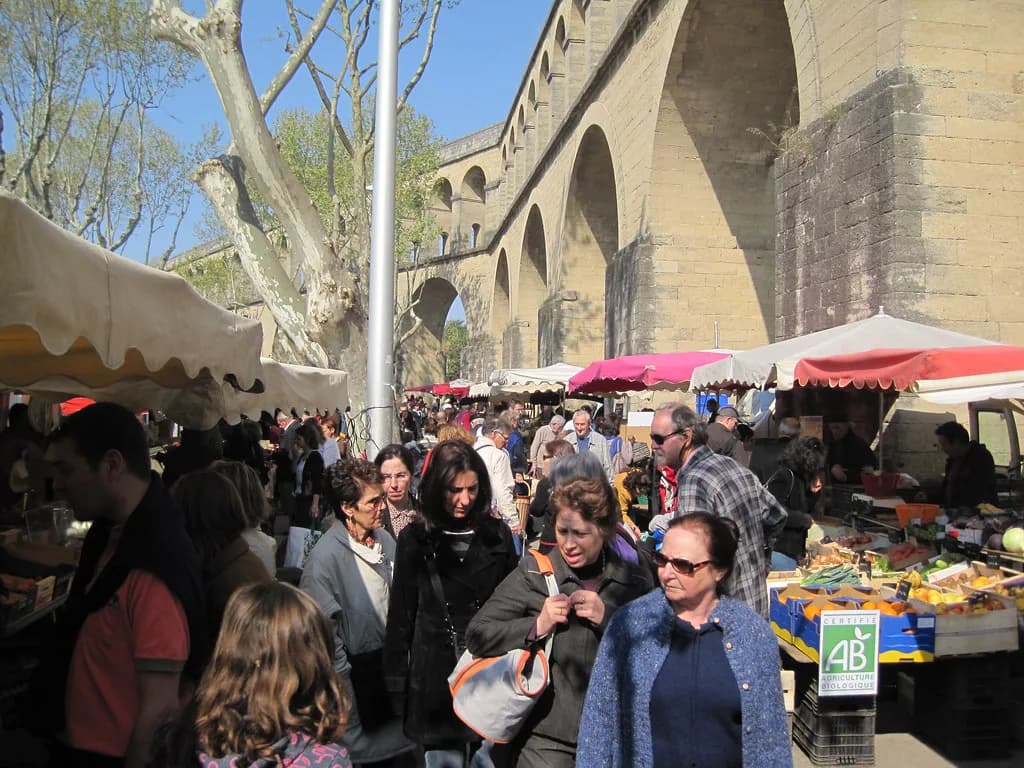
Food is a strong reason to come to Montpellier, and building lunch around a market is a good way to spend a morning without spending it in queues. Market days vary, so check the schedule for the specific market you want before you plan the day around it. Our Montpellier market guide covers where the city's markets are and how to fit one into a walk.
For an evening meal, the city has plenty of options around the Écusson and near Place de la Comédie. Our guide to the best restaurants in Montpellier picks out where to book and what to expect from the local cooking. Reserve ahead for weekend evenings, when the obvious places fill up first.
Between the markets and the restaurant scene, food can shape a whole day without feeling like a separate activity. Pair a market morning with a light lunch and keep the afternoon for the promenade; it makes a better rhythm than a heavy lunch followed by a museum.
A city break for adults: guided food and wine tours
Guided food and wine tours are a way to cover ground outside the centre quickly, particularly around Pic St Loup and the wider Hérault. Booking platforms publish current prices and availability for these tours, so compare a few before committing. They suit travellers who would rather be driven through the vineyards than work out the buses.
Treat a food tour as a substitute for a day of sightseeing rather than an addition, or the weekend gets crowded. If you have only two days, one guided half-day plus one walking day is a better balance than two guided days. Choose the half-day based on whether the food or the countryside matters more to you.
What Montpellier costs
City-break costs in Montpellier come down to museum tickets, food and any guided tour you book. Tours sold through Booking.com list a starting price in the local currency on the page, with free cancellation available on many of the options. Check the live listing for your dates rather than relying on an older figure.
Outside the tours, the centre is a budget-friendly place to walk: the squares, lanes and promenade cost nothing, and the museum is the main paid ticket. Mixing free sightseeing with one paid meal and one paid museum keeps a weekend affordable. For more on the city's appeal against that spend, our piece on visiting Montpellier weighs it up.
The honest trade-offs
Montpellier is not a coastal resort, even though the Mediterranean is close. If you want sand and sea as the main event, the city works better as a base than as the destination itself. The compensation is a dense old town and a formal promenade that a beach town does not have.
The countryside around the Hérault, including Pic St Loup, offers vineyards and scenery, but reaching it without a car means a guided excursion. Compare that with Aix-en-Provence, which has its own walkable core and the Cours Mirabeau, if you are choosing between French cities for the same weekend. Each is a strong two-day city; they offer different rhythms rather than different lengths.
Practical basics first-timers get wrong
Sundays change the city. Some shops close, and planning a shopping day around Sunday is a risk in any French city, so leave Sunday for the outdoor sights that do not depend on opening hours. Our shopping in Montpellier guide covers the city's retail areas and is useful for planning around a Sunday.
Lunchtime hours still shape a French city, so expect a quieter early afternoon and plan your walking then. Museums and markets set the rhythm of a day more than any fixed itinerary does. Book museum visits and market mornings first, then fill the gaps with the Écusson and the promenade.
If you are adding other Languedoc stops, Arles is a natural comparison: a smaller city with Roman remains and its own compact centre. Our guide on things to do in Arles shows how a short break there differs from Montpellier. Read both before you commit your two days.
Plan Your Visit
Start with the two non-negotiables: a morning in the Écusson with the Musée Fabre, and a walk up the Promenade du Peyrou to the aqueduct. Then build meals and a market around them. Two full days is enough to do this without rushing, and three gives you room to slow down.
Check the Musée Fabre's opening days and the schedule of any market you plan to visit before you fix your dates. Everything else, from the squares to the walks, works whenever you arrive. For a full sequence, the Montpellier itinerary sets out the order that keeps you on foot and unhurried.
Explore more Montpellier guides
Frequently Asked Questions
Is Montpellier worth visiting for a weekend?
Yes, for a walking break. Two full days cover the Écusson, Place de la Comédie, the Musée Fabre, the Promenade du Peyrou and the Jardin des Plantes comfortably. If you want beaches or countryside as the main event, treat Montpellier as a base rather than the destination.
How many days do you need in Montpellier?
Two full days is the right amount. That gives you one day for the old town and the Musée Fabre and one for the Promenade du Peyrou, the aqueduct and the Jardin des Plantes, with meals and a market in between. Three days lets you add a second museum or slow the pace.
What is there to do in Montpellier's old town?
The Écusson is a dense set of narrow lanes behind Place de la Comédie, and the pleasure is in wandering rather than following a fixed route. Place de la Comédie is the natural starting point, and the Musée Fabre sits just off it. Our Montpellier old town guide picks out the corners worth steering towards.
What can you do in Montpellier on a Sunday?
Plan Sunday around the outdoor sights, since some shops close. The Écusson lanes, Place de la Comédie and the Promenade du Peyrou do not depend on retail hours. Check the museum opening day before assuming it is open.
Is Montpellier an expensive city for a short break?
The centre is budget-friendly if you lean on free walking: the squares, the lanes and the Promenade du Peyrou cost nothing. The main paid ticket is the museum, and guided tours are the biggest optional extra. Check the tour listing for current prices.
Is the tram free in Montpellier?
Check the current ticketing arrangements with the local transport operator. Within the centre you will not need public transport at all, since Place de la Comédie, the Écusson and the Promenade du Peyrou are all walkable from one another.
What unusual things can you do in Montpellier?
Self-guided exploration games and tours booked through platforms let you cover the city at your own pace, and guided food and wine tours around Pic St Loup get you into the Hérault countryside without a car. These suit travellers who want to cover ground quickly rather than follow a museum sequence.
What can you do in Montpellier in one day?
Pick one side of the city: either the Écusson and the Musée Fabre, or the Promenade du Peyrou, the aqueduct and the Jardin des Plantes. Trying to do both in one day leaves you rushed. A full day on either side is better than a half-day on each.
Sources
Notes for French city breaks
Optional updates to our guides.
You might also like


Continue reading
More guides you'll find useful