Things to Do in Ajaccio: Old Town, Museums and Waterfront
Plan your time in Ajaccio with the old town, Napoleon sites, markets, citadel and waterfront, plus how the city fits together and how many days you need.
On this page
Ajaccio is a one-day city with two days' worth of breathing room. The capital of Corsica stretches along a thin strip between the Gulf of Ajaccio and the green hills behind it, and its main sights sit within a short walk of each other, so you can see the core in a single day or slow down over a weekend.
What sets the city apart is the combination: a pastel waterfront, Genoese fortifications, and Napoleon Bonaparte's presence in almost every square. It is Corsica's largest city but still feels unhurried and distinctly Corsican, with few chain stores in the centre.
The practical rule for planning is to group sights by quarter rather than criss-crossing town. Start at Place Foch and the marina, work up Rue Cardinal Fesch and Cours Napoléon, then finish at the citadel end with the cathedral and Maison Bonaparte.
What Ajaccio is like: a compact capital between the bay and the hills
Ajaccio sits on the western coast of Corsica, on the Gulf of Ajaccio, with mountains rising directly behind the town. The centre is small enough to walk end to end, which makes it easy to plan a short break without transport.
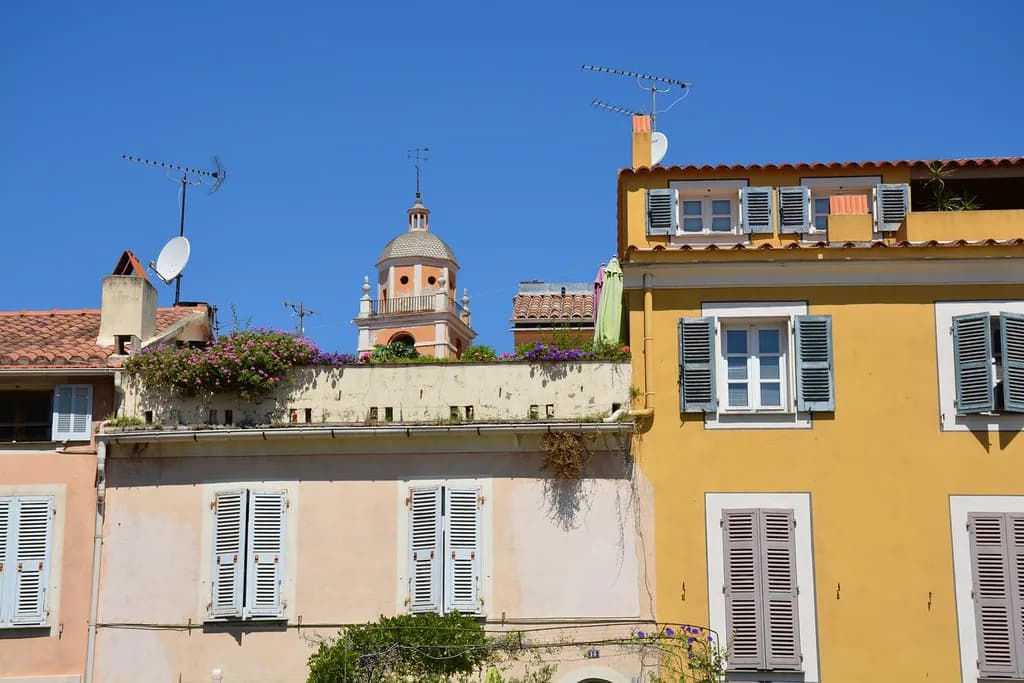
The city's character comes from layers of history: Genoese influence in the architecture and street plan, a Baroque cathedral, and the ever-present Bonaparte legacy. Pastel-coloured houses line the waterfront, though less charming apartment blocks rise behind them.
It also works as a base for the wider southwest of the island, with a reliable transport network and easy access to coastal scenery. Treat that as a bonus rather than the reason to come: the city itself fills a weekend comfortably.
How Ajaccio is laid out: Place Foch, the marina, Rue Cardinal Fesch and Cours Napoléon
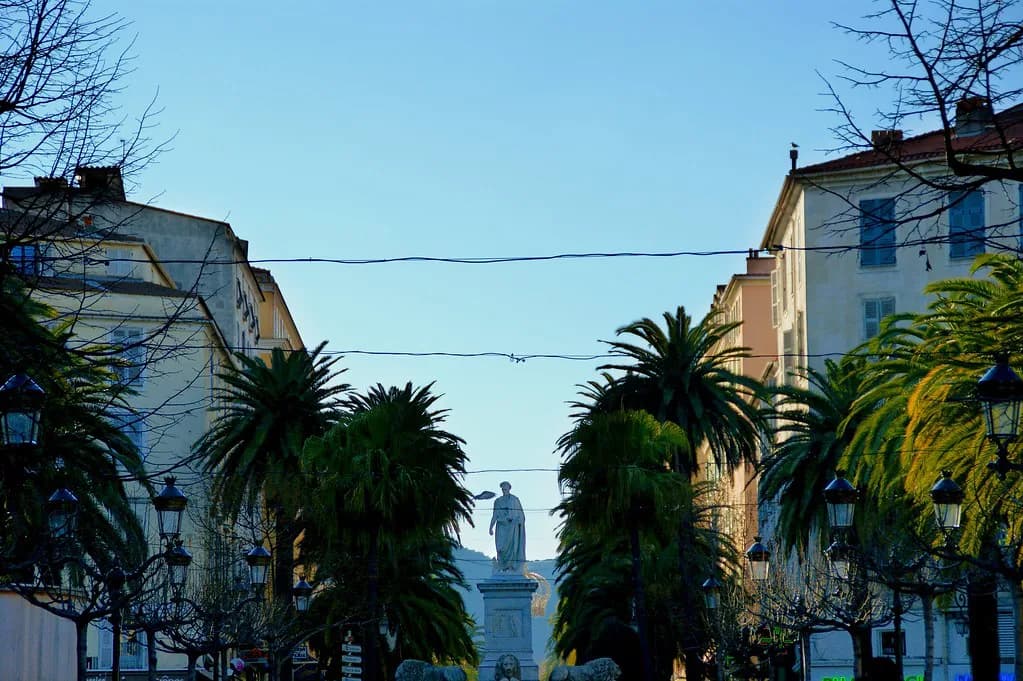
Place Foch is the natural starting point, just off the marina and next to a public car park. The square has palm trees, cafés, shaded benches, the Hôtel de Ville and a statue of Napoleon dressed as a Roman emperor above a fountain with lions, and the small tourist train leaves from here.
From the square, Rue Cardinal Fesch runs inland as the main pedestrian thoroughfare, lined with shops selling souvenirs, Corsican products and clothing, plus cafés and gelato stands. Cours Napoléon runs parallel as the busier shopping boulevard, with a Monoprix and smaller food shops.
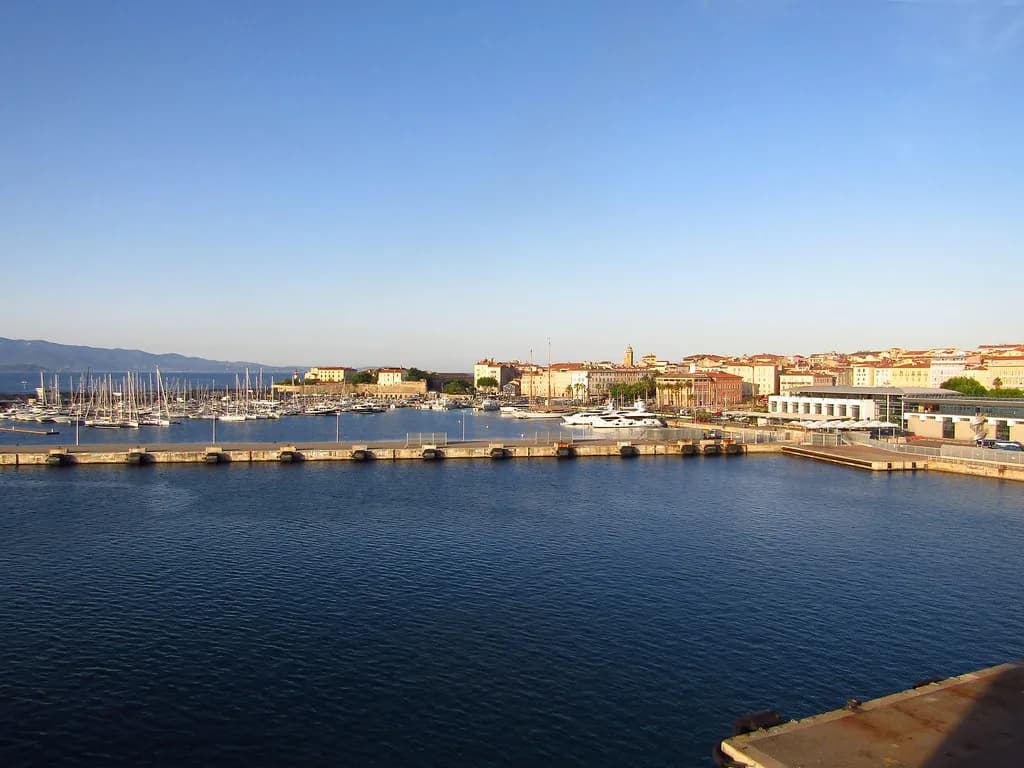
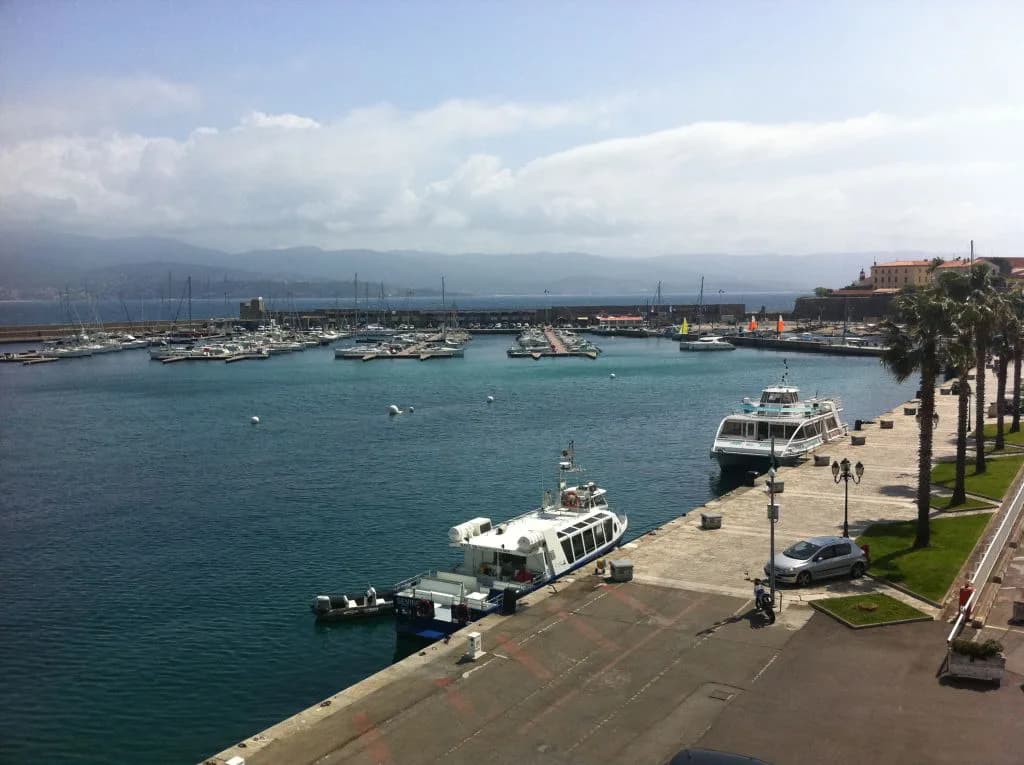
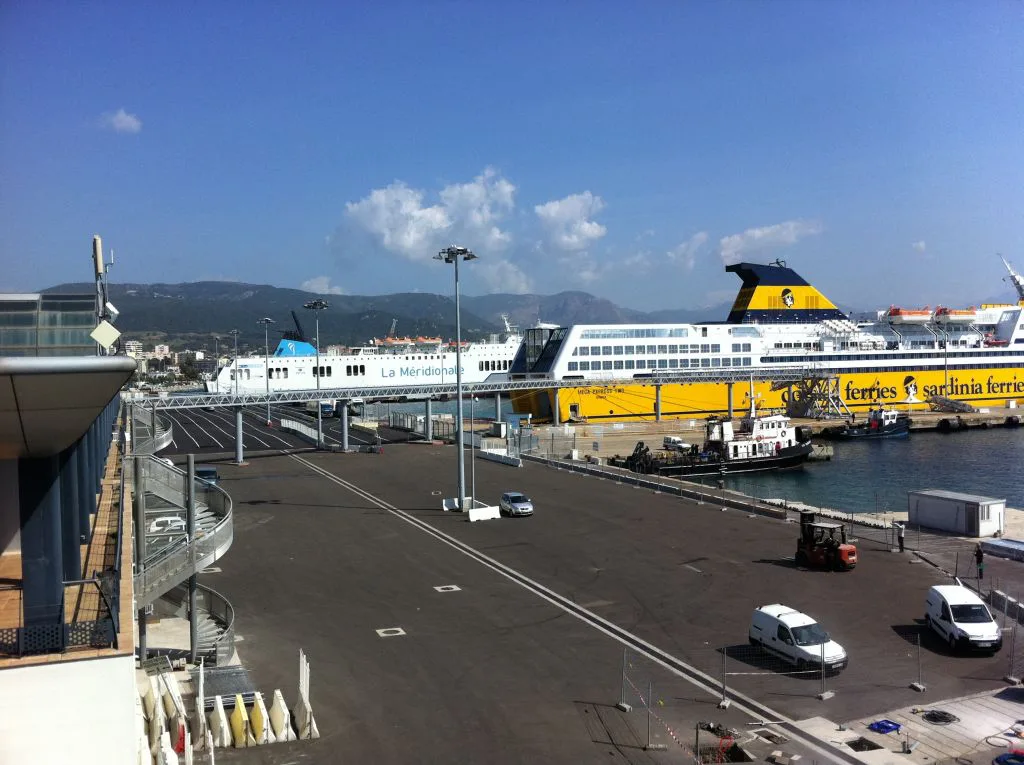
The marina runs alongside the old town and is calmest away from the ferry terminal, where large ships arrive and depart. South of Place Foch the streets narrow into the old town, with the cathedral and the citadel beyond.
Napoleon's Ajaccio: Maison Bonaparte, the cathedral and the Imperial Chapel
Maison Bonaparte, a short walk from the cathedral, is the house where Napoleon was born in 1769 and spent part of his childhood. It is now a museum with period furniture, portraits and personal items, and it is small enough to fit into a morning.
Plan that visit carefully: the museum is closed on Mondays and shuts for a short while around lunchtime, so a midday slot can be wasted. Go first thing or in the early afternoon.
The Cathédrale Notre-Dame de l'Assomption, just south of Place Foch near the citadel and Plage Saint-François, is a small Baroque building with a richly decorated interior, and it is where Napoleon was baptised. Combine it with the citadel rather than making a separate trip.
Near the Musée Fesch, the Chapelle Impériale was built as the resting place of Napoleon's family, including his parents and Cardinal Fesch, and is covered by the same ticket. It opens only from May to the end of October, so outside that window the museum visit stands alone.
Museums worth your morning: Musée Fesch and the Bonaparte connection
The Musée Fesch, founded by Napoleon's uncle Cardinal Fesch, holds Italian paintings from the 14th to the 18th centuries, including works by Botticelli, alongside French and Corsican pieces. Several floors with high ceilings make it a proper collection rather than a small house museum.
It sits on Rue Cardinal Fesch, so it slots neatly into a morning that also takes in the pedestrian street and the cathedral. Ticket prices and opening hours are published on the museum's own website, which is the place to confirm them before you go.
If your interest is Napoleon rather than art, put Maison Bonaparte first and treat the Fesch as the optional second stop. The two are close enough that doing both in one day costs you little extra walking.
The old town and citadel: Genoese walls and the waterfront in front
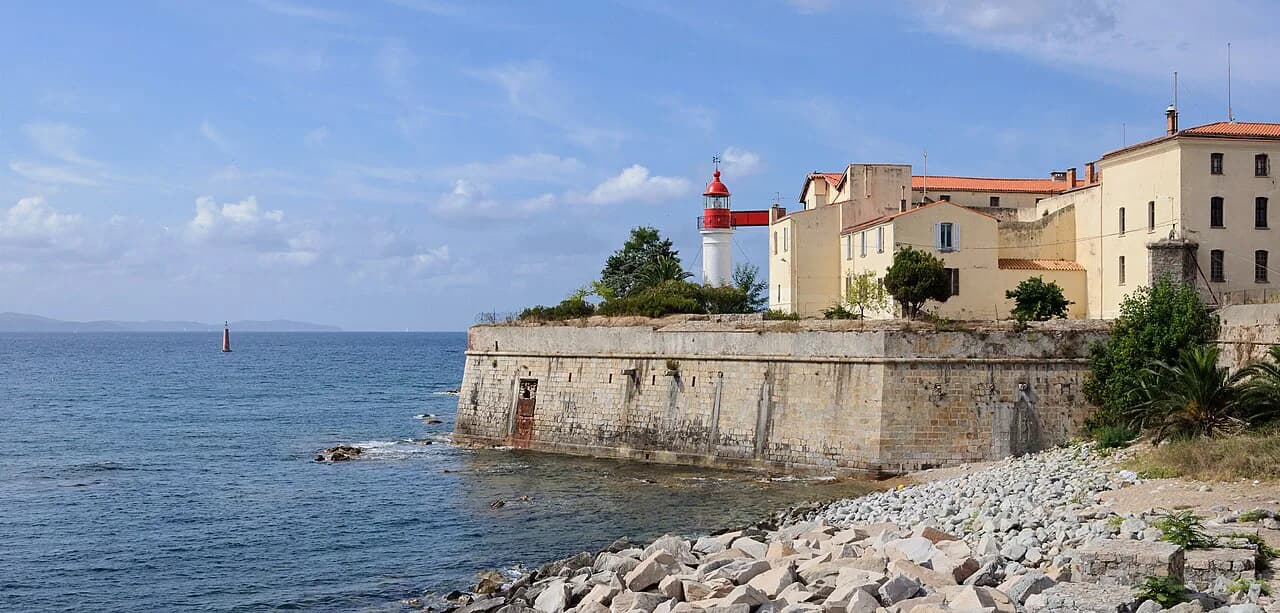
The citadel at the southern tip of the city was originally built by the Genoese in 1492 and fortified in the 16th century into the fortress visible today. It served as a military stronghold for centuries and has only welcomed civilians since 2020, which gives it a different feel from a restored monument.
Inside, the atmosphere is tranquil, with a small restaurant, and a short uphill walk gives a view over the beach in front of the fortress. For the best look at the walls themselves, head to the marina or the beach just to the left.
The lanes between Place Foch and the citadel are the Genoese Quarter, where the streets narrow and the pace drops. Walk this end of town in the late afternoon, when the light softens and the day-trippers thin out.
Ajaccio market: which mornings to plan around
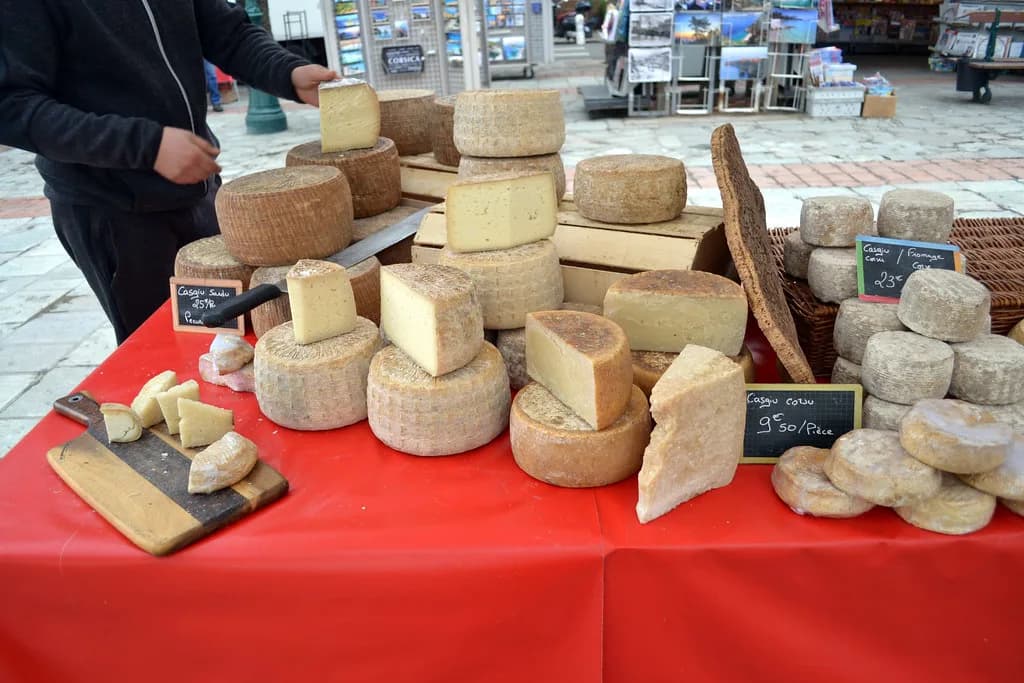
The market, also known as the Marché d'Ajaccio or Marcatu d'Aiacciu, sits in and around the covered hall by Place César Campinchi near the marina. Stalls sell local produce, fruit and vegetables, coffee, spices and island specialities, making it a good stop for edible souvenirs.
It runs from Tuesday to Sunday, roughly from 07:00 or 07:30 to 13:00, and opens on Mondays only during the summer. Wednesdays and Saturdays are the liveliest days, when more local producers join the line-up.
On weekends there is also a street market beside the food stalls, with clothes, jewellery and other bits. If the market is a priority, build your day around a Wednesday or Saturday morning and keep everything else for the afternoon.
Squares and viewpoints: Place Foch, Place d'Austerlitz and the Bois des Anglais
Place d'Austerlitz stands further from the centre but is still walkable, following Cours Grandval and Cours Général Leclerc past historic buildings and a more residential side of town. Its large bronze statue of Napoleon in military uniform, above a flight of stone steps, is a popular photo stop with a view through the trees.
The walk there is uphill, so treat it as a half-hour detour rather than a stroll, and go in the morning if you dislike climbing in the heat. Near the base of the monument is a small cave where Napoleon is said to have played as a child.
Just above Place d'Austerlitz, the Bois des Anglais is a shaded pine path with benches and several viewpoints over the city and the sea. It is not strenuous but does involve some climbing, and it pairs naturally with the monument.
Back downhill, Place Foch is the place to end the day with a coffee under the palms. Check the Ajaccio Attractions: 6 Visitor Guides hub if you want each of these sights written up on its own.
The waterfront and beaches within the city
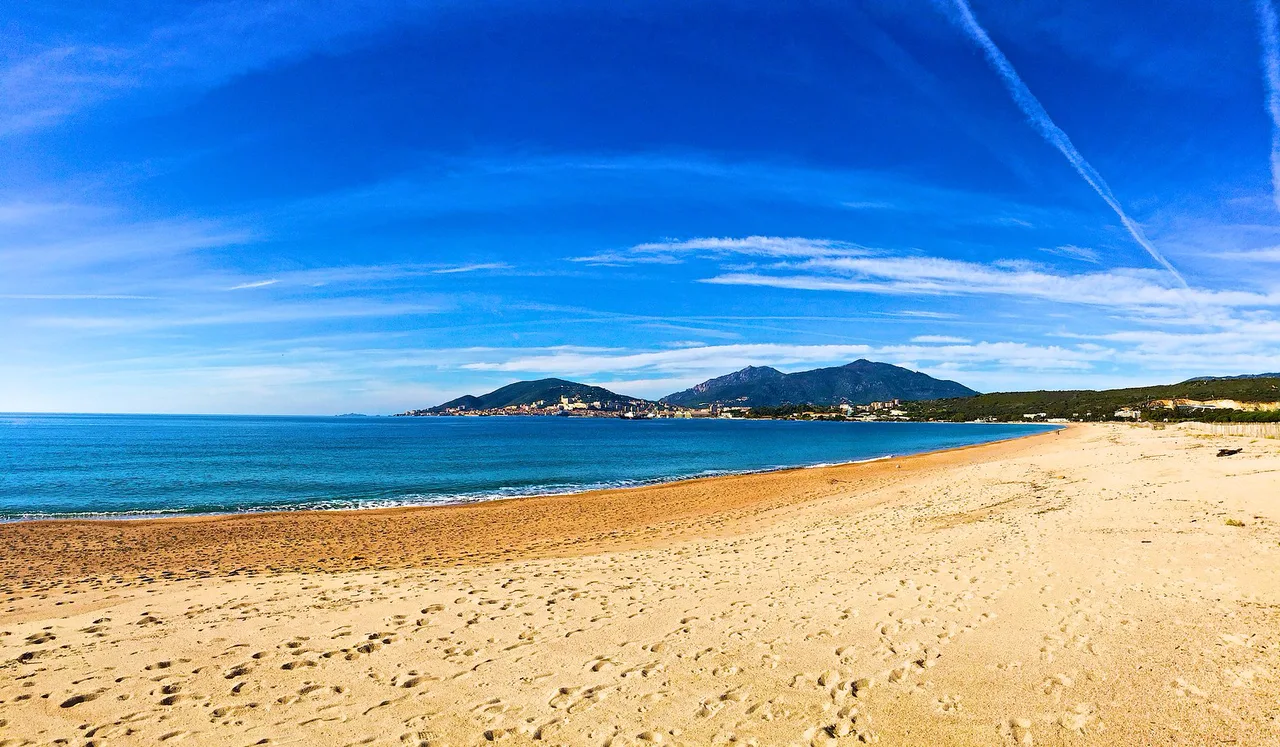
Plage Saint-François sits right in town next to the citadel: small, sandy and convenient for a quick swim without leaving the centre. Plage Trottel, southwest of the centre, is easy to reach on foot, family-friendly and popular with locals.
Further out, Plage de Terre Sacrée is a long white-sand beach around a quarter of an hour from Ajaccio on the road to Pointe de la Parata, more natural and peaceful than the city beaches. Plage de Porticcio, across the bay, can be reached by sea shuttle from the harbour.
Use the city beaches as a late-afternoon cool-down rather than a main event, and keep longer beach time for a second day. That leaves the first day free for the old town and museums.
Walks beyond the centre: Pointe de la Parata and the Chemin des Crêtes
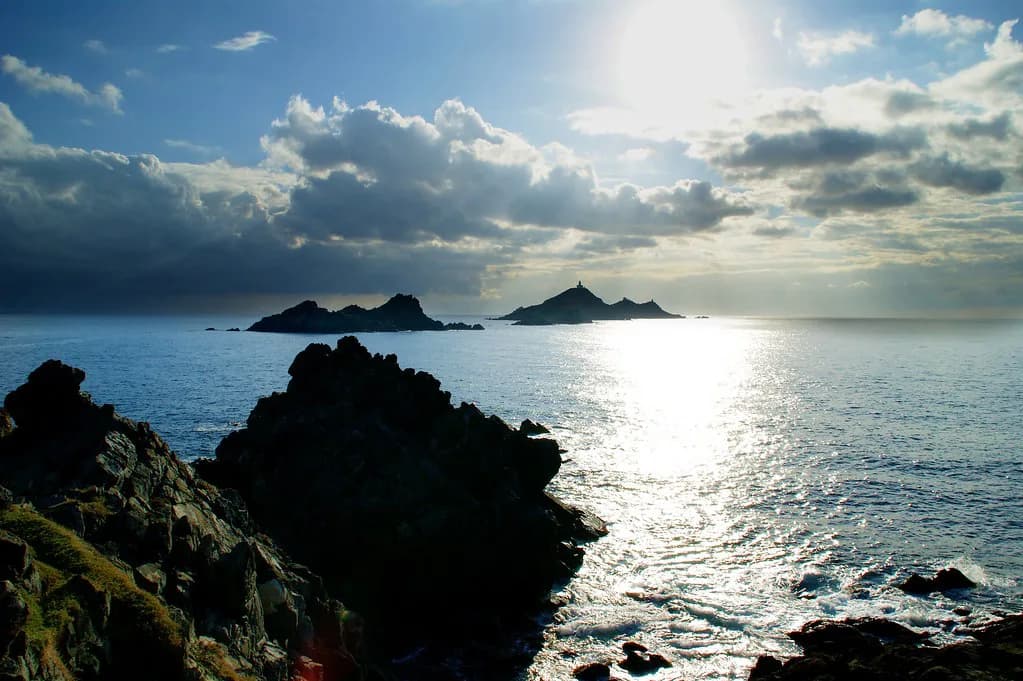
Pointe de la Parata, about 20 minutes along the D111 coastal road, has dramatic cliffs, a Genoese tower and views across to the Îles Sanguinaires. You cannot drive all the way out, but a paved path runs from the main car park to a seaside restaurant and looping trails.
Closer in, the Chemin des Crêtes leads from the centre of town up into the maquis-covered hills to the west, with views over Ajaccio and out to the islands. It is the better choice if you have only a half-day spare and no car.
Both work as a single excursion rather than a day trip, so they earn a place in a two-day plan. If you are weighing whether the city justifies the journey at all, read is Ajaccio worth visiting before you book.
How many days Ajaccio needs: one day, two days or a long weekend
You can see most of the sights in one day, walking from Place Foch through the pedestrian street to the cathedral and citadel. Spending two days allows a more relaxed pace, with time for the museums, the market and a beach.
Three days is more than the city core needs unless you add the coastal walk to Pointe de la Parata and a slow market morning. For a long weekend, use the extra time for the water and the hills rather than more churches.
If your dates are flexible, the best time to visit depends on how much you value warm sea over quieter streets; the city works year-round, with the Imperial Chapel open only from May to October.
A suggested two-day plan for a weekend break
Day one: start at the market if it is a Wednesday or Saturday, then walk up Rue Cardinal Fesch to the Musée Fesch and the Chapelle Impériale if it is between May and October. After lunch, take in the cathedral, Maison Bonaparte and the citadel, and finish on the marina or at Plage Saint-François.
Day two: follow Cours Grandval to the Napoleon monument at Place d'Austerlitz, continue into the Bois des Anglais for the viewpoints, then come down for lunch. Use the afternoon for Pointe de la Parata by car or the Petit Train, or for a beach if the weather is kind.
For evening eating, the best restaurants in Ajaccio cluster around the marina and the pedestrian streets, and booking ahead helps on summer weekends.
Practical points: cruise-ship days, closed days and market mornings
Ajaccio stays quiet for a capital until a cruise ship docks, when the centre fills quickly. Check the port schedule for your dates and plan museum visits for those mornings if you want space.
Two closures shape the week: Maison Bonaparte is shut on Mondays and over lunch, and the market skips Mondays outside summer. Build the itinerary around Tuesday to Saturday and you avoid both problems.
Opening hours and ticket prices for the museums are published by each site; confirm them for your dates before setting out. The tourist office just around the corner from Place Foch can also help with what is open.
Plan Your Visit
Ajaccio rewards a simple plan: one day for the old town, Napoleon sites and the waterfront, a second for the market, a viewpoint and the coast. Group your walking by quarter and check the two closure rules that matter, and the city fits neatly into a weekend.
If you want to compare it with other short-break options before committing, our guides to things to do in Aix-en-Provence and things to do in Amboise set out what those cities deliver over the same length of stay.
Explore more Ajaccio guides
Frequently Asked Questions
What can you do in Ajaccio in one day?
Walk from Place Foch along Rue Cardinal Fesch, visit the Musée Fesch or Maison Bonaparte, then take in the cathedral and the citadel, finishing on the marina or at Plage Saint-François. That covers the core comfortably in a day.
Is Ajaccio worth visiting?
Yes, as a short city break rather than a week-long destination. It combines a walkable old town, Genoese fortifications, Bonaparte sites and a working morning market with city beaches and coastal walks close by.
What is Ajaccio famous for?
It is best known as Napoleon Bonaparte's birthplace, and the city is full of references to him, from Maison Bonaparte to the statues in Place Foch and Place d'Austerlitz. It is also known for its pastel waterfront and Genoese citadel.
Which day is the market in Ajaccio?
The market runs from Tuesday to Sunday, roughly from early morning until about 13:00, with Wednesdays and Saturdays the liveliest days. It opens on Mondays only in summer, and weekend street stalls sit beside the food hall.
When is Maison Bonaparte open?
Maison Bonaparte is closed on Mondays and shuts for a short period around lunchtime. Plan your visit for the morning or early afternoon on a Tuesday to Sunday and check the museum's own site for current details.
How many days do you need in Ajaccio?
One full day covers the main sights. Two days gives a relaxed pace with the market, a museum and a beach, and a long weekend adds Pointe de la Parata or the Chemin des Crêtes.
Can you walk into Ajaccio from the cruise port?
The marina runs alongside the old town, and the ferry terminal is on the waterfront close to the centre, so you can walk into town from the port rather than needing a taxi.
Sources
Notes for French city breaks
Optional updates to our guides.
You might also like
Continue reading
More guides you'll find useful