One Day in Ajaccio: Old Town or Sanguinaires?
Plan one day in Ajaccio: Maison Bonaparte, the cathedral, Musée Fesch and Marché Central, then choose the Sanguinaires coast or a harbour beach.
On this page
One day in Ajaccio covers the essentials comfortably because the historic core is compact: Maison Bonaparte, the cathedral and the Musée Fesch sit within a few minutes of each other, and the harbour is a short walk away. The real decision comes after lunch, when you pick between the coastal road to the Sanguinaires and an afternoon on the sand.
Ajaccio is the capital of Corsica, on the island's west coast, and its identity rests on three things: Napoleon Bonaparte, who was born here in 1769, a pastel old town clustered around Place Foch, and a coastline of red-rock islands and beaches that begins at the edge of the city. A single day rewards a tight plan rather than a long list.
Why Ajaccio suits a single day
The city stacks its sights close together, so you spend little time in transit. Maison Bonaparte, the Cathédrale Notre-Dame-de-l'Assomption and the Musée Fesch form a walkable Napoleonic core, with the old town's cafés and the Marché Central a few streets away. The coast west of town is a single road, which makes an afternoon there straightforward rather than an expedition.
Treat the morning as fixed and the afternoon as a choice. Napoleon's birthplace, the cathedral and the Fesch collection are the three stops that justify the trip on their own, and all sit within a short stroll. Whatever you do after lunch depends on whether you want scenery or sand.
Start at Maison Bonaparte
Begin at Maison Bonaparte, the house where Napoleon was born in 1769 and which now operates as a museum. The rooms are furnished with 18th-century decor, with personal artefacts and portraits of the Bonaparte family tracing his Corsican childhood, his military rise and the family's place in European history. Allow around an hour if you read the displays, less if you move briskly.
Go early. This is the anchor of any first morning in Ajaccio, and it sets up the rest of the day: the cathedral and the Fesch museum both deepen the Napoleonic story you have just read. Check the museum's own ticket desk for current admission and any seasonal timetable before you set out.
Five minutes to the cathedral
The Cathédrale Notre-Dame-de-l'Assomption stands a short walk from Napoleon's birthplace, a coral-hued baroque church where he was baptised in 1771. Inside, look for the baroque detailing, the religious artwork and a painting by Delacroix. It is modest in scale compared with France's cathedrals, and that intimacy is part of its appeal.
Give it twenty to thirty minutes. The visit slots neatly between the birthplace and the museum, and its position in the old town means you emerge into narrow streets rather than onto a main road. Keep the pace gentle here; the morning's other stops are heavier on reading.
Musée Fesch and the Italian Renaissance
The Musée Fesch holds one of France's strongest fine-art collections outside Paris, assembled by Cardinal Joseph Fesch, Napoleon's uncle. Its Italian Renaissance paintings include works by Botticelli, Titian and Bellini, alongside Napoleonic memorabilia and paintings by Corsican artists. The building, a former palace with a tranquil courtyard, makes the collection pleasant to move through rather than exhausting.
An hour is the right allowance on a one-day visit. If your time is tighter, prioritise the Renaissance rooms and skip the memorabilia, since the birthplace has already covered the biographical ground. Pick up the museum's own leaflet for room order so you do not double back.
Place Foch and a mid-morning pause
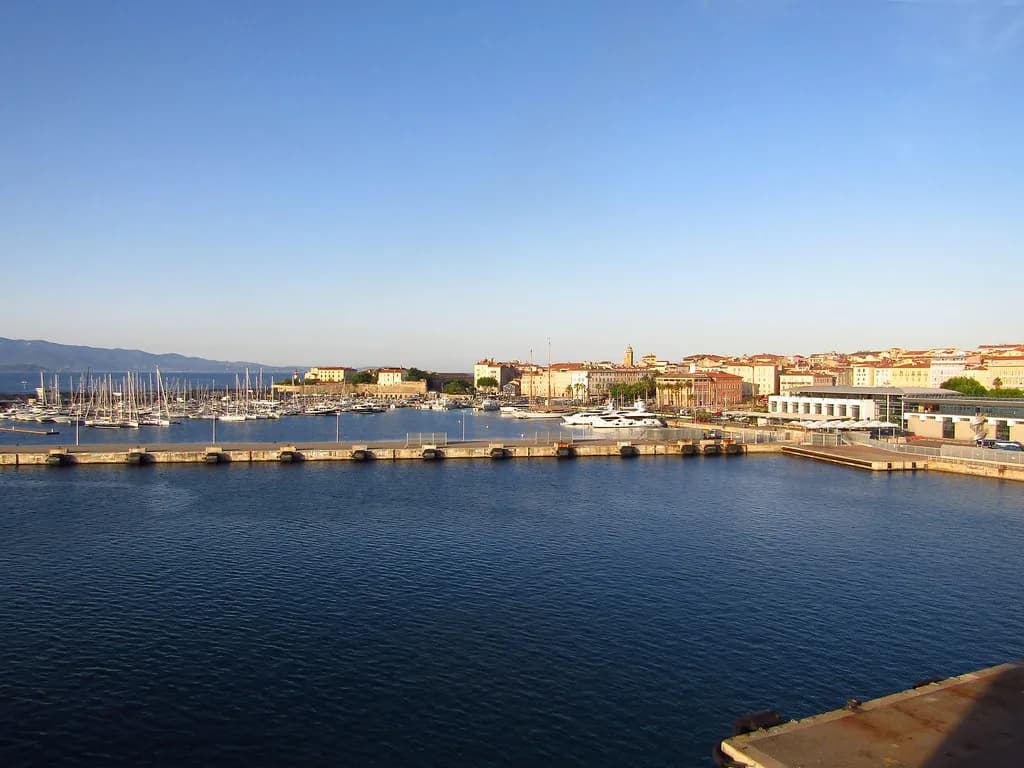
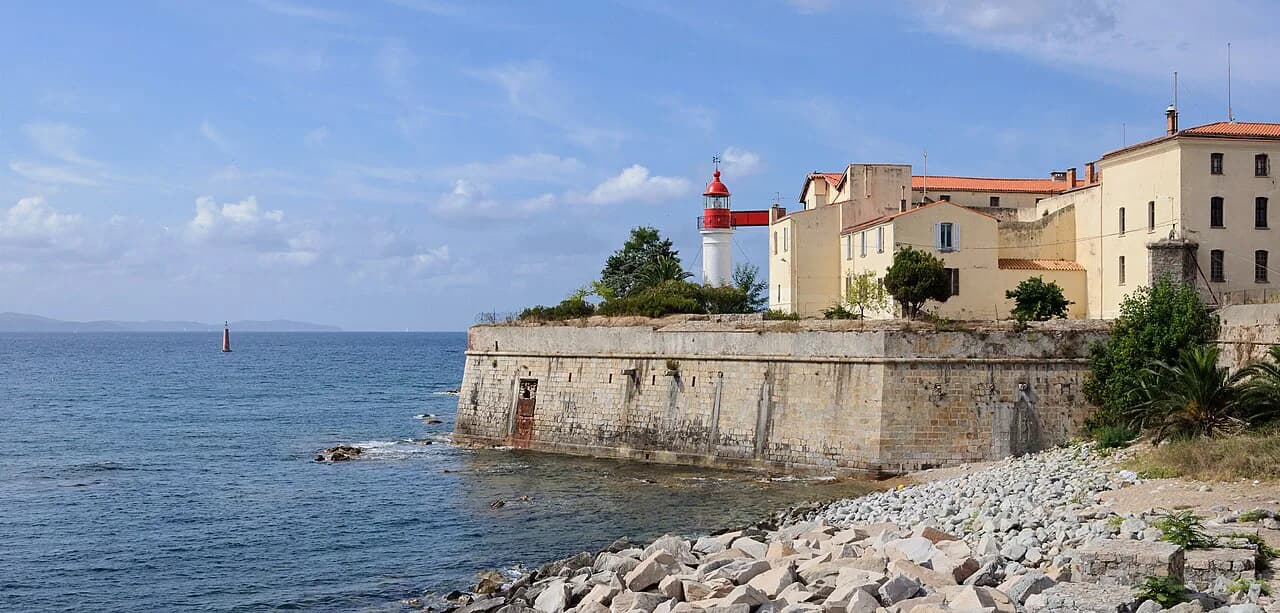
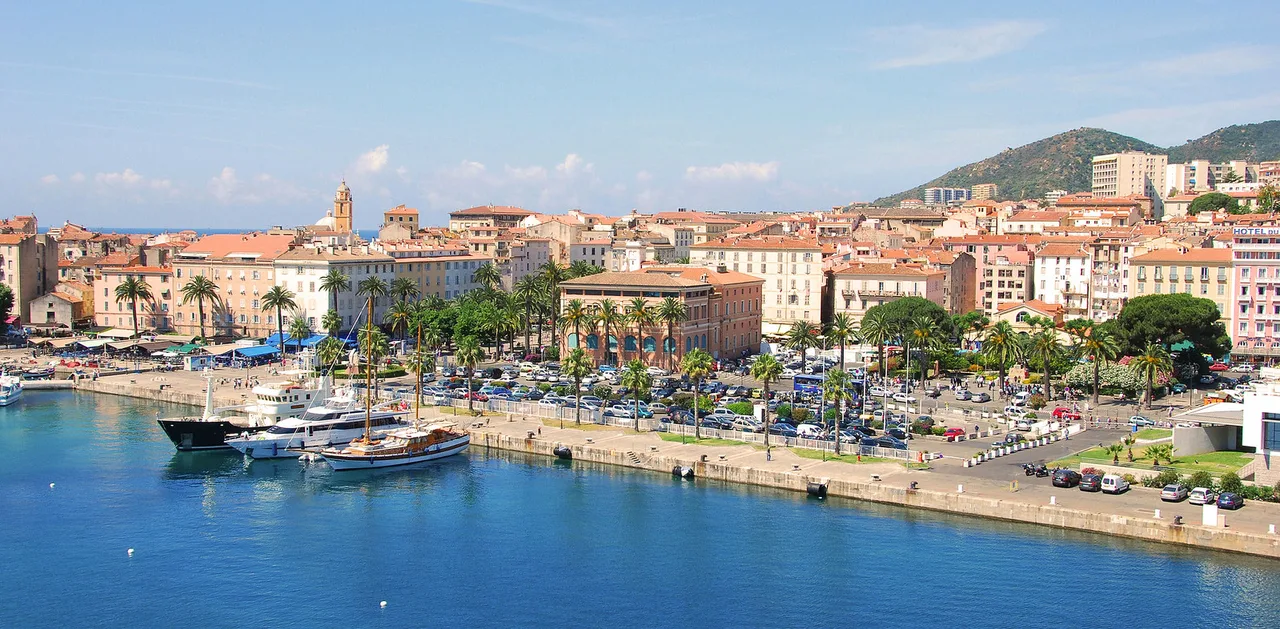
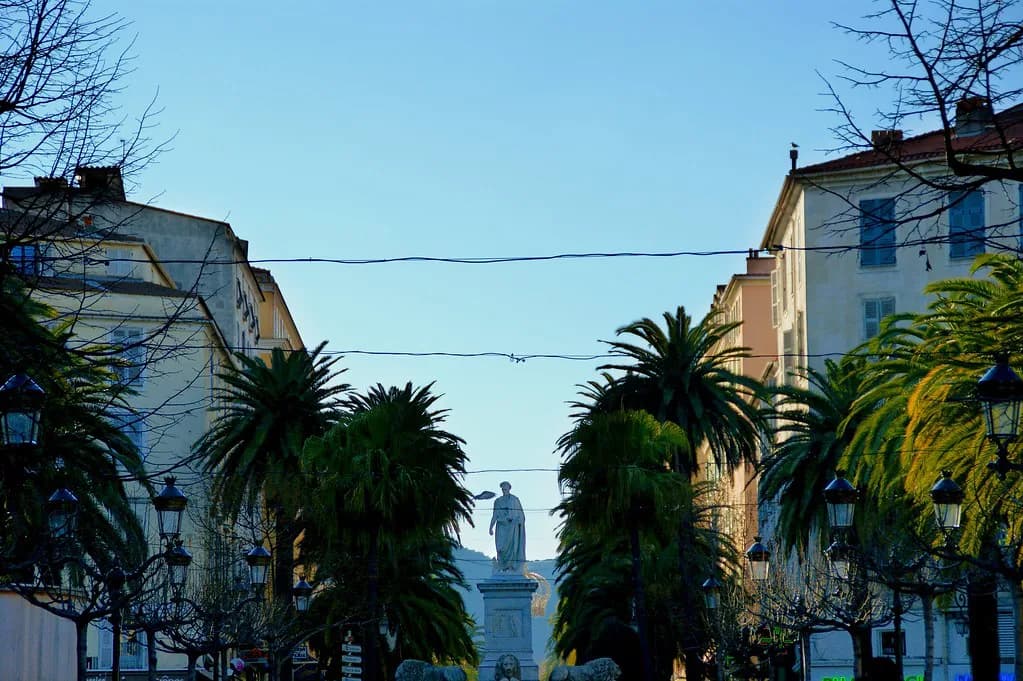
Place Foch is the natural centre of the old town, ringed by pastel buildings, cafés and open-air stalls. The surrounding lanes are cobbled and narrow, made for a slow wander with a coffee stop rather than a checklist. The harbour is close by, where fishing boats and yachts share the waterfront and seafood restaurants line the quay.
Use this pause to reset the day. A coffee and twenty minutes in the square is enough, and the old town's lanes lead naturally towards the market without any detour. If you would rather browse than sit, the streets around the square carry small shops worth a look.
Lunch and the Marché Central in Place Campinchi
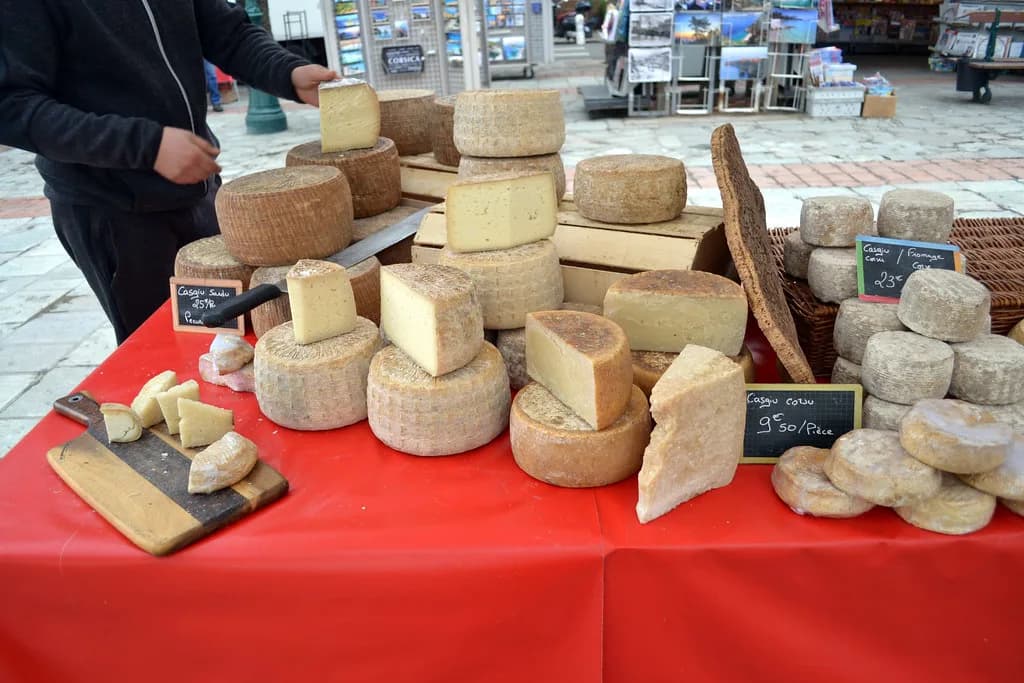
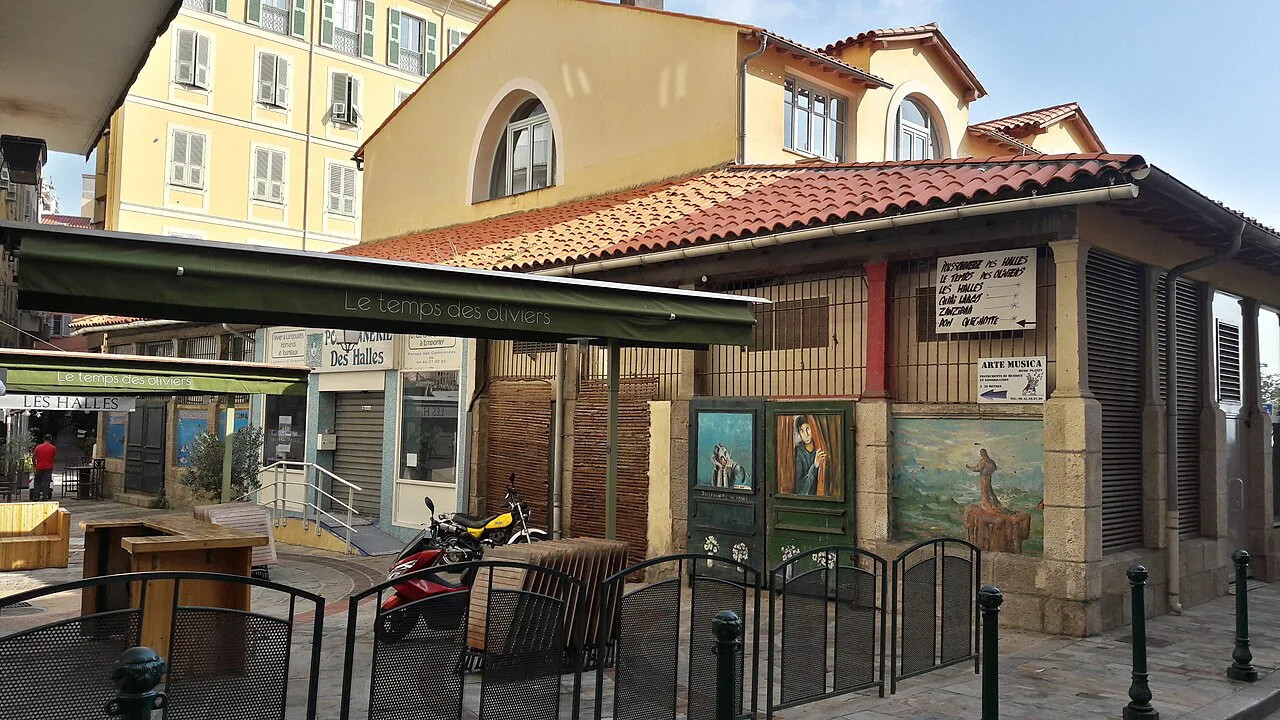
The Marché Central d'Ajaccio, held in Place Campinchi, is the best lunch stop in the city for a short visit. Stalls carry cheeses, cured meats, olives, honey and local wines, much of it made in the mountains and small villages just outside Ajaccio. Look for brocciu, the soft sheep's cheese, wild boar sausage, and jams made from chestnuts and figs.
Build a picnic here rather than sitting down, or use the stalls to decide what to order later. Either way the market earns its place as a proper stop rather than an afterthought, and it supplies the afternoon: bread, cheese and fruit travel well to the coast.
For a table instead, the old town has plenty of choice, and Corsican cooking runs to wild boar stew, grilled fish with herbs and village-made cheese. Book nothing in advance for lunch; walk the lanes off Place Foch and pick what looks busy.
Afternoon choice one: a harbour dip at Plage Saint-François
If you want the day to stay slow, stay in town. Plage Saint-François is a small beach near the harbour, good for a quick swim or a view across the water at sunset, and it costs you almost no travel time. This is the option for anyone whose priority is the old town and the market rather than a drive.
Spend the late afternoon wandering back through the lanes and finish with a drink on the waterfront. It is the least rushed version of a day in Ajaccio, and it leaves room for a proper dinner.
Afternoon choice two: the Route des Sanguinaires and Pointe de la Parata
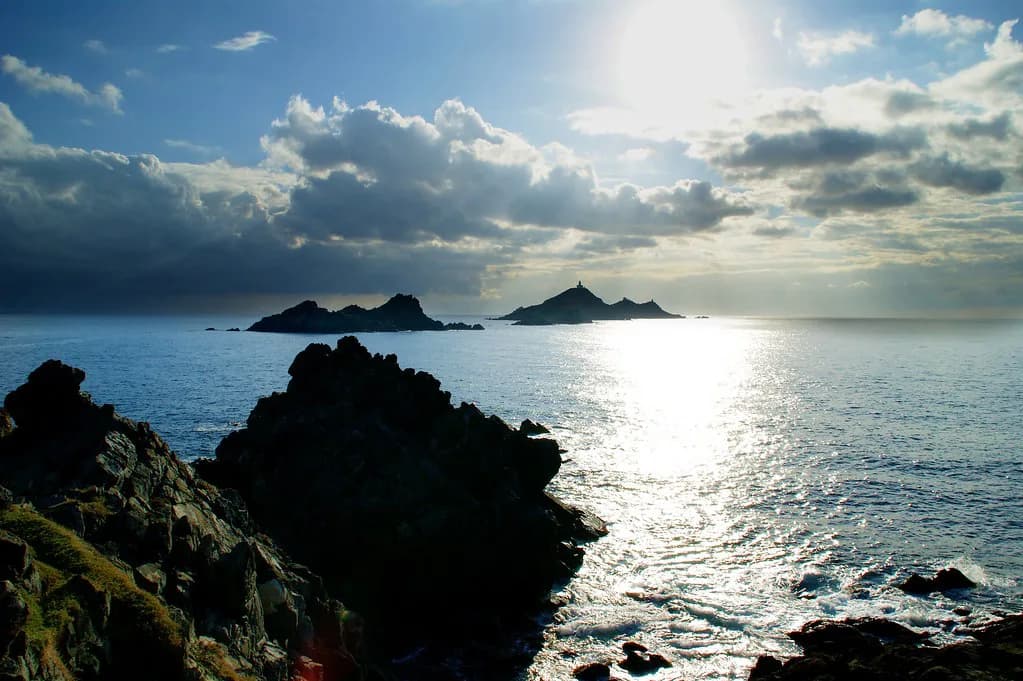
The stronger afternoon for most first-time visitors is the coast road west. The Route des Sanguinaires winds out of Ajaccio past cliffs, coves and pull-offs built for photo stops, swimming and picnics. At its end, the Pointe de la Parata offers dramatic views of the Îles Sanguinaires, a small uninhabited archipelago that glows red at sunset.
The Genoese tower on the rocky promontory above the point is the landmark to aim for, with marked trails and benches along the way. Bring the market picnic and time your arrival for late afternoon, when the light does the work. Sunset over the islands is the reason to choose this over the beach.
Getting to the Sanguinaires: road or boat
Two ways reach the islands, and they are alternatives rather than a combined plan. Boat excursions run from Ajaccio with swimming stops and wildlife sightings, and they put you among the islands rather than looking at them. The coastal road gives you the Pointe de la Parata, the tower and the freedom to stop where you like.
With one day, pick one. A boat trip commits your afternoon to a schedule; the road lets you leave when you want but keeps the islands at a distance. Compare departure times and prices with the operators along the harbour before deciding, particularly if sunset is the goal.
If you want sand instead: Ricanto and Capo di Feno
Ajaccio's beaches differ in character, so pick by mood. Plage du Ricanto is a long stretch of golden sand with shallow turquoise water, the easiest choice for families and anyone wanting a conventional beach day. Capo di Feno is wilder and windswept, popular with surfers and nature lovers, and it stretches the day further from the centre.
Choose sand only if you are content to skip the Sanguinaires. Doing both leaves no time for the old town in the evening, and the drive to Capo di Feno eats into the afternoon. The harbour beach at Saint-François remains the compromise if the weather turns.
Evening: dinner in the old town
Return to the old town for dinner and eat Corsican. Civet de sanglier, the island's wild boar stew, and fiadone, a lemony cheesecake made with brocciu, are the dishes to order, alongside fresh fish grilled with herbs. A glass of Corsican rosé or a red from the island's mountain vineyards rounds it off.
Dining al fresco with a plate of charcuterie corse is the simplest pleasure in the city, and the lanes around Place Foch are full of options. Arrive before the rush if you are tired from the coast road; the harbourfront fills later.
One day or two?
One day gives you the Napoleonic core, the market and one afternoon on the coast or the sand. A second day lets you do the other afternoon properly, add the beaches at a relaxed pace and spend longer in the old town's lanes without watching the clock.
If your only free day is a port call, the walkable version works best: birthplace, cathedral, Fesch, market, harbour. Save the Sanguinaires for a stay of two nights or more, when sunset on the coast is not a race against a departure.
Practical timing for the day
Run the morning in order: Maison Bonaparte first, the cathedral next, then the Musée Fesch, with Place Foch as the pause between museum and market. Aim to eat around the market by early afternoon, leaving the whole afternoon free for whichever coast option you choose. Dinner back in the old town closes the loop.
If you are running late, cut the Fesch museum rather than the market or the coast; the birthplace and cathedral carry the Napoleonic story on their own. The old town rewards a slow hour, so protect that time rather than squeezing in one more sight.
Timings shift with the season and with the day of the week, so confirm opening times with each museum and check market days with the city's tourist office before you travel. That single check protects the whole plan.
Plan Your Visit
One day in Ajaccio works because the city does not demand much travel between its best sights. Napoleon's birthplace, the cathedral, the Fesch collection and the Marché Central sit within a short walk, and the coast is a single road west. Choose between the Sanguinaires and the beach, build a picnic at the market, and the day fills itself. If you like the sound of a compact, walkable city day, our one day in Metz itinerary makes a natural comparison.
Book nothing beyond your transport, check museum opening days before you go, and leave the evening free for a long dinner in the old town. That is enough structure for a city that rewards a slower pace.
Explore more Ajaccio guides
Frequently Asked Questions
Is one day enough for Ajaccio?
Yes, for the essentials. The Napoleonic core, the Marché Central and one afternoon on the coast or at a harbour beach fit comfortably into a single day because the sights sit close together. A second day lets you add the other afternoon and spend longer in the old town.
What should you do first in Ajaccio?
Start at Maison Bonaparte, the house where Napoleon was born in 1769 and now a museum. It sets up the rest of the morning: the cathedral where he was baptised in 1771 is a short walk away, and the Musée Fesch, founded by his uncle, follows naturally.
Is Ajaccio walkable?
The historic core is. Maison Bonaparte, the Cathédrale Notre-Dame-de-l'Assomption, the Musée Fesch, Place Foch and the Marché Central in Place Campinchi are all within a short stroll, and the harbour is close by. The Route des Sanguinaires and the beaches beyond the city need transport.
Should you take a boat to the Sanguinaires or drive?
Treat them as alternatives. A boat excursion puts you among the islands with swimming stops but commits your afternoon to a schedule. The coastal road gives you the Pointe de la Parata, the Genoese tower and freedom to stop, but keeps the islands at a distance.
What food is Ajaccio known for?
Corsican cooking: civet de sanglier, fiadone made with brocciu, grilled fish with herbs, charcuterie corse, and cheeses, honeys and chestnut or fig jams sold at the Marché Central. Brocciu, a soft sheep's cheese, is the ingredient to seek out.
How much does a day in Ajaccio cost?
Museum admission and boat excursion prices are set by each operator, so check them at the ticket desk or on the harbour before you commit. The market, the old town lanes and the Pointe de la Parata viewpoint need no ticket, which keeps a one-day budget low.
Where can you eat lunch on a short visit?
The Marché Central in Place Campinchi is the practical choice: buy cheese, charcuterie, olives and bread for a picnic that travels well to the coast. For a sit-down meal, the lanes around Place Foch are full of restaurants.
Is Ajaccio worth visiting for a weekend?
Yes. The Napoleonic sights, the market and the coastline give a weekend shape without rushing, and the old town rewards a slow evening. One day covers the core; two days let you see both the Sanguinaires and the beaches.
Sources
Notes for French city breaks
Optional updates to our guides.
You might also like
Continue reading
More guides you'll find useful