Shopping in Ajaccio: Streets, Markets and Local Specialities
A practical guide to shopping in Ajaccio: the pedestrian streets and boulevards to browse, the market days that matter, and the Corsican food to bring home.
On this page
Shopping in Ajaccio takes an afternoon, not a day, because the useful shops sit in a handful of streets between the marina and the old town. The city's real draw is food: the central market and its gourmet hall sell Corsican charcuterie, cheeses, honey and olive oil that make far better souvenirs than anything printed with a napoleonic portrait. Plan the browsing around Rue Cardinal Fesch and Cours Napoléon, and plan the food buying around the market calendar, because Monday is a dead loss for produce.
Shopping in Ajaccio at a glance: a compact centre you can cover on foot
The shopping core runs roughly from Place Foch and the marina up through the pedestrian lanes to Cours Napoléon, a distance you can cross in well under twenty minutes. Rue Cardinal Fesch is the browsing street, pedestrian-only and lined with souvenir shops, Corsican product shops, clothing and plenty of places for coffee or gelato. Cours Napoléon runs alongside it as the busier, more practical boulevard, with everyday shops rather than holiday trinkets.
Treat the two as one loop rather than two separate trips: start at the marina end, work up Rue Cardinal Fesch, cut across to Cours Napoléon and come back down towards Place Foch. That way a single morning covers the browsing and the practical shopping without doubling back. If you only have a few hours in port, this loop plus the market hall is a realistic half-day.
Rue Cardinal Fesch: the pedestrian street for browsing and souvenirs
Rue Cardinal Fesch is Ajaccio's main pedestrian thoroughfare, and the mix is what makes it useful: local shops selling souvenirs, Corsican products and clothing sit alongside cafés and gelato stands. It is traffic-free, so browsing is unhurried, and in the early evening the café terraces spill onto the pavement. This is where you buy the edible gifts you have not already bought at the market, and where you kill an hour before dinner.
The street takes its name from Cardinal Fesch, Napoleon's uncle, and the Palais Fesch art museum and the Chapelle Impériale sit at the top end, so a shopping walk here pairs naturally with a museum stop. The imperial chapel is a listed monument with published hours of 9.15am to 6pm, so check before building it into a shopping morning.
Cours Napoléon: the practical shopping boulevard
Cours Napoléon is a bigger, busier boulevard running next to Rue Cardinal Fesch, and it is where locals shop rather than where visitors browse. Expect everyday chains and useful stops rather than souvenirs, which makes it the place to pick up anything you forgot to pack. It is also the faster route if you need a specific item rather than a wander.
The two streets are close enough to combine without effort, but they serve different purposes, so decide before you set out. If you want gifts and atmosphere, give your time to Rue Cardinal Fesch; if you need a pharmacy, a supermarket or a replacement charger, Cours Napoléon is quicker. Short-break shoppers usually need both, and an hour covers the pair. It is the same browse-or-buy split you will recognise from the shopping in Antibes, where the old town lanes and the practical boulevards divide the same way.
Place Foch and the marina: where a shopping stroll starts
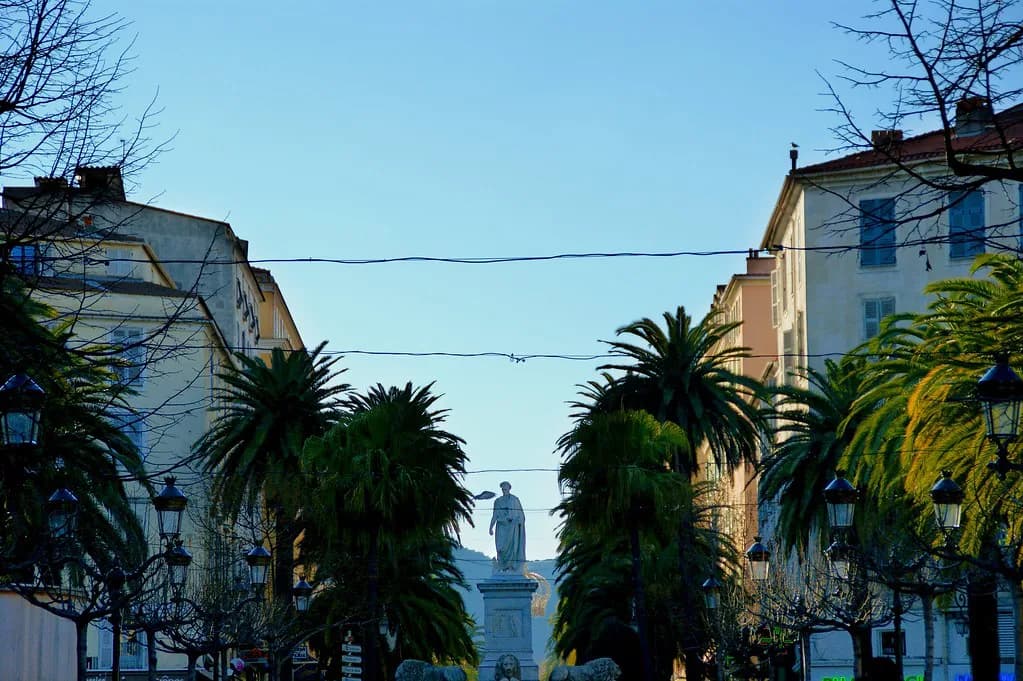
Place Foch is the natural starting point for a shopping walk: a small, palm-lined square just off the marina, with cafés, shaded benches and a statue of Napoleon dressed as a Roman emperor above a fountain. The tourist office sits around the corner, and the little tourist train leaves from the square. From here you are a couple of minutes from Rue Cardinal Fesch and the market.
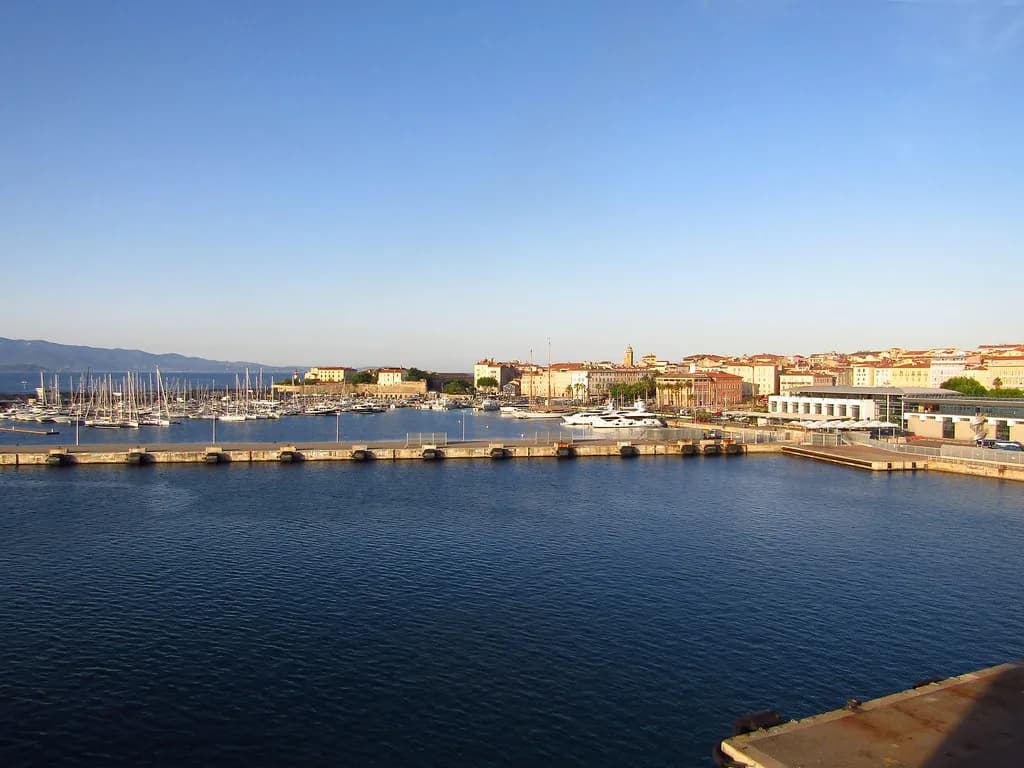
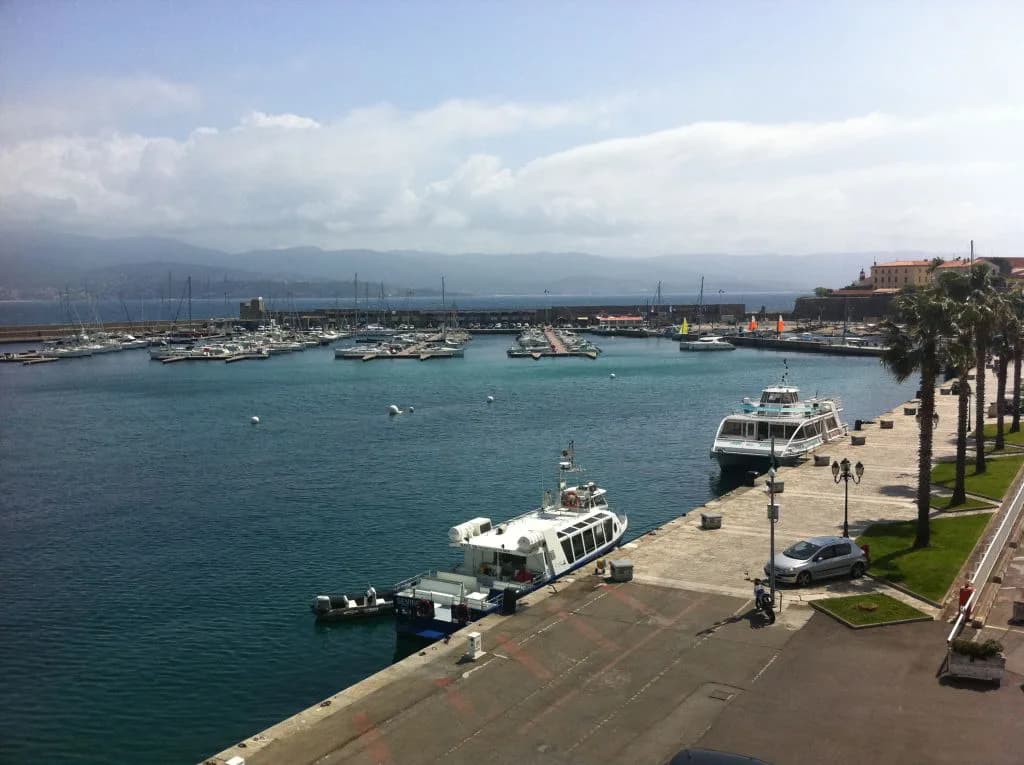
The marina itself is a pleasant promenade rather than a shopping destination, with views over the boats and the mountains behind the city. It gets busy around the ferry terminal when large ships arrive and depart, so the quieter stretches are north and south of the port. Use the waterfront as the link between the market and the old town rather than as a place to shop.
Marché d'Ajaccio on Place Campinchi: what's sold and when it opens
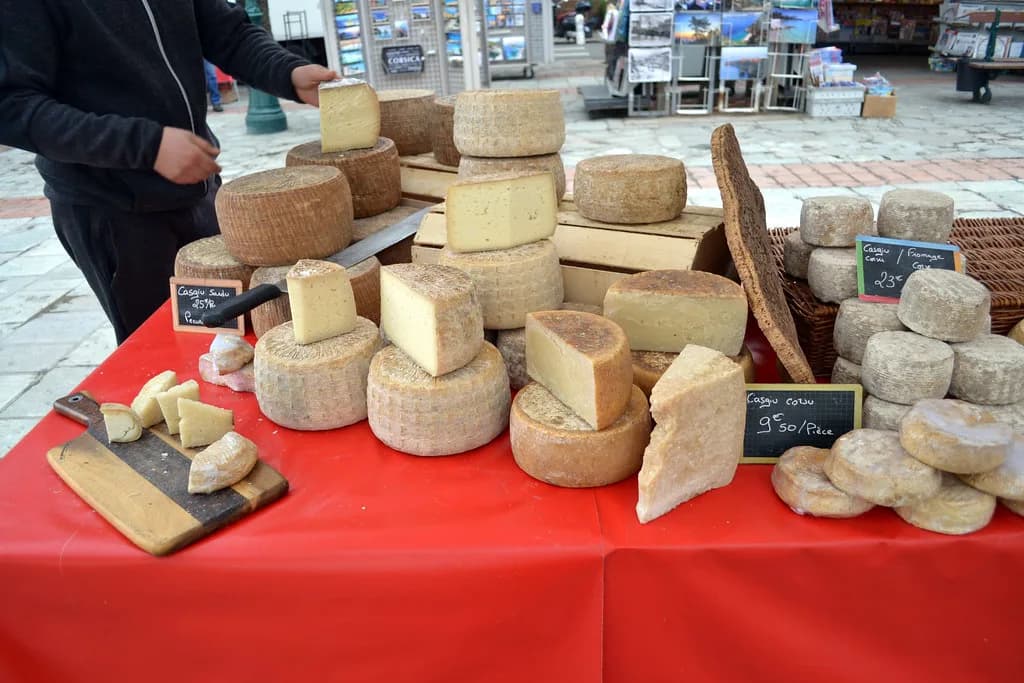
The central market, the Marcatu d'Aiacciu, sits on Place Campinchi in the city centre near the tourist office, and it is the single best place in Ajaccio to buy Corsican food. Stalls sell artisanal charcuterie, seasonal fruit and vegetables, Corsican cheeses such as brocciu and goat's and ewe's tomme, PDO olive oils, honey from the maquis, fritters, chard and onion bastelles, and fresh Mediterranean fish. The published market hours are Tuesday to Sunday, with the main market listed as 9am to 1pm and the Halle Gourmande until 2pm.
The market is closed on Mondays, and it does not run on 1 January, 1 May or 25 December. A farmers' market expands on Wednesday and Saturday mornings, and a fair market selling clothing, jewellery and essential oils runs on Saturday and Sunday mornings between Square Elisa and the Halle Gourmande. In other words, the weekend is the liveliest and most crowded time to visit.
The Halle Gourmande: buying fish, cheese and charcuterie under one roof
The covered Halle Gourmande on Place Campinchi is the practical heart of the market, with a fishmonger stocked by local fishermen, a cheesemonger, a delicatessen, a patisserie, a wine merchant, a roaster and fast food. It opens Tuesday to Sunday until 2pm, an hour later than the open-air stalls according to the published times, and it offers on-site catering and tasting, so you can eat where you shop.
Buy your cheese and charcuterie here rather than on Rue Cardinal Fesch if you care about freshness and choice, then carry it straight back to your apartment or picnic spot. For a sit-down meal instead, the surrounding streets have plenty of options, and our picks for the best restaurants in Ajaccio lean on exactly this kind of Corsican produce.
Place Abbatucci market: the smaller, quieter option near the station
Place Abbatucci, a stone's throw from the train station, hosts its own market on Saturday and Sunday mornings from 9am to 1pm, with fruit and vegetables, charcuterie, cheeses and fish from local producers. It is the sensible alternative when Place Campinchi is heaving at the weekend, and it suits anyone arriving or leaving by train. The trade-off is scale: fewer stalls, less choice, but far less jostling.
What Corsican food products to buy and how to carry them home
The strongest souvenirs in Ajaccio are edible: artisanal charcuterie, brocciu and tomme cheeses, PDO olive oil, honey from the maquis, and vacuum-packed charcuterie if you are flying. Brocciu is a fresh whey cheese that does not travel well, so eat it there and buy the aged cheeses for the suitcase. Honey and olive oil are the safest bets for a flight home, and both are sold on Place Campinchi.
Check your airline's rules on liquids and food before you buy olive oil by the litre, and pack anything soft in the middle of your case. Charcuterie and hard cheese survive a short flight in hand luggage better than you might expect; fresh cheese and fish do not. If you are travelling light, buy small and buy late in the trip rather than carrying jars around all weekend.
Shopping around the cruise port: fitting it into a port day
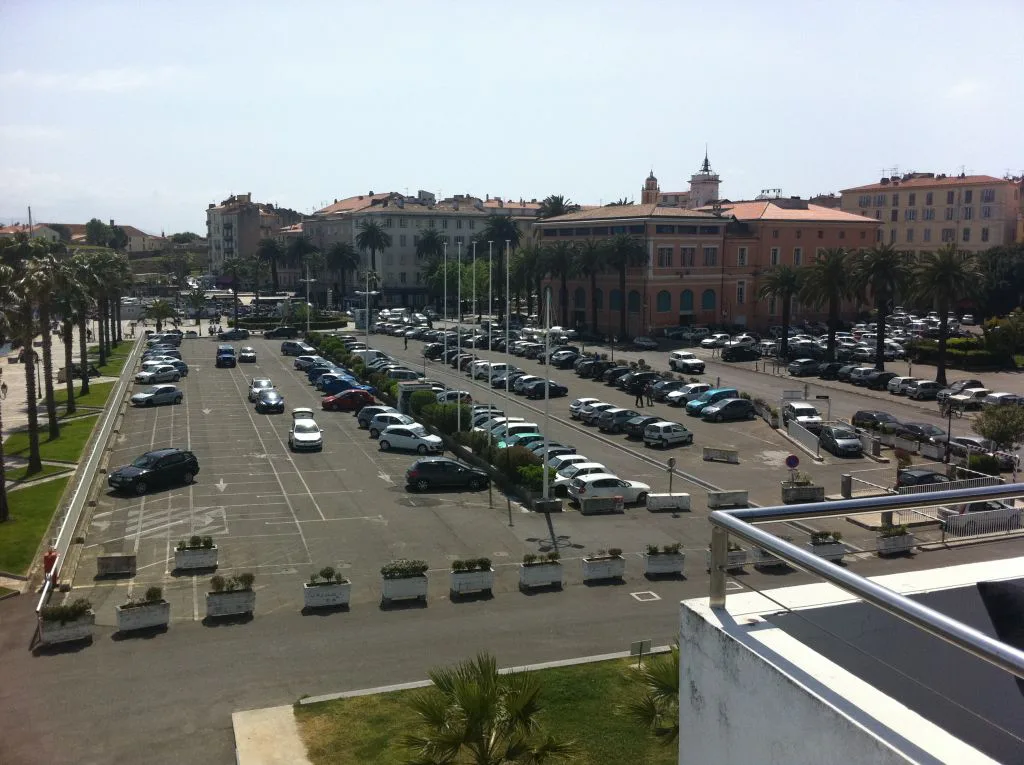
From the cruise terminal, the marina, Place Foch and Rue Cardinal Fesch are all within a short walk, which makes Ajaccio unusually easy to shop in on a port day. The market on Place Campinchi is a few minutes further, so a realistic port-day loop is market first, then Rue Cardinal Fesch, then Cours Napoléon if you need anything practical.
Bear the calendar in mind, because a Monday call means a closed market and a much thinner shopping day. If your ship docks on a weekday, go early: the market's busiest trading is in the morning, and the Halle Gourmande is a natural lunch stop before you head back to the port. Check your all-aboard time before committing to a long browse.
Sunday and Monday in Ajaccio: planning around market closures
Monday is the day to plan around, because the central market does not open. Sunday, by contrast, is one of the liveliest days at Place Campinchi, with the fair market alongside the food stalls, and Sunday morning is when locals shop for a family lunch. If your weekend is short, give Saturday or Sunday morning to the market and keep Monday for the streets, the marina and the museums.
Ajaccio's imperial sights keep their own rhythm, which matters for a shopping-and-culture weekend: the Chapelle Impériale lists hours of 9.15am to 6pm, so an out-of-season visit should be checked against the current hours before you travel. The city's wider appeal for a short break, including how the centre fits together, is worth reading before you go.
How much time to give shopping in Ajaccio
Give the market ninety minutes if you plan to taste, talk to producers and buy food, and an hour for the streets. That is enough to cover Rue Cardinal Fesch, Cours Napoléon and Place Foch without rushing, and it leaves the rest of the day for the old town and the waterfront. Anyone shopping seriously for gifts should add another half hour and start earlier in the morning.
Practical points: cash, payment and packing food purchases
Market traders in France commonly prefer cash for small purchases, so carry a few notes even if you plan to pay by card everywhere else. The Chapelle Impériale lists cheques and cash among its accepted payment methods, which is a useful reminder that not every small counter takes plastic. Bring a foldable bag, because market stalls rarely hand out sturdy ones.
Plan Your Shopping Around the Market Calendar
The mistake most visitors make is treating Ajaccio's shopping as a rainy-day filler and arriving on a Monday to find the market shut. Build the trip the other way round: anchor a morning on Place Campinchi between Tuesday and Sunday, add Rue Cardinal Fesch for browsing, and use Cours Napoléon for anything practical. Then spend the afternoon on the old town and the waterfront, where the best of Ajaccio is free.
Explore more Ajaccio guides
Frequently Asked Questions
Where is the best shopping street in Ajaccio?
Rue Cardinal Fesch is the pedestrian street for browsing, with souvenir shops, Corsican product shops, clothing and cafés. Cours Napoléon runs alongside it as the busier boulevard for everyday shops, so the two work best as a single loop.
What days is the market in Ajaccio open?
The Marcatu d'Aiacciu on Place Campinchi runs Tuesday to Sunday, with a farmers' market on Wednesday and Saturday mornings and a fair market on Saturday and Sunday mornings. It is closed on Mondays and on 1 January, 1 May and 25 December.
Is the Ajaccio market open on Mondays?
No. The central market on Place Campinchi is closed on Mondays, so plan your food shopping for another day of the week.
What should I buy in Ajaccio?
Corsican charcuterie, brocciu and tomme cheeses, PDO olive oil, honey from the maquis, bastelles and fresh fish. Honey and olive oil travel best; brocciu and fish are for eating there rather than carrying home.
Can you walk from the cruise port into Ajaccio town centre?
Yes. The marina, Place Foch and Rue Cardinal Fesch are within a short walk of the terminal, and the market on Place Campinchi is a few minutes further.
What is Ajaccio known for?
Ajaccio is known as Napoleon's birthplace, with the Maison Bonaparte and the Palais Fesch, and for its Corsican food culture centred on the market at Place Campinchi.
Sources
Notes for French city breaks
Optional updates to our guides.
You might also like
Continue reading
More guides you'll find useful