Is Ajaccio Worth Visiting? An Honest Weekend Verdict
Ajaccio suits travellers who want Napoleonic history, a compact walkable centre and Corsican food close to a rugged coast. Here is the honest verdict.
On this page
Yes, Ajaccio is worth visiting, provided you want a small Mediterranean city with a serious history hook rather than a weekend of big-city energy. The centre is compact and walkable, the market is a proper local institution, and the coastline west of town turns dramatic within half an hour. If you need late-night bustle and a long list of headline museums, look elsewhere.
The city works on two scales. Cruise passengers step off the ship and are in the middle of town within five minutes, while a two-day visitor can pair the old lanes and Maison Bonaparte with a coastal afternoon at Pointe de la Parata. That compactness is the appeal and also the limit: Ajaccio is a place to slow down, not to fill a checklist.
The Short Answer
Ajaccio suits a short break built around Napoleonic history, Corsican food and a coast that feels wilder than the city itself. The old town is small enough to wander without a plan, and the waterfront keeps you oriented when you do get lost. Those who want opera houses, department stores and a packed evening scene will find it quiet.
It is also unusually easy to reach the sea. Plage Saint-François sits just beyond the old fortress and about ten minutes on foot from the cruise pier, though the narrow strip of sand fills fast in summer and eases towards golden hour. Plage Trottel is around twenty minutes away and far wider, with bars, restaurants and volleyball courts, so it takes the overflow when the centre beach is packed.
How Ajaccio Is Laid Out
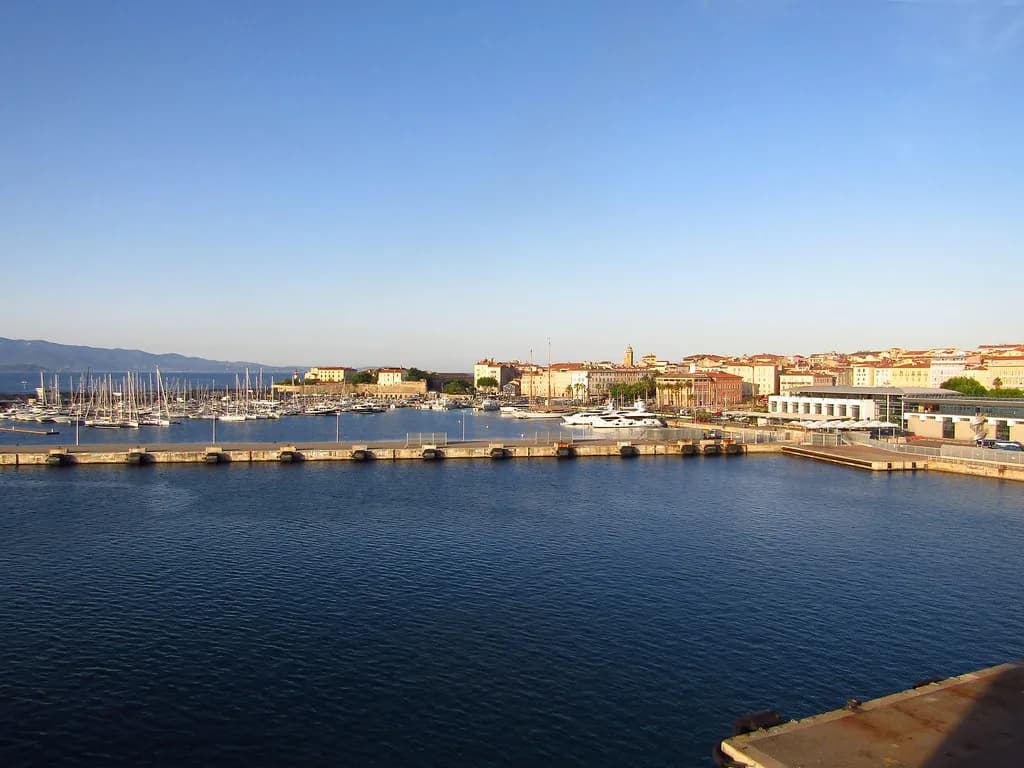
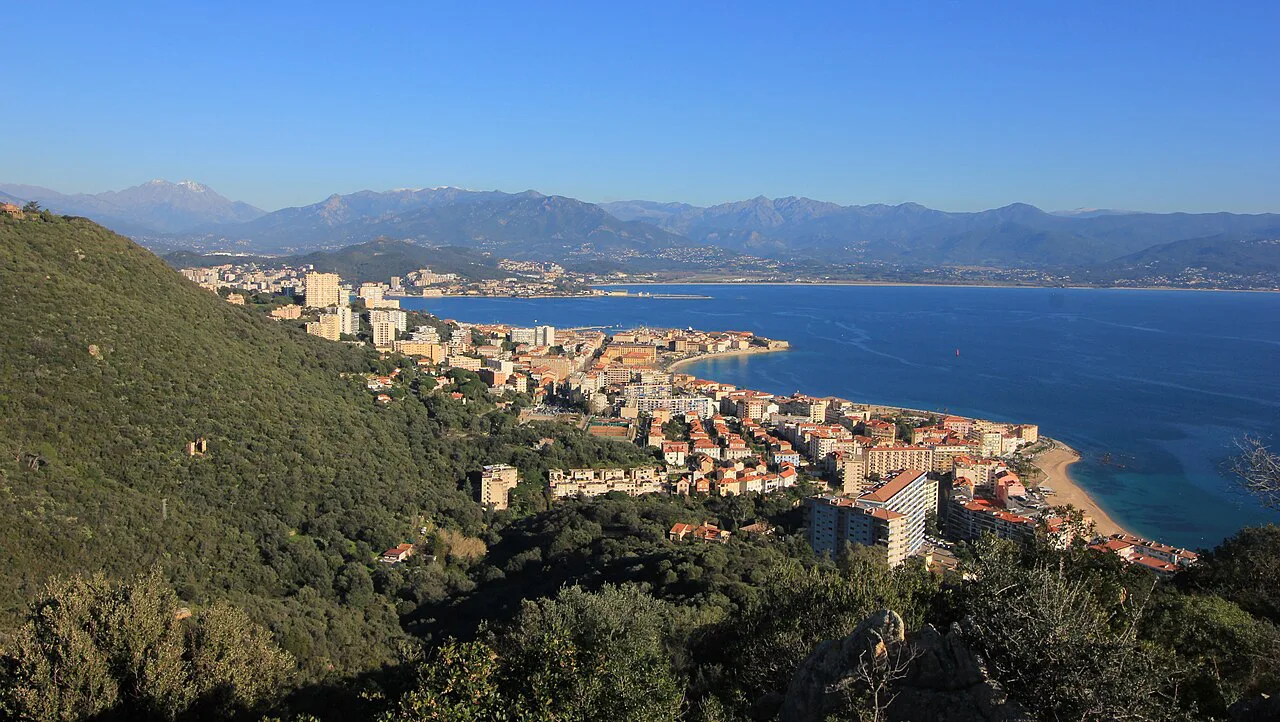
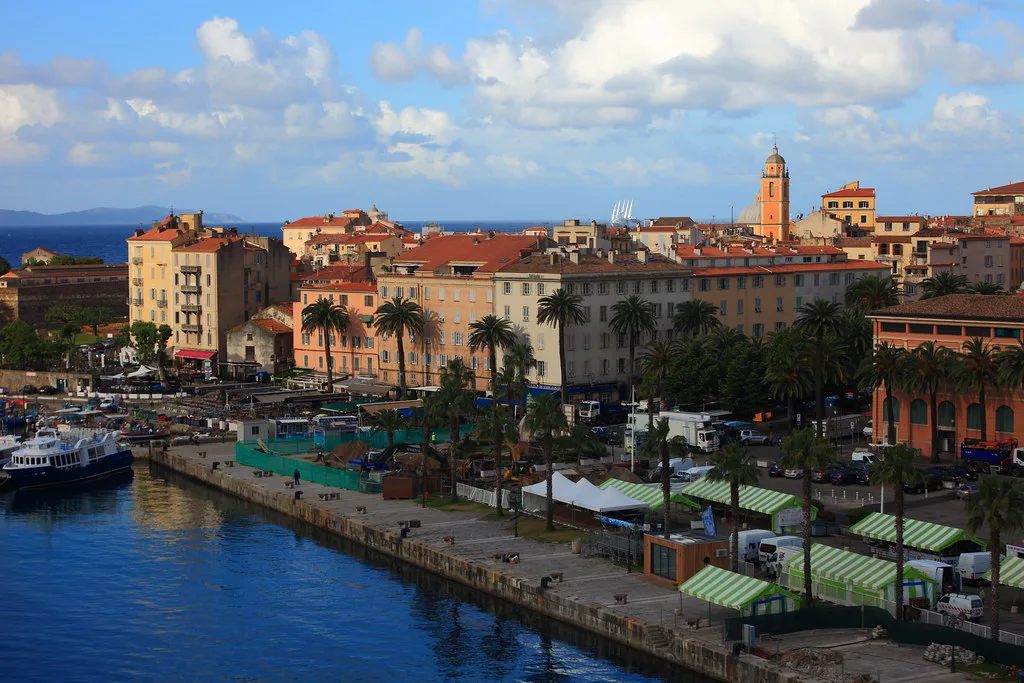
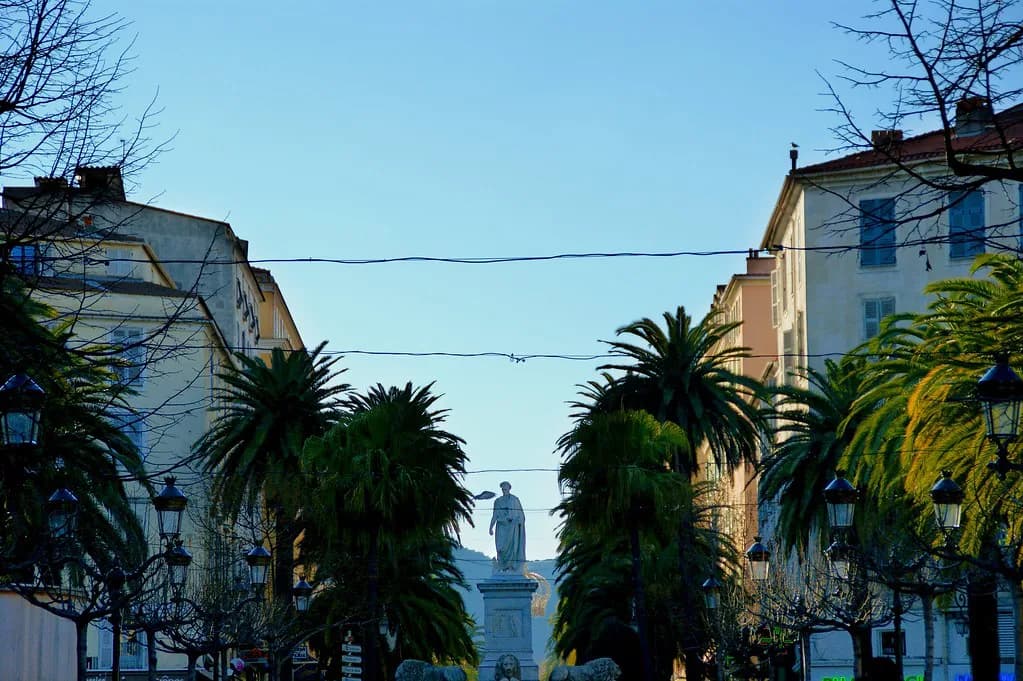
Think of Ajaccio as three bands. The harbour and waterfront promenade hold the cruise terminal and the everyday bustle; behind it, the old lanes of the Genoese Quarter slow the pace and reward aimless wandering; further west, the Route des Sanguinaires runs along the coast towards bigger skies and the islands. Place Foch anchors the middle of it all and is the natural starting point for a first walk.
This layout is why Ajaccio divides neatly into a walking day and a bus day. On foot you can cover the market, the Bonaparte house, the cathedral and the waterfront without ever needing a vehicle. The western coast is a different matter, and that is where public transport earns its keep.
How Many Days Ajaccio Needs
Two days is the honest answer. Give the first to the centre: the morning market, Maison Bonaparte, the cathedral and a slow lunch, then an afternoon in the Musée Fesch when the sun is at its strongest. That is a full day without rushing, and it keeps the historical thread in one piece.
Give the second day to the coast. Take the L5 bus from Place de Gaulle towards Pointe de la Parata, which costs €3 and takes around half an hour depending on traffic, then walk the headland and look out at the Îles Sanguinaires. If you have only one day, choose between the centre and the coast rather than trying to squeeze both; the coastal road alone eats half a day in travel.
A third day makes sense only if you want to repeat a pleasure, such as a second market morning or a longer stretch on the Sentier des Crêtes. Any more than that and you are using Ajaccio as a base rather than visiting it.
Napoleon's Ajaccio
Maison Bonaparte is the sandy-coloured family house where Napoleon was born in 1769, later turned into a museum about the emperor, his family and their Corsican roots. It is the one sight that justifies the trip on its own for history-minded visitors, and it rewards attention to domestic detail rather than spectacle.
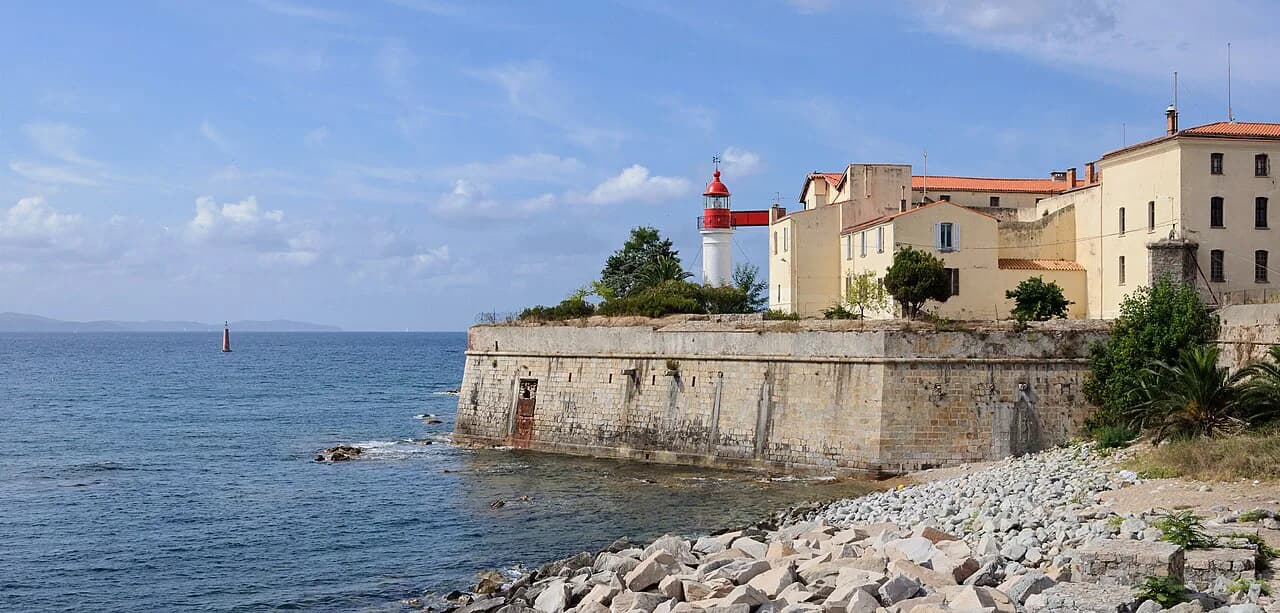
Pair the house with the cathedral where Napoleon was baptised, then walk on towards the citadel and harbour edge to see the older Genoese layer that predates the Napoleonic century. Arriving early gives you cooler air and a calmer flow through the rooms, which matters more than any timed ticket.
Musée Fesch and the Italian Collection
The Musée Fesch holds a collection of Italian works spanning the Renaissance and Baroque, built on the legacy of Cardinal Fesch, and it gives this small Corsican city an unexpectedly European artistic weight. Pick a few anchors, such as Botticelli and Titian, and let the rest of the rooms become atmosphere rather than homework.
Time it for the afternoon after a morning outdoors, when shade and a quiet gallery are exactly what tired legs want. Museum entrance in Ajaccio is not the headline cost of a short break, so check the current fee at the ticket desk and budget accordingly rather than assuming a token charge.
Place Foch Market and the Morning Rhythm
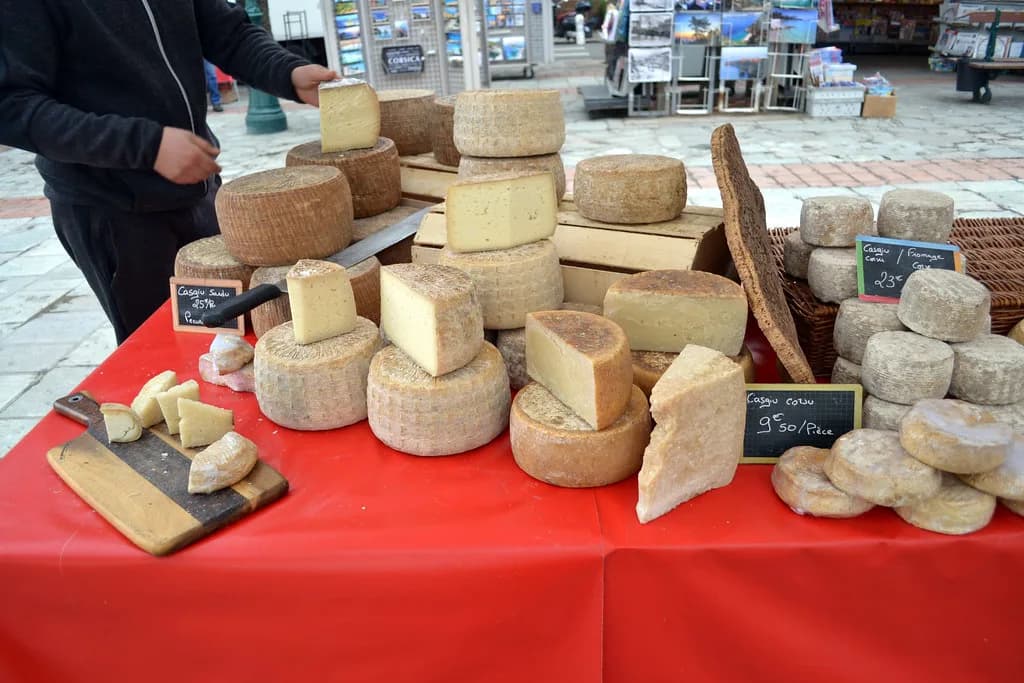
The central market next to the cruise port is the best free entertainment in town, with stalls selling olives, Corsican cheese and charcuterie, honey, wine and flowers. Most of it sits under cover, with clothing and gift stalls sometimes spilling into the open air. Go in the morning, when the calling and the knife-work are at full volume.
One hard constraint to plan around: the Marché d'Ajaccio opens 7am to 2pm every day except Monday. If your weekend starts on a Monday, reverse the itinerary and put the coast first. Stallholders are generous with recommendations, so ask before you buy and build a picnic for the waterfront.
Beaches and the Coast Without a Car
You do not need to hire anything to reach the water. Plage Saint-François is close and convenient but narrow, reached down a flight of stone steps, and it packs out in the busy summer months; Plage Trottel is the wider, more accessible option with proper facilities. For something wilder, the L5 beach shuttle runs along the coastal road and almost every stop is next to a beach.
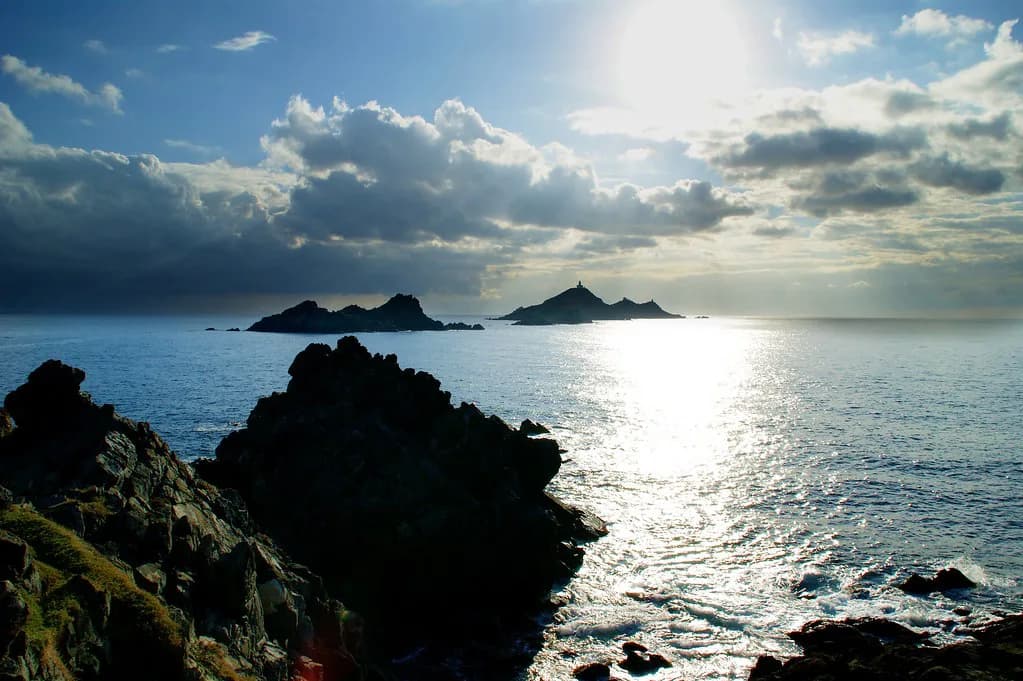
At the western end, Pointe de la Parata is the payoff: a headland with an old Genoese tower to loop around and the Îles Sanguinaires offshore, reachable only by boat. The same bus line gets you there, so a car is a convenience rather than a necessity for a short break.
The Sentier des Crêtes and Pointe de la Parata
The Sentier des Crêtes is what gives Ajaccio its drama, climbing steeply from city detail to open sky and long views down the west coast. Pair the trail with the Îles Sanguinaires and the viewpoint at Pointe de la Parata for a half-day that resets your sense of scale. Start early for cooler air and more room to breathe at the viewpoints.
Treat the landscape seriously. Carry one to two litres of water, sun cream, a hat and a light layer for wind, and check heat and wind conditions before setting out along the headlands. Proper shoes are worth the luggage space on rocky sections, and turning back when conditions change is a sensible call rather than a failure.
Who Will Love Ajaccio and Who Will Not
Cruise passengers get an unusually good deal here, because the port is only five minutes' walk from the centre with no shuttle buses to wait for. History buffs can build an entire weekend around 1769 and the Bonaparte story, and food-led visitors will find the market and the charcuterie worth the trip alone.
Beach-only travellers should be honest about what they want: the city beaches are convenient rather than spectacular, and the wilder sand is a bus ride away. Those chasing nightlife, big museums or shopping on a Parisian scale will find Ajaccio too small and too quiet. If that sounds like your trip, compare it with somewhere like Aix before booking, and weigh up whether Aix-en-Provence is worth visiting for the kind of weekend you actually want.
Ajaccio Versus the Rest of Corsica
Ajaccio is the island's practical capital rather than its most dramatic setting. It gives you an airport, ferry links from mainland France including Toulon, seasonal connections from Sardinia and a walkable city centre, which no smaller Corsican town can match. In exchange you get a working city rather than a village perched on a cliff.
Against mainland French cities, Ajaccio trades scale for setting. You will not find a comparable museum quarter or restaurant scene, but you will find a coast that most provincial cities cannot offer at any price, and a centre you can cross in twenty minutes. That trade-off is the whole case for going.
Practical Money and Timing
Budget roughly ten to fifteen euros for museum entry and fifteen to thirty euros per person for a sit-down meal in a local restaurant, with the L5 bus to Pointe de la Parata at €3 each way. Those are planning figures rather than quoted prices, so confirm at the ticket desk and on the menu before you commit.
On timing, the suggested window for warm sea and generous light is May to September, with more breathing space outside the July and August peak. Book flights and any car or scooter hire well ahead for the summer months, since the island fills up.
The Verdict
Book Ajaccio for a culture-and-coast weekend: market in the morning, Bonaparte and the Fesch in the afternoon, the Sentier des Crêtes or the L5 to Pointe de la Parata the next day. Two days fills nicely and three feels generous, which is the right shape for a short break.
Skip it if you want a big-city break with late nights and a long museum list, or if beaches are the entire point of your trip. Ajaccio is best understood as a small, walkable, historically loaded city with a wild coast attached, and judged on those terms it delivers.
Explore more Ajaccio guides
Frequently Asked Questions
Is Ajaccio worth visiting for a weekend?
Yes, for two days built around Napoleonic history, the market and the coast. The centre is compact enough to walk, and the L5 bus reaches Pointe de la Parata without a car. It is less suitable if you want big-city nightlife or a long list of major museums.
How many days do you need in Ajaccio?
Two days covers the essentials: one for the market, Maison Bonaparte, the cathedral and the Musée Fesch, and one for the coast road and Pointe de la Parata. A third day only makes sense for a slower repeat of what you enjoyed.
Is Ajaccio walkable from the cruise port?
Yes. The cruise port is about five minutes on foot from the centre with no shuttle needed. Plage Saint-François is roughly ten minutes away and Plage Trottel around twenty, though the centre beach is narrow and busy in summer.
What can you do in Ajaccio in one day?
Spend the morning at the Marché d'Ajaccio, which opens 7am to 2pm and closes on Monday, then visit Maison Bonaparte and the cathedral. Add the Musée Fesch in the afternoon or take the L5 bus west to Pointe de la Parata instead.
When is the market in Ajaccio open?
The Marché d'Ajaccio runs 7am to 2pm every day except Monday, so plan your weekend around that closure. Most stalls are under cover, with clothing and gift stalls sometimes spreading into the open air.
Can you reach the beaches and Pointe de la Parata without a car?
Yes. Plage Saint-François and Plage Trottel are walkable from the centre, and the L5 bus from Place de Gaulle runs along the coast to Pointe de la Parata in around half an hour depending on traffic. Check the current fare at the ticket machine or driver before boarding.
Is Ajaccio a good base for Corsica?
It is the island's most practical base, with an airport, ferries from mainland France and seasonal links from Sardinia. The city itself is small, so treat it as a city break with a wild coast attached rather than a touring hub.
When is the best time to visit Ajaccio?
May to September gives warm sea and generous light, while avoiding July and August buys more breathing space. Book flights and any car or scooter hire well ahead for the summer months, as the island gets busy.
Sources
Notes for French city breaks
Optional updates to our guides.
You might also like
Continue reading
More guides you'll find useful