Ajaccio Old Town: A Walking Guide to the Historic Centre
Walk Ajaccio's old town quarter by quarter: the Genoese lanes, Napoleon's birthplace on rue Saint-Charles, the cathedral and the Place Foch market.
On this page
Ajaccio's old town is small enough to cross on foot in a morning, and dense enough to fill a full day if you add the museums. The historic core is the Genoese quarter: narrow lanes, tall buildings with colourful façades and the citadel above the fishing port. Everything else worth seeing sits within a short walk of it, which is why the centre works so well on a weekend.
Plan the walk as a loop rather than a checklist: start in the Genoese lanes near place Foch, move through rue Saint-Charles and the cathedral, take in rue Cardinal Fesch, then follow the old streets down to the marina at Port Tino Rossi. From there the seafront carries you east to place de Gaulle, where the old town ends and the 19th-century boulevards begin. Allow three to four hours at an easy pace, more if you go into the museums. If this compact, looped format suits you, the Aix-en-Provence old town can be walked in much the same way.
How the Old Town Is Laid Out
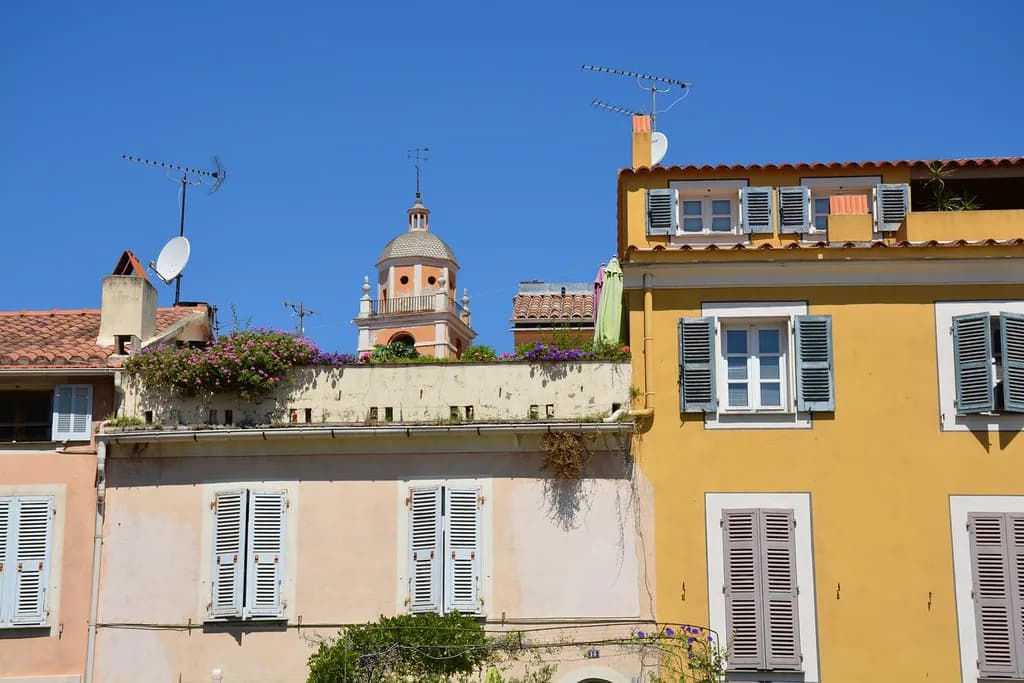
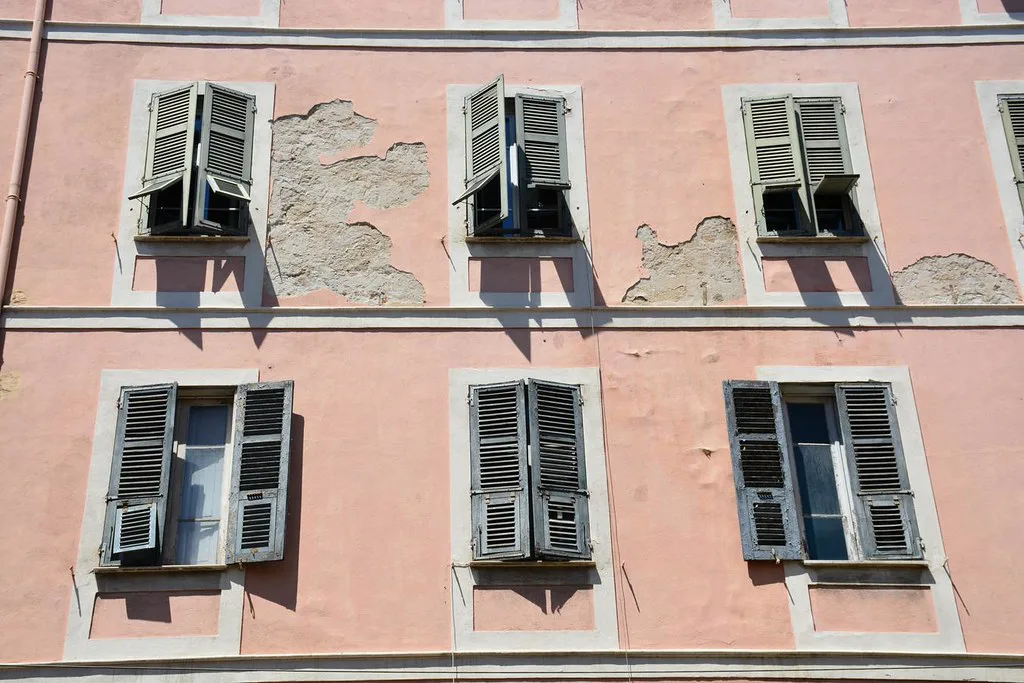
The Genoese quarter is the oldest part of the city, and its atmosphere is closer to a small Italian maritime town than to a French provincial centre. Expect old buildings with colourful façades and narrow streets, with shops, bars and restaurants packed into the lanes. The citadel, the fishing port and the ochre-coloured church all sit within this compact area, so you can trace the whole history of the town on foot.
Place Foch anchors the quarter at its northern edge and doubles as the market square. From there, the streets run south and east towards the marina, with the cathedral and rue Saint-Charles close by. Place de Gaulle, also called place du Diamant, forms the border between this old town and the newer quarters, facing the sea near the casino.
A Walking Route Through the Genoese Quarter
Begin at place Foch, where the market sets up, then wander into the lanes behind it without a fixed plan for twenty minutes. This is where the quarter earns its reputation: laundry lines, shuttered windows, coral and textile shops run by local craftsmen, and sudden views up to the citadel. Photograph the corners rather than rushing to the next sight.
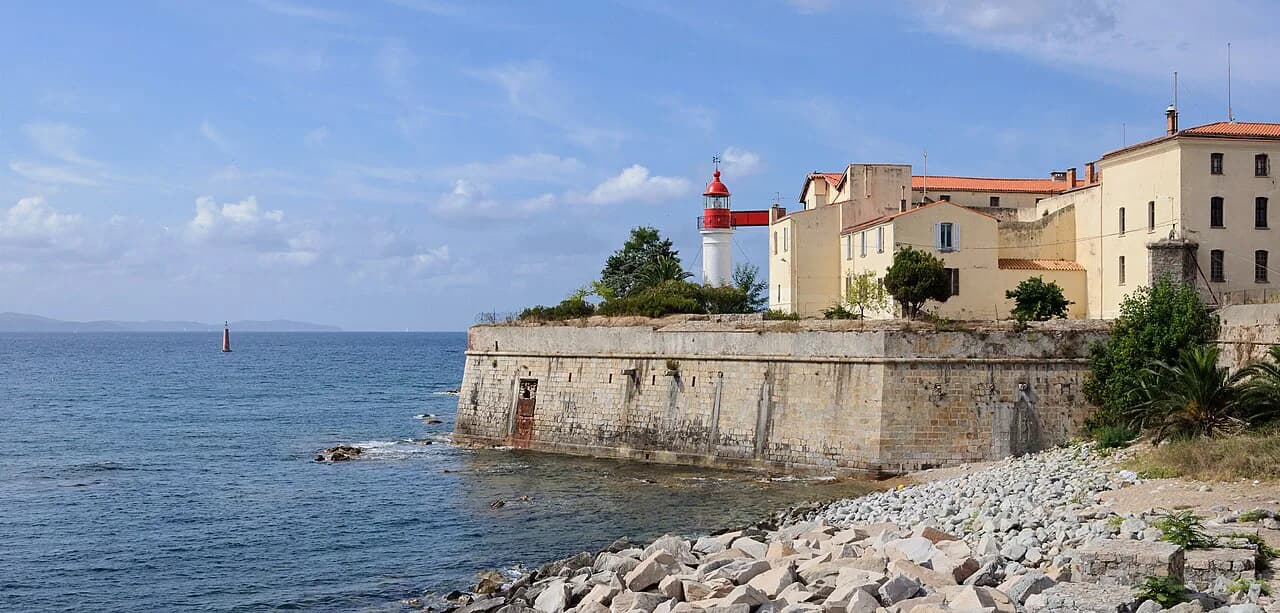
Keep the citadel in view as a landmark; it dominates the city and remained closed to the public for a long time, so treat it as scenery rather than a stop. The lanes slope gently, so the walking is easy, but the paving is uneven in places and comfortable shoes make a difference.
Napoleon's Birthplace on Rue Saint-Charles
On rue Saint-Charles stands the ochre-fronted house where Napoleon was born on 15 August 1769. He spent most of his childhood there, and the building later passed to his heirs before Prince Victor Napoleon donated it to the state in 1923. Today it holds the Bonaparte house museum, dedicated to the imperial family, with period furniture and original objects in several rooms.
The house is the single most useful stop for understanding why Ajaccio feels so tied to one family, and it rewards history-minded visitors far more than a quick photo of the façade. Book the museum into a one-day plan if you are short of time, since it sits naturally between the Genoese lanes and the cathedral.
The Cathedral of Saint Mary
The Cathedral of Saint Mary, or Notre-Dame-de-l'Assomption, was built between 1583 and 1593 and is where Napoleon was baptised on 21 June 1771. It is small and colourful, with an architectural style unlike most churches in mainland France, and it has been classified as a historical monument since 1906. Inside, look for the painting by Eugène Delacroix, The Virgin of the Sacred Heart.
It sits on rue Forcioli Conti, a few minutes from rue Saint-Charles, so the two fit together in the same stretch of the walk. Services and visiting hours are posted at the door, and it takes only a quarter of an hour to see properly.
Rue Cardinal Fesch: Three Sights in One Stop
Rue Cardinal Fesch concentrates three of the old town's best stops within a few doors of each other. The Palais Fesch houses the Museum of Fine Arts, built by Napoleon's maternal uncle, Cardinal Joseph Fesch, to spread artistic education on the island. Its collection includes Italian masterpieces by artists such as Botticelli and Titian, plus a section devoted to the Bonaparte family and another of Corsican painting.
At number 50, the municipal library was founded by Napoleon's brother Lucien in 1801 and has been a historical monument since 2011. Its main hall runs about 30 metres and holds close to 40,000 works, with a grand staircase topped by two lions; the collection includes 18th-century volumes of the Encyclopédie de Diderot et d'Alembert. Next door, the Imperial Chapel was built in 1859 at the request of Napoleon III and holds the tombs of Cardinal Fesch and of Napoleon's parents, Charles and Letizia Bonaparte.
Treat this street as a single block of time rather than three separate stops, because the walking between them is negligible. Ticket prices and opening days are published by each institution, so confirm them before you build a museum morning around them.
Place Foch and the Market
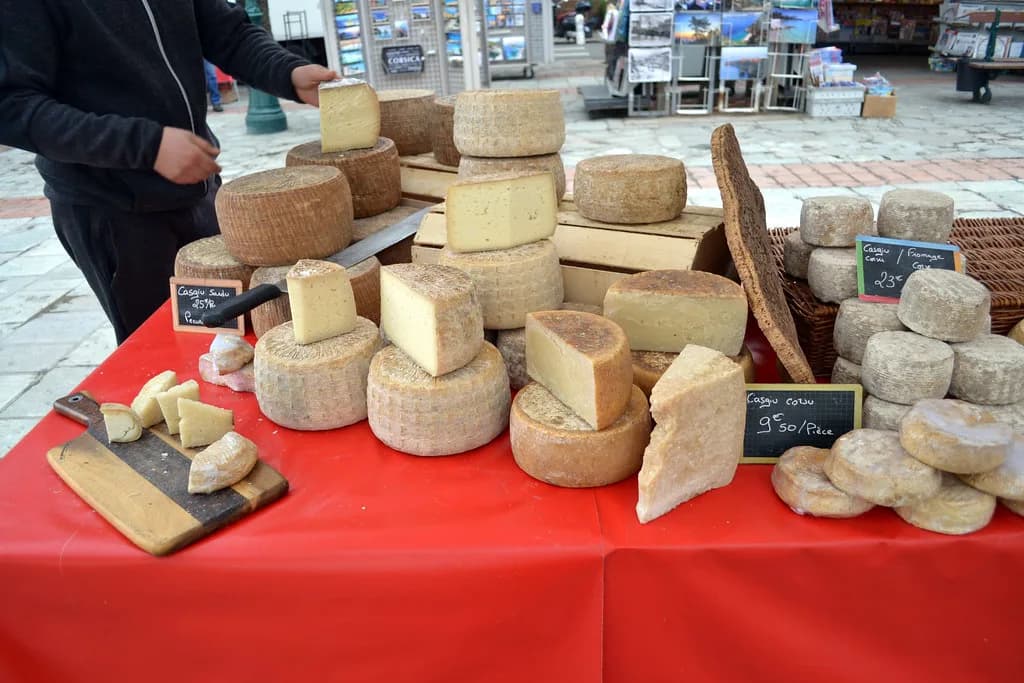
The market at place Foch is the quickest way to see Corsican produce in one place: charcuterie, regional cheeses, wines, jams and a wide spread of local goods. It runs every morning from April to October, and every morning except Mondays from November to March. Arrive before mid-morning if you want the stalls at their fullest and a picnic assembled before the day heats up.
The address usually given for the market is 7 boulevard du Roi Jérôme, though the stalls occupy the square itself. From here the old town lanes start immediately, which makes place Foch the logical first stop of the day.
The Marina at Port Tino Rossi
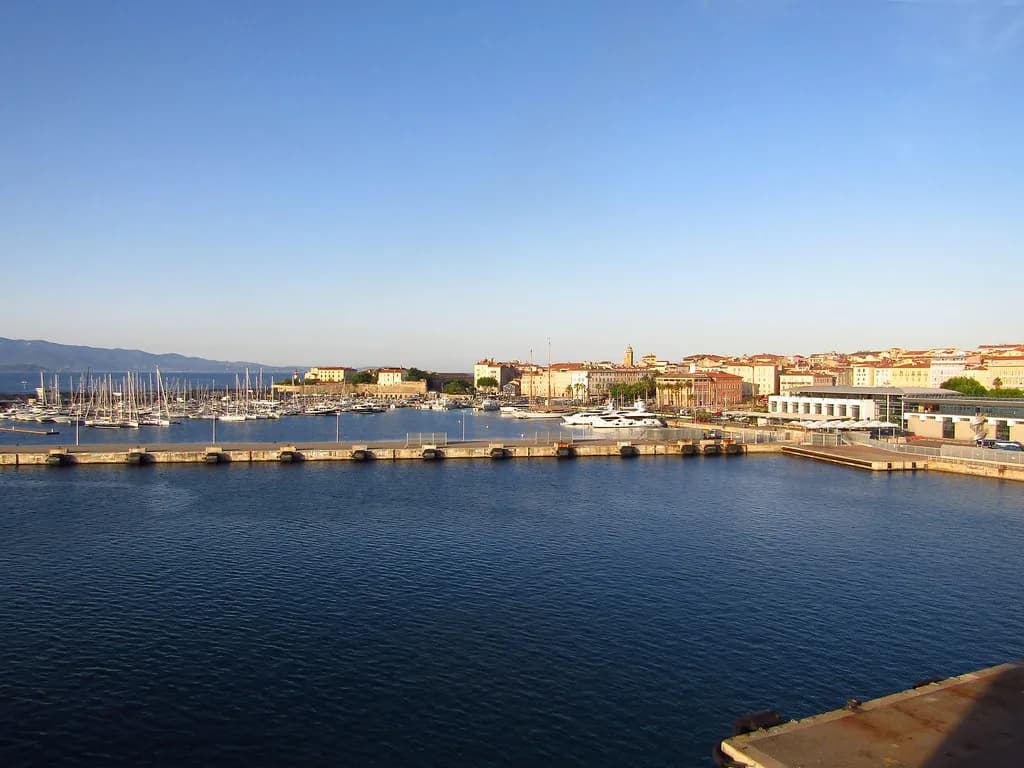
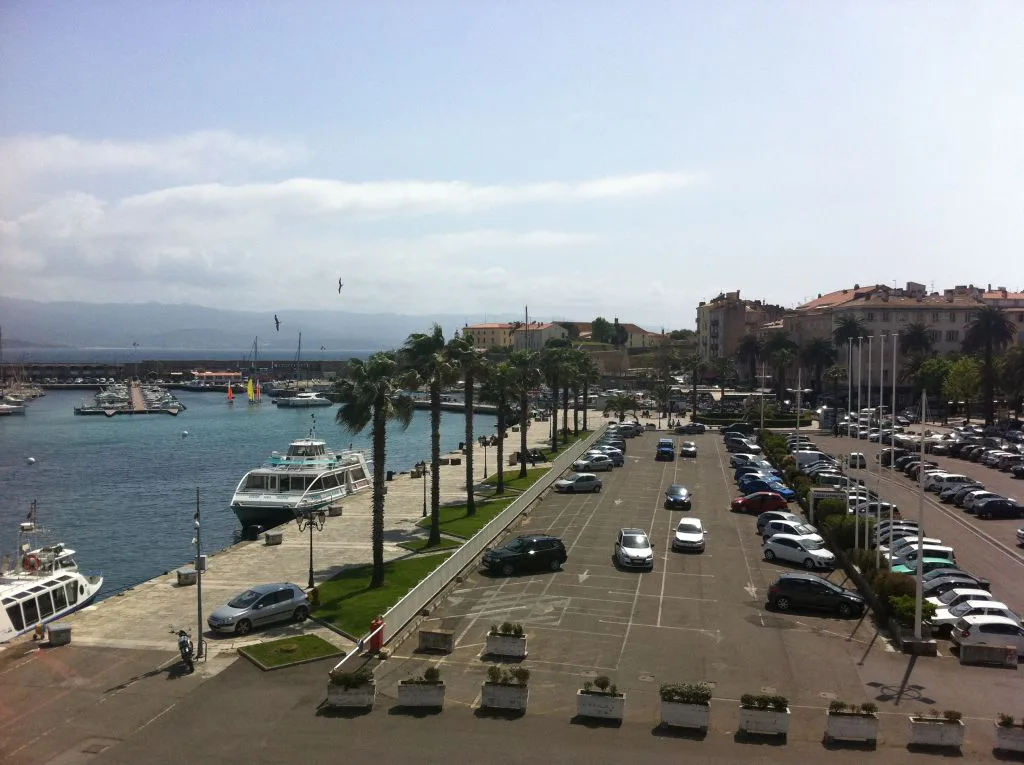
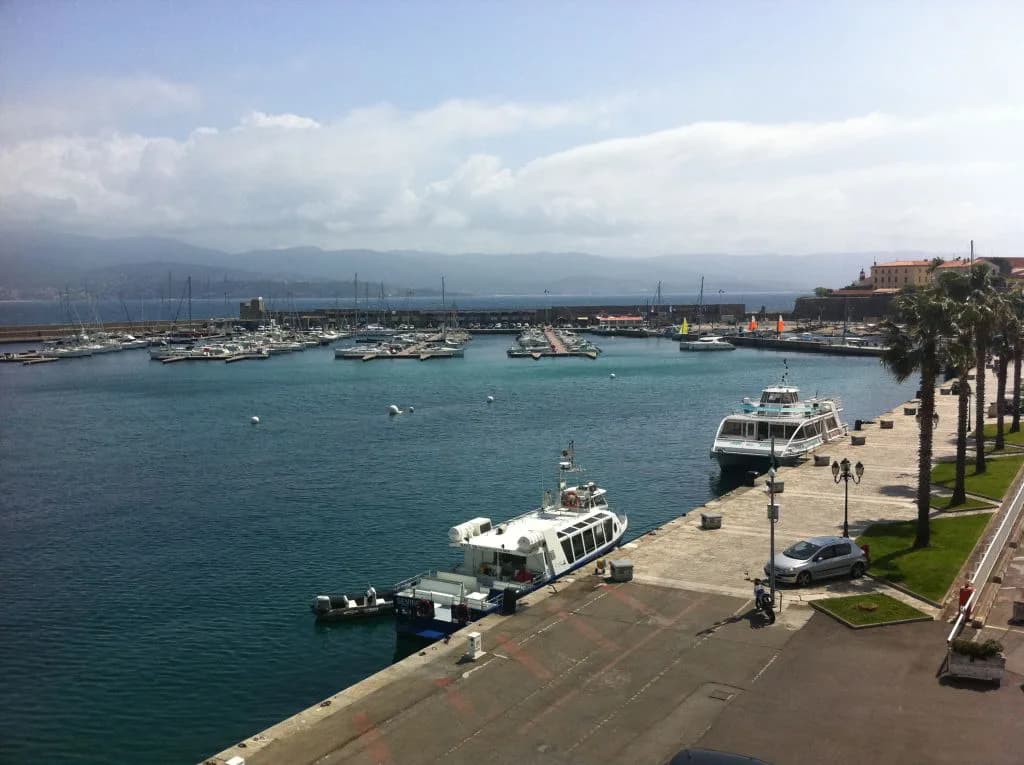
The old streets run down to the port, and the colourful quays are impossible to skip. Boat hulls line the water, from traditional fishing craft to larger yachts, and the waterfront stays lively from morning until well into the night. If you are an early riser, come at dawn when the fishermen return and unload their catch, which is a sight in itself.
The marina is a natural pause rather than a sight: quayside cafés line the water, and the whole harbour works well for a coffee before you turn inland again. Boat trips to the Sanguinaires Islands leave from here, for anyone tempted by an hour on the water.
Place de Gaulle and the Edge of the New Town
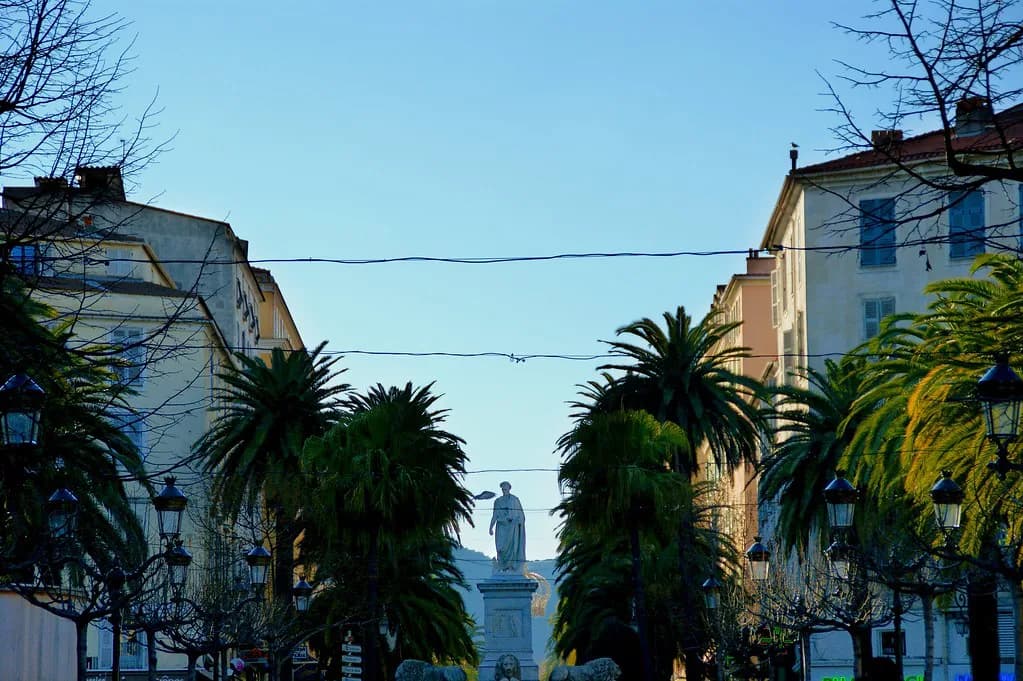
Place de Gaulle, known locally as place du Diamant, marks the boundary between the old town and the newer quarters. It holds a monument to General de Gaulle, a stele commemorating the liberation of Ajaccio in the Second World War, and a statue of Napoleon on horseback surrounded by his four brothers. It also faces the sea and sits near the casino, and it is the starting point for several shopping streets dense with bars and restaurants.
This is the point to decide whether you are done or pushing on. The old town proper lies behind you, and everything ahead is 19th-century Ajaccio.
The Foreigners' Quarter and the Boulevards
Beyond place de Gaulle, boulevard Grandval and boulevard General Leclerc run towards place d'Austerlitz through the quarter named for the first English, German and Swiss visitors who made Ajaccio a holiday resort at the end of the 19th century. Belle Époque buildings survive along the route, including former luxury hotels such as the Grand Hôtel, the Château Conti, the Cyrnos Palace, the Anglican Church and the Hôtel Germania, now converted into residences or offices.
It is a twenty-minute stroll, not a destination in itself, but it completes the picture of the city and gives you an easy route back towards the centre. The elegant facades and wide pavements make it a calmer counterpoint to the packed lanes of the Genoese quarter.
Where to Pause for Coffee, Lunch or a Drink
The Genoese quarter holds many shops, bars and restaurants, and the quays at the marina add another row of options facing the water. Place de Gaulle and the shopping streets around it are thick with bars and restaurants too, which makes the square a sensible late-afternoon stop. Choose the lanes if you want atmosphere and the marina if you want a view.
Build the pause into the route rather than hunting for somewhere at peak lunch hour, since the centre is compact and you will pass plenty of options on the way. Menus are displayed outside, so a quick read tells you more than any list.
Practical Timing for a One-Day Visit
Three to four hours covers the Genoese lanes, rue Saint-Charles, the cathedral, rue Cardinal Fesch, place Foch, the marina and place de Gaulle without rushing. Start at place Foch in the morning when the market is running, and finish on the seafront in the early afternoon. Add two hours if you go into the Palais Fesch or the Bonaparte house.
If your visit falls in high summer, walk the lanes before the heat peaks and keep the museum stops for the middle of the day. The shadier streets of the old town hold their cool better than the exposed seafront. For a sense of typical conditions across the year, the climate averages in our guide to the best time to visit are more useful than any short-range forecast.
Honest Trade-Offs
Ajaccio's centre is not uniformly picturesque. Traffic is chaotic and the port is perpetually active, which means noise and bustle around the waterfront rather than a quiet historic quarter. In summer the lanes and the market square fill quickly, so the early morning is both cooler and calmer.
What the old town does not give you is space. It is a tight grid where the main sights sit within a few hundred metres of each other, and that compactness is both its charm and its limit: a morning is enough to see it well, but not enough to feel you have exhausted the city. If you are weighing up whether the trip is worth it, our honest weekend verdict sets out what a short break in Ajaccio really delivers.
Plan Your Visit
Ajaccio old town is a morning's walk with a day's worth of stops inside it, and the route above keeps the geography clear: Genoese lanes first, Napoleon's house and the cathedral in the middle, rue Cardinal Fesch and the market close by, and the marina and place de Gaulle at the end. Start early, keep the museums for the hot hours and treat the boulevards as a gentle finish rather than an attraction.
Explore more Ajaccio guides
Frequently Asked Questions
What is there to see in Ajaccio old town?
The Genoese quarter's narrow lanes and colourful façades, the Bonaparte house on rue Saint-Charles where Napoleon was born, the Cathedral of Saint Mary with its Delacroix painting, the Palais Fesch and municipal library and Imperial Chapel on rue Cardinal Fesch, the market at place Foch and the marina at Port Tino Rossi. Place de Gaulle and the Belle Époque boulevards beyond it mark the edge of the historic centre.
How long does it take to walk around Ajaccio old town?
Three to four hours at an easy pace covers the lanes, the main sights, the market and the waterfront without going into the museums. Add roughly two hours if you visit the Palais Fesch or the Bonaparte house properly.
Which part of Ajaccio is the historic centre?
The Genoese quarter is the oldest part of the city and forms the historic core, with place Foch at its northern edge and the citadel and fishing port within it. Place de Gaulle, also called place du Diamant, marks the border between the old town and the newer quarters.
Is the Ajaccio market open every day?
It runs every morning from April to October, and every morning except Mondays from November to March. The stalls are at place Foch, with the address usually given as 7 boulevard du Roi Jérôme.
Where is Napoleon's birthplace in Ajaccio?
At 1 rue Saint-Charles, in an ochre-fronted house in the old town where he was born on 15 August 1769. It now holds a museum devoted to the Bonaparte family, with period furniture and original objects.
What is the Genoese quarter in Ajaccio?
It is the oldest district of the city, preserving the atmosphere of a small Italian maritime town through its narrow streets and colourful old buildings. Shops, bars and restaurants are concentrated there, along with the citadel, the fishing port and the church.
Is Ajaccio old town walkable from the cruise port?
The marina at Port Tino Rossi is where the waterfront meets the old town, and the Genoese lanes, place Foch and rue Saint-Charles all lie within a short walk of it. The centre is compact and the gradients are gentle, so the whole circuit can be done on foot.
Sources
Notes for French city breaks
Optional updates to our guides.
You might also like
Continue reading
More guides you'll find useful