Amboise Old Town: A Walking Guide to the Historic Quarter
Walk Amboise's old town below the royal château: the clock tower, slate-roofed lanes and Clos Lucé, with walking times and an honest verdict on the crowds.
On this page
Amboise old town is worth two to three hours of walking, more if you go inside the château and the Clos Lucé. The historic quarter is small, level and easy to cover on foot, and it sits directly beneath the bluff that carries the royal castle. You do not need a plan more elaborate than a loop through the streets and a decision about which interiors to pay for.
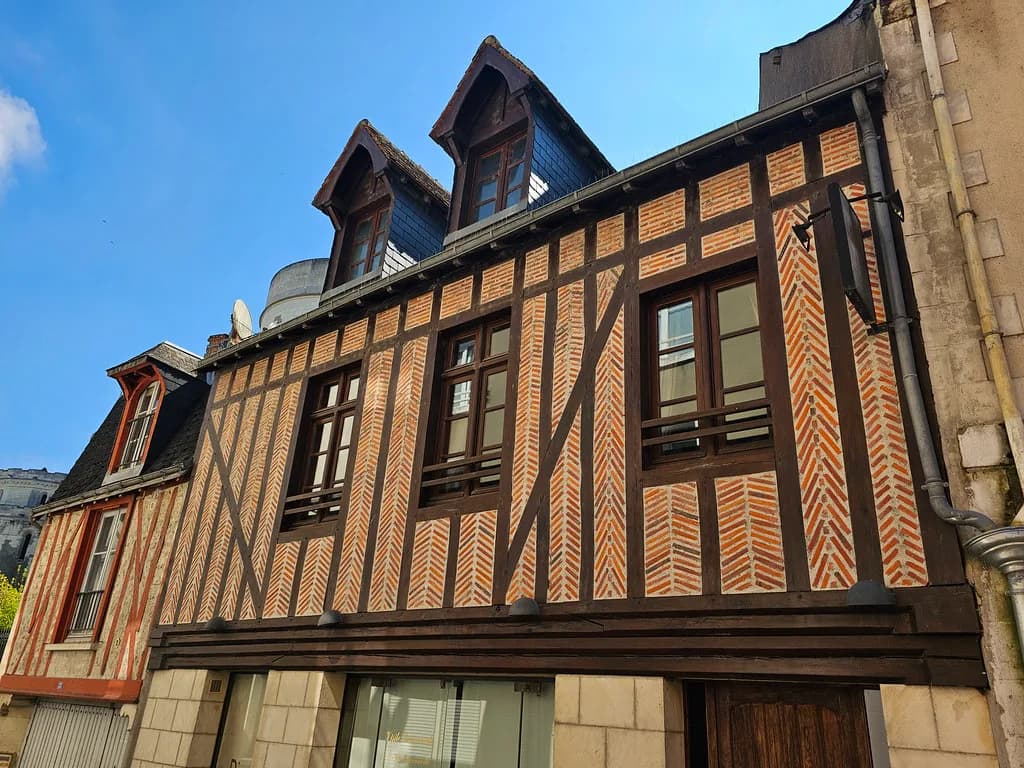
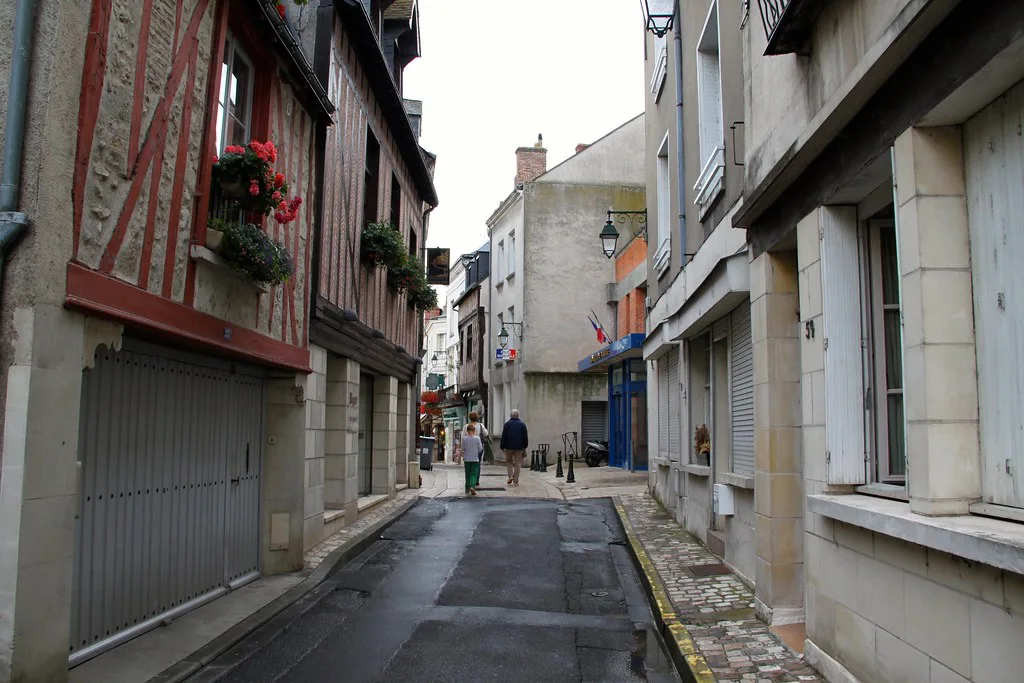
What the quarter offers is atmosphere rather than a checklist of monuments: slate-roofed houses built of the local white stone, a medieval gateway in the middle of the street, and the river a few minutes away. Set against that, Amboise is a country town of modest size, and the headline sights are two châteaux rather than a dense old city. The honest trade-off is that the streets themselves fill an hour, not a day.
Why the old town is the place to start
The old town is built at the foot of the bluff on which the royal château stands, so the two are one continuous experience. Walk the lanes first and you understand the shape of the place before you pay to enter anything. The riverside setting matters too: the Loire here is wide and split by an island, and the town faces it across a stone bridge.
Amboise also has Leonardo da Vinci as its calling card, and his last residence sits within the historic quarter's reach rather than out in the countryside. That combination of a royal castle, a compact old town and a Leonardo museum in one small area is why the town earns a place on a Loire itinerary even though Tours, Chambord and Chenonceaux get more attention.
If you are weighing whether the town justifies a stop at all, treat the old town as the test. It is free to walk, it takes little time, and it gives you the measure of the place before you commit to a full day.
How Amboise is laid out
Think of Amboise in two levels. The château occupies a buttress above the river, and the old town sits below it on the south bank, a knot of narrow streets around the foot of the bluff. Most of what a visitor wants is in that small area, with the wider town of around 13,200 people spread beyond it.
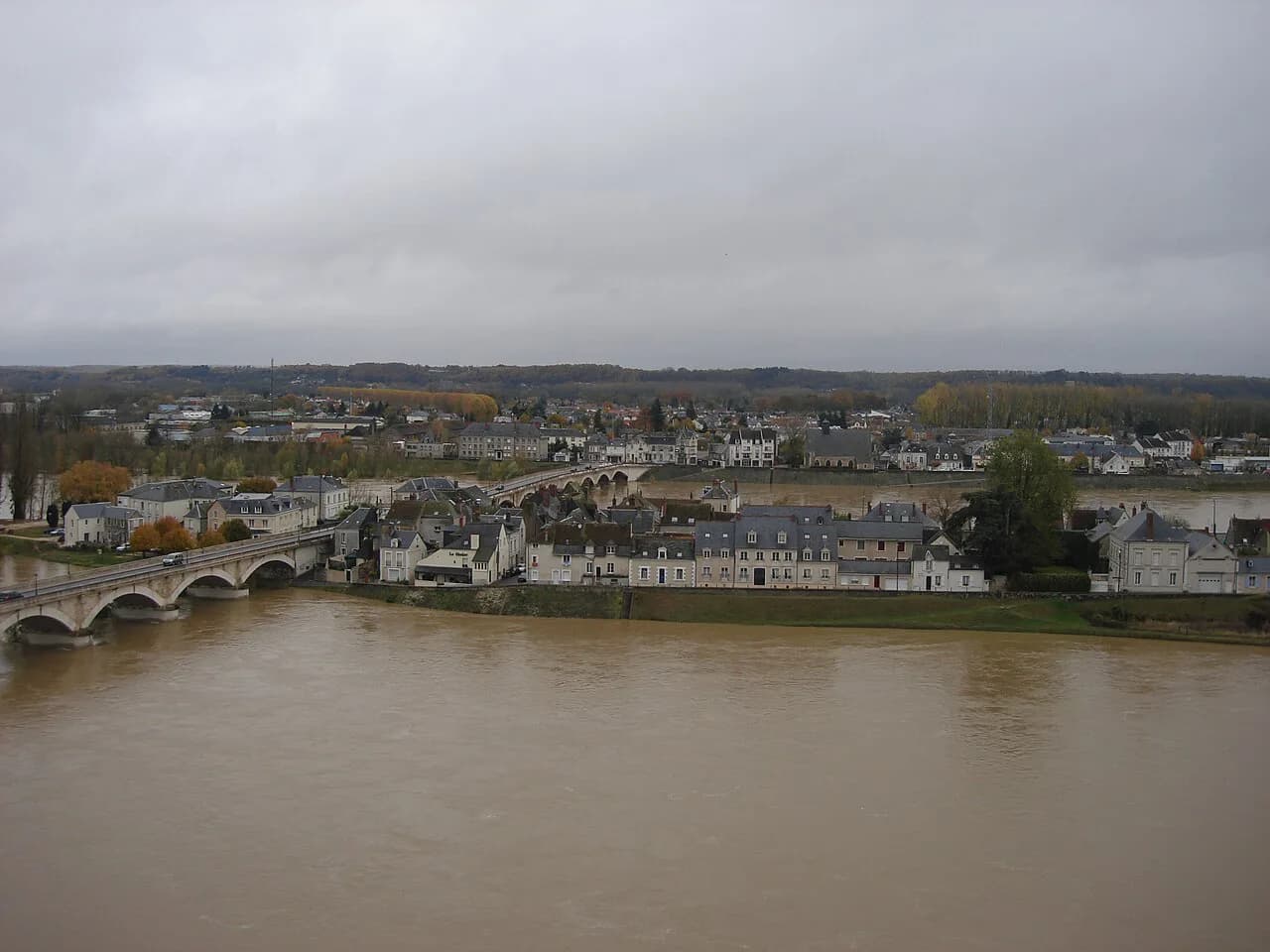
The complication is the river. Much of the town's newer industrial and commercial development lies on the north bank beyond the railway tracks, and the station is over there too. The stone-arched Pont Général Leclerc, built in 1846 to link the town with its new station, is the connection, so your walk into the old town begins with a bridge crossing.
For orientation, the old town's spine runs from the bridgehead up through the shopping streets to the clock tower and on towards the château entrance, with the Clos Lucé a short walk further south. Everything is within roughly 500 metres of the château, which is the distance given between the royal castle and Leonardo's house. Keep that scale in mind: you will not need transport inside the quarter.
A short orientation walk
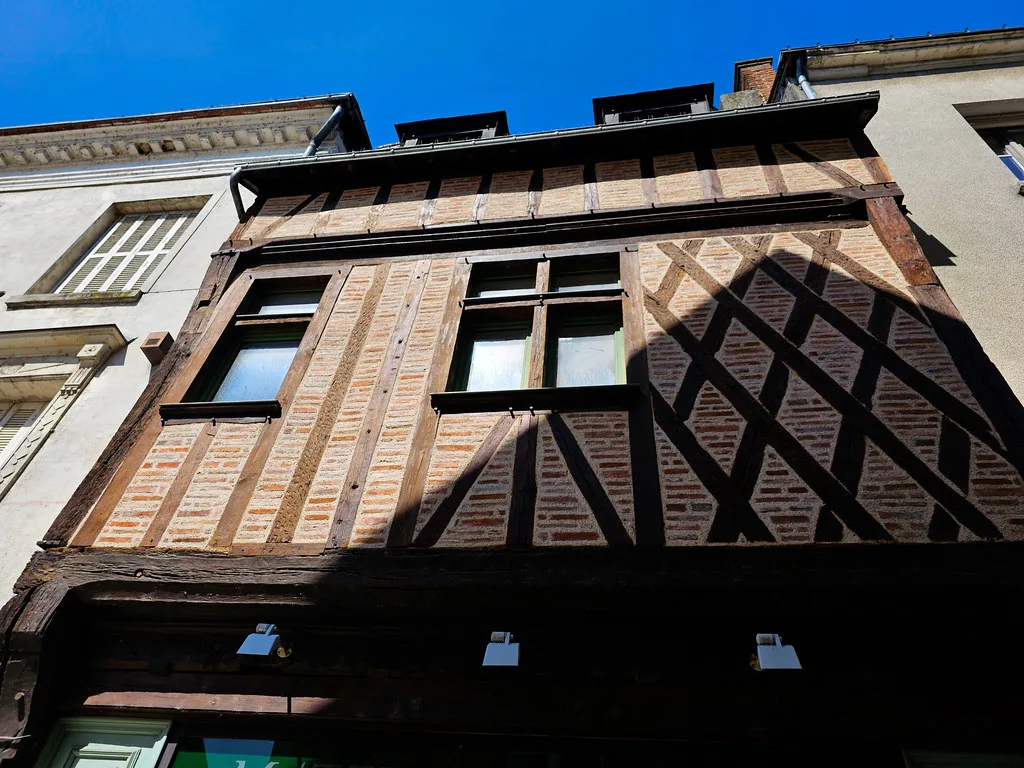
Start at the Pont Général Leclerc and walk south off the bridge into the old town. The street climbs gently between white-stone houses with slate roofs, the characteristic look of small Loire valley towns, and within a few minutes you reach the fourteenth-century clock tower that spans what was once the main street.
From the clock tower, continue up towards the château; the gates and the approach are at the top of the rise. Then turn back through the lanes and head south-east for the Clos Lucé, which sits within 500 metres of the royal château. That gives you a natural half-day loop with two interior visits at either end.
The lanes themselves reward slow walking rather than a route marched end to end. Look up at the rooflines and the stone, and take the riverside stretch at the end of the walk when you want the view back towards the bridge and the town.
The clock tower
The clock tower is the old town's best free landmark and the clearest surviving marker of the medieval street pattern. It dates from the fourteenth century and once spanned the main street running through the middle of old Amboise, so walking under it puts you in the line of the original thoroughfare.
It takes a couple of minutes to see, which is exactly the point: this is a town to absorb in small pieces between the paid attractions. Photograph it, note the streets either side, and move on rather than building an outing around it.
The Royal Château of Amboise
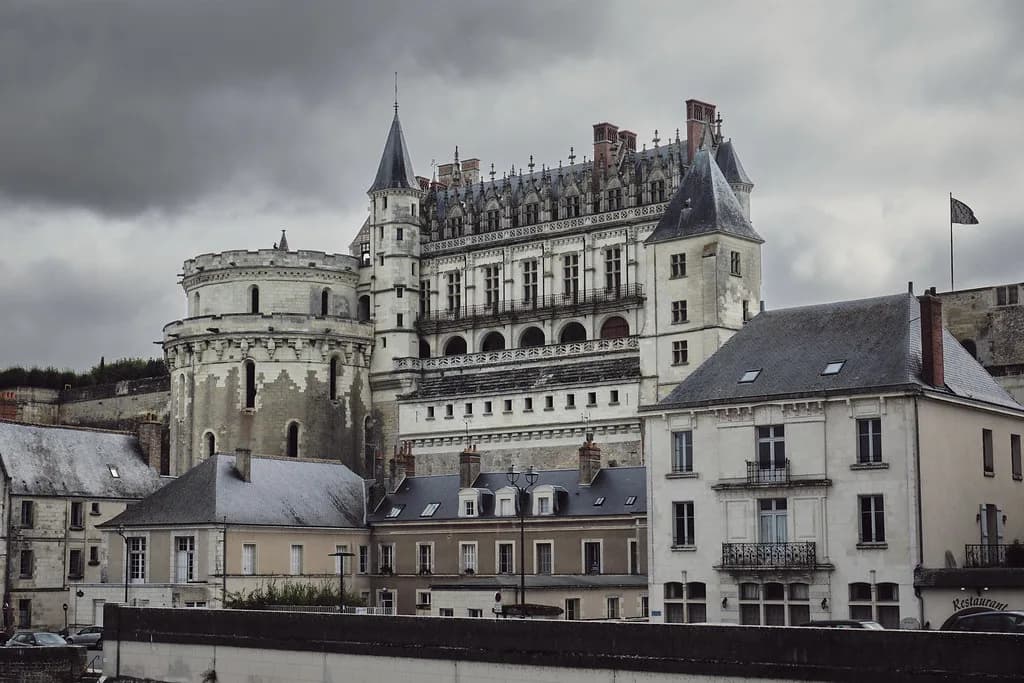
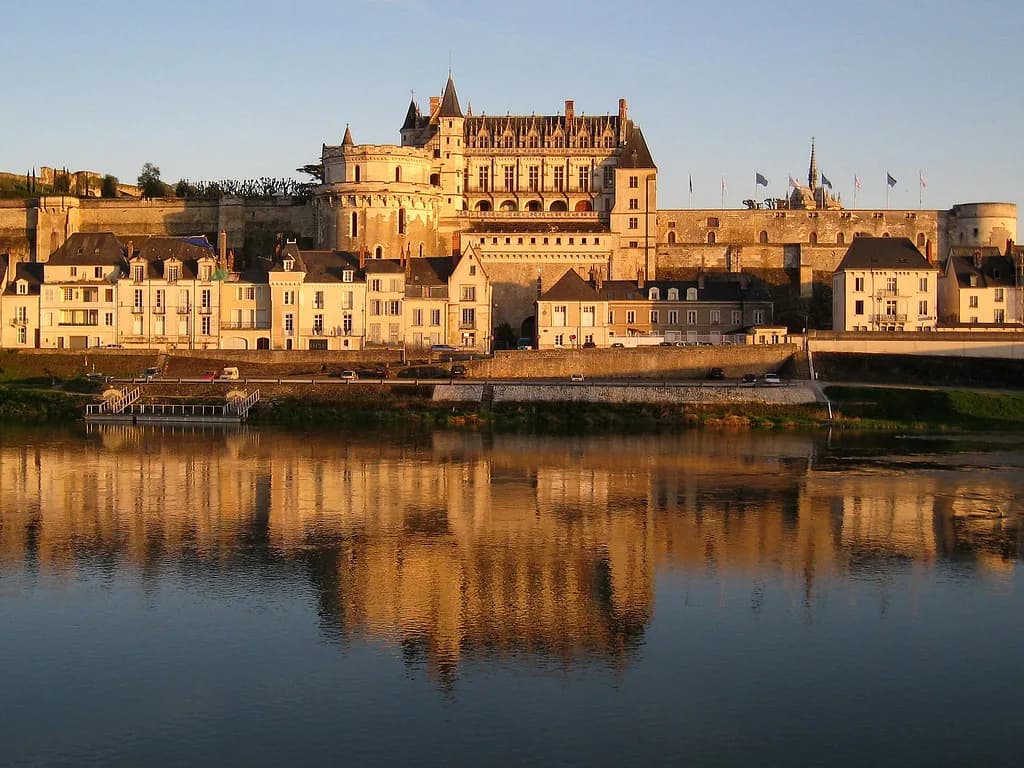
The château is two buildings in one site: a medieval fortress and the Renaissance residence raised within its ramparts, which served as an important royal residence in the sixteenth century. What stands today is only part of the larger complex that once occupied the bluff, so expect a tour of remnants rather than a complete palace.
Walking the outside costs nothing and gives you the ramparts, the river prospect and the scale of the thing. Going in adds the interiors and the chapel, and it is the main paid decision in the old town. Tickets are sold online and at the château, so check the current times and prices before you travel.
The château's wider story is royal rather than simply military: several French kings and future kings, François I among them, spent part of their childhood here. That history is what makes the interior worth the ticket if you have any interest in the Renaissance court, and it is why I would rank the château above the Clos Lucé for anyone choosing only one.
St Hubert's chapel
St Hubert's chapel stands within the château grounds and is the finest single space on the site: a late Gothic royal chapel restored in the nineteenth century. Leonardo da Vinci was buried in the collegiate church of St Florentin, and bones said to be his were later moved and reburied in this chapel.
Because it is inside the paid area, you cannot see it on a free walk. If the chapel and the Leonardo connection tip your decision towards buying a château ticket, plan the visit for the coolest or wettest part of the day and keep the streets for the sunshine.
Clos Lucé: Leonardo's residence
The Clos Lucé is a small fifteenth-century château, once a summer residence of the kings of France, that François I offered to Leonardo da Vinci as a place to live and work. Leonardo came in 1516 and died here in 1519, and the building and grounds now function as a museum of his work, with full-size models of his engineering inventions.
It stands within 500 metres of the royal château, which makes it an easy second stop on the same walk. Contrary to a popular myth, there is no secret tunnel linking the two, so budget for a proper visit rather than expecting to slip between them underground. That distance and the separate ticket mean two distinct visits, not one combined one.
The museum suits anyone travelling with children, given the models and the working-inventions angle, whereas the royal château appeals more to those chasing the Renaissance court. If you are in Amboise for a single day, see the old town and one interior properly rather than rushing both.
The riverside and the Loire
The Loire is the longest river entirely in France, and its basin covers about a fifth of mainland France, which explains why its flow swings so much through the year. In Amboise it runs wide and is divided by an island, so the view from the quay is of water and sky rather than a tight river corridor.
End your walk on the riverbank looking back at the town and the château above it. This is also the best free view in Amboise and takes only ten minutes, which makes it a sensible close to the loop before you head for a meal.
Troglodyte caves and cellars east of the centre
The tufa rock around Amboise is soft enough to cut, and people have hollowed caves into the cliffs here since prehistoric times for living and working. Several local wine producers and merchants still use cellars carved out of the rock. It is a genuinely different texture from the white-stone streets and worth half an hour.
The nearest to the centre is the Cave Drouhard, and 500 metres further east, la Cave au Fouées is an underground restaurant. Treat the cellars as a change of pace after the château rather than a separate excursion. I would skip tasting as an activity and simply note the geography, since the cellars show you how the town was provisioned.
Beyond the old town
Two sights sit outside the historic quarter and are worth adding if you have a car or a spare half-day. The Pagode de Chanteloup is an eighteenth-century Chinese pagoda overlooking a lake in the grounds of a large château demolished in 1823, and the climb to the top gives a wide view of the surrounding countryside.
Château Gaillard is another small Renaissance château just south of Amboise, known for its attractive gardens. Both are secondary to the old town itself. If your time is tight, the quarter and its two main châteaux will fill a short break comfortably without either.
Getting there from Paris
Trains run direct from Paris gare d'Austerlitz to Amboise in just over two hours, or you can take a TGV from Paris Montparnasse via Tours, which is a few minutes faster. Driving from Paris takes under three hours on the A10, leaving at exit 18. Treat those as typical figures rather than a timetable and confirm times when you book.
Whichever way you arrive, the last leg is the walk over the Pont Général Leclerc into the old town. Coming by train drops you on the north bank and makes the two-level geography obvious at once: station and newer town over there, historic quarter up the hill in front of you.
How long the old town needs
Give the old town itself two hours of unhurried walking, and a full day if you add the royal château and the Clos Lucé. That matches its size: a small country town whose castle happens to be a major monument. Two nights in Amboise lets you see the quarter in the morning, one interior in the afternoon, and the river in the evening.
Pace it by weather and appetite rather than a fixed schedule. Streets first while the light is good, interiors when it rains or when the sun is at its strongest, and the riverside last. The town rewards that rhythm; a rushed circuit of the landmarks squanders the one thing Amboise does well, which is smallness.
Practical points for the quarter
Parking in the historic centre is straightforward. Free parking areas are marked with a P, and there is paid street parking except in the pedestrian zones and at the foot of the castle. Drivers should aim for the edge of the quarter and walk in, which is easier than threading a car through the lanes.
A tourist train runs seasonally from May to September, and guided Segway tours also leave from outside the tourist office. Both are optional extras for anyone who wants the layout explained rather than walked. For most visitors on a weekend, the town is small enough on foot that they add little.
Where the old town fits with the wider Loire
Amboise sits between Orléans and Tours in the heart of château country. Chambord and Chenonceaux lie to the east and draw the biggest crowds, while the smaller Touraine châteaux are to the west. The old town is your base of operations for that wider circuit rather than a destination in its own right.
That is the honest trade-off: Amboise is overshadowed by Tours as a city and by Chambord and Chenonceaux as châteaux, yet it packs a royal castle, Leonardo's house and a walkable medieval quarter into a very short walk. One sentence on a day trip: Chambord and Chenonceaux are close enough to combine with a night here.
Plan Your Visit
Walk Amboise old town from the bridge to the clock tower to the château gates, then out to the Clos Lucé. That loop covers the quarter's best streets, its one medieval landmark and its two paid sights within a compact, level area that suits a half-day or a slow full day.
Book the château and Clos Lucé in advance, park at the edge of the centre, and keep the riverside and the cellars east of town as unhurried extras. Before you set out, check current opening hours, ticket prices and the seasonal tourist train on the tourist office site, since the town publishes its own details.
Treat Amboise as one good day in a wider Loire itinerary rather than a destination on its own, and it will reward you with the atmosphere most château towns lose.
Explore more Amboise guides
Frequently Asked Questions
Is Amboise old town worth visiting?
Yes, for a couple of hours. It is a compact quarter of white-stone, slate-roofed houses at the foot of the royal château, with a fourteenth-century clock tower in the middle of the street and the Loire a few minutes away. It is small, so pair the walk with the château or the Clos Lucé rather than treating the streets alone as a full day out.
What is there to see in Amboise's historic quarter?
The clock tower, the streets around the foot of the château bluff, and the château itself with St Hubert's chapel inside its grounds. Leonardo da Vinci's Clos Lucé sits within 500 metres of the royal château, and the riverside gives the best free view back towards the bridge and town.
How long does it take to walk around Amboise old town?
Allow about two hours on foot for the quarter itself, and a full day if you add the royal château and the Clos Lucé. The historic centre is level and small, with everything within roughly 500 metres of the château, so you will not need transport once you are in the old town.
Is the Clos Lucé near the old town?
Yes. It stands within 500 metres of the Royal Château of Amboise, which puts it a short walk from the old town lanes. There is no secret tunnel between the two, contrary to a popular myth, so plan two separate visits with two separate tickets.
Where is the Leonardo da Vinci house in Amboise?
It is the Clos Lucé, a small fifteenth-century château south-east of the royal château in Amboise. François I offered it to Leonardo in 1516, and he lived and worked there until his death in 1519. It now houses models of his engineering inventions and is the reason many visitors come to the town.
How do you get to Amboise from Paris?
Trains run direct from Paris gare d'Austerlitz in just over two hours, or take a TGV from Paris Montparnasse via Tours for a slightly faster trip. By road, the A10 motorway from Paris takes under three hours, leaving at exit 18. From the station it is a short walk over the Pont Général Leclerc into the old town.
Do you need a car to see the old town?
No. The old town is walkable and the station is on the north bank across the bridge. A car helps for the Pagode de Chanteloup, Château Gaillard and the wider châteaux of the Loire, but you can see the historic quarter and its two main châteaux entirely on foot.
Sources
Notes for French city breaks
Optional updates to our guides.
You might also like
Continue reading
More guides you'll find useful