Things to Do in Amboise: A Weekend Guide to the Loire Town
Plan a weekend in Amboise with the royal château, Clos Lucé, Château Gaillard, the old town and Friday and Sunday markets, plus how long you need.
On this page
Amboise is a one-day town on paper and a two-day town in practice. The Château Royal d'Amboise and the Château du Clos Lucé sit within about ten minutes' walk of each other, the old town lanes fill the space between them, and the Loire runs along the bottom of it all. One full day covers the two headline sights; a night buys you the market, the riverside and a slower morning.
What makes the town worth the trip is the density of it: Leonardo da Vinci spent his final years here and is buried in the château chapel, and the Renaissance royal court left both a fortress and a smaller, quieter garden estate. Trains reach Amboise from Tours in about 20 minutes and from Paris in about 1hr 45m, which makes it realistic for a weekend from the UK without a car.
Amboise in a weekend: how the town fits together
Almost everything a visitor wants sits in one compact loop. Start at Place Michel Debré in the old town, climb to the Château Royal above the river, then walk the signed route out to Clos Lucé and, if you have the legs, on to Château Gaillard. The Loire is five minutes downhill from the château walls, so the picnic stretch works as an end-of-day stop rather than a separate excursion.
That loop is the reason Amboise suits a short break: nothing needs a bus, and you can drop any single sight without wrecking the day. If you have only an afternoon, pick the Château Royal plus the old town; with a full day, add Clos Lucé; with a night, add the market morning and the riverside.
Château Royal d'Amboise: ramparts, Renaissance detail and Saint Hubert
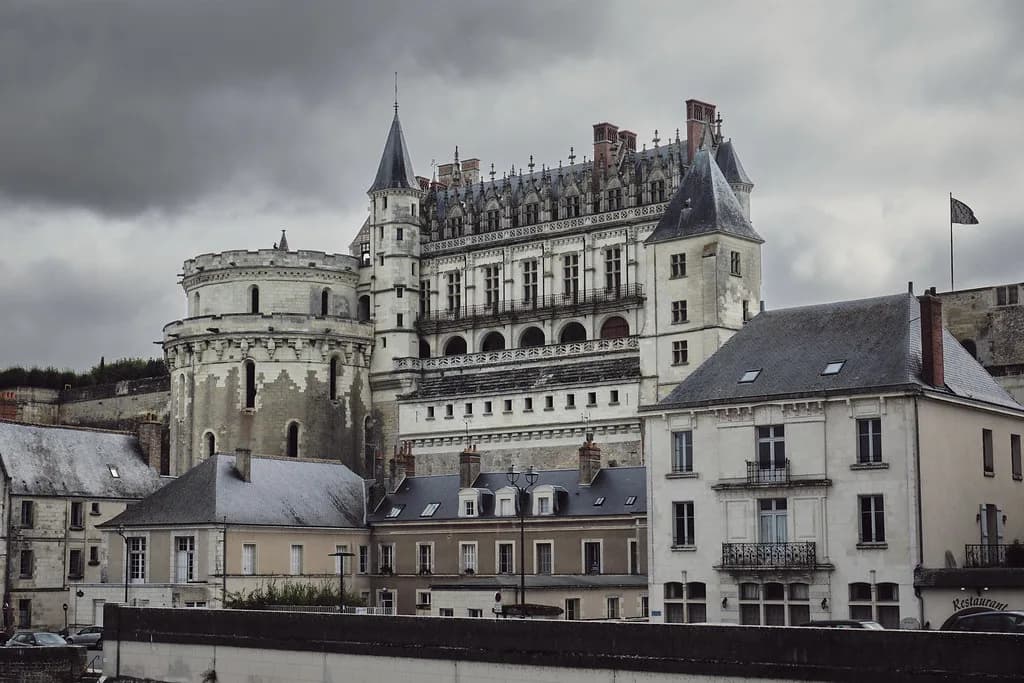
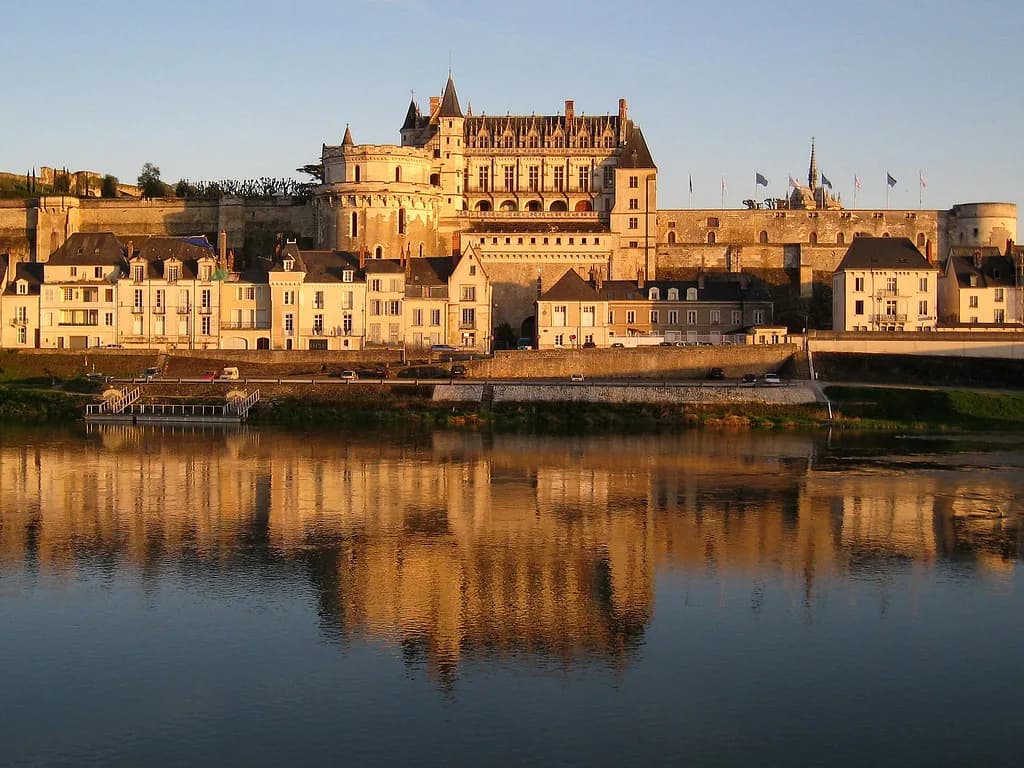
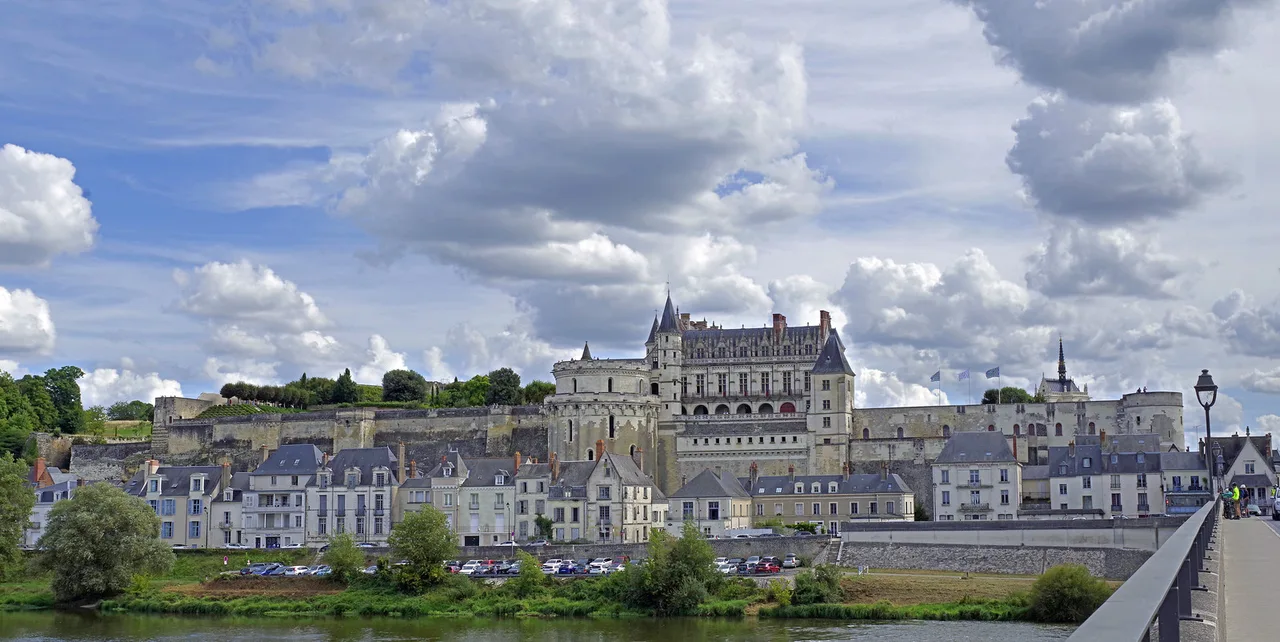
The Château Royal is the town's anchor, a Gothic and Renaissance pile standing above the Loire with rampart views across the river and the roofs below. Inside, the Chapel of Saint Hubert holds Leonardo da Vinci's grave, which makes it the one stop in Amboise that ties the royal history and the artist together in a single room.
Allow a couple of hours if you read the rooms and walk the ramparts properly, and book ahead in busy months rather than queueing at the gate. The château also runs family visits built around a character guide and an augmented-reality tablet that shows the building as François I would have known it, which changes the visit from a walk-through into something children will actually follow.
Château du Clos Lucé: Leonardo's final residence
Clos Lucé is the house where Leonardo da Vinci lived out his last years, and it is the more surprising of the two big visits. The rooms hold interactive models of his inventions and the gardens extend the exhibition outdoors, so the stop rewards people who want mechanisms and ideas rather than state rooms. Ten minutes' walk from the Château Royal, it pairs naturally with a morning at the royal château and an afternoon here.
Families can join a guided tour led by Mathurine, the cook character who tells Leonardo's story to younger visitors, and the estate's gardens are laid out to be walked rather than viewed from a path. If you are choosing between the two châteaux on a tight schedule, take the royal château for the scale and Clos Lucé for the personality.
The walk between the two châteaux
The signed route from the Château Royal up to Clos Lucé takes roughly ten minutes at an easy pace, through quiet, leafy streets that give some context to Leonardo's years in the town. Treat that as your baseline for planning: the two headline sights are close enough to do in one morning without transport, but the climb is uphill, so wear something you can walk in.
If you are building a half-day rather than a full one, this is the stretch to protect: do the Château Royal first while your legs are fresh, then walk up to Clos Lucé and leave the old town for the flat ground afterwards. Visitors who try to reverse the order tend to arrive at the royal château already tired.
Château Gaillard: the quieter Renaissance alternative
Château Gaillard is a short walk beyond the centre and far calmer than the two headline sites, with terraced Renaissance gardens and a citrus greenhouse that make it feel like a private estate rather than a monument. It is the right choice if you have already done one big château and want an hour of gardens instead of another set of state rooms.
The estate leans into its Mediterranean planting for families, with treasure hunts and creative workshops running through the season and a gardener character telling stories about the citrus collection. That makes it a strong third stop for children who have had enough of formal rooms, and a pleasant detour for adults who want the gardens without the crowds.
The old town on foot: Place Michel Debré and the Clock Tower
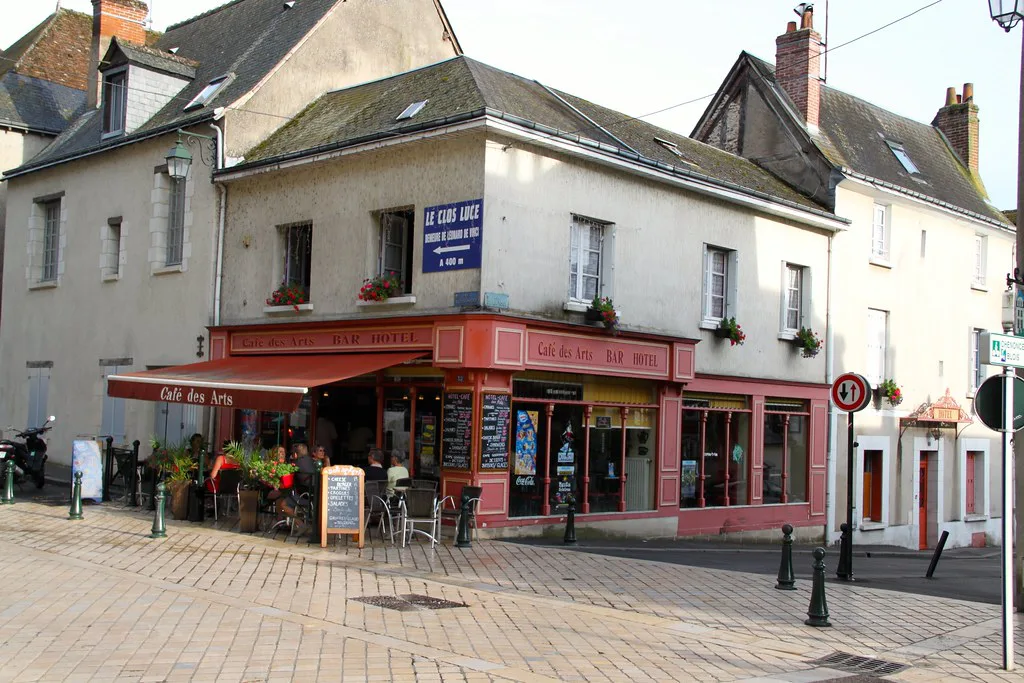
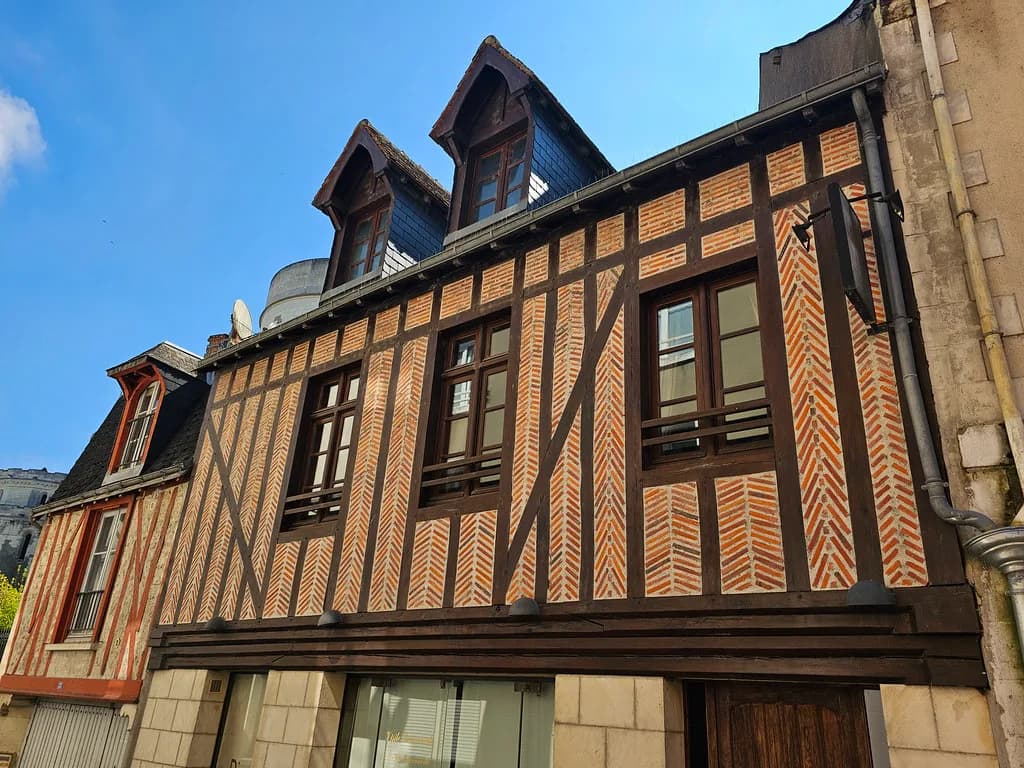
Begin the old town at Place Michel Debré and let yourself get lost in the cobbled lanes of half-timbered houses, boutiques and cafés around it. The Clock Tower marks the centre of the tangle, so use it as a landmark rather than a destination, and you will find the walking is the point rather than any single sight.
The lanes are free, level and open-ended, which makes them the best low-commitment filler in town when you are waiting for a château slot or have an hour before a train. Our own guide to the Amboise old town goes street by street if you want a route rather than a wander.
Musée de l'Hôtel de Ville: a quick local-history stop
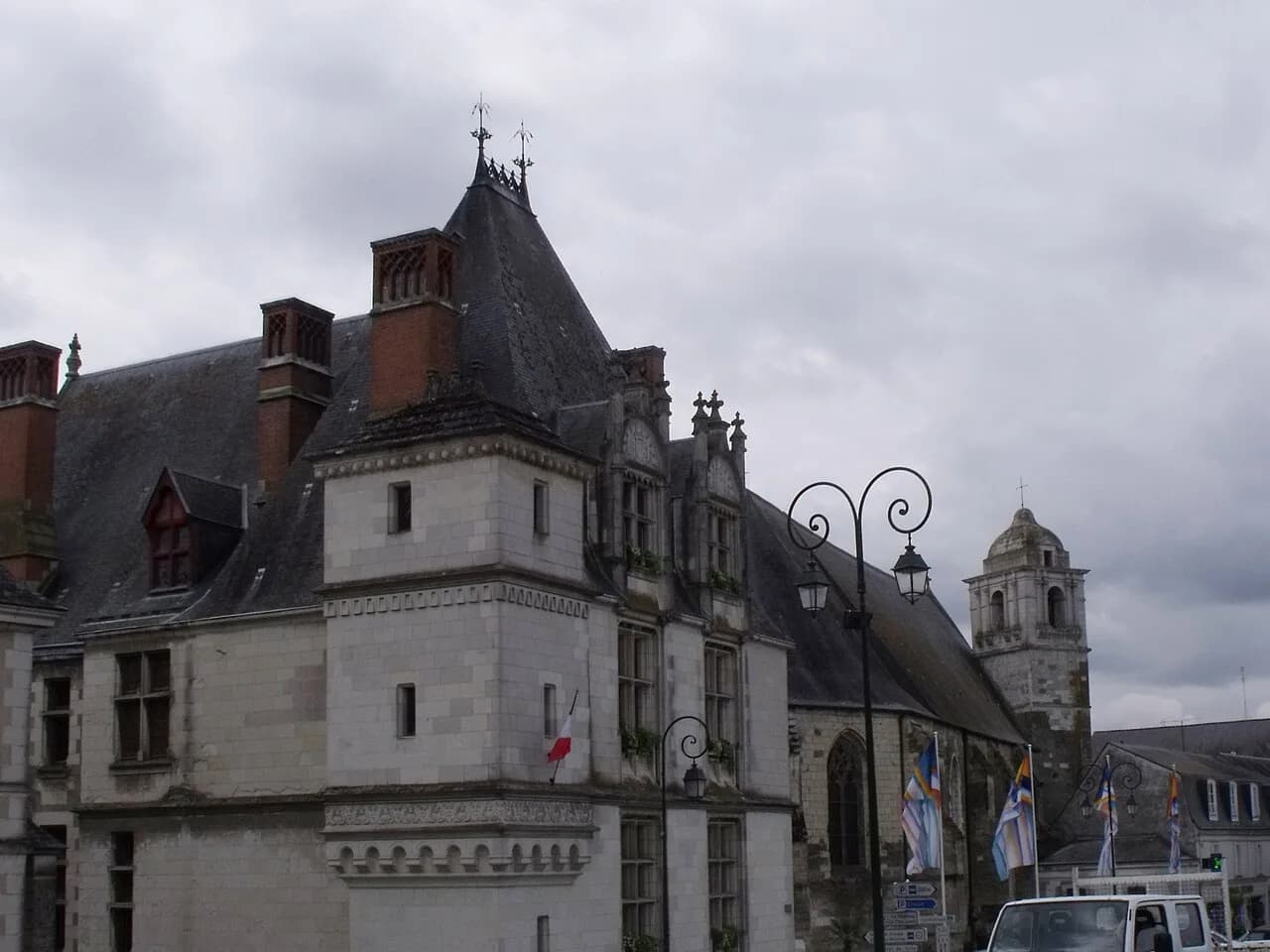
The Musée de l'Hôtel de Ville occupies a sixteenth-century mansion in the centre and covers the town's local history and culture in a compact space. It works as a twenty-minute stop between the lanes and the château rather than a destination in its own right, and it is a sensible rainy-hour fallback.
Église Saint-Florentin, a quiet historical church in the middle of town, sits on the way up to the château and costs nothing to look into. Pair the two if you want a lighter second day in Amboise without buying another ticket.
Markets and food: Friday and Sunday mornings
The Amboise market runs on Friday and Sunday mornings and is large enough to justify building your day around it, with cheese, strawberries, rotisserie chicken and handmade baskets among the stalls. Arrive early for the best produce and to avoid the crush.
Those two mornings are the single most useful planning constraint in the guide: a Friday or Sunday visit buys you the market, while a Saturday visit does not. If you are weighing dates, choose around the market rather than around the châteaux, which you can see any day. Our guide to the Amboise market covers what is worth buying and how to work it into your morning.
For local dishes, look for pike-perch in beurre blanc, rillettes and Tarte Tatin, and use the daily menu at lunch for the best value. The best restaurants in Amboise are worth booking ahead for dinner on a market day, when the town fills up.
The Loire riverside: the picnic stretch below the château
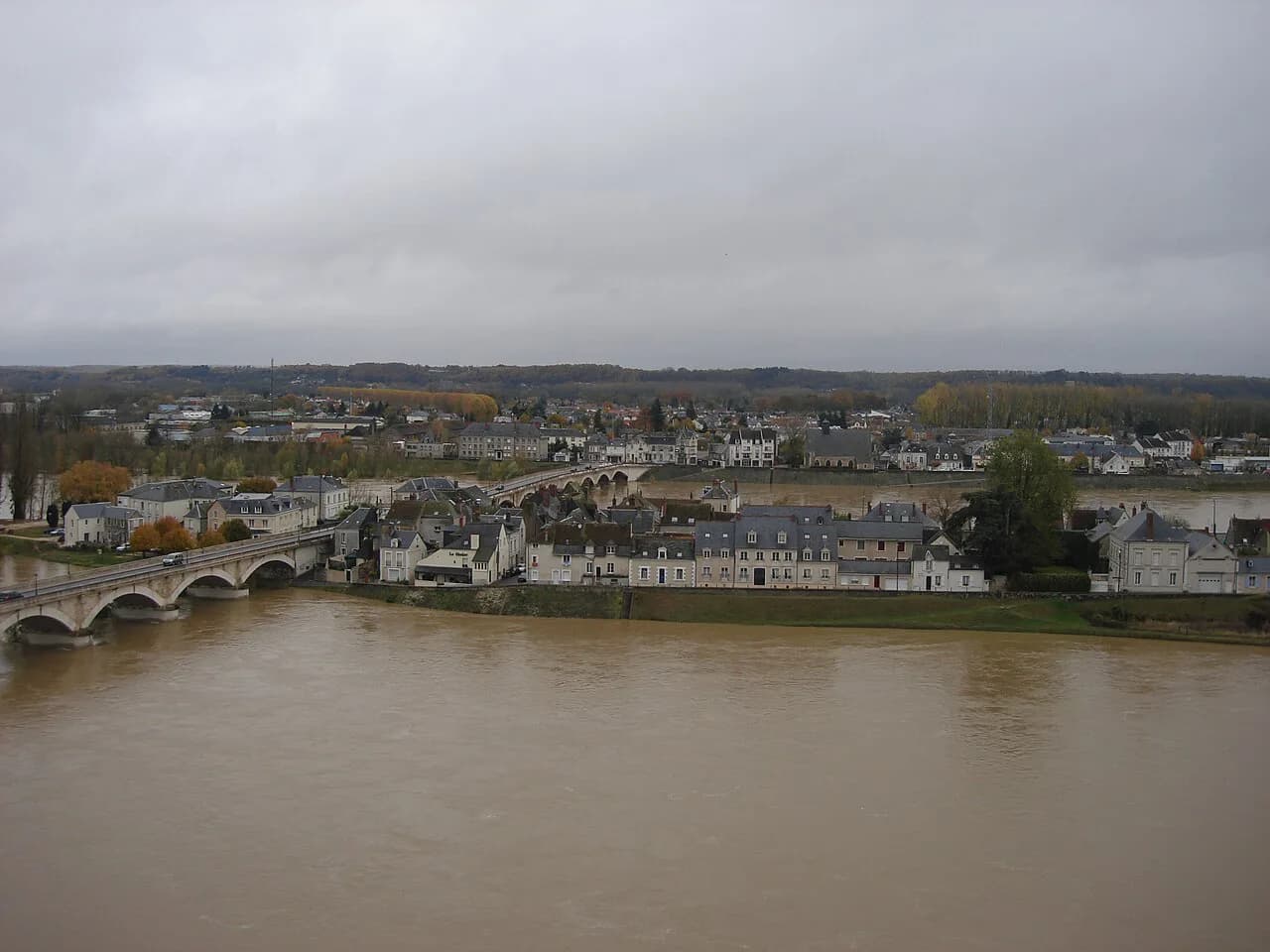
Below the château walls there is a green space by the water that makes the obvious picnic stop. Buy cheese, a baguette and fruit at the market in the morning, then eat by the river in the afternoon. It costs nothing beyond the shopping, and it balances the ticket-heavy morning.
The river also supports more active options: a canoe, or a traditional flat-bottomed boat with a tasting of local products on a summer evening, both run from the banks around Amboise. Cycle paths along the Loire head towards Tours and Chenonceau, roughly 27km and 20km respectively, if you would rather cover ground than lie on the grass.
Parc des Mini-Châteaux and family options outside the centre
The Parc des Mini-Châteaux recreates Loire Valley châteaux in scale models, including Amboise, Chenonceau and Chambord, in a flower-filled park with playgrounds. It is just outside the centre and pairs well with a morning in town when travelling with children.
Two more family stops sit near Amboise: the Aquarium de Touraine, with 80 tanks and around 360 species including the Loire's catfish, and the Conservatoire de la Confiserie, where sweets and lollies are sampled. A small tourist train also runs a guided circuit of the royal town if you want to cover the monuments without walking.
Pagode de Chanteloup: the climb and the view
The Pagode de Chanteloup stands in a park with century-old trees a few kilometres from town, and the climb to the top is 149 steps for a panorama over the forest. Below it, the park holds ancient wooden games and a treasure hunt, so it fills an afternoon rather than a quick stop.
It is the one sight on this list that needs transport or a proper walk, so save it for a second visit or a day when the town centre is packed. Travellers with a car find it easy to fold into a Loire Valley loop.
Getting there and getting around
Trains connect Amboise to Tours in about 20 minutes and to Paris in about 1hr 45m, making the town practical without a car. By car, parking near the château puts you within a few minutes of the old town. Day trips further into the Loire, such as Langeais, are possible but deserve their own day.
Once you are in town, everything in the centre is on foot: the château, Clos Lucé, Gaillard, the old town and the riverside form a loop of roughly two to three kilometres with one climb. The Pagode de Chanteloup and the Parc des Mini-Châteaux are the exceptions that need a bike, a bus or a car.
How many days Amboise needs
One full day is enough for the highlights: the Château Royal, Clos Lucé and the old town, with the riverside at the end. Staying overnight gives you a more relaxed pace and, on the right day, a market morning that a day trip cannot reach.
Our verdict is two nights if you are coming from the UK: one full day for the châteaux loop, and a second morning for the market, Château Gaillard or the riverside bike path. If you have only a day, skip Gaillard rather than rushing everything else.
When to go and how busy it gets
High season concentrates pressure on the two headline châteaux, and booking ahead is the practical answer rather than turning up and queueing. The town itself absorbs crowds well because the old town lanes and riverside are free and open, so a busy day still has quiet corners.
The wider Touraine region is easily explored by bike on the Loire à Vélo greenway, which is family-friendly and largely traffic-free, so a shoulder-season visit with a hired bike is a good way to see more without a car. Build the market mornings into your dates and the rest of the plan follows.
Practical planning: bookings and closures
Book the Château Royal and Clos Lucé in advance for busy months and check each venue's own page for opening days before fixing your itinerary, since schedules vary through the year. Build the Friday or Sunday market morning into the plan first, then fill the rest of the day around it.
Use the town's own tourist office listings for current activities and family programmes, which change with the season, and the City Pass if you plan to visit several sites. Confirm details before you travel.
Plan Your Amboise Weekend
Build the trip around the market mornings, protect the morning for the Château Royal and the afternoon for Clos Lucé, and leave the old town and riverside as your free, flexible time. Add Château Gaillard or the Pagode de Chanteloup only if you have a second day.
If Amboise is one stop on a longer French trip, our things to do in Aix-en-Provence and things to do in Arles guides follow the same approach for those cities.
Explore more Amboise guides
Frequently Asked Questions
Is Amboise worth visiting?
Yes, for the combination of the Château Royal, Leonardo da Vinci's last home at Clos Lucé and a compact old town you can walk in a day. It is small enough for a short break and close enough to Paris by train to make a weekend realistic.
How many days do you need in Amboise?
One full day covers the two headline châteaux and the old town. A night, or ideally two, adds a market morning, the riverside and Château Gaillard at a relaxed pace.
What is Amboise famous for?
Amboise is known for its royal château above the Loire, for Leonardo da Vinci's final residence at Clos Lucé and for his grave in the Chapel of Saint Hubert. Its Renaissance history and walkable centre are what draw most visitors.
What day is the market in Amboise?
The market runs on Friday and Sunday mornings. Plan your dates around those days if the market matters to you, and arrive early for the best produce.
Can you walk from the Château Royal to Clos Lucé?
Yes, the signed route takes roughly ten minutes at an easy pace. It is uphill, so do the château first and the walk second.
Is Amboise better than Blois for a weekend?
Amboise is smaller, quieter and easy to cover on foot, which suits a short break. Blois is larger and busier; choose Amboise if walkability and a slower pace matter more than choice of restaurants and shops.
Sources
Notes for French city breaks
Optional updates to our guides.
You might also like
Continue reading
More guides you'll find useful