
Pagode de Chanteloup: A Visitor's Guide to Amboise's 18th-Century Tower

The Pagode de Chanteloup is a Chinese-style tower of the late 18th century standing in a 14-hectare park just outside Amboise, and the climb to its top is the reason most people come. Built in 1775 by the Duc de Choiseul, it is the only remaining piece of his grand château at Chanteloup, which was destroyed in 1823. A full visit takes about an hour, and the ticket is worth it if you want one wide view of the Loire valley and a quiet walk afterwards.
Come with the right expectations. This is not a furnished palace interior: it is a monument, a park and a small museum in the old concierge's pavilion, so the pleasure is the climb, the view and the water. Plan it as a half-day beside the château and town centre rather than a day out on its own.
A Duc's Folly and the Last Piece of a Lost Palace
The Pagode is a "folie" of the 18th century, built by the Duc de Choiseul in 1775 after his exile from the court of Louis XV, and dedicated to his friends. Its position at the edge of the Forêt d'Amboise and its view over the Loire make it the surviving evidence of a much bigger estate. Read that history first and the tower stops looking like a garden ornament.
The château that once stood beside it had a façade as wide as Versailles and was among the most talked-about houses of its day. It was destroyed in 1823, leaving the Pagode as the sole standing witness of the Choiseul household. The site lies within the Loire Valley area inscribed on the UNESCO World Heritage list.
Sources differ on the tower's height, giving 40 metres and 44 metres. Both agree on the essentials: a tower you climb from the inside, and a panorama that opens only at the top. Treat the exact height as a detail rather than a reason to choose one description over another.
Where It Is and How to Get There
The address is Route de Bléré, 37400 Amboise, on the edge of the Forêt d'Amboise rather than in the town centre itself. That means a car, a taxi or a bike rather than a walk from the station with luggage. If you are building a day around the town, our guide to Amboise Attractions helps you slot the Pagode in beside the riverside sights.
Cyclists are well looked after: the site holds the Accueil Vélo label, with secure bike parking and repair kits for people riding the Loire routes. Arriving by bike is a genuinely practical option here and turns the visit into a pleasant half-day out from the town. Drivers will find parking on site.
Tickets: What You Pay
The full adult ticket is €12, children aged 7 to 18 pay €9, and a reduced rate of €10 covers students, teachers and similar categories. Group rates run from €8 to €10, with a minimum of 20 adults or 10 school pupils. Payment is accepted by card, cheque, cash and bank transfer, so you are not limited to carrying notes.
Booking in advance saves time at the desk, and the official site runs an online ticket window as well as the on-site counter. Check the season's rates and any family or combined offers on the ticketing page before you travel, since these are the figures that change.
Climbing the 149 Steps
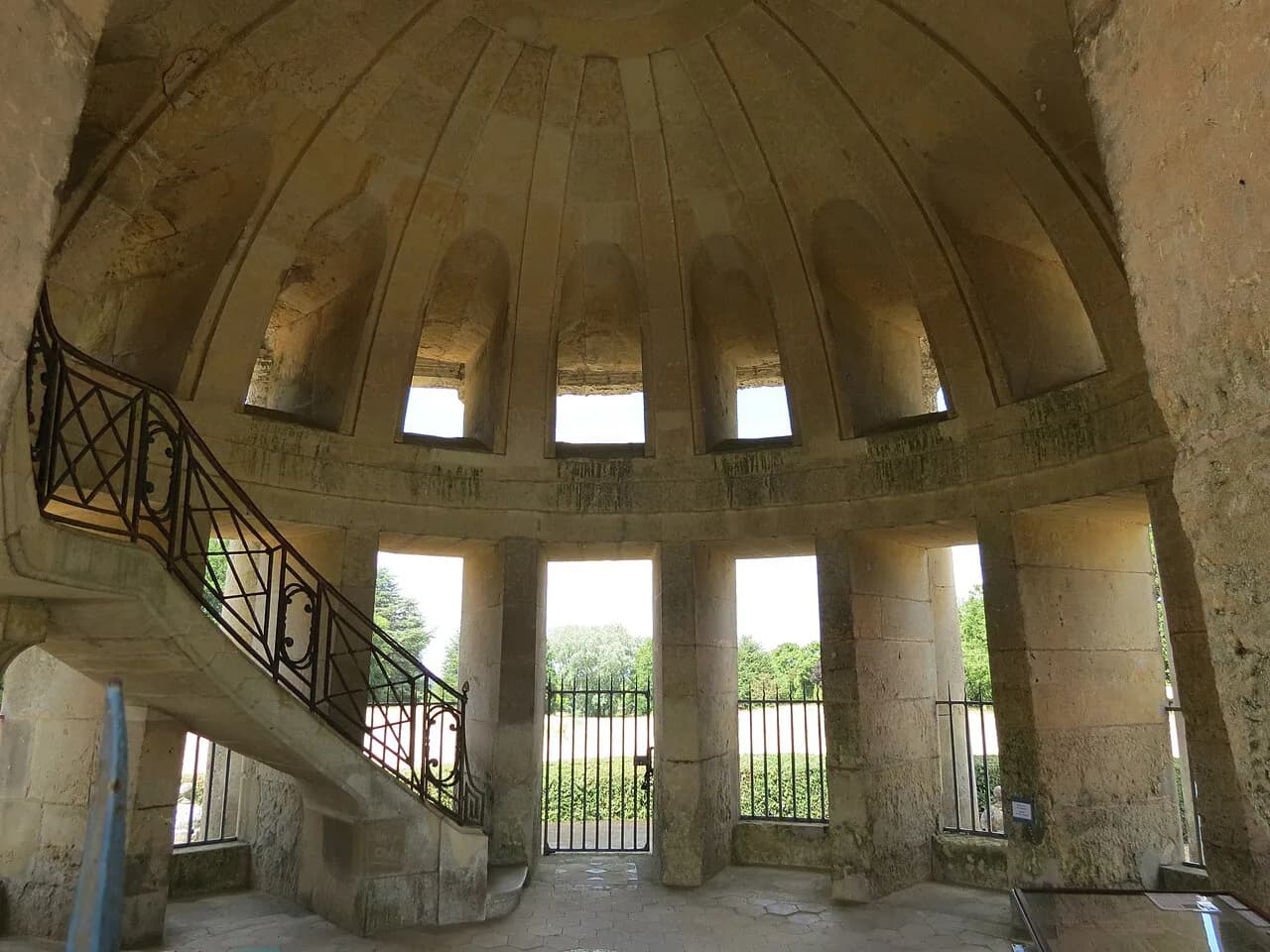
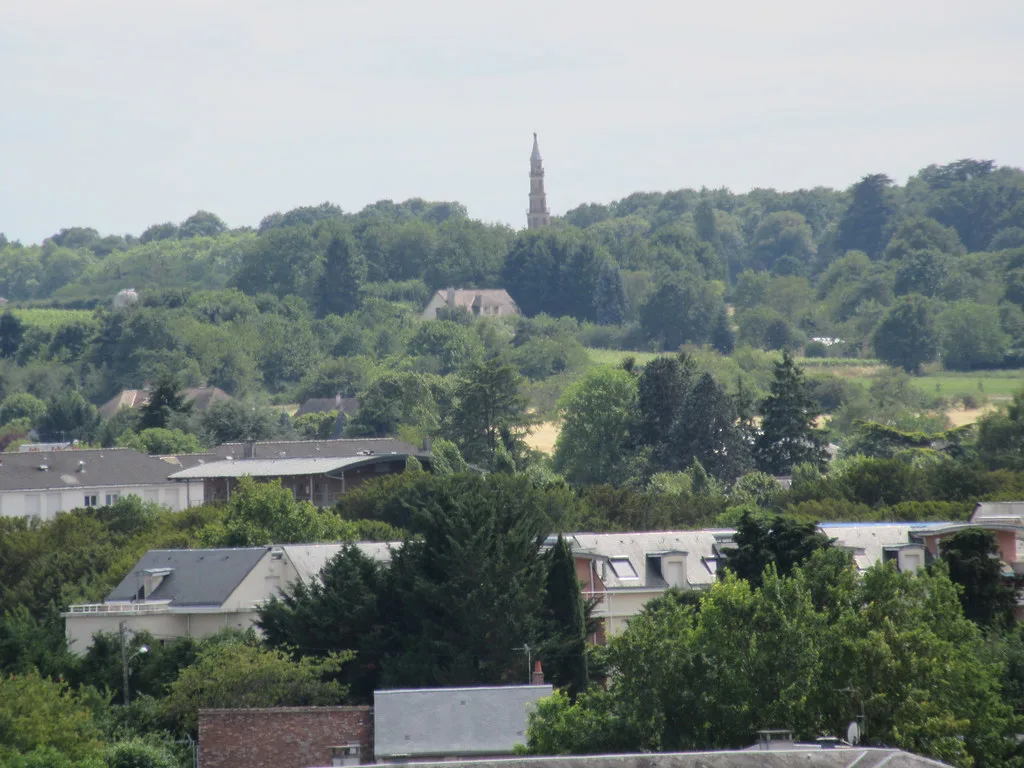
The climb is 149 steps up an internal staircase, and it is the one part of the visit that decides whether you enjoy the place. At the top you get a 360-degree view over the château d'Amboise, the forest and the Loire valley. There is no lift and no shortcut: if stairs are a problem, the park and the museum still justify the ticket.
Go up when the light is clear and the day is dry, because the payoff is a long view rather than anything inside the tower. The staircase is narrow enough that a steady, unhurried pace works better than racing other visitors. Carry water in warm weather, as the climb is the most physical part of the visit.
The Park, the Half-Moon Lake and the Jardin de Fû Hsi
Below the tower, the 14-hectare park spreads around a half-moon lake and a long canal, with forest walks and picnic tables. The Pagode is reflected in the water, which is why the walk around the lake is worth doing after the climb rather than before. This is the part of the site that rewards lingering.
The small Jardin de Fû Hsi, a Chinese-style garden with oriental planting and decorative chinoiserie, is laid out for quiet sitting rather than for walking through quickly. Take a bench for ten minutes and it becomes the calmest corner of the estate. Combined with the lake, it gives the site a second dimension beyond the tower.
Boats and Old Wooden Games
Rowing boats are available on the lake during the season at €6 per hour, which is the best way to see the monument's reflection from the water. This is a seasonal charge, so plan it for a mild day rather than a winter visit. Families with children often rate the boat higher than the tower itself.
Around forty old-fashioned wooden and outdoor games are set out in the grounds, from skittles to puzzles and balancing games. They add a playful layer to the park and make it a genuine stop rather than a walk-through. That combination of games, boats and space is what makes the site work for mixed-age groups.
The Pavillon du Concierge and the Lost Château
The old concierge's pavilion at the entrance now holds a small museum on the history of Chanteloup and its people. Its centrepiece is a 3D virtual reconstruction of the demolished palace and its gardens as they were in the Duc de Choiseul's time. It gives the empty park a shape and explains what you are standing in.
Allow fifteen to twenty minutes here before you head out to the tower. The museum sets up the view from the top, so the order matters: history first, climb second. A free brochure in French and English is handed out with the visit.
Visiting with Children
The Mystère de Chanteloup trail gives children an adventurer's backpack and a set of clues to solve around the park. It turns a walk into a hunt and buys you the time to sit by the lake. This is the single best reason to bring children here rather than to a formal château interior.
The wooden games and the boat rental sit alongside the trail, so a family can easily fill two hours without forcing the museum. Older children will manage the staircase; younger ones need a hand on the way down.
Food, Drink and Picnics
A tea room serves picnic baskets from April to September, filled with Touraine rillettes, Saint-Maure-de-Touraine goat's cheese and wines from the Chanteloup vines. Snacks and hot and cold drinks are available through the season. The park has picnic tables and space, so bringing your own lunch is a sound plan.
For a picnic, the park has tables and space, or you can pick up a basket of Touraine produce from the tea room between April and September. For a fuller sit-down meal, eat in Amboise before or after the visit: the town has the restaurants, the estate has the grass.
How Long to Allow
Plan about an hour for a complete visit, covering the museum, the climb and a circuit of the park, which is the average the regional tourist board gives. If you add a boat and the games, budget closer to two hours. If you skip the tower, forty minutes in the grounds is enough.
The honest trade-off is simple: the tower is the whole point and the staircase is the cost. People who dislike heights or enclosed stairs will get less from the ticket, while everyone else will find the hour well spent. Pair it with the Château d'Amboise, which is a short drive back towards the town centre, to make a proper day.
Opening Times
For 1 October to 11 November 2026 the site is listed as open daily from 10:00 to 13:00 and 14:00 to 17:00, with a lunchtime closure. Other parts of the year follow a different pattern, and the woodland setting means season matters. Confirm the day you plan to travel on the official site before setting out.
The site operates from March to November, which sets the practical outer limit for a visit. Outside that span, plan something else in the Loire rather than turning up on the off-chance.
Access and Practical Checks
The site does not currently hold the Tourisme & Handicap label, and the tower's 149 steps are not going to suit everyone. If access matters for your group, ring or email before booking so you know exactly what the park and grounds allow. That call is worth making rather than discovering the limits at the gate.
Dogs are welcome, though it is worth confirming the exact rules on leads and which areas they can enter. A shop, toilets, wifi, a picnic area and lockers are listed among the on-site services, the last handy if you are cycling.
The staff speak French, English, German, Spanish, Italian and Dutch, so a visit without French is straightforward. Brochures are in French and English.
Nearby: Amboise and the Loire Gardens
The Château d'Amboise dominates the town and is the obvious second stop, with its royal apartments and riverside terraces. The Clos Lucé, Leonardo da Vinci's last home, sits a short walk from the château and makes a natural pair with it. Both are close enough to link with a morning at the Pagode.
Beyond Amboise, the gardens of the Loire are the natural company for a monument like this one, from Chaumont-sur-Loire to Villandry's kitchen gardens. If you are staying in the area for a weekend, our guide to things to do in Amboise covers the town itself. If you are weighing up which Loire town to base yourself in, our Blois city guide makes a useful comparison.
Plan Your Visit
The Pagode de Chanteloup suits anyone who wants one strong view, a quiet park and an hour well filled, especially families with children and cyclists on the Loire routes. Book the ticket online, arrive for the morning opening, and give the museum twenty minutes before you climb.
Skip it if stairs are out of the question and you are only interested in interiors, and put the hour into the château in town instead. Everyone else should treat the full adult ticket as fair value for a climb with a genuine panorama at the end.
Explore more Amboise guides
Frequently Asked Questions
How many steps are there to the top of the Pagode de Chanteloup?
There are 149 steps up the internal staircase to the top of the tower. The view from the top covers the château d'Amboise, the Forêt d'Amboise and the Loire valley. There is no lift.
How much does it cost to visit the Pagode de Chanteloup?
The site publishes separate rates for adults, children aged 7 to 18, reduced categories and groups, and the regional tourist board lists them alongside payment methods. Book through the official ticketing page so you see the current figures for your dates, since rates change between seasons.
How long does a visit to the Pagode de Chanteloup take?
Allow about an hour for a complete visit, including the museum, the climb and a circuit of the park. Add a boat trip and the wooden games and it stretches to roughly two hours. Skipping the tower brings it down to forty minutes or so.
Is the Pagode de Chanteloup good for children?
Yes. The Mystère de Chanteloup trail gives children an adventurer's backpack and clues to solve around the park, and around forty old wooden games are set out in the grounds. Boat rental on the lake adds another draw in season.
Can you hire a boat at the Pagode de Chanteloup?
Rowing boats are rented on the half-moon lake during the season, charged by the hour, and the rate is posted on the official site. It is the best way to see the tower reflected in the water. The service is seasonal rather than year-round.
Is the Pagode de Chanteloup open every day?
For 1 October to 11 November 2026 the site is listed as open daily from 10:00 to 13:00 and 14:00 to 17:00, with a lunchtime closure. The season runs from March to November. Check the official site for the day you plan to travel.