Things to Do in Blois: Château, Old Town and Loire Views
Plan a short break in Blois with the Château Royal, the Maison de la Magie, old town lanes and the Denis Papin staircase, plus how many days you need.
On this page
Blois is a one-day city that rewards a second day. The Château Royal, the Maison de la Magie, the cathedral and the river stairs sit within a compact centre you can walk end to end, and three of the Loire's best-known châteaux are roughly a 20-minute drive away, so the town works both as a short break in itself and as a base for the surrounding valley.
Plan on 1.5 to 2 hours inside the château and about an hour at the magic museum, then give the lanes and the riverside the rest of the afternoon. That pacing leaves room for a proper lunch rather than a rushed sandwich, which matters in a town where the old quarter is best seen slowly.
What to See in Blois in a Day: The Route at a Glance
Start at the Château Royal on the Place du Château, cross the square to the Maison de la Magie, then climb through the old town to Saint-Louis Cathedral and the gardens behind it. Finish downhill at the Denis Papin staircase for the view back over the Loire, which is at its best in late afternoon light.
The order works because the château and the magic museum face each other, and the old town rises behind them toward the cathedral. Everything on this route is walkable, so you never need transport until you leave for the outlying châteaux.
Start at the Château Royal de Blois
The Château Royal is the reason most people get off the train. One courtyard holds four centuries of building, from Gothic halls to the Renaissance wing of Louis XII and the François I staircase, and the city's status as a Town of Art and History makes this the obvious first stop.
Allow 1.5 to 2 hours for the full visit. Tickets run at around €15 according to a published guide, but treat that as an approximate figure rather than an official tariff and confirm the current rate at the ticket desk; the courtyard can be glimpsed without committing to the interior.
Skip-the-line entry is sold online, with a Château de Blois ticket listed among the bookable options for the town. Buying ahead makes sense on a short break when you want to protect a fixed slot rather than queue.
Cross to the Maison de la Magie
Directly opposite the château, the Maison de la Magie is hard to miss: six dragon heads push out of its windows. The museum has traced the history of illusion through the work of Robert-Houdin since 1998, with live performances running on a set schedule rather than continuously.
Budget about an hour inside and ask at the desk which show fits your afternoon, since performances are timed. It is the most family-friendly stop in the centre and a good wet-weather substitute for the lanes if the day turns.
The Fondation du Doute for Contemporary Art
A short walk from the château, the Fondation du Doute is devoted to Fluxus, the playful international movement associated with George Maciunas, Ben Vautier and Joseph Beuys. It is a sharp contrast to the Renaissance architecture next door and takes roughly an hour, with temporary exhibitions rotating through the year.
Choose it over a second château interior if conceptual art appeals more than period rooms, and skip it if your day is already full: the centre's other sights sit closer together.
Walk the Old Town Lanes and Squares
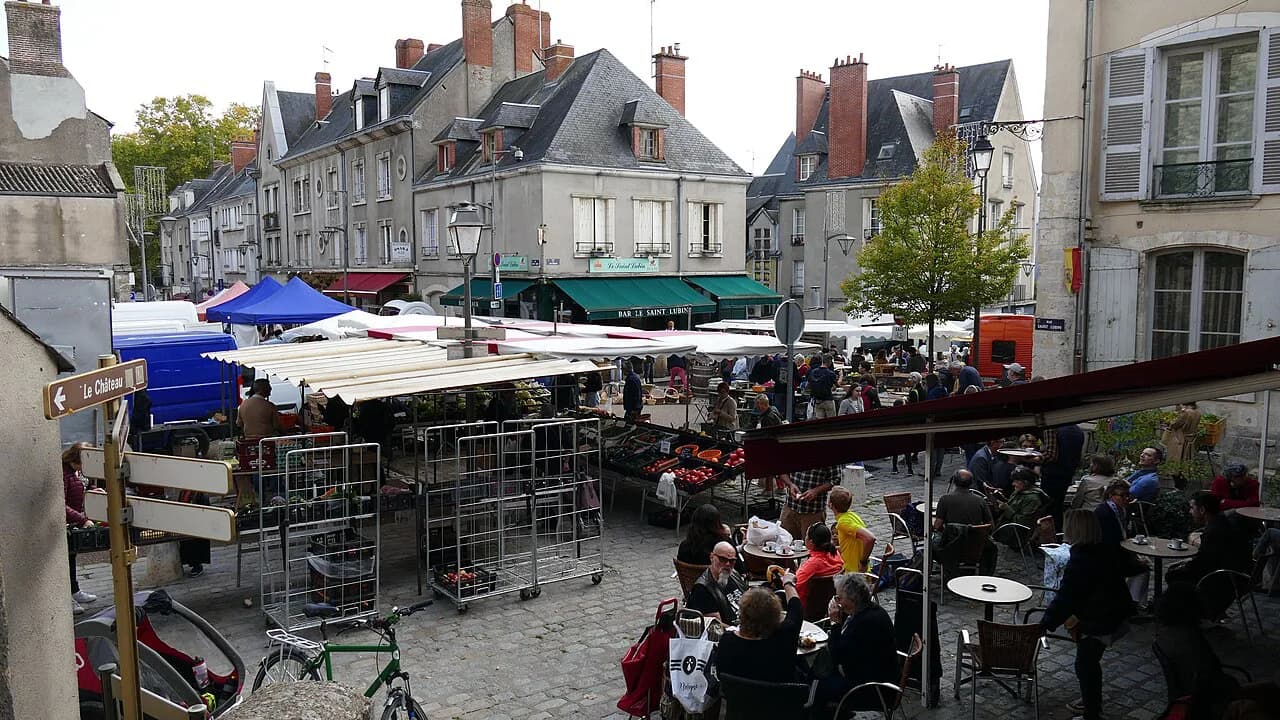
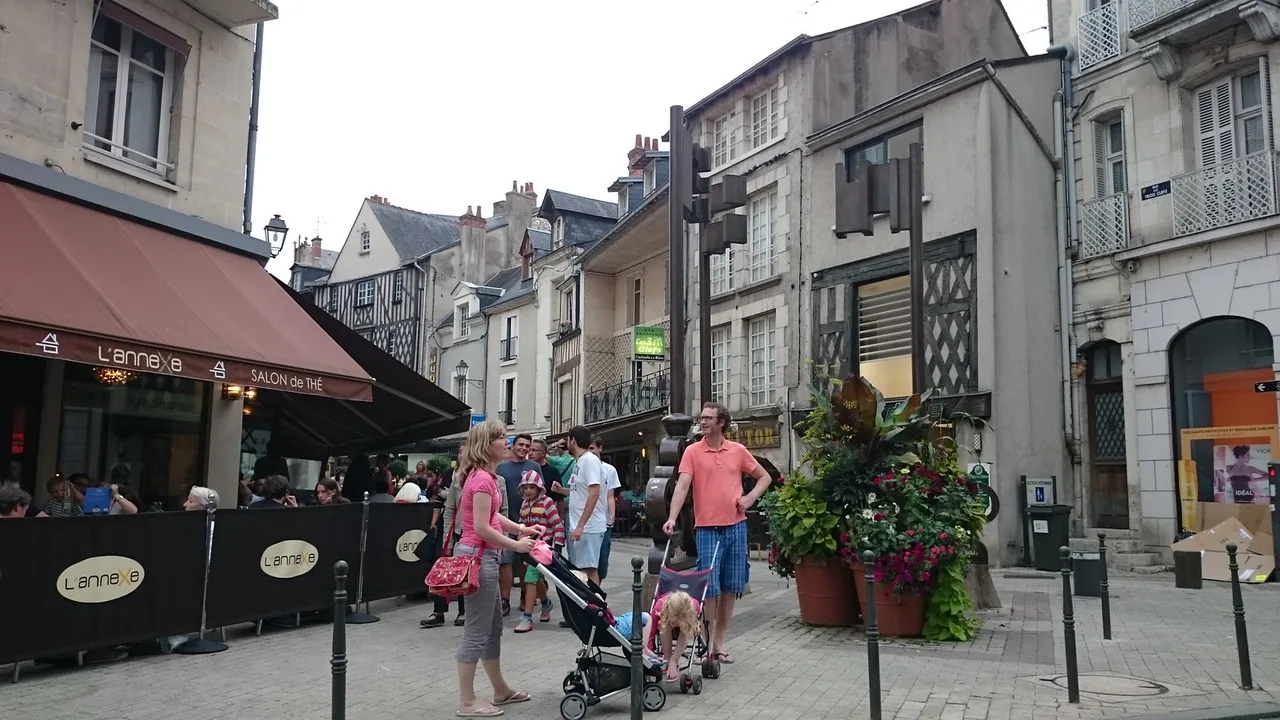
The old town rewards slow walking more than any single monument. Rue du Puits-Châtel holds the city's oldest half-timbered houses, and the tangle of lanes climbing toward the cathedral mixes Renaissance mansions with timber-framed façades.
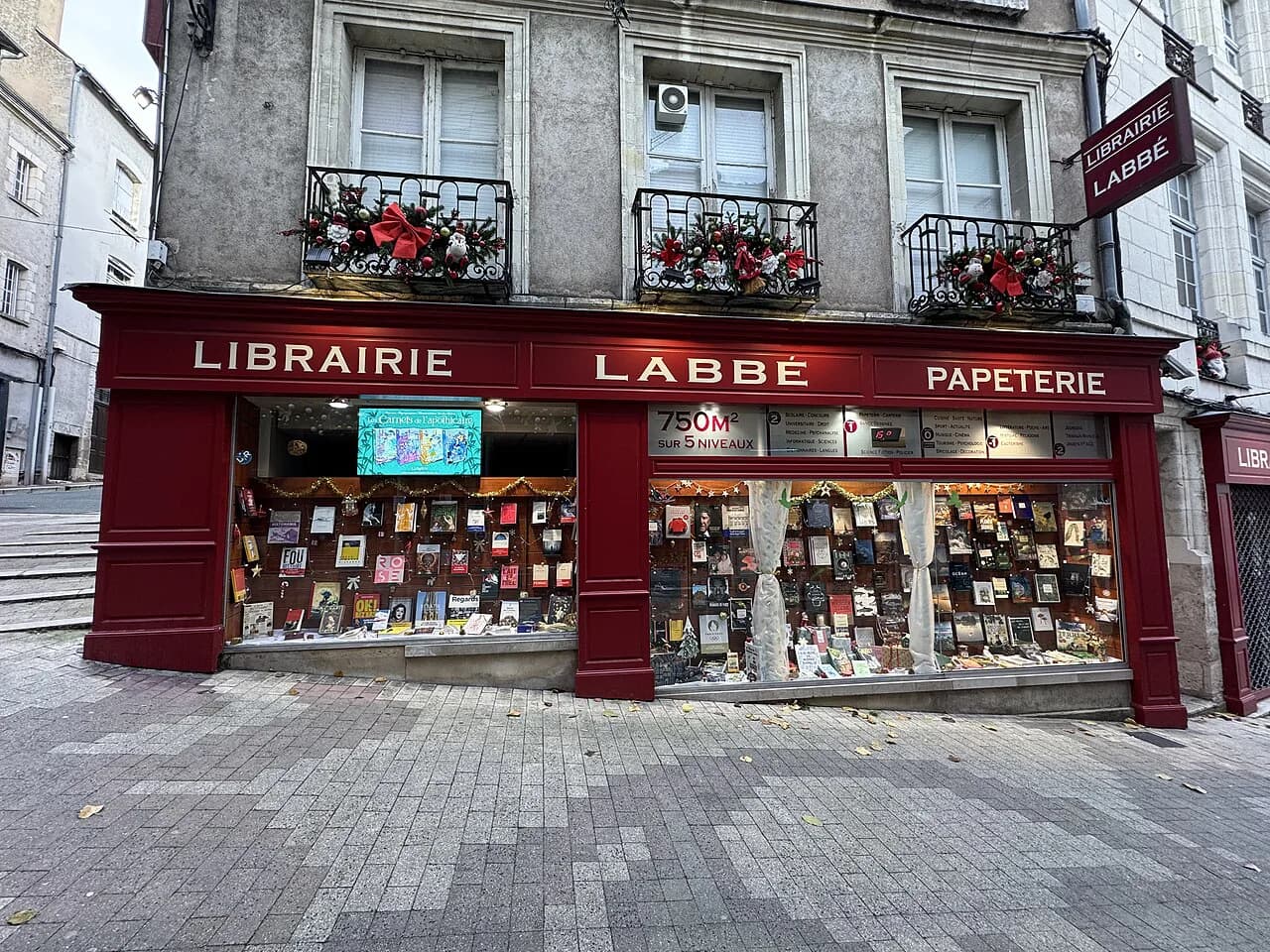
Give yourself 45 minutes to an hour without a fixed route. Small independent shops and quiet squares fill the gaps between the headline sights, and browsing is part of the point rather than a detour from it.
Saint-Louis Cathedral and the Former Bishop's Palace Gardens
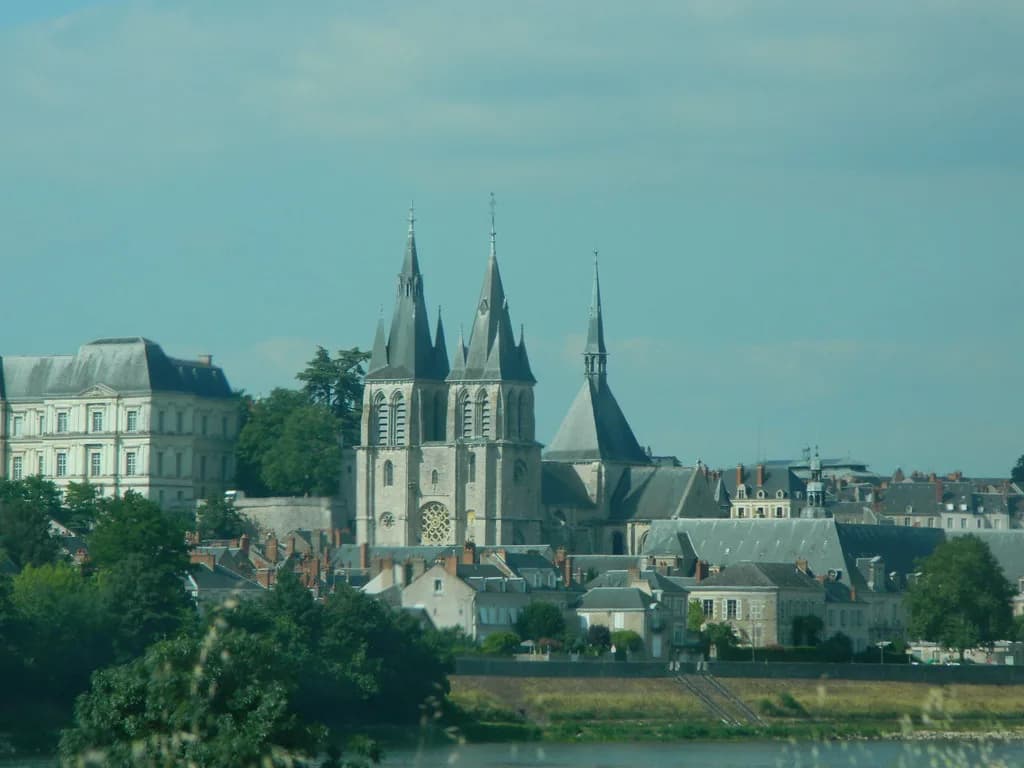
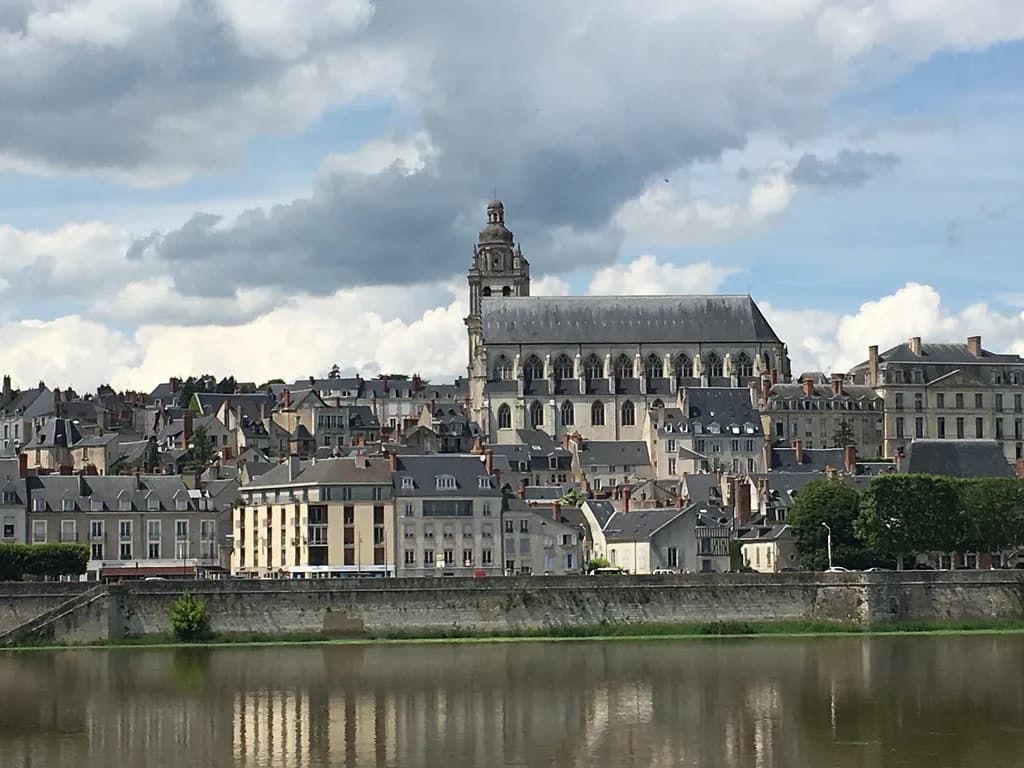
Saint-Louis Cathedral crowns the top of the old town, and the royal gardens of the former Évêché behind it open onto one of the best panoramas in Blois. Both are free to enter, which makes this the cheapest good hour in the city.
A rose collection below the garden adds colour from late spring through summer, and 30 minutes covers a relaxed visit to cathedral and gardens together. Aim for late afternoon, when the light over the rooftops is at its strongest.
The Denis Papin Staircase and Its View Over the Loire
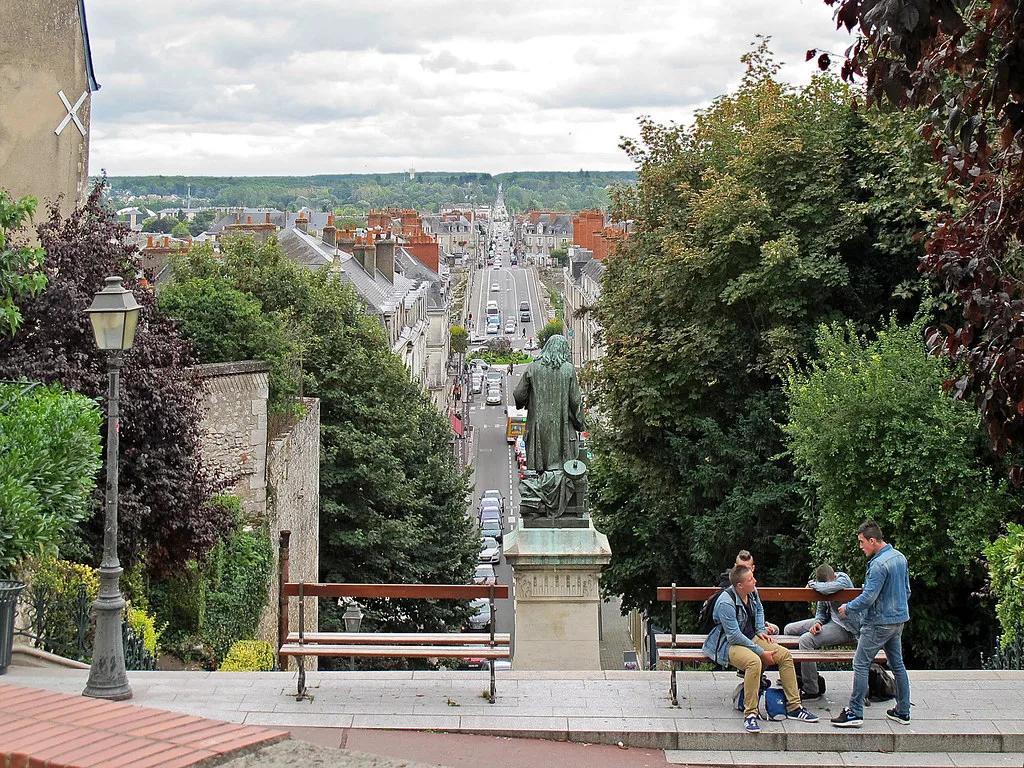
The Escalier Denis Papin climbs from the riverbank near the Pont Jacques Gabriel up into the old town, named after the local inventor. Ten minutes at an easy pace gets you to the top, and golden hour gives the best light over the water and roofs.
The staircase doubles as a canvas: a trompe-l'oeil Mona Lisa covered the steps in 2019 to mark 500 years since Leonardo da Vinci's death, and a giant Mickey Mouse design appeared in 2020 for the BD Boum comic festival. Treat both as past installations rather than anything you can count on seeing.
How Blois Is Laid Out and How Long It Takes to Walk
The centre is compact and fully walkable, with the château, magic museum and old town stacked within minutes of each other. Half a day covers the château and the historic core at a comfortable pace; the river and the upper town add the rest of a day.
Anything beyond the centre changes the calculation. Chambord, Cheverny and Chaumont-sur-Loire are roughly a 20-minute drive away, though the same guide also puts them within a 30 to 45 minute drive, and several are beyond convenient bus routes, so plan transport before assuming you can hop between them.
How Many Days Blois Needs: One for the City, Two to Three With the Châteaux
One full day handles the Château Royal and the historic centre. Two to three days let you use Blois as a base for the surrounding châteaux, ideally with a morning castle visit and an afternoon back in town.
If you want the three headline châteaux near Blois, set aside at least two extra days in the area. Cramming them into a weekend means spending more time in a car than in a courtyard.
When to Go: Late Spring and Early Autumn Versus Midsummer
Late spring, meaning May and June, and early autumn in September bring mild weather and fewer crowds than midsummer. Château gardens are at their best then, and the countryside around Blois is more rewarding to look at than in the peak July and August traffic.
Midsummer still works if your dates are fixed, but expect the château and the old town to feel busier. Shoulder-season trips also make it easier to book the timed shows at the Maison de la Magie around your own schedule.
Getting There and Getting Around Without a Car
Blois has direct train links to Paris and a central position for reaching Chambord, Cheverny and Chaumont-sur-Loire, which sit roughly 30 to 45 minutes away by road. The town itself needs no transport at all once you arrive.
For the outlying châteaux, a rental car is the most flexible option. Seasonal shuttle buses and organised minivan tours connect the town to the major sites without one, and a Chaumont-sur-Loire skip-the-line ticket is sold online if you want that stop pre-booked.
Blois With Children
The Maison de la Magie is the obvious anchor for a family day, with its dragon façade and scheduled live shows keeping attention better than period rooms. Pair it with the château courtyard, which gives a sense of scale without demanding a full two hours indoors.
The Denis Papin staircase and the free bishop's palace gardens give children somewhere to run after the museums, and both cost nothing. Build the day around two indoor stops and plenty of outdoor time rather than three museums in a row.
Honest Trade-Offs: Blois Versus Amboise and Tours as a Base
Blois stands out for its royal château and a well-preserved medieval and Renaissance old town, and it feels quieter than busier Amboise. Direct trains to Paris and easy access to several major châteaux make it a strong hub. If you would rather weigh a southern alternative, our guide to the things to do in Aix-en-Provence covers a very different kind of old town, museums and markets.
Tours adds a livelier dimension, with a historic centre, market halls and wine bars, and suits travellers who want a bigger city in the evening. Amboise and Tours are strong alternatives closer to other château clusters, so pick your base by which châteaux you actually plan to see.
Where to Eat and What to Expect in Town
Regional Loire cooking is the sensible choice here, and a handful of named tables in Blois cover everything from a traditional bistro near the château to a riverside fusion kitchen. Book ahead for dinner on a weekend, when the centre's better-known addresses fill up.
Lunch is the easier meal to keep flexible, since a long château morning rarely ends at a predictable hour. Wine tastings and vineyard tours around the Cheverny and Touraine appellations are worth a passing stop if you are driving, but they should not displace the town itself.
Plan Your Visit
Blois suits a short break that mixes one unhurried day in a walkable royal city with a morning or two among the châteaux. Base yourself centrally, start at the Château Royal, and leave the river stairs for the end of the afternoon.
Check the château's current ticket price and the magic museum's show times before you travel, then spend your planning energy on which châteaux you can realistically reach rather than on squeezing in one more sight.
Explore more Blois guides
Frequently Asked Questions
Is Blois worth visiting?
Yes, if you want a compact Loire city with a genuine royal château and a walkable old town. The Château Royal, the Maison de la Magie, the cathedral and the river stairs fill a comfortable day, and the town works as a base for Chambord, Cheverny and Chaumont-sur-Loire, all roughly 20 minutes away by car.
How many days do you need in Blois?
One full day covers the Château Royal and the historic centre. Two to three days let you use Blois as a base for the surrounding châteaux, and if you want the three headline châteaux near the town, set aside at least two extra days beyond your city day.
Do you need a car to see the châteaux around Blois?
A rental car is the most flexible way to reach Chambord and Chaumont-sur-Loire, which sit beyond convenient bus routes. Seasonal shuttle buses and organised minivan tours also connect the town to the major châteaux, so a car-free trip is possible with some planning.
What can you do in Blois with children?
The Maison de la Magie is the strongest family stop, with its dragon façade and scheduled live shows, and the château courtyard gives a sense of scale without a long indoor visit. The Denis Papin staircase and the free bishop's palace gardens give children space to run afterwards.
When is the best time of year to visit Blois?
Late spring, in May and June, and early autumn in September bring mild weather and fewer crowds than midsummer. Gardens are at their best then, and the surrounding countryside is more rewarding than in the peak July and August traffic.
Is Blois a good base for the Loire Valley châteaux?
Blois is a practical central base with direct train links to Paris and easy access to Chambord, Cheverny and Chaumont-sur-Loire within a short drive. Amboise and Tours are strong alternatives closer to other château clusters, so choose by which châteaux you plan to see.
What is free to see in Blois?
Saint-Louis Cathedral and the gardens of the former bishop's palace cost nothing and together take about 30 minutes. The château courtyard can also be glimpsed without buying an interior ticket, which helps if you are budgeting across a weekend.
Sources
Notes for French city breaks
Optional updates to our guides.
You might also like
Continue reading
More guides you'll find useful