Things to Do in Beaune: Burgundy's Wine Capital
Plan a short break in Beaune with the Hôtel-Dieu, the ramparts, the cellars and the Cité des Climats, plus how to shape one or two days in Burgundy.
On this page
Beaune packs a famous medieval hospital, a ring of ramparts, kilometres of wine cellars and a separate museum on Burgundy's vineyards into a centre you can walk end to end. One full day covers the Hôtel-Dieu, the old-town streets and a cellar or two; a second day suits the Cité des Climats et vins de Bourgogne and a short hop into the Côte de Beaune villages.
The town sits in the Côte-d'Or department of Burgundy, in the heart of the Côte de Beaune, the southern half of the celebrated Côte d'Or vineyard slope. That position, rather than any single sight, explains why so much of what you do here involves wine: cellars under the streets, a museum devoted to the Climats, and villages named after the wines they produce. If you enjoy towns where one craft shapes the whole centre, compare the things to do in Aix-en-Provence, where markets and museums do the same job for a different local trade.
Beaune in a Nutshell: A Compact Town Built Around One Famous Hospital
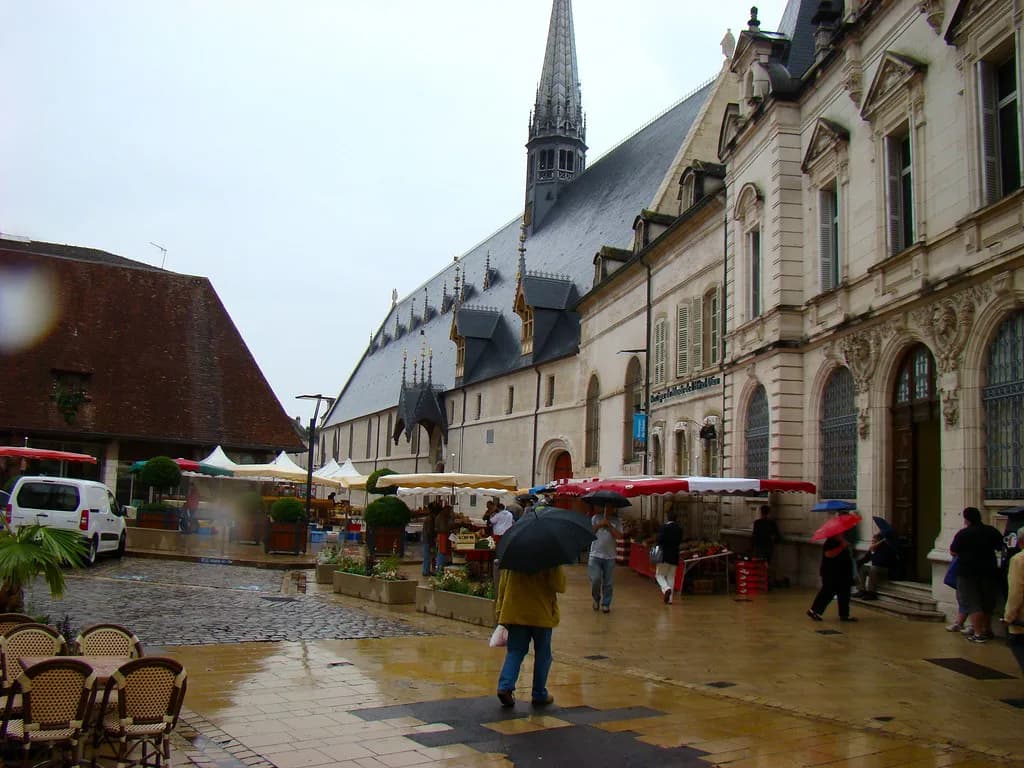
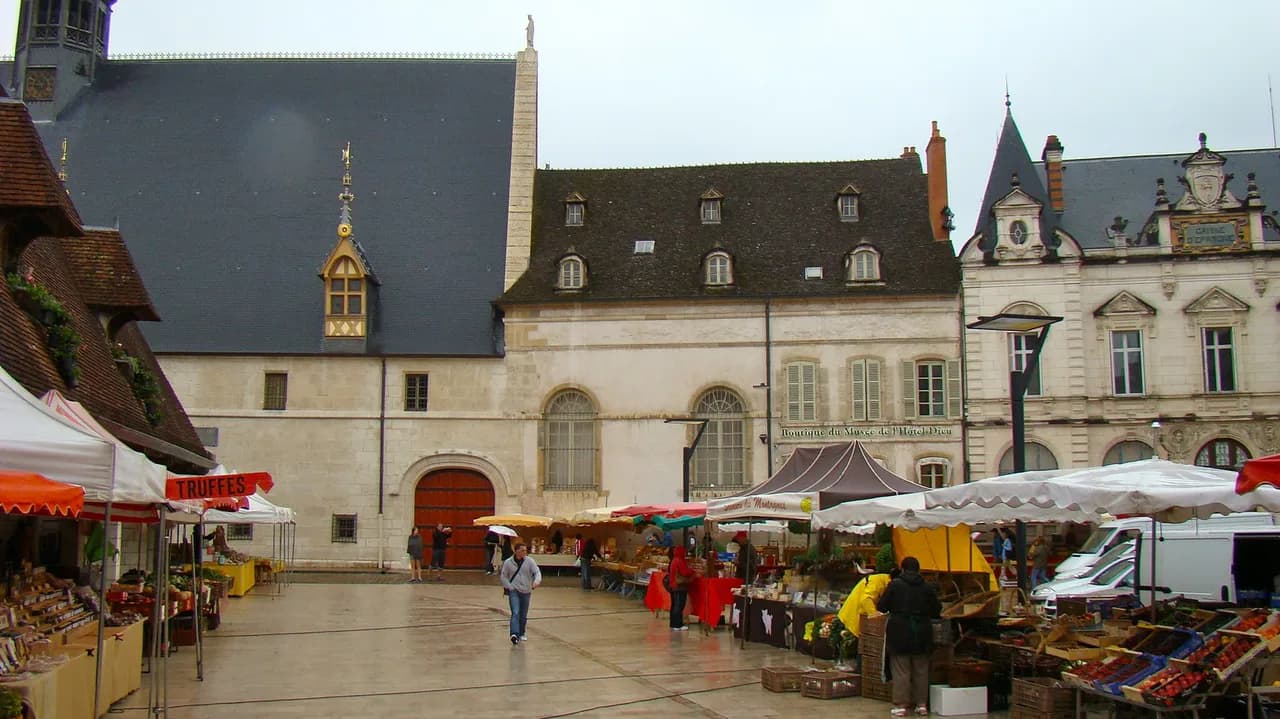
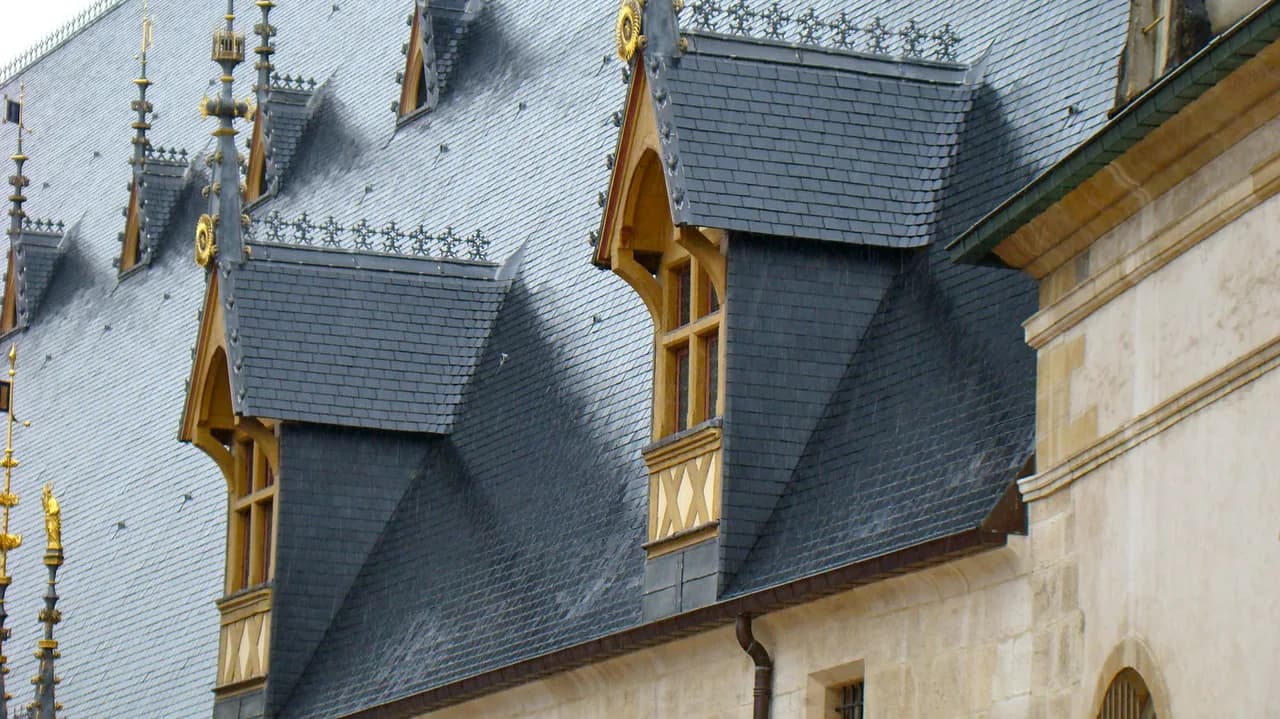
The Hôtel-Dieu – Hospices de Beaune is the anchor, and the tourism office lists it first among the city's things to see. Everything else in the historic centre sits within a short walk of it, so you can treat the hospital as your fixed point and build a day outward from its courtyards. Its glazed roofs, hospital wards and courtyards make it the historic set piece of Burgundy, and the site keeps a cultural programme running alongside the heritage visit.
Around it sits a working town rather than a museum piece: chocolate shops, tea rooms, wine houses and the everyday commerce of a small Burgundy city. That mix means you can alternate a heavyweight sight with a pastry stop without crossing town, which is what makes Beaune work so well for a short break.
Start at the Hôtel-Dieu – Hospices de Beaune
Begin here on your first morning. The courtyards, the wards and the glazed roofs form one of the most beautiful historic settings in Burgundy, and the visit gives you the background, charitable and civic as much as medical, that explains the town's wealth. Give it proper time rather than treating it as a photo stop, because the detail is in the roof tiles and the ward interiors.
Check the current ticket price and any seasonal programme on the official Hospices de Beaune site before you travel; the site's own calendar is the reliable place for what is running during your dates. Pair the visit with a wander through the surrounding lanes of the old town, where the street plan still follows the medieval footprint inside the walls.
Walk the Ramparts: From Gallo-Roman Castrum to Later Bastions
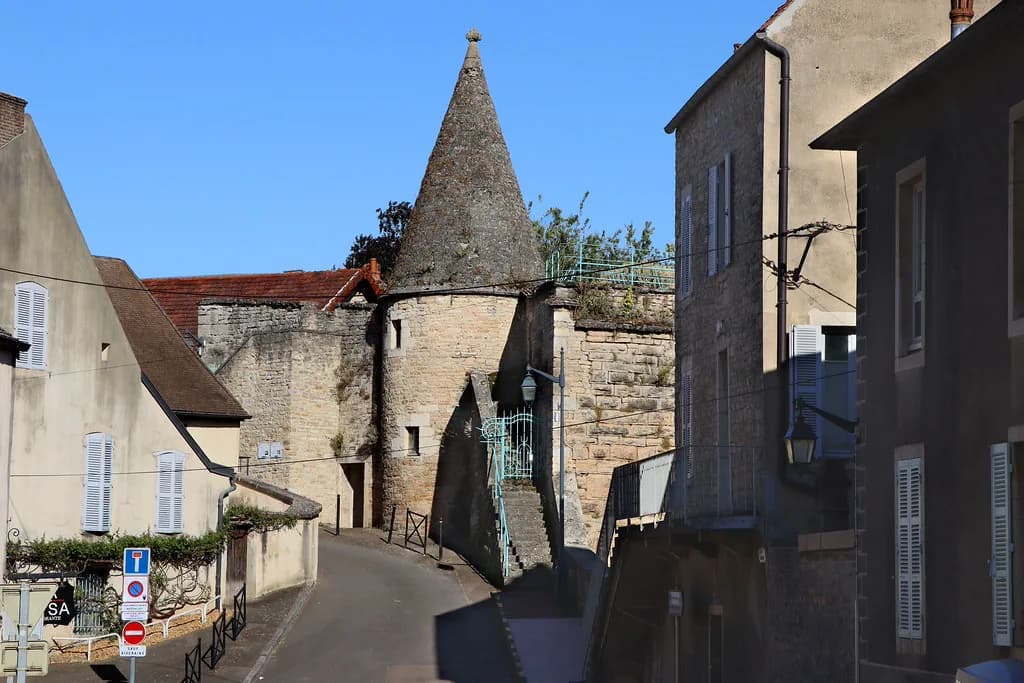
The ramparts still define Beaune's skyline, and the fortifications trace more than two thousand years of history, from the first Gallo-Roman castrum through to the bastions of the modern era. Walking the stone paths is the cheapest way to understand the town's shape: commerce, wine production and defence have all left their mark on the same circuit.
Use the ramparts as your spine. They connect the historic centre to the cellars and give you an orienting loop on arrival day, when you want the lie of the land before committing to ticketed visits. A circuit on foot takes well under an hour at an unhurried pace, which leaves the rest of the day free.
The Cellars Beneath the City: Patriarche Père & Fils, Chanson Père et Fils and Maison Champy
Beaune has a second town underground. At Patriarche Père & Fils, several kilometres of tunnels form a labyrinth of vaulted cellars cut into the ancient foundations, like a parallel city carved from stone. Chanson Père et Fils occupies the Bastion de l'Oratoire, a former defensive tower built into the ramparts, so the walls that once defended the town now house Burgundy wines.
Maison Champy, a few streets away, adds the trading side of the story: a medal at the Paris World's Fair and early exports to New York show a town already open to the world. Pick one or two cellars rather than all three, since the visits overlap in format, and check each house's own site for visit times and what is included.
The Cité des Climats et vins de Bourgogne and the Climats UNESCO Story
A few minutes from the historic centre, the Cité des Climats et vins de Bourgogne tells Burgundy's wine heritage through contemporary scenography rather than ancient stone. Its immersive tour covers the Climats, the UNESCO World Heritage-listed vineyard parcels, explaining soils, plots and the expertise behind them, plus the history of the brotherhoods, merchants and wine houses that shaped Beaune.
Do this before you head into the vineyards. The displays open onto the wider landscape and make the Route des Grands Crus legible, so the differences between neighbouring villages stop being abstract names on a wine list. Allow a half-day if you like reading panels; a focused hour and a half covers the essentials.
The Route des Grands Crus Villages: Pommard, Volnay and Meursault
The Route des Grands Crus winds through the villages of the Côte de Beaune, and each has a distinct identity worth choosing between. Pommard is known for structure, Volnay for finesse, and Meursault for the brilliance of its whites, so pick according to what you like in a glass rather than trying to see all three properly in a day.
In Pommard, the Château de Pommard offers bookable tasting experiences built around an organic and biodynamic vineyard. In Meursault, the village and the vineyard run together, and the Manoir des Parcellaires de Saulx keeps a wine bar overlooking the vines, while the Domaine Marguerite Carillon runs tailored experiences pairing wines with local specialities. Book ahead, since these are appointment-style visits rather than walk-in attractions.
Food and Sweet Stops: Burgundy Cheese, Chocolate and Pastry
Beaune's sweet-tooth cluster sits a stone's throw from the Hospices. Fabrice Gillotte, a Meilleur Ouvrier de France, works chocolate with the precision of a grand cru, while Maison Dufoux goes for generous, accessible indulgence with artisanal specialities, and L'Atelier des Bonbons makes marshmallows, lollipops and flavoured sweets on site.
For something savoury, the Burgundy Cheese Experience at the Hanna Shaps estate pairs the estate's wines with the region's iconic cheeses in workshop format. Fabien Berteau's tea room and pastry shop, next to the Athenaeum, covers delicate desserts and seasonal tarts. For a full sit-down meal, work from our pick of the best restaurants in Beaune for a weekend break rather than defaulting to the first menu on the main square.
How the Town Is Laid Out and How Long You Need
Think of Beaune as concentric. The Hôtel-Dieu and the old-town lanes form the core, the ramparts make a walkable ring, and the cellars and the Cité des Climats sit just off that ring, with the vineyard villages a short drive or taxi ride beyond. Because the centre is compact, you rarely need transport within the walls, and the walk between the hospital, the ramparts and a cellar is measured in minutes.
One full day is enough to see the Hôtel-Dieu, walk the ramparts and take in a cellar; two days let you add the Cité des Climats and a Côte de Beaune village without rushing. Three days only make sense if you plan long tasting appointments or want a slower pace.
When to Go and How to Pace a Weekend
Beaune works across the seasons because so much of it is indoors: cellars, the Hôtel-Dieu, the Cité des Climats and the food shops all function whatever the weather. Summer brings the Beaune Festival of baroque opera into the town's historic venues, which can fill evenings, so book cultural visits around whatever is on rather than the other way round.
A sensible weekend rhythm: Saturday for the Hôtel-Dieu, old-town wandering and one cellar; Sunday for the Cité des Climats or a village appointment. Check museum and shop opening days before you set the order, since many French museums close one day a week and Sunday trading in small towns is limited, and confirm the specific venue's hours on its own site.
Practical Sense of Cost and Timing
Budget by visit rather than by day. The Hôtel-Dieu, the Cité des Climats and the cellars each charge their own admission or tasting fee, and village château and domaine experiences are priced per appointment, so check the official pages for current euro prices before you commit. Many tastings are booked and paid in advance, which also fixes your timing.
Time is the other currency. Reserve at least two hours for the Hôtel-Dieu, an hour for the ramparts, two to three for a cellar tour and a half-day for the Cité des Climats; that arithmetic is why two days beats one here. Keep one flexible block for shops and pastry stops, and confirm the day's opening hours before setting out.
Plan Your Visit
Beaune rewards a simple plan: anchor the day on the Hôtel-Dieu, use the ramparts to find your bearings, then go underground into the cellars or out to the Cité des Climats and the Côte de Beaune villages. Two days lets you do all of it without rushing, and the compact centre means you never lose time in transit.
Book tastings and village visits ahead, confirm prices and opening days on official sites, and leave room for the chocolate and cheese stops near the Hospices. Our Beaune attractions guides match each sight to the time you have, and the shopping streets of the Côte d'Or are worth an hour if retail matters to you.
Explore more Beaune guides
Frequently Asked Questions
How many days do you need in Beaune?
One full day covers the Hôtel-Dieu, a walk on the ramparts and one wine cellar. Two days let you add the Cité des Climats et vins de Bourgogne and a Côte de Beaune village such as Pommard or Meursault without rushing. Add a third only if you want long tasting appointments.
What is the single sight not to miss in Beaune?
The Hôtel-Dieu – Hospices de Beaune, whose courtyards, hospital wards and glazed roofs are the town's landmark. Build the rest of your day around it, since the old-town lanes, ramparts and sweet shops are all within a short walk.
What wine region is Beaune in?
Beaune sits in Burgundy, in the Côte-d'Or department, at the heart of the Côte de Beaune. The surrounding villages give their names to well-known wines, which is why cellars, a wine museum and vineyard visits dominate the town's attractions.
Do you need a car in Beaune?
No for the town itself: the historic centre, ramparts, cellars and Cité des Climats are close enough to reach on foot. A car or a taxi is useful for the Route des Grands Crus villages, where estate and château visits are usually booked as appointments.
Which villages should you visit from Beaune?
Pommard is known for structured wines, Volnay for finesse and Meursault for its whites. Choose one or two rather than all three, and book appointments at the Château de Pommard, the Manoir des Parcellaires de Saulx or the Domaine Marguerite Carillon in advance.
What can you do in Beaune on a rainy day?
Head indoors: the Hôtel-Dieu, the cellars of Patriarche Père & Fils, Chanson Père et Fils or Maison Champy, and the Cité des Climats et vins de Bourgogne all keep you under cover. The chocolate shops and tea rooms near the Hospices fill shorter gaps.
Where do you check opening days and ticket prices?
Use each venue's official site for current admission prices and daily opening, and the Beaune tourist office for what is on during your dates. Book tasting appointments directly with the wine house or domaine, since many visits run by reservation only.
Sources
Notes for French city breaks
Optional updates to our guides.
You might also like
Continue reading
More guides you'll find useful