Beaune Itinerary: A 2–3 Day Plan for Burgundy's Wine Capital
A practical Beaune itinerary for two or three days, covering the Hôtel-Dieu, the wine museum, the ramparts and the cellars, with how the town fits together.
On this page
Beaune works best as a two-day stop, with a third day added only if you want the vineyards or a slower pace. The walled centre is small enough to cross on foot in minutes, so the plan below groups each half-day by quarter rather than sending you back and forth. The Hôtel-Dieu and the wine story are the two anchors; everything else fits around them.
Two days cover the Hospices de Beaune, the Musée du Vin de Bourgogne, Notre-Dame, a cellar visit and a walk on the ramparts without hurry. Add a third day for the Musée des Beaux-Arts, Bouzaise Park or a half-day among the Côte de Beaune vineyards. Anyone weighing up the trip at all should read is Beaune worth visiting before booking trains, because the town suits slow wanderers more than checklist sightseers.
How Many Days a Beaune Itinerary Needs
Give Beaune two full days. Day one belongs to the Hospices de Beaune and the old town, day two to wine, mustard and the Cité des Climats & Vins de Bourgogne, with the ramparts stitching the two together. That pace leaves room for long lunches, which is how the town is meant to be taken.
A third day is optional rather than essential. Use it for the Musée des Beaux-Arts, a slow circuit of Bouzaise Park, or a half-day drive or cycle into the Côte de Beaune vineyards south of town. For a wider menu of sights before you commit, the full list of things to do in Beaune is the natural starting point.
One day is enough only for the Hôtel-Dieu plus a single cellar or museum. Beaune sits on the Route des Grands Crus in Burgundy and styles itself the capital of Burgundy wine, with the Côte de Beaune vineyards holding hundreds of prestigious appellations, so a rushed visit misses the point of being here.
How Beaune Is Laid Out
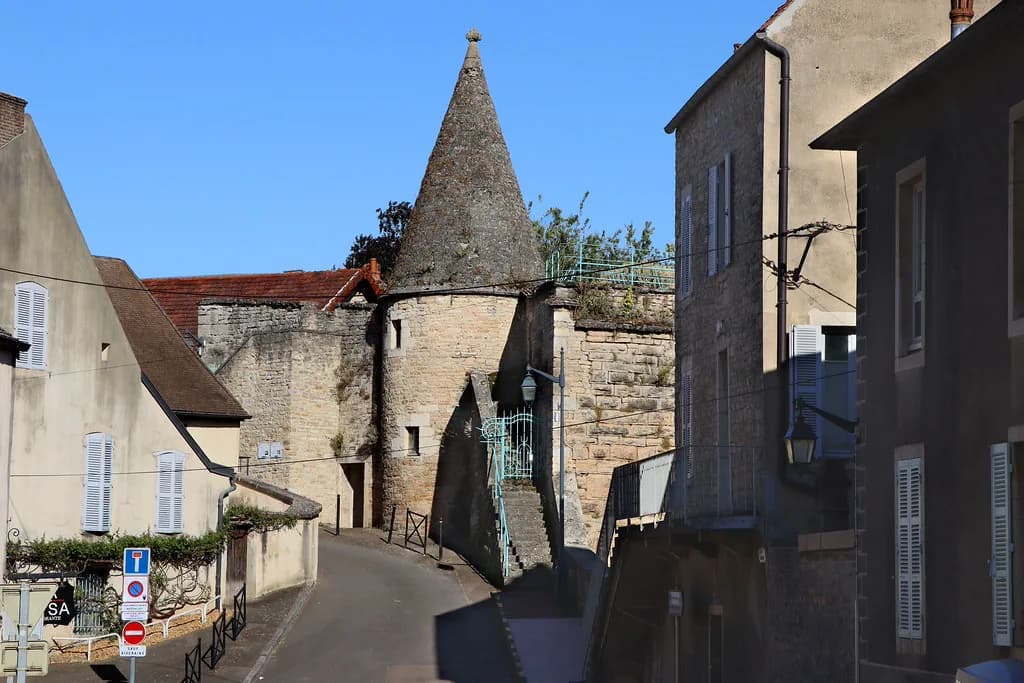
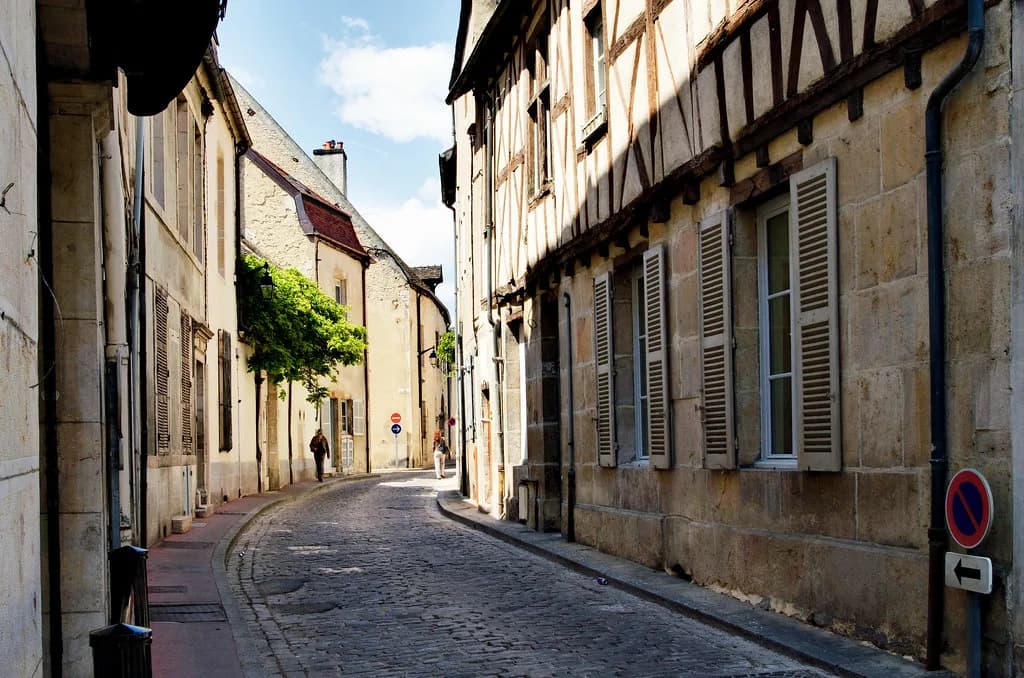
Beaune is built intra-muros: a ring of ramparts around a dense medieval core of cobbled streets, wrought-iron balconies and half-hidden courtyards. The Hôtel-Dieu, the collegiate church of Notre-Dame and the old ducal palace sit within a few minutes of each other, which is why a half-day plan works better than an address-by-address one.
The station lies outside the historic core, so you can arrive by train and start sightseeing on foot without a taxi. Two high-speed services stop at Beaune, including the Paris–Chalon-sur-Saône route via Lyon and Dijon, and the town is about 30 miles south-west of Dijon and just over 90 miles north of Lyon by road on the A6.
Treat the old town as one walking zone and the vineyards as a separate outing. Parking and driving inside the ramparts adds little, while the Côte de Beaune villages, including Pommard and Savigny-lès-Beaune, are a short drive south. The Beaune Attractions hub gathers the individual sight guides if you want detail on one stop.
When to Go and What Changes
Autumn and summer pull the town in different directions. Major cultural events run all year, with a heavy concentration of autumn programming from September to November, and the town also hosts an international baroque opera festival in summer followed by a jazz festival in autumn.
The fixed date worth planning around is the Hospices de Beaune wine auction, held every year on the third Sunday of November in the courtyard of the Hôtel-Dieu. It sells wine from the 60 hectares of vineyards the Hospices owns. Expect a busier town that weekend, and book rail seats early rather than leaving them until arrival.
Spring and late autumn give you the vineyards at their most legible without summer crowds, while high summer suits long evenings on the ramparts. Winter trims the outdoor time and pushes the trip indoors towards the museums and cellars.
Day One, Morning: The Hôtel-Dieu – Hospices de Beaune
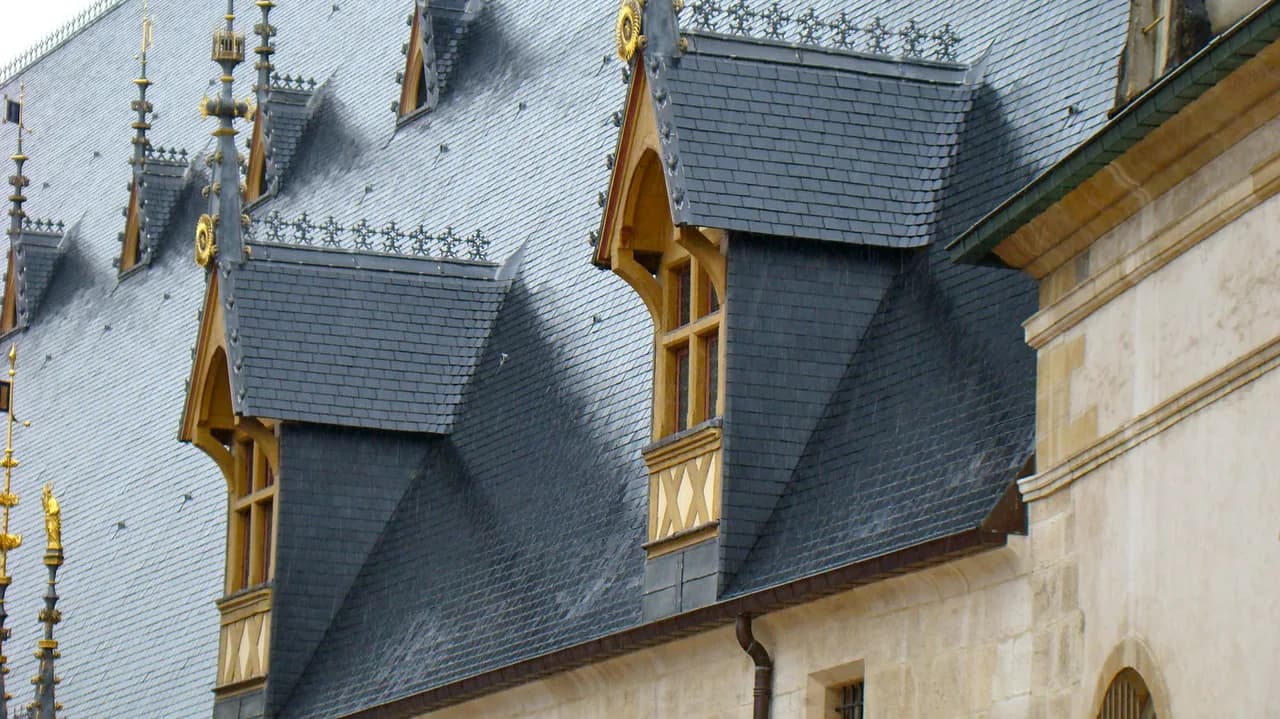
Start at the Hôtel-Dieu, the former Hospices de Beaune and the town's defining building. Founded in 1443 by Nicolas Rolin, chancellor to the Duke of Burgundy, and his wife, it is famous for its flamboyant Gothic facade under glazed Burgundy tiles in colourful geometric patterns. Go early, because this is the one stop every visitor makes.
Inside, the highlight is the room of the poor, with two rows of beds hung with crimson curtains; it appeared in the film La Grande Vadrouille with Bourvil and Louis de Funès. Two further rooms hold an old apothecary, its counter and shelves lined with bottles, earthenware jars and phials.
Allow time for the altarpiece of the Last Judgement, commissioned by Nicolas Rolin and painted by the Flemish artist Rogier van der Weyden. Check the museum's own ticket desk or the tourist office for current admission and opening days before you fix your morning, since the town's published schedules change with the season.
Day One, Afternoon: The Wine Museum and Notre-Dame
Cross to the Musée du Vin de Bourgogne, housed in a 14th-century palace that once belonged to the Dukes of Burgundy. The collection traces viticulture and wine from antiquity to the present, which gives context to every cellar and bottle you meet later in the trip. It sits near both the Hospices and the Romanesque Notre-Dame collegiate church, so the three form a natural loop.
Notre-Dame collegiate church is a short walk away and slots naturally into the circuit. Pair it with a slow pass through the surrounding streets rather than treating it as a separate excursion. If you want the quarter in more depth, the Beaune old town guide covers the streets between these three sights.
Beaune's other heritage is visible above shop level: the buildings of the old ducal palace still stand in the centre, a reminder that the town was for a time the capital of the Dukes of Burgundy. Look up as you walk between the museum and the church.
Day One, Evening: Dinner and the Ramparts
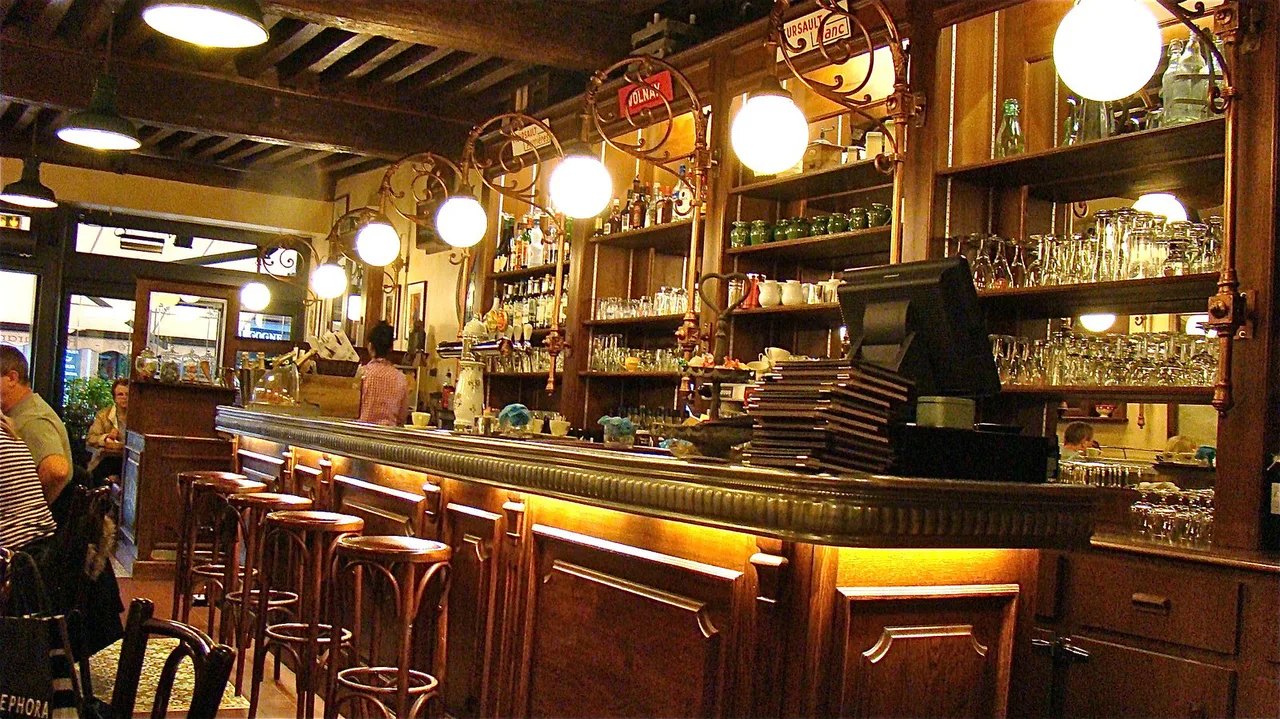
Keep the first evening simple: eat in the old town, then walk a stretch of the Remparts de Beaune as the light goes. The circuit gives you the town's shape in half an hour and sets up the next morning's orientation. For a shortlist of tables by style and budget, the best restaurants in Beaune is the page to open while you plan the evening.
Book dinner rather than improvising on a Saturday, and ask your table what time the kitchen last seats guests. Many French kitchens close between lunch and dinner service, so a late-afternoon arrival can leave you with nowhere to eat until the evening.
Day Two, Morning: A Cellar Visit
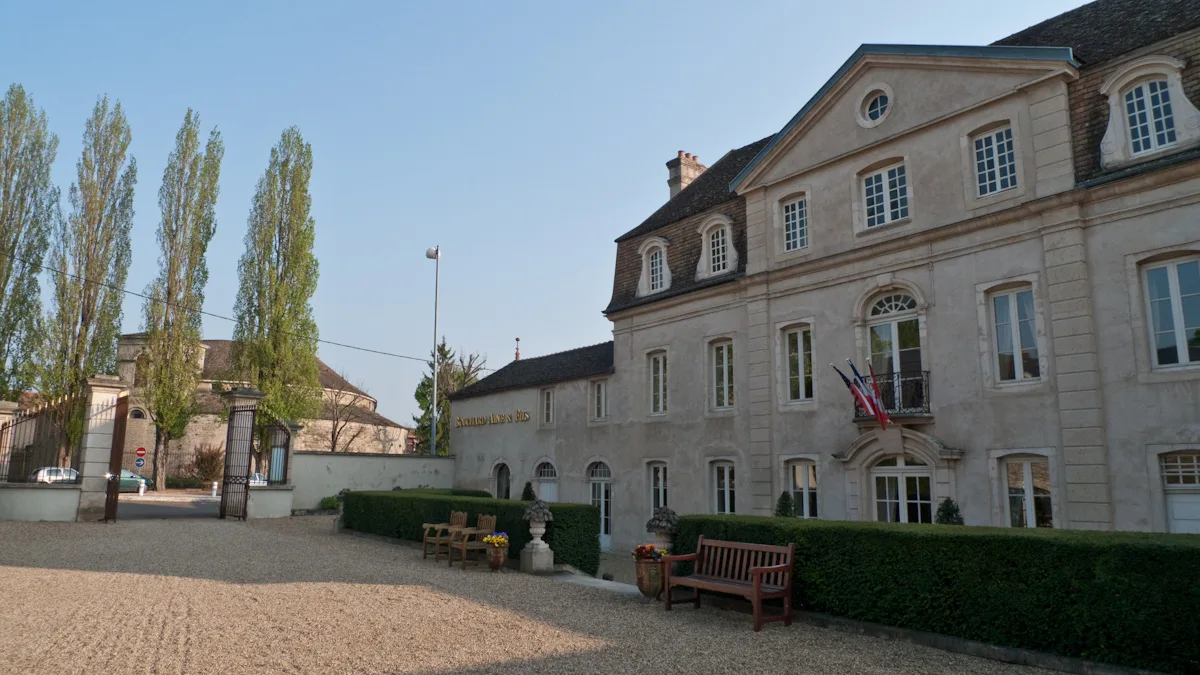
Beaune's cellars are the reason many people come, and a morning visit beats an afternoon one because you start fresh. The Marché aux Vins, Patriarche Père et Fils and the smaller domaines all sit within the town or its edge. Pick one and do it properly rather than squeezing in three.
Guided formats and tasting flights differ in length and price, and the cellars publish their own rates and slots. Confirm the session you want directly with the cellar before you travel, and remember that a morning tasting means a lighter lunch afterwards.
If you would rather buy than tour, the shopping in Beaune guide covers the food and wine shops of the Côte d'Or, including the mustard houses. A cellar visit plus a shop stop makes a compact morning without repeating yourself.
Day Two, Afternoon: Mustard and the Cité des Climats & Vins
Spend the afternoon at La Moutarderie Fallot, Beaune's best-known mustard maker, then move on to the Cité des Climats & Vins de Bourgogne, the modern wine centre that explains how the region's climats are classified. The two together balance the historical morning with something contemporary.
Both venues run their own ticketing and timed entry, so buy or reserve in advance on their own sites during busy weekends. That is also where you confirm the day's opening hours rather than relying on a printed plan.
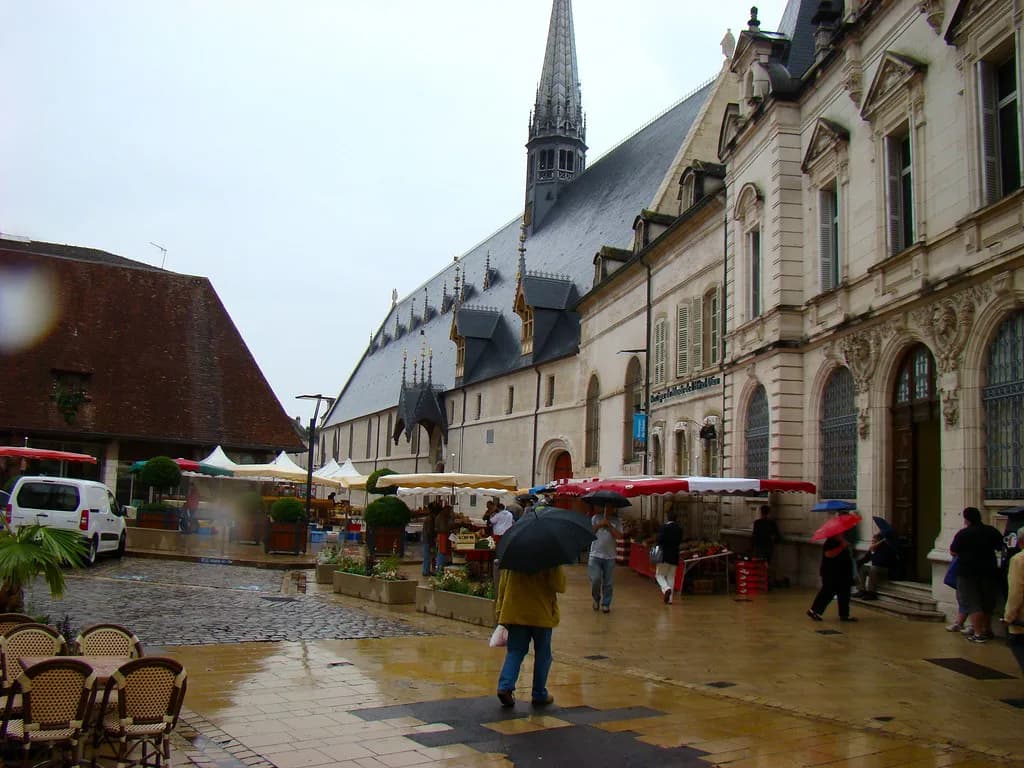
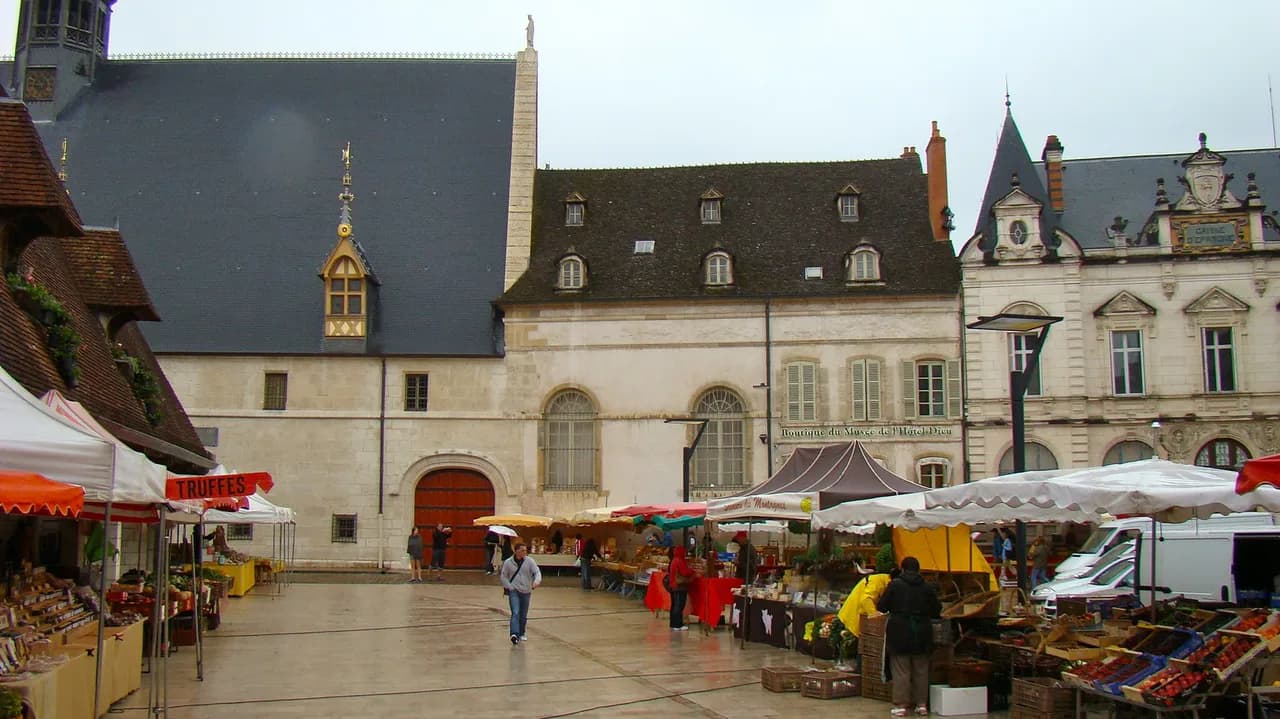
If you have time left, the covered market halls in the centre are the place to assemble a picnic of cheese, charcuterie and bread. Check which mornings the Beaune market runs before you build a lunch around it.
Day Two, Evening: A Slower Dinner
The second evening deserves the better booking. Aim for a table where the wine list goes beyond the obvious appellations, and ask the staff to match a glass to each course rather than ordering a single bottle. Best Restaurants in Beaune for a Weekend Break sets out the options by occasion.
Afterwards, check what is on at the town's cultural venues: the cinema-themed police film festival has run in Beaune since April 2009, having moved from Cognac, and the opera and jazz festivals fill the summer and autumn calendar. A single evening event can reshape the whole plan.
Day Three Options
With a third day, choose one direction rather than three. The Musée des Beaux-Arts suits a wet morning, Bouzaise Park a bright one, and the Côte de Beaune vineyards a half-day with a car or a booked driver. Each is a different kind of day, so decide the night before.
The vineyard option is the strongest use of a third day. Pommard and Savigny-lès-Beaune sit close by, and the Route des Grands Crus threads the villages together through the Côte de Beaune. Book any domaine visit ahead, because small producers take visitors by appointment.
If you are comparing Burgundy with other short-break cities, our plans for 3 days in Cannes and 3 days in Carcassonne show how a two-to-three-day shape translates elsewhere in France, which helps you judge how much time Beaune deserves.
A Rainy-Day or Low-Energy Version
Rain does not ruin Beaune, because the best stops are indoors. Run the Hôtel-Dieu, the Musée du Vin de Bourgogne and La Moutarderie Fallot back to back, all within a few minutes' walk, and leave the ramparts for a dry gap.
A low-energy day means one headline sight and a long lunch. Choose the Hospices and a single cellar, then sit out the afternoon in a café on the old town's cobbled streets. The town's compact size makes that a real option rather than a compromise.
Practicalities: Walking, Tickets and Opening Days
Everything in the core is walkable; no more than fifteen minutes separates any two central sights, so local transport is unnecessary on a two-day trip.
Buy tickets from each venue's own desk or website rather than a reseller, and check opening days when you book, since museum and shop schedules vary through the year. Restaurants cluster their closures around quiet days, so ring ahead to book a table.
Where the Plan Flexes
The plan bends at three points: swap the wine museum for a second cellar, replace the Cité des Climats with Bouzaise Park, or drop the third day entirely for a slower two. None of these breaks the logic of the route, because the old town is small enough to reorder without wasting a walk.
Dijon is a straightforward day trip if you want a bigger city, and the villages of the Côte de Beaune are the better use of a spare half-day if you would rather stay among the vines. Either way, decide before you buy rail tickets.
Frequently Asked Questions
How many days do you need in Beaune?
Two full days cover the Hôtel-Dieu, the Musée du Vin de Bourgogne, Notre-Dame, a cellar visit and the ramparts at an unhurried pace. Add a third day only for the Musée des Beaux-Arts, Bouzaise Park or a half-day in the Côte de Beaune vineyards.
Is Beaune walkable?
Yes. The historic core sits inside a ring of ramparts, and the Hôtel-Dieu, Notre-Dame and the old ducal palace are all within a few minutes of each other. The station is outside the ramparts, roughly a ten-minute walk from the centre.
What should you do on a one-day visit to Beaune?
Choose the Hôtel-Dieu in the morning and one cellar or museum in the afternoon, then walk a stretch of the Remparts de Beaune before dinner. Trying to add the Cité des Climats & Vins de Bourgogne and La Moutarderie Fallot as well will leave you rushing.
What is Beaune famous for?
Beaune is known for the Hospices de Beaune, the flamboyant Gothic hospital founded in 1443 with its glazed Burgundy tile roof and Rogier van der Weyden's Last Judgement altarpiece. It is also the wine capital of Burgundy, sitting on the Route des Grands Crus among the Côte de Beaune vineyards.
When is the Hospices de Beaune wine auction?
The auction is held every year on the third Sunday of November, in the courtyard of the Hôtel-Dieu. It sells wine from the 60 hectares of vineyards owned by the Hospices, and it draws a noticeably busier crowd to town that weekend.
Can you visit Beaune without a car?
Yes. High-speed trains stop at Beaune station, which is a short walk from the ramparts, and every central sight is on foot. A car only becomes useful for a half-day among the Côte de Beaune villages such as Pommard or Savigny-lès-Beaune.
Sources
Notes for French city breaks
Optional updates to our guides.
You might also like
Continue reading
More guides you'll find useful