Is Beaune Worth Visiting? An Honest Answer for a Weekend
Yes, Beaune is worth a weekend if you want Burgundy wine country, flamboyant Gothic architecture and a compact, walkable town centre.
On this page
Yes, Beaune is worth visiting for a weekend, on one clear condition: you want a small, walkable wine town rather than a big city with a long sight list. The town sits on the Route des Grands Crus in Burgundy and is often described as the capital of Burgundy wine, with the vineyards of the Côte de Beaune around it. It repays a two-night stay far better than a rushed afternoon.
The case rests on a single extraordinary building, the Hôtel-Dieu, and on a medieval centre small enough to cross on foot between meals. If you are weighing it against a larger Burgundy base, the honest answer is that Beaune trades breadth for atmosphere. Read on for what it does well, who it suits and how long it needs.
Is Beaune worth visiting? The short answer
Come for two nights if architecture and wine country are your reasons for a short break. Beaune's old ducal palace buildings and its flamboyant Gothic hospital give the centre a density of interest that a small town rarely manages. Come for one night and you will see the headline sight but miss the pace that makes the town pleasant.
Skip it if you need a full weekend of museums, big-city shopping and late evenings. Beaune is compact and its appeal is concentrated, so a checklist traveller will run out of headline sights quickly. The trade-off is deliberate: fewer things, done well, with vineyards at the edge of town.
What Beaune is actually famous for
Beaune's reputation is built on wine and on one building. The town lies on the Route des Grands Crus and the vineyards of the Côte de Beaune hold hundreds of prestigious appellations.
For a time Beaune was the capital of the Dukes of Burgundy, and that period left the old ducal palace buildings in the town centre. The most iconic sight is the Hôtel-Dieu museum, housed in the former Hospices de Beaune. Expect wine shops and cellars on the streets around the centre rather than a museum-heavy city.
The Hôtel-Dieu: the sight that justifies the trip
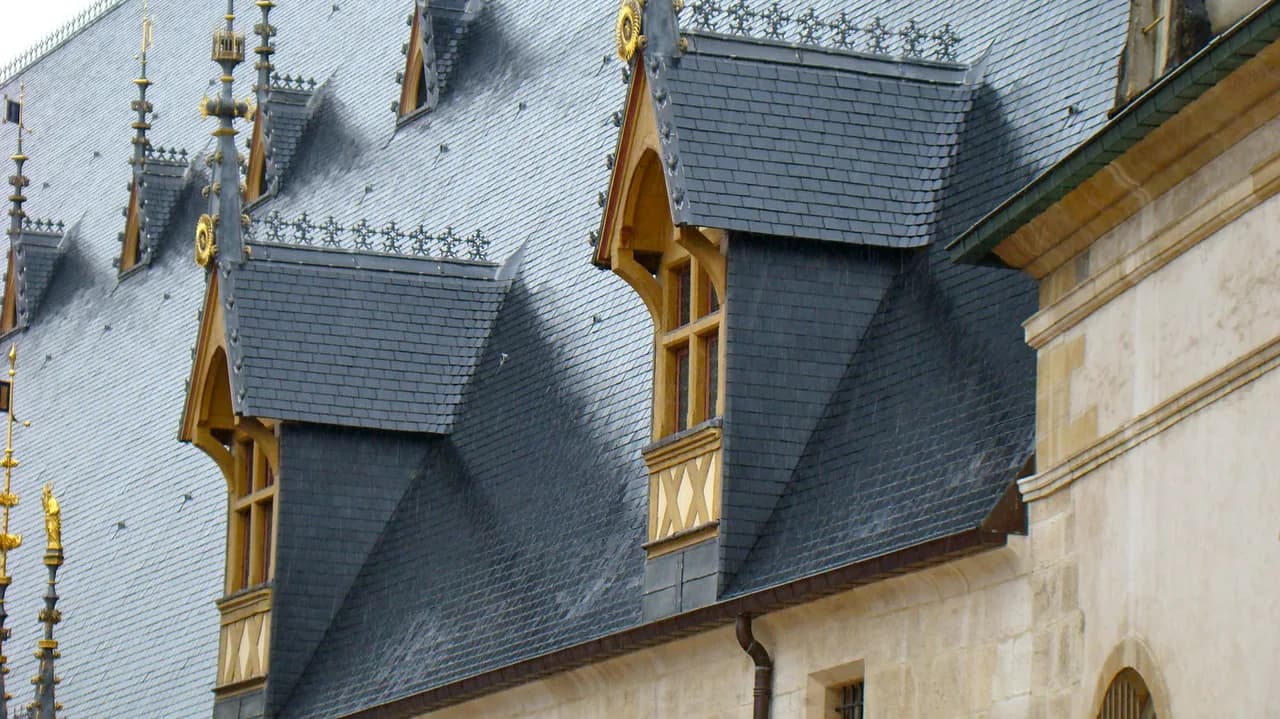
The Hospices de Beaune were founded in 1443 by Nicolas Rolin, chancellor to the Duke of Burgundy, and his wife. The building is famous for its flamboyant Gothic exterior with glazed Burgundy tiles in colourful geometric patterns, and for its themed rooms inside.
The best-known room is the one for the poor, with two rows of beds hung with crimson curtains; it appeared in the film La Grande Vadrouille. Two further rooms hold an old apothecary with its counter and shelves of bottles, earthenware jars and phials. A third holds the Last Judgement altarpiece, commissioned by Rolin and painted by Rogier van der Weyden.
Buy your ticket for a specific slot and go early, because this is the one sight in Beaune where queues form. Ticket prices and opening days change through the year, so confirm them on the official Hospices de Beaune site before you travel. Allow around an hour and a half inside if you read the panels.
Beaune's wine heritage beyond the tastings
The Musée du Vin de Bourgogne sits in a 14th-century palace that was the former Palace of the Dukes of Burgundy, close to the Romanesque Notre-Dame collegiate church and the Hospices. Its displays trace the history of viticulture and wine from ancient times to the present day. That makes it the right stop if you want the story behind the labels rather than a glass.
Every year the Hospices de Beaune holds an auction of wines from the 60 hectares of vineyards it owns, in the courtyard of the Hôtel-Dieu, on the third Sunday of November. It is a November tradition, not a reason to book a summer weekend. Treat it as context for why the town's wine identity runs so deep.
The compact old town and its ducal past
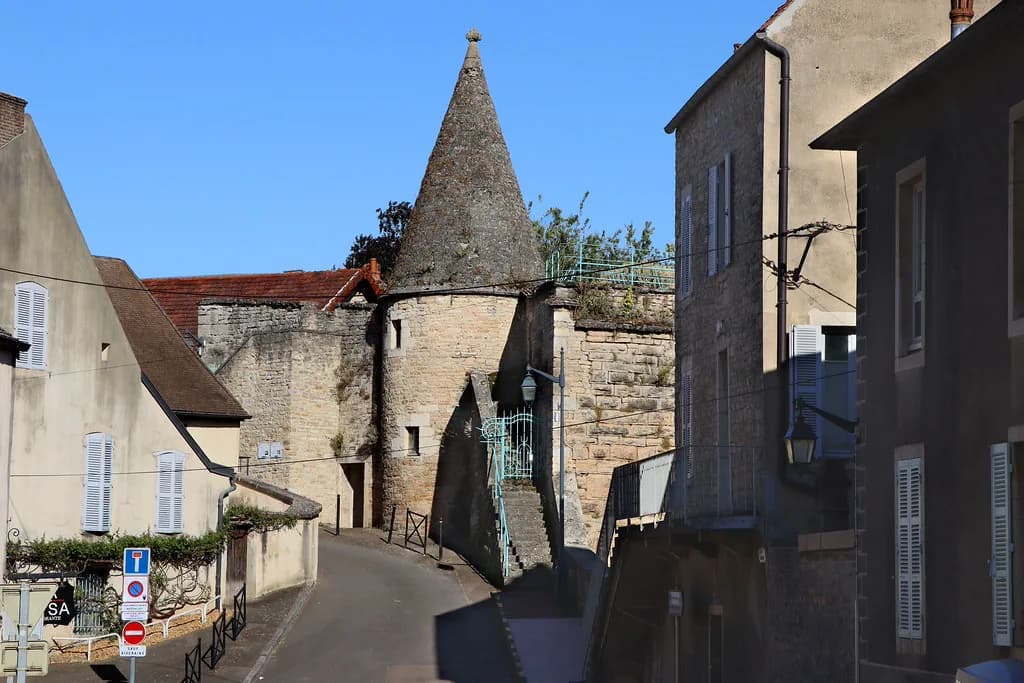
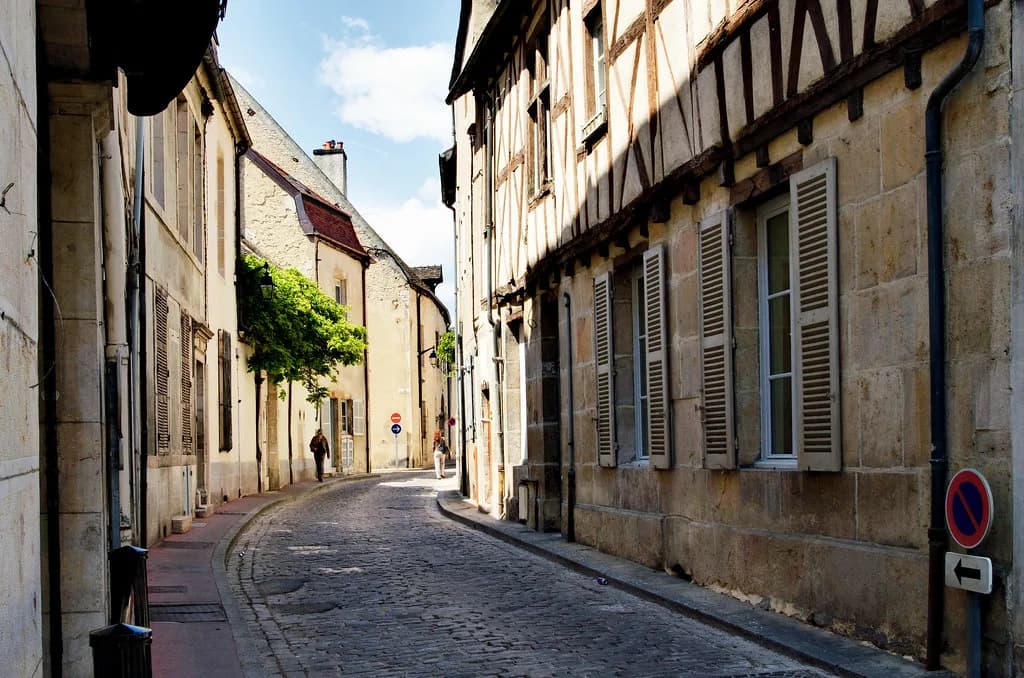
Beaune's centre is small enough to walk end to end, which changes how you plan a day. Rather than plotting sights on a map, pick a quarter and let the streets between the Hospices and the collegiate church do the work. Cobbled lanes, wrought-iron balconies and period buildings carry the town's character more than any single museum.
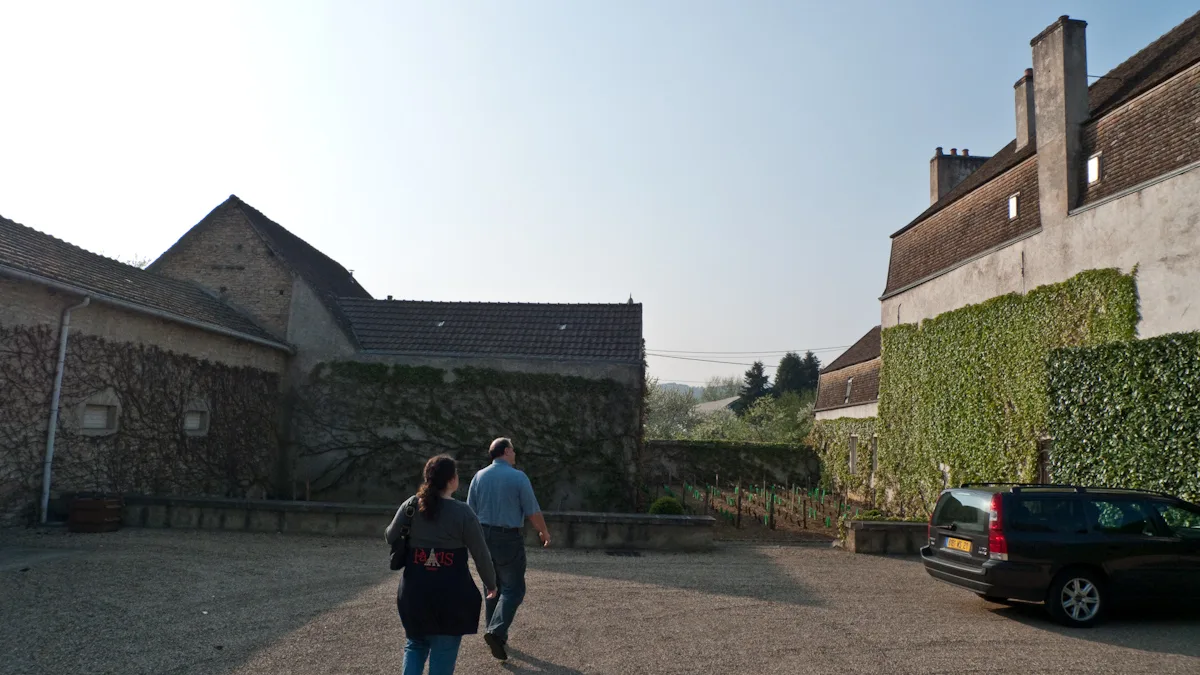
For green space, the Parc de la Bouzaise was created in 1883 around the spring of the Bouzaise, and further land was bought up to about 1910 as vineyards were cleared after phylloxera. It sits at the foot of the vines within the town, so it makes an easy add-on to a walk rather than a separate excursion.
How much time Beaune needs: one day or two
One full day covers the Hôtel-Dieu, the collegiate church and a wander through the centre, with time for a long lunch. Two days lets you add the wine museum, the park and a slower loop of the old streets without rushing. A third day is better spent using Beaune as a base than squeezing more out of the town itself.
If you only have a weekend, put the Hôtel-Dieu first on the Saturday morning and leave the rest loose. A ready-made beaune itinerary will save you from criss-crossing the centre on the day. Book your meals ahead for Saturday night, when the small number of tables in the centre fills up.
A two-day plan looks like this: Saturday for the Hôtel-Dieu and the old town, Sunday for the wine museum, the park and a last walk. That leaves room for one long lunch and one casual dinner, which is how Beaune is best enjoyed.
Who will love Beaune on a weekend break
Beaune suits couples and small groups who want architecture, food and wine country in one compact package. It also suits anyone arriving by train who would rather not hire a car, since the centre is walkable from the station. Photographers get Gothic façades and glazed roofs within a few minutes of each other.
It is a good fit for a first taste of Burgundy. The town gives you the region's food and wine culture without the scale of Dijon, and the vineyards start at the edge of the streets. If you want a benchmark for how other French towns compare, our verdict on is Aix-en-Provence worth visiting covers a very different kind of short break.
Who might find Beaune too small
If you want a big-city weekend, Beaune will feel thin by the second afternoon. The pool of headline sights is small, and once you have done the Hospices and the wine museum, the rest is atmosphere and eating. That is a feature for some travellers and a frustration for others.
Travellers who need late-night choices, department-store shopping or a busy cultural calendar should look at a larger base. Beaune's pleasures are daytime ones: markets, museums, long lunches and an early dinner. If that rhythm sounds dull, the town will not convert you.
Beaune versus a bigger Burgundy base
The comparison with Dijon is the one that matters for a short break. Beaune gives you a small-town feel and wine country on the doorstep, while Dijon offers a larger city with more to fill a wet afternoon. Choose Beaune when the vineyards are the point; choose Dijon when you want a city break that happens to be in Burgundy.
Beaune is roughly 30 miles south-west of Dijon and just over 90 miles north of Lyon, so the two towns are close enough to combine. A common split is one night in each rather than picking a single base for the whole weekend. That works well if you are arriving by train from Paris.
When to go and what the seasons change
Late spring and early autumn give you the best odds of walking weather, with the vines at their most photogenic. Summer brings the fullest terraces and the longest queues at the Hôtel-Dieu. Winter is quiet, cold and short on daylight, but the museums are calm.
Beaune also hosts an international baroque opera festival in summer and a jazz festival in the autumn, both of which fill the town. Look up the dates if you want a quiet weekend, or book early if you want the festival atmosphere.
Getting there and getting around
High-speed trains stop at Beaune station, with services running between Paris and Chalon-sur-Saône via Lyon and Dijon. The town is also reached from Paris and Lyon by the A6 motorway if you are driving. Arriving by train and walking the centre is the simplest plan.
Once you are in the centre, everything worth seeing on a short break is on foot. Leave the car at the accommodation and treat the town as a walking circuit from the Hospices outward. That is also why a single night can feel rushed: you spend more of it moving than looking.
What to see if you only have an afternoon
With an afternoon, go straight to the Hôtel-Dieu and give it your best hour. Then walk to the Romanesque Notre-Dame collegiate church and the former ducal palace nearby, which puts the wine museum within a few minutes if you have time. Finish with a slow loop of the old streets and a drink in the centre.
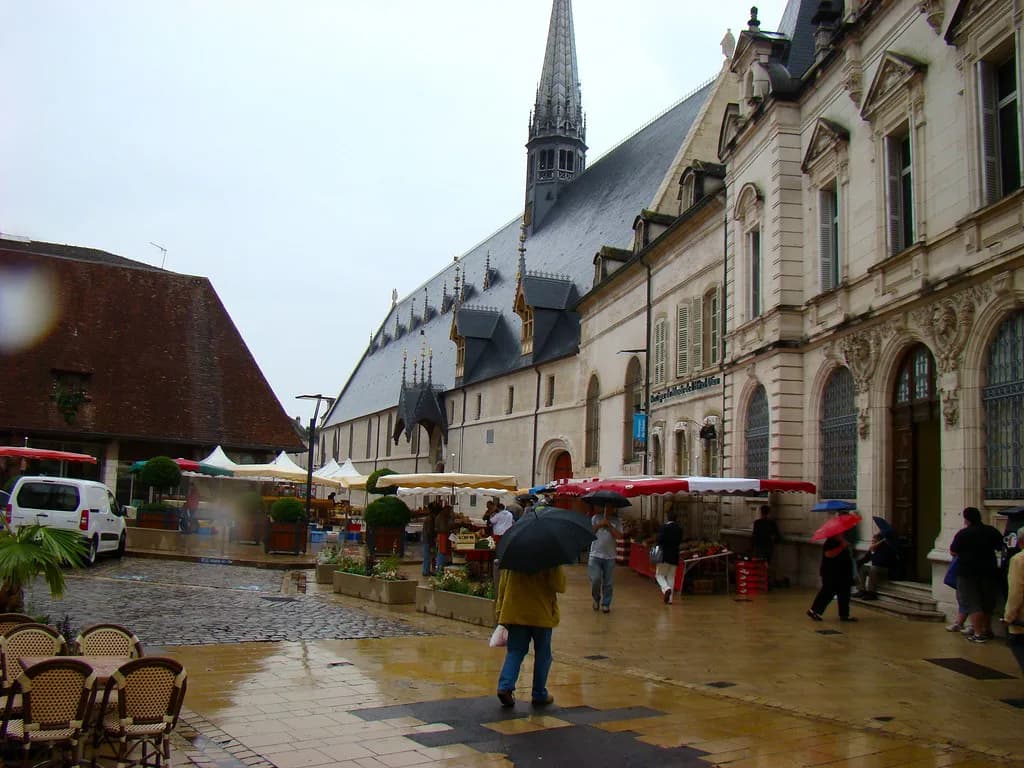
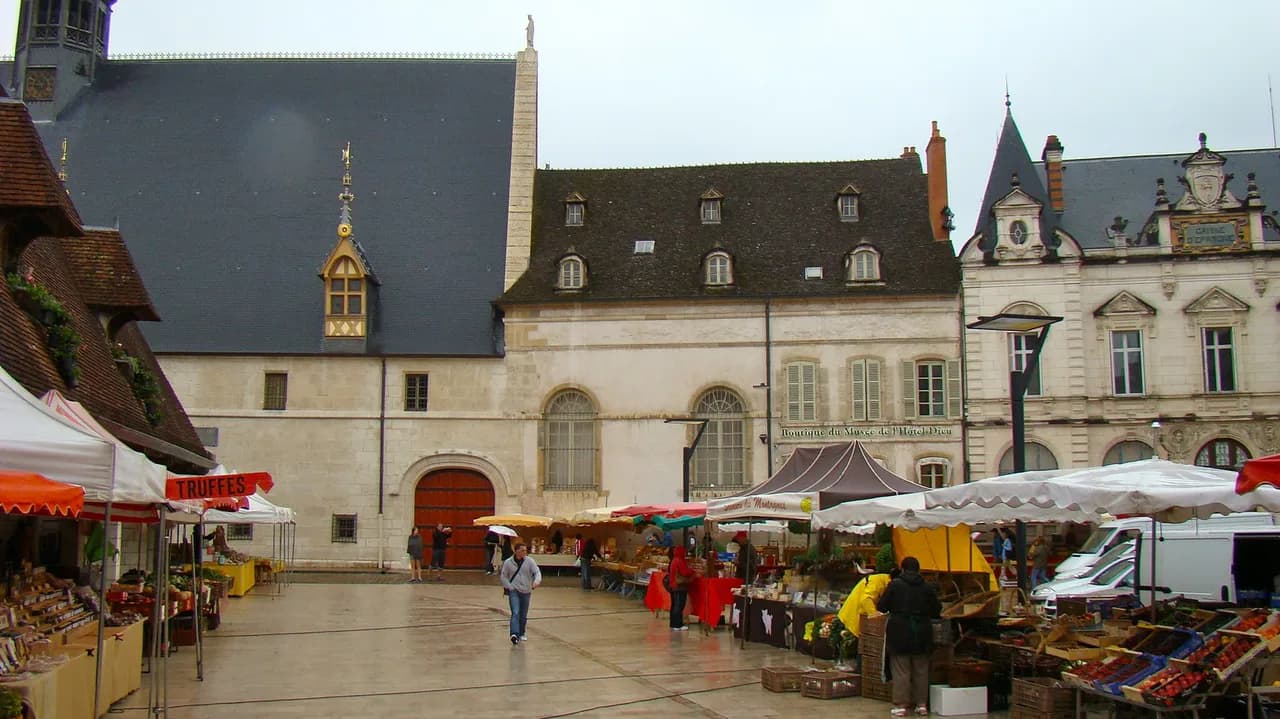
The market is the other thing worth timing your visit around, since it gives you a reason to be in the streets rather than inside a museum. Our guide to beaune market covers which mornings it runs, so you can slot it into a short stay.
If you are pairing Beaune with a larger Burgundy trip, the same afternoon formula works in bigger cities too. Our separate verdict on is arles worth visiting explains how a compact historic centre changes what a short break can deliver.
Practical points worth knowing before you book
Book the Hôtel-Dieu slot and your Saturday dinner before you book the train; both are the limiting factors on a weekend. Confirm current opening days and ticket prices with the Hospices de Beaune directly rather than relying on a planning app.
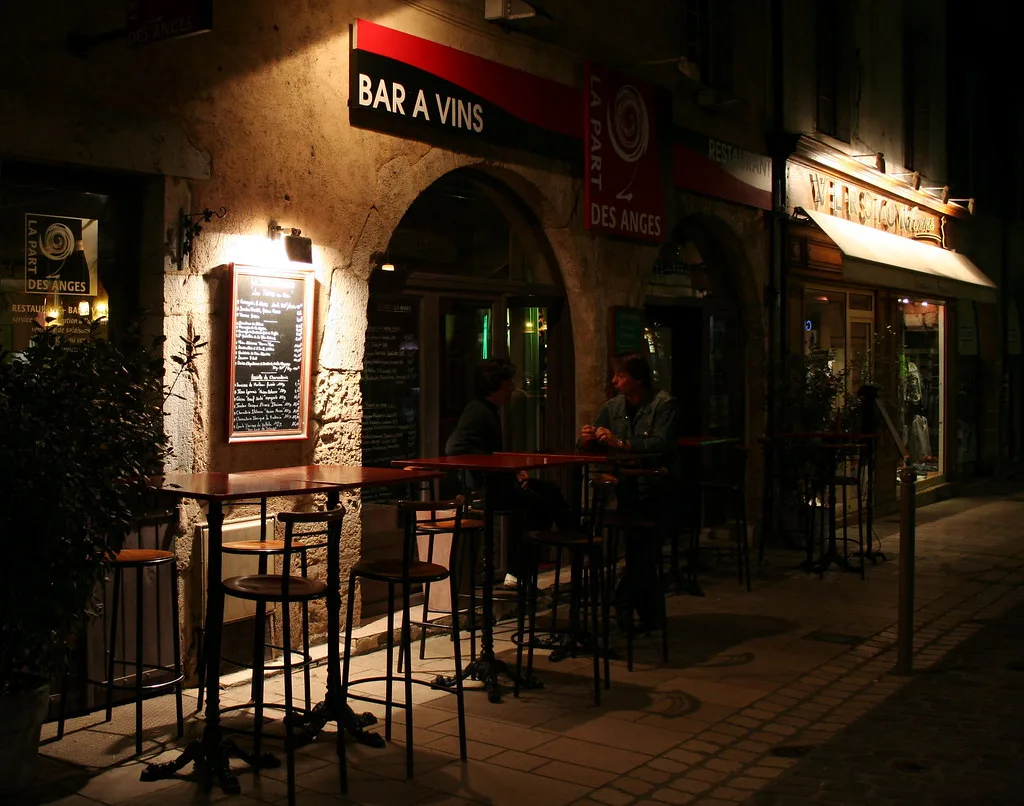
Restaurant choice in Beaune is limited relative to demand, so decide where you want to eat before you arrive. Our round-up of the best restaurants in Beaune for a weekend break narrows the field.
If shopping matters to you, keep it to the food and wine side of the centre rather than expecting a big retail district. A short guide to shopping in beaune sets expectations honestly, and the same goes for the old town: small, dense and best taken slowly.
Plan Your Visit
Beaune is worth a weekend if you want one superb Gothic building, a walkable medieval centre and vineyards at the edge of town. Give it two nights, put the Hôtel-Dieu first and leave the rest of the time for eating and wandering. It is a poor fit only for travellers who need a big-city checklist.
Start with our full guide to the things to do in beaune, then fix your meals and your museum slot before you travel. That is the whole planning job for a town this size, and it leaves you free to enjoy the slow part.
Frequently Asked Questions
Is Beaune worth visiting for a day?
A day covers the essentials: the Hôtel-Dieu, the Romanesque collegiate church and a walk through the old centre, with time for lunch. It is a tight fit if you also want the wine museum and the park, which is why two nights work better than one packed day.
What is Beaune famous for?
Beaune is known for the Hospices de Beaune, a flamboyant Gothic building with glazed Burgundy roof tiles founded in 1443, and for Burgundy wine. The town sits on the Route des Grands Crus and its wine museum traces viticulture from ancient times to today.
How many days do you need in Beaune?
Two days is the comfortable answer: one for the Hôtel-Dieu and the old town, one for the wine museum and the Parc de la Bouzaise. One day is possible if you prioritise, but you will spend more time moving than looking.
Is Beaune better than Dijon for a weekend?
Beaune suits a weekend centred on wine country and a compact, walkable centre. Dijon is the better choice if you want a larger city with more to fill a wet afternoon. They are close enough to split a weekend between the two.
When is the best time to visit Beaune?
Late spring and early autumn give the best odds of walking weather and photogenic vines. Summer is busiest, with the baroque opera festival, and autumn brings a jazz festival that fills the town.
Is Beaune walkable?
Yes. The old centre is compact enough to cross on foot, and the Hospices, the collegiate church and the former ducal palace are all within a short walk of each other. The Parc de la Bouzaise is a longer but still manageable walk from the centre.
Sources
Notes for French city breaks
Optional updates to our guides.
You might also like
Continue reading
More guides you'll find useful