Bastia Old Town: Terra Vecchia Walk, Squares and Sights
Walk Bastia's old town from Place Saint-Nicolas through Terra Vecchia to the Citadel, with the market square, harbour churches and the route between them.
On this page
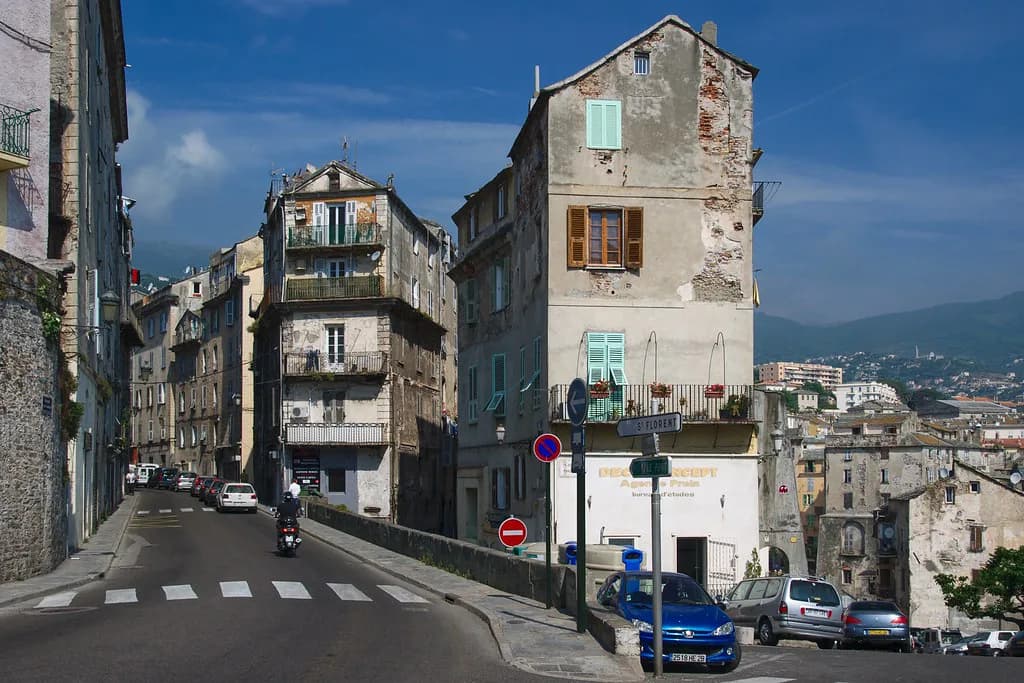
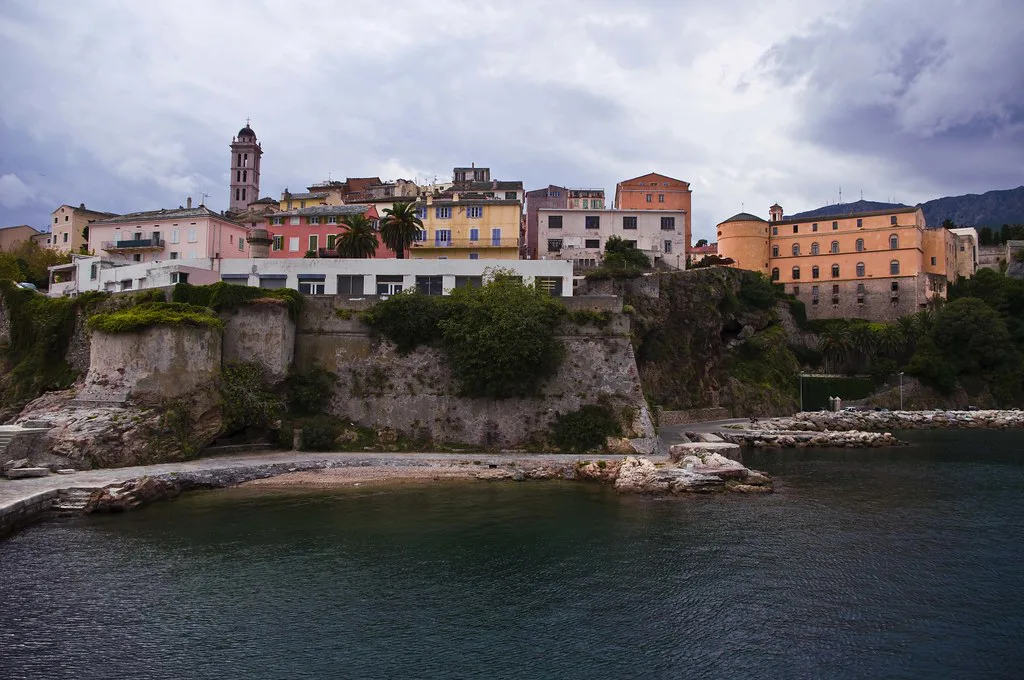
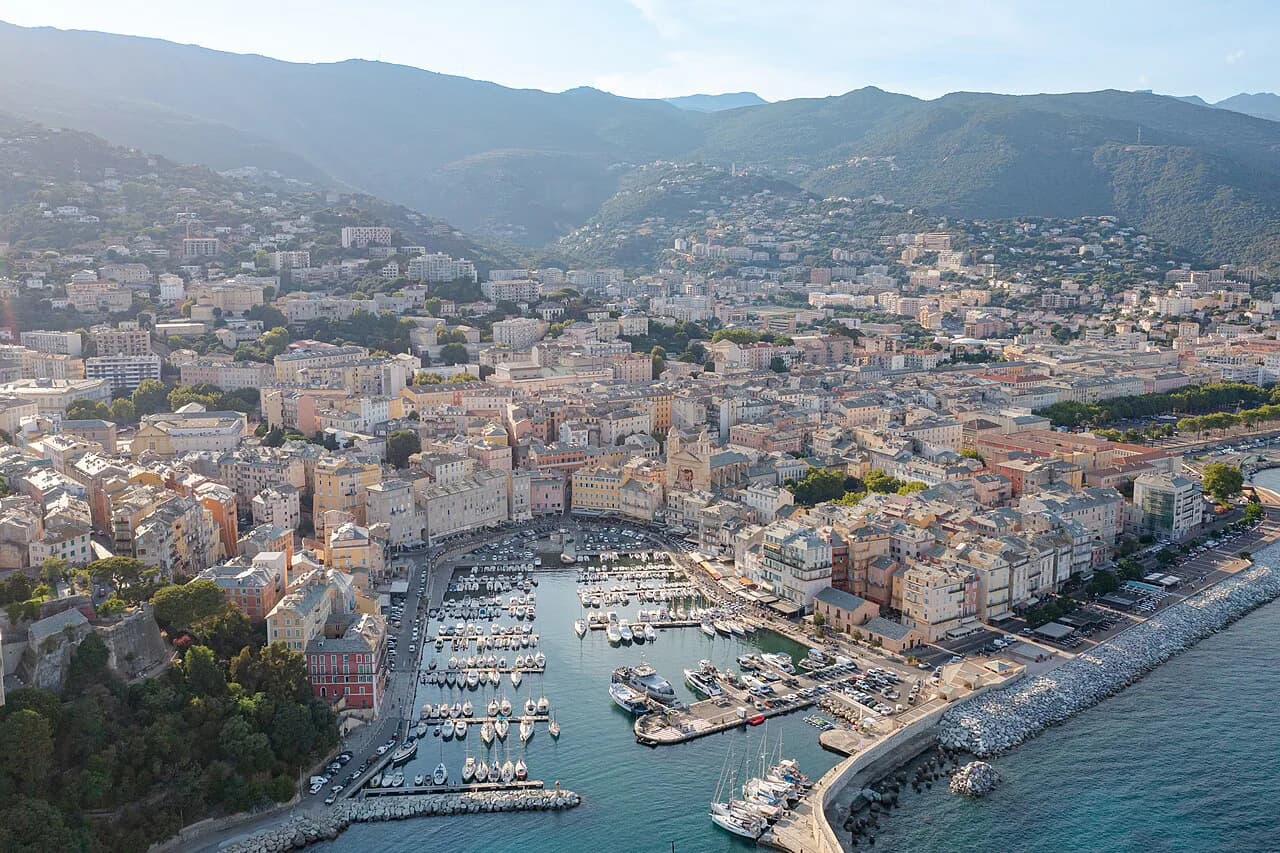
Bastia's old town is really two old towns stacked on one hillside. Terra Vecchia, the lower quarter, spreads back from the Old Port around Place Saint-Nicolas, while Terra Nova is the walled citadel on the headland above, reached by a lift or a flight of stairs.
The two connect on foot in minutes, which makes a half-day circuit realistic even on a short break. Start high and work down: the climb is the only real effort, and the reward is the harbour at the end.
Terra Vecchia and Terra Nova: how the old town splits
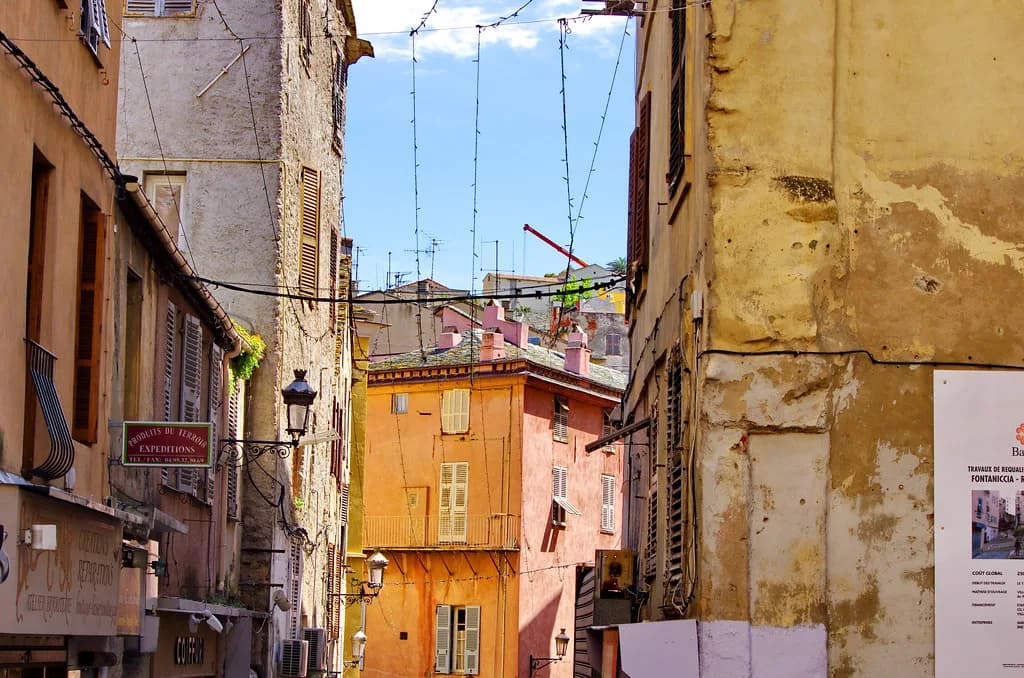
Terra Vecchia is the historic lower town, a knot of narrow lanes and pastel facades behind the harbour where daily life still runs through the streets. Terra Nova sits above it, a Genoese citadel fully restored and now a quiet, village-like district of lanes, churches and small squares overlooking the sea.
Treat them as one walk rather than two separate sights. The old harbour, the citadel and the streets between them sit close enough that you can cover the core in a morning without transport.
Most of the landmarks are churches, squares and civic buildings rather than ticketed attractions, so the walk itself costs nothing. The Musée de Bastia inside the Palais des Gouverneurs is the main indoor stop; ticket prices and opening days come from the museum and tourist office.
Start at Place Saint-Nicolas
Place Saint-Nicolas is one of France's largest squares, a wide, tree-lined space edged with cafés and shops, and it makes the natural first stop. It hosts regular markets and events, yet its scale keeps it from feeling cramped even when something is on.
The tourist office sits on the square, which makes it a sensible place to pick up a map or ask what is running that week. It also sells tickets for guided walks and the little tourist train, so arriving here first saves a later detour.
From the square, Rue Napoléon runs towards the harbour as a fully pedestrian street. That makes the next stretch flat, shaded in parts and easy to follow without a map.
Rue Napoléon and its two oratories
Rue Napoléon has been fully pedestrian since 2013 and is the city's main shopping street, lined with boutiques, designer workshops, souvenir shops and cafés. Two remarkable buildings stand along it: the Oratoire de la Sainte-Croix and the Oratoire de l'Immaculée Conception.
The Oratoire de l'Immaculée Conception, known locally as A Cuncezziò, is easy to walk past; look for the sun mosaic set into the ground in front of it. Step inside if the door is open, then carry on downhill towards the water.
Rue César Campinchi and Boulevard Paoli
Rue César Campinchi links the square area to the Place du Marché and holds smaller boutiques and artisan shops rather than chains. Boulevard Paoli, running nearby, is the broader commercial street with larger stores and coffee stops.
Both streets sit within a few minutes of the Old Port, so you can treat them as a loop rather than a through-route. If shopping is the point of the trip, give the streets an hour and skip the uphill stretch first.
Place du Marché and the morning market
Place du Marché is a plane-tree-shaded square near the Old Port where Bastia's morning market sets up with fruit, vegetables, cheese, cured meats, honey and other Corsican produce. Come early: the stalls pack up, and by afternoon the square is simply a quiet place with benches and cafés.
The market is a morning stop, not an all-day fixture. Plan the walk so the square comes first and the citadel second if you want to shop for picnic supplies.
Église Saint-Jean-Baptiste above the harbour
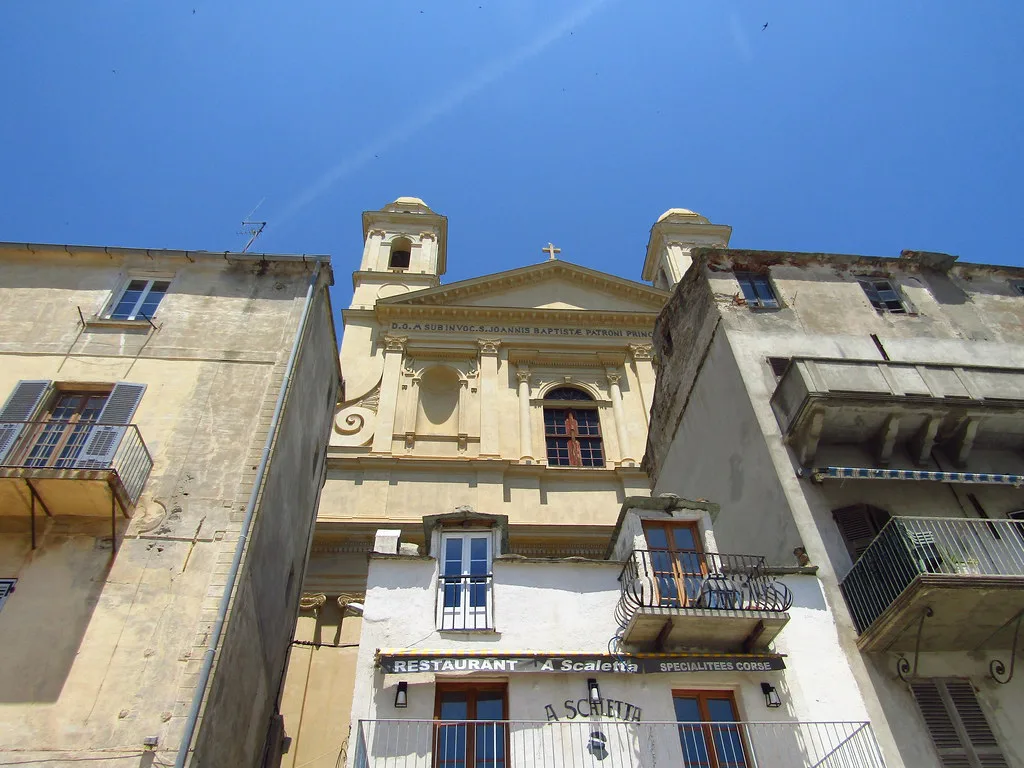
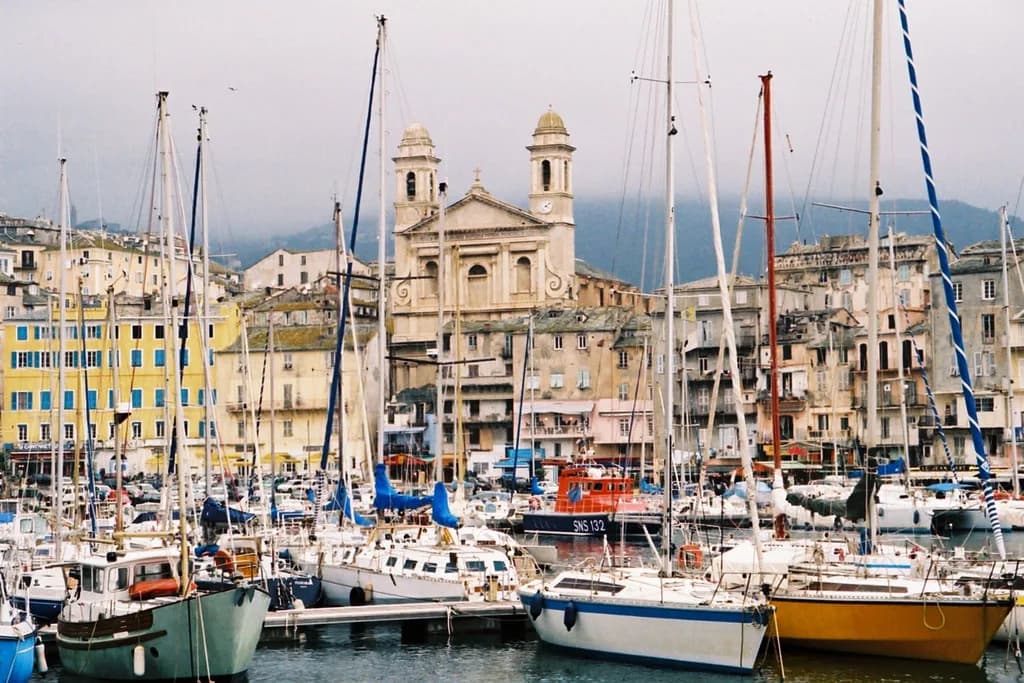
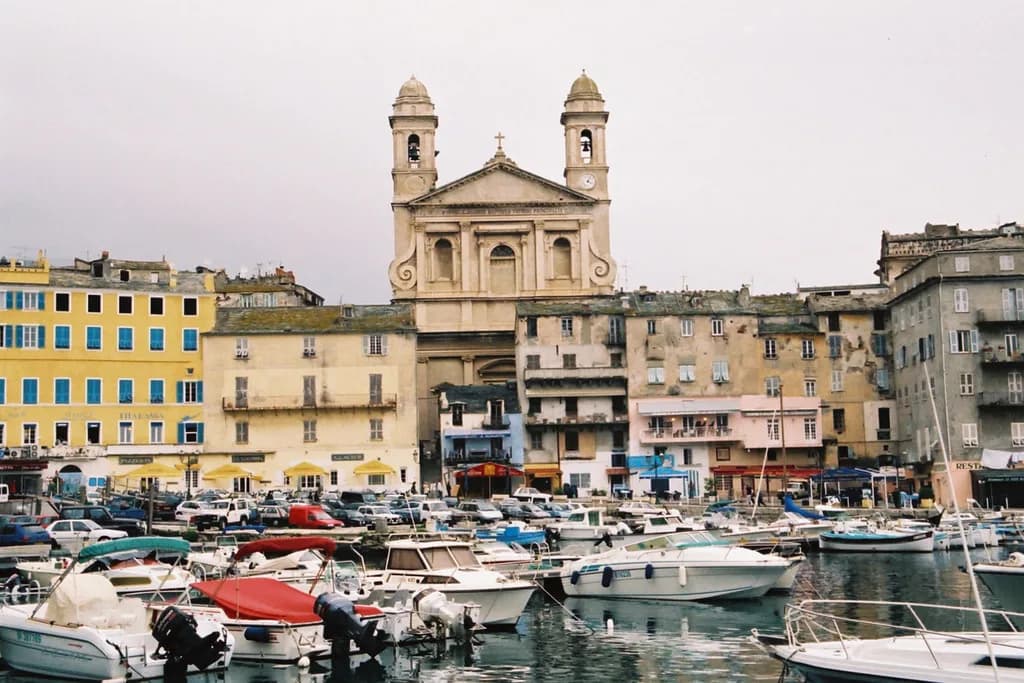
The Baroque Église Saint-Jean-Baptiste rises directly above the Old Port and is the city's most recognisable landmark, with twin bell towers best seen from across the water. It dates from 1636 and is the largest church in Corsica, still woven into local life.
Inside, the altars, paintings and organ loft reward a short pause. The silver tabernacle on the high altar was made in the 19th century by an Italian silversmith, and the feast of Saint John is marked each 23 June with a bonfire.
The Terra Vecchia lanes
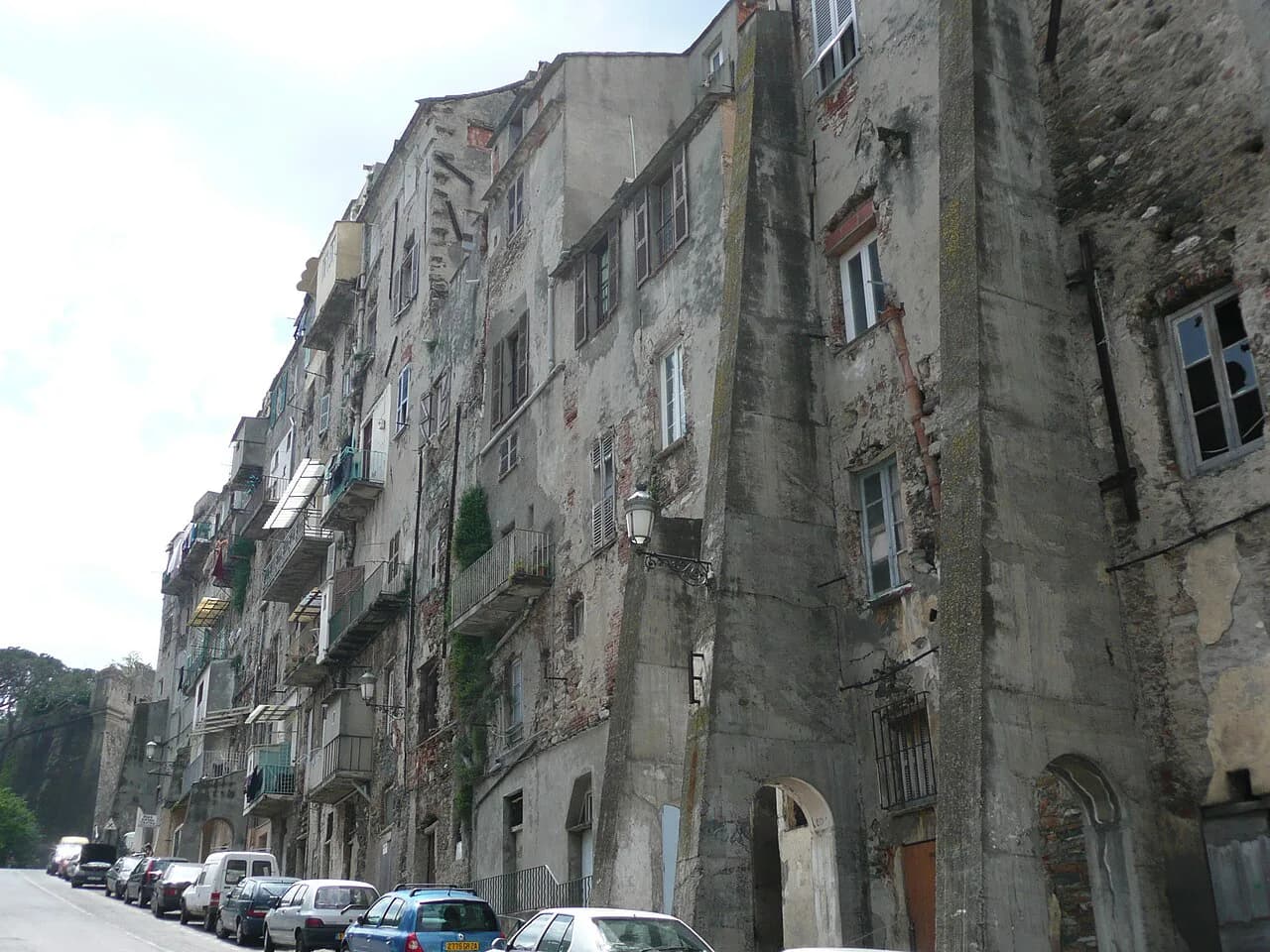
Behind the harbour, Terra Vecchia is a cosy network of narrow lanes and colourful facades with small squares, cafés and shops tucked between them. It is touristy in places but still lived-in, and the best approach is to wander without a fixed route.
Most lanes eventually lead back to the port or the edge of the quarter, so getting seriously lost is unlikely. Wear shoes with grip: the paving is uneven and the gradients are steeper than the map suggests.
Crossing to the Citadel: Mantinum lift and Jardin Romieu
The Mantinum, inaugurated in 2020, links the Old Port to the Citadel through a lift below the Palais des Gouverneurs. It saves the climb and drops you at the top of the citadel, which is the sensible choice if stairs are a problem.
The alternative is the Jardin Romieu, a 19th-century terraced garden of shaded paths and staircases between the Old Port and the citadel, with sea views along the way. Take the garden up and the lift down, or the reverse, to avoid the same climb twice.
Terra Nova on foot: gates, squares and ramparts
Inside the citadel, the Louis XVI Gate and Donjon Square are the set pieces, with ramparts offering views across the harbour and out to sea. The lanes are quiet and mostly residential in feel, so this is the part of the walk to slow down in.
Allow time simply to sit in the small squares near the Palais des Gouverneurs rather than ticking off buildings. The hanging gardens beside the palace are a good spot for a pause with the harbour below.
Cathédrale Sainte-Marie, the Palais des Gouverneurs and the Musée de Bastia
Cathédrale Sainte-Marie was built between 1604 and 1619 and holds a silver statue of the Virgin Mary carried through the streets each 15 August. Its marble, stucco and gilded interior feels far larger than the small square outside suggests.
The Palais des Gouverneurs was the seat of Genoese power until Corsica was annexed by France in 1768 and now houses the Musée de Bastia, which covers more than ten centuries of local history. Check opening days and ticket prices with the museum before you build the day around it.
The Oratoire de la Sainte-Croix
The Oratoire de la Sainte-Croix, or Ghjesgia Santa Croce, hides in a small backyard off the citadel lanes and is easy to miss from the street. Its interior is unexpectedly lavish, with gilding and ornament that repay the detour.
Look for it on your way between the cathedral and the palace rather than making a separate trip. It takes minutes, and it is one of the citadel's small hidden interiors, tucked in a backyard rather than standing on a main lane.
Finishing on the water: Old Port, red lighthouse and the Aldilonda
Back at sea level, the Old Port is framed by pastel buildings and lined with cafés, and it is where the city feels most relaxed in the late afternoon. Walk out to the red lighthouse at the southern tip for the best view back towards the citadel.
From the same area, the Aldilonda is an elevated walkway clinging to the citadel ramparts, running towards the beach at Arinella in roughly half an hour to an hour depending on stops. It is flat and one-way in feel, which makes it an easy end to the day.
Half a day or a full day?
A half-day covers Place Saint-Nicolas, Rue Napoléon, the Place du Marché, Saint-Jean-Baptiste and the citadel lanes comfortably on foot. Add the Musée de Bastia and the cathedral interior and you have a full day without rushing.
Bastia is compact and best explored on foot, with the main streets and squares largely pedestrian. If you arrive by car for the day, the Saint-Nicolas car park is the easiest access point and fills by mid-morning in summer.
When to walk it, and when it is busy
Bastia is a cruise port, so mornings can be crowded with day trippers while evenings and early mornings are quieter. Staying a night or two gives you the old town at its calmer hours, which changes the experience more than any single sight.
Late May to June and September to October bring warm walking weather with fewer crowds than high summer. In July and August, start early and carry water for the citadel climb.
Pausing for a drink or a biscuit
Corsican canistrelli biscuits are sold in the old town, and A Biscutteria on the route lets you buy a bag or sit with a coffee and a few pastries on its terrace. It makes a light stop between the market square and the harbour.
The cafés on Place Saint-Nicolas and around the Old Port are the obvious places for a longer break, and both are well placed for watching the city rather than rushing through it.
Plan Your Visit
Build the day around a single downhill route: Place Saint-Nicolas, Rue Napoléon, the Place du Marché and the harbour churches, then the Mantinum lift up to Terra Nova. Walk back down through the Jardin Romieu to finish at the Old Port and the red lighthouse.
Check museum opening days and any current timetables with the tourist office on Place Saint-Nicolas before you set out, since the lift, museum and market hours shape how the route works on the day.
Explore more Bastia guides
Frequently Asked Questions
What is there to do in Bastia old town?
Walk Place Saint-Nicolas and the pedestrian Rue Napoléon, browse the morning market at Place du Marché, look inside Église Saint-Jean-Baptiste, then take the Mantinum lift or the Jardin Romieu stairs up to the citadel. Up there, Cathédrale Sainte-Marie, the Palais des Gouverneurs with the Musée de Bastia, and the tucked-away Oratoire de la Sainte-Croix fill out the day, with the Old Port and the Aldilonda walkway at the end.
How long does it take to walk Bastia's old town?
A half-day is enough for the squares, streets, market and the citadel lanes on foot. Add the Musée de Bastia and a proper look inside the cathedral and it becomes a full day. The city is compact and largely pedestrian, so distances are short and the main effort is the climb to Terra Nova.
Where is the market in Bastia old town?
The morning market sets up on Place du Marché, a plane-tree-shaded square near the Old Port and close to Église Saint-Jean-Baptiste. It is a morning affair: the stalls pack up, and later in the day the square is just benches and cafés. Arrive early if you want to see it at its best.
How do you get from the Old Port to the citadel in Bastia?
Take the Mantinum lift below the Palais des Gouverneurs, inaugurated in 2020, which links the Old Port directly to the Citadel. The alternative is the Jardin Romieu, a terraced garden of shaded paths and staircases climbing from the port side. Going up by lift and down through the garden saves you the same climb twice.
Is Bastia old town worth visiting?
Yes, if you want a compact, walkable city with a genuine working-port feel rather than a resort. Terra Vecchia has the shops, squares and market, and Terra Nova has the ramparts, churches and museum with sea views. It suits a short break well, especially if you stay overnight to catch the quieter mornings and evenings.
When is the best time to walk Bastia's old town?
Late May to June and September to October give warm weather with fewer crowds than high summer. Bastia is a cruise port, so mornings can be busy with day trippers; early mornings and evenings are calmer. In July and August, start early and carry water for the citadel climb.
Sources
Notes for French city breaks
Optional updates to our guides.
You might also like
Continue reading
More guides you'll find useful