Is Bastia Worth Visiting? An Honest Answer for a Short Break
Yes, Bastia is worth visiting for its Terra Vecchia lanes, Terra Nova citadel and Vieux Port. Here is how long it needs and the honest trade-offs.
On this page
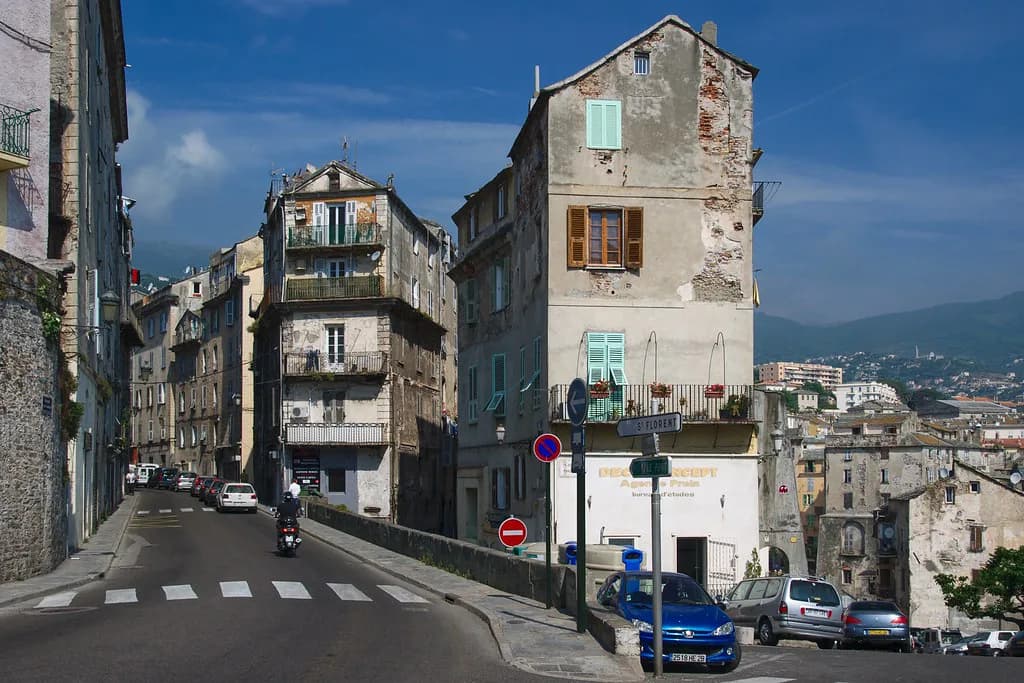
Yes, Bastia is worth visiting, provided you want a working port city with a genuine old quarter rather than a resort. The city splits into two halves that sit within walking distance: Terra Vecchia, the lower old town around Place Saint-Nicolas, and Terra Nova, the Genoese citadel on the hill above the harbour. A very full day covers both, and a second night gives you the city after the day trippers leave.
The short answer: who Bastia suits and who it does not
Bastia suits travellers who like cities with a real daily life: pedestrian lanes, baroque churches, a working marina and shops selling Corsican produce. It is a poor fit if you want sandy beaches at the door or a car-free base for the whole island, because the beaches sit outside the centre and the wider island rewards a rental car.
The case for the city rests on its age and its layering. It dates back to 1378 and served as Corsica's capital until 1768, when France acquired the island under the Treaty of Versailles, which explains why the citadel and the lower town feel so substantial for a city of its size.
Cruise ships call at the port, so the centre fills with day trippers in the middle of the day and empties in the evening. Staying overnight is the practical way to see the best of it: mornings and evenings belong to the city, and the restaurants calm down once the ships have gone. If you are weighing Bastia against mainland alternatives, our verdict on whether Aix-en-Provence is worth visiting follows the same logic of matching a city to the trip you actually want.
How Bastia is laid out: Terra Vecchia, the Vieux Port and Terra Nova
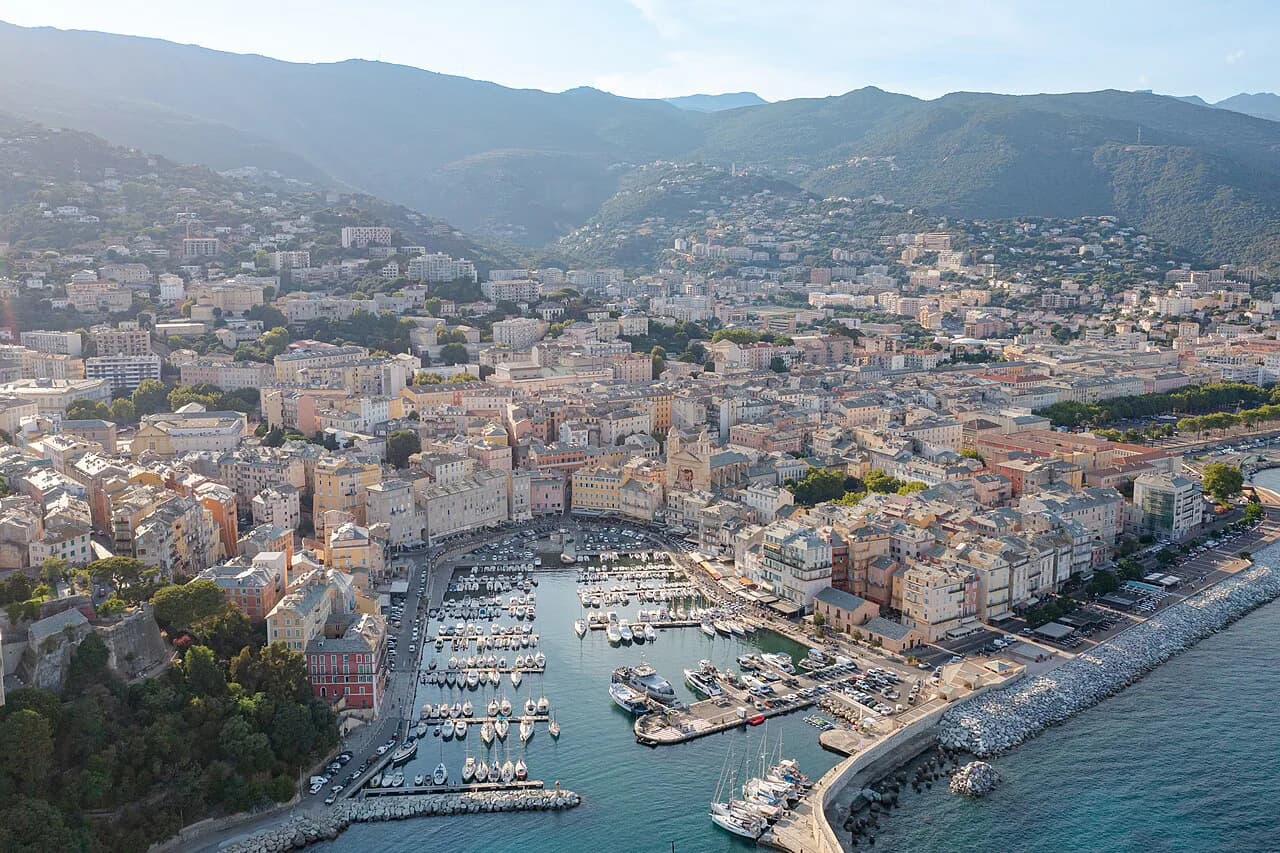
Think of Bastia as three pieces stacked from the water upwards. Terra Vecchia is the lower old town, threaded with pedestrian streets and plazas; the Vieux Port is the half-moon harbour lined with restaurants; and Terra Nova is the citadel above, reached by a newer elevator that saves you the steep stairs.
Walking is the right way to handle all three, since the main streets and squares are pedestrian-only and most lanes eventually lead down to the port or the edge of the city. If you arrive by car for the day, park at the Saint-Nicolas car park off Place Saint-Nicolas, which fills by mid-morning in summer.
Terra Vecchia: Place Saint-Nicolas, Rue César Campinchi and Place du Marché
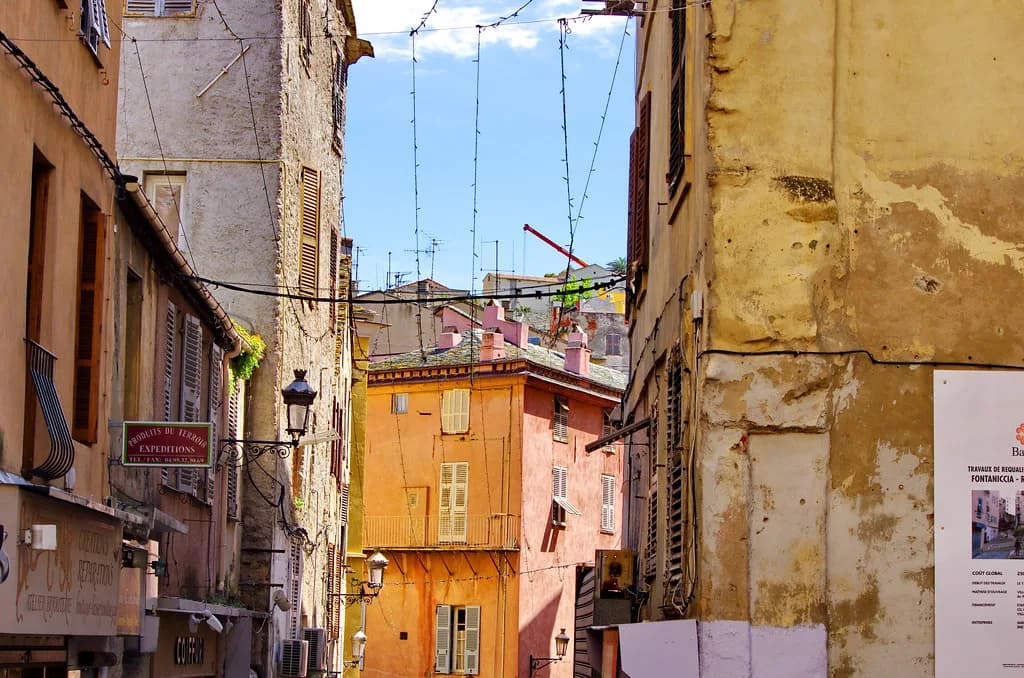
Start on Place Saint-Nicolas, one of the largest squares in France, lined with restaurants and busy with locals and children through the day. From there, Rue César Campinchi runs towards Place du Marché, where the morning market sets up; go early if the market is the point of your visit.
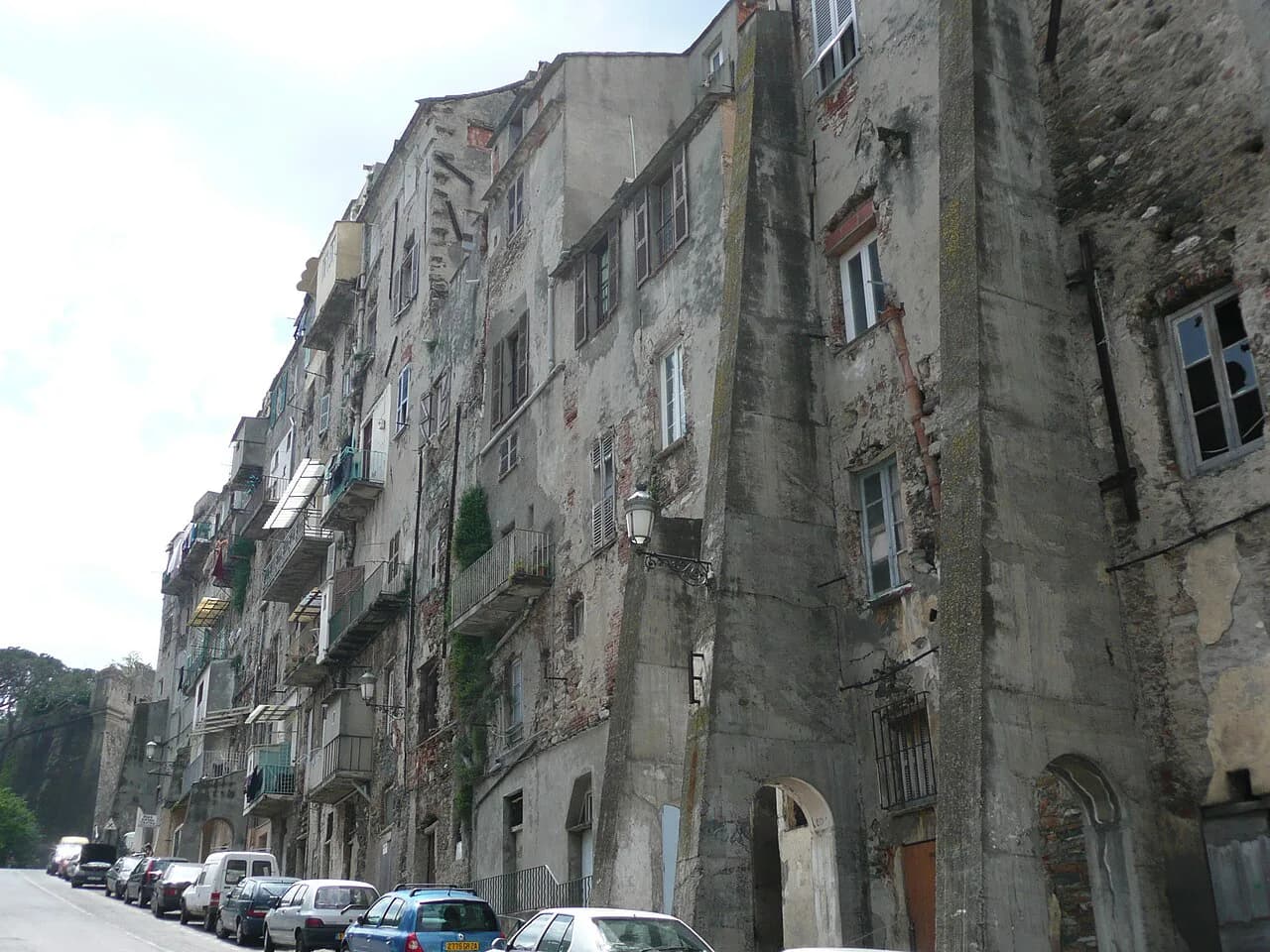
The pleasures of Terra Vecchia are mostly free and slow: pastel facades, carved doorways and lanes that reward wandering without a fixed route. Our guide to Bastia old town picks out the streets and squares worth building a walk around.
The Vieux Port and the red lighthouse walk
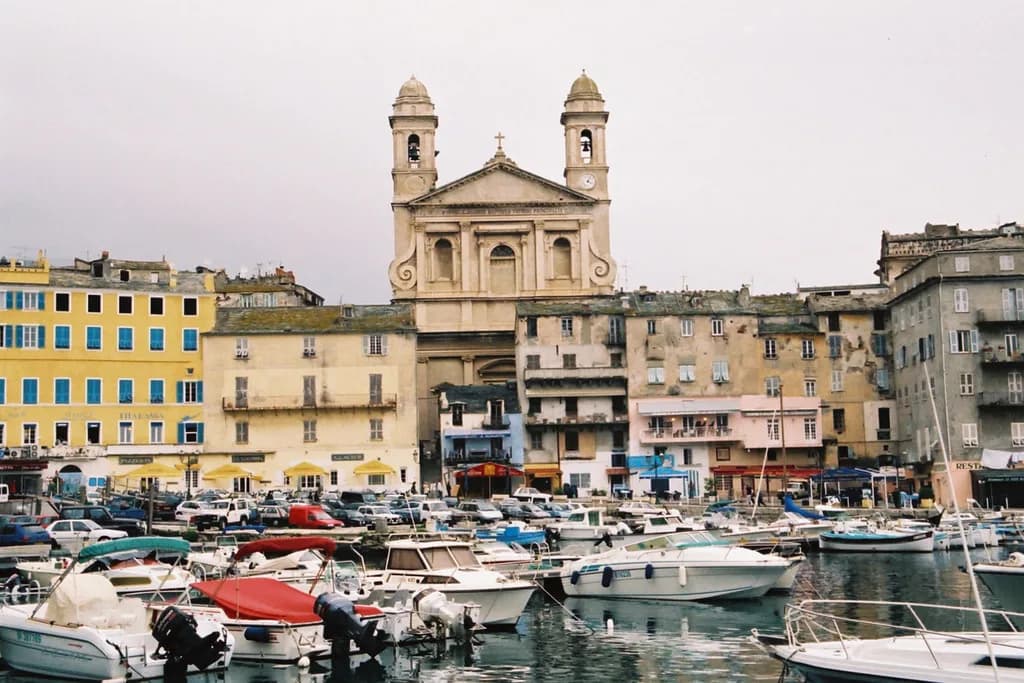
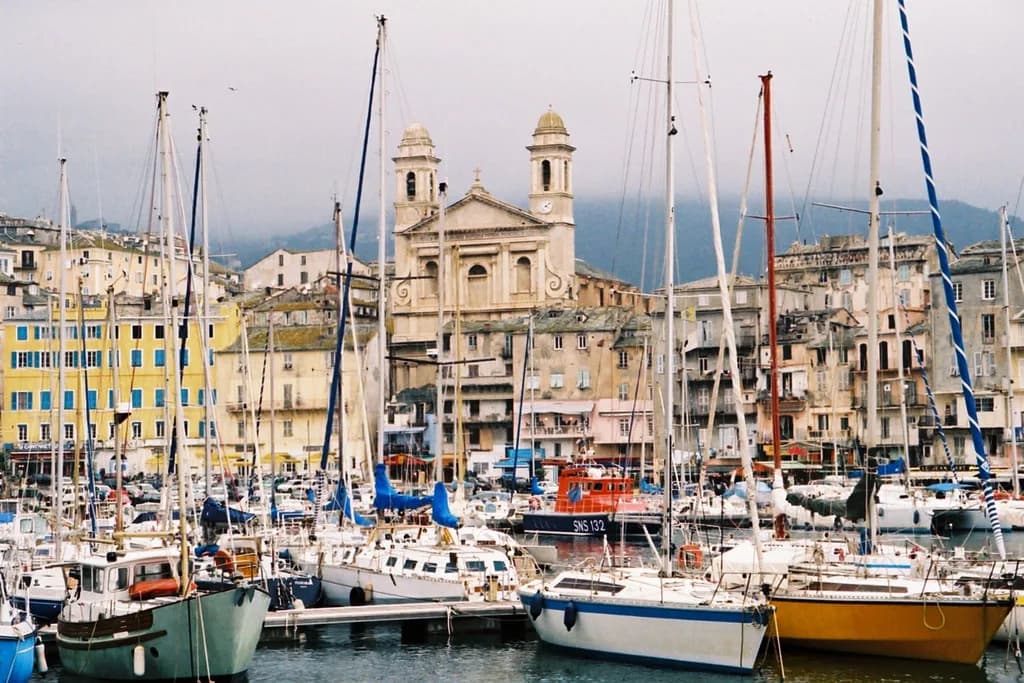
The Vieux Port is a near-perfect half-moon of sailboats ringed by restaurants that spill into the street, and it gets busy from late afternoon as aperitif hour begins. The ground here is flat, which makes it the easiest part of the city for all ages, and it works as the gateway up to the citadel.
Walk out to the red lighthouse at the harbour mouth for the view back across the city and the hillside. It is a short, flat addition to the port stroll rather than a separate outing, so slot it in before you climb to Terra Nova.
Terra Nova citadel: Musée de Bastia and the Sainte-Croix chapel
The Genoese established the citadel in 1380, and its ramparts and walkways still sit directly above the port. Take the elevator up from below rather than the steep stairs, and pause in the Jardin Romieu, the green space along the water that links Terra Nova and Terra Vecchia.
Inside the citadel, the Musée de Bastia occupies the Palais des Gouverneurs and covers the history of Corsica, which makes it a sensible first stop if the island is new to you. Check the museum's own site for opening days before you build a day around it, since Corsican museums keep irregular hours.
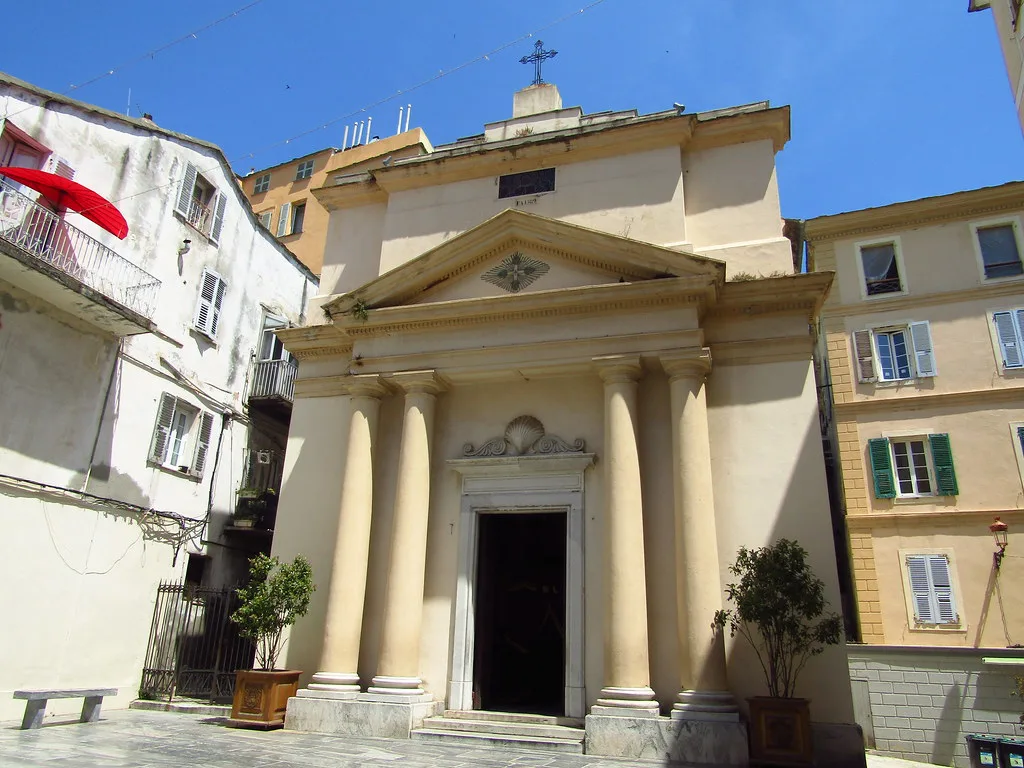
The chapel of the Confrérie de Sainte-Croix is easy to miss because it barely registers from the front, but the interior justifies seeking it out. Pair it with the museum in the same visit rather than treating the citadel as a single tick-box sight.
Bastia's Baroque churches
Corsica's Baroque religious buildings are one of the city's strongest draws, and Bastia holds several worth an hour of your time. Cathédrale Sainte-Marie feels far larger inside than its exterior suggests, while Église Saint-Jean-Baptiste, built in the 1600s, is the twin-towered church you will spot on the skyline.
Add the Oratoire Saint-Roch, recognisable by the shell on its facade, and the Oratoire de l'Immaculée Conception, known locally as A Cuncezziò, where a sun mosaic sits on the ground in front. Taken together they give the lower town a texture that a checklist of viewpoints does not.
L'Aldilonda: the flat clifftop walk around the citadel
L'Aldilonda is an elevated walkway that clings to the side of the citadel and encircles it, and it is completely flat. It runs in a single direction and reaches Arinella beach in somewhere between 30 minutes and an hour depending on how often you stop for photographs, which makes it the best easy walk in the city.
Treat it as a one-way outing: walk it out towards Arinella rather than planning a loop back along the same path. The flat surface means it works for mixed-age groups who would struggle with the citadel stairs.
Eating and shopping: canistrelli, U Paese and Rue Napoléon
Canistrelli, the buttery Corsican biscuits made to long-standing island recipes, are the edible souvenir to take home, and A Biscutteria sells them in several flavours with a terrace for a coffee. For a wider shop, U Paese stocks Corsican products and A Tinella specialises in cheese, both useful for gifts that survive the journey.
Rue Napoléon and Rue César Campinchi carry the small boutiques and artisan shops, while Boulevard Paoli next door has the larger brands. In Terra Nova, the antique and jewellery shop Brocante Soso Lucchesi is the pick if you are browsing rather than buying.
Restaurants along the Vieux Port and in Terra Vecchia serve Corsican cooking with a strong emphasis on local produce, and the best tables book up in summer, so reserve ahead rather than turning up at eight. Our pick of the best restaurants in Bastia covers where to aim your evening.
How many days Bastia needs, and when it works as a base
One very full day is enough to see both Terra Nova and Terra Vecchia properly, ideally with lunch and dinner in the city. Two nights is the better shape if you want the place at its calmest, because you get the quiet mornings and evenings that day trippers never see.
As a base, Bastia works: it has plenty in the city itself and sets you up for northern Corsica. The trade-off is the cruise traffic in the centre, and if that bothers you, a smaller base further along the coast offers a quieter alternative. A rental car is the practical way to reach the rest of the island, though one day trip north to Cap Corse is the obvious extension from here.
When to go: late spring and early autumn over peak summer
Late May to June and September to October are the sweet spots, with good weather and far fewer crowds than the peak summer months. Early September in particular gives warm conditions without the August press on the centre.
Peak summer brings the heaviest cruise and road traffic, and the Saint-Nicolas car park fills by 10am, so early arrival matters if you are driving in for the day. Outside those months the city is easier to move through on foot.
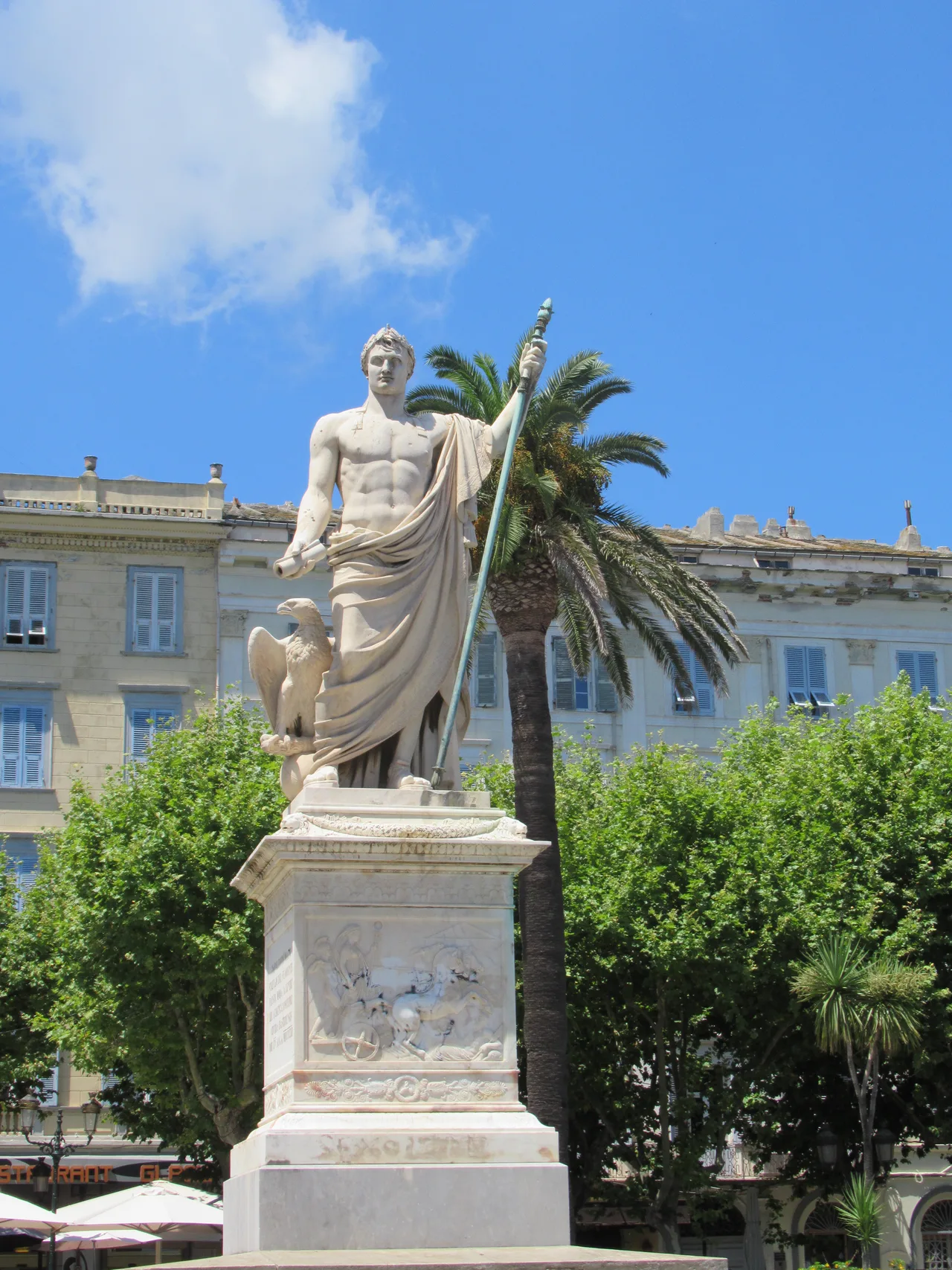
Honest trade-offs: cruise crowds and steep citadel stairs
The main drawback is the cruise-ship rhythm: the centre can feel crowded in the middle of the day and much calmer once the ships leave. If you only have a daytime stop, you will see Bastia at its busiest rather than its best.
The citadel sits on a hill, and while the elevator spares you the climb, the historic walkways and stairs inside Terra Nova still involve some effort. L'Aldilonda is the flat alternative if mobility is a concern.
Bastia versus a quieter northern Corsica base
Bastia gives you more city: more restaurants, more shops, more churches and a proper old town to wander. A quieter base such as Saint-Florent, a short drive away, trades that urban density for a small marina and old town of its own.
If your short break is about food, architecture and wandering on foot, Bastia wins. If it is about slow evenings by the water with minimal traffic, the smaller base is the calmer choice, and one or two nights in Bastia still fits around it.
Is Bastia worth visiting for a day?
Yes, a day is enough for the essentials, provided you start early and treat the citadel and the lower town as one continuous walk. Arrive before mid-morning, see Terra Vecchia first, then climb to Terra Nova and finish at the Vieux Port for an early dinner.
Final verdict: is Bastia worth visiting for your weekend?
Bastia earns its place on a short Corsican itinerary: two distinct halves, a strong Baroque church ensemble, a proper harbour and a flat clifftop walk that most port cities cannot offer. One full day covers it, two nights makes it enjoyable rather than rushed.
Go in late spring or early autumn, stay overnight to dodge the cruise crowds, and accept that the beaches and the rest of the island need a car. If that shape of trip appeals, Bastia delivers more than its size suggests.
Frequently Asked Questions
Is Bastia worth visiting for a day?
Yes. A very full day covers Terra Vecchia, the Vieux Port and the Terra Nova citadel on foot. Start early because the Saint-Nicolas car park fills by mid-morning in summer, and save the Vieux Port for an early dinner before you leave.
What is there to do in Bastia?
The core is the lower old town around Place Saint-Nicolas, the Vieux Port with its red lighthouse, and the Genoese citadel above, which holds the Musée de Bastia in the Palais des Gouverneurs and the Sainte-Croix chapel. Add the Baroque churches, the flat L'Aldilonda walkway and the canistrelli shops.
How many days do you need in Bastia?
One very full day sees both halves of the city properly. Two nights is better because the centre empties once the cruise day trippers leave, giving you calmer mornings and evenings. Beyond that, use Bastia as a base for northern Corsica.
Is Bastia a good base for exploring Corsica?
It works well for northern Corsica, with Cap Corse within easy reach and plenty in the city itself. The trade-off is cruise traffic in the centre, and you need a rental car to explore beyond the city rather than relying on foot.
When is the best time to visit Bastia?
Late May to June and September to October give good weather with far fewer crowds than peak summer. Early September is particularly comfortable, while peak summer brings heavier cruise and road traffic in the centre.
Is Bastia walkable?
Yes. The main streets and squares are pedestrian-only, and Terra Vecchia, the Vieux Port and Terra Nova sit within walking distance of each other. A newer elevator saves you the steep stairs up to the citadel, and L'Aldilonda is completely flat.
Sources
Notes for French city breaks
Optional updates to our guides.
You might also like
Continue reading
More guides you'll find useful